 Skip to content
What Is Fabric Bags Packaging and How Do You Choose the Right Solution?
- Eric
- February 24, 2026
- 10:35 pm
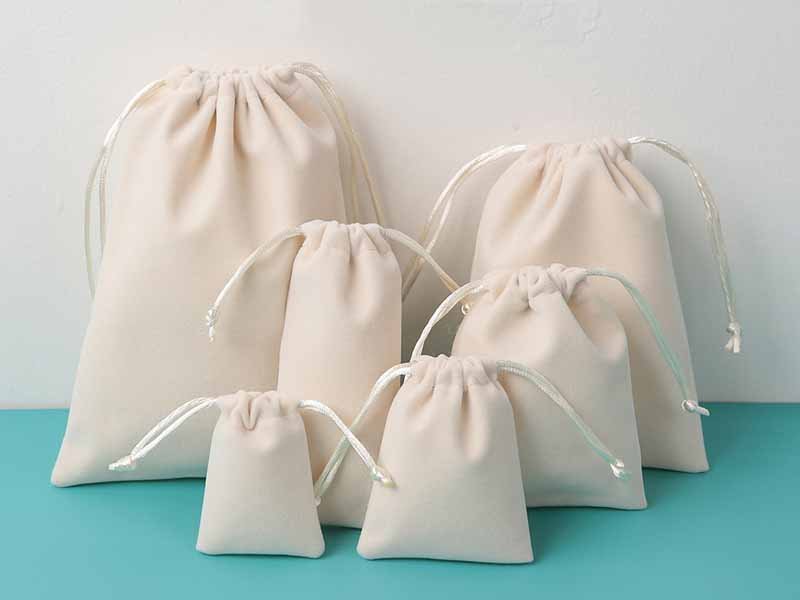
Packaging is no longer just protection — it has become part of the product experience. In retail stores and e-commerce platforms alike, customers notice not only what they buy, but how it is presented. Fabric bags packaging has grown rapidly in recent years because it combines functionality, sustainability, and brand visibility in one solution. From luxury fashion brands to eco-friendly lifestyle startups, more companies are replacing plastic packaging with reusable fabric bags.
Fabric bags packaging refers to reusable or semi-reusable bags made from materials such as cotton, canvas, polyester, non-woven fabric, or recycled textiles, designed to package, protect, and present products while enhancing brand image and sustainability value. These bags can be customized in size, structure, printing, and material thickness to meet retail, promotional, or wholesale packaging needs.
Unlike disposable plastic packaging, fabric packaging adds perceived value. It becomes part of the product story. Many brands report that customers reuse fabric packaging bags for shopping, travel, or storage, extending brand exposure beyond the initial purchase. In competitive markets, that extra visibility can quietly strengthen long-term brand recognition. But how do you select the right material, structure, and production partner? Let’s explore step by step.
What Is Fabric Bags Packaging and Why Is It Used?
Fabric bags packaging refers to textile-based bags used to protect, store, and present products instead of disposable plastic or paper packaging. These bags are commonly made from materials such as cotton, canvas, polyester, non-woven PP, jute, or recycled fabrics. Unlike single-use packaging, fabric packaging is often reusable, which increases brand exposure and reduces environmental waste.
In simple terms, fabric bags packaging turns packaging into a functional, reusable, and brand-visible asset, rather than a temporary wrapper that gets discarded immediately.
What Exactly Is Fabric Bags Packaging?
Fabric bags packaging is designed to serve three core purposes:
- Protect the product
- Enhance brand presentation
- Provide reusable value
It is commonly used for:
- Apparel (T-shirts, hoodies, jackets)
- Shoes and sneakers
- Jewelry and watches
- Cosmetics and gift sets
- Electronics accessories
- Promotional merchandise
- Luxury retail products
Unlike thin poly bags that only prevent dust, fabric packaging provides:
- Better scratch protection
- Stronger structure for heavier items
- Improved customer unboxing experience
- Long-term brand visibility
For example, a cotton drawstring bag used to package a hoodie may cost slightly more than a plastic bag, but customers often reuse it for travel or storage, extending brand exposure beyond the initial purchase.
Why Is Fabric Bags Packaging Used Instead of Plastic?
There are five main business reasons brands switch to fabric packaging.
1. Improved Brand Perception
Customers associate fabric packaging with:
- Higher product value
- Better quality
- Environmental responsibility
Retail studies show that packaging quality directly influences perceived product value. Even small packaging upgrades can increase customer satisfaction and repurchase likelihood.
2. Reusability Increases Brand Exposure
Unlike disposable packaging, fabric bags often stay in daily use.
Common reuse scenarios include:
- Gym storage
- Travel organization
- Shoe dust protection
- Shopping
- Household storage
Each reuse acts as a subtle advertisement for the brand.
3. Environmental Regulations and Sustainability Goals
Many countries are reducing single-use plastic consumption. Brands are responding by adopting:
- Reusable packaging
- Recyclable materials
- Organic or recycled fabrics
Reusable fabric packaging supports sustainability positioning while aligning with evolving consumer expectations.
4. Better Product Protection
Fabric packaging can provide improved protection compared to thin plastic.
| Packaging Type | Protection Level | Reusability | Brand Visibility |
|---|---|---|---|
| Poly bag | Low | No | Low |
| Paper bag | Medium | Limited | Medium |
| Fabric bag | Medium-High | Yes | High |
Heavier GSM fabrics (120–300 GSM) can protect against scratches and minor impact during transport.
5. Retail and E-Commerce Experience
In online shopping, unboxing experience matters.
Fabric packaging:
- Looks more premium in photos
- Encourages social media sharing
- Enhances customer satisfaction
Brands selling through Instagram, TikTok, and boutique stores often use fabric packaging to differentiate from competitors.
How Does Fabric Bags Packaging Create Commercial Value?
Fabric packaging adds measurable business advantages:
1. Increased Perceived Product Value
Premium packaging can justify slightly higher retail pricing.
2. Reduced Product Damage Returns
Stronger packaging reduces scratching or scuffing during transit.
3. Marketing Without Additional Ad Spend
Reusable bags function as moving brand promotion.
4. Stronger Brand Identity
Custom colors, logo printing, and structure create consistency across product lines.
When Is Fabric Bags Packaging the Right Choice?
Fabric packaging works best when:
- The product price supports slightly higher packaging cost
- The brand promotes sustainability
- The product is reusable or lifestyle-oriented
- Long-term brand visibility is valuable
It may not be necessary for:
- Extremely low-cost mass promotional items
- Products requiring strict waterproof or airtight sealing (unless fabric is coated)
Key Considerations Before Choosing Fabric Bags Packaging
Before switching to fabric packaging, brands should evaluate:
- Product weight and dimensions
- Target retail price
- Material sustainability goals
- Shipping cost sensitivity
- MOQ and production lead time
Selecting the correct material thickness (GSM) is especially important:
| Product Type | Recommended GSM |
|---|---|
| Lightweight apparel | 120–150 GSM |
| Shoes | 150–220 GSM |
| Heavy garments | 200–300 GSM |
| Luxury items | 180–300 GSM |
Higher GSM increases durability but also increases unit cost and shipping weight.
Which Materials Are Best for Fabric Bags Packaging?
Choosing the best material for fabric bags packaging is not about picking the “most popular” fabric. It depends on product weight, brand positioning, durability expectations, sustainability goals, printing requirements, and cost targets.
In real sourcing decisions, material typically accounts for 40–65% of total packaging cost, so selecting the wrong fabric can directly impact profit margins or product performance.
The most commonly used materials in fabric bags packaging are:
- Cotton
- Canvas
- Polyester
- Non-woven PP
- Recycled polyester (rPET)
- Jute
Each has different strength, cost, texture, and environmental positioning.
1. Cotton: Natural, Soft, and Retail-Friendly
Cotton is one of the most widely used materials for fabric packaging, especially in fashion and lifestyle industries.
Key Characteristics of Cotton
| Feature | Performance |
|---|---|
| Texture | Soft, natural |
| Printing compatibility | Excellent for screen printing |
| Eco perception | Strong |
| Durability | Moderate |
| Cost level | Medium |
Cotton packaging typically ranges from 120–180 GSM for standard retail use.
When Cotton Works Best
- Apparel packaging
- Boutique retail brands
- Sustainable lifestyle products
- Cosmetic and skincare packaging
Cotton gives a premium, natural feel that customers associate with environmental responsibility. However, it is less resistant to moisture compared to synthetic fabrics.
2. Canvas: Stronger and More Durable Than Cotton
Canvas is essentially a heavier, tightly woven cotton fabric. It offers better durability and structure.
Canvas Performance Overview
| Feature | Performance |
|---|---|
| Typical GSM | 180–350 GSM |
| Durability | High |
| Load capacity | Strong |
| Eco perception | High |
| Cost level | Medium-High |
Canvas is ideal for:
- Shoe packaging
- Heavy garments
- Premium retail gift packaging
- Reusable branded bags
Higher GSM canvas (250–350 GSM) provides excellent durability but increases fabric cost and shipping weight.
3. Polyester: Cost-Efficient and Durable
Polyester is commonly used for large-volume packaging due to its strength and cost efficiency.
Polyester Advantages
| Feature | Performance |
|---|---|
| Durability | High |
| Water resistance | Better than cotton |
| Cost | Low-Medium |
| Print clarity | Very good |
| Wrinkle resistance | High |
Polyester GSM usually ranges from 150–300D (Denier) instead of GSM in some applications.
When Polyester Is Ideal
- Sports brand packaging
- High-volume promotional packaging
- Outdoor products
- Moisture-sensitive items
Polyester offers excellent strength-to-weight ratio, making it efficient for export shipping.
4. Non-Woven PP: Budget-Friendly Bulk Packaging
Non-woven polypropylene (PP) is one of the most cost-effective fabric packaging materials.
Non-Woven PP Overview
| Feature | Performance |
|---|---|
| Typical GSM | 80–120 GSM |
| Cost | Low |
| Eco perception | Moderate |
| Strength | Medium |
| Reusability | Moderate |
Non-woven fabric is widely used for:
- Promotional giveaways
- Trade show packaging
- Budget retail packaging
It is lightweight and inexpensive but not as durable as woven cotton or canvas.
5. Recycled Polyester (rPET): Sustainable Synthetic Option
Recycled polyester is produced from recycled plastic bottles. It offers durability similar to virgin polyester but with sustainability appeal.
rPET Performance Comparison
| Feature | Virgin Polyester | rPET |
|---|---|---|
| Durability | High | High |
| Cost | Medium | Slightly higher |
| Eco perception | Medium | High |
| Print quality | Excellent | Excellent |
rPET packaging works well for:
- Outdoor brands
- Eco-focused startups
- Brands emphasizing circular economy
Cost increase is usually 5–15% compared to standard polyester, depending on supply chain.
6. Jute: Natural and Rustic Appearance
Jute fabric packaging is used for brands that want a natural, earthy aesthetic.
Jute Material Overview
| Feature | Performance |
|---|---|
| Texture | Coarse, natural |
| Eco perception | Very high |
| Durability | Moderate |
| Cost | Medium |
| Printing | Limited clarity |
Jute works well for:
- Organic food packaging
- Natural cosmetics
- Rustic gift packaging
However, jute is heavier and less flexible than cotton or polyester.
How to Choose the Right Material for Your Product
Material selection should match product type and brand positioning.
Recommended Material by Product Category
| Product Type | Recommended Material | Reason |
|---|---|---|
| T-shirts | 120–150 GSM cotton | Soft, cost balanced |
| Hoodies | 150–200 GSM cotton/canvas | Extra durability |
| Shoes | 200–300 GSM canvas | Strong structure |
| Jewelry | Cotton or velvet | Premium feel |
| Electronics | Polyester | Strength and protection |
| Promotional kits | Non-woven PP | Low cost |
GSM and Thickness Selection Strategy
Higher GSM increases durability but impacts cost and freight.
GSM Decision Guide
| Priority | Recommended GSM |
|---|---|
| Lowest cost | 80–120 GSM |
| Balanced durability | 120–180 GSM |
| Premium reusable | 180–300 GSM |
Heavier fabrics increase material usage by up to 20–40%, directly affecting unit cost.
Printing Compatibility by Material
Different materials respond differently to printing methods.
| Material | Best Printing Method |
|---|---|
| Cotton | Screen printing |
| Canvas | Screen or embroidery |
| Polyester | Heat transfer |
| Non-woven | Screen printing |
| Jute | Limited printing clarity |
Choosing the wrong printing method can cause:
- Ink cracking
- Color fading
- Logo distortion
Moisture Resistance Considerations
If packaging will be exposed to humidity or light rain, synthetic materials perform better.
| Material | Moisture Resistance |
|---|---|
| Cotton | Low |
| Canvas | Moderate |
| Polyester | High |
| Non-woven PP | Moderate |
| rPET | High |
For international shipping in humid climates, polyester or coated fabrics may reduce damage risk.
Cost Impact Breakdown by Material
Approximate material cost contribution to total unit price:
| Material | % of Unit Cost |
|---|---|
| Non-woven PP | 35–45% |
| Polyester | 45–55% |
| Cotton | 50–60% |
| Canvas | 55–65% |
How Do You Design Custom Fabric Bags Packaging?
Designing custom fabric bags packaging is not just about choosing a fabric and printing a logo. It involves balancing function, cost control, durability, brand positioning, and production efficiency.
A well-designed fabric packaging bag should:
- Protect the product properly
- Match brand identity visually
- Be cost-effective in bulk production
- Be practical for storage and shipping
- Deliver a positive unboxing experience
Poor design decisions often lead to:
- Oversized bags that waste fabric and increase freight cost
- Weak stitching that reduces reusability
- Logos placed incorrectly or fading after light use
- High MOQs due to unnecessary customization
Below is a structured, step-by-step approach to designing custom fabric bags packaging from a real sourcing and production perspective.
Step 1: Define the Primary Purpose of the Fabric Packaging
Before choosing material or printing, clarify the bag’s main role:
- Is it mainly protective?
- Is it intended for long-term reuse?
- Is it part of premium retail presentation?
- Is it a promotional giveaway?
Different purposes require different design priorities.
| Purpose | Design Focus | Cost Priority |
|---|---|---|
| Basic protection | Functional size, simple print | Low |
| Retail branding | Strong logo visibility | Medium |
| Premium packaging | High GSM, detailed finish | Higher |
| Promotional use | Lightweight, low cost | Lowest |
Clear positioning prevents overspending on unnecessary features.
Step 2: Choose the Right Structure
Structure affects both usability and production cost.
Common Fabric Packaging Structures
| Structure | Best For | Cost Impact | Complexity |
|---|---|---|---|
| Drawstring bag | Apparel, shoes | Low | Simple |
| Flat pouch | Jewelry, cosmetics | Low | Very simple |
| Gusseted bag | Bulk or boxed items | Medium | Moderate |
| Zipper bag | Electronics, kits | Medium-High | Higher |
| Tote-style packaging | Reusable retail | Medium | Moderate |
Drawstring bags are the most popular due to:
- Simple construction
- Low sewing time
- Easy mass production
- Strong reusability
More complex structures increase:
- Sewing labor
- Production time
- Material usage
Step 3: Determine Optimal Size to Avoid Waste
One of the most common cost mistakes is oversizing packaging.
Best practice:
- Product width + 1–2 cm margin
- Product height + 2–3 cm for closure allowance
Oversized bags increase:
- Fabric consumption (up to 15–30%)
- Carton volume
- Freight cost
Example Size Planning for Apparel
| Product | Recommended Bag Size |
|---|---|
| T-shirt | 30×40 cm |
| Hoodie | 35×45 cm |
| Jacket | 40×50 cm |
| Shoes | 35×45 cm (gusseted) |
Precise sizing improves both cost efficiency and visual presentation.
Step 4: Select Fabric Thickness (GSM) Based on Product Weight
Fabric thickness directly impacts durability and price.
| Product Weight | Suggested GSM |
|---|---|
| Under 500g | 120–150 GSM |
| 500g–1kg | 150–200 GSM |
| Over 1kg | 200–300 GSM |
Higher GSM increases fabric cost by approximately:
- 10–20% per 50 GSM increment
Balancing durability with shipping cost is essential.
Step 5: Choose the Right Logo Application Method
Logo method affects appearance, durability, and MOQ.
Printing and Branding Options
| Method | Durability | Cost Level | MOQ Impact |
|---|---|---|---|
| Screen printing | Medium | Low | Low |
| Heat transfer | Medium | Medium | Medium |
| Embroidery | High | Medium-High | Medium |
| Woven label | Very High | Medium | Medium |
| Digital printing | Medium | Medium-High | Higher |
Key considerations:
- Multi-color logos increase setup cost
- Large print area increases ink usage
- Metallic or special inks increase production time
Simple, bold logos reduce risk and cost in bulk production.
Step 6: Reinforce High-Stress Points
Reusability depends on structural strength.
Critical reinforcement areas:
- Drawstring channel seam
- Bottom corners
- Handle attachment (if tote style)
- Zipper ends
Weak reinforcement leads to:
- Early tearing
- Reduced reuse
- Customer complaints
Reinforced stitching increases sewing time slightly but improves durability significantly.
Step 7: Consider Color Matching and Brand Consistency
Custom color fabric enhances brand identity but may require higher MOQ.
Two main options:
- Stock color fabric (lower MOQ)
- Custom dyed fabric (higher MOQ)
Custom dyeing usually requires:
- 500–1000 meters minimum fabric production
- Slightly longer lead time
Brands with strong visual identity often benefit from consistent Pantone matching across product lines.
Step 8: Design for Efficient Packing and Shipping
Export efficiency affects total cost.
Design tips:
- Avoid overly thick or rigid structures
- Design foldable packaging
- Optimize carton packing ratio
Freight Efficiency Example
| Design Type | Carton Capacity | Shipping Cost Impact |
|---|---|---|
| Thin 120 GSM drawstring | High | Lower cost |
| Thick 300 GSM canvas | Lower | Higher cost |
Heavy packaging increases total shipping weight and reduces carton quantity per shipment.
Step 9: Align Design with MOQ Strategy
Complex designs increase production setup requirements.
Factors increasing MOQ:
- Custom color fabric
- Multiple size variations
- Special hardware or zipper
- Embroidery setup
Simplifying design can reduce MOQ and accelerate production.
Step 10: Plan for Long-Term Repeat Orders
Design should support stable repeat production.
Avoid:
- Rare fabric types with unstable supply
- Highly complex stitching that increases defect risk
- Oversized logos that may crack over time
Consistent materials and simple construction improve long-term supply stability.
What Should You Confirm Before Ordering Fabric Bags Packaging?
Before placing a bulk order for fabric bags packaging, buyers should confirm far more than just price and sample approval. Real production risk often appears after order confirmation — not during sampling.
To protect your budget, timeline, and brand reputation, you should verify:
- MOQ structure
- Material consistency
- Printing durability
- Stitching quality
- Production lead time
- Quality inspection standards
- Packing method
- Repeat-order stability
Skipping these confirmations can result in:
- Bulk production differing from the sample
- Unexpected cost increases
- Delayed shipments
- High defect rates
- Customer complaints
Below is a structured checklist based on real OEM sourcing experience.
1. Confirm MOQ Structure Clearly
MOQ is rarely a single number. It may vary depending on:
- Fabric color
- Logo printing method
- Size variation
- Custom dyeing
- Special hardware (zipper, label, etc.)
Typical MOQ Structure Breakdown
| Factor | Impact on MOQ |
|---|---|
| Stock fabric color | Lower MOQ |
| Custom color fabric | Higher MOQ (fabric minimum) |
| Single-color logo | Lower MOQ |
| Multi-color print | May increase MOQ |
| Multiple sizes mixed | MOQ per size may apply |
For example:
- A factory may quote 1000 pieces MOQ
- But require 500 pieces per color
- And 500 pieces per size
Clarify these details before production begins.
2. Confirm Fabric Specification in Detail
Do not rely on general descriptions like “cotton bag.” Confirm:
- Exact GSM (e.g., 150 GSM)
- Fabric composition (100% cotton or blended)
- Weave type
- Color matching standard (Pantone reference)
Why GSM Confirmation Matters
| GSM Difference | Business Impact |
|---|---|
| -20 GSM | Lower durability |
| +20 GSM | Higher material cost |
| Inconsistent GSM | Quality variation between batches |
Request written confirmation of fabric specification to avoid disputes later.
3. Confirm Logo Durability and Print Quality
Many issues appear after several uses or washes.
Ask for confirmation of:
- Ink type
- Print curing method
- Wash resistance
- Abrasion resistance
Printing Risk Comparison
| Method | Risk if Poorly Controlled |
|---|---|
| Screen print | Cracking or fading |
| Heat transfer | Peeling edges |
| Embroidery | Thread breakage |
| Woven label | Misalignment |
Request sample washing or rub testing before bulk approval.
4. Confirm Stitching and Reinforcement Details
Weak stitching reduces reusability and brand value.
Check:
- Stitch density (stitches per inch)
- Reinforced bottom corners
- Double stitching at stress points
- Clean thread trimming
Common Stitching Problems in Bulk Orders
| Problem | Cause |
|---|---|
| Loose seams | Low stitch density |
| Torn corners | No reinforcement |
| Uneven appearance | Poor machine calibration |
| Thread unraveling | Low-quality thread |
Request internal QC standards for sewing quality.
5. Confirm Production Timeline and Capacity
Lead time must be realistic and aligned with your launch plan.
Average Production Timeline
| Stage | Time Range |
|---|---|
| Sampling | 7–15 days |
| Material preparation | 5–10 days |
| Bulk sewing | 20–35 days |
| Peak season delay | +10–15 days |
Ask:
- How many production lines are available?
- What happens during peak season?
- Is raw material stock available?
Factories with stable capacity planning reduce delivery risk.
6. Confirm Quality Control (QC) Standards
Sample quality does not guarantee bulk quality.
Confirm:
- Incoming material inspection
- In-line inspection frequency
- Final inspection method
- AQL level
AQL Levels Explained
| AQL Level | Suitable For |
|---|---|
| 4.0 | Promotional goods |
| 2.5 | Standard retail |
| 1.5 | Premium retail |
Lower AQL reduces defect tolerance but increases inspection effort.
Request pre-shipment inspection photos or reports.
7. Confirm Packing and Carton Details
Packaging affects freight cost and damage risk.
Ask:
- How many pieces per carton?
- Carton size and weight?
- Are bags folded or flat packed?
- Is inner poly protection used?
Shipping Efficiency Example
| Packing Method | Freight Impact |
|---|---|
| Thin folded | Lower freight |
| Thick flat | Higher volume cost |
| Over-packed carton | Risk of crushing |
Efficient carton planning reduces cost per unit.
8. Confirm Payment Terms and Price Stability
Clarify:
- Payment schedule (30/70? 50/50?)
- Currency terms
- Price validity period
- Raw material fluctuation clause
Price stability is important for long-term cooperation.
9. Confirm Repeat-Order Consistency Plan
Many buyers forget to confirm how future orders will match the sample.
Ask:
- Is fabric supplier fixed?
- Are production settings documented?
- Will future orders use the same raw materials?
- Can the factory maintain color consistency?
Batch inconsistency often damages brand reputation.
10. Confirm After-Sales Responsibility
Even with good QC, problems can occur.
Clarify:
- Defect rate tolerance
- Replacement or refund policy
- Dispute resolution process
Professional factories provide clear corrective procedures.
How Do Cost and Sustainability Affect Fabric Bags Packaging?
Cost and sustainability are two of the most influential factors when deciding on fabric bags packaging. Many brands face a common dilemma:
- How to keep packaging cost competitive
- While also improving environmental responsibility
The truth is, cost and sustainability are closely connected. The right material choice and production strategy can balance both. The wrong decisions can increase unit cost, freight expense, or inventory pressure.
Understanding how these two factors interact helps brands make packaging decisions that protect margins and strengthen long-term positioning.
1. What Determines the Real Cost of Fabric Bags Packaging?
Fabric bags packaging cost is primarily driven by:
- Material type
- Fabric thickness (GSM)
- Bag size
- Printing method
- Order volume
- Shipping efficiency
Material and GSM alone often account for 50–65% of total unit cost.
Material Cost Comparison
| Material | Relative Cost Level | Typical Use |
|---|---|---|
| Non-woven PP | Lowest | Promotions |
| Polyester | Low–Medium | Sports / bulk |
| Cotton | Medium | Apparel |
| Canvas | Medium–High | Premium retail |
| Organic cotton | Higher | Sustainable brands |
| rPET (recycled polyester) | Medium–High | Eco positioning |
Switching from standard polyester to organic cotton can increase raw material cost by approximately 10–25%, depending on supply market conditions.
2. How Does GSM Affect Total Cost?
GSM (grams per square meter) directly impacts:
- Fabric consumption
- Sewing labor
- Shipping weight
Example of GSM Impact on Cost
| GSM Increase | Approx. Cost Impact |
|---|---|
| +30 GSM | +8–12% material cost |
| +50 GSM | +12–18% material cost |
| +100 GSM | +20–35% material cost |
Higher GSM improves durability but increases:
- Unit production cost
- Freight cost per carton
- Total packaging weight
For example:
If 120 GSM cotton bag weighs 60g
And 200 GSM cotton bag weighs 95g
Shipping 10,000 pieces increases freight weight by 350 kg, which significantly affects export cost.
Balancing durability and weight is essential.
3. How Does Size Influence Cost?
Size increases fabric consumption exponentially.
Fabric Usage Comparison
| Bag Size | Fabric Usage | Cost Impact |
|---|---|---|
| 25×30 cm | Baseline | Lowest |
| 30×40 cm | +20–25% | Moderate |
| 40×50 cm | +45–60% | High |
Oversizing packaging can increase material usage by 20–50% unnecessarily.
Smart size planning reduces:
- Fabric waste
- Freight cost
- Storage volume
4. Do Sustainable Materials Always Increase Cost?
Not always. It depends on supply chain efficiency and order volume.
Sustainable Material Cost Impact
| Material | Cost Increase vs Standard |
|---|---|
| Organic cotton | +10–25% |
| rPET | +5–15% |
| Recycled cotton blend | +5–10% |
| Certified sustainable fabric | +3–12% |
However, sustainable packaging can support:
- Higher retail price
- Better brand positioning
- Increased customer loyalty
For mid-to-high-end retail brands, the additional packaging cost often represents less than 1–3% of total product retail price, but may significantly improve perceived brand responsibility.
5. How Sustainability Impacts Long-Term Business Value
Short-term cost comparison often overlooks long-term return.
Reusable fabric packaging offers:
- Extended brand exposure
- Reduced single-use plastic compliance risk
- Lower product damage returns
- Stronger marketing differentiation
For example:
If fabric packaging reduces product return rate by just 1–2%, the savings in logistics and refund processing can offset packaging cost increase.
6. How Does Sustainability Affect Shipping and Carbon Footprint?
Heavier fabrics increase freight emissions.
However, reusable packaging reduces:
- Future packaging waste
- Disposal-related environmental impact
- Regulatory risk in markets with plastic restrictions
Brands exporting to Europe and North America increasingly prefer reusable packaging to align with consumer expectations.
7. How to Balance Cost and Sustainability Strategically
Smart brands avoid extremes.
Instead of choosing the cheapest or the most premium material, they consider:
- Target retail price
- Product category
- Brand positioning
- Reusability expectation
Balanced Strategy Example
| Product Type | Recommended Approach |
|---|---|
| Budget promotional item | Non-woven or thin polyester |
| Mid-range apparel | 150 GSM cotton |
| Premium retail | 200–250 GSM canvas |
| Eco-focused brand | rPET or organic cotton |
This approach keeps packaging cost within reasonable percentage of product value.
8. Cost Modeling Example
Assume 10,000-piece order:
| Option | Unit Cost | Total Cost |
|---|---|---|
| Non-woven 90 GSM | $0.25 | $2,500 |
| 150 GSM cotton | $0.45 | $4,500 |
| 250 GSM canvas | $0.70 | $7,000 |
If retail product price is $50:
- Packaging cost difference between cotton and canvas = $0.25
- Retail price impact per unit = 0.5%
For premium brands, small packaging upgrades may significantly improve perception.
9. When Should You Invest More in Packaging?
Invest more when:
- Packaging is visible in retail display
- Customer unboxing experience matters
- Sustainability is core brand message
- Product margin allows slight cost increase
Reduce packaging cost when:
- Product is bulk B2B
- Price competition is intense
- Packaging is secondary protection only
Ready to Develop Your Custom Fabric Bags Packaging?
If you are planning:
- Retail fabric packaging
- Sustainable brand packaging
- Promotional reusable packaging
- Custom logo fabric bags
- Bulk wholesale fabric packaging
Our team can help you:
- Select the right material
- Optimize cost structure
- Design custom packaging
- Control quality and timeline
Contact Szoneier today to discuss your custom fabric bags packaging project.
We provide professional guidance, fast sampling, and stable OEM production support.
Let’s turn your packaging into a long-term brand asset.
manufacturer Categories
- Custom Tote Bags Manufacturer
- custom backpacks Manufacturer
- custom travel bags& Duffle bags manufacturer
- custom makeup bags & toiletry bags manufacturer
- custom cooler bags manufacturer
- custom drawstring bags manufacturer
- custom makeup bags & toiletry bags manufacturer
- custom golf bags manufacturer
- custom fireproof bags manufacturer
- custom dry bags manufacturer
- custom ski bags manufacturer
- custom gym & sports bags manufacturer
- custom laptop bags manufacturer
- custom tactical bags manufacturer
- custom beach bags manufacturer
- custom medical bags manufacturer
- custom camera bags manufacturer
- custom wetsuits manufacturer
- custom leather goods manufacturer
- more personalized products
Can't find the answers?
No worries, please contact us and we will answer all the questions you have during the whole process of bag customization.
Make A Sample First?
If you have your own artwork, logo design files, or just an idea,please provide details about your project requirements, including preferred fabric, color, and customization options,we’re excited to assist you in bringing your bespoke bag designs to life through our sample production process.
