 Skip to content
Fabric Handles for Bags: Materials, Strength & Custom Guide
- Eric
- February 14, 2026
- 10:24 pm
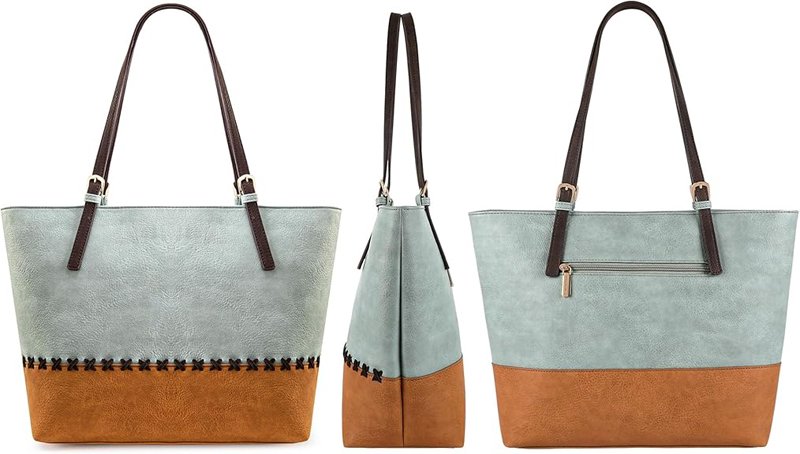
Walk through any retail store, airport terminal, or online marketplace, and one small detail quietly determines whether a bag feels premium or disappointing—the handle. Fabric handles for bags may look simple, yet they carry the full weight of usability, durability, comfort, and brand perception. A poorly designed handle can cut into the hand, fray after months of use, or fail under load. A well-engineered one, however, transforms an ordinary bag into a reliable everyday companion that customers trust and recommend.
Fabric handles for bags are textile-based carrying structures designed to balance strength, comfort, and visual appeal. The best options combine high-tensile webbing materials, reinforced stitching, ergonomic width, and secure attachment methods to ensure long-term durability while supporting brand aesthetics and user comfort.
For product developers, sourcing managers, and brand owners, choosing the right handle is not a minor design step—it directly affects customer satisfaction, return rates, and long-term brand value. Many successful bag brands have discovered that improving handle structure alone can reduce complaints and increase perceived quality. One outdoor retailer, for example, redesigned only the handle reinforcement of a travel tote and saw warranty claims drop noticeably within a single season. That single change tells a larger story—and it is exactly where this guide begins.
What Are Fabric Handles for Bags?
Fabric handles for bags are flexible load-bearing straps or grips made from woven/stitched textiles (or textile + padding combinations). They can be short hand-carry handles, long shoulder straps, or hybrid systems. The goal is simple: carry safely + feel comfortable + look on-brand.
Why Fabric Handles for Bags Matter
Handles decide whether a bag performs like a tool or fails like a disposable item. Customers care about:
- Strength: “Will this handle hold when the bag is full?”
- Comfort: “Does it hurt my hand or shoulder?”
- Durability: “Will it fray, pill, or crack after use?”
- Appearance: “Does it match the bag’s style and price level?”
- Trust: “Does it feel solid when I lift it?”
From a factory perspective, handle issues are among the most common reasons for after-sales complaints. Most failures happen because one of these was not matched correctly:
- Handle width vs load
- Webbing strength vs bag capacity
- Stitch type vs stress direction
- Reinforcement layers vs fabric tearing risk
Common failure points
| Failure type | What it looks like | Why it happens | Practical fix |
|---|---|---|---|
| Fraying edges | Fuzzy, broken yarns at sides | Low-density weave, cut edge not sealed | Heat-seal (synthetics), edge binding, higher weave density |
| Stitch pop | Thread breaks near attachment | Weak stitch pattern, low thread strength | Box-X + bar tacks, higher Tex thread, longer stitch length control |
| Fabric tear at seam | Body fabric rips, handle stays intact | Handle is stronger than bag panel | Add reinforcement patch, increase seam allowance, add interlining |
| Stretch / deformation | Handle becomes longer or wavy | High elongation webbing, wet use | Use polyester for stability, add core tape or layered structure |
| Comfort complaints | Cuts into hand | Too narrow, too stiff | Wider handle, padded grip, tubular webbing |
How Fabric Handles for Bags Affect Comfort
Comfort is not “soft vs hard.” It’s pressure + friction + stability.
A handle feels uncomfortable when it concentrates force into a small area. This is why narrow straps feel painful even at moderate weight.
A simple comfort rule that works in product development
Hand-carry (short handles):
- 25 mm webbing is fine for light loads
- 38 mm is safer for heavier everyday loads
- 50 mm is best for heavier utility use
Shoulder-carry (long straps):
- 38–50 mm is usually the “comfort zone”
- Add padding if the bag will carry laptops, tools, bottles, or groceries
Handle width vs comfort
| Handle width | Best use | Comfort level under load | Notes |
|---|---|---|---|
| 20–25 mm | light tote, promo bag | low–medium | can “cut” into fingers at higher weight |
| 32–38 mm | everyday tote, travel | medium–high | good balance of look + comfort |
| 45–50 mm | heavy-duty bag | high | better pressure spread, stronger visual |
| 60 mm+ | special use | very high | bulky look, used for tactical/utility designs |
If your bag is designed to carry 8–12 kg (groceries, books, travel items), upgrading from 25 mm to 38 mm often reduces comfort complaints dramatically—without changing the whole bag design.
Which Materials Are Best for Fabric Handles for Bags?
The best material for fabric handles for bags is not simply the strongest or the most expensive—it is the one that matches real usage conditions, expected load weight, environmental exposure, and the product’s price positioning.
In practical manufacturing, handle material selection directly affects:
- how long the bag lasts before visible wear
- whether customers feel comfort or strain when carrying weight
- how well the product maintains its appearance after repeated use
- the overall perceived value of the brand
For this reason, experienced product developers evaluate handle materials using measurable performance indicators, not just appearance.
Key Performance Factors That Determine Material Suitability
Before comparing specific materials, it helps to understand the four measurable factors that matter most in real-world use.
| Performance factor | Why it matters to customers | How factories evaluate it |
|---|---|---|
| Tensile strength | Prevents handle breakage under load | Pull-force testing in kilograms |
| Abrasion resistance | Determines fraying and surface wear | Cycle abrasion testing |
| Moisture & UV resistance | Affects fading, stiffness, mildew | Environmental exposure tests |
| Flexibility & comfort | Influences hand or shoulder pressure | Bend and compression evaluation |
A material that scores well in all four areas will generally deliver longer service life and fewer complaints.
Cotton and Canvas Fabric Handles for Bags
Cotton and canvas handles are widely used in retail totes, promotional bags, and lifestyle products because they provide a soft, natural feel that customers immediately associate with comfort and sustainability.
What customers like about cotton-based handles
- Gentle on bare hands, even without padding
- Matte texture that looks natural rather than synthetic
- Easy color matching for brand identity
- Strong compatibility with eco-friendly product positioning
Real performance characteristics
| Property | Typical cotton webbing range | Practical meaning in use |
|---|---|---|
| Tensile strength | 300–600 kg | Suitable for daily shopping loads |
| Moisture absorption | High | Can feel damp in humid conditions |
| Abrasion resistance | Medium | Edges may fuzz after long use |
| UV stability | Medium–low | Color fading possible outdoors |
Because cotton absorbs water and dirt more easily, it performs best in indoor or light-duty environments.
To improve durability, factories may add:
- resin finishing to reduce moisture absorption
- inner reinforcement tape to limit stretching
- edge binding or thicker weave density to slow fraying
These upgrades add only a small cost but can extend usable life significantly.
Nylon and Polyester Fabric Handles for Bags
Synthetic webbing—especially nylon and polyester—is the most common choice for travel bags, backpacks, tool bags, and outdoor products because of its superior strength and environmental resistance.
Nylon webbing performance profile
- Very high tensile strength relative to thickness
- Flexible structure that bends comfortably in hand
- Strong resistance to repeated pulling and abrasion
However, nylon has moderate UV resistance, which means long-term sunlight exposure can gradually weaken color and fibers.
Polyester webbing performance profile
Polyester is often preferred for large-scale production because it offers:
- excellent UV stability for outdoor use
- low stretch under load, keeping handle length stable
- consistent color retention after washing or sunlight
- competitive cost for bulk manufacturing
Nylon vs polyester comparison
| Factor | Nylon | Polyester | Practical sourcing decision |
|---|---|---|---|
| Tensile strength | Very high | High | Both suitable for heavy loads |
| Stretch under load | Higher | Lower | Polyester keeps shape better |
| UV resistance | Medium | High | Polyester better for outdoor |
| Flexibility | Softer feel | Slightly firmer | Nylon feels smoother in hand |
| Cost stability | Medium | Stable | Polyester preferred for volume |
Because of this balance, polyester webbing is the most widely selected material for medium-to-heavy-duty commercial bags.
Leather and Jute Fabric Handles for Bags
Some products prioritize appearance and brand positioning rather than pure mechanical strength.
Leather and jute handles are commonly chosen for gift packaging, boutique retail, and premium lifestyle bags.
Leather handle characteristics
- High durability when thickness is properly controlled
- Comfortable grip that improves with use
- Strong association with premium craftsmanship
Yet leather also introduces:
- higher raw material cost
- longer production time
- need for skilled stitching or edge finishing
For this reason, leather handles are usually reserved for mid-to-high retail price segments.
Jute handle characteristics
Jute offers a natural, rustic texture that aligns with eco-focused branding.
It is biodegradable and visually distinctive, making it popular for:
- wine bags
- gift packaging
- seasonal retail promotions
But jute fibers are:
- rougher against the hand
- less abrasion-resistant than cotton or polyester
- less suitable for heavy repeated loading
Reinforcement layers are often required if the bag must carry more than light weight.
Matching Material Choice to Real Bag Applications
Selecting the correct handle material becomes easier when tied directly to end-use scenarios rather than abstract quality levels.
| Bag application | Recommended handle material | Reason |
|---|---|---|
| Promotional tote | Cotton or canvas | Low cost, soft feel, eco appeal |
| Daily shopping tote | Thick cotton or polyester | Balance of comfort and strength |
| Travel or duffle bag | Polyester or nylon | High load capacity and durability |
| Tool or utility bag | Heavy polyester webbing | Maximum strength and abrasion resistance |
| Premium gift bag | Leather or leather-wrapped | Strong visual value and comfort |
| Eco packaging | Jute or cotton blend | Natural appearance and sustainability story |
This type of use-based selection prevents both under-engineering and unnecessary overspending.
A Practical Rule Used in Professional Bag Development
Experienced manufacturers follow a simple guideline:
Handle material should support at least three times the bag’s expected carrying weight without deformation or stitch damage.
For example:
- If a tote is designed for 10 kg, the handle system should withstand 30 kg pull force during testing.
- If a tool bag carries 20 kg, the handle should survive 60 kg or more repeatedly.
Applying this rule early in development dramatically reduces after-sales failures and negative reviews.
How Are Fabric Handles for Bags Made?
Fabric handles for bags are produced through a combination of material preparation, structural forming, reinforcement stitching, and secure attachment to the bag body. The final strength of a handle depends less on the raw webbing alone and more on how layers are folded, stitched, and anchored into the bag panel. Small construction differences can multiply real-world durability several times.
Weaving and Folding Fabric Handles for Bags
Most fabric handles begin as woven webbing or cut fabric strips. The construction method chosen here directly affects thickness, softness, and tensile behavior.
Common structural formats used in production
| Structure type | How it’s made | Feel in hand | Strength level | Typical use |
|---|---|---|---|---|
| Flat webbing | Single woven strip | Firm, simple | Medium–high | tote bags, backpacks |
| Folded fabric strap | Fabric folded over core tape | Softer surface | Medium | fashion totes, retail |
| Tubular webbing | Seamless woven tube | Rounded, comfortable | High | sports, outdoor bags |
| Padded handle | Foam inserted inside fabric | Very soft | Medium | travel, laptop bags |
| Wrapped rope core | Rope covered with fabric/leather | Thick grip | High | premium handbags |
Factories choose between these based on target price, comfort expectation, and load requirement. For example:
- A promotional tote usually uses flat cotton webbing for cost efficiency.
- A travel duffle often upgrades to tubular or padded polyester for comfort under 15–20 kg loads.
- A premium retail bag may wrap rope or foam inside leather for a luxury feel.
Thickness control matters more than many expect
If a handle feels “cheap,” the reason is often insufficient thickness or density, not the outer material. Adding:
- an inner reinforcement tape
- a foam padding strip
- or double-layer folding
can increase perceived quality dramatically while adding only a small cost per unit.
Stitching and Reinforcing Fabric Handles for Bags
Stitching is where real durability is created. Two handles made from identical webbing can perform completely differently depending on thread size, stitch pattern, and reinforcement layout.
The three stitch patterns that dominate strong bag handles
| Stitch type | Visual shape | Strength performance | Where used |
|---|---|---|---|
| Straight stitch | Parallel lines | Low alone | decorative or layered seams |
| Box stitch | Square outline | Medium | light–medium load bags |
| Box-X stitch | Square with X cross | High | travel, backpacks, utility |
| Bar tack | Dense zig-zag block | Very high at stress points | reinforcement ends |
In real factory testing, a Box-X combined with bar tacks can improve handle joint strength by over 40% compared with a simple straight stitch.
Thread selection is equally critical
Customers rarely see the thread, but it determines long-term seam survival.
| Thread type | Key benefit | Limitation | Typical application |
|---|---|---|---|
| Polyester thread | UV resistant, stable | slightly less flexible | outdoor & travel bags |
| Nylon thread | high tensile strength | weaker UV resistance | backpacks, sports |
| Bonded thread | abrasion resistant coating | higher cost | heavy-duty bags |
Thread size (Tex value) must match the fabric thickness and load target.
Using thread that is too thin is one of the most common reasons for early stitch breakage in low-cost production.
Attaching Fabric Handles for Bags Securely
Even perfectly stitched handles can fail if the attachment area of the bag body is weak. This is why experienced manufacturers reinforce the connection zone.
Main attachment reinforcement strategies
| Method | How it works | Strength impact | Cost impact |
|---|---|---|---|
| Reinforcement patch | Extra fabric layer inside panel | High improvement | Low |
| Cross-panel stitching | Stitch passes through multiple layers | Very high | Medium |
| Rivets or metal studs | Mechanical reinforcement | Extremely high | Higher |
| Handle wrap-around base | Handle continues under bag | Maximum load distribution | Medium |
For heavy tool bags or travel gear, wrap-around construction is often the safest choice because the weight transfers to the entire bag base, not just one stitched point.
How to Choose the Right Fabric Handles for Bags?
Choosing the correct handle is not about selecting the “strongest” option. It is about matching handle design to real customer behavior:
- How heavy will the bag actually be?
- How long will users carry it at one time?
- Will it be used outdoors, in rain, or under sunlight?
- Does the product aim for luxury feel or cost efficiency?
Answering these questions early prevents expensive redesign later.
Load Strength of Fabric Handles for Bags
A reliable approach is to define three numbers before production:
- Expected working load (real usage weight)
- Maximum temporary load (overfilled situations)
- Safety factor (extra strength margin)
Practical strength planning guide
| Bag category | Real usage weight | Recommended test load |
|---|---|---|
| retail tote | 5–8 kg | 20–25 kg |
| grocery tote | 10–12 kg | 30–35 kg |
| travel bag | 15–18 kg | 45–55 kg |
| tool bag | 20–25 kg | 80–100 kg |
Professional factories perform pull testing to confirm the stitched handle survives repeated lifting cycles.
Skipping this step is one of the biggest risks in bulk sourcing.
Style and Branding of Fabric Handles for Bags
Handles are also visual identity carriers. Customers subconsciously judge quality through:
- handle thickness
- edge finishing
- color consistency
- logo printing or weaving
- symmetry and alignment
Common branding techniques for fabric handles
| Method | Appearance | Durability | Best for |
|---|---|---|---|
| Screen printing | clear logo on flat webbing | medium | promo totes |
| Woven logo webbing | logo inside weave | very high | brand retail |
| Embossed leather wrap | premium texture | high | luxury bags |
| Rubber patch on handle | sporty look | high | outdoor/sports |
Among these, woven logo webbing often delivers the best balance of professional look + long lifespan, which is why many established brands prefer it.
Cost vs Quality of Fabric Handles for Bags
Handle upgrades are usually low-cost but high-impact improvements.
In many projects:
- Improving webbing quality
- Adding reinforcement patch
- Switching to Box-X stitching
may increase total bag cost by only 3–8%, yet reduce customer complaints dramatically.
Where overspending is unnecessary
Not every bag needs:
- thick foam padding
- leather wrapping
- riveted metal reinforcement
For lightweight retail bags, these features add cost without real user benefit.
Smart sourcing focuses investment only where customers feel the difference.
How to Customize Fabric Handles for Bags with an OEM Factory
Customizing fabric handles for bags is where a standard product becomes a recognizable branded item. While materials and stitching determine strength, customization determines market identity, price positioning, and customer memory.
For most brands, handle customization is also one of the lowest-cost ways to increase perceived value without redesigning the entire bag structure.
Logo Options for Fabric Handles for Bags
Logos placed on handles stay highly visible during everyday use. Unlike body panels that may face inward or downward, handles remain in motion and in sight, especially when customers carry bags in public spaces.
Main logo integration methods used in production
| Method | Visual effect | Durability | Cost level | Suitable bag types |
|---|---|---|---|---|
| Screen printing on webbing | Flat, clean graphics | Medium | Low | promotional totes, retail |
| Heat transfer printing | Full-color detail | Medium | Low–medium | fashion, seasonal items |
| Woven logo webbing | Logo inside weave | Very high | Medium | branded retail, travel |
| Embossed leather wrap | Subtle premium look | High | Medium–high | luxury, gift bags |
| Rubber or silicone patch | Raised 3D texture | High | Medium | sports, outdoor |
Among these, woven logo webbing is often preferred for long-term retail products because the logo cannot peel or fade easily. Many mid-to-high-end brands shift from printing to woven logos once order volume grows.
MOQ and Sampling for Fabric Handles for Bags
Understanding minimum order quantity (MOQ) early helps avoid delays.
MOQ is influenced by:
- webbing dyeing batch size
- logo production method
- hardware or reinforcement complexity
- total bag production planning
Typical MOQ ranges in real factory projects
| Customization level | Typical MOQ |
|---|---|
| Stock webbing, no logo | 300–500 pcs |
| Printed logo webbing | 500–1,000 pcs |
| Custom-woven logo webbing | 1,000–3,000 pcs |
| Leather-wrapped handles | 300–800 pcs |
Sampling is equally important. A professional sampling process usually includes:
- Material confirmation sample
- Structure and stitching sample
- Final pre-production sample (PPS)
Skipping PPS is a common sourcing mistake that can lead to bulk inconsistency.
Production Time for Fabric Handles for Bags
Lead time depends on both material preparation and sewing complexity.
Typical production timeline
| Stage | Time required |
|---|---|
| Artwork confirmation | 1–3 days |
| Material preparation | 5–12 days |
| Sample production | 5–10 days |
| Bulk manufacturing | 20–35 days |
Projects using custom-woven webbing or special reinforcement may extend timelines slightly, but they also provide higher long-term product value.
Planning production around sales season deadlines is critical.
Late delivery often costs more than any material upgrade.
Quality Control for Fabric Handles in Bulk Production
Reliable OEM factories treat handle quality as a separate inspection category, not just part of the bag.
Key quality tests used in professional manufacturing
| Test type | Purpose | Common standard |
|---|---|---|
| Tensile pull test | Confirms load capacity | 3× working load |
| Repeated lifting test | Simulates real usage | 500–2,000 cycles |
| Abrasion test | Checks edge wear | No yarn break after set cycles |
| Color fastness test | Prevents fading or transfer | Grade 4+ |
| Stitch density check | Ensures seam strength | Defined SPI range |
Factories that skip repeated lifting tests may still pass visual inspection, but failures appear after customers begin using the product.
Cost Planning for Custom Fabric Handles for Bags
Handle cost is usually a small percentage of total bag cost, yet it strongly influences perceived quality.
Typical handle cost share
| Bag category | Handle cost share of total bag |
|---|---|
| Promotional tote | 8–12% |
| Retail fashion bag | 10–18% |
| Travel or utility bag | 12–22% |
Because the percentage is relatively small, upgrading handle structure often delivers high return on investment through:
- fewer returns
- better reviews
- stronger brand trust
- higher retail pricing potential
Why Brands Choose Szoneier for Custom Fabric Handles for Bags
Selecting the right manufacturing partner matters as much as choosing the right handle material.
Szoneier brings together experience, engineering control, and flexible customization, which are critical for brands targeting stable long-term growth.
Core strengths that support global clients
- 18+ years of bag manufacturing experience
- Support for cotton, canvas, polyester, nylon, neoprene, TPU, leather, and more
- Low MOQ with full OEM/ODM customization
- Fast sampling and short production lead times
- Strict quality testing for handle strength and stitching durability
- Experience serving international brands, retailers, and e-commerce sellers
This combination allows clients to move from idea → sample → bulk production with fewer delays and clearer cost control.
Start Your Custom Fabric Handle Project with Confidence
Fabric handles for bags may appear simple, but they influence comfort, durability, branding, and long-term customer satisfaction more than most product details.
When the handle feels strong, balanced, and comfortable, customers trust the entire bag. When it fails, the whole product loses credibility.
The most successful brands treat handle design as a core engineering decision, not a final decoration step.
They define load targets early, select materials carefully, reinforce stitching properly, and confirm performance through testing before mass production begins.
If you are planning a new bag collection—or improving an existing product—working with an experienced OEM factory can save months of trial and error while ensuring consistent quality at scale.
Szoneier is ready to support your next custom bag project, from handle material selection to full production delivery.
Reach out today to discuss your design, request samples, and receive a tailored quotation built around your exact requirements.
manufacturer Categories
- Custom Tote Bags Manufacturer
- custom backpacks Manufacturer
- custom travel bags& Duffle bags manufacturer
- custom makeup bags & toiletry bags manufacturer
- custom cooler bags manufacturer
- custom drawstring bags manufacturer
- custom makeup bags & toiletry bags manufacturer
- custom golf bags manufacturer
- custom fireproof bags manufacturer
- custom dry bags manufacturer
- custom ski bags manufacturer
- custom gym & sports bags manufacturer
- custom laptop bags manufacturer
- custom tactical bags manufacturer
- custom beach bags manufacturer
- custom medical bags manufacturer
- custom camera bags manufacturer
- custom wetsuits manufacturer
- custom leather goods manufacturer
- more personalized products
Can't find the answers?
No worries, please contact us and we will answer all the questions you have during the whole process of bag customization.
Make A Sample First?
If you have your own artwork, logo design files, or just an idea,please provide details about your project requirements, including preferred fabric, color, and customization options,we’re excited to assist you in bringing your bespoke bag designs to life through our sample production process.
