Skip to content
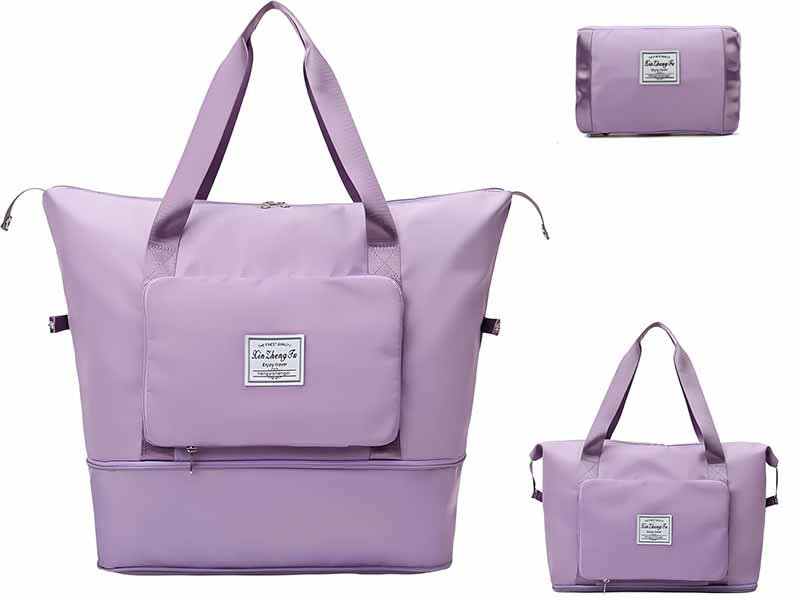
In the highly competitive world of travel bags, making a strong visual impact is just as important as offering functional storage. One of the simplest yet most effective ways to achieve this is by adding a woven label to your travel bags. A woven label is not just about adding a name or logo; it’s about elevating the bag’s brand identity and giving it a professional, premium look. A carefully placed, well-designed label can enhance customer perception, increase brand recognition, and improve the overall retail appeal of the bag.
Woven labels are an essential branding tool for travel bags, providing a professional and durable solution for custom logos, names, and design elements. They help strengthen brand identity and improve visibility. The best placement, thoughtful design, and integration into the overall bag aesthetic can elevate the bag’s appeal in the retail market, ensuring a lasting impression on consumers.
When designing custom travel bags, it’s crucial to consider the placement of the woven label and its design, as it influences the perceived value and customer appeal. Let’s dive into how woven labels can be strategically placed and designed to meet customer needs and retail expectations.
What Are Woven Labels on Travel Bags?
Woven labels are fabric-based tags, sewn onto travel bags, typically featuring logos, names, or design elements. Unlike printed labels, woven labels are made by weaving threads into the fabric, ensuring long-lasting durability and high-quality aesthetics. They are used to add both functionality and branding to the bags, increasing their premium feel.
Woven labels are made using specialized threads, creating a woven pattern that stands out due to its clean finish and textured appeal. They are sewn onto the bag, usually in prominent locations, such as the front or side panels, to clearly display the brand or personalized message.
What does a woven label look like?
A woven label typically features the brand name, logo, or other design elements like patterns or symbols, woven directly into the fabric. These labels are durable, have clean edges, and are non-fading, making them perfect for bags that experience regular wear and tear.
Key Characteristics of Woven Labels:
| Characteristic | Description |
|---|---|
| Material | Made of synthetic fibers like polyester, nylon, or cotton. |
| Appearance | Features logos or designs woven into the fabric, resulting in a clean, high-quality finish. |
| Durability | Woven labels are durable and resistant to fraying, making them ideal for bags that experience heavy use. |
| Feel | Soft texture that complements the bag’s overall feel without being bulky. |
Why do customers care about the fabric?
Woven labels create a premium look that lasts longer than printed alternatives. They are more resistant to damage from frequent washing or abrasion, ensuring your logo or brand name remains visible for the long term.
What materials are used for woven labels?
The materials used in woven labels need to be durable enough to handle frequent wear, while maintaining the bag’s overall look. The most commonly used materials include:
| Material | Characteristics | Best Use for Travel Bags |
|---|---|---|
| Polyester | Durable, resistant to fading, water-resistant | Most commonly used for affordable and durable labels |
| Nylon | Strong, abrasion-resistant, lightweight | Great for outdoor gear and tactical bags |
| Cotton | Soft, breathable, eco-friendly | Ideal for eco-conscious brands or casual bags |
| Rayon | Vibrant color retention, soft | Best for high-end designer bags where texture and appearance matter |
Choosing the right material for your woven label is crucial. Polyester and nylon offer high durability for travel bags that will be exposed to rough conditions like outdoor adventures or frequent use. Cotton works well for eco-friendly bags or casual, lightweight designs.
Which Placements Work Best for Woven Labels?
The placement of a woven label on a travel bag should be both strategic and aesthetic. Labels should be placed where they can be easily visible, but without interfering with the bag’s overall design. Popular placements include the front, side, and inside of the bag.
The placement of woven labels plays a crucial role in how the bag is perceived in retail settings. The right label placement not only enhances visibility but also maintains the balance and comfort of the bag.
Which label placement is most visible?
To maximize brand exposure, the front of the bag is often the best location for a woven label. Labels placed on the front panel are visible and immediately noticeable, making it easier for customers to identify the bag in crowded spaces, such as an airport or store.
Best Label Placement Locations:
| Placement Location | Ideal For | Why It Works |
|---|---|---|
| Front Center | Large logos or names | Perfect for maximizing visibility and brand recognition |
| Side of the Bag | Smaller labels or minimalist logos | Provides visibility while keeping the design clean and simple |
| Top Flap or Zipper Area | Quick-access bags with minimalistic designs | Ideal for bags with easy access to gear, combining style and functionality |
How placement affects bag balance and comfort
While visibility is key, it’s also important to ensure the label doesn’t interfere with the bag’s balance or the user’s comfort. Placing the label in awkward spots or using heavy materials can affect the weight distribution of the bag, making it uncomfortable to carry.
Comfortable Placement Tips:
| Area | Recommendation | Why It Works |
|---|---|---|
| Side panel | Small to medium-sized labels, positioned towards the top | Keeps the bag balanced and doesn’t add weight where it matters most |
| Back panel | Larger logos or labels for high-visibility brands | Ensures the label is seen when carried on a backpack or travel bag |
| Strap area | Small, discreet labels | Keeps the design clean and prevents the label from causing discomfort during use |
Do placement rules differ by bag type?
Yes, the placement of labels should be customized based on the type and functionality of the bag. A backpack may have more vertical space for label placement, while a duffel bag or tote bag might have a more horizontal layout.
Placement Tips for Different Bag Types:
| Bag Type | Ideal Placement | Why It Works |
|---|---|---|
| Backpacks | Top flap, side, or front panel | Maximizes visibility and complements the ergonomic design |
| Duffel Bags | Side panels or top zip | Great for easily accessible labels while maintaining balance |
| Tote Bags | Front center or side | Visible and practical for customers who need easy access |
How Is Heat Transfer Different from Other Personalization Methods?
When comparing woven labels to other personalization methods like heat transfer or embroidery, woven labels are favored for their durability and premium feel. They offer a timeless, professional look, especially in high-quality bags. Heat transfer offers vibrant designs but can wear over time, while embroidery provides texture but is less flexible.
The choice between heat transfer, embroidery, and woven labels depends on several factors, including design complexity, budget, and durability needs.
How does heat transfer compare to embroidery?
Heat transfer and embroidery are both popular choices for bag personalization, but they each offer different benefits. Woven labels provide a premium, long-lasting option for branding, while heat transfer and embroidery each have their own advantages in specific scenarios.
| Feature | Woven Labels | Heat Transfer | Embroidery |
|---|---|---|---|
| Durability | Long-lasting, resistant to wear and fraying | Can fade or peel over time, especially with frequent washing | Extremely durable, but can fray with heavy wear |
| Aesthetic | Smooth, clean, high-quality look | Ideal for vibrant, full-color designs | Textured, 3D effect that stands out |
| Customization | Best for simple to complex logos, names | Great for intricate designs and full-color logos | Best for simple, classic designs |
| Cost | Slightly higher due to the weaving process | Lower cost, especially for smaller batches | Can be more expensive, especially for multi-thread designs |
What Are the Best Practices for Woven Labels on Travel Bags?
To create a lasting impression, woven labels need to be well-designed and strategically placed on travel bags. Choosing the right fonts, colors, and size ensures that the label enhances the bag’s overall look and reinforces the brand identity. Follow these best practices to ensure the label stays legible, vibrant, and aligned with the bag’s aesthetic.
The design and placement of woven labels should not only reflect the brand image but also ensure they are practical and easy to read. Here’s a detailed look at the key considerations for designing and positioning woven labels on travel bags.
What fonts and sizes work best?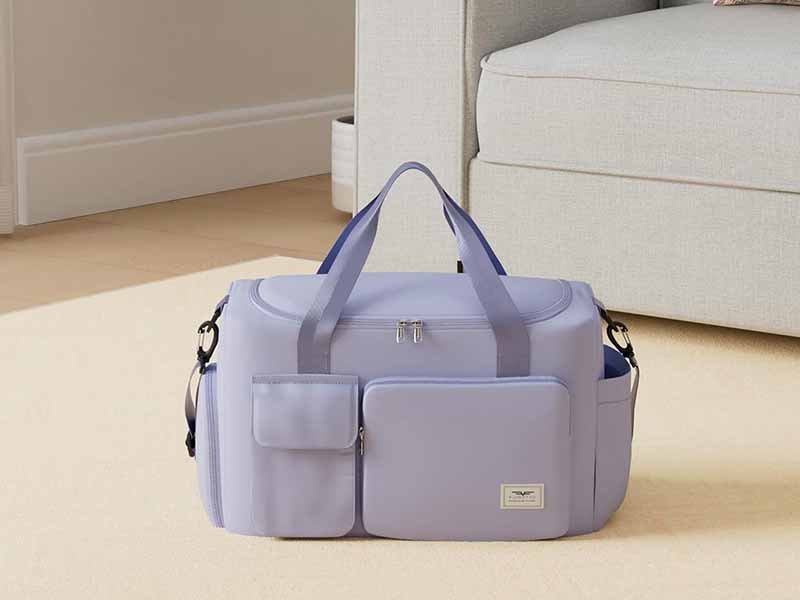
The choice of font and size is crucial in determining whether the label will be legible and visually appealing. In general, opt for bold, clean fonts that are easy to read from a distance, and select a size that suits the area where the label will be placed.
Best Fonts for Woven Labels:
| Font Style | Why It Works | Ideal Use |
|---|---|---|
| Sans-serif fonts | Simple, clean, and modern | Best for children’s travel bags or casual designs |
| Serif fonts | Classic, sophisticated, and easily readable | Great for luxury brands or premium bags |
| Bold fonts | Makes the design stand out and ensures readability | Essential for high visibility and branding |
| Script fonts | Adds elegance and uniqueness | Perfect for personalized bags or monogramming |
Recommended Font Sizes:
| Label Location | Recommended Font Size | Why It Works |
|---|---|---|
| Large Front Panel | 1.5–3 inches | Ensures visibility without overpowering the design |
| Side Pocket or Strap | 1–1.5 inches | Small and neat, ideal for branding or initials |
| Top Flap or Zipper Area | 1 inch | Compact, ideal for minimalist designs |
How to choose colors that stand out?
The color of the label is just as important as the font, as it directly impacts visibility. It’s essential to choose colors that contrast well with the color of the bag itself, ensuring that the name or logo remains readable in various lighting conditions.
Best Color Pairings for Woven Labels:
| Bag Color | Recommended Label Color | Why It Works |
|---|---|---|
| Black or Navy | White, Yellow, Red | High contrast for visibility in dark settings |
| Bright Colors (Red, Yellow, Orange) | Black, White, Neon | Ensures the label stands out against the bold color |
| Light Gray | Dark Blue, Black | Provides a professional look while remaining readable |
| Beige or Tan | Dark Green, Burgundy | Earth tones that are stylish and blend with nature-inspired designs |
When designing a woven label, consider the brand color palette. This ensures that the label aligns with the brand’s visual identity while enhancing overall aesthetic appeal.
Are there placement tips for visibility and durability?
The placement of woven labels is critical, as it affects both visibility and durability. The label must be positioned in a spot where it is easily visible but does not interfere with the bag’s functionality or comfort.
Optimal Label Placement Locations:
| Placement Area | Best for | Why It Works |
|---|---|---|
| Center of the Front Panel | Larger logo or full brand name | Maximizes visibility, especially for branding |
| Side of the Bag | Smaller logos or tag designs | Keeps the bag streamlined and enhances design |
| Top Flap or Zipper | Simple labels or initials | Great for minimalist designs and high visibility |
| Inside the Bag | Care labels or small branding | Discreet, for private use, or additional information |
Durability Considerations:
- Avoid placing labels in high-stress areas where the bag might rub against surfaces, such as straps or corners.
- Top areas like the front panel or side pockets are often the best choice for visibility and long-term durability.
How to Produce and Apply Woven Labels?
Producing and applying woven labels involves choosing the right materials, production methods, and attachment techniques. The goal is to ensure the label is securely attached, retains its vibrancy over time, and matches the bag’s quality.
Whether you’re creating small batches of custom bags or large orders, the production and application process should follow best practices for durability and quality control.
What production methods are common?
The production process for woven labels generally involves two main methods: Jacquard weaving and plain weaving. Each has its own set of benefits and ideal use cases.
| Production Method | Ideal For | Why It Works |
|---|---|---|
| Jacquard Weaving | High-detail logos, complex designs | Can handle intricate designs with fine detail and sharp lines |
| Plain Weaving | Simple text or logo designs | More affordable and efficient for basic logos |
Choose Jacquard weaving for designs with small fonts, logos, or fine details to ensure clear, high-quality labeling.
How are woven labels attached to travel bags?
There are different ways to attach woven labels to a travel bag. The attachment method should be chosen based on the bag’s material and intended use. Common methods include sewing, heat pressing, and riveting.
| Attachment Method | Ideal For | Why It Works |
|---|---|---|
| Sewing | Durable bags that need secure attachment | Common and cost-effective, ensures longevity |
| Heat Pressing | Synthetic or laminated fabrics like PVC | Quick, efficient, and preserves waterproofing |
| Rivets/Snaps | Premium bags or leather materials | Adds a luxurious feel and extra durability |
For high-end leather bags, consider using rivets to attach the woven label for a premium finish.
How to Produce and Apply Woven Labels?
To add woven labels to travel bags, manufacturers need to select the appropriate production methods and attachment techniques. Proper application ensures that the label is securely attached, retains its color and shape, and does not damage the bag’s waterproof integrity.
The production process for woven labels involves several steps, including design creation, material selection, and label attachment to the bag. Understanding these steps ensures the final product is both visually appealing and durable.
What production methods are common?
The two primary production methods for woven labels are Jacquard weaving and plain weaving. Each method has its own advantages depending on the design complexity and required durability.
Jacquard Weaving:
- Ideal for detailed logos and complex designs.
- More expensive but produces high-quality labels with intricate patterns.
Plain Weaving:
- Simple design, usually text or basic logos.
- Cost-effective and suitable for bulk production.
Tip: For high-end brands, opt for Jacquard woven labels to achieve more detail and luxury appeal.
How are woven labels attached to travel bags?
Once the woven label is produced, it must be securely attached to the bag. The method of attachment can affect both durability and appearance.
Attachment Methods:
- Sewing: The most common method for attaching woven labels to travel bags. The label is stitched onto the fabric, ensuring it stays in place.
- Heat Sealing: Used for synthetic fabrics like nylon or polyester. The label is bonded with the fabric using a heat press.
- Rivets or Snaps: For a more premium look, some bags use rivets or snaps to attach the labels. This method adds a metallic finish that enhances the design.
Durability Tip: To avoid wear and tear, it’s best to use reinforced stitching for areas that may experience high stress.
Do attachment choices affect durability?
Yes, the choice of attachment method significantly impacts the durability of the label. For example, sewing provides a strong, permanent bond, while heat sealing might not hold up as well in high-abrasion areas, such as the bottom of the bag.
| Attachment Method | Durability | Best Use |
|---|---|---|
| Sewing | Very durable, withstands wear and tear | Most common for backpacks and travel bags |
| Heat Sealing | Good for synthetic fabrics, can wear over time | Suitable for light use bags or internal labels |
| Rivets/Snaps | Adds a premium finish, very durable | Ideal for premium bags, especially leather bags |
For long-term durability, sewing is the most reliable method for attaching woven labels, especially in high-use areas like the bag’s main panel.
Conclusion: Ready to Customize Your Travel Bags with Woven Labels?
Woven labels are a simple but powerful tool for improving the appearance and functionality of travel bags. Whether you’re looking to add a personal touch or reinforce brand identity, woven labels are a durable, affordable, and high-quality solution.
At Szoneier, we specialize in customizing travel bags with woven labels, logos, and other personalized designs. With over 18 years of experience in bag manufacturing, we offer quick lead times, low MOQs, and free design services to help you bring your ideas to life.
Get in touch today to discuss how we can help you create the perfect travel bags with custom woven labels. Visit szoneier.com or email us at info@szoneier.com to start your project.