Skip to content
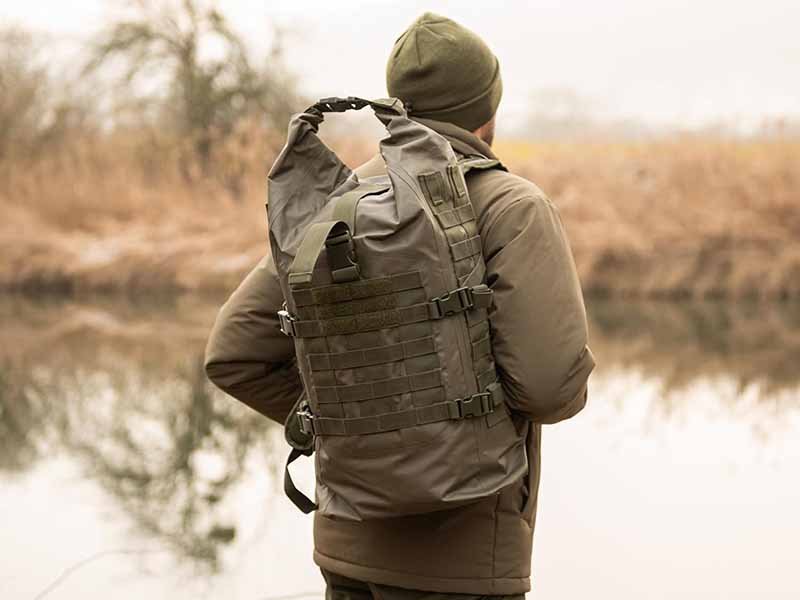
Waterproof dry bags are a staple for adventurers and outdoor enthusiasts who need to keep their gear safe from water. However, the capacity and organizational options in traditional dry bags can be limited. By adding a MOLLE system (Modular Lightweight Load-carrying Equipment), you can drastically improve the functionality and customization of your dry bag, allowing you to attach tools, accessories, and additional storage without compromising its waterproof integrity. Integrating a MOLLE system into a waterproof dry bag transforms it into a customizable storage solution. By attaching webbing to the bag’s surface, you can securely add pouches, water bottles, and other accessories, making your gear easily accessible and organized. This guide will walk you through the process of adding MOLLE, selecting the right materials, and ensuring durability.
Imagine heading out on an adventure, your gear neatly organized and attached to your dry bag, without the fear of losing anything. With MOLLE integration, you not only enhance storage but also add an extra level of flexibility to your outdoor setup. Let’s explore how to add MOLLE systems to your waterproof dry bags, turning them into highly functional and customizable gear for your next trip.
What Is a MOLLE System on a Dry Bag?
A MOLLE system on a dry bag is a modular webbing structure that allows you to attach various accessories and pouches. This system enhances the organization and storage capabilities of a dry bag, making it more versatile for outdoor activities and travel.
The MOLLE system consists of rows of webbing sewn onto the surface of the dry bag. This webbing serves as an attachment point for MOLLE-compatible accessories, such as pouches, water bottles, first aid kits, and multi-tools. It’s primarily used in tactical gear but has become increasingly popular in outdoor and travel gear due to its adaptability and practicality.
What does MOLLE stand for?
MOLLE stands for Modular Lightweight Load-carrying Equipment, which was initially developed for military use. The system allows users to modularly attach gear and equipment to a base bag or pack by using a webbing grid and compatible pouches. This concept has expanded into the outdoor industry, where it is used for customizable gear storage on bags, backpacks, and now dry bags.
MOLLE systems provide unmatched versatility, enabling you to personalize your gear setup by adding or removing components as needed. For waterproof dry bags, MOLLE webbing is sewn into the exterior, allowing for external attachments while maintaining the waterproof integrity of the bag’s main compartment.
What components make up a MOLLE system?
The MOLLE system consists of the following core components:
- MOLLE Webbing: This is the primary grid of straps sewn into the fabric. The webbing is typically made from nylon or polyester and serves as the platform for attaching additional components. Each vertical and horizontal strap creates a grid that aligns with MOLLE pouches and accessories.
- MOLLE Straps: These straps are the actual attachments used to secure pouches to the webbing. Typically, the straps are around 1 inch wide and are designed to thread through the webbing, locking accessories into place.
- Pouches and Accessories: MOLLE-compatible items (such as water bottle holders, gear pouches, and tool bags) have loops or clips designed to fasten to the webbing. These pouches are available in various sizes and configurations to suit different needs.
- Clips and Fasteners: Clips or snap fasteners are used to secure MOLLE attachments. Some MOLLE systems may also use Velcro (hook-and-loop fasteners) for easier attachment and removal.
Which Dry Bags Are Best for MOLLE Integration?
The best dry bags for MOLLE integration are typically made from durable materials like nylon, polyester, and TPU (Thermoplastic Polyurethane). These materials are strong enough to handle the weight of MOLLE accessories while maintaining the waterproof seal and durability.
Choosing the right dry bag material is key to ensuring the MOLLE system performs well without compromising the water resistance. Materials that are too thin or porous may affect the durability of the attachment points and the waterproof properties of the bag.
Which materials work well for MOLLE?
MOLLE systems need to be applied to strong, tear-resistant materials that can support the added weight of gear without compromising the bag’s integrity. Here are the best materials for dry bags when adding MOLLE webbing:
Best Materials for MOLLE Integration:
| Material | Why It Works | Ideal Use for MOLLE Bags |
|---|---|---|
| Nylon (500D, 600D) | Lightweight, durable, resistant to tears and abrasions | Ideal for lightweight tactical dry bags, resistant to outdoor wear |
| Polyester | Strong and affordable, easy to dye | Works well for both budget and durable tactical dry bags |
| TPU (Thermoplastic Polyurethane) | Highly durable, waterproof, flexible | Perfect for waterproof bags where water resistance is paramount |
| PVC (Polyvinyl Chloride) | Waterproof, cost-effective, highly durable | Ideal for waterproof dry bags used in harsh environments |
How to check seam strength and TPU/PVC layers?
Before adding MOLLE webbing to a dry bag, ensure the seam strength and fabric quality are up to the task. Here’s how to assess the material and ensure it will handle MOLLE integration:
- Seam Reinforcement: Check that the seams where the MOLLE webbing will be sewn are reinforced and that the material is strong enough to bear the weight of additional attachments without compromising the waterproof seal.
- Thermal Bonding: For TPU and PVC bags, confirm the laminated layers are intact and that the webbing will not interfere with the waterproof barrier. Heat pressing is often used to reinforce webbing on these materials.
Is bag size important?
Yes, bag size plays a significant role in MOLLE integration. The size of your dry bag will determine how many accessories can be attached and how the MOLLE webbing will be distributed across the bag. Smaller dry bags may not have the surface area needed for larger MOLLE accessories, while larger bags might require multiple webbing sections to support heavier loads.
Ideal Size for MOLLE Integration:
- Medium-sized bags (10–30L): These bags are ideal for MOLLE integration as they offer enough surface area for pouches without becoming too bulky.
- Large bags (30L and above): Larger bags may require extra stitching and more webbing strips to evenly distribute the weight of attached items.
Design Tip: Avoid overloading small bags with too many attachments, as this can affect the bag’s waterproof properties and its ability to remain compact.
How Do You Install MOLLE on a Dry Bag?
Installing a MOLLE system on a waterproof dry bag involves measuring, positioning the webbing, and securely attaching it to the bag using a combination of sewing, riveting, and fasteners. It’s essential to ensure the installation does not affect the bag’s waterproof capabilities.
MOLLE webbing can be added to dry bags in various ways depending on the tools available. The key is to ensure the webbing is securely attached without compromising the bag’s main functionality—waterproofing. Here’s a step-by-step guide to installing MOLLE on your waterproof dry bag.
How to plan MOLLE placement?
Placement is a critical part of adding MOLLE to a dry bag. The key is to avoid overloading certain areas, which could affect the bag’s balance, waterproofing, and comfort during transport.
Ideal Placement for MOLLE Webbing:
| Placement Area | Best for | Why It Works |
|---|---|---|
| Top Flap | Small pouches for easy-to-reach accessories | Keeps your gear easily accessible during outdoor activities. |
| Sides | Larger pouches, water bottles, or extra gear | Maximizes external storage without crowding the internal space. |
| Bottom | For heavier, bulkier items like shoes or tools | Reduces weight at the top and helps distribute weight evenly. |
| Back Panel | For added stability or larger pouches | Increases carrying capacity without interfering with the main compartments. |
What tools do you need?
To successfully add MOLLE webbing to your waterproof dry bag, you will need several tools to ensure the attachment is secure and long-lasting:
- Sewing Machine: Use a heavy-duty sewing machine to stitch the MOLLE webbing onto durable fabrics like nylon or polyester. Make sure to reinforce the stitches in areas of high stress.
- Rivets or Snaps: For extra secure attachment, especially on thicker materials, use rivets or snap fasteners. This is ideal for keeping the webbing in place and ensuring that the MOLLE system stays intact under heavy load.
- Heat Press (for TPU/PVC): If you are adding webbing to a laminated TPU or PVC dry bag, use a heat press to bond the webbing securely without compromising the waterproof seal.
 What Are Practical MOLLE Layouts for Dry Bags?
When adding a MOLLE system to a waterproof dry bag, it’s essential to plan the layout carefully. The ideal layout will ensure easy access to essential gear, distribute weight evenly, and keep items organized while not affecting the bag’s waterproof seal. Knowing which accessories and tools to attach—and where to place them—can drastically improve the functionality and usability of your dry bag.
MOLLE layouts are all about organization, accessibility, and balance. Here’s how to plan the best MOLLE layout for your waterproof dry bag, ensuring your gear is securely attached, easily reachable, and doesn’t compromise the bag’s core functionality.
What gear is best attached via MOLLE?
The MOLLE system allows you to attach a variety of gear and accessories to your waterproof dry bag. These attachments are designed to maximize storage without taking up precious interior space. Here’s a list of the best gear to attach via MOLLE:
MOLLE-Compatible Gear for Dry Bags:
| Gear Type | Why It Works | Best Placement |
|---|---|---|
| Water Bottles | Easily accessible for hydration during outdoor activities | Attach to side webbing for quick access |
| First Aid Kits | Essential for safety in outdoor adventures | Attach on the front flap or side |
| Multitools | Lightweight and versatile | Place on side pockets or top flap |
| Tactical Flashlights | Emergency lighting | Attach on side webbing or top pocket |
| Knife Sheaths | For camping and survival gear | Attach securely to bottom webbing or back panel |
| Dry Pouches | Extra storage for smaller items like electronics | Use main compartment or side webbing |
For easy access during outdoor activities, consider placing your water bottle and snacks on the top or side, where they can be reached without opening the bag.
Which layout for tactical vs outdoor use?
The MOLLE layout depends on whether the dry bag will be used for tactical purposes (military, hunting) or outdoor recreational activities (camping, hiking). The core difference lies in weight distribution and the type of gear carried.
Tactical Use:
- Focus: Heavier, more critical gear such as ammunition pouches, multi-tools, communication devices, and hydration packs.
- Recommended Layout: Attach heavier items like waterproof tool kits or med kits on the back panel and bottom to maintain balance. Use side panels for quick-access gear such as flashlights, compasses, and extra ammo.
Outdoor Use (Camping, Hiking, Traveling):
- Focus: Lightweight gear like camping tools, clothing, snacks, and water bottles.
- Recommended Layout: Keep lighter items near the top and sides for easy access. Use the back panel for bulkier items (e.g., extra clothing or tents). This layout helps keep the load balanced, and the bag easy to carry.
Are There Modular Accessories to Pair with MOLLE?
Yes, there are a wide variety of modular accessories designed specifically for MOLLE systems. These accessories allow you to further customize your waterproof dry bag and ensure that you’re always equipped with the right tools for any adventure.
Popular MOLLE Accessories:
| Accessory Type | Purpose | Best Use |
|---|---|---|
| MOLLE Water Bottle Holders | Secure storage for hydration on the go | Great for outdoor activities like hiking or kayaking |
| MOLLE Utility Pouches | Store smaller items like first aid kits, tools, and electronics | Essential for tactical missions or camping trips |
| MOLLE Tool Holders | Secure placement for multi-tools or knives | Ideal for hunting, fishing, and backpacking |
| MOLLE Waist Packs | Add extra storage without losing mobility | Perfect for carrying snacks, medications, or maps |
| MOLLE Holsters | Hold tactical or hunting gear (e.g., sidearms) | Best for military or self-defense use |
When integrating MOLLE accessories, ensure that heavier pouches are positioned at the bottom of the bag to maintain balance and prevent top-heavy distribution.
Do MOLLE Add-Ons Affect Waterproof Performance?
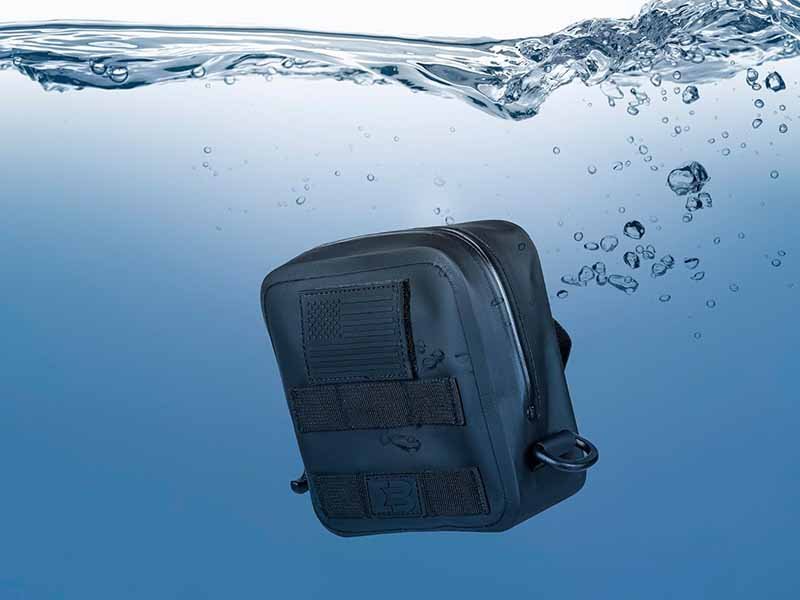
Adding MOLLE webbing and accessories to a waterproof dry bag can slightly affect its water resistance, but proper installation and design ensure the bag’s main compartment remains dry and intact. Key areas like the seams, attachment points, and fabric type should be carefully considered to maintain the bag’s waterproof integrity.
While MOLLE integration is a fantastic way to enhance the functionality of your dry bag, it’s important to ensure that the waterproofing properties of the bag are not compromised by the installation. Let’s look at how to ensure your MOLLE-equipped dry bag remains functional both in terms of storage and water resistance.
How to Maintain Waterproof Sealing?
When adding MOLLE systems to dry bags, the waterproof seal is a top concern. The process of adding webbing and attachments should not damage the bag’s core waterproof capabilities.
Tips for Maintaining Waterproof Integrity:
| Issue | Solution | Why It Works |
|---|---|---|
| Seam leakage | Use reinforced, waterproof stitching when attaching MOLLE webbing | Prevents water from seeping through new holes |
| Webbing exposure | Use water-resistant MOLLE webbing or apply coatings to prevent water absorption | Keeps webbing from absorbing water and affecting internal gear |
| Attachment points | Seal with high-quality adhesive or heat-sealed bonding around webbing | Ensures water-tight closure even around attachment zones |
Test the bag after MOLLE installation to ensure sealed seams and waterproof performance. Use a waterproofing spray on the webbing and surrounding fabric for an added layer of protection.
Are Welded vs Sewn MOLLE Attachments Better?
Welding and sewing are both popular methods for attaching MOLLE webbing, but each has its advantages and potential issues.
Comparison of Welded and Sewn MOLLE Attachments:
| Method | Pros | Cons |
|---|---|---|
| Welded Attachments | Stronger bond, waterproof seam | Can be more expensive and harder to adjust |
| Sewn Attachments | Easier to customize and adjust during production | May compromise water resistance unless reinforced |
Recommendation: For a waterproof dry bag, welded seams provide better long-term durability, but sewn MOLLE is an easier and more cost-effective method for smaller runs or prototypes.
What Materials Enhance Heat Transfer Longevity?
When adding MOLLE webbing, the material of both the dry bag and the webbing plays a crucial role in ensuring longevity and waterproof functionality. Stronger, higher-quality materials resist wear and tear, ensuring the MOLLE system remains secure and durable through rugged use.
Materials that Improve Durability:
| Material | Benefits | Ideal Use |
|---|---|---|
| Nylon (420D, 600D) | Lightweight, abrasion-resistant, durable | Best for waterproof bags used for long trips |
| Polyester | Cost-effective, flexible, resistant to stretching | Great for budget-friendly waterproof bags |
| PVC Coated Fabrics | Very waterproof and tough, great for tactical gear | Excellent for bags exposed to wet conditions or saltwater |
Choose reinforced fabrics like 600D polyester for the base of the dry bag, where stress and abrasion are most common.
Conclusion: Ready to Add MOLLE to Your Dry Bags?
Adding a MOLLE system to your waterproof dry bags allows for better organization and customization, improving storage efficiency without compromising water resistance. Whether you need additional pouches for tools, water bottles, or emergency supplies, MOLLE webbing provides a flexible and secure way to expand your bag’s storage capacity.
At Szoneier, we specialize in creating high-quality customized waterproof dry bags with MOLLE systems. With over 18 years of expertise, we offer tailored solutions with quick production times, low MOQs, and a variety of customization options.
Contact us today to discuss your custom MOLLE dry bag needs, and let us help you design the perfect gear for your next adventure. Visit szoneier.com or email us at info@szoneier.com to get started.