Lunch bags have quietly evolved from simple brown-paper replacements into highly specialized everyday tools. Today, a lunch bag is no longer just something you carry food in—it’s expected to keep meals fresh, maintain temperature, fit modern lifestyles, reflect personal style, and increasingly, support sustainability goals.
Office workers want sleek, leakproof designs that fit under a desk. Parents need lightweight, safe, and easy-to-clean lunch bags for kids. Outdoor users demand rugged insulation that can survive heat, sand, and long travel days. Meanwhile, brands and retailers are asking a different question entirely: Which lunch bag types actually sell—and why?
That’s why understanding the different types of lunch bags matters. The right design is not defined by looks alone, but by use case, capacity, insulation method, and user behavior. A 20L lunch bag serves a completely different customer than a compact bento bag. A Korean lunch box reflects culture and aesthetics, while the most expensive lunch boxes often showcase technology, materials, and branding rather than pure function.
This guide breaks down 26 practical, real-world lunch bag types, explains how they differ, and helps buyers—whether consumers, brands, or sourcing professionals—choose wisely.
Lunch bags come in many forms, including insulated totes, backpack lunch bags, cooler lunch bags, bento lunch bags, and custom branded designs. The best lunch bag depends on use case, size, insulation needs, and portability. Understanding the 26 main types of lunch bags helps consumers and brands select designs that match daily routines, food storage needs, and lifestyle preferences.
Behind every “simple” lunch bag is a series of design decisions that affect cost, performance, and user satisfaction. Let’s start with the fundamentals.
What Are Lunch Bags
Lunch bags are reusable containers designed to carry meals while maintaining freshness, preventing spills, and often controlling temperature. Unlike ordinary bags, lunch bags use food-safe linings and insulated structures to protect meals during daily transport. They are commonly used by students, office workers, outdoor professionals, and travelers who bring food from home.
At first glance, a lunch bag may look like a simple small tote or pouch.
In practice, it is a specialized product category shaped by food behavior, hygiene requirements, and daily routines.
Lunch bags exist because food is different from other items:
- It leaks
- It spoils
- It changes temperature
- It absorbs odors
A true lunch bag is designed to manage these problems reliably, not just carry items from point A to point B.
What Makes a Bag a “Lunch Bag”?
A bag is considered a lunch bag when it is intentionally designed around meal transport, not general storage.
Key characteristics include:
- Food-safe inner lining (PEVA, aluminum foil, TPU, etc.)
- Insulation layer to slow heat transfer
- Leak-resistant construction for liquids and sauces
- Easy-to-clean surfaces to meet hygiene needs
- Meal-oriented sizing, not fashion sizing
If a bag lacks these features, it may carry food—but it is not a true lunch bag.
How Are Lunch Bags Different from Regular Tote Bags?
Regular tote bags are built for convenience and style.
Lunch bags are built for control and protection.
Key differences:
| Feature | Regular Tote Bag | Lunch Bag |
|---|---|---|
| Insulation | None | Built-in |
| Food safety lining | Rare | Standard |
| Spill protection | Low | High |
| Odor control | Poor | Designed for it |
| Cleaning | Difficult | Easy |
This difference explains why lunch bags remain popular even though people already own many general-purpose bags.
Lunch Bags vs Lunch Boxes: What’s the Difference?
Lunch bags and lunch boxes are often confused, but they serve different needs.
Lunch boxes are usually:
- Hard-sided
- Rigid in shape
- Better at preventing crushing
Lunch bags are usually:
- Soft or semi-structured
- Lighter and easier to carry
- More flexible in capacity
Modern designs often combine both, using reinforced walls inside soft insulated lunch bags, offering protection without sacrificing portability.
Are Lunch Bags the Same as Cooler Bags?
Not exactly.
Lunch bags are designed for:
- Daily meals
- Short to medium time frames
- Personal use
Cooler bags are designed for:
- Longer temperature retention
- Ice packs or loose ice
- Outdoor or group use
However, many modern lunch bags now use cooler-grade insulation, which is why terms like “cooler lunch bag” or “lunch cooler” are common in search results.
Why Do Lunch Bags Come in So Many Sizes?
Food habits vary widely.
Some people carry:
One sandwich and fruit
Others carry:
Multiple meals
Drinks
Ice packs
This is why lunch bags range from:
Compact bento lunch bags
to
Large 15–20L lunch bags for long shifts
The “right size” depends entirely on how many meals, how long food must stay fresh, and how the bag is carried.
Who Uses Lunch Bags Most Today?
Lunch bags are no longer limited to schoolchildren.
Common user groups include:
- Office workers bringing homemade meals
- Construction and factory workers on long shifts
- Fitness and meal-prep users
- Travelers avoiding airport or roadside food
- Parents packing food for kids
As eating habits change, lunch bags have become everyday lifestyle products, not niche accessories.
Why Lunch Bags Became Lifestyle Products
Lunch bags are now:
- Visible at work and school
- Carried on commutes
- Shared on social media
Design, color, and branding matter more than ever.
This trend explains the rise of:
- Minimalist office lunch bags
- Korean-style lunch boxes
- Custom branded lunch bags for companies
Function remains essential—but appearance now influences buying decisions almost as much as performance.
26 Types of Lunch Bags
There are many types of lunch bags designed for different lifestyles and food habits, including insulated tote lunch bags, backpack lunch bags, bento lunch bags, cooler lunch bags, kids lunch bags, and large-capacity meal prep bags. Each type differs in structure, insulation, capacity, and carrying style. Understanding the 26 main types of lunch bags helps users and brands choose designs that truly match daily routines and storage needs.
Lunch bags are not divided by style alone.
They are shaped by how people eat, how long food must stay fresh, how meals are carried, and where the bag is used.
Below are 26 clearly defined lunch bag types, each solving a specific real-world problem.
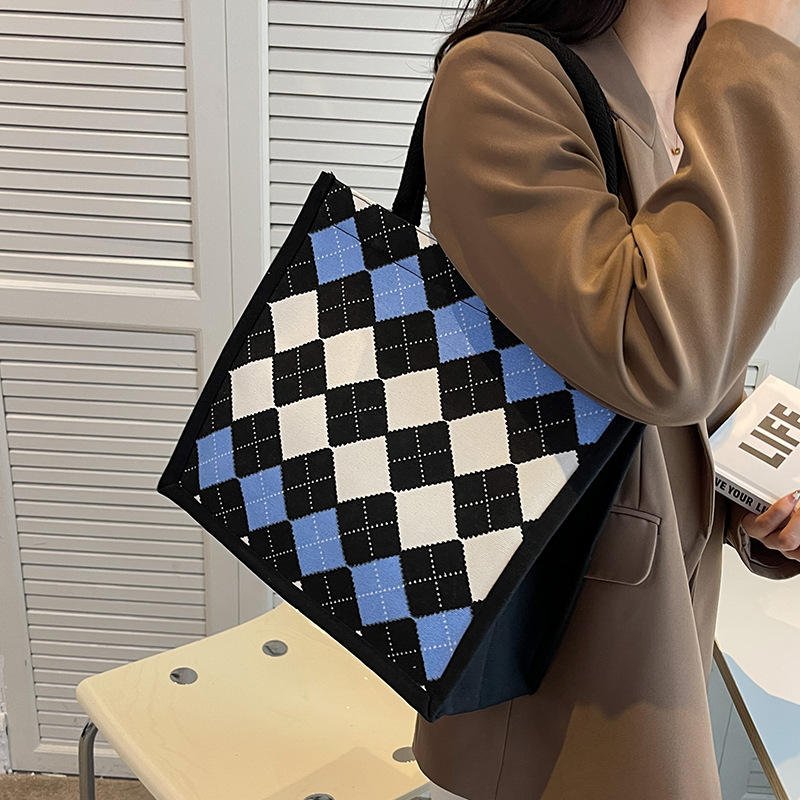
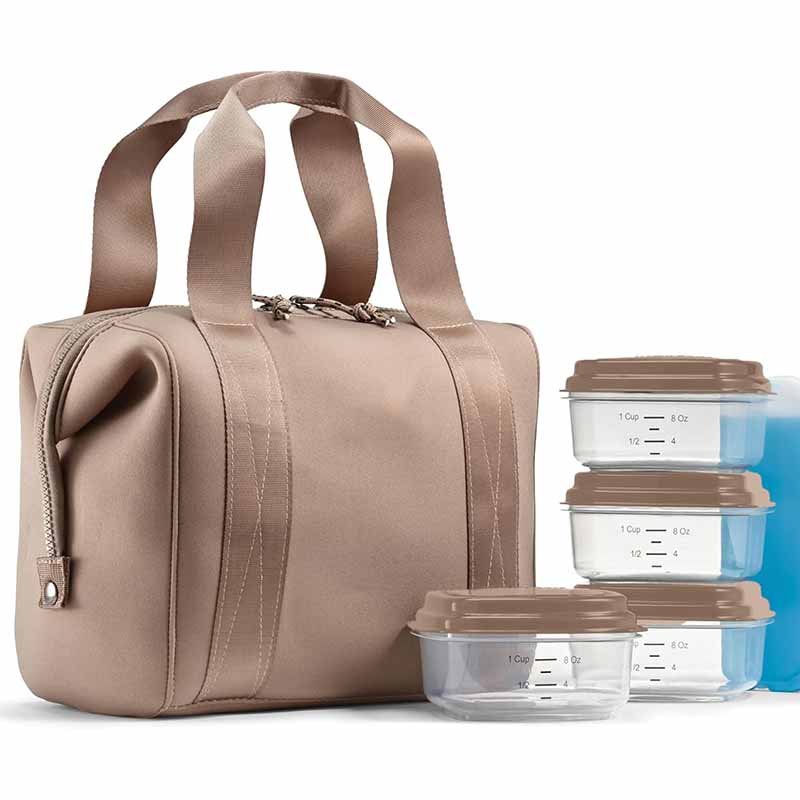
1. Insulated Tote Lunch Bag
A tote-style lunch bag with built-in insulation. It looks like a handbag or shopping tote but is designed to keep food warm or cold. Very popular with office workers and casual daily users who want a lunch bag that doesn’t look like a “cooler.”
Best for: office use, daily commuting, discreet carry.
2. Soft Insulated Lunch Bag
Made with foam insulation and flexible fabric walls. Lightweight, affordable, and easy to store when empty. This is one of the most common lunch bag types worldwide.
Best for: school lunches, short commutes, light meals.
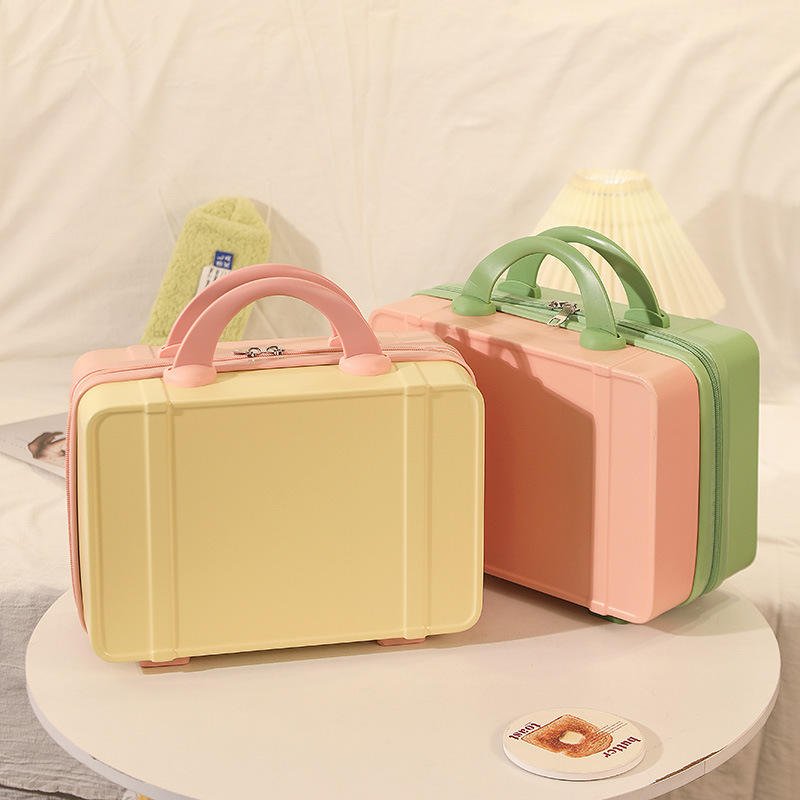
3. Hard Shell Lunch Box Bag
Features rigid walls or molded structure to protect food from being crushed. Often used in industrial, construction, or travel settings where bags get knocked around.
Best for: worksites, travel, fragile food containers.
4. Thermal Cooler Lunch Tote
A hybrid between a lunch bag and a cooler. Offers stronger insulation than standard lunch bags and is usually used with ice packs.
Best for: long workdays, hot climates, travel.
5. Backpack Lunch Bag
Combines a backpack structure with an insulated lunch compartment. Hands-free and balanced, making it ideal for commuting, cycling, or students.
Best for: commuters, students, outdoor workers.
6. Drawstring Lunch Bag
A minimalist lunch bag using drawstring closure. Usually not heavily insulated and designed for dry or room-temperature food.
Best for: snacks, short trips, lightweight use.
7. Bento Box Lunch Bag
Designed specifically to fit bento-style containers. Compact, structured, and very popular in Asian and minimalist office cultures.
Best for: portioned meals, office lunches, bento users.
8. Roll-Top Lunch Bag
Features a roll-top closure similar to dry bags. Allows adjustable capacity and better sealing, helping with temperature retention.
Best for: modern lifestyle users, eco-conscious buyers.
9. Reusable Grocery-Style Lunch Bag
Larger and more flexible bags that can serve as both lunch bags and small grocery carriers.
Best for: mixed-use errands, flexible food storage.
10. Kids Lunch Bag
Designed with child-friendly sizing, lightweight materials, and easy-to-use zippers. Often features bright colors or patterns.
Best for: schoolchildren, daycare.
11. Adult Office Lunch Bag
Clean, neutral design focused on professionalism. Often slimmer and less bulky, designed to fit under desks or in lockers.
Best for: office workers, corporate environments.
12. Insulated Wine & Lunch Carrier
Multi-purpose insulated bags designed to carry food and beverages. Often used for gifting or social occasions.
Best for: picnics, events, gifts.
13. Snack Cooler Bag
Small insulated bags designed for snacks, drinks, or supplements rather than full meals.
Best for: short outings, gym use, travel snacks.
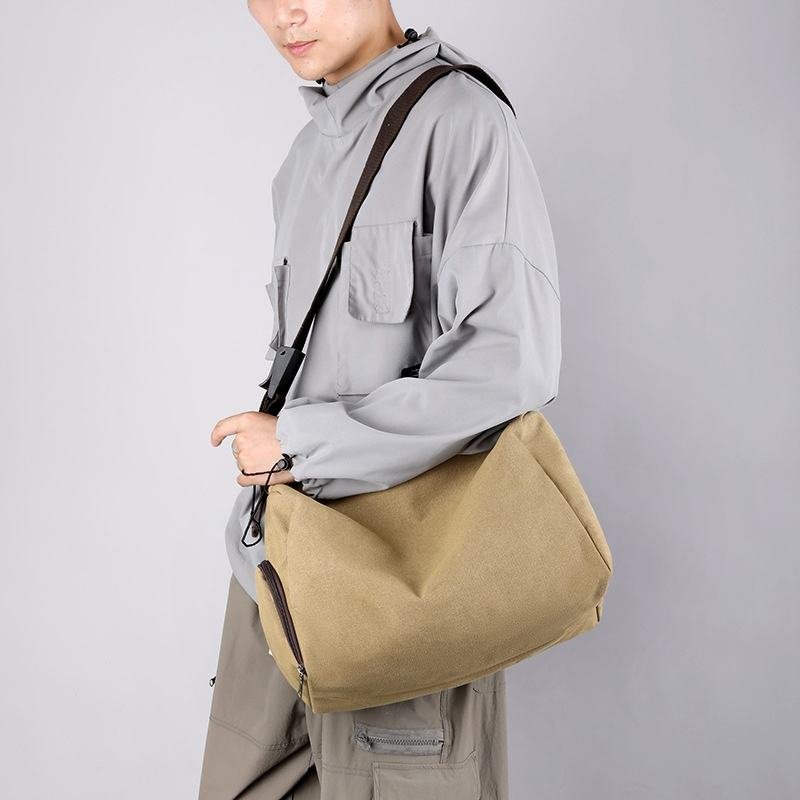
14. Lunch Shoulder Sling Bag
Single-strap lunch bag worn across the body. Offers quick access and casual style.
Best for: urban commuting, delivery riders.
15. Leakproof Lunch Bag
Built with sealed linings and reinforced seams to prevent spills from soups, sauces, or liquids.
Best for: meal prep users, liquid-heavy meals.
16. Fire-Resistant Lunch Bag
Made with flame-retardant materials. Common in oil, gas, welding, and other high-risk industries.
Best for: industrial and hazardous work environments.
17. Bulk Meal Prep Lunch Bag
Large-capacity bags designed to carry multiple meals for an entire day or longer.
Best for: athletes, bodybuilders, long shifts.
18. Grocery & Market Lunch Bag
Hybrid bags that prioritize capacity and durability. Often used for both food transport and shopping.
Best for: markets, long days out.
19. Eco-Friendly Lunch Bag
Made from recycled or sustainable materials such as RPET, recycled polyester, or cotton canvas.
Best for: eco-conscious consumers and brands.
20. Smellproof Lunch Bag
Uses odor-blocking layers to contain strong food smells, especially useful in shared spaces.
Best for: office use, public transport, strong-smelling meals.
21. Dry Lunch Bag (Water-Resistant)
Designed with waterproof or water-resistant fabrics to protect food in wet conditions.
Best for: beach, boat, rainy environments.
22. Electric Heated Lunch Bag
Includes a built-in heating element to warm food. Usually higher-priced and used with power sources.
Best for: drivers, worksites, premium users.
23. Cooler Box Lunch Bag
Rigid, box-shaped insulated carriers offering long temperature retention but less portability.
Best for: long outdoor use, travel.
24. Camping & Outdoor Lunch Bag
Rugged lunch bags designed for outdoor environments, often reinforced and weather-resistant.
Best for: camping, hiking, outdoor work.
25. Picnic Lunch Bag
Larger bags designed to carry food for multiple people, often including compartments for utensils.
Best for: family outings, group meals.
26. Custom Branded Lunch Bag
Lunch bags designed specifically for branding, promotions, or private label retail.
Best for: brands, giveaways, OEM/ODM projects.
Lunch Bag Types by Use
| Use Case | Recommended Types |
|---|---|
| Office | Insulated tote, bento, adult office bag |
| Kids | Kids lunch bag |
| Long shifts | 20L meal prep, cooler lunch bag |
| Outdoor | Backpack, dry lunch bag, camping bag |
| Branding | Custom branded lunch bag |
Which Lunch Bag Should You Choose by Use Case
The best lunch bag depends on who uses it, how long food must stay fresh, how much food is carried, and where it is used. Kids need lightweight, safe lunch bags; office workers prefer discreet insulated totes; outdoor users need rugged cooler lunch bags; and long-shift workers often require large 15–20L lunch bags. Choosing by use case prevents common problems like crushed food or lost insulation.
Most lunch bag dissatisfaction doesn’t come from poor quality—it comes from choosing the wrong type for the wrong situation.
A lunch bag that works perfectly for an office desk can fail completely on a construction site.
A bag designed for kids can frustrate adults who need all-day storage.
The smartest way to choose a lunch bag is to start with how it will actually be used.
Which Lunch Bag Is Best for Kids?
Kids need lunch bags that are:
- Lightweight and easy to carry
- Sized for smaller meals
- Made from safe, non-toxic materials
- Easy to open and clean
Overly large or heavily insulated bags often become bulky and uncomfortable for children.
Simple soft insulated lunch bags or compact kids lunch bags work best.
Best types:
Kids lunch bag, soft insulated lunch bag, bento lunch bag (small size)
Which Lunch Bag Works Best for Office and Corporate Use?
Office users value:
- Clean, professional appearance
- Moderate insulation (4–8 hours)
- Slim profile that fits under desks or in lockers
- Leakproof lining for sauces and liquids
Office lunch bags should not look like outdoor coolers.
Design and discretion matter as much as function.
Best types:
Insulated tote lunch bag, adult office lunch bag, bento box lunch bag
Which Lunch Bag Is Best for Long Work Shifts and Industrial Jobs?
Workers on 8–12 hour shifts need lunch bags that prioritize:
- Large capacity
- Strong insulation
- Durability
- Easy cleaning
This is where 15–20L lunch bags are most common.
A 20L lunch bag can hold multiple meals, drinks, ice packs, and snacks without crushing food.
Best types:
Bulk meal prep lunch bag, cooler lunch bag, fire-resistant lunch bag
How Big Is a 20L Lunch Bag and Who Should Choose It?
A 20L lunch bag is considered large-capacity.
Typical use:
- 3–5 full meal containers
- Drinks and ice packs
- Snacks or fruit
A 20L lunch bag is ideal for:
- Construction and factory workers
- Long-distance drivers
- Athletes and meal-prep users
For office or school use, 20L is usually too large and unnecessary.
Which Lunch Bag Is Best for Outdoor, Travel, and Adventure Use?
Outdoor users need:
- Strong insulation
- Water-resistant or waterproof exterior
- Comfortable carrying system
- Durability in rough conditions
Backpack lunch bags and dry lunch bags perform best because they free hands and protect food from weather.
Best types:
Backpack lunch bag, dry lunch bag, camping & outdoor lunch bag
Which Lunch Bag Is Best for Fitness, Meal Prep, and Gym Use?
Fitness users often carry:
- Multiple meals
- Protein snacks
- Drinks or supplements
They need bags that:
- Separate meals
- Prevent leaks
- Maintain temperature for hours
Meal prep lunch bags are designed specifically for this pattern.
Best types:
Bulk meal prep lunch bag, backpack lunch bag, cooler lunch bag
Which Lunch Bag Is Best for Travel and Commuting?
Travelers need:
- Compact but insulated designs
- Easy access in transit
- Lightweight construction
Long-haul travel may require stronger insulation, while short commutes benefit from slim profiles.
Best types:
Insulated tote lunch bag, lunch shoulder sling bag, snack cooler bag
Which Lunch Bag Is Best for Families and Group Use?
Family use involves:
- Larger volume
- Mixed food types
- Shared carrying
Picnic lunch bags and grocery-style lunch bags are best suited for group meals.
Best types:
Picnic lunch bag, grocery & market lunch bag, insulated wine & lunch carrier
Which Lunch Bag Is Best for Branding and Business Promotion?
For brands and companies, lunch bags should:
- Offer large printable areas
- Be useful in daily life
- Reflect brand quality
Reusable lunch bags provide long-term brand exposure compared to disposable packaging.
Best types:
Custom branded lunch bag, eco-friendly lunch bag, insulated tote lunch bag
| Use Case | Best Lunch Bag Types |
|---|---|
| Kids & school | Kids lunch bag, soft insulated |
| Office | Insulated tote, bento |
| Long shifts | 15–20L meal prep, cooler |
| Outdoor | Backpack, dry lunch bag |
| Fitness | Meal prep lunch bag |
| Travel | Sling, snack cooler |
| Branding | Custom branded lunch bag |
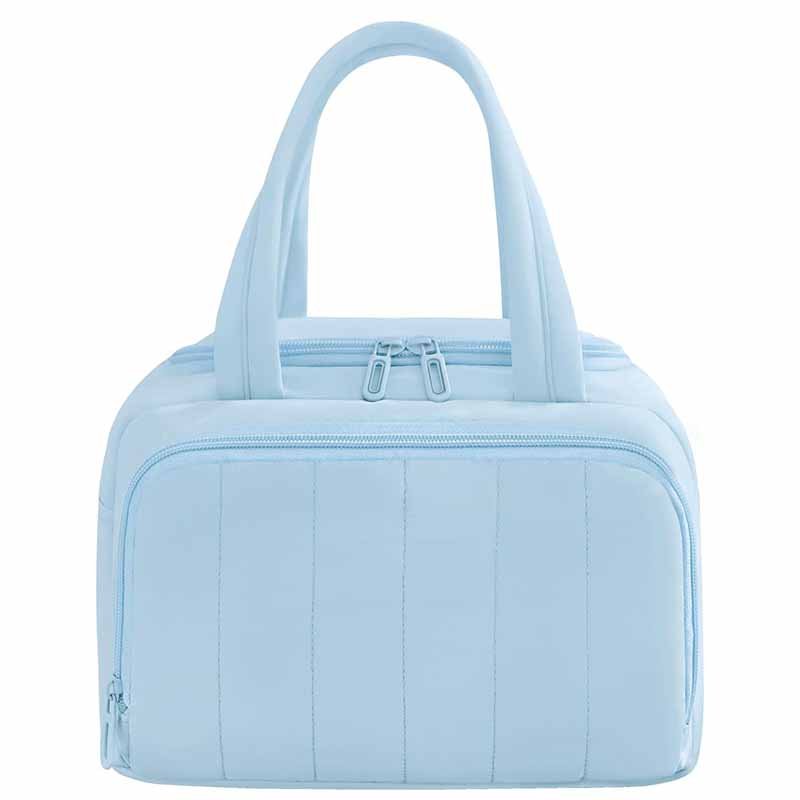
How Do Insulation Types Affect Lunch Bag Performance
Insulation type directly determines how long a lunch bag can keep food hot or cold, how stable the internal temperature remains, and how bulky the bag feels. Common insulation options include PE foam with aluminum lining, EVA foam, and rigid insulated panels. Thicker and denser insulation improves thermal retention but increases weight and size. The best insulation depends on required temperature duration, food type, and daily carrying needs.
From the outside, many lunch bags look similar.
From the inside, they can perform very differently.
Insulation affects:
- Temperature retention time
- Condensation and moisture control
- Weight and portability
- Cost and durability
Understanding insulation types helps users avoid false expectations, such as assuming all insulated lunch bags perform the same.
What Is Thermal Insulation in Lunch Bags?
Thermal insulation in lunch bags works by slowing heat transfer between the interior (food) and exterior (environment).
Most lunch bags use a multi-layer system:
- Outer fabric shell (polyester, nylon, canvas)
- Insulation layer (foam or padding)
- Inner lining (aluminum foil, PEVA, TPU)
The insulation layer reduces heat conduction, while reflective linings reduce radiant heat transfer. Together, they help food stay closer to its original temperature.
What Are the Main Insulation Types Used in Lunch Bags?
The most common insulation types include:
1. PE Foam + Aluminum Foil Lining
- Lightweight and cost-effective
- Widely used in everyday lunch bags
- Moderate insulation performance
2. EVA Foam Insulation
- Denser and more durable
- Better temperature stability
- Often used in premium or cooler-style lunch bags
3. Rigid Insulated Panels (Hard Structure)
- Found in hard lunch boxes and cooler box lunch bags
- Longest temperature retention
- Heavier and bulkier
Each insulation type balances performance, weight, and cost differently.
How Insulation Thickness Changes Performance
Thickness matters as much as material.
- Thin insulation
- Lighter and more compact
- Faster temperature loss
- Thick insulation
- Longer temperature retention
- Heavier and bulkier
For example:
- A thin insulated lunch bag may keep food cold 4–6 hours
- A thick EVA-insulated bag with ice packs may last 8–12 hours
Choosing thickness should be based on how long food needs to stay fresh, not just maximum insulation.
Do Hard Lunch Boxes Insulate Better Than Soft Lunch Bags?
In most cases, yes.
Hard lunch boxes and structured cooler bags:
- Maintain consistent internal air volume
- Reduce heat leakage from compression
- Perform better with ice packs
Soft lunch bags:
- Are easier to carry and store
- Adapt to different food shapes
- Lose insulation efficiency when overfilled or crushed
This is why many modern designs use hybrid insulation, combining soft exteriors with structured insulated cores.
How Long Can Different Insulation Types Keep Food Cold or Warm?
Typical performance ranges under normal conditions:
| Insulation Type | Temp Retention (with ice packs) |
|---|---|
| Basic PE foam | 4–6 hours |
| EVA foam | 6–10 hours |
| Rigid insulated panels | 10–12+ hours |
Actual performance depends on:
- Ambient temperature
- Ice pack quality
- How often the bag is opened
Insulation alone does not guarantee performance—usage behavior matters.
Does Insulation Affect Bag Weight and Comfort?
Yes, significantly.
- Thicker insulation increases weight
- Dense materials reduce flexibility
- Over-insulated bags feel bulky for short commutes
This is why:
- Office users prefer lighter insulation
- Long-shift or outdoor users accept heavier bags for performance
The “best” insulation is not the strongest—it is the most appropriate for the user’s daily routine.
Can Poor Insulation Damage Food Quality?
Yes.
Inconsistent insulation can cause:
- Temperature fluctuation
- Condensation buildup
- Soggy packaging
- Faster spoilage
Stable insulation reduces moisture and keeps food texture and taste more consistent throughout the day.
Common Insulation Mistakes
- Choosing maximum insulation for short office use
- Ignoring weight and carry comfort
- Assuming all insulated bags perform equally
- Overlooking inner lining quality
Smart buyers focus on balanced performance, not extremes.
| Use Case | Recommended Insulation |
|---|---|
| Office / school | PE foam + foil |
| Long shifts | EVA foam |
| Outdoor / travel | EVA foam or rigid panels |
| Meal prep / fitness | Thick EVA insulation |
| Kids | Light PE foam |
Are Lunch Bags Eco-Friendly and Reusable Options Better
Yes, eco-friendly and reusable lunch bags are generally better than disposable or single-use options. They reduce waste, last longer, and offer lower cost per use over time. Lunch bags made from recycled or durable materials, such as RPET, recycled polyester, or heavy-duty fabrics, support sustainability while maintaining insulation and food safety. Their true environmental benefit depends on durability, reuse frequency, and material lifespan.
When people ask whether eco-friendly lunch bags are better, they are really asking three questions:
- Do they reduce waste?
- Do they last longer?
- Are they practical for daily use?
The answer depends not only on what a lunch bag is made from, but how it is used over time.
A reusable lunch bag that lasts two years can outperform dozens of disposable paper or plastic bags—both environmentally and economically.
What Makes a Lunch Bag Eco-Friendly?
A lunch bag is considered eco-friendly when it:
- Is designed for long-term reuse
- Uses durable, non-toxic materials
- Minimizes replacement frequency
- Reduces dependence on disposable packaging
Eco-friendly does not automatically mean “natural.”
It means lower environmental impact across the product’s lifespan.
Durability is often more important than material type alone.
Reusable Lunch Bags vs Disposable Lunch Packaging
Disposable lunch packaging (paper bags, plastic wraps, single-use containers):
- Generates constant waste
- Offers poor insulation
- Fails quickly
Reusable lunch bags:
- Replace hundreds of disposable bags
- Protect food quality better
- Reduce long-term cost
From both environmental and user perspectives, reusable lunch bags clearly perform better.
Which Materials Are Common in Eco-Friendly Lunch Bags?
The most widely used eco-friendly materials include:
RPET (Recycled Polyester)
- Made from recycled plastic bottles
- Durable and water-resistant
- Common in modern insulated lunch bags
Recycled Polyester / Nylon
- Reuses industrial or consumer waste
- Strong and lightweight
Cotton and Canvas
- Natural appearance
- Breathable and reusable
- Often combined with insulated linings
A truly eco-friendly lunch bag often combines recycled outer fabrics with long-lasting insulation.
Are Natural Materials Always Better Than Synthetic Ones?
Not necessarily.
Natural materials:
- Look and feel eco-friendly
- Can wear out faster
- May lack insulation or water resistance
Synthetic recycled materials:
- Last longer
- Offer better insulation performance
- Reduce replacement cycles
A durable recycled synthetic lunch bag used daily for years often has a lower overall environmental impact than a natural bag that needs frequent replacement.
How Reusability Impacts Long-Term Cost and Sustainability
Eco-friendly lunch bags reduce:
- Replacement frequency
- Waste generation
- Cost per use
For example:
- A reusable lunch bag used 300 times costs far less per use than disposable bags
- Long lifespan equals lower resource consumption
This makes reusable lunch bags attractive not only to consumers, but also to businesses and brands focused on sustainability goals.
Why Eco-Friendly Lunch Bags Are Popular with Brands and Companies
For brands, eco-friendly lunch bags:
- Support sustainability messaging
- Offer long-term brand exposure
- Avoid single-use promotional waste
Reusable branded lunch bags are often perceived as more responsible and higher value than disposable giveaways.
The Role of Korean Lunch Box Culture in Eco-Friendly Design
Korean lunch box culture emphasizes:
- Portion control
- Compact design
- Reusability
This has influenced global lunch bag trends, leading to:
- Smaller, reusable lunch bags
- Minimalist aesthetics
- Long-term daily use designs
Sustainability here comes from consistent reuse, not novelty.
Lunch Bag Selection Guide
| Priority | Best Lunch Bag Choice |
|---|---|
| Waste reduction | Reusable insulated lunch bag |
| Durability | RPET or recycled polyester |
| Lightweight | Recycled synthetic fabrics |
| Natural look | Canvas + insulated lining |
| Branding | Eco-friendly custom lunch bag |
How to Choose the Best Lunch Bag for Your Needs
To choose the best lunch bag, match the bag to your routine: consider how long food must stay fresh, how much you carry, where you use it, and how you commute. Pick insulation based on time and temperature needs, choose capacity that fits your containers, and prioritize leakproof linings for liquids. The best lunch bag is not the most expensive—it’s the one designed for your daily use case.
Most lunch bags fail for predictable reasons:
- Too small for real containers
- Not insulated enough for long days
- Leaks after a few weeks
- Too bulky to carry
A smart choice comes from asking the right questions before buying. Think of lunch bags as “food tools,” not fashion accessories.
What Questions Should You Ask Before Choosing a Lunch Bag?
Start with these quick questions:
- How many meals are you carrying? (one lunch vs 2–4 meals)
- How long will food sit before eating? (2 hours vs 8–12 hours)
- Will you use ice packs or hot containers?
- Are you walking, driving, biking, or taking public transit?
- Will you carry liquids like soup or sauces?
- Do you need the bag to look professional or casual?
These questions immediately narrow down the correct type (office tote, cooler lunch bag, meal prep bag, etc.).
How Do Size, Capacity, and Compartments Affect Choice?
Capacity is not only about “liters”—it’s about container fit.
A lunch bag can be “large” but still fail if the shape doesn’t match your food boxes.
Key sizing tips:
- Measure your main food container first
- Check if the bag fits upright (important for soups)
- Avoid oversized bags if you only pack one meal (empty space reduces insulation efficiency)
- Choose multi-compartment designs only if you truly separate items daily
General capacity guide:
- Compact (3–6L): snacks / bento
- Medium (7–12L): office lunch + drink
- Large (13–20L): long shifts / meal prep
How Do You Choose Insulation Level Based on Your Day?
Insulation must match time + temperature.
- If food sits only 1–3 hours → light insulation is fine
- If food sits 6–8 hours → medium insulation recommended
- If you need 8–12 hours (long shifts, outdoor) → cooler-grade insulation + ice packs
Also consider environment:
- Hot cars and summer commutes require stronger insulation
- Air-conditioned offices require less
A high-performing lunch bag is often less about brand and more about insulation structure and sealing quality.
Do Leakproof Linings Really Matter?
Yes—especially for adults and meal prep users.
If you pack:
- soup
- curry
- sauces
- fruit with moisture
- yogurt
then leakproof design is not optional.
Look for:
- Seam-sealed inner liners
- Waterproof inner materials (PEVA/TPU)
- Zippers that don’t gap
- Reinforced corners
Leak prevention is one of the biggest factors behind “my lunch bag lasted 2 weeks” complaints.
Which Carry Style Matches Your Commute?
Carrying style affects daily satisfaction more than people expect.
- Hand-carry / tote: best for office, professional settings
- Shoulder sling: fast access for commuting
- Backpack lunch bag: best for biking, long walks, students
- Hard shell box: best for worksites and travel protection
If your lunch bag feels annoying to carry, you will stop using it—no matter how well it insulates.
What Is the Most Expensive Lunch Box and Why?
The most expensive lunch boxes are priced high due to:
- Premium materials (stainless steel, molded shells)
- Vacuum insulation or rigid thermal panels
- Tech features (electric heating, smart sealing)
- Strong brand positioning
But expensive does not always mean “best for you.”
If you only need a daily office lunch bag, you may not benefit from premium tech.
High-end lunch boxes often target specific users—drivers, travelers, outdoor professionals—not everyone.
What Features Usually Matter Most in Real Daily Use?
For most users, the highest-impact features are:
- Reliable insulation for your schedule
- Leakproof and easy to clean lining
- Container-fit sizing
- Comfortable carry style
- Durable zippers and stitching
“Extra features” like too many pockets or heavy structure sometimes increase cost without improving daily experience.
| Your Situation | Best Choice |
|---|---|
| Office, 1 meal | Insulated tote / bento bag |
| School kid | Kids lunch bag |
| Long shift | 15–20L meal prep / cooler lunch bag |
| Outdoor / travel | Backpack lunch bag / dry lunch bag |
| Liquids often | Leakproof lunch bag |
| Branding needs | Custom branded lunch bag |
Final Conclusion
Lunch bags are no longer simple accessories.
They are shaped by food habits, work patterns, sustainability values, and branding needs.
Understanding the 26 types of lunch bags helps:
- Consumers choose better
- Brands design smarter
- Retailers reduce product mismatch
If you are looking to:
- Develop custom lunch bags
- Launch private label lunch bag lines
- Source OEM lunch bags across multiple styles
- Control quality, cost, and lead time
Szoneier boasts over 18 years of experience in luggage manufacturing**, offering fast delivery services to buyers worldwide.
Contact Szoneier today to discuss your custom lunch bag requirements and receive a tailored quotation.