Skip to content
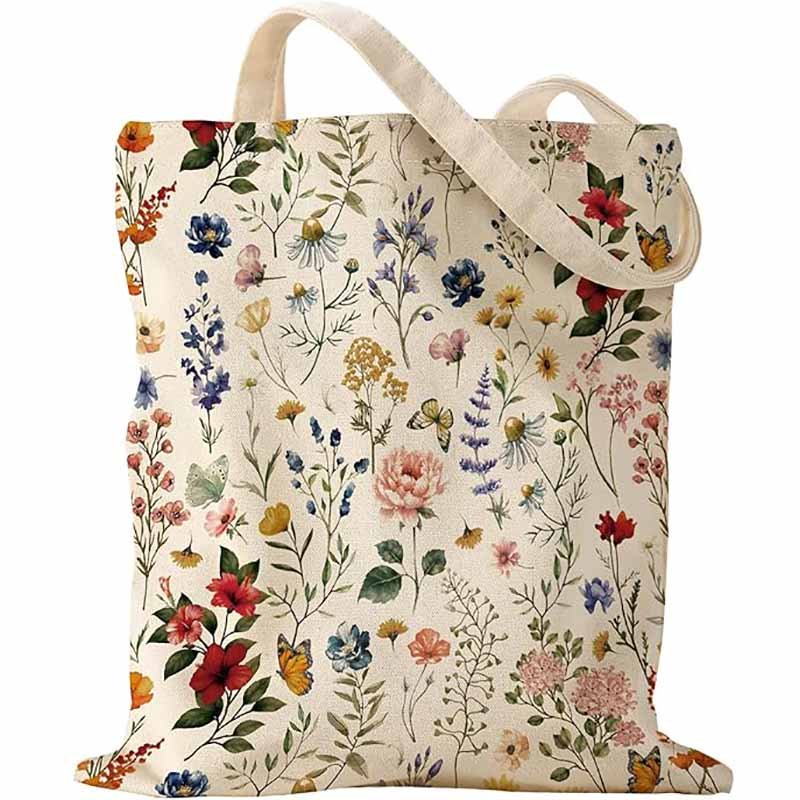
Making bags with fabric looks simple at first. Cut some fabric, stitch the edges, add handles—and you’re done. That’s the version most beginners imagine. In reality, bag making sits at the intersection of material science, structure, and real-world use. The difference between a bag that looks good and a bag that actually lasts comes down to choices most people overlook: fabric weight, reinforcement, seam construction, and load behavior.
This is why many DIY bags feel soft, lose shape, or fail at stress points after limited use—while professionally made fabric bags can carry weight daily for years. The process is not complicated, but it must be done in the right order, with the right materials, and for the right purpose.
Fabric bags are now everywhere: tote bags, backpacks, travel bags, gym bags, cooler bags, dry bags, and functional industrial bags. Whether you are a beginner learning how to make a bag with fabric easily, or a brand planning to develop custom fabric bags at scale, understanding the fundamentals is critical.
The key is not just knowing how to sew—but knowing why certain fabrics, structures, and steps are used.
In this guide, we walk through the complete logic of fabric bag making: what fabric bags really are, which fabrics work best, how professionals stiffen and reinforce fabric, the step-by-step process of making a bag, and common mistakes to avoid. Along the way, we’ll connect DIY logic with factory-level thinking, so you understand what separates a homemade bag from a production-ready product.
To make bags with fabric, you need to choose the right fabric based on the bag’s purpose, prepare patterns, cut fabric accurately, sew reinforced seams, and add structure using interfacing or padding. Professional fabric bags rely on correct material selection, proper stiffening, and reinforced stress points to ensure durability and shape retention.
What Is a Fabric Bag
A fabric bag is a bag made primarily from textile materials such as cotton, canvas, polyester, or nylon, constructed through cutting and sewing rather than molding or casting. Its strength and shape depend on fabric type, stitching, and internal reinforcement. Fabric bags are widely used for tote bags, backpacks, travel bags, and functional bags because they are lightweight, versatile, and easy to customize.
What Materials Are Commonly Used to Make Fabric Bags?
Fabric bags are made from a wide range of woven and coated textiles, each chosen for specific performance needs.
Common materials include:
- Cotton and canvas – natural feel, easy to sew, ideal for tote and promotional bags
- Polyester – strong, abrasion-resistant, widely used for backpacks and daily bags
- Nylon – lightweight with high tensile strength, common in travel and sports bags
- Oxford fabric – structured polyester weave, popular for durable everyday bags
- Coated fabrics (PU, TPU, PVC-free laminates) – used for water-resistant or functional bags
Professional manufacturers evaluate fabrics by GSM or denier, weave density, coating type, and colorfastness, not appearance alone. The fabric choice directly determines durability, cost, and user experience.
How Is a Fabric Bag Structurally Different from Other Bags?
Unlike leather or plastic bags, fabric bags do not have natural rigidity. Their structure is built through engineering rather than material stiffness.
A typical fabric bag includes:
- An outer fabric shell
- Optional inner lining
- Interfacing, foam, or board for shape retention
- Reinforced seams and stress points
Because fabric is flexible, poor construction quickly leads to sagging, seam failure, or shape loss. High-quality fabric bags rely on layered construction and load distribution to maintain performance over time.
This structural dependency is why professional sewing techniques and reinforcement matter more for fabric bags than for molded materials.
How Do Fabric Bags Differ from Leather or Plastic Bags?
Fabric bags differ fundamentally in manufacturing method, performance, and customization potential.
| Feature | Fabric Bags | Leather Bags | Plastic Bags |
|---|---|---|---|
| Manufacturing | Cut & sewn | Cut & stitched | Molded |
| Weight | Light to medium | Heavy | Very light |
| Flexibility | High | Medium | Low |
| Customization | Very high | Medium | Low |
| Repairability | Easy | Moderate | Difficult |
Fabric bags are preferred when branding, multiple compartments, or functional layering are required. They are also easier to modify or redesign, making them ideal for OEM/ODM projects and fast product iterations.
What Types of Fabric Bags Are Most Common Today?
Fabric bags cover a broad range of everyday and professional uses, including:
- Tote bags and shopping bags
- Backpacks and school bags
- Travel and duffel bags
- Gym and sports bags
- Cooler bags and insulated bags
- Dry bags and waterproof bags
- Tool bags and industrial carry bags
Each category places different demands on fabric strength, structure, and accessories. For example, a tote bag prioritizes simplicity and printability, while a tool bag requires heavy reinforcement and load-bearing design.
This diversity is why fabric bags remain one of the most adaptable bag categories in the market.
Why Are Fabric Bags So Widely Used in Custom and OEM Production?
Fabric bags are especially popular in custom and OEM manufacturing because they offer maximum design flexibility with controlled cost.
Brands can easily customize:
- Fabric type and weight
- Color and texture
- Printing, embroidery, or patches
- Pocket layout and internal structure
Factories like Szoneier, with over 18 years of bag manufacturing experience, leverage this flexibility to develop custom fabric bags for different markets—from promotional items to high-end functional bags—without the long tooling cycles required by molded products.
Which Fabrics Are Best for Making Bags
The best fabrics for making bags depend on the bag’s purpose, load capacity, and usage environment. Common choices include cotton canvas for casual bags, polyester and nylon for durability, Oxford fabric for structured bags, and coated fabrics for waterproof or insulated bags. Choosing the right fabric ensures strength, shape retention, and long-term performance.
What Fabric Is Best for Making Bags Overall?
There is no universal “best fabric” for all bags. The best fabric is the one that matches the bag’s real-world use.
Professional bag makers evaluate fabrics based on:
- Tensile strength (how much weight it carries)
- Abrasion resistance (how it holds up to friction)
- Shape retention (how well it keeps structure)
- Weight and flexibility
- Cost and scalability
For example, cotton canvas looks great but stretches under heavy load. Nylon is lightweight and strong but costs more. Polyester offers a balance between durability and price, making it one of the most widely used bag fabrics globally.
The key takeaway: fabric selection is a performance decision, not a visual one.
Why Is Cotton Canvas Popular for Tote Bags and Casual Bags?
Cotton canvas is one of the most common fabrics for fabric bags, especially tote bags.
Its advantages include:
- Natural appearance
- Easy sewing and cutting
- Good print and branding compatibility
However, canvas has limitations. It absorbs moisture, stretches over time, and requires reinforcement for heavy loads. This is why professional canvas bags often include:
- Thicker fabric (12oz–16oz)
- Reinforced handles
- Interfacing or lining layers
Canvas works best for light to medium-duty bags, not high-load or wet environments.
Why Are Polyester Fabrics Widely Used in Bag Manufacturing?
Polyester is one of the most versatile bag fabrics in the industry.
Its strengths include:
- High abrasion resistance
- Better shape stability than cotton
- Lower water absorption
- Consistent quality and cost
Polyester fabrics such as Oxford fabric are commonly used for backpacks, travel bags, and daily-use bags. They handle repeated stress better than natural fibers and are easier to coat for water resistance.
For OEM and large-scale production, polyester is often the most practical choice.
When Is Nylon the Best Fabric for Bags?
Nylon is chosen when performance matters more than cost.
Compared to polyester, nylon offers:
- Higher tensile strength
- Better tear resistance
- Lighter weight
This makes nylon ideal for:
- Travel bags
- Sports and gym bags
- Technical or outdoor bags
However, nylon is more expensive and harder to sew, which is why it is typically used in mid- to high-end bags rather than promotional products.
What Is Oxford Fabric and Why Is It So Common in Bags?
Oxford fabric is a woven polyester fabric known for its structured feel.
It is widely used because it:
- Holds shape well
- Resists abrasion
- Accepts coatings easily
Oxford fabric is commonly found in:
- Backpacks
- Laptop bags
- Tool bags
- Daily carry bags
Its balance of structure, durability, and cost makes it one of the most popular choices in professional bag manufacturing.
Which Fabrics Are Used for Waterproof, Cooler, or Functional Bags?
Functional bags require specialized fabrics.
| Bag Type | Common Fabric | Key Feature |
|---|---|---|
| Dry bags | TPU-coated fabric | Waterproof |
| Cooler bags | Polyester + insulation | Thermal control |
| Fireproof bags | Fiberglass blends | Heat resistance |
| Tool bags | Heavy polyester/canvas | Load strength |
These bags are difficult to make without proper material sourcing and layered construction, which is why factories like Szoneier specialize in functional fabric bag manufacturing.
How Do Fabric Weight and Denier Affect Bag Performance?
Fabric weight matters as much as fabric type.
- GSM (grams per square meter) is used for cotton fabrics
- Denier (D) is used for synthetic fabrics
Higher numbers generally mean thicker, stronger fabric—but also more weight. Choosing the wrong balance leads to bags that are either too weak or unnecessarily heavy.
Professional manufacturers test fabric weight against real load conditions before finalizing production.
Fabric Comparison Table for Bag Making
| Fabric Type | Durability | Water Resistance | Best Use |
|---|---|---|---|
| Cotton Canvas | Medium | Low | Tote, promo bags |
| Polyester | High | Medium | Backpacks, travel |
| Nylon | Very high | Medium | Sports, outdoor |
| Oxford Fabric | High | Medium | Daily & laptop bags |
| TPU-Coated | Very high | High | Dry & cooler bags |
What Tools and Materials Do You Need
To make bags with fabric, you need basic cutting and sewing tools, suitable fabrics, strong thread, and supporting materials such as interfacing, webbing, and zippers. Durable bags also require reinforcement materials to strengthen seams, handles, and stress points. The quality of tools matters less than choosing the right materials for the bag’s function.
What Essential Tools Are Required for Fabric Bag Making?
At a basic level, fabric bag making does not require expensive equipment.
Essential tools include:
- Fabric scissors or rotary cutter
- Measuring tape, ruler, and chalk/marker
- Pins or fabric clips
- Sewing machine (home or industrial)
For beginners, a standard home sewing machine is enough for light to medium fabrics. Professional factories use industrial machines for speed and consistency, but the fundamental sewing logic is the same.
Accuracy matters more than machine type. Clean cutting, straight seams, and consistent stitch length determine final quality far more than advanced equipment.
Which Sewing Machines and Needles Are Best for Bag Making?
Machine choice depends on fabric thickness.
- Home sewing machines work well for canvas, cotton, and light polyester
- Heavy-duty or walking-foot machines handle thick layers and webbing
Needle selection is critical:
- Size 14–16 for medium fabrics
- Size 18–21 for thick polyester, webbing, or layered seams
Using the wrong needle causes skipped stitches and weak seams—one of the most common beginner problems.
What Materials Are Needed Besides Fabric?
Fabric alone cannot make a durable bag.
Supporting materials include:
- Thread: Polyester thread for strength and UV resistance
- Interfacing: Adds structure and stiffness
- Zippers: Coil for flexibility, molded for strength
- Webbing: Nylon or polyester for handles and straps
- Lining fabric: Improves durability and appearance
Each material must match the fabric’s strength. Weak thread on strong fabric leads to seam failure long before fabric wear.
How to Stiffen Fabric for Bag Making?
Stiffening fabric is essential for shape retention.
Common methods include:
- Fusible interfacing: Easy and lightweight
- Sew-in interfacing: More durable for heavy bags
- Foam padding (EVA/PE): Adds structure and cushioning
- Plastic board or base insert: Used in bag bottoms
Professional bags often combine multiple stiffening layers to balance flexibility and strength. DIY projects usually under-stiffen, leading to sagging or collapsed bags.
Factories like Szoneier engineer stiffness based on load testing—not guesswork.
What Reinforcement Materials Are Used in Professional Bag Making?
Reinforcement is what separates decorative bags from functional ones.
Common reinforcement materials:
- Extra fabric layers at stress points
- Webbing sewn into seams
- Bartack stitching at handles
- Binding tape for seam edges
Most bag failures occur at handles, corners, or zipper ends—not in flat panels. Reinforcing these areas dramatically extends bag life.
Beginner vs Professional Materials – What’s the Difference?
Beginners focus on tools. Professionals focus on material systems.
| Aspect | Beginner Approach | Professional Approach |
|---|---|---|
| Fabric | Chosen by look | Chosen by performance |
| Thread | Generic | Matched to load |
| Stiffening | Minimal | Engineered layers |
| Reinforcement | Optional | Mandatory |
This difference explains why factory-made bags last years while many DIY bags fail early.
Tools & Materials for Making Fabric Bags
| Category | Examples |
|---|---|
| Cutting tools | Scissors, rotary cutter |
| Sewing tools | Sewing machine, needles |
| Core materials | Fabric, lining |
| Structure | Interfacing, foam |
| Strength | Thread, webbing |
| Function | Zippers, hardware |
How to Make Fabric Bags – Step-by-Step Process
To make a fabric bag, you define the bag type and size, choose the right fabric and reinforcement, draft or select a pattern, cut panels accurately, stabilize and reinforce stress areas, assemble the body with strong seams, install pockets and closures, attach handles/straps with bartacks or box-X stitching, then finish edges and inspect the bag under load. The order matters because structure and reinforcement must be built in before the bag is fully closed.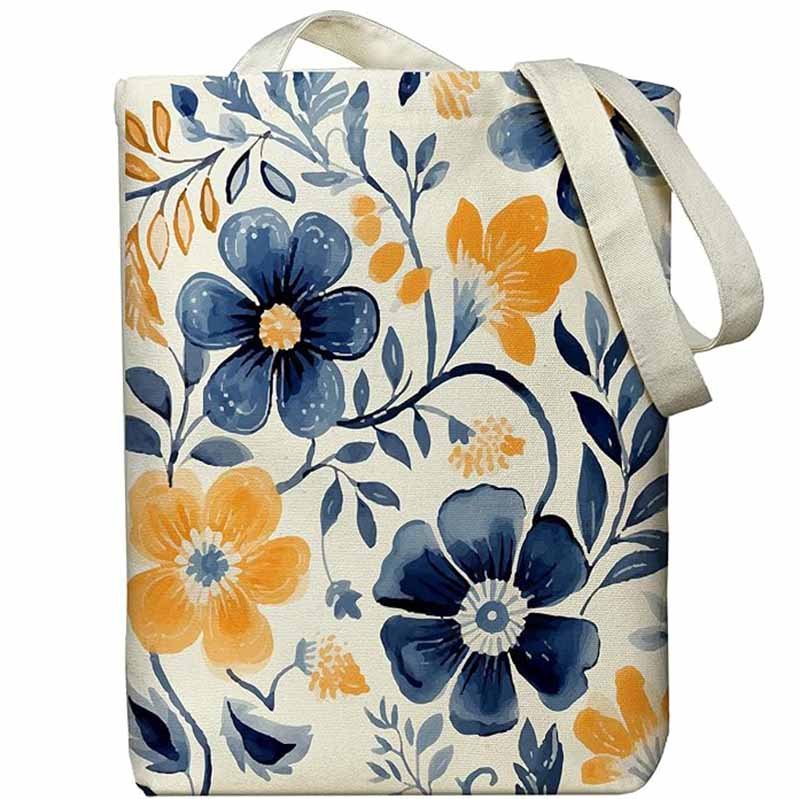
Step 1 — What Bag Are You Making and What Load Must It Carry? (Start with purpose)
Before cutting anything, decide what the bag must do. The “purpose” determines every material and construction choice.
Ask four quick questions:
- What type: tote, drawstring, backpack, travel, cooler, tool, etc.?
- Target load: light (1–3kg), medium (4–8kg), heavy (9–15kg+)?
- Environment: dry indoor, rainy commuting, beach/sand, outdoor abrasion?
- Closures: open-top, zipper, flap, roll-top, buckle?
Factory tip: bags fail at stress points (handle roots, corners, zipper ends), so define the load path early. If the bag is meant to hold weight daily, plan reinforcement from the start.
Step 2 — Which Fabric, Lining, and Thread Should You Choose? (Performance first)
Pick materials that match your use case.
Quick matching guide
- Tote / promo: canvas or poly-canvas + polyester thread
- Backpack / travel: polyester or nylon + stronger webbing
- Wet / functional: coated fabrics (PU/TPU) + seam planning
- Heavy-duty: thicker polyester/oxford + reinforced base
Don’t overlook thread. A strong fabric with weak thread fails fast. For most fabric bags, polyester thread is the safest general choice because it handles tension and sunlight better than basic cotton thread.
Step 3 — How Do You Draft a Pattern or Pick a Template? (Reduce mistakes)
A bag pattern is simply a set of panels with seam allowances and alignment marks.
Key pattern basics:
- Add seam allowance (commonly 1 cm or 3/8″) to all edges
- Mark notches (alignment points) and handle positions
- Plan boxing corners (for a 3D base) if needed
- Separate pattern pieces for outer, lining, pocket, reinforcement
Beginner shortcut: start with a proven tote bag template and modify dimensions rather than drafting from zero.
Factory tip: professional patterns include “production marks” (fold lines, bartack points, label positions) so every bag comes out consistent.
Step 4 — How to Cut Fabric Cleanly and Accurately (Cutting controls quality)
Cutting accuracy affects final shape more than people expect.
Best practices:
- Pre-press fabric (remove wrinkles that shift measurements)
- Cut on a flat surface with weights or clips
- Use a rotary cutter for long straight edges (cleaner and faster)
- Mirror panels correctly (left/right pieces)
Common DIY failure: panels are cut slightly uneven, then people “force” them to match while sewing—this creates twisting and uneven top edges.
Step 5 — How to Stiffen and Reinforce Before Sewing (Structure is built early)
This is where DIY and factory quality separate.
Add structure now:
- Interfacing (fusible or sew-in) for shape
- Foam/EVA for padding (backpack, laptop, cooler)
- Base board for a firm bottom (travel/tool bags)
Add reinforcement now:
- Extra fabric patches behind handle/strap areas
- Webbing anchors or internal tape
- Corner reinforcement if the bag will carry weight
Rule of thumb: if you can predict where a user will pull or lift, reinforce that area before the bag is closed.
Step 6 — How to Sew Pockets and Internal Features First (Work flat whenever possible)
Pockets and zippers are easier when panels are flat.
Typical order:
- Sew inner pockets onto lining panel
- Sew external pockets onto outer panel
- Install zipper panels or top closures
- Add label patches/branding areas
Beginner move: keep pocket designs simple (patch pockets).
Factory move: add compartment stitching, binding, and zipper garages to improve durability and reduce zipper snagging.
Step 7 — How to Assemble the Bag Body (Strong seams and correct sequence)
Now assemble the main body:
- Join panels right sides together
- Sew side seams and bottom seam
- Box corners for depth (if needed)
- Add binding or overlock/zigzag to prevent fraying
Recommended seam upgrades for durability:
- Double stitch on main seams for medium/heavy bags
- Bound seams for cleaner finish and higher strength
- Seam taping only when the bag must resist water ingress (requires correct materials)
Factory tip: seam strength comes from stitch consistency + reinforcement, not just stitching twice randomly.
Step 8 — How to Attach Handles and Straps So They Don’t Rip Off
Handle failure is one of the most common complaints.
Best practices:
- Use webbing or reinforced fabric handles for load bags
- Stitch with box-X pattern or bartacks
- Extend handle anchors deeper into the body panel
- Add internal reinforcement patch behind anchor area
Simple rule: the anchor must distribute load over a larger area than the handle width.
If you’re making backpacks, strap roots and top carry handles need the same reinforcement logic.
Step 9 — How to Close the Bag, Turn It, and Finish Cleanly
Finishing details affect both durability and perceived quality.
Finish checklist:
- Top edge turned and top-stitched cleanly
- Lining attached without twisting
- Corners trimmed (reduce bulk)
- Edges bound (optional but professional-looking)
- Hardware checked (zippers, buckles, D-rings)
Factory tip: “finishing” is where returns are prevented—uneven tops, zipper waves, and loose threads look small but cause customers to lose trust fast.
Step 10 — How to Inspect and Load-Test the Bag (Simple QC that matters)
Even DIY bags should be tested like products.
Quick QC test:
- Pull handles with 2–3× expected load for 10–20 seconds
- Check stitch lines for gaps/skips
- Open/close zippers repeatedly (10–20 cycles)
- Inspect bottom corners for strain
Factories like Szoneier run structured in-process QC and stress-point inspections because most failures show up early under load testing—not after months.
Steps to Make a Fabric Bag
- Define bag type + load + environment
- Choose fabric + lining + thread + webbing
- Draft pattern + mark reinforcement points
- Cut accurately
- Add interfacing/foam + reinforcement patches
- Sew pockets/closures while panels are flat
- Assemble body + box corners + finish seams
- Attach handles/straps with box-X/bartacks
- Close, turn, topstitch, bind edges
- Load-test and inspect
How to Choose the Right Fabric and Design for Different Bag Types
Choosing the right fabric and design depends on the bag’s function, load, and usage environment. Tote bags prioritize simplicity and printability, backpacks require strength and load distribution, travel bags focus on durability and weight balance, and functional bags need specialized fabrics. Matching fabric, structure, and reinforcement to the bag type ensures performance and longevity.
How Should You Choose Fabric and Design for Tote Bags?
Tote bags look simple, but their performance depends heavily on fabric choice.
Best fabrics
- Cotton canvas (8oz–16oz)
- Poly-canvas blends
- Medium-weight polyester
Design priorities
- Flat or lightly boxed bottom
- Reinforced handle roots
- Simple open top or snap closure
Tote bags are often used for shopping, promotions, or daily carry. This means they are lifted repeatedly by the handles. The most common failure point is handle stitching, not the fabric itself.
Professional tote bag designs extend handles deeper into the body panel and reinforce anchor points internally—something many DIY totes lack.
Which Fabrics and Designs Work Best for Backpacks?
Backpacks are one of the most demanding bag types because they carry weight over long periods.
Best fabrics
- Polyester (Oxford fabric)
- Nylon (for lighter, higher-end backpacks)
Design priorities
- Load distribution across shoulder straps
- Reinforced bottom and back panel
- Padding (foam/EVA) for comfort
- Multiple compartments for weight balance
Backpack failure usually occurs at strap roots or bottom seams. This is why backpack design focuses more on internal structure than outer appearance.
Factories like Szoneier test backpack fabrics and stitching under simulated load cycles to ensure long-term durability—an approach that goes far beyond basic sewing.
How to Choose Fabric and Structure for Travel Bags and Duffel Bags?
Travel bags must balance strength, weight, and flexibility.
Best fabrics
- Nylon (lightweight travel bags)
- Heavy polyester (cost-efficient durability)
Design priorities
- Reinforced handles and shoulder straps
- Structured base to prevent collapse
- Abrasion-resistant corners
- Smooth zipper operation
Travel bags are dragged, lifted, and compressed frequently. A soft-looking bag with poor structure quickly loses shape and looks worn.
Professional designs add base boards, corner reinforcement, and strap anchors that distribute force across panels rather than concentrating stress in one seam.
Which Fabrics Are Best for Gym Bags and Sports Bags?
Gym bags require materials that handle moisture, odor, and frequent use.
Best fabrics
- Polyester
- Nylon with breathable lining
Design priorities
- Easy-clean inner lining
- Ventilation or mesh panels
- Reinforced handles and zippers
Gym bags often fail due to zipper damage or lining wear. Using coated or easy-wipe linings extends product life significantly.
How Should You Choose Fabric for Functional Bags (Cooler, Dry, Tool Bags)?
Functional bags are performance-driven products.
Cooler bags
- Polyester outer fabric
- Insulation layers (foam + reflective lining)
- Leak-resistant seams
Dry bags
- TPU or PU-coated fabrics
- Roll-top or sealed closures
- Welded or taped seams
Tool bags
- Heavy polyester or canvas
- Thick webbing and reinforced bases
These bags are difficult to make without professional material sourcing and layered construction. They are typically produced in factories with experience in technical fabrics—like Szoneier.
How Does Fabric Weight and Structure Change by Bag Type?
Fabric weight must match the bag’s load.
| Bag Type | Typical Fabric Weight |
|---|---|
| Tote bag | 8oz–16oz canvas / 300–600D polyester |
| Backpack | 600D–900D polyester / nylon |
| Travel bag | 420D–840D nylon/polyester |
| Tool bag | 900D+ polyester |
| Dry bag | Coated TPU fabrics |
Using fabric that is too light causes premature wear. Using fabric that is too heavy increases cost and reduces user comfort.
Professional manufacturers optimize this balance through testing.
Why Design and Fabric Must Be Chosen Together (Not Separately)
A strong fabric with poor design still fails. A good design with weak fabric also fails.
Fabric choice and design must be considered together:
- Fabric determines how load is carried
- Design determines where load is concentrated
For example, a backpack with thin straps will fail even if made from strong fabric. A tote bag with beautiful canvas will fail if handles aren’t reinforced.
This integrated approach is why experienced factories outperform DIY or inexperienced suppliers.
Fabric & Design Matching Table
| Bag Type | Fabric Focus | Design Focus |
|---|---|---|
| Tote | Printability, cost | Handle reinforcement |
| Backpack | Strength, abrasion | Load distribution |
| Travel | Lightweight, durability | Base & corner strength |
| Gym | Moisture resistance | Ventilation & zippers |
| Cooler | Insulation compatibility | Leak control |
| Dry | Waterproof coating | Seam sealing |
| Tool | Heavy-duty strength | Stress reinforcement |
What Are Common Challenges in Fabric Bag Making
Common challenges in fabric bag making include fabric distortion, weak seams, poor shape retention, handle failure, and inconsistent quality. These issues usually result from incorrect fabric selection, insufficient reinforcement, improper stitching techniques, or ignoring load direction during design and construction.
Why Does Fabric Distort or Warp During Sewing?
Fabric distortion is one of the earliest and most visible problems in bag making.
It usually happens because:
- Fabric is not pre-pressed before cutting
- Panels are cut off-grain
- Tension settings on the sewing machine are incorrect
- Uneven feeding of layered materials
When fabric stretches during sewing, seams become wavy and the bag loses symmetry. This not only affects appearance but also creates weak points along seams.
Professional bag makers control distortion by stabilizing fabric with interfacing, cutting on grain, and using consistent feeding methods. Industrial machines with walking feet help, but correct preparation is the real solution.
Why Do Seams Break or Fail Under Load?
Seam failure is one of the most common reasons bags are returned or discarded.
Typical causes include:
- Using weak thread with strong fabric
- Stitch length that is too long
- No reinforcement at high-stress areas
- Poor seam design (single seam for heavy load)
Most bags fail not in the fabric, but at the seam. Professional bags use double stitching, bound seams, or bartacks to distribute stress.
Factories like Szoneier test seams under load to ensure they exceed expected usage conditions before mass production.
Why Do Fabric Bags Lose Shape Over Time?
Shape loss happens when fabric bags lack internal structure.
Without interfacing, foam, or base support, gravity gradually pulls fabric downward. Handles stretch the top edge, bottoms sag, and corners collapse.
This is especially common in tote bags and backpacks that carry weight daily.
Professional designs incorporate structural layers at key areas—bottom panels, back panels, and handle zones—so the bag maintains its intended form throughout its lifespan.
Why Do Handles and Straps Tear Off?
Handle failure is one of the most frustrating problems for users.
Common mistakes include:
- Sewing handles only onto outer fabric
- Using decorative stitching instead of structural stitching
- Failing to extend handles into reinforced panels
Load travels from the handle into the bag body. If the connection area is weak, tearing is inevitable.
Professional bag makers use box-X stitching, bartacks, internal reinforcement patches, and webbing anchors to spread load across a larger area.
Why Are Zippers and Closures Often Problem Areas?
Zippers fail not because they are weak, but because they are installed incorrectly.
Common zipper issues:
- No reinforcement at zipper ends
- Fabric tension causing zipper waves
- Mismatched zipper type for the bag’s purpose
Heavy bags need stronger zippers and stabilized zipper tapes. Professional factories reinforce zipper ends and ensure smooth alignment to prevent stress buildup during opening and closing.
Why Do DIY Bags Look Good but Feel Weak in Use?
Many DIY fabric bags look fine when finished but fail in real use.
The reason is simple: they are built for appearance, not load.
Professional bag making considers:
- Load direction
- Repeated stress cycles
- Long-term material behavior
Without reinforcement and testing, DIY bags are rarely prepared for daily use. This difference explains why factory-made bags last years while homemade bags often don’t.
How Do Professional Manufacturers Reduce These Problems at Scale?
Factories solve these challenges through systems, not luck.
Professional methods include:
- Material testing before production
- Standardized sewing sequences
- In-process quality control
- Stress-point inspection
Szoneier, with over 18 years of bag manufacturing experience, applies these methods to ensure consistent quality across custom fabric bags—from samples to mass production.
Common Problems and Professional Solutions
| Challenge | Root Cause | Professional Solution |
|---|---|---|
| Fabric distortion | Poor cutting/sewing | Stabilization & grain control |
| Seam failure | Weak thread/stitch | Reinforced seams |
| Shape loss | No structure | Interfacing & base support |
| Handle tearing | Poor anchoring | Box-X & internal reinforcement |
| Zipper failure | No end reinforcement | Zipper stabilization |
Conclusion
Learning how to make bags with fabric gives you a deeper understanding of what makes a bag truly durable. But turning that knowledge into consistent, production-ready products requires experience, equipment, and material sourcing.
Szoneier is a Chinese bag manufacturer with over 18 years of experience in fabric bag R&D, manufacturing, and OEM/ODM production. We specialize in custom tote bags, backpacks, travel bags, cooler bags, dry bags, tool bags, gym bags, and more—using a wide range of fabric materials.
If you’re ready to turn your bag idea into a reliable, scalable product, contact Szoneier today to discuss custom fabric bag solutions tailored to your market.