
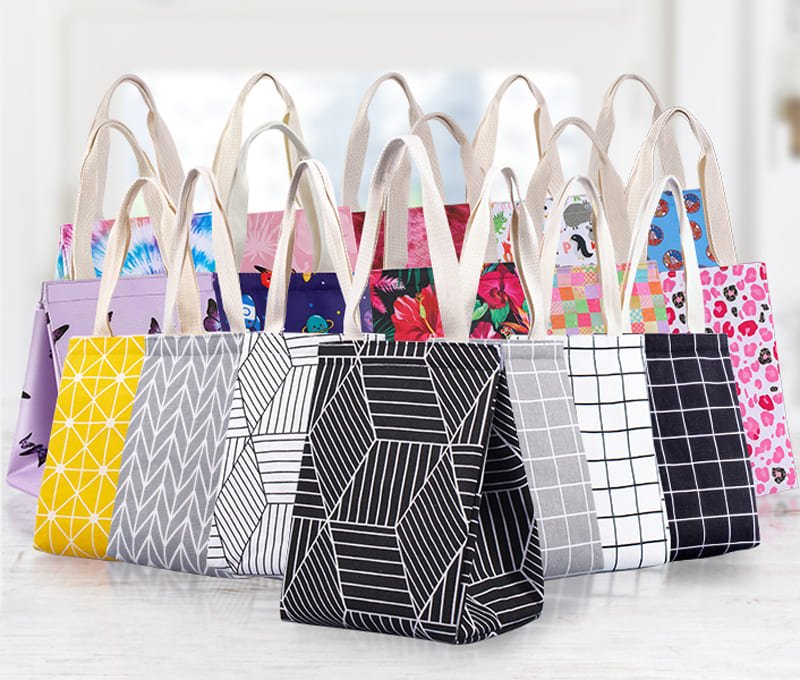
Lunch bags have become more than just simple carriers for your midday meal—they’re now fashion statements, eco-friendly tools, and even temperature-controlled tech. Whether you’re packing a kid’s sandwich or a gourmet bento box, the term you choose—“lunch bag,” “lunch tote,” “insulated cooler,” or “lunch pouch”—can shape expectations about material, size, and function.
A lunch bag is commonly called an “insulated lunch tote,” “lunch cooler,” or “lunch pouch,” depending on its material and design features. While “lunch bag” is the umbrella term, “lunch box” implies rigid structure, and “cooler bag” suggests ice retention—so naming helps customers instantly understand functionality.
Ready to discover every name, material, and feature that makes today’s lunch carriers so versatile? Let’s dive in.
What Different Terms Do People Use for Lunch Bags?
Beyond the generic “lunch bag,” you’ll see terms like “lunch tote,” “insulated cooler bag,” “bento pouch,” “lunch box,” and “meal carrier.” Each highlights differences in structure (soft vs. hard), insulation level, or cultural style, helping customers quickly find the right solution for their meal routine.
The marketplace is rich with names, each implying subtle variations:
- Lunch Bag: The catch-all term for any soft or semi-soft container designed to carry meals.
- Lunch Tote: Suggests a fashion-forward, tote-style handle; often made of canvas or neoprene with moderate insulation.
- Insulated Cooler Bag: Implies heavy-duty insulation and thicker walls, suitable for picnics or extended outings.
- Lunch Box: Historically rigid—metal, plastic, or composite—emphasizing structural protection, stackability, and sometimes locking lids.
- Bento Pouch/Box: Originating from Japanese bento culture, these often include compartmentalized interiors and leak-resistant seals.
- Meal Prep Bag: Marketed to fitness enthusiasts and meal-preppers, sized for multiple containers and often including extra pockets for supplements.
- Snack Sack/Pouch: Smaller format for quick snacks or kids’ lunches, sometimes drawstring or zipper-top.
Regional & Cultural Variations:
In the U.K., you might hear “lunch box” more frequently, whereas in North America “lunch bag” dominates. In Japan, “bento bag” indicates a carry-case specifically sized for bento boxes, often with matching cloth wraps (furoshiki style). Understanding these regional terms helps brands like Szoneier tailor product listings and marketing language to target demographics effectively.
Which Materials Are Commonly Used in Lunch Bags?
Popular lunch bag materials include polyester, canvas, neoprene, non-woven polypropylene, and PEVA-lined nylon. Each offers trade-offs in durability, insulation, weight, and eco-friendliness, so choosing the right fabric depends on your customers’ priorities: style, performance, or sustainability.
Lunch bag fabrics broadly fall into three categories: performance textiles, eco-friendly options, and premium materials.
| Material | Durability | Insulation Potential | Eco-Friendliness | Cost Level |
|---|---|---|---|---|
| Polyester (600D/300D) | High | Moderate | Medium | Low–Medium |
| Canvas (Cotton/Poly Blend) | High | Low–Medium | Medium–High | Medium |
| Neoprene | Medium | High | Low | Medium–High |
| Non-Woven Polypropylene | Medium | Low | Low | Low |
| Nylon + PEVA/TPU Lining | High | High | Medium | Medium |
| RPET (Recycled PET) | Medium | Moderate | High | Medium |
- Polyester (300D–600D): Robust, colorfast, and cost-effective; often paired with foam insulation and PEVA linings for spill resistance.
- Canvas: Natural look and feel; when waxed or treated, offers water resistance; heavier but highly durable.
- Neoprene: Fashionable “wet suit” material that stretches, insulates well, and is machine-washable—popular for lunch totes and bottle sleeves.
- Non-Woven Polypropylene: Ultra-budget-friendly; low insulation and limited lifespan, suited for promotional giveaways.
- Nylon + PEVA/TPU Lining: Premium nylon exteriors (e.g., 210D or 420D) with food-safe laminated liners; easy to wipe clean and excellent thermal retention.
- RPET/Recycled Fabrics: Eco-conscious choice; reduces plastic waste but may cost 10–20% more than virgin materials.
Considerations:
- Weight vs. Insulation: Heavy canvas stores heat less effectively than neoprene, despite its heft.
- Cleanability: Smooth PEVA liners wipe down easily; canvas requires more care.
- Aesthetic vs. Function: Neoprene and canvas lend themselves to fashion-led designs, while polyester and polypropylene excel in mass-produced, budget segments.
For Szoneier ’s B2B partners, specifying the right material mix—such as a 600D polyester exterior with a 3 mm foam core and PEVA liner—ensures product performance aligns with target price points and brand values.
How Do Insulated Lunch Bags Keep Food Fresh?
Insulated lunch bags use foam cores (PE foam, PU foam) sandwiched between outer fabric and inner liners to slow heat transfer. Reflective foil liners and multi-layered insulation can maintain temperature for 4–6 hours, ensuring perishable foods stay safely chilled or warm until mealtime.
Thermal performance hinges on three elements: material R-value, liner reflectivity, and seal quality.
Foam Insulation Layers:
- PE Foam (Polyethylene): Lightweight, closed-cell structure; R-value ~2.0 per inch.
- PU Foam (Polyurethane): Higher R-value (~3.5 per inch) but slightly heavier; ideal for thicker cooler bags.
Reflective Liners:
- Aluminized Mylar/PEVA: Mirrors radiant heat back toward the food, useful for both hot and cold retention.
Seal & Closure Systems:
- Zippers: Full-length YKK® zippers create tight seals but can leak if not water-resistant.
- Velcro or Magnetic Flaps: Quick access; less airtight but reduce weight and cost.
| Insulation Layer | Thickness | Approx. Heat Retention | Weight Impact |
|---|---|---|---|
| 3 mm PE Foam | 3 mm | 2–3 hours | +50 g |
| 5 mm PU Foam | 5 mm | 4–5 hours | +100 g |
| Layered (PE + Foil) | 3 mm + foil | 5–6 hours | +120 g |
Design Trade-Offs:
- Bulk vs. Performance: Thicker insulations improve retention but add weight and cost.
- Ease of Cleaning: Foil liners can delaminate; PEVA is more durable but slightly lower in reflectivity.
- User Behavior: Pre-chilling the bag or adding ice packs amplifies insulation but requires secure pockets or separators to keep leaks contained.
Are Lunch Bags the Same as Lunch Boxes or Cooler Bags?
While “lunch bag” usually refers to soft-sided, flexible carriers, “lunch box” implies rigid or semi-rigid containers, and “cooler bag” suggests heavy-duty insulation for extended outings. Understanding these distinctions helps target customer expectations and reduces return rates.
Lunch Bag vs Lunch Box:
- Lunch Bags: Soft exteriors, foldable, pack flat when empty, usually carryable by handles or straps.
- Lunch Boxes: Hard-shell (metal, plastic, composite) bodies with hinged or removable lids; protect fragile containers and resist crushing.
Lunch Bag vs Cooler Bag:
- Cooler Bags: Often larger, built for carrying multiple beverages and meals. Typical insulation thickness ≥5 mm, sometimes with built-in ice-pack pockets.
- Lunch Bags: Sized for individual meals, insulation around 3–5 mm, and outfitted with compact pockets for cutlery and napkins.
| Feature | Lunch Bag | Lunch Box | Cooler Bag |
|---|---|---|---|
| Flexibility | High | Low | Medium |
| Insulation Thickness | 3–5 mm | Minimal | 5–10 mm |
| Packability | Flat when empty | Bulky | Semi-foldable |
| Use Case | Daily meals | Bento-style | Picnics, outings |
| Damage Protection | Low | High | Medium |
Why It Matters:
A retailer marketing a “lunch box” on a soft TPU-lined product may frustrate customers seeking rigid protection. Conversely, labeling a thickly-insulated picnic bag as a “lunch bag” could undersell its cooling power. Clear naming conventions, informed by material choice and insulation specs, reduce confusion and increase customer satisfaction.
What Key Features Should You Look for in a Lunch Bag?
The ideal lunch bag combines effective insulation (≥3 mm foam), a food-safe, leak-resistant liner (PEVA or TPU), durable closures (YKK® zippers or secure Velcro), and comfortable carry options (padded handles or adjustable straps). Extras like utensil pockets, ice-pack compartments, and eco-friendly materials elevate functionality—ensuring meals stay fresh, leaks stay contained, and carrying feels effortless, whether you’re commuting, hiking, or packing school lunches.
1. High-Performance Insulation Core
Material Options & R-Values
- Closed-cell PE foam (3 mm): R-value ~2.0/inch—keeps lunches around 40 °F for 2–3 hours in 75 °F ambient.
- PU foam (5 mm–8 mm): R-value ~3.5/inch—extends cold/hot retention to 4–6 hours.
- Layered Systems: 3 mm PE + aluminized foil liner can match 5 mm PU performance at lower cost.
Customization Tip: Weigh performance vs. bulk—Szoneier can calibrate foam thickness to meet airline “carry-on” weight limits or classroom size constraints.
2. Food-Safe, Leak-Resistant Inner Liner
Liner Materials
- PEVA (Polyethylene Vinyl Acetate): Food-grade, PVC-free, tear-resistant, easy to wipe.
- TPU (Thermoplastic Polyurethane): More durable against oils and acids; withstands repeated flexing.
- Aluminized Mylar: Reflective barrier for radiant heat, but must be carefully bonded to prevent delamination.
Design Details
- Fully welded seams vs. stitched liners—with welded seams offering 100% leakproof protection.
- Removable vs. fixed liners—removable for machine wash, fixed for slimmer profiles.
Customization Tip: Szoneier’s heat-weld machines can create fully sealed liners in any lunch-bag shape, reducing leak complaints.
3. Premium Closure Systems
Zippers
- YKK® Coil Zippers: Smooth action, corrosion-resistant, available in water-resistant “AquaGuard” variants.
- Molded Plastic Zippers: Bulkier profile—often used on heavier cooler bags for durability.
Alternative & Hybrid Closures
- Magnetic Snaps: Quick open/close—ideal for office lunch totes.
- Hook-and-Loop Flaps: Lightweight and low-cost, but may lose grip over time.
- Combination: Zipper + flap offers airtight seal plus rapid access.
Customization Tip: Logos can be laser-etched or debossed onto zipper pullers; Szoneier can source custom-molded zipper components.
4. Ergonomic Carry Options
Handles
- Padded Webbing Handles: Distribute hand pressure; can be wrapped with a hook-and-loop grip pad.
- Molded Rubber Grips: Soft-touch, slip-resistant—popular on higher-end cooler bags.
Straps
- Adjustable Shoulder Sling: Swivel hooks for 360° rotation prevent twisting.
- Backpack-Style Harness: Padded, ventilated mesh; ideal for hikers or cyclists.
Balance & Weight Distribution
- Center-of-Gravity Design: Position cooler core centrally under handle for stable carry.
- Counter-Balance Pockets: External water-bottle pockets on opposite side to offset weight.
Customization Tip: Szoneier can integrate quick-release buckles, D-rings for keys, or reflective piping for safety.
5. Thoughtful Organization & Pocketry
Internal Compartments
- Utensil Sleeves: Elastic loops for fork, knife, spoon.
- Mesh/Zip Pockets: Hold napkins, condiments, small snacks.
- Divider Walls: Separate hot/cold zones or wet/dry items.
External Storage
- Quick-Grab Pockets: For phones, cards, or ice packs.
- Bottle Holders: Elasticized side pockets sized for 500 ml–1 L bottles.
- Accessory Loops: Carabiner tabs for hats or keys.
Tip: Using 3D CAD, Szoneier can mock up pocket layouts to match a brand’s contents checklist (e.g., fitness shaker, USB power bank).
6. Robust Exterior Fabrics & Construction
Fabric Choices
- 600D–1680D Polyester or Nylon: High abrasion resistance, colorfast.
- Waxed Canvas: Premium look; water-resistant when treated.
- Neoprene: Stretchy, washable, insulated—fashion-driven segment.
- RPET/Recycled Textiles: High eco-appeal; aligned with sustainability goals.
Stitching & Reinforcement
- Double-Stitch Seams: At all load-bearing edges.
- Bar-Tacks: At strap attachments, pocket openings.
- Reinforced Base Panels: EVA or rubber feet to protect bottom fabric.
Tip: Szoneier’s in-house leather workshop can add top-grain leather trims, debossed brand patches, or contrast piping for a luxury finish.
7. Cleanability & Hygiene Features
Easy-Clean Surfaces
- Wipe-down liners with antimicrobial coatings to inhibit bacterial growth.
- Removable liners or dishwasher-safe inserts for thorough sanitization.
Odor Control
- Activated-Carbon Mesh Pockets: Traps odors in snack compartments.
- Silver-Ion Treatments: Embedded in liners to reduce mold and mildew.
Maintenance Guidance
- Provide custom care-instruction hang tags or printed interior labels with cleaning steps.
Customization Tip: Szoneier can pre-treat fabrics with PFC-free durable water repellent (DWR) and include branded cleaning kits.
8. Safety & Regulatory Compliance
Material Certifications
- FDA-Compliant Liners: Safe for direct food contact.
- BPA-/Phthalate-Free Materials: For plastics and coatings.
- OEKO-TEX® Standard 100 or GRS: Guarantees low-chemistry textiles or recycled content.
Structural Safety
- Rounded hardware edges; flame-retardant options for fireproof lunch bags in industrial settings.
Customization Tip: Szoneier’s QC lab can manage certification testing, deliver compliance documentation, and label products accordingly.
9. Eco-Friendly & End-of-Life Design
Sustainable Materials
- RPET fabric, organic cotton canvas, biodegradable PEVA liners.
Design for Disassembly
- Modular liners + snap-in components that customers can replace, reducing landfill waste.
Recycling Programs
- Partner with clients to offer take-back or recycling incentives—boosting CSR credentials.
Customization Tip: Szoneier can source traceable recycled leathers and provide cradle-to-gate life-cycle analyses for brand transparency.
10. Branding, Aesthetics & Packaging
Visual Identity
- Pantone-matched exteriors; full-surface digital prints (sublimation or screen).
- Logo options: heat-pressed debossing, embroidered patches, silicone/rubber badges.
Hardware & Details
- Custom zipper pulls, branded metal buckles, signature patterned lining.
Packaging Solutions
- Eco-friendly gift boxes, hang tags with QR-code instructions, polybags with printed care guides.
Tip: Szoneier offers free digital renderings and physical proto-samples so brand clients can approve every visual element before bulk production.
How Do You Choose the Right Lunch Bag for Your Needs?
Choosing the right lunch bag hinges on your daily routine: consider meal size (single vs. multi-container), desired temperature retention (3–6 hours), carry style (tote, sling, backpack), cleaning ease, and branding needs. Matching interior dimensions to your containers, foam thickness to your schedule, and material to your aesthetic ensures you get a bag that keeps food fresh, fits your commute or activity, and reflects your brand’s values.
- Define Your Use Case & Meal Profile
- Single vs. Multi-Container: If you pack compartmentalized bento boxes or multiple Tupperware, choose bags with divider walls or modular inserts. For a simple sandwich and snack, a slim tote with minimal insulation may suffice.
- Temperature Holding Needs: Short office breaks (1–2 hours) often only require 3 mm PE foam, whereas outdoor excursions or all-day conferences benefit from 5–8 mm PU or layered insulation with reflective liners.
- Select the Ideal Carry Style
- Tote Handles: Best for casual office or campus use—easy on/off and pack-flat storage.
- Adjustable Shoulder Sling: Ideal for commuters and cyclists who need hands-free mobility. Look for swivel hooks and padded webbing to prevent chafing.
- Backpack Harness: Optimal for hikers or parents juggling multiple bags—distributes weight evenly across shoulders and back.
- Evaluate Cleaning & Maintenance Requirements
- Removable Liners: Dishwasher-safe inserts simplify deep cleaning, crucial for juice-box spills or yogurt puddles.
- Fixed Liners with Antimicrobial Coatings: Minimize odors and bacterial growth, cutting down on aggressive washing.
- Closure Type: Full-length YKK® zippers seal in temperature but require occasional lubrication; hook-and-loop flaps open quickly but may trap crumbs over time.
- Align Materials & Aesthetics with Your Brand
- Fabric Selection: Neoprene offers a fashion-forward look and machine washability; 600D polyester provides durability and print-ready surfaces; RPET signals eco-conscious values.
- Branding Touchpoints: Position logos on high-visibility panels, use Pantone-matched colors, and add custom zipper pulls or embossed leather patches to reinforce brand identity.
| Use Scenario | Recommended Bag Type | Insulation | Carry Style |
|---|---|---|---|
| Office & Campus | Neoprene Tote | 3 mm PE foam | Tote Handles |
| Cycling/Commuting | Polyester Sling Bag | 5 mm PU foam | Adjustable Sling |
| Outdoor/Adventure | Canvas Backpack-Style Bag | 8 mm PU + foil | Backpack Harness |
| Quick Errands | Slim Insulated Pouch | 3 mm PE foam | Wristlet Strap |
Which Customization Options Are Available for Branded Lunch Bags?
Branded lunch bags can be customized through fabric selection (canvas, neoprene, RPET), color matching (Pantone), logo treatments (embroidery, debossing, silicone patches), hardware (custom zipper pulls, buckles), interior layouts (dividers, utensil sleeves), and packaging (gift boxes, hang tags). These options let you create lunchtime products that reinforce your brand identity, meet functional needs, and appeal directly to your target market.
- Material & Color Customization
- Fabric Choices: Select from performance textiles—600D polyester for durability, neoprene for stretch and style, or eco-friendly RPET for sustainable branding. Each fabric accepts dyes and prints differently, so Szoneier Leather provides fabric swatches and Pantone-matched color proofs to ensure on-brand consistency.
- Surface Finishes: Beyond solid colors, choose all-over sublimation printing for patterns, two-tone color blocking for visual interest, or waxed canvas treatments for a vintage look. Custom finishes like matte or glossy laminations can further elevate perceived value.
- Logo & Brand Treatment
- Embroidery & Woven Labels: Ideal for fabric exteriors—offers texture and durability. You can opt for tone-on-tone thread for a subtle effect or high-contrast stitching for maximum visibility.
- Debossing & Leather Patches: On neoprene, canvas, or genuine leather accents, debossed logos provide a premium, permanently imprinted look without extra bulk. Leather or PU patches can be heat-pressed or stitched.
- Silicone/Rubber & PVC Badges: Durable, 3D-textured badges that stand up to outdoor or daily-use environments—perfect for active, youth-focused brands.
- Hardware & Functional Elements
- Custom Zipper Pulls & Slider Heads: Molded plastic, metal, or leather pulls shaped to brand logos or product motifs.
- Buckles, Clips & D-Rings: Offer branded metal or plastic fasteners, strap adjusters, and carabiner loops—adding both utility and brand flair.
- Strap & Webbing Options: Printed or woven logo straps, color-coordinated webbing, and quick-release buckles create distinct carry styles tailored to your customers’ activities.
- Interior Layout & Packaging
- Compartment Configurations: Specify insulated vs. dry-storage zones, utensil pockets, ice-pack sleeves, divider inserts, or mesh pockets. Szoneier’s in-house design team uses 3D mockups to optimize layouts for target user needs—whether school lunches, office meals, or outdoor adventures.
- Packaging & Labels: Choose eco-friendly gift boxes with custom foam inserts, printed hang tags with care instructions, or polybags with branded header cards. Bulk or retail-ready packaging can be tailored to your distribution channels.
Conclusion & Custom Inquiry
Your customers’ lunchtime experience begins the moment they unpack their meal—so choosing the right name, material, features, and customization options for lunch bags is critical. Whether it’s a sleek neoprene tote for office pros, a durable canvas cooler for weekend picnics, or an eco-friendly RPET pouch for school kids, aligning product specs with user needs drives satisfaction and repeat business.
Ready to elevate your lunch bag lineup? Contact Szoneier today for customized solutions, detailed quotations, and sample development—let’s craft the perfect meal carrier that your customers will love and your brand will be proud to showcase.
manufacturer Categories
- Custom Tote Bags Manufacturer
- custom backpacks Manufacturer
- custom travel bags& Duffle bags manufacturer
- custom makeup bags & toiletry bags manufacturer
- custom cooler bags manufacturer
- custom drawstring bags manufacturer
- custom makeup bags & toiletry bags manufacturer
- custom golf bags manufacturer
- custom fireproof bags manufacturer
- custom dry bags manufacturer
- custom ski bags manufacturer
- custom gym & sports bags manufacturer
- custom laptop bags manufacturer
- custom tactical bags manufacturer
- custom beach bags manufacturer
- custom medical bags manufacturer
- custom camera bags manufacturer
- custom wetsuits manufacturer
- custom leather goods manufacturer
- more personalized products
Can't find the answers?
No worries, please contact us and we will answer all the questions you have during the whole process of bag customization.
Make A Sample First?
If you have your own artwork, logo design files, or just an idea,please provide details about your project requirements, including preferred fabric, color, and customization options,we’re excited to assist you in bringing your bespoke bag designs to life through our sample production process.
