 Skip to content
RPET vs Regular Polyester for Custom Bags: Which Material Is Better?
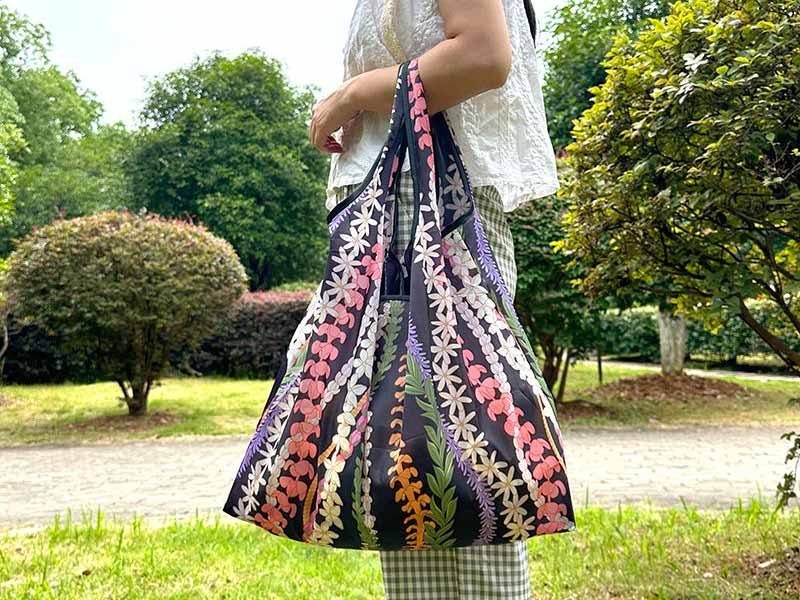
Choosing between RPET and regular polyester sounds easy until an actual custom bag reaches the sampling table. On paper, the difference seems straightforward: one comes from recycled PET feedstock and the other from virgin petrochemical material. In production, however, the decision quickly becomes more practical. The fabric still needs the right denier, weave, coating, color, hand feel, abrasion resistance, logo compatibility, seam behavior and sourcing stability. A recycled 600D fabric and a virgin 600D fabric may share the same denier label while producing noticeably different bags because their yarn quality, weave density, backing and finishing are not identical.
Trends in Sustainable Bag Materials: What Should Brands Choose for Custom Bags?
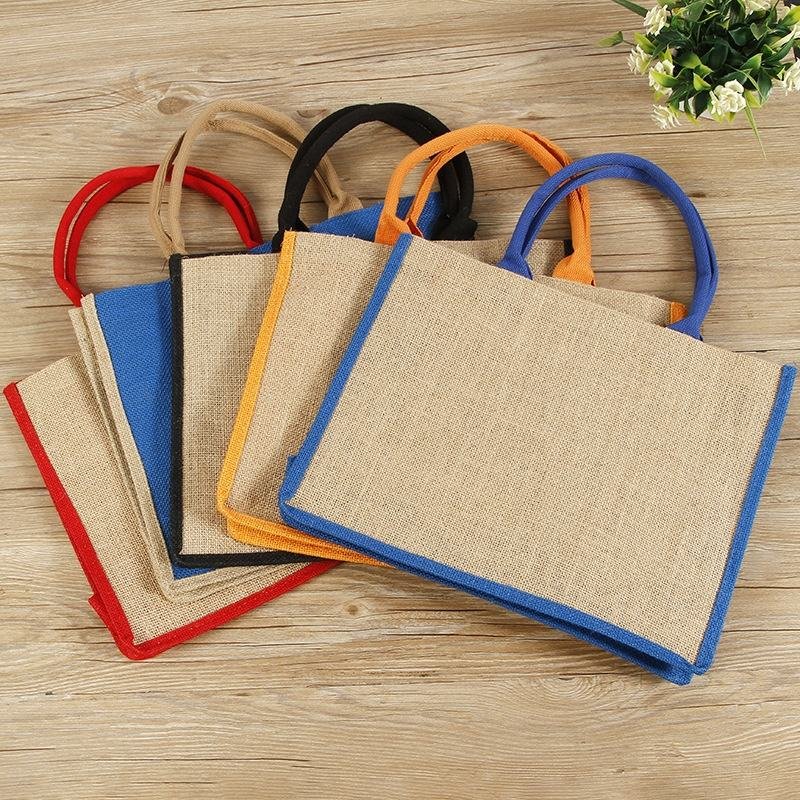
Sustainable bag materials are no longer just a “green product” topic. They now sit at the center of product development, retail approval, customer trust, and brand storytelling. A few years ago, many buyers simply asked factories for an “eco-friendly bag” and accepted whatever material sounded natural or recycled. Today, the questions are sharper: Is the RPET certified? Is the cotton organic or recycled? Can jute handle a clean logo? Is vegan leather durable enough? Does the coating affect recyclability? Can the supplier keep the same material stable from sample to bulk order?
Popular Types of Reusable Bags: What to Choose and How to Customize for Your Brand

Reusable bags are everywhere—from supermarkets to fashion boutiques, from corporate events to airports. They’re no longer just “alternatives” to plastic; they’ve become everyday essentials, lifestyle accessories, and even branding tools. With the global push against single-use plastics, reusable bags have exploded in popularity, reshaping how consumers shop and how businesses market themselves.
