
Why Are Private Label Bags Growing in Retail, and How Can Brands Build Better Bag Programs?
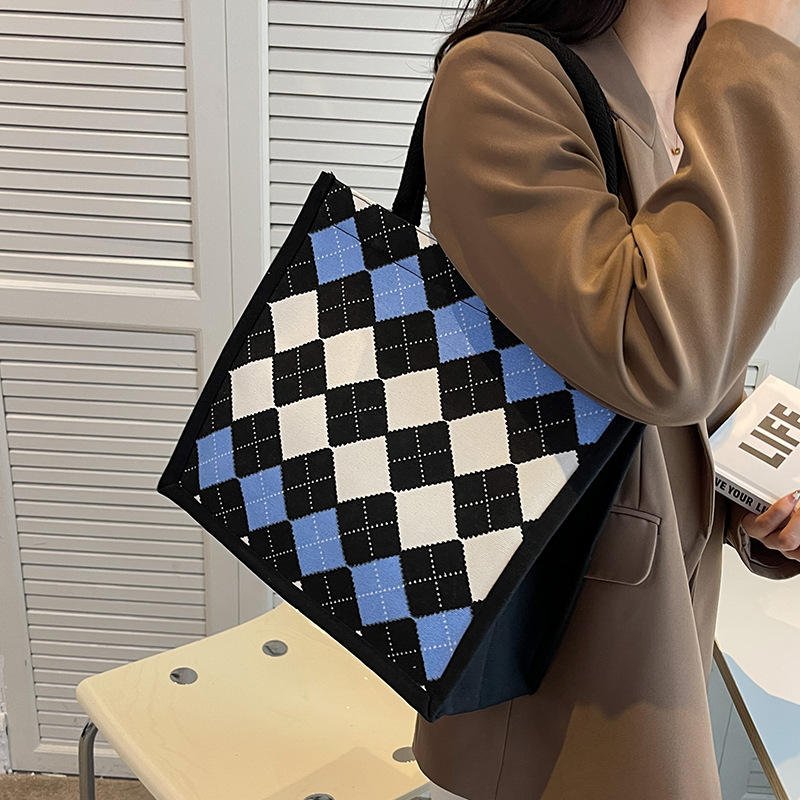
Private label used to be the quiet corner of retail: the cheaper shelf option, the plain package, the “good enough” substitute when shoppers wanted to save money. That picture has changed. Today, private label is no longer just a low-price alternative. It has become a serious strategy for retailers, e-commerce brands, beauty companies, lifestyle labels, grocery chains, outdoor brands, and promotional buyers that want more control over product identity, margin, customer experience, and supply chain stability.
How Can USA Brands Find Reliable Bag Manufacturers in China
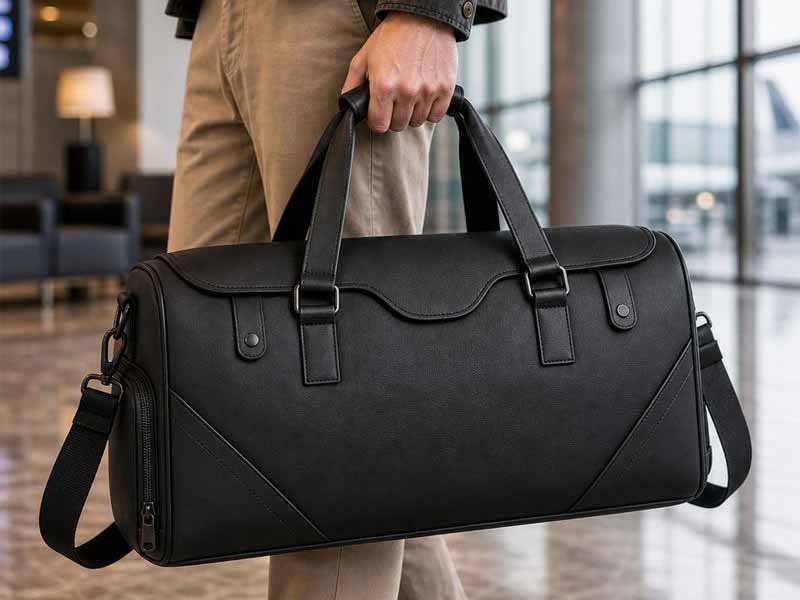
For many USA brands, finding a bag manufacturer in China looks simple at first. Search online, collect five quotes, compare prices, and choose the cheapest factory. But in real sourcing work, this is exactly where most problems begin. A low unit price does not tell you whether the supplier can match your sample, control fabric batches, keep the zipper smooth, meet FBA carton rules, finish production on time, or ship with correct export documents. The real question is not “Where can I find a bag factory?” The real question is “Which factory can safely turn my design into repeatable, sellable, brand-ready products?”
Bag Manufacturer vs Bag Supplier: What Is the Real Difference
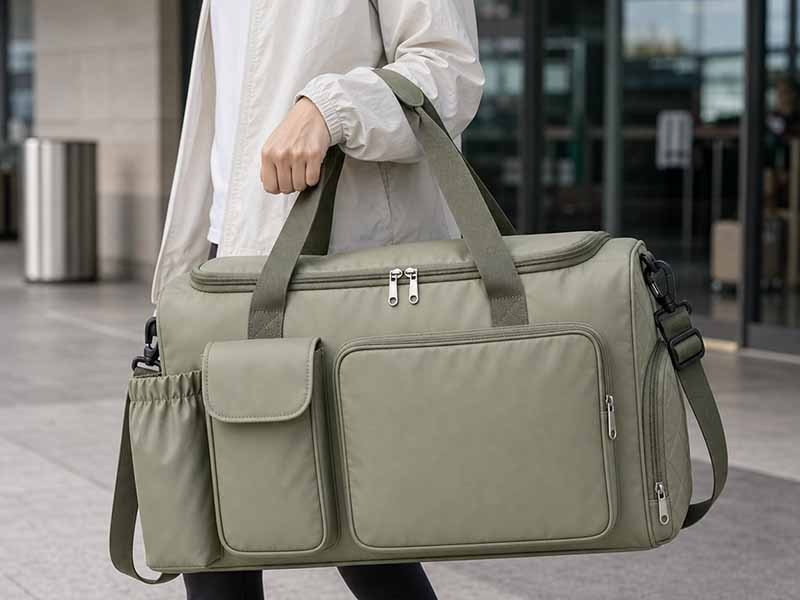
Many buyers think “bag manufacturer” and “bag supplier” mean almost the same thing. On a website, both may show polished product photos, talk about OEM service, and promise competitive pricing. But once a project moves from idea to sample, and from sample to bulk order, the difference becomes very practical. It affects who controls materials, who develops the pattern, who manages sewing quality, who solves structure problems, who owns production responsibility, and who answers when the final shipment does not match the approved sample.
How Are Denim Tote Bags Manufactured
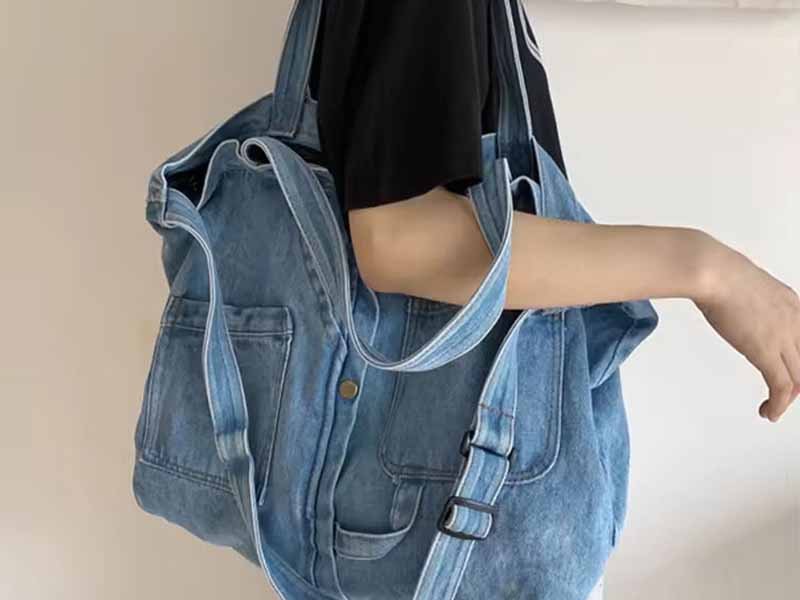
A denim tote bag looks simple until production begins. Two body panels, two handles, and one opening can still create dozens of decisions involving fabric weight, shrinkage, color transfer, seam construction, wash treatment, logo stability, handle reinforcement, packing volume, and final cost. A bag may look attractive in a photograph but lose shape after loading, rub indigo onto light clothing, shrink below the approved size, or develop broken stitches around the handle roots.
How Are Canvas Beach Bags Manufactured for Everyday Coastal Use?
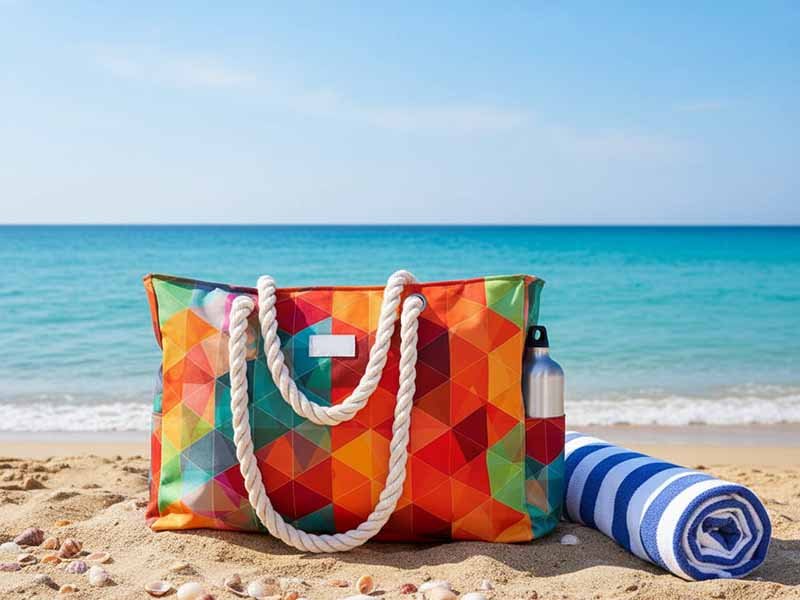
A good canvas beach bag looks simple, but the product itself is never simple. Customers take it to the beach, the pool, the boat, the supermarket, and the airport. They throw in wet towels, sunscreen, phones, books, snacks, water bottles, and sometimes even children’s toys. That means the bag is not only a fashion item. It is a daily-use load-bearing product that must survive friction, sunlight, salt air, moisture, repeated washing, and rough handling. The real difference between an average canvas beach bag and one that customers keep reordering usually comes down to a few practical manufacturing decisions: fabric weight, handle reinforcement, bottom support, printing method, and whether the bag has any moisture-resistant treatment. In cotton canvas, fabric weight is commonly measured in ounces per square yard, and heavier weights generally mean thicker and more durable material. Google also states that content created for search should be useful, reliable, and made for people first, which matters when brands build product pages meant to attract serious inquiries rather than empty traffic.
What Does a Custom Bags Manufacturer Actually Do: Full Guide

A lot of companies start looking for a factory when they already have a bag idea in mind. Some have a hand sketch. Some have a sample from the market. Some only know that they want to build a tote bag, backpack, travel bag, or cosmetic bag under their own logo. At that point, many people assume the factory’s job is simple: receive the order, sew the bag, and ship it out. In real business, it does not work like that.
How to Order Luxury Bags From China: Guide
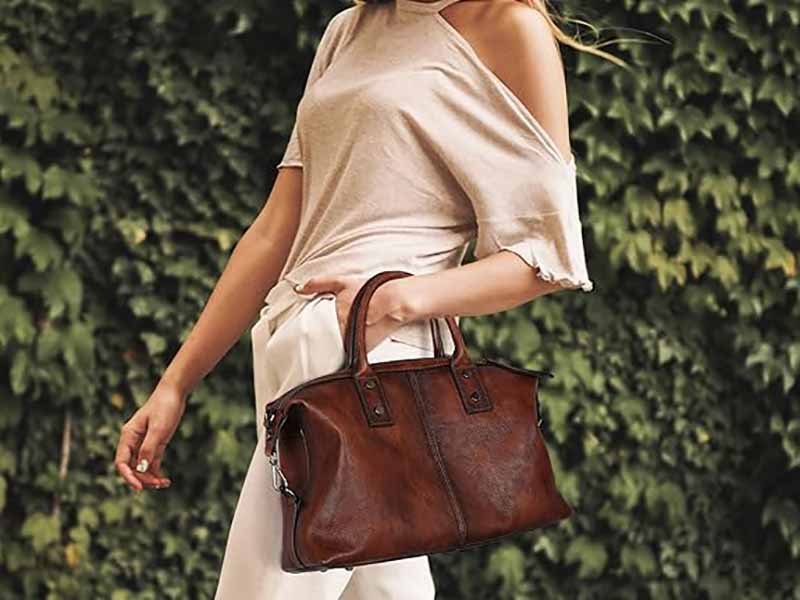
Ordering luxury bags from China has quietly become one of the most strategic moves for modern brands—yet it remains one of the most misunderstood. Many people still associate “luxury” with European ateliers and “China” with mass production, assuming the two cannot coexist. In reality, a growing number of premium bag brands—especially emerging labels and e-commerce-first companies—are built on Chinese OEM and private-label supply chains that deliver craftsmanship, flexibility, and cost control that legacy regions can’t match.
