
How Are Canvas Beach Bags Manufactured for Everyday Coastal Use?
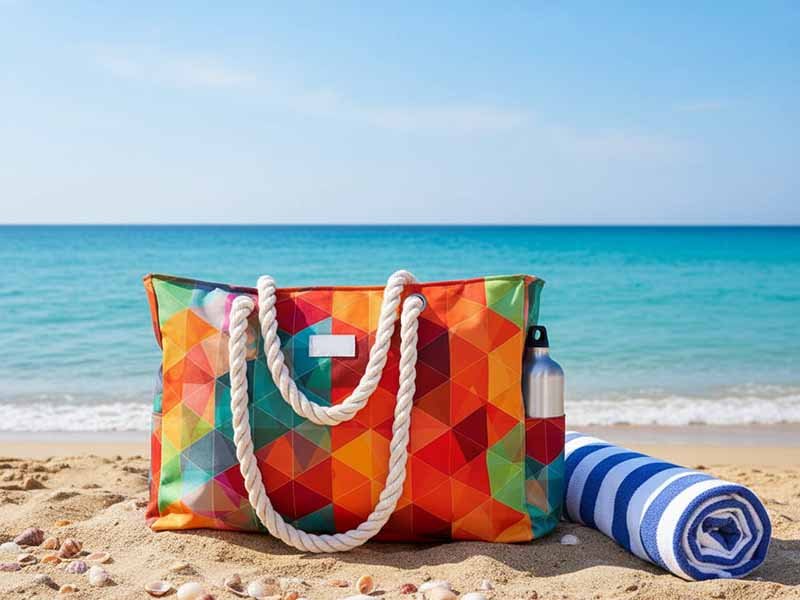
A good canvas beach bag looks simple, but the product itself is never simple. Customers take it to the beach, the pool, the boat, the supermarket, and the airport. They throw in wet towels, sunscreen, phones, books, snacks, water bottles, and sometimes even children’s toys. That means the bag is not only a fashion item. It is a daily-use load-bearing product that must survive friction, sunlight, salt air, moisture, repeated washing, and rough handling. The real difference between an average canvas beach bag and one that customers keep reordering usually comes down to a few practical manufacturing decisions: fabric weight, handle reinforcement, bottom support, printing method, and whether the bag has any moisture-resistant treatment. In cotton canvas, fabric weight is commonly measured in ounces per square yard, and heavier weights generally mean thicker and more durable material. Google also states that content created for search should be useful, reliable, and made for people first, which matters when brands build product pages meant to attract serious inquiries rather than empty traffic.
Types of Canvas Bags: What They Are & How to Choose for Your Needs

Canvas bags have been around for centuries, valued for their durability, functionality, and versatility. Whether it’s for shopping, traveling, or leisure, canvas bags offer practical solutions that cater to various needs. But with so many types of canvas bags available, how do you choose the right one for your purpose? Canvas bags come in many forms, including tote bags, drawstring bags, backpacks, tool bags, beach bags, and cooler bags. Each type has unique features tailored to specific needs, from everyday use to specialized tasks like carrying tools or keeping beverages cool. Your choice depends on intended use, size requirements, and whether customization is needed.
