 Skip to content
Custom Bag Manufacturing Guide for Shopify Brands: How Do You Go From Idea to Production
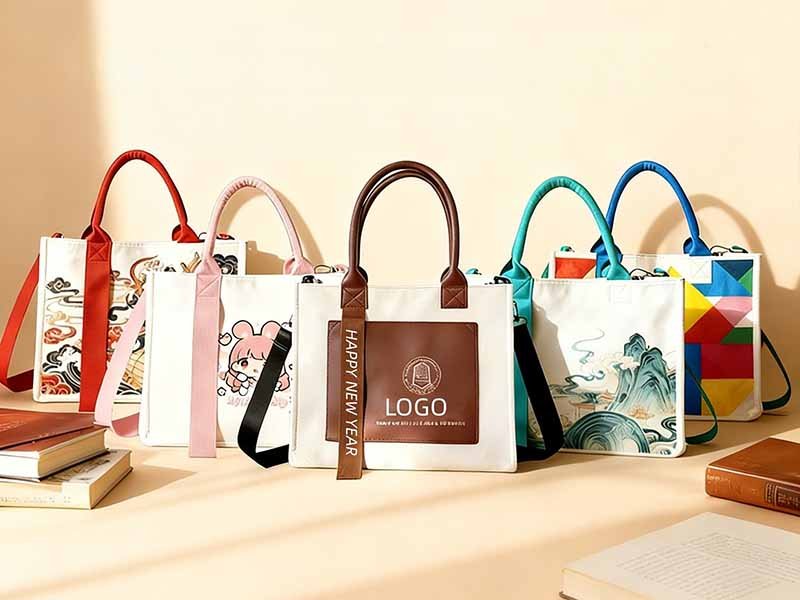
A successful Shopify bag rarely begins with a sewing machine. It usually begins with dozens of decisions that customers will never see directly: how stiff the body should feel, whether the zipper opens smoothly with one hand, whether a 14-inch laptop really fits after seam allowance is considered, how the bag will hold its shape in product photography, and whether the packaging still makes financial sense after international freight is added. Brands that treat manufacturing as a simple purchasing task often discover these issues only after the first sample—or worse, after hundreds of units are already in production.
How to Optimize a Bag Design for Mass Production: A Factory Guide for Brands
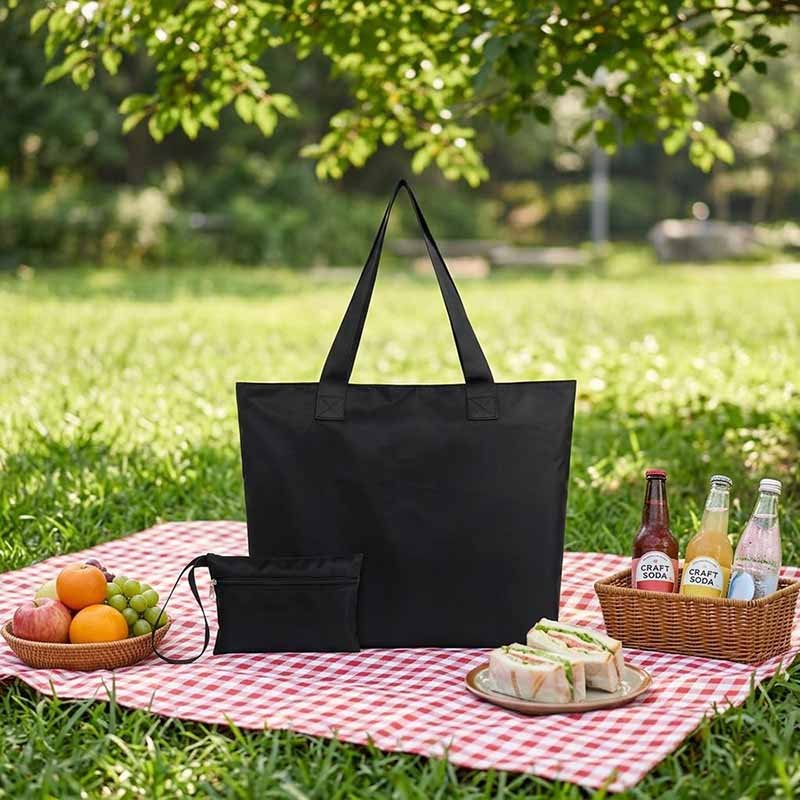
A bag design can look perfect on a screen, attractive in a 3D rendering, and impressive in a handmade prototype, but still fail when it enters mass production. This is one of the most expensive lessons for brands, retailers, importers, and e-commerce sellers. A design that works for one sample may become slow to sew, difficult to inspect, costly to source, or inconsistent across 500, 5,000, or 50,000 units. That is why serious brands do not treat mass production as the final step after design. They build production thinking into the design from the beginning.
How to Find Reliable Bag Manufacturers in China
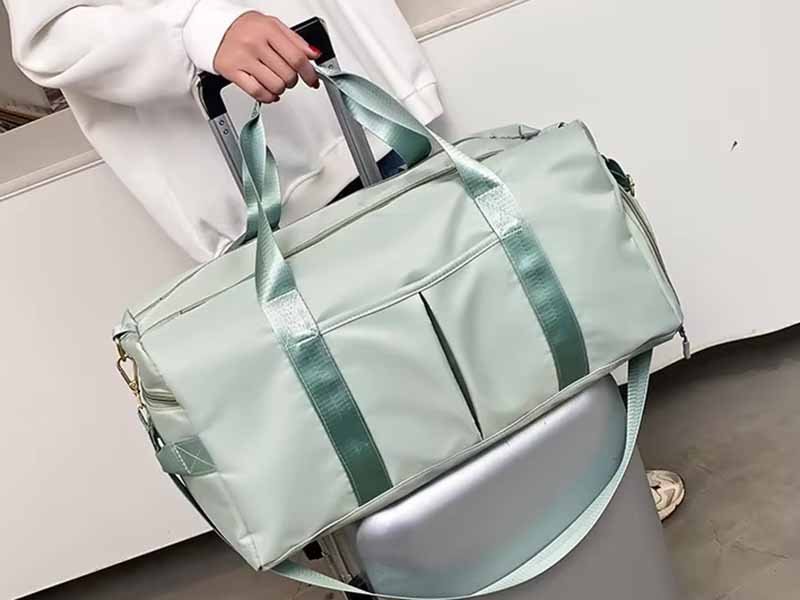
Search results for bag manufacturers in China can look crowded and confusing. On one page, you may see polished factory websites, marketplace listings, social profiles, and sourcing platforms all promising low prices and fast delivery. The hard part is not finding suppliers. The hard part is finding one that can actually turn your design into a stable, repeatable product line. In bags, that difference matters a lot. A supplier that handles samples well but struggles in bulk production can cause size inconsistency, weak stitching, unstable lead times, and expensive rework. A supplier that quotes cheaply but controls neither materials nor workmanship can damage your brand faster than a delayed launch.
What Does a Custom Bags Manufacturer Actually Do: Full Guide

A lot of companies start looking for a factory when they already have a bag idea in mind. Some have a hand sketch. Some have a sample from the market. Some only know that they want to build a tote bag, backpack, travel bag, or cosmetic bag under their own logo. At that point, many people assume the factory’s job is simple: receive the order, sew the bag, and ship it out. In real business, it does not work like that.
