 Skip to content
Why Quality Control Can Protect Brand Reputation in Custom Bag Manufacturing
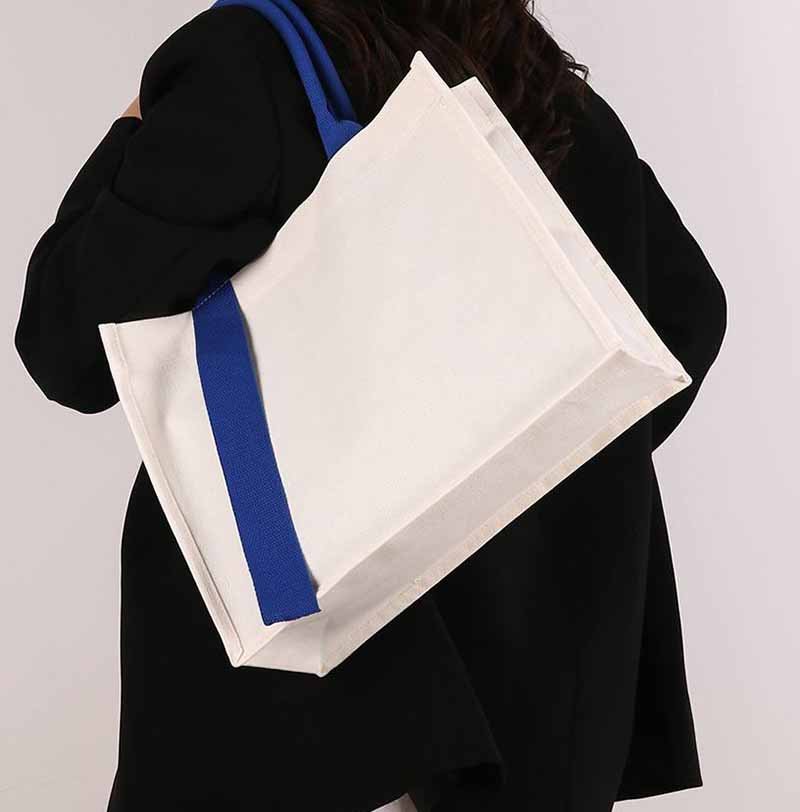
A customer rarely says, “This product failed quality control.” They say, “The zipper broke.” “The strap came loose.” “The logo is crooked.” “The bag looks cheaper than the photos.” For a brand, that sentence is not just product feedback. It can become a refund, a poor review, a support ticket, a retailer complaint, a lower repeat purchase rate, or a quiet decision from the customer never to buy again.
Why Multi-SKU Bag Development Needs Better Project Management
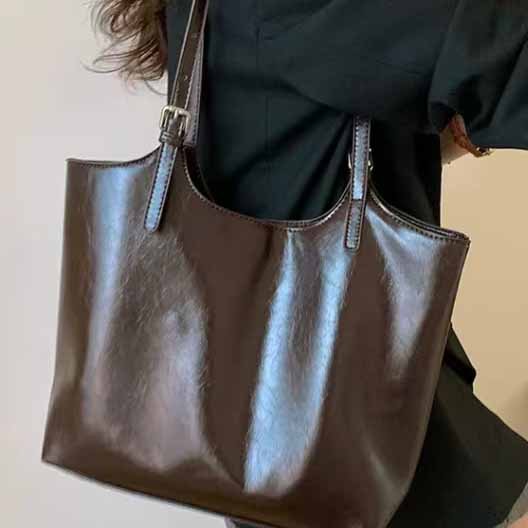
A single custom bag project can already be complicated. A multi-SKU bag program is a different game. One tote bag becomes five colors. One backpack becomes three sizes. One cosmetic pouch becomes a full retail set with different linings, zippers, labels, hangtags, barcodes, cartons, and market versions. To the buyer, these may look like “small variations.” To the factory, each variation becomes a controlled production unit. If nobody manages those differences clearly, the project does not fail dramatically in one moment. It fails slowly: one wrong zipper puller, one outdated logo file, one missing Pantone code, one carton label copied from another SKU, one sample comment that never reached the sewing line.
Hidden Pocket Backpack Manufacturing Guide

A backpack can look simple on the outside but carry much more value inside when its storage is designed the right way. That is why hidden pocket backpacks have become more attractive to travel brands, commuter bag brands, laptop bag sellers, corporate gift buyers, and private label companies. People no longer want a backpack that only carries things. They want one that helps protect passports, phones, wallets, cards, keys, cash, and other small valuables without making the bag bulky or awkward to use. In real buying behavior, this matters a lot. Many end users compare bags not only by size, color, and price, but also by how secure the storage feels in daily life.
