Skip to content
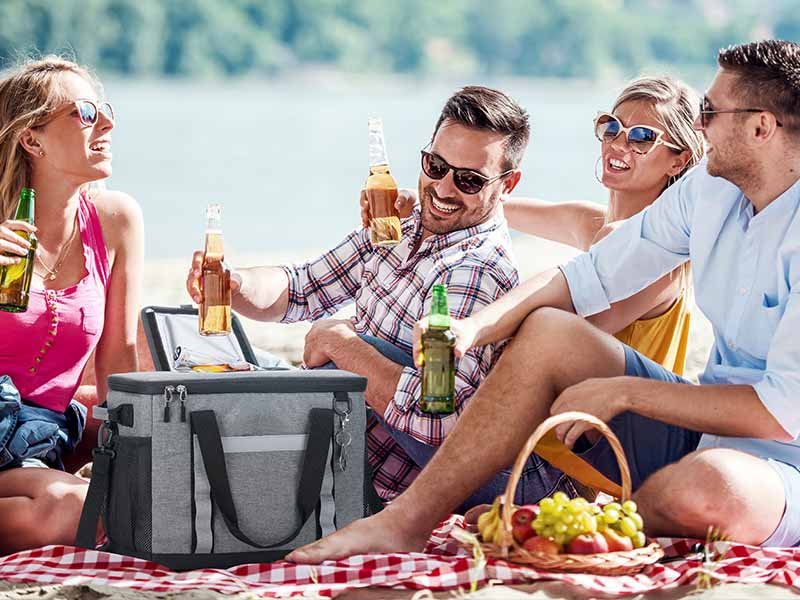
Imagine you’re heading out for a weekend trip. You pack your cooler bag with food, drinks, and ice, and after hours on the road or a day at the beach, you open the cooler only to find that it’s leaking all over your gear. A leakproof cooler bag isn’t just a luxury—it’s a necessity. The right materials and seam technology ensure your bag holds up under various environmental conditions, keeping your items cold and dry.
The trick to building a leakproof cooler bag lies in selecting the right materials and using advanced seam technology. From durable liners like PEVA, TPU, and PVC to high-quality seam sealing techniques like welding and heat sealing, every part of the bag contributes to preventing leaks. This article will explore the materials and techniques that make cooler bags durable, functional, and waterproof.
With 18 years of manufacturing expertise, Szoneier provides high-quality, customizable solutions to meet client demands. Whether you need a custom design or specific materials, we are here to help you create the perfect cooler bag for your business or brand.
What Are Leakproof Cooler Bags?
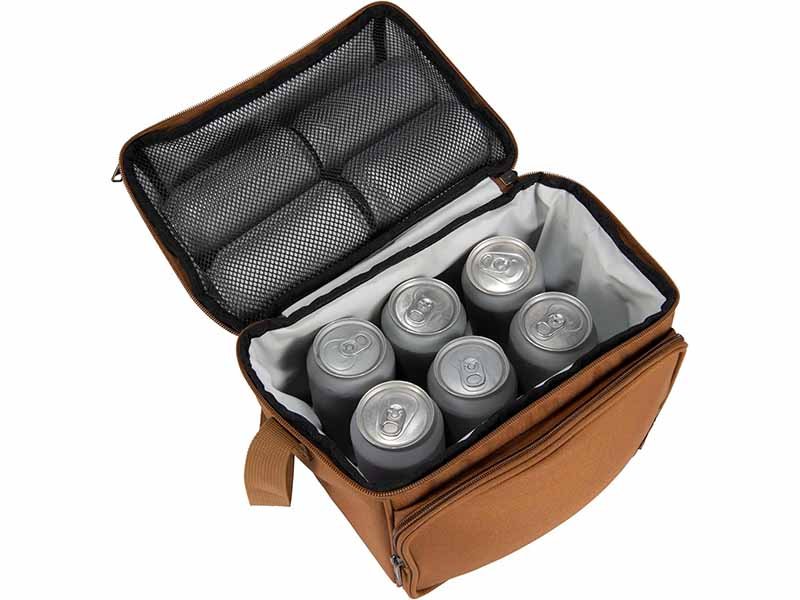
Leakproof cooler bags are designed to keep liquids contained, preventing spills from escaping the bag. These bags are equipped with high-quality liners, seams, and insulation materials that provide both thermal protection and waterproof functionality.
In a leakproof cooler bag, the inner lining is typically made of waterproof materials like PEVA, TPU, or PVC, while the seams are welded or heat-sealed to prevent any leakage. These bags are ideal for long trips, outdoor activities, or even everyday use where preserving the contents’ temperature and cleanliness is critical.
Why Leakproof Performance Matters
Leakproof performance is essential in cooler bags because it ensures that the contents stay dry and cool while protecting other items in your bag or car from becoming wet. A leakproof design prevents condensation, which can accumulate inside, ruining food or wetting your clothes and electronics.
For example, when you’re traveling to a picnic and accidentally knock over your cooler bag, a well-built leakproof cooler will prevent any water from spilling onto the rest of your belongings, maintaining both the temperature and cleanliness inside the bag.
How Cooler Bags Differ from Regular Bags
A regular bag might be fine for carrying everyday items, but it’s not equipped to handle the specific needs of a cooler bag. A cooler bag must contain moisture (such as melting ice) and prevent liquid leaks, something that standard bags cannot do.
Unlike typical bags, cooler bags are insulated and waterproof, often constructed with specialized liners that help keep contents cool or frozen for extended periods. The seams in cooler bags are treated to prevent leakage, while the materials used are designed to handle moisture without absorbing it.
What Components Make Them Leakproof
The primary components that make cooler bags leakproof are:
- Liners: The inner lining of the cooler bag plays a crucial role in ensuring waterproofing. Materials like PEVA, TPU, and PVC are commonly used for their resilience to water and durability.
- Seams: Seams are the most vulnerable part of any cooler bag. Welded seams or heat-sealed seams ensure no liquid can escape, providing a watertight bond.
- Zippers & Closures: Waterproof zippers and roll-top closures are common features in high-quality cooler bags. They ensure that even the bag’s openings are securely sealed.
Which Materials Make Cooler Bags Leakproof?
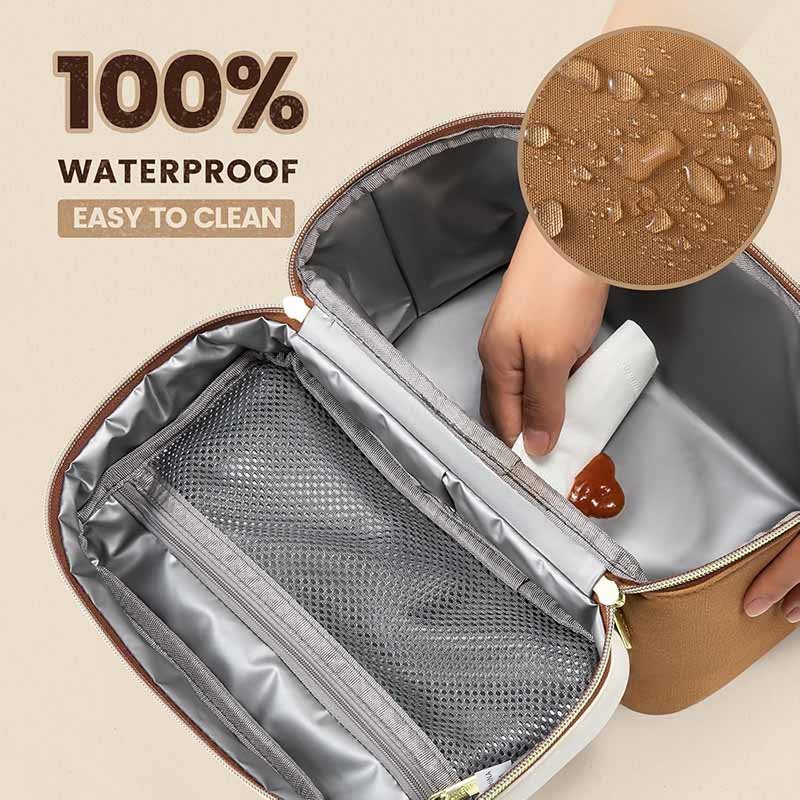
Selecting the right materials is crucial for building a reliable leakproof cooler bag. From the liner material to the outer fabric and insulation, each part must contribute to the bag’s water resistance and thermal protection.
The most reliable materials for leakproof cooler bags include PEVA, TPU, PVC, and durable fabrics like nylon or polyester. Together, these materials form the core structure of the bag, ensuring both insulation and waterproof performance.
Best Liner Materials (TPU, PEVA, PVC, Nylon)
The liner material is the key to ensuring the bag is waterproof. The best liner materials for cooler bags include PEVA, TPU, PVC, and nylon.
- PEVA (Polyethylene Vinyl Acetate) is a chlorine-free, eco-friendly material that offers excellent waterproof performance. It is ideal for customers seeking an environmentally friendly option.
- TPU (Thermoplastic Polyurethane) is highly durable, abrasion-resistant, and flexible, making it a top choice for cooler bags that need to withstand physical wear and frequent usage.
- PVC (Polyvinyl Chloride) is commonly used for waterproofing and offers excellent durability but is less eco-friendly compared to PEVA and TPU.
- Nylon is strong, resistant to wear, and adds to the overall strength of the cooler bag, ensuring long-lasting use.
Table: Comparison of Liner Materials for Cooler Bags
| Material | Waterproofing | Flexibility | Durability | Eco-Friendly |
|---|---|---|---|---|
| PEVA | Excellent | Moderate | High | High |
| TPU | Excellent | High | Very High | Moderate |
| PVC | Excellent | Low | High | Low |
| Nylon | Moderate | High | High | Moderate |
Outer Fabric Choices for Durability
The outer fabric of a cooler bag needs to provide strength, flexibility, and resistance to wear and tear. Common options include nylon, polyester, and canvas.
- Nylon is widely used due to its strength and abrasion resistance, making it ideal for bags that will endure rough handling.
- Polyester is lightweight and provides excellent water resistance, while also being cost-effective for a wide range of cooler bags.
- Canvas is a heavier material, often used for high-end, rugged cooler bags that require added durability.
Which Insulation Works Best?
To maintain a cooler temperature, insulation plays a vital role in a cooler bag. The most commonly used insulation materials include foam and reflective foil. These materials are excellent for keeping your contents cool for an extended period, even in warm weather.
- Foam is the most popular insulation material due to its thermal resistance, providing an efficient barrier against external heat.
- Reflective foil works by reflecting heat away from the bag, helping to keep the contents colder for a longer time.
How Do Seams and Sealing Technology Affect Leakproofing?
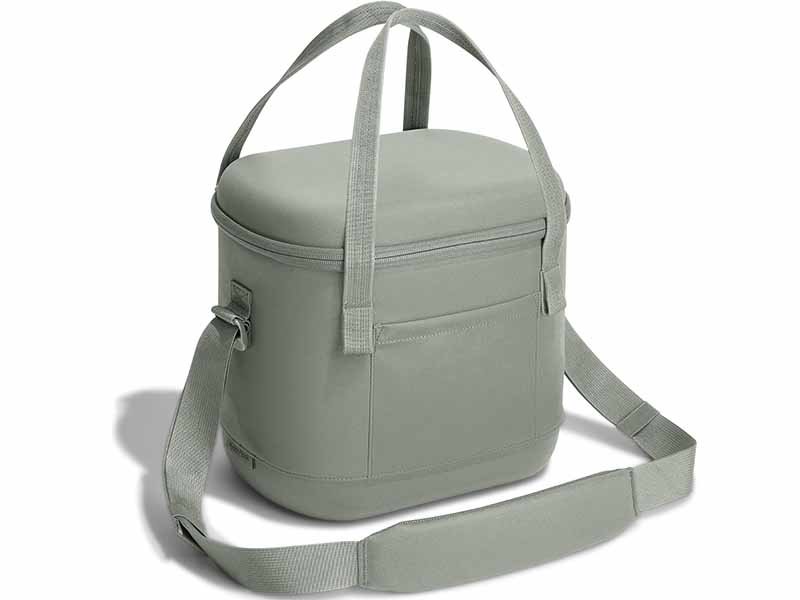
Seams are often the weakest part of any bag, and for cooler bags, they play a significant role in determining how well the bag performs in leakproofing. Proper seam technology ensures that liquids stay inside the bag, even when it’s subjected to pressure, temperature changes, or physical impacts.
Welded Seams vs Sewn Seams: Which Is Better?
Sewn seams are created by stitching two pieces of fabric together, but over time, they can create tiny holes through which water can seep. Welded seams, however, use heat and pressure to fuse the fabric together, creating a seamless, leakproof bond. Welded seams are more durable and resistant to leakage, making them the preferred choice for high-performance cooler bags.
What Heat Sealing Does
Heat sealing is a process in which heat is applied to the fabric, followed by pressure, to bond the seams together without the need for stitching. This method ensures that the bag is fully sealed, preventing leaks from any potential gaps.
When to Use Taped Seams
While welded seams or heat-sealed seams are the most effective for ensuring a leakproof cooler bag, taped seams can be used as an additional layer of protection. This method involves applying waterproof tape over sewn seams to prevent leakage. Taped seams are commonly used in light-duty cooler bags.
How to Build the Liner System for a Leakproof Cooler Bag

Building the liner system of a cooler bag is one of the most critical aspects of creating a leakproof cooler bag. The liner is responsible for holding liquids in and preventing leaks. Whether you’re using the bag for drinks, food, or ice, it must maintain the contents securely without allowing water to escape. The key to a leakproof liner system is choosing the right material, cutting it precisely, and sealing the seams effectively.
In addition, testing the liner for leaks before finalizing the product is essential to ensure the bag performs as expected under real-world conditions.
Choosing the Right Liner Material
The liner material directly impacts the waterproofing and durability of the cooler bag. The ideal liner material must be flexible, water-resistant, and durable to withstand cold and heat fluctuations. The best materials for cooler bag liners include:
- PEVA (Polyethylene Vinyl Acetate): PEVA is eco-friendly, flexible, and highly water-resistant. It’s a popular choice for environmentally conscious consumers, as it is chlorine-free and does not release harmful chemicals.
- TPU (Thermoplastic Polyurethane): TPU is one of the most durable and flexible materials available for cooler bags. It offers excellent abrasion resistance, making it ideal for cooler bags that will undergo frequent use and exposure to wear and tear.
- PVC (Polyvinyl Chloride): PVC is widely used for waterproofing and durability. It is less flexible than PEVA or TPU but still offers great protection against leaks.
- Nylon: While primarily used for the outer fabric, nylon can also be used in the liner for bags that require higher strength and abrasion resistance.
Cutting, Sealing & Pattern Planning
Once the material is selected, it’s important to cut it accurately to ensure it fits the bag’s design. The pattern planning involves ensuring that the liner pieces align perfectly with the shape of the cooler bag. For a successful liner construction, the pattern must account for the bag’s seams, folds, and any additional components like zippers.
Precision cutting ensures that there are no gaps, as even the smallest cut can cause a weak spot in the liner. To achieve effective sealing, a combination of welding or heat sealing techniques is used to bond the liner to the rest of the cooler bag.
- Welding: This technique uses heat and pressure to fuse the materials together, creating a watertight seal. This is the most effective method for ensuring leakproof performance.
- Heat Sealing: This method involves applying heat to the material, followed by pressure, which fuses the edges together and prevents any gaps where water could escape.
Both methods are preferable over sewing, which can introduce tiny gaps in the seams where water can leak through. Heat sealing and welding are more reliable and durable, offering long-term protection.
How to Test for Leaks
After the liner is built and sealed, it’s critical to test the bag’s leakproof quality before moving to the next step in production. Here’s how you can test your cooler bag:
- Fill the Bag with Water: Ensure that the cooler bag is filled to its intended capacity with water, simulating how it would be used.
- Seal the Bag: Close the cooler bag securely, ensuring all zippers or closures are fastened.
- Inspect the Seams: Examine the seams for any water leakage or moisture around the edges of the bag. Pay special attention to areas where seams intersect or where the bag is folded.
- Apply Pressure: Lightly compress the cooler bag to simulate real-world stress, like pressure from stacking or being placed in a trunk. This will help reveal any weak spots in the seam or liner that could lead to leaks.
- Leave It for Several Hours: Let the bag sit in a controlled environment for several hours and check for any signs of leakage, especially around seams or zippers.
If any leaks are detected during the test, the affected areas must be re-sealed or re-welded to ensure a complete watertight seal.
What Design Tips Improve Cooler Bag Performance?
Beyond the liner and seams, the overall design of the cooler bag is just as important in determining its leakproof functionality. A well-designed cooler bag should not only prevent leaks but also provide added functionality that improves the user experience. Here are several design tips that enhance the performance of cooler bags:
Adding Drain Plugs & Zippers
Adding drain plugs to the bottom of the cooler bag allows any melted ice or water to drain out easily. This feature is particularly useful for long trips or in hot conditions where ice is likely to melt. Without a drain plug, water will accumulate inside the cooler bag, creating excess weight and potentially damaging the interior or contents of the bag.
Waterproof zippers also play an important role in leakproof performance. Regular zippers can allow small amounts of water to seep through. Waterproof zippers are designed to seal tightly and prevent any liquid from escaping through the opening.
Real-World Example: Many high-end cooler bags, especially those used for picnics or tailgating, incorporate both drain plugs and waterproof zippers to create a bag that not only prevents leaks but also facilitates easy maintenance.
Reinforcing Stress Points
Stress points are areas of the bag that are subjected to the most wear and tear. These areas often include handles, zippers, bottom corners, and strap connections. Reinforcing these stress points with additional stitching or extra layers of fabric can prevent damage and extend the bag’s lifespan.
Reinforcement is especially important for cooler bags that will be used for heavy-duty purposes, like hiking, camping, or long road trips. By adding extra layers of protection in these areas, cooler bags can withstand rough handling without compromising their structural integrity.
Balancing Weight & Flexibility
A cooler bag should be strong enough to carry heavy loads but flexible enough to fit in tight spaces. When designing a cooler bag, it’s essential to balance weight with flexibility. The materials used should be lightweight yet strong enough to hold the weight of ice and food.
For instance, using lightweight nylon or polyester for the outer fabric ensures that the bag is easy to carry while still being durable. Reinforced handles and compression straps can be added to enhance the overall design and ensure the cooler bag performs under heavy loads without adding unnecessary weight.
How Do You Test and Ensure Leakproof Quality?
Ensuring that your cooler bag is leakproof requires rigorous testing and quality control procedures. Cooler bags are subjected to real-world conditions, so it’s essential to test their waterproofing, insulation, and overall durability. In this section, we’ll discuss how to implement thorough leakproof testing and quality control protocols to guarantee that your cooler bag performs to the highest standards.
Water Testing Methods
Water testing is one of the simplest and most effective methods for determining if a cooler bag is truly leakproof. This process involves filling the cooler bag with water and inspecting it for any leakage. It’s crucial to simulate real-life use by testing the bag under various conditions.
Here’s a step-by-step guide to water testing:
- Fill the cooler bag with water: Ensure that it is filled to its maximum capacity, mimicking how it will be used when packed with ice and drinks.
- Close all openings: Zippers, seals, and closures must be fully secured.
- Check for leaks: Inspect the seams and zippers for any sign of water seeping through.
- Apply pressure: Place the cooler bag under pressure (i.e., pressing down on it to simulate stacking) and observe for any leaks.
- Wait for a set period: Allow the bag to sit for several hours to check for slow leaks that may not immediately be apparent.
Real-World Usage Tests
While water testing is vital, real-world usage tests take things further by simulating the bag’s typical environment during use. Cooler bags are subjected to various conditions that may not be accounted for during initial water testing, such as extreme temperatures, physical impacts, and overpacking.
Key aspects of real-world testing:
- Physical Handling: Cooler bags often undergo rough handling during travel, storage, or outdoor activities. Testing the bag’s resistance to drops, bumps, or pressure from overpacking is crucial.
- Environmental Stress: Testing the bag under high heat or in humid conditions helps ensure the bag’s performance under temperature fluctuations. This includes keeping the contents cold while maintaining leakproof integrity.
- Extended Use: Real-world tests should also simulate long-term usage, where repeated exposure to the elements can impact the performance of the bag over time.
Example: For cooler bags designed for outdoor adventures, they may be exposed to sand, rain, and temperature shifts during activities like hiking or fishing. These tests simulate the bag’s ability to remain leakproof despite external pressures.
Quality Checklist for OEM Cooler Bags
For a custom OEM cooler bag, having a quality control checklist ensures consistency and performance reliability across every unit produced. This checklist is critical in ensuring that every bag passes the necessary standards before reaching the customer.
Here’s an example of a typical quality control checklist for OEM cooler bags:
| Quality Control Step | Criteria |
|---|---|
| Seam Inspection | Ensure seams are properly welded or heat-sealed. |
| Waterproofing Test | Fill the bag with water and check for leakage. |
| Zipper Functionality | Test the zipper to ensure it’s waterproof and functional. |
| Stress Point Reinforcement | Verify handles, zippers, and corners are reinforced. |
| Insulation Check | Ensure foam and reflective foil are properly layered for maximum performance. |
| Material Durability | Test fabric for resistance to abrasion and wear. |
This checklist guarantees that all cooler bags undergo thorough evaluation, addressing potential weaknesses that could compromise their leakproof qualities.
Conclusion: Customize Your Leakproof Cooler Bags with Szoneier
When it comes to leakproof cooler bags, Szoneier is your trusted partner for high-performance, customizable solutions. With over 18 years of experience, we specialize in crafting cooler bags that are durable, functional, and tailored to your specific requirements. Whether you’re looking for a custom liner material, advanced seam technology, or the ability to add your brand’s logo, we offer flexible designs, low minimum order quantities (MOQ), and fast sampling to meet your business needs.
At Szoneier, we prioritize the quality of every bag, offering 100% quality assurance and ensuring that each cooler bag is thoroughly tested for durability, insulation, and leakproof performance. Our team is dedicated to delivering products that exceed your expectations in both quality and functionality.
Why Choose Szoneier for Your Custom Leakproof Cooler Bags?
- Customizable Designs: Tailor your cooler bags with your brand’s logo, specific material choices, and enhanced features like reinforced seams and waterproof zippers.
- High-Quality Materials: Choose from the best materials like PEVA, TPU, and PVC for leakproof performance.
- Advanced Sealing Technology: We use welded seams, heat sealing, and taped seams to ensure a leakproof seal.
- Fast Turnaround: We offer quick sampling and low MOQ customization to meet your timeline and needs.
- Reliable Testing: Every cooler bag undergoes rigorous waterproof testing and real-world usage tests before it leaves our facility.
Whether you need a small batch for a new product launch or large orders for your retail business, Szoneier is here to help. Our expertise in producing premium cooler bags ensures that you get exactly what you need, on time and within budget.
Ready to Customize Your Leakproof Cooler Bags?
Contact Szoneier today for a personalized quote or to discuss your custom order. We are here to help you create the perfect cooler bags that stand the test of time and performance.