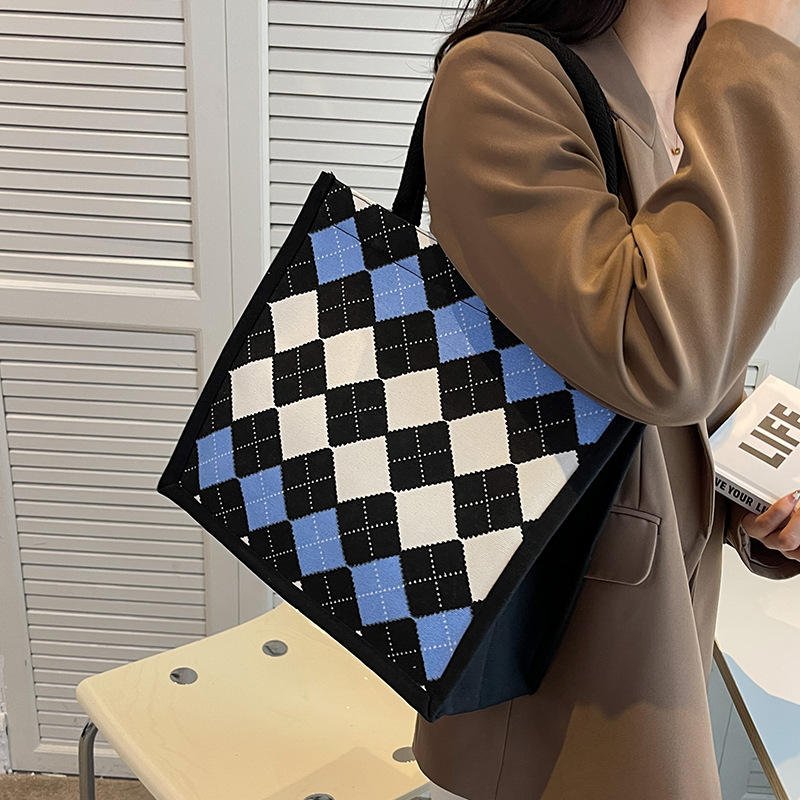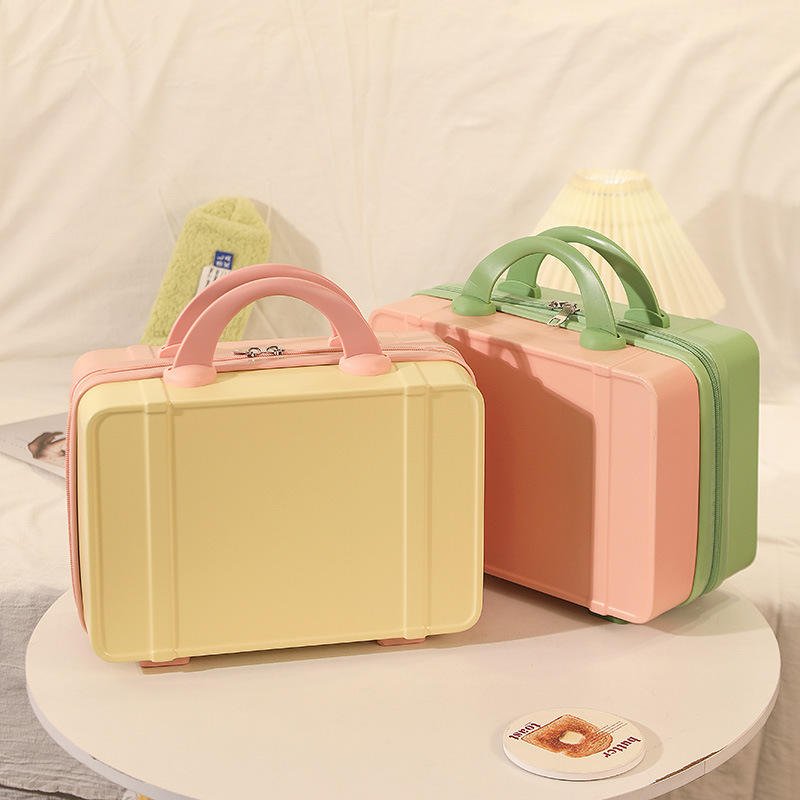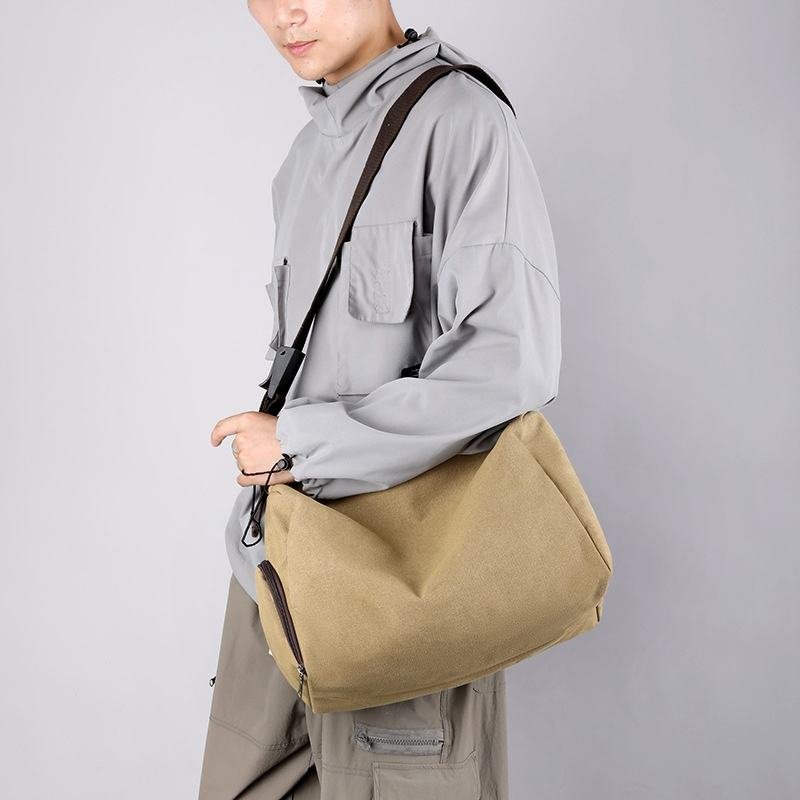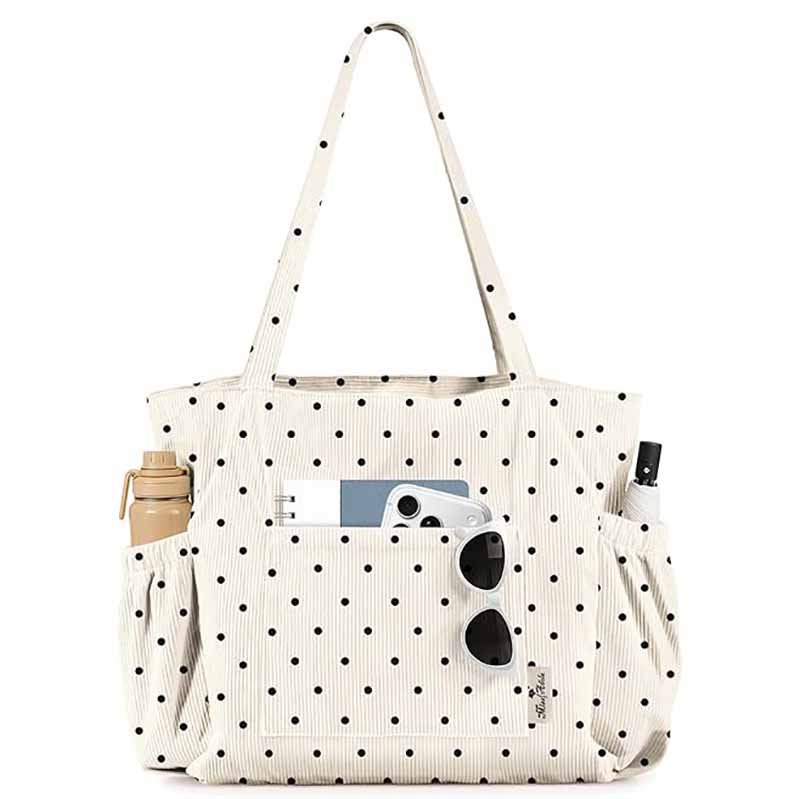
Choosing the best material for a custom bag sounds simple until the first sample arrives wrong. The color looks different under natural light. The fabric is too soft to hold the shape. The logo print sinks into the texture. The zipper area wrinkles. The bag feels cheaper than the brand expected. Or worse, the buyer approves a beautiful sample, places a bulk order, and later discovers the material cannot survive real customer use.
For B2B buyers, material choice is not only a design decision. It affects cost, MOQ, lead time, logo method, water resistance, product structure, packaging volume, customer reviews, and repeat order stability. A tote bag, backpack, cooler bag, cosmetic pouch, waterproof dry bag, and travel duffle cannot be judged by the same material standard.
The best material for custom bags depends on bag type, use scenario, target price, brand positioning, structure, logo process, water resistance needs, weight, durability, sustainability requirements, and bulk production stability. Canvas works well for lifestyle totes, polyester for cost-controlled bags, nylon for stronger daily-use bags, Oxford for functional bags, PU leather for premium appearance, PVC or TPU for waterproof and clear bags, neoprene for soft protective bags, and RPET for recycled-material positioning.
Many buyers start by asking, “Which material is best?” A better question is, “Which material is best for this product, this customer, this sales channel, and this order plan?” The difference may decide whether a product feels like a cheap giveaway or a brand-ready item customers are willing to keep, use, photograph, review, and reorder.
What Makes a Good Custom Bag Material?
A good custom bag material is not simply the strongest, cheapest, or most attractive option. It should match the bag’s purpose, expected load, target price, logo method, water resistance level, structure, brand positioning, and production stability. Buyers should judge material by real use, not by material name alone.
Use Comes First
The first question is always practical: what will the bag actually do?
A tote bag for a trade show may only need to carry catalogs, samples, or light gifts for a few days. A daily-use tote sold by a lifestyle brand may need stronger handles, better fabric weight, cleaner stitching, and a more premium hand feel. A backpack for students, travelers, or outdoor users must handle weight, friction, zipper movement, shoulder pressure, and repeated opening. A cosmetic bag needs surface appeal, lining quality, zipper smoothness, and easy-clean performance.
This is why a material that looks good on a swatch may still fail as a finished product. A soft fabric may collapse if the bag needs structure. A thick fabric may look premium but make the bag too heavy or too expensive. A waterproof fabric may still leak if the seams and zipper are not designed correctly. Material selection should always start from real use, not from a fabric catalog.
For B2B buyers, the safest approach is to define the use case before asking for price. The more clearly the buyer explains load, frequency, sales channel, retail positioning, and end-user needs, the more accurate the material recommendation will be.
Cost Is More Than Fabric Price
Many buyers ask, “Which material is cheaper?” But the real cost of a custom bag includes much more than the fabric price.
Material affects cutting efficiency, sewing speed, needle selection, reinforcement needs, logo process, defect rate, packaging volume, shipping weight, and even sample revision time. For example, a thin polyester fabric may reduce unit cost, but if it wrinkles badly or cannot hold the shape, the final product may look too cheap for retail. A heavy canvas fabric may create a strong brand feel, but it can increase sewing difficulty, carton weight, and freight cost. PU leather may look premium, but poor-quality PU can peel, crack, or smell after storage.
The better question is not “Which material is lowest cost?” but “Which material gives the best balance between product value, bulk stability, and target price?”
For large orders, even a small material decision can affect total project cost. A difference of 30–80 gsm in fabric weight, a coating change, or a more complex logo method can influence the final quotation. Buyers should review material, logo, lining, hardware, and packaging together instead of treating fabric as an isolated item.
Brand Position Matters
Material sends a message before the customer reads the logo.
Canvas often feels natural, reusable, and lifestyle-oriented. Polyester feels practical and cost-efficient. Nylon can feel stronger, lighter, and more performance-driven. Oxford fabric gives a functional and structured impression. PU leather creates a cleaner premium look for fashion, beauty, and gift products. PVC or TPU suggests transparency, waterproofing, and easy cleaning. RPET supports recycled-material positioning when the buyer needs an eco-related product story.
A beauty brand may prefer soft-touch PU, clear TPU, satin lining, or smooth polyester. An outdoor brand may need Oxford fabric, nylon, mesh, webbing, coated fabric, and reinforced stitching. A coffee brand may choose cotton canvas or jute because the material feels closer to its natural brand image. A travel brand may choose nylon or high-density polyester because the customer expects durability.
Good material selection should protect the brand’s visual promise. If the brand looks premium online but the finished bag feels thin or unstable in hand, customers will notice. For B2B buyers, the bag material should match the price point, packaging, sales channel, and customer expectation.
Key Material Factors
| Factor | What Buyers Should Check | Common Practical Range or Detail | Why It Matters |
|---|---|---|---|
| Fabric weight | GSM, ounce weight, or denier | Canvas often uses oz; polyester/nylon often uses D; linings often use gsm | Affects structure, cost, strength, and hand feel |
| Thickness | Material body and backing | PU, PVC, TPU, neoprene, and EVA often require thickness confirmation | Affects sewing, folding, protection, and perceived quality |
| Coating | PU, PVC, TPU, waterproof, matte, glossy | Coating changes water resistance, stiffness, odor, and durability | Critical for cooler bags, outdoor bags, and travel bags |
| Logo compatibility | Printing, embroidery, heat transfer, embossing, patches | Depends on surface texture, heat tolerance, and coating | Prevents poor logo adhesion or unclear branding |
| Load capacity | Handle, strap, seam, and fabric strength | Must be checked by finished sample, not fabric alone | Reduces risk of handle breakage or seam failure |
| Color consistency | Lab dip, stock color, custom dyeing | Custom colors may need higher MOQ or longer lead time | Important for repeat orders and brand color matching |
| Water resistance | Fabric, zipper, seam, lining, structure | Water-resistant fabric is not the same as waterproof construction | Prevents misleading product claims |
| Bulk stability | Material availability and batch control | Stock materials are usually easier; custom materials need planning | Helps maintain sample-to-bulk consistency |
Which Materials Are Best for Custom Bags?
The best materials for custom bags include canvas, cotton, polyester, nylon, Oxford fabric, non-woven fabric, RPET, jute, leather, PU leather, PVC, TPU, EVA, neoprene, mesh, and coated fabrics. The right choice depends on the bag type, use frequency, target cost, logo process, appearance, and functional requirements.
Canvas and Cotton
Canvas and cotton are popular when buyers want a natural, reusable, and brand-friendly look. They are widely used for tote bags, shopping bags, book bags, gift bags, coffee shop merchandise, museum bags, lifestyle pouches, and some fashion accessories.
Canvas is usually selected by ounce weight. Lightweight canvas may be suitable for simple promotional bags, while heavier canvas gives better structure and durability. Common options may include 6oz, 8oz, 10oz, 12oz, 14oz, or 16oz canvas, depending on the project. Higher weight usually improves perceived value, but it also increases cost, sewing difficulty, and shipping weight.
Cotton and canvas work well with screen printing, embroidery, woven labels, leather patches, and simple heat transfer. However, the fabric surface is not perfectly smooth, so very small logos or fine gradient printing may not look as sharp as they would on smoother synthetic materials.
Buyers should pay attention to shrinkage, color variation, fabric slubs, dye consistency, and cleaning expectations. Natural fabrics often have a more authentic hand feel, but they may not be ideal for waterproof bags or products that require very bright synthetic colors.
Polyester and Oxford
Polyester is one of the most widely used custom bag materials because it offers good cost control, color availability, print compatibility, and production flexibility. It is common in drawstring bags, backpacks, shopping bags, cooler bags, cosmetic pouches, travel accessories, promotional bags, and folding bags.
Oxford fabric is often made from polyester or nylon and has a woven structure that gives the fabric more body and durability. Polyester Oxford is especially common in functional bag production because it can be coated, lined, padded, and reinforced. It is often used for backpacks, duffle bags, tool bags, cooler bags, lunch bags, outdoor bags, storage bags, medical bags, and travel products.
Common polyester and Oxford specifications may include 210D, 300D, 420D, 600D, 900D, or higher, depending on the product. But denier alone does not decide quality. A 600D fabric with poor coating may perform worse than a well-made lower-denier fabric in certain applications. Buyers should check weave density, coating, backing, stiffness, hand feel, and sample performance.
Polyester is often the safest middle-ground choice when buyers need scalable production, moderate cost, wide color options, and practical durability.
Nylon and Mesh
Nylon is often chosen for stronger, lighter, and more performance-oriented bags. It is common in travel bags, sports bags, outdoor pouches, premium backpacks, laptop sleeves, tactical bags, and lightweight packing products. Compared with basic polyester, nylon can offer better tear resistance, smoother touch, and a more premium technical feel.
However, nylon usually costs more than standard polyester. It may also require more careful logo testing because heat transfer, printing, or lamination may behave differently depending on the fabric finish. Nylon is a good choice when the buyer values durability, weight reduction, and performance more than the lowest possible unit cost.
Mesh is often used as a supporting material rather than the main body fabric. It is useful for beach bags, laundry bags, sports bags, bottle pockets, shoe compartments, ventilation panels, and wet-item storage. Mesh can reduce weight and improve breathability, but buyers should check hole size, tear resistance, stretch, and edge binding.
For sports, beach, and outdoor products, nylon and mesh can work well together. Nylon provides strength, while mesh improves airflow and visibility. The final performance still depends on stitching, binding, zipper quality, and stress-point reinforcement.
Specialty Materials
Specialty materials include PU leather, genuine leather, PVC, TPU, EVA, neoprene, RPET, jute, non-woven fabric, tarpaulin, insulated lining, and coated fabrics. These materials are used when the buyer needs a specific look, function, or market positioning.
PU leather is popular for cosmetic bags, fashion pouches, gift sets, and premium accessories because it offers a clean surface and supports embossing, debossing, metal logo plates, and refined zipper details. Genuine leather is more expensive but suitable for premium leather goods, trims, handles, straps, and long-term high-value products.
PVC and TPU are often used for clear bags, waterproof pouches, toiletry bags, stadium bags, beach bags, and easy-clean products. PVC is usually more cost-friendly, while TPU is often selected for better flexibility and a more premium waterproof feel. EVA can be used for structured cases, semi-rigid pouches, and molded protective products.
Neoprene is useful for soft protective and insulated products such as laptop sleeves, lunch bags, bottle holders, wine carriers, and sports accessories. RPET and jute are often selected when buyers need a recycled or natural-material story, but certification, MOQ, color availability, and supplier documentation should be checked carefully.
| Material | Common Bag Types | Typical Specification Clues | Main Strength | Common Buyer Risk |
|---|---|---|---|---|
| Canvas | Totes, shopping bags, lifestyle pouches | 6oz–16oz common in many tote projects | Natural look, strong brand feel | Shrinkage, weight, color variation |
| Polyester | Drawstring bags, backpacks, cooler bags | 210D–600D widely used | Cost control, color options | Thin hand feel if low grade |
| Oxford | Backpacks, tool bags, lunch bags | 300D–900D common for functional bags | Structure, durability, coating options | Denier and coating often misunderstood |
| Nylon | Travel bags, sports bags, outdoor bags | 210D–420D lightweight; heavier options exist | Strength-to-weight performance | Higher material cost |
| PU Leather | Cosmetic bags, fashion pouches | Thickness and backing must be checked | Premium appearance | Peeling, cracking, odor if low quality |
| PVC | Clear bags, toiletry bags, waterproof pouches | Thickness and softness vary greatly | Transparent, easy-clean | Odor, stiffness, cold cracking |
| TPU | Waterproof bags, clear premium pouches | Often selected for higher-end waterproof use | Flexible, cleaner premium feel | Higher cost than PVC |
| Neoprene | Laptop sleeves, lunch bags, bottle holders | 2mm–5mm commonly discussed | Soft protection, insulation | Bulkiness, smell control |
| RPET | Eco-positioned bags | Recycled content and certificate required | Sustainability story | Certificate and MOQ confirmation |
| Jute | Natural shopping bags, gift bags | Fabric weight and lamination vary | Rustic eco appearance | Rough surface, limited print detail |
Which Materials Fit Different Bag Types?
Different bag types need different material systems. Tote bags need appearance and handle strength. Backpacks need structure and load support. Cosmetic bags need surface quality and lining. Cooler bags need insulation and easy-clean interiors. Travel and sports bags need durability, reinforced stress points, and reliable zippers.
Tote Bags
Tote bags look simple, but material choice strongly affects whether the final product feels like a disposable giveaway or a retail-ready brand item.
For everyday brand totes, cotton canvas is often a strong option because it feels natural, reusable, and easy to brand. A lighter canvas can work for events and giveaways, while heavier canvas gives better structure and perceived value. Jute is useful for natural or rustic branding, especially for grocery, wine, farm, coffee, and gift-related products. RPET can support recycled-material positioning when buyers want a more sustainable story. Polyester can be useful for foldable shopping bags, grocery bags, and cost-controlled promotional totes.
The handle area deserves special attention. Even if the fabric is strong, weak handle stitching can damage the user experience. Buyers should confirm handle width, handle length, reinforcement stitching, and whether cross-stitching or bartack reinforcement is needed.
Logo method also matters. Screen printing works well for many canvas and cotton totes, but detailed logos may need testing. Embroidery can look premium but adds cost and may pull the fabric if the logo is too dense. Woven labels and leather patches can add a retail feel without overcomplicating the main fabric.
Backpacks
Backpacks require more engineering than flat bags because they carry weight on the shoulders and back. The outer material, lining, foam, zipper, webbing, buckle, and stitching all work together.
For basic backpacks, 300D or 600D polyester can be practical. For stronger daily-use backpacks, polyester Oxford, nylon Oxford, or high-density polyester may be better. Laptop backpacks often need foam padding, lining, reinforced shoulder straps, and stronger zippers. Outdoor or travel backpacks may need coated fabric, reinforced bottom panels, breathable mesh, compression straps, and higher abrasion resistance.
Buyers should not approve backpack materials based only on appearance. The real test is how the sample performs when loaded. A backpack should be filled with the expected items, such as laptop, books, water bottle, clothing, or tools. The buyer should check whether the back panel bends too much, whether the shoulder straps twist, whether the zipper pulls smoothly around corners, and whether the bottom fabric shows stress.
For backpacks, common risk points include strap roots, top handles, zipper ends, side pockets, laptop compartment seams, and bottom corners. A stronger fabric cannot solve a weak structure. Reinforcement must be planned into the design.
Cosmetic Bags
Cosmetic bags are small, but buyers often judge them more closely than larger bags because they are handled at close distance. Surface feel, zipper smoothness, lining cleanliness, logo detail, and shape are very important.
PU leather is common for premium beauty pouches because it looks smooth, supports elegant branding, and works well with metal zipper pulls or embossed logos. Polyester and nylon are practical for lightweight cosmetic bags, travel pouches, and washable designs. PVC and TPU are useful for transparent toiletry bags, airport-friendly pouches, and easy-clean cosmetic storage. Canvas can work for natural beauty brands, but it may not be ideal for liquid-heavy use unless lining is added.
The lining should be chosen based on real cosmetics. If the bag may carry foundation, lotion, lipstick, brushes, or skincare bottles, easy-clean lining is valuable. Polyester lining, satin lining, PEVA, or coated lining may be used depending on the style and budget.
Zipper quality is also critical. A cosmetic bag often has curved seams and small openings, so zipper stiffness, slider smoothness, corner sewing, and puller size all affect user experience. A beautiful material cannot save a pouch with a rough zipper.
Cooler, Lunch, and Travel Bags
Cooler and lunch bags need layered materials. The outside may use polyester, Oxford, canvas, neoprene, or RPET. The middle layer may use foam insulation. The inside may use PEVA, aluminum foil lining, TPU film, or other easy-clean lining. Handles and zippers need reinforcement because lunch bags often carry bottles, food containers, and ice packs.
Travel and sports bags need stronger materials and structure. Duffle bags, gym bags, shoe bags, wet bags, packing cubes, and toiletry bags all have different requirements. A gym bag may need water-resistant fabric, mesh ventilation, reinforced handles, and washable lining. A travel duffle may need stronger Oxford or nylon, padded shoulder straps, and a reinforced bottom. Packing cubes may use lighter polyester or nylon because low weight and foldability matter more than heavy structure.
The biggest mistake is using one material logic for every bag type. A cooler bag is not just a tote with insulation. A travel bag is not just a large pouch. A backpack is not just a soft container with straps. Each category has stress points, user behavior, and quality risks that should guide material selection.
| Bag Type | Practical Material Options | Common Specification Focus | What Buyers Should Test |
|---|---|---|---|
| Tote Bag | Canvas, cotton, jute, RPET, polyester | Canvas oz, handle width, print surface | Handle strength, logo clarity, shape after loading |
| Backpack | Polyester Oxford, nylon, mesh, lining, foam | 300D–900D fabric, webbing, zipper, padding | Strap pull, bottom abrasion, zipper smoothness |
| Cosmetic Bag | PU, PVC, TPU, polyester, nylon, lining | PU thickness, clear material thickness, lining type | Zipper corners, lining cleanliness, logo durability |
| Cooler Bag | Oxford, polyester, PEVA, foil lining, foam | Foam thickness, lining type, coating | Leak risk, handle strength, insulation feel |
| Travel Bag | Nylon, Oxford, high-density polyester, webbing | Fabric denier, reinforcement, zipper size | Loaded carry test, seam stress, bottom wear |
| Sports Bag | Polyester, nylon, mesh, coated fabric | Ventilation, water resistance, strap strength | Shoe pocket, wet compartment, odor and cleaning |
| Wet Bag | TPU, PVC, coated polyester | Waterproof layer, seam method | Leakage, folding marks, zipper or closure |
| Laptop Sleeve | Neoprene, polyester, nylon, foam, lining | Neoprene mm, padding density, lining softness | Fit, corner protection, zipper scratch risk |
How Do Canvas, Polyester, Nylon, and Oxford Compare?
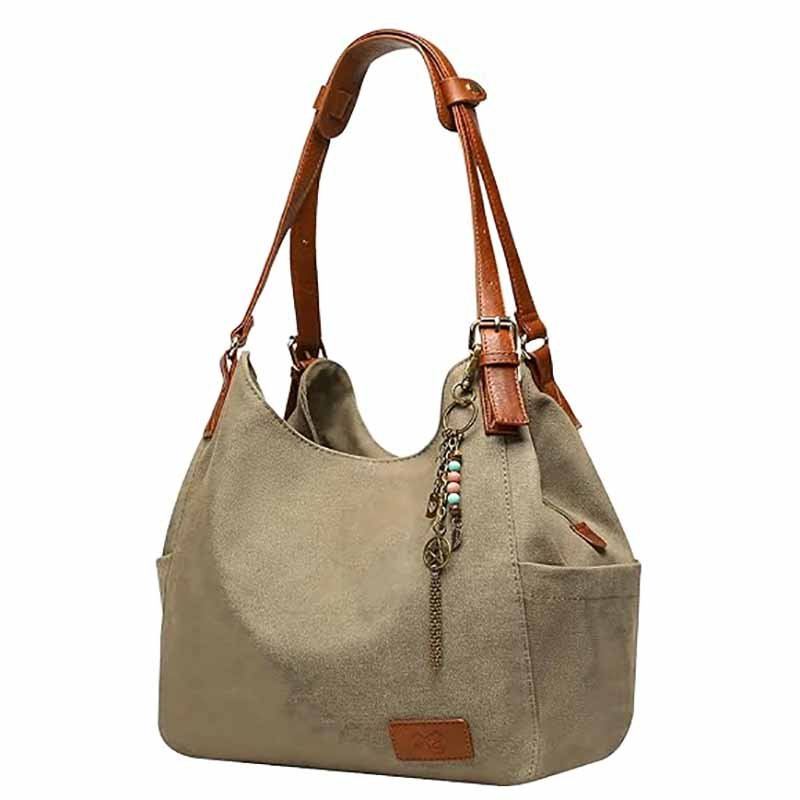
Canvas, polyester, nylon, and Oxford are common custom bag materials, but they serve different needs. Canvas is best for natural brand appeal, polyester for cost control, nylon for stronger lightweight performance, and Oxford for structured functional bags. Buyers should compare them by weight, durability, coating, price, logo method, and end use.
Canvas
Canvas is often selected when the buyer wants a bag that feels natural, reusable, and brand-friendly. It has a familiar texture and works well for lifestyle brands, coffee shops, bookstores, fashion labels, museums, events, and retail merchandise.
The main advantage of canvas is perceived value. A good canvas tote can feel more substantial than a thin synthetic bag, even if the structure is simple. Canvas also works well with screen printing, embroidery, woven labels, leather patches, and simple branding details. For many buyers, it is one of the easiest materials to connect with an eco, lifestyle, or handmade brand story.
But canvas also has limitations. It is not naturally waterproof. It may shrink, wrinkle, or show natural fiber variation. Heavy canvas increases unit cost and shipping weight. Very thick canvas can also create sewing challenges around folded seams, handles, and multiple-layer stress points.
Canvas is a good choice when appearance, hand feel, and brand story matter more than waterproofing or ultra-low cost. It is less suitable for high-moisture products, technical travel bags, or bags that need a very smooth logo surface.
Polyester
Polyester is usually the most flexible cost-control material in custom bag manufacturing. It is widely available, easy to color, compatible with many logo methods, and suitable for a wide range of bag types.
A lightweight polyester fabric can be used for drawstring bags, promotional bags, foldable shopping bags, and simple pouches. A heavier or coated polyester can be used for backpacks, cooler bags, outdoor bags, travel accessories, and storage products. Polyester Oxford is especially useful when buyers need more structure and durability at a reasonable price.
The biggest advantage of polyester is scalability. It is easier to source than many specialty materials, and many colors are available as stock options. This helps reduce lead time and avoid high MOQ for some projects. It can also be combined with lining, foam, mesh, coating, webbing, and hardware to achieve different price levels.
The risk is that low-grade polyester can feel thin, noisy, or cheap. Buyers should request swatches and samples instead of choosing by specification alone. A “600D polyester bag” can vary widely depending on coating, density, backing, and finishing.
Nylon
Nylon is often selected when buyers need stronger performance, lighter weight, and a more refined technical feel. It is commonly used in travel bags, premium backpacks, outdoor pouches, sports accessories, laptop sleeves, and packing products.
Compared with basic polyester, nylon can feel smoother and stronger. It is especially useful when the bag needs to resist tearing while staying lightweight. For travel and outdoor products, this strength-to-weight balance can be valuable. Nylon is also suitable for premium lightweight bags where the buyer wants a more performance-driven product image.
The trade-off is cost. Nylon is usually more expensive than standard polyester. Some nylon fabrics also require more careful handling during logo application, heat transfer, and coating processes. Buyers should confirm whether the selected nylon supports the intended logo method, color, coating, and sewing structure.
Nylon is a good choice when the product is expected to be used frequently and the buyer wants better hand feel and durability. It is not always necessary for low-cost promotional bags, but it can be worth the added cost for travel, sports, outdoor, and premium everyday-use products.
Oxford
Oxford is not a fiber by itself; it usually refers to a woven fabric construction and is commonly made with polyester or nylon. In bag manufacturing, Oxford fabric is widely used because it can provide good structure, durability, and coating compatibility.
Polyester Oxford is common in backpacks, tool bags, cooler bags, medical bags, lunch bags, storage bags, and travel bags. Nylon Oxford may be selected for stronger or more premium applications. Oxford fabrics can be coated with PU or PVC to improve water resistance, body, and durability.
Buyers should always ask for the exact specification. “Oxford fabric” is too general. A 300D Oxford fabric and a 900D Oxford fabric are very different in hand feel, weight, and strength. Coating also changes performance. A fabric with PU backing may feel different from one with PVC backing. Some Oxford fabrics are soft and flexible, while others are stiff and structured.
Oxford is one of the most practical materials for B2B custom bag projects because it balances cost, durability, and production stability. It is especially useful when the bag needs structure but does not need the natural appearance of canvas or the higher cost of nylon.
Are Leather, PU, PVC, TPU, and Neoprene Good Choices?
Leather, PU, PVC, TPU, and neoprene are good choices when the bag needs a specific look or function. Leather and PU are used for premium appearance. PVC and TPU are used for clear, waterproof, or easy-clean bags. Neoprene is used for soft protection, insulation, and flexibility. Buyers should check durability, odor, thickness, compliance, and logo compatibility.
Leather and PU
Leather and PU are often used when the buyer wants a more premium appearance. Genuine leather provides natural texture, durability, and long-term value, but it is expensive and has natural variation. It is suitable for premium leather goods, trims, handles, wallets, organizers, travel accessories, and high-end brand products.
PU leather is more common for many custom bag projects because it offers a clean look at a more flexible price. It is widely used for cosmetic bags, fashion pouches, gift sets, handbags, notebook covers, organizers, and branded accessories. PU can support embossing, debossing, foil stamping, metal logo plates, zipper pulls, and refined packaging.
The quality gap in PU leather is large. Poor PU may peel, crack, smell, or wrinkle after storage. Buyers should check thickness, backing fabric, surface texture, flexibility, folding resistance, and odor. A PU swatch may look good when flat but behave differently when sewn around curves or folded into a pouch shape.
For premium products, buyers should not judge only the outer material. Lining, zipper, hardware, edge finishing, stitching, logo placement, and packaging must match the premium positioning.
PVC and TPU
PVC and TPU are commonly used for clear bags, waterproof pouches, toiletry bags, beach bags, wet bags, stadium bags, and easy-clean cosmetic bags. Both materials can create a transparent or water-resistant product, but they are not the same.
PVC is usually more cost-effective and widely available. It can be clear, colored, frosted, glossy, or textured. It is practical for transparent pouches, stadium-approved bags, cosmetic bags, and simple waterproof items. However, buyers should check odor, stiffness, thickness, cold-crack risk, and market compliance requirements. Low-quality PVC may smell strong or become too stiff in certain conditions.
TPU is often selected for higher-end waterproof or flexible clear products. It can feel softer and more premium than many PVC options, especially when the product needs flexibility, sealing, or better hand feel. TPU usually costs more, and production methods may need more careful planning.
For waterproof claims, buyers must be careful. A PVC or TPU material does not automatically make the whole bag waterproof. Seams, zipper, closure, welding, stitching, and product structure all matter. If the buyer needs a dry bag, sewn seams may not be enough.
Neoprene
Neoprene is a soft, flexible, padded material commonly used for laptop sleeves, tablet sleeves, bottle holders, wine carriers, lunch bags, camera pouches, sports accessories, and protective soft cases. It gives cushioning, insulation, and a comfortable hand feel.
Thickness is one of the most important neoprene specifications. A thinner neoprene may work for simple sleeves or soft pouches, while thicker neoprene can provide better protection and structure. Common buyer discussions often involve 2mm, 3mm, 4mm, or 5mm neoprene depending on the product. The thicker the material, the more protective it may feel, but it can also become bulkier and more expensive.
Neoprene can be laminated with different surface fabrics, printed, bound at the edge, stitched, or combined with zippers and handles. Logo methods may include screen printing, heat transfer, rubber patches, woven labels, or other applications depending on the surface.
Buyers should check odor, elasticity, lamination quality, edge binding, zipper sewing, and how the product behaves after being stretched or filled. Neoprene is a strong choice for soft protection, but it should be sampled carefully because thickness and flexibility affect the final shape.
EVA and Other Functional Materials
EVA is often used for semi-rigid protective cases, molded pouches, eyewear cases, electronics cases, cosmetic cases, and structured travel accessories. It can hold shape better than soft fabric and provides impact protection when designed correctly. EVA cases often combine molded shells, fabric covering, lining, zipper, mesh pockets, elastic bands, and logo panels.
Tarpaulin and coated fabrics may be used for outdoor bags, waterproof pouches, delivery bags, and industrial soft goods. These materials can provide stronger water resistance and durability but may feel heavier or more technical. Mesh, webbing, foam, lining, binding tape, and non-slip materials are also important supporting materials for many functional bags.
The key is not to select a specialty material just because it sounds advanced. Each material should solve a real product problem. EVA helps structure and protection. Neoprene helps cushioning and insulation. PVC and TPU help transparency and waterproofing. PU helps premium appearance. Leather helps long-term value. If the material does not support the product’s real use, it may add cost without improving customer experience.
How Should Buyers Confirm Materials Before Production?
Buyers should confirm materials through swatches, sample making, logo testing, functional testing, pre-production approval, and bulk inspection standards. Never approve mass production based only on photos or material names. The safest process is to confirm the material in hand, test it on a sample, approve a final standard, and control production against that standard.
Material Swatches
Material swatches are the first serious step in custom bag development. They allow buyers to compare texture, weight, stiffness, color, coating, backing, transparency, odor, and logo surface before paying for full samples.
A proper swatch review should include the material name, specification, color, thickness or weight, coating, available stock status, MOQ, approximate price level, and suitable logo methods. For example, a buyer developing a tote bag may compare 10oz canvas, 12oz canvas, jute, RPET polyester, and non-woven fabric. A buyer developing a waterproof pouch may compare PVC, TPU, coated polyester, and tarpaulin.
Swatches also help internal decision-making. Designers may focus on appearance. Buyers may focus on cost. Sales teams may focus on customer value. Operations teams may focus on lead time. Physical swatches allow the whole team to discuss the same real material instead of relying on different interpretations of photos.
For custom colors, buyers should confirm lab dips or color samples before bulk production. Pantone matching on fabric is not always exact because base material, dyeing method, coating, and texture can affect the final color.
Sample Testing
A custom bag sample should be tested as a real product, not just photographed on a table. A tote should be loaded. A backpack should be worn. A cooler bag should be packed with containers and ice packs. A cosmetic bag should be filled with makeup or skincare products. A travel bag should be carried, opened, closed, and checked at stress points.
Buyers should pay special attention to five areas: fabric surface, stitching, zipper, handle or strap, and shape after loading. If the material wrinkles badly, the zipper jams, the handle feels weak, or the bag loses shape quickly, the issue should be fixed before bulk production.
Logo testing is also important. Screen printing, heat transfer, embroidery, embossing, debossing, rubber patches, woven labels, and metal plates all behave differently on different materials. A logo that looks good on artwork may not work on rough canvas, elastic neoprene, soft PU, clear PVC, or coated Oxford fabric without adjustment.
For higher-value or functional bags, buyers may request additional testing such as colorfastness, abrasion resistance, water resistance, seam strength, pull strength, or material safety checks. The level of testing should match the product claim and sales channel.
Pre-Production Approval
Before bulk production, buyers should confirm a final pre-production standard. This standard should be clear enough that the factory, quality team, and buyer all judge the bulk goods against the same reference.
The approved sample should include final outer material, lining, coating, logo, zipper, hardware, webbing, dimensions, color, stitching, label, packaging, carton mark, and any functional requirement. Photos, measurements, BOM details, and written notes should be kept together. If the buyer changes material or logo after sample approval, the cost, lead time, and performance may also change.
Pre-production approval is especially important for multi-SKU projects. A brand may develop the same design in different colors, sizes, or materials. Without a clear standard, one color may feel softer, one zipper may look different, or one batch may have a different lining. These small differences can create bigger problems in retail or e-commerce reviews.
A clear approved standard protects both sides. The buyer knows what they should receive. The manufacturer knows what to produce. The QC team knows what to inspect.
Bulk Quality Control
Material confirmation does not end after sample approval. Bulk production needs material receiving checks, cutting checks, in-line inspection, final inspection, and packaging checks.
At the material receiving stage, the factory should check fabric color, width, coating, surface defects, odor, and batch consistency. During cutting, the team should watch for direction, grain, pattern alignment, and color differences. During sewing, inspectors should check stitch quality, zipper attachment, reinforcement points, handle strength, and shape. Final inspection should check appearance, dimensions, logo position, cleanliness, function, packaging, and quantity.
For buyers, one of the most important points is sample-to-bulk consistency. A good sample means very little if bulk production uses a different fabric batch, weaker lining, cheaper zipper, or changed logo process. This is why the approved sample, material record, and inspection standard must be locked before production.
A professional custom bag project should move from material selection to sample approval to bulk production in a controlled way. That process reduces the risk of wrong materials, failed samples, delayed orders, and quality complaints.
| Production Stage | What to Confirm | Practical Checkpoints | Common Risk If Skipped |
|---|---|---|---|
| Swatch Review | Material choice | Hand feel, color, thickness, coating, backing, odor | Buyer chooses wrong fabric from photo |
| Sample Making | Product feasibility | Shape, zipper, logo, lining, stitching, structure | Material looks good but fails as a bag |
| Logo Test | Branding result | Print clarity, adhesion, embroidery density, emboss depth | Logo peels, blurs, cracks, or distorts |
| Load Test | Real use strength | Handles, straps, seams, bottom, zipper stress | Bag breaks or deforms in customer use |
| Pre-Production Sample | Final standard | Material, dimensions, hardware, packaging, color | Bulk goods drift from approved sample |
| Material Receiving | Bulk consistency | Fabric batch, color, coating, width, defects | Color mismatch or coating variation |
| In-Line Inspection | Sewing control | Stitching, reinforcement, zipper, shape | Defects discovered too late |
| Final Inspection | Shipment quality | Appearance, function, size, logo, packing, quantity | Customer receives inconsistent goods |
Conclusion
The best material for custom bags is not always the strongest, cheapest, thickest, most expensive, or most popular option. It is the material that fits the product’s real use, target customer, brand image, budget, logo method, packaging plan, and long-term production needs.
For simple promotional bags, polyester, non-woven fabric, or lightweight canvas may be enough. For lifestyle totes, canvas, cotton, jute, or RPET can create stronger brand value. For backpacks and travel bags, polyester Oxford, nylon, mesh, foam, and reinforced webbing are more practical. For cosmetic bags, PU leather, PVC, TPU, polyester, nylon, and easy-clean lining can improve user experience. For cooler bags, material selection must include insulation and lining. For waterproof bags, fabric alone is not enough; zipper, seam, and structure must match the claim.
A successful custom bag project is built from many connected decisions: outer fabric, lining, coating, reinforcement, stitching, zipper, hardware, logo process, sample testing, and quality control. Buyers do not need to become textile engineers, but they do need to work with a manufacturer that can explain material trade-offs clearly and turn ideas into production-ready samples.
Szoneier works with global brands, retailers, importers, wholesalers, Amazon sellers, Shopify brands, promotional companies, and B2B buyers on custom bags and soft goods projects. The team supports material comparison, sample development, logo testing, packaging, bulk production, quality inspection, and export delivery for different bag categories.
If you are planning a custom bag project, send your product photo, sketch, tech pack, logo file, target quantity, material preference, and delivery country to Szoneier. Our team can help you compare material options and develop a realistic sample-ready plan for your next custom bag order.