 Skip to content
Wine Bags Manufacturer Audit Checklist: How to Check Materials, Stitching, Handles, Printing & QC
- Eric
- March 9, 2026
- 8:33 am
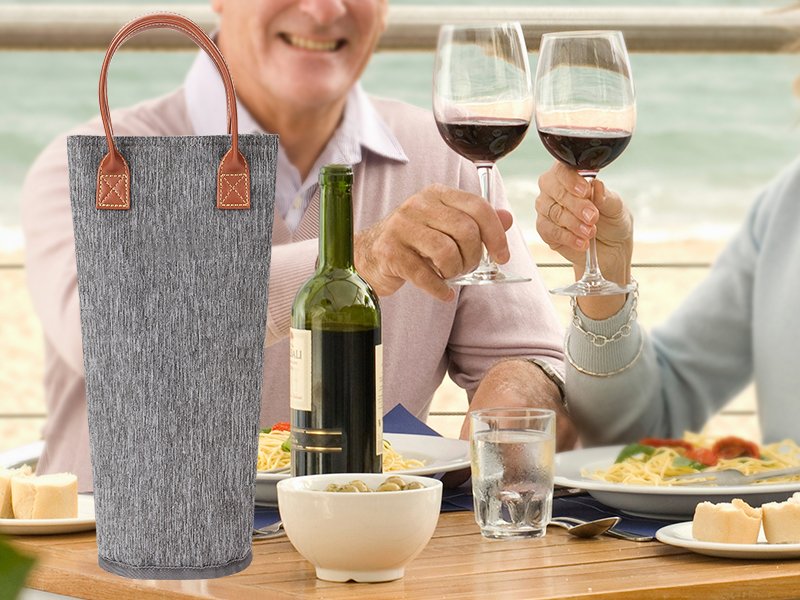
Wine bags look simple at first glance. Most buyers assume that producing a bag designed to carry a wine bottle is straightforward: choose a fabric, add a handle, print a logo, and ship it. In reality, wine bags are one of the most commonly misjudged products in bag manufacturing. A wine bag that fails during transport does not simply damage the bag itself—it can break a glass bottle, ruin the packaging presentation, and potentially create a costly logistics issue.
This is why experienced buyers rarely place large orders without performing a structured manufacturer audit. A proper audit helps identify weaknesses in materials, stitching strength, handle construction, printing quality, and factory quality control systems. When these checkpoints are verified early, brands can avoid problems such as handle tearing, seam failure, color fading, or inconsistent logo placement. A wine bags manufacturer audit checklist evaluates five key production areas: materials used in the bag body and lining, stitching strength and seam construction, handle attachment and load capacity, logo printing accuracy and durability, and the factory’s quality control process. Checking these areas before mass production significantly reduces defects and ensures wine bags can safely carry bottles during storage, transport, and retail presentation.
Several years ago, a European wine distributor ordered thousands of promotional wine bags for a holiday campaign. The bags looked perfect during sampling, but during retail distribution many handles broke while customers carried the bottles. The cause? The factory used single-line stitching instead of reinforced bartack stitching at the handle joint.
The bags were cheap—but the campaign cost much more than expected.
Situations like this are exactly why professional buyers rely on detailed factory audit checklists before committing to large orders.
Let’s break down the most important areas you should evaluate.
What Should a Wine Bags Factory Audit Cover?
A wine bags factory audit should focus on five practical production areas: materials used for the bag body and lining, stitching strength and seam construction, handle attachment and load capacity, printing accuracy and durability, and the factory’s quality control process. These checkpoints help ensure that wine bags can safely carry bottles, maintain a clean appearance for retail presentation, and perform reliably during transport and repeated use.
Wine bags may appear simple, but they perform an important job. A standard 750 ml wine bottle usually weighs between 1.2 kg and 1.5 kg, and multi-bottle carriers can easily hold 5–9 kg of weight. If the bag structure is weak—whether due to thin materials, poor stitching, or weak handles—the bag may tear or deform while being carried.
When this happens in retail stores or during customer use, the consequences can be expensive: broken bottles, damaged labels, and negative brand impressions.
For this reason, experienced buyers rarely evaluate a wine bag supplier based only on price or appearance. Instead, they perform a structured audit that examines how the bag is actually built.
A complete wine bags factory audit typically covers the following production areas:
| Audit Category | Key Purpose |
|---|---|
| Materials | Confirm fabric durability and consistency |
| Stitching | Ensure seams can support bottle weight |
| Handles | Verify safe load-bearing capacity |
| Printing | Check logo accuracy and durability |
| Quality Control | Maintain consistent production standards |
Looking at these areas in detail helps buyers identify problems before mass production begins.
What are the key checkpoints for wine bags audits?
During a factory audit, buyers often inspect both the product itself and the manufacturing process behind it. A well-organized audit typically follows several stages.
First, the material inspection stage verifies whether the fabrics and components used in the bag match the specifications provided during product development.
Common materials used in wine bags include:
| Material | Typical Weight | Application |
|---|---|---|
| Cotton canvas | 12–16 oz | Premium wine gift bags |
| Polyester | 600D–900D | Durable wine carriers |
| Jute | 10–14 oz | Eco-friendly packaging |
| Non-woven fabric | 80–120 gsm | Promotional wine bags |
| Neoprene | 3–5 mm | Insulated wine carriers |
Inspectors often measure fabric thickness and examine weaving consistency. Uneven fabrics can lead to weak points in the bag structure.
Second, the audit examines stitching quality and seam reinforcement. The stitching must be strong enough to carry the weight of the bottles without tearing.
Typical stitching standards include:
| Bag Type | Recommended Stitch Density |
|---|---|
| Non-woven wine bags | 6–8 stitches per inch |
| Canvas wine bags | 8–10 stitches per inch |
| Heavy-duty wine carriers | 10–12 stitches per inch |
Inspectors also check whether seams include reinforcement methods such as bartack stitching or cross stitching.
Third, handle construction is inspected. Handles must support the entire load of the bag.
Common handle materials include:
| Handle Material | Strength | Typical Use |
|---|---|---|
| Cotton webbing | Medium | Gift wine bags |
| Polyester webbing | High | Heavy carriers |
| Rope handles | High | Premium packaging |
| Leather handles | Medium-high | Luxury wine gifts |
During the audit, inspectors may perform load tests by placing weights inside the bag to simulate real use conditions.
Fourth, the audit evaluates printing quality. Wine bags often carry winery logos or promotional branding, so printing must be clear and consistent.
Inspectors typically check:
- logo alignment
- color consistency
- print durability
- ink adhesion
Finally, the audit reviews the factory’s quality control procedures, including how materials are inspected, how production defects are handled, and how final products are checked before shipment.
Why do brands audit wine bags factories before orders?
Factory audits are performed to reduce production risks. Even if a sample bag looks perfect, the manufacturing process used for large orders may produce different results.
For example, some factories may use high-quality materials for samples but substitute lower-cost fabrics during mass production.
Other issues may appear only when production volume increases.
Common problems discovered after production begins include:
| Production Issue | Possible Cause |
|---|---|
| Handles tearing | Weak reinforcement |
| Crooked logos | Poor printing alignment |
| Fabric stretching | Thin or inconsistent material |
| Uneven bag sizes | Poor cutting accuracy |
| Broken stitching | Low stitch density |
By auditing the factory beforehand, buyers can verify whether the supplier has systems in place to prevent these problems.
Another reason brands audit wine bag suppliers is brand image protection.
Wine bags are often used in retail stores, gift packaging, and promotional events. If a bag fails while a customer is carrying a bottle, the customer may associate the failure with the brand rather than the manufacturer.
This is particularly important for wineries and premium beverage brands where packaging plays a large role in perceived product value.
What samples and documents should wine bags suppliers provide?
During a factory audit, buyers should request several supporting documents and sample materials. These help verify whether the factory follows structured production practices.
Typical documentation includes:
| Document | Purpose |
|---|---|
| Material specification sheet | Confirms fabric composition and weight |
| Sample approval record | Shows design confirmation |
| Production workflow | Explains manufacturing process |
| QC inspection report | Demonstrates quality checks |
| Packaging specification | Ensures safe transport |
Material specification sheets are especially useful because they provide detailed information about fabric thickness, composition, and finishing.
For example, a typical canvas wine bag specification might include:
- 16 oz cotton canvas exterior
- polyester inner lining
- 25 mm cotton webbing handles
- reinforced bartack stitching
These specifications allow buyers to confirm that bulk production uses the same materials as the approved sample.
Factories that can clearly provide this information usually operate with more organized production systems.
Which Materials Are Best for Wine Bags?
The best materials for wine bags are those that combine strength, shape stability, and protection for glass bottles. Common choices include cotton canvas, polyester, jute, neoprene, and non-woven fabrics. The ideal material depends on the bag’s purpose—premium gift packaging, retail display, promotional distribution, or multi-bottle transport—because each material offers different levels of durability, structure, and visual appeal.
Wine bags may appear simple, but the material plays a critical role in protecting bottles during carrying, shipping, and retail presentation. A typical 750 ml wine bottle weighs about 1.2–1.5 kg, while a two-bottle wine carrier can hold 3 kg or more. If the fabric is too thin or stretches easily, the bag may lose its shape or tear at the seams.
For this reason, experienced buyers evaluate materials not only for appearance but also for load capacity, abrasion resistance, and moisture protection.
Below is a comparison of commonly used wine bag fabrics.
| Material | Typical Weight | Durability | Common Use |
|---|---|---|---|
| Cotton canvas | 12–16 oz | High | Premium wine gift bags |
| Polyester | 600D–900D | Very high | Multi-bottle carriers |
| Jute | 10–14 oz | Medium | Eco-friendly wine bags |
| Non-woven fabric | 80–120 gsm | Low-medium | Promotional wine bags |
| Neoprene | 3–5 mm thickness | Very high | Insulated wine carriers |
Each material offers advantages depending on the product’s purpose and target market.
Cotton canvas: the classic choice for premium wine bags
Cotton canvas is one of the most widely used materials in wine bag manufacturing because it offers an ideal balance between durability and visual appeal.
Canvas fabrics typically range between 12 oz and 16 oz in weight, with heavier versions providing stronger structural support. A 16 oz canvas wine bag can easily carry one or two bottles without stretching.
Canvas also has a natural texture that works well for gift packaging and retail environments. Many wineries prefer canvas wine bags because the material communicates a handcrafted and premium aesthetic that aligns with traditional wine branding.
Typical canvas wine bag features include:
- reinforced bottom panels
- cotton webbing or rope handles
- printed or embroidered logos
Canvas fabrics also support multiple branding techniques such as screen printing, embroidery, and leather patch logos.
However, canvas absorbs moisture easily. To address this issue, many manufacturers add protective finishes such as:
| Fabric Treatment | Purpose |
|---|---|
| Wax coating | Water resistance |
| PU coating | Surface protection |
| Laminated lining | Moisture barrier |
These treatments help maintain the natural appearance of canvas while improving its durability.
Polyester: strong and practical for multi-bottle carriers
Polyester fabrics are often used when strength and abrasion resistance are priorities. Compared with cotton canvas, polyester fibers offer higher tensile strength and better resistance to stretching.
Most polyester wine bags use fabrics in the 600D to 900D denier range.
| Polyester Type | Strength Level | Application |
|---|---|---|
| 600D polyester | Medium-high | Single bottle carriers |
| 900D polyester | High | Two-bottle wine bags |
| 1200D polyester | Very high | Heavy wine transport bags |
Polyester also performs well in environments where moisture may be present. Unlike cotton, polyester fibers do not absorb water easily, which helps maintain the bag’s structure.
Another advantage of polyester is its compatibility with heat transfer and sublimation printing, which allow for detailed graphics and colorful branding.
Because of these characteristics, polyester wine bags are commonly used for:
- travel wine carriers
- multi-bottle transport bags
- corporate promotional packaging
Some polyester wine bags also include padded foam layers to provide additional bottle protection.
Jute: eco-friendly packaging for sustainable brands
Jute has become increasingly popular among wine brands that want environmentally friendly packaging solutions.
Jute fibers are derived from natural plant materials and are biodegradable. This makes jute wine bags appealing for wineries that emphasize sustainability and organic production.
Typical jute wine bag specifications include:
| Feature | Typical Range |
|---|---|
| Fabric weight | 10–14 oz |
| Fiber type | Natural jute |
| Strength | Medium |
Jute bags have a rustic texture that complements the branding of many wineries and artisanal beverage companies.
However, jute fibers are less flexible than cotton or polyester, which means the material may feel stiffer. Jute also sheds small fibers during production, which is normal for natural fabrics.
To improve durability and appearance, many jute wine bags include cotton or polyester inner linings.
These linings help prevent bottle labels from rubbing against the rough jute surface.
Jute wine bags are most commonly used for:
- organic wine packaging
- vineyard gift shops
- eco-focused promotional campaigns
Non-woven fabric: cost-effective for promotional wine bags
Non-woven polypropylene fabric is widely used for large promotional campaigns because it offers a low production cost.
Unlike woven fabrics such as canvas or polyester, non-woven fabrics are produced by bonding fibers together through heat or chemical processes.
Typical non-woven wine bag specifications include:
| Property | Typical Value |
|---|---|
| Fabric weight | 80–120 gsm |
| Strength | Low-medium |
| Cost | Low |
Because non-woven fabrics are lightweight, they are ideal for high-volume distribution at events such as:
- wine festivals
- trade shows
- promotional giveaways
However, non-woven wine bags are generally less durable than woven fabrics. They may not be suitable for long-term use or heavy multi-bottle carriers.
To improve strength, manufacturers sometimes use laminated non-woven fabrics, which include a thin plastic coating that increases durability and moisture resistance.
Neoprene: protective and insulated wine bags
Neoprene wine bags have become increasingly popular for transporting bottles safely. Neoprene is a synthetic rubber material commonly used in wetsuits, which makes it well suited for protecting fragile items.
Typical neoprene wine bag specifications include:
| Feature | Typical Range |
|---|---|
| Thickness | 3–5 mm |
| Weight | Medium |
| Protection level | High |
Neoprene provides several advantages for wine carriers:
- shock absorption
- thermal insulation
- flexibility
- water resistance
These properties help protect wine bottles from impact during transport.
Neoprene bags often stretch slightly to fit the bottle shape, which keeps the bottle secure inside the bag.
Because of their protective qualities, neoprene wine bags are frequently used for:
- wine travel carriers
- insulated bottle holders
- premium wine gift packaging
Some designs also include zipper closures and reinforced handles to improve portability.
Matching materials with the intended wine bag use
The best material for a wine bag ultimately depends on how the bag will be used.
Different wine bag purposes often require different materials.
| Use Case | Recommended Material |
|---|---|
| Premium wine gift packaging | Canvas or leather trim |
| Multi-bottle carriers | Polyester or reinforced canvas |
| Eco-friendly packaging | Jute |
| Promotional giveaways | Non-woven fabric |
| Travel wine carriers | Neoprene |
Selecting the appropriate material helps ensure the wine bag performs well while also aligning with the brand’s design and marketing strategy.
For wineries and beverage brands, the wine bag is often part of the product experience. A well-chosen material not only protects the bottle but also enhances the presentation and perceived value of the wine itself.
How Strong Is the Stitching on Wine Bags?
Stitching strength determines whether a wine bag can safely carry the weight of one or multiple bottles without tearing. A standard 750 ml wine bottle weighs about 1.2–1.5 kg, while two-bottle or six-pack wine carriers can reach 3–9 kg. Strong wine bag stitching usually requires 8–12 stitches per inch, reinforced seams, high-tensile polyester or nylon thread, and load-tested handle attachment points to ensure long-term durability.
Wine bags may appear structurally simple, but in practice the stitching is responsible for holding the entire bag together under load. If stitching quality is poor—even when strong fabrics are used—the bag can fail at stress points such as the bottom seam or handle attachment area.
For wine brands and retailers, this issue is particularly serious. A broken seam does not simply damage the bag; it can cause the bottle to fall and break, which can lead to product loss and a negative customer experience.
Because of this risk, professional buyers pay close attention to stitching quality during factory audits and sample inspections.
How should stitching on wine bags be inspected?
The first step in evaluating stitching quality is checking stitch density, which refers to how many stitches are sewn per inch along the seam.
A higher stitch density usually produces stronger seams because the load is distributed across more thread points.
Typical stitch density standards for wine bags are shown below.
| Wine Bag Type | Recommended Stitch Density |
|---|---|
| Non-woven wine bags | 6–8 stitches per inch |
| Canvas wine bags | 8–10 stitches per inch |
| Polyester wine bags | 8–10 stitches per inch |
| Heavy multi-bottle carriers | 10–12 stitches per inch |
If the stitch density is too low, the seam may open under weight. If it is too high, the fabric may weaken because too many needle holes are created.
Inspectors also check stitch consistency along the seam. Uneven stitching often indicates problems with machine settings or operator technique.
Common stitching defects include:
- skipped stitches
- loose threads
- crooked seam lines
- uneven stitch spacing
- fabric puckering near the seam
These defects may seem minor at first, but they often indicate structural weaknesses that appear when the bag is used.
During inspections, buyers often gently pull the seam to see whether the thread loosens or the fabric separates. This quick manual test can reveal stitching problems that are not immediately visible.
How are seams reinforced on heavy wine bags?
Wine bags designed to carry multiple bottles require stronger seam construction because the load placed on the bag increases significantly.
For example:
| Bag Type | Typical Bottle Capacity | Approximate Load |
|---|---|---|
| Single-bottle bag | 1 bottle | 1.2–1.5 kg |
| Two-bottle bag | 2 bottles | 2.5–3 kg |
| Four-bottle carrier | 4 bottles | 5–6 kg |
| Six-bottle carrier | 6 bottles | 8–9 kg |
To support these loads, manufacturers typically use reinforced seam techniques.
Common seam reinforcement methods include:
| Reinforcement Method | Function |
|---|---|
| Double stitching | Adds additional seam strength |
| Bartack stitching | Reinforces stress points |
| Box-and-cross stitching | Distributes handle load |
| Edge binding tape | Prevents seam fraying |
Bartack stitching is especially important for wine bags. This dense zigzag pattern is applied at high-stress areas such as:
- handle attachment points
- top opening seams
- bottom corners of the bag
Another common reinforcement technique is double-layer fabric panels. These panels add extra material thickness around the seam, allowing the load to spread over a larger surface area.
For example, a typical reinforced wine bag structure may include:
| Layer | Material |
|---|---|
| Outer fabric | Canvas or polyester |
| Inner lining | Polyester or cotton |
| Reinforcement panel | Additional canvas layer |
This layered structure significantly increases seam durability without adding excessive weight.
How do factories test wine bags load capacity?
Stitching strength is often verified through load testing, which simulates real carrying conditions.
In a standard load test, the bag is filled with weights representing the expected bottle load. The bag is then suspended for a specific period while inspectors observe whether seams stretch, deform, or tear.
Typical load testing standards include:
| Wine Bag Type | Test Weight | Test Duration |
|---|---|---|
| Single bottle bag | 3 kg | 30 minutes |
| Two-bottle bag | 5 kg | 30 minutes |
| Four-bottle carrier | 8 kg | 60 minutes |
| Six-bottle carrier | 12 kg | 60 minutes |
If the bag passes the test without visible seam damage or deformation, the stitching structure is considered reliable.
Some factories also perform dynamic load tests, where the bag is lifted and lowered repeatedly to simulate walking movement.
Dynamic testing helps identify weaknesses that may not appear during static load testing.
Another indicator of stitching strength is thread tensile strength. Many manufacturers use high-strength polyester thread because it resists stretching and moisture damage.
Thread types commonly used in wine bags include:
| Thread Type | Strength | Typical Application |
|---|---|---|
| Polyester thread | High | Standard wine bags |
| Bonded nylon thread | Very high | Heavy carriers |
| Cotton thread | Medium | Decorative stitching |
Bonded nylon thread is sometimes used in heavy multi-bottle wine carriers because it provides superior tensile strength.
Why stitching quality matters for wine brands
Stitching quality directly affects the reliability of wine bags in real-world use.
For example, when customers carry wine bottles from a store to their car or home, the bag must remain stable and secure. If the seams fail during this process, the bottle may drop and break.
Such incidents not only cause product loss but also affect the brand’s reputation.
Because of this, many wineries and beverage companies require strict stitching standards for their wine bags.
Reliable manufacturers address these concerns by combining:
- strong fabrics
- reinforced seam structures
- high-strength thread
- load-tested handle attachment points
When these elements are implemented correctly, the wine bag becomes a durable and trustworthy part of the product’s packaging experience.
For wine brands that want their packaging to reflect quality and reliability, stitching strength is one of the most important factors to evaluate when selecting a manufacturer.
Do Wine Bags Handles Meet Safety Standards?
Wine bag handles must support the full weight of the bottles while remaining comfortable to carry. Weak handles are one of the most common causes of product failure in wine bags. A reliable audit checks handle material strength, attachment reinforcement, and ergonomic comfort.
Do wine bags handles support bottle weight?
Handles carry the entire weight of the bag and its contents. In wine bags, this weight can range from 1.5 kg for a single bottle to more than 10 kg for multi-bottle carriers.
Handle material therefore plays an important role in bag durability.
Common handle materials include:
| Handle Material | Strength | Typical Use |
|---|---|---|
| Cotton webbing | Medium | Gift wine bags |
| Polyester webbing | High | Heavy carriers |
| Rope handles | High | Premium wine bags |
| Leather handles | Medium-high | Luxury gift bags |
Polyester webbing is widely used because it offers high tensile strength and resistance to stretching.
Rope handles are popular in premium wine bags because they provide both strength and comfort.
Handle width also affects carrying comfort. Narrow straps may cut into the user’s hand when carrying heavier bottles.
Typical handle widths include:
| Handle Type | Width |
|---|---|
| Cotton webbing | 25–30 mm |
| Polyester webbing | 25–40 mm |
| Rope handles | 18–25 mm diameter |
Wider handles distribute weight more evenly and reduce hand fatigue.
How are wine bags handles reinforced?
Handle reinforcement is essential because handle attachment points experience the highest stress during use.
Factories usually apply several reinforcement techniques.
| Reinforcement Method | Benefit |
|---|---|
| Bartack stitching | Prevents tearing |
| Box stitching | Distributes load |
| Cross stitching | Improves seam stability |
| Hidden reinforcement panels | Strengthens fabric layers |
Box-and-cross stitching is commonly used for wine bags. This pattern forms a square with an X-shaped stitch inside, spreading the load across a larger area.
In addition to stitching, some manufacturers add reinforcement fabric patches inside the bag body. These patches increase the strength of the attachment area.
Without proper reinforcement, handles may tear away from the bag after repeated use.
Which materials work best for wine bags handles?
Choosing the right handle material depends on the intended use of the wine bag.
For example, promotional wine bags may prioritize low cost, while premium wine gift bags may focus on aesthetics and comfort.
Below is a comparison of common handle materials.
| Handle Material | Cost | Comfort | Durability |
|---|---|---|---|
| Cotton webbing | Low | Medium | Medium |
| Polyester webbing | Medium | Medium | High |
| Rope handle | Medium | High | High |
| Leather handle | High | High | Medium-high |
Luxury wine packaging often combines canvas bags with leather handles, creating a more sophisticated appearance.
Meanwhile, large multi-bottle carriers typically use thick polyester webbing to support heavier loads.
When auditing a wine bag factory, buyers should examine both handle materials and attachment methods to ensure the bag can safely carry bottles during transport.
How to Check Wine Bags Printing Quality?
Printing quality on wine bags must be inspected for accuracy, durability, and consistency. Logos that are misaligned, faded, or poorly printed can damage brand image and reduce perceived product value. During a wine bags manufacturer audit, inspectors typically check logo placement, printing methods, color accuracy, and resistance to wear or washing.
How accurate should wine bags logo placement be?
For brands using wine bags as packaging or promotional items, logo placement accuracy is essential. Even small alignment errors can make the product look unprofessional.
Professional manufacturers normally follow strict tolerances when printing logos.
Typical logo placement tolerances include:
| Printing Element | Acceptable Tolerance |
|---|---|
| Horizontal alignment | ±2–3 mm |
| Vertical alignment | ±2–3 mm |
| Logo size accuracy | ±2% |
| Color matching | Pantone tolerance |
Inspectors also evaluate whether the logo is centered correctly on the bag panel. Misaligned logos often occur when fabric pieces are not cut accurately before printing.
Common logo printing defects include:
- off-center printing
- blurred edges
- inconsistent ink coverage
- distorted graphics
These issues usually result from improper printing setup or low-quality screens.
To avoid such problems, factories often create pre-production samples where the logo placement is approved before bulk production begins.
This ensures that every bag in the order follows the same layout standard.
Which printing methods work best on wine bags?
The printing method used on wine bags depends heavily on the bag material and design requirements.
Below are the most common printing techniques used in wine bag manufacturing.
| Printing Method | Suitable Material | Advantage |
|---|---|---|
| Screen printing | Canvas, non-woven | Durable and cost-effective |
| Heat transfer | Polyester | High detail graphics |
| Sublimation printing | Polyester | Full-color designs |
| Embroidery | Canvas, jute | Premium appearance |
| Leather patch | Canvas, leather bags | Luxury branding |
Screen printing is the most widely used method for promotional wine bags because it produces strong, solid colors and works well on cotton and non-woven fabrics.
Sublimation printing is typically used on polyester wine bags where detailed graphics or gradient colors are required.
Embroidery and leather patches are common in premium wine gift bags because they provide a more refined look compared to standard printing.
Choosing the correct printing technique ensures both visual appeal and durability.
How is wine bags print durability tested?
After printing, manufacturers should verify whether the logo can withstand normal use.
Several durability tests are commonly performed.
| Test Type | Purpose |
|---|---|
| Rub test | Checks ink adhesion |
| Wash test | Ensures color stability |
| UV exposure test | Prevents fading |
| Scratch test | Evaluates surface resistance |
In the rub test, a cloth is rubbed repeatedly over the printed area to check whether ink transfers or fades.
High-quality prints should withstand 50–100 rub cycles without noticeable damage.
For polyester bags using sublimation printing, color penetration into the fabric usually produces excellent durability.
Printing durability is especially important for wine bags used in retail environments where customers handle the bags frequently.
Are Wine Bags QC Systems Reliable?
Reliable wine bag manufacturers operate structured quality control systems that monitor production from raw material inspection to final shipment. Effective QC systems typically include three stages: incoming material inspection (IQC), in-process inspection (IPQC), and final quality control (FQC). These systems ensure consistent product quality across large orders.
What QC steps control wine bags production?
Quality control in wine bag factories usually follows three main stages.
| QC Stage | Purpose |
|---|---|
| IQC (Incoming Quality Control) | Inspect raw materials |
| IPQC (In-Process Quality Control) | Monitor production |
| FQC (Final Quality Control) | Inspect finished products |
IQC focuses on verifying whether incoming materials meet specifications.
Inspectors typically check:
- fabric thickness
- fabric color consistency
- hardware quality
- printing materials
IPQC occurs during production. Inspectors walk through the production line to identify problems early, such as:
- stitching irregularities
- incorrect handle installation
- fabric cutting errors
FQC takes place after production is completed. Inspectors review finished wine bags to confirm that they meet the required standards.
Factories that follow these structured inspection processes are generally more reliable.
How are defects found in wine bags manufacturing?
Quality inspectors use several methods to identify defects in bag production.
One common method is AQL inspection (Acceptable Quality Limit).
AQL sampling determines how many products from a batch should be inspected.
Example AQL inspection levels:
| Batch Size | Inspection Sample |
|---|---|
| 500 bags | 50 samples |
| 1000 bags | 80 samples |
| 5000 bags | 200 samples |
Inspectors evaluate each sampled bag based on defect categories:
| Defect Type | Example |
|---|---|
| Critical defect | Broken handle |
| Major defect | Crooked stitching |
| Minor defect | Small fabric wrinkle |
If the number of defects exceeds acceptable limits, the batch may be rejected or reworked.
This process helps maintain consistent quality across large orders.
How are wine bags inspected before shipment?
Before shipment, factories typically perform a final inspection to confirm that products meet order specifications.
Final inspection checkpoints often include:
| Inspection Item | Purpose |
|---|---|
| Bag dimensions | Ensure size accuracy |
| Handle strength | Verify load capacity |
| Logo placement | Confirm brand consistency |
| Stitching quality | Check seam durability |
| Packaging | Prevent shipping damage |
Inspectors also confirm whether packaging materials protect the bags during transport.
For example, wine bags are often packed in:
- polybags
- carton boxes
- protective dividers
Proper packaging helps prevent wrinkles, deformation, or contamination during shipping.
Factories that perform detailed final inspections reduce the likelihood of defects reaching the customer.
Practical Wine Bags Manufacturer Audit Checklist
For buyers auditing a wine bag factory, the following checklist provides a quick reference.
| Audit Category | Key Questions |
|---|---|
| Materials | Are fabrics strong enough for bottle weight? |
| Stitching | Are seams reinforced and evenly stitched? |
| Handles | Can handles support full load capacity? |
| Printing | Are logos clear and aligned correctly? |
| QC System | Does the factory perform multi-stage inspections? |
Using this checklist before placing large orders can significantly reduce quality risks.
Final Thoughts: Turning a Wine Bag Into Reliable Packaging
A wine bag may look like a small detail in the overall wine presentation, but in practice it plays a very practical role. It protects a fragile glass bottle, carries the brand logo into the hands of the customer, and often becomes part of the customer’s first physical interaction with the product. When the bag feels strong, well-finished, and comfortable to carry, it quietly reinforces the quality image of the wine itself.
That is why experienced buyers focus on the fundamentals during a manufacturer audit: materials strong enough to hold the bottle weight, stitching that will not fail under load, handles that remain secure, printing that reflects the brand accurately, and a factory QC system that keeps every production batch consistent. When these elements are verified before production begins, the risk of defects, product loss, or negative customer experience drops dramatically.
For wineries, beverage brands, distributors, and promotional buyers, working with a manufacturer that understands these details can make a big difference. A reliable supplier should be able to guide you through material selection, structure improvements, logo application, and quality inspection so that the final wine bags are both functional and visually aligned with your brand.
At Szoneier, we have more than 18 years of experience designing and manufacturing custom bags for global clients. Our team supports a wide range of wine bag projects—from promotional wine carriers to premium gift packaging—using materials such as canvas, polyester, jute, neoprene, leather, and more. We offer free design assistance, low MOQ customization, rapid sampling, and strict quality control to help brands develop reliable and attractive wine bags.
If you are planning a new wine bag project or looking for a dependable manufacturing partner, feel free to contact the Szoneier team. We would be happy to review your ideas, discuss material options, and help you create custom wine bags that protect the bottle and strengthen your brand presentation.
manufacturer Categories
- Custom Tote Bags Manufacturer
- custom backpacks Manufacturer
- custom travel bags& Duffle bags manufacturer
- custom makeup bags & toiletry bags manufacturer
- custom cooler bags manufacturer
- custom drawstring bags manufacturer
- custom makeup bags & toiletry bags manufacturer
- custom golf bags manufacturer
- custom fireproof bags manufacturer
- custom dry bags manufacturer
- custom ski bags manufacturer
- custom gym & sports bags manufacturer
- custom laptop bags manufacturer
- custom tactical bags manufacturer
- custom beach bags manufacturer
- custom medical bags manufacturer
- custom camera bags manufacturer
- custom wetsuits manufacturer
- custom leather goods manufacturer
- more personalized products
Can't find the answers?
No worries, please contact us and we will answer all the questions you have during the whole process of bag customization.
Make A Sample First?
If you have your own artwork, logo design files, or just an idea,please provide details about your project requirements, including preferred fabric, color, and customization options,we’re excited to assist you in bringing your bespoke bag designs to life through our sample production process.
