 Skip to content
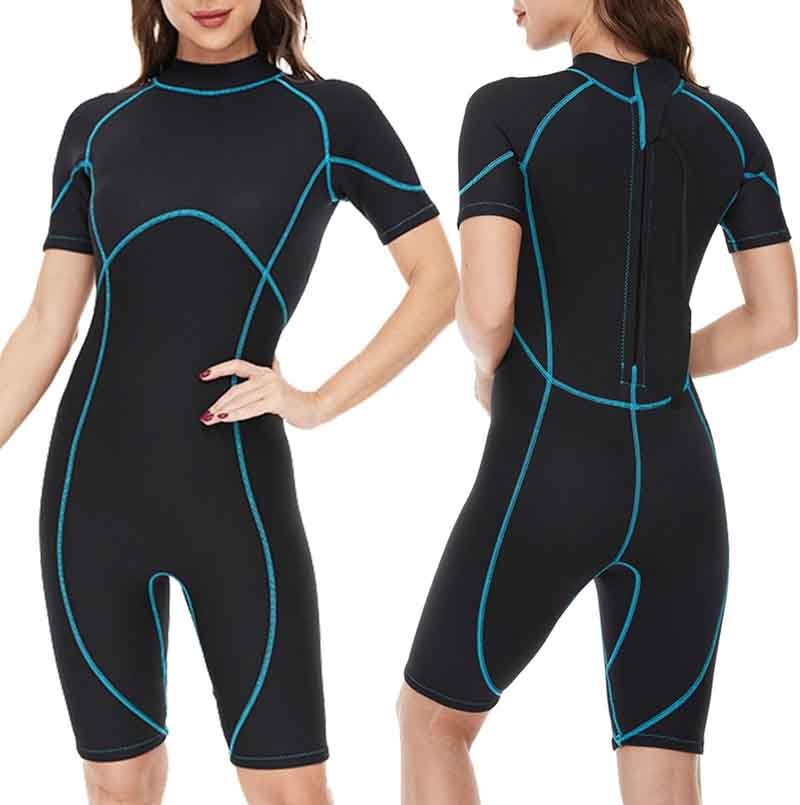
Stepping into cold ocean waters without a wetsuit can feel like plunging into an ice bath—and that’s before the waves hit. Wetsuits have transformed water sports by offering thermal protection, buoyancy, and abrasion resistance, enabling surfers, divers, and triathletes to push their limits in chilly conditions. However, choosing the right suit involves more than grabbing the first neoprene layer you see. Thickness, cut, seam construction, and even material linings all play crucial roles in comfort and performance.
A wetsuit is a neoprene garment designed to trap a thin layer of water between the suit and skin, which your body heat warms to provide insulation in cold water. Constructed from varying neoprene thicknesses (2 mm–7 mm) and seam types (flatlock, glued & blind‑stitched), wetsuits balance warmth, flexibility, and durability. Selecting the right suit depends on water temperature, activity (surfing, diving, triathlon), fit, and maintenance needs.
Imagine paddling out to catch dawn breaks on a winter swell, the air crisp and the water near freezing—your wetsuit is the only thing standing between you and hypothermia. In this guide, we’ll dive deep into how wetsuits work, explore material choices and suit styles, show you how to find your perfect fit, explain care routines that extend suit life, and help you budget smartly—so you can suit up with confidence and stay out in the water longer.
What Exactly Is a Wetsuit and How Does It Work?
A wetsuit is a garment made of neoprene foam that traps a thin layer of water between your skin and the suit. Your body heat warms this layer, creating an insulating barrier against cold water. Wetsuits also provide buoyancy and protection from abrasions and UV rays. Different seam types—flatlock, glued & blind‑stitched, or taped—balance flexibility and leak prevention, tailoring suits for activities from surfing to scuba diving.
Wetsuits rely on neoprene, a closed‑cell foam composed of nitrogen bubbles encapsulated within rubber polymer. This structure provides three key benefits:
Insulation:
- Mechanism: When you enter the water, a small amount seeps in through cuffs and seams. Body heat warms this thin film of water, which then remains between your skin and the neoprene. The foam’s nitrogen bubbles reduce thermal conductivity, trapping warmth.
- Comparison to Dry Suits: Unlike dry suits, which keep all water out via seals, wetsuits allow controlled water ingress for insulation—ideal for dynamic sports where movement expels excess water.
Buoyancy:
- Neoprene’s foam composition adds buoyancy, helping swimmers maintain position with less effort. Thickness correlates with buoyancy: a 5 mm suit offers more lift than a 2 mm suit. Buoyancy aids divers in controlling ascent rates and helps surfers maintain paddle position.
Protection:
- Abrasion & UV: Neoprene shields skin from board wax burn, reef scrapes, and sun exposure. Many suits incorporate nylon or spandex liners for added durability and reduced skin irritation.
Seam Construction:
| Seam Type | Description | Water Entry | Flexibility | Typical Use |
|---|---|---|---|---|
| Flatlock | Neoprene panels butted together and stitched through | High | Very flexible | Warm water, budget suits |
| Glued & Blind‑Stitched | Panels glued then stitched without penetrating all layers | Low | Moderate | All‑purpose suits |
| Sealed & Taped | Blind‑stitched then taped inside for ultimate seal | Minimal | Stiffer | Cold‑water diving |
Understanding these principles helps you appreciate why suit design varies so much—and why your activity dictates your ideal wetsuit.
Which Materials and Thicknesses Are Used in Wetsuit Construction?
Wetsuits are made from closed‑cell neoprene foam—either petroleum‑based or more eco‑friendly limestone neoprene—often sourced from premium suppliers like Yamamoto. Liners may include nylon tricot, thermal fleece, or smooth‑skin neoprene for warmth, durability, and ease of donning. Thickness typically ranges from 2 mm (tropical shorties) up to 7 mm (cold‑water full suits), with hybrid panels (e.g., 5/4/3 mm) combining torso insulation and limb flexibility for optimized performance.
Wetsuit performance hinges on two core factors: neoprene quality and thickness distribution. Below, we examine material variants, liner options, and typical thickness schemes to help you select the right suit for your conditions and activity.
1. Neoprene Variants
| Type | Composition | Properties | Typical Use |
|---|---|---|---|
| Petroleum Neoprene | Standard chloroprene foam | Durable, cost‑effective, moderate stretch | Entry‑level suits |
| Limestone Neoprene | Limestone‑derived foam | Softer, more flexible, better thermal retention | Mid‑range and performance suits |
| Yamamoto Neoprene | High‑uniformity imported foam | Exceptional stretch, minimal water absorption | Premium and competition suits |
- Petroleum Neoprene is the industry standard and used widely for recreational suits.
- Limestone Neoprene, rising in popularity, offers enhanced elasticity and warmth due to larger, more uniform gas cells.
- Yamamoto Neoprene, manufactured in Japan, commands a premium for its ultra‑consistent cell structure, yielding top‑tier warmth‑to‑flexibility ratios.
2. Inner & Outer Liners
| Liner Type | Function | Pros | Cons |
|---|---|---|---|
| Nylon Tricot | Basic comfort and quick dry | Lightweight; breathable | Minimal additional warmth |
| Thermal Fleece | Insulation boost by trapping heat | Adds 3–5 °C thermal gain; wicks moisture | Slight weight increase |
| Glide Skin | Smooth entry pods (neck, wrists, ankles) | Reduces flush; wind‑chill protection | Stiffer feel; higher cost |
- Nylon tricot liners are ubiquitous, providing a soft interface and rapid drying.
- Thermal fleece linings enhance warmth without thickening the neoprene, popular in cold‑water and dive suits.
- Glide skin panels minimize water exchange at vulnerable seals, improving insulation in critical zones.
3. Thickness Schemes & Suit Types
Optimal wetsuit thickness depends on water temperature and activity:
| Thickness (mm) | Water Temp (°C) | Common Suit Style |
|---|---|---|
| 2 mm | >24 | Shorties, spring suits in tropical zones |
| 3 mm | 21–24 | Spring suits, summer full suits |
| 4/3 mm | 18–21 | Full suits for cooler seasons |
| 5/4/3 mm | 12–18 | Cold‑water surfing, mid‑range diving |
| 6/5/4 mm | 8–12 | General diving and surfing in cold seas |
| 7 mm | <8 | Thick dive suits for near‑freezing dives |
- Uniform Thickness: Simpler construction (e.g., 3 mm all over) but doesn’t account for heat loss in limbs.
- Tapered Thickness: Thicker torso panels retain core warmth, thinner arms and legs enhance mobility—ideal for dynamic sports like surfing and triathlon.
- Hybrid Panels: Some suits employ 2/3/4 mm combos, strategically placing insulating foam where it’s most needed (back, chest) and flexible panels in high‑range joints (shoulders, knees).
4. Seam Construction & Water Entry
While material and thickness are foundational, seam type critically affects warmth:
- Flatlock Seams: Overlapping panels stitched through both layers—great flexibility but high water entry, suited for >18 °C waters.
- Glued & Blind‑Stitched (GBS): Panels glued before stitching that doesn’t penetrate fully through the neoprene—balanced warmth and flexibility for 12–18 °C.
- Sealed & Taped Seams: GBS plus an interior tape sealant layer, minimizing leaks—used in <12 °C diving suits.
Each seam style complements specific thickness schemes: thicker suits favor taped seams for maximal insulation, while thinner spring suits rely on flatlock stitching for comfort.
5. Advanced Materials & Innovations
- Nano‑Infused Neoprene: Incorporates nano‑particles to improve tensile strength and thermal performance.
- Graphene‑Coated Liners: Experimental surfaces claim enhanced heat retention and antibacterial properties.
- Eco‑Certifications: Seek OEKO‑TEX® or Bluesign®‑certified neoprene for reduced environmental impact.
What Types of Wetsuits Are Available?
Wetsuit styles include full suits (full‑body coverage for temperate to cold waters), spring suits (short sleeves/legs for mild conditions), shorties (short arms and legs for tropical climates), Farmer John/Jane (sleeveless torso with long legs for layering), and dry suits (fully sealed, waterproof for sub‑10 °C waters). Each design balances warmth, flexibility, and ease of donning to match specific activities—from summer surfing to winter diving.
Wetsuit variations have evolved to meet the nuanced demands of different water temperatures, sports, and user preferences. Below, we explore each major style, its ideal context, and key design elements.
1. Full Wetsuits
Full suits feature long sleeves and full-length legs, typically 3/2 mm to 5/4/3 mm thickness, sealing at wrists, ankles, and neck.
Use Cases:
Surfing & Bodyboarding: Protection from cold surf and board abrasions in 10–20 °C waters.
Scuba Diving & Snorkeling: Thermal protection and buoyancy in temperate dive sites.
Design Features:
Robust Seams: Glide‑skin collars and glued & blind‑stitched seams minimize flushing.
Reinforced Knees: Durable knee pads for paddling and crawling over reefs.
Back‑zip vs. Chest‑zip: Back‑zips offer quick entry; chest‑zips provide better seal and flexibility.
2. Spring Suits (Springers)
Short‑arm, full‑leg suits in 2 mm–3 mm neoprene.
Use Cases:
Warm‑Season Surfing: Ideal when water temperatures hover between 18–24 °C.
Water Sports & Wakeboarding: Adds core warmth without restricting shoulder mobility.
Design Features:
Minimal Seams: Fewer panels reduce chafe across shoulders.
Quick Don/Doff: Easier entry than full suits, beneficial at beach breaks.
3. Shorties
Short‑arm, short‑leg suits—much like a one‑piece swimsuit with neoprene.
Use Cases:
Tropical Waters & Pool Training: For water temperatures above 24 °C.
Stand‑Up Paddleboarding (SUP): Offers sun protection and minimal thermal barrier.
Design Features:
Lightweight Panels: 2 mm neoprene for cooling.
UV Protection: Many shorties include SPF‑rated linings.
4. Farmer John/Jane Suits
Sleeveless torso with long legs, resembling overalls. Often paired with a separate jacket or vest.
Use Cases:
Cold‑Water Surfing: Core warmth preserved while allowing full arm motion for paddling.
Diving Layering System: Use under dry suits or with hooded vests.
Design Features:
Bib‑Style Front: Extends above the chest for improved seal.
Zip‑Front or Back‑Zip: Zipless options enhance seal but complicate entry.
5. Dry Suits
Fully sealed suits with watertight wrist, neck, and ankle gaskets; worn with insulating undergarments.
Use Cases:
Technical Diving & Cold‑Water Environments (<10 °C): Lakes, polar waters, and expedition diving.
Professional & Industrial Applications: Rescue, offshore work.
Design Features:
Seal Types: Latex or silicone gaskets for maximum waterproofing.
Valves & Pockets: Pressure‑release valves and cargo pockets for essentials.
Materials: Trilaminate nylon, crushed neoprene, or vulcanized rubber.
How Do You Choose the Right Wetsuit for Your Activity and Climate?
Select a wetsuit by matching its style, thickness, and fit to your water temperature and sport. Use 2 mm shorties or spring suits for >21 °C, 3/2 mm full suits for 18–21 °C, 4/3 mm or 5/4/3 mm full suits for 12–18 °C, and dry suits or heavy 7 mm Farmer John/Jane combos for <12 °C. Measure chest, waist, height, and weight against manufacturer size charts for a snug seal that balances warmth with mobility.
Choosing the “right” wetsuit requires an informed balance between thermal protection, flexibility, and ergonomics. Below, we break down the decision process into critical considerations:
1. Assess Water Temperature Zones
| Temperature (°C) | Wetsuit Style | Thickness (mm) |
|---|---|---|
| >24 | Shorty, Spring Suit | 2 mm |
| 21–24 | Spring Suit, Lightweight Full | 3 mm |
| 18–21 | Standard Full Suit | 3/2 mm |
| 12–18 | Cold‑Water Full Suit | 4/3 mm or 5/4/3 mm |
| <12 | Heavy Full Suit or Dry Suit | 5 mm–7 mm or Dry |
- Tropical (>24 °C): Minimal insulation needed. Shorties and spring suits provide UV protection and abrasion resistance without overheating.
- Warm (21–24 °C): Spring suits remain ideal; some may opt for lightweight full suits if they run cold.
- Mild (18–21 °C): Full suits with 3/2 mm neoprene strike the balance between core warmth and limb mobility.
- Cool (12–18 °C): Increased thickness—4/3 mm or 5/4/3 mm—with sealed seams prevents flushing in choppy conditions.
- Cold (<12 °C): Consider 6/5/4 mm full suits, Farmer John/Jane layering systems, or true dry suits for uncompromised insulation.
2. Match Suit Style to Activity
- Surfing & Bodyboarding: Prioritize shoulder flexibility for paddling. Chest‑zip or zip‑free full suits minimize water entry. Reinforced knee pads and durable outer panels extend suit life on abrasive board interaction.
- Scuba Diving & Snorkeling: Buoyancy and thermal protection take precedence. Thicker torso panels guard against hypothermia; integrated hoods, boots, and gloves often pair with 7 mm or dry suits.
- Triathlon & Open‑Water Swimming: Speed and range of motion are key. Triathlon suits are ultra‑thin (1–2 mm), hydrophobic, and feature quick‑release ankles. Full suits with smooth‑skin panels reduce drag.
- Waterski & Wakeboarding: Protection against rope burns and impact, with moderate insulation (3 mm) and flexible limbs.
3. Determine Your Fit and Sizing
A proper wetsuit fit is snug—no loose folds or gaping seams. Water should flush minimally, only enough to warm the neoprene layer. Follow these steps:
- Take Accurate Measurements:
- Chest & Bust: Tape around the fullest part.
- Waist & Hips: Record natural waist and widest hip points.
- Height & Weight: Refer to standardized size charts.
- Consult Brand Charts: Sizes can vary by manufacturer; always match to specific charts rather than generic labels (S, M, L).
- Try On Seals: Check wrist, ankle, and neck seals for tightness without discomfort.
- Mobility Test: Perform a deep squat, arm raise, and bending to ensure suits don’t bind.
4. Evaluate Seam Construction and Entry Systems
- Flatlock Seams: Soft and flexible, but allow more water ingress. Best for warm water.
- Glued & Blind‑Stitched (GBS): Reduced water entry, moderate flexibility—suitable for year‑round use.
- Taped Seams: GBS plus internal tape seals deliver maximum insulation—preferred for cold conditions.
Entry Styles:
- Back‑Zip: Easier donning, but can allow more flushing in choppy surf.
- Chest‑Zip: Better seal and flexibility, more complex entry.
- Zip‑Free: Maximal stretch and seal, but requires physical dexterity.
5. Consider Additional Features
- Liners: Thermal fleece liners add warmth without extra neoprene thickness.
- Panel Tapers: Suits with thicker torsos and thinner limbs (e.g., 5/4/3 mm) optimize warmth and mobility.
- Reinforcements: Knee, elbow, and seat reinforcements enhance durability for high‑wear sports.
- Hoods & Boots: Integrated hoods on cold‑water suits; taped ankle seals for boot compatibility.
6. Budget and Longevity
Wetsuit prices correlate with neoprene quality and seam technology:
| Price Tier | Features | Expected Lifespan |
|---|---|---|
| Entry ($80–150) | Standard neoprene, flatlock seams | 1–2 years |
| Mid ($150–300) | Limestone neoprene, GBS seams | 2–4 years |
| Premium ($300+) | Yamamoto neoprene, taped seams, fleece | 3–5 years |
How to Care and Maintain Your Wetsuits?
Rinse your wetsuit inside‑out with fresh, cool water immediately after each use to remove salt, sand, and chlorine. Hang it in the shade on a wide, padded hanger to dry—first inside‑out, then right‑side‑out. Wash monthly with a neoprene‑safe shampoo, avoid heat and direct sunlight, and store flat or loosely rolled. Repair minor tears with neoprene cement and replace leaky seals promptly. Proper care extends suit life from months to several years, protecting your investment and performance.
Maintaining your wetsuit isn’t just about prolonging its lifespan—it’s essential for ensuring optimal thermal performance, flexibility, and hygiene. Neoprene degrades under UV light and from chemicals, while dirt and oils can break down internal foams and liners. Below is a comprehensive care routine that covers post‑session rinse, deep cleaning, drying, storage, and repairs.
1. Immediate Post‑Session Rinse
Why: Saltwater crystals, pool chlorine, sunscreen, and body oils can degrade neoprene and liners.
How:
- Turn the suit inside‑out to expose the liner first.
- Rinse thoroughly in a tub or large sink with cool, fresh water—no hot taps, which can warp or shrink neoprene.
- Pay attention to seams, collars, wrist and ankle seals, where residue accumulates.
- Gently squeeze—don’t wring—to remove water; excessive twisting can stress seams.
2. Monthly Deep Clean
Why: Over time, residues build up, fostering odors and microbial growth that can degrade liners and irritate skin.
How:
- Fill a tub with cool water and add a neoprene‑safe wetsuit shampoo or mild, pH‑neutral detergent (e.g., baby shampoo).
- Immerse the entire suit (inside‑out first), agitate gently for 5–10 minutes.
- Let it soak for an additional 10–15 minutes.
- Rinse thoroughly twice—first inside‑out, then outside‑in—to remove all soap.
- Use a soft brush to lightly scrub high‑wear areas (knees, elbows) if salt or sand remains.
3. Proper Drying Technique
Staged Drying:
- Hang the suit inside‑out in a shaded, well‑ventilated area on a wide, padded hanger to avoid shoulder creases.
- Once interior is dry to the touch (2–4 hours), flip the suit right‑side‑out to finish drying the exterior.
Key Tips:
- Never dry in direct sunlight—UV rays break down neoprene polymers, causing brittleness.
- Avoid heat sources (radiators, hairdryers) that can warp seams and degrade foam.
- Ensure full dryness before storage to prevent mildew.
4. Storage Best Practices
Flat or Loose Roll:
- If hanging space is limited, lay the wetsuit flat on a clean shelf.
- Alternatively, loosely roll from legs to shoulders—avoid folding the same creases repeatedly.
Cool, Dark Environment:
- Store in a closet or gear bag away from direct light, heat, and chemicals (e.g., gasoline, insect repellent).
Avoid Compression:
- Do not sit or place heavy objects on top of the suit.
- Compression over time flattens foam cells, reducing insulation.
5. Minor Repairs and Maintenance
Small Tears & Seam Leaks:
- Use neoprene cement or liquid neoprene repair kits—clean area, apply cement to both sides, let tack, then press together.
- For larger rips, apply a neoprene patch on the inside, securing edges with cement.
Seal Replacement:
- Latex or smooth‑skin seals can degrade; local dive shops often replace collars and cuffs.
- Some premium brands offer seal repair services as part of a warranty or maintenance program.
Zipper Care:
- Rinse zippers thoroughly and lubricate with silicone‑based zipper lube.
- Avoid salt crystals jamming slider—flush under fresh water.
6. When to Replace Your Wetsuit
Despite meticulous care, neoprene eventually ages:
Signs of Aging: Loss of elasticity (baggy fit), visible foam breakdown, permanent creases, seam failure, persistent odors.
Expected Lifespan:
- Recreational Use: 2–3 years
- Frequent Use (>50 sessions/year): 1–2 years
- Diving with Dry Suit Substitute: Premium suits may last 3–5 years
Cost‑Per‑Use Consideration: Compare your suit’s annual cost to frequent replacement; investing in a higher‑quality suit and maintenance often yields better long‑term value.
Are Wetsuits Worth the Investment and What Should You Budget For?
Wetsuit costs range $80–$600: entry‑level suits ($80–$150), mid‑range ($150–$300), premium ($300–$600). Lifespans of 1–5 years yield $20–$120 annual cost, depending on use and care. Premium suits with better neoprene and seam construction offer superior warmth, stretch, and durability. For serious water sports, investing in a high‑quality suit pays off through extended performance and comfort.
| Tier | Price Range | Neoprene Type | Seams | Expected Lifespan |
|---|---|---|---|---|
| Entry | $80–$150 | Basic chloroprene | Flatlock | 1–2 years |
| Mid‑Range | $150–$300 | Limestone/Yamamoto | Glued & blind‑stitched | 2–4 years |
| Premium | $300–$600 | Premium Yamamoto | Taped & sealed | 3–5 years |
Consider usage frequency and water temperature: daily divers justify premium suits, weekend surfers may opt mid‑range.
Ready to Customize High‑Performance Wetsuits?
Whether you need private‑label or OEM wetsuits for your brand, Szoneier’s 18+ years of expertise in R&D, material sourcing, and manufacturing ensures top quality, low MOQs, rapid prototyping, and full customization—from neoprene grades to seam types and branding.
Contact Szoneier today for a free consultation and sample request!
manufacturer Categories
- Custom Tote Bags Manufacturer
- custom backpacks Manufacturer
- custom travel bags& Duffle bags manufacturer
- custom makeup bags & toiletry bags manufacturer
- custom cooler bags manufacturer
- custom drawstring bags manufacturer
- custom makeup bags & toiletry bags manufacturer
- custom golf bags manufacturer
- custom fireproof bags manufacturer
- custom dry bags manufacturer
- custom ski bags manufacturer
- custom gym & sports bags manufacturer
- custom laptop bags manufacturer
- custom tactical bags manufacturer
- custom beach bags manufacturer
- custom medical bags manufacturer
- custom camera bags manufacturer
- custom wetsuits manufacturer
- custom leather goods manufacturer
- more personalized products

Can't find the answers?
No worries, please contact us and we will answer all the questions you have during the whole process of bag customization.
Make A Sample First?
If you have your own artwork, logo design files, or just an idea,please provide details about your project requirements, including preferred fabric, color, and customization options,we’re excited to assist you in bringing your bespoke bag designs to life through our sample production process.
