 Skip to content
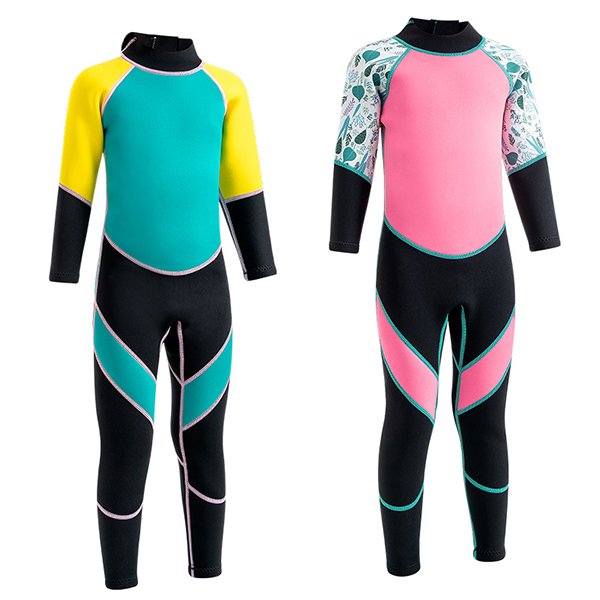
In a world where most surf, dive, and triathlon wetsuits are mass-produced across Asia, a growing number of consumers and buyers ask: Are there still any wetsuits truly made in the USA? It’s a fair question — especially as “Made in USA” labels have become increasingly rare in the neoprene industry. With brands emphasizing eco-values and domestic sourcing, the truth behind U.S. wetsuit production reveals both nostalgia and modern practicality.
Yes, a few wetsuits are still made in the USA, but they represent less than 5% of the global market. American companies like Henderson (New Jersey), Terrapin (Texas), and Ocean Tec (Florida) still manufacture wetsuits domestically, while most large surf brands design in the U.S. but outsource to factories in China, Taiwan, and Thailand. U.S.-made wetsuits are prized for craftsmanship, fit, and local materials but cost more due to labor and supply constraints.
For those passionate about supporting local manufacturing — or sourcing domestically for niche markets — the American wetsuit story blends legacy craftsmanship with modern innovation. Let’s dive deeper into how U.S. wetsuit production really works, who’s still doing it, and why it matters in today’s global market.
What Does “Made in USA” Mean for Wetsuits?
For a wetsuit to legally carry a “Made in USA” label, it must be entirely manufactured and assembled within the United States, using all or virtually all U.S.-sourced components — as defined by the Federal Trade Commission (FTC). This means every step, from neoprene foam production to cutting, laminating, stitching, and quality control, must occur domestically. However, because nearly all neoprene sponge and laminated fabrics are produced overseas, most “U.S.” wetsuits today qualify only as “Assembled in USA” or “Designed in USA.”
Understanding the FTC’s Legal Framework
The Federal Trade Commission regulates the use of “Made in USA” claims under the Made in USA Labeling Rule (effective August 2021). According to this regulation, a product advertised as “Made in USA” must meet three main criteria:
- Final assembly or processing occurs in the United States.
- All significant parts and processing that go into the product are of U.S. origin.
- No or negligible foreign content is present.
This standard applies across all consumer goods, including apparel and neoprene equipment like wetsuits, gloves, and dive hoods.
In practice, for a wetsuit manufacturer to comply, the company would need to:
- Source neoprene sponge sheets produced domestically (virtually nonexistent today).
- Laminate those sheets with U.S.-made nylon or polyester fabric.
- Conduct cutting, gluing, blind stitching, sealing, finishing, and packaging within the U.S.
Because most raw neoprene foam originates in Japan, Taiwan, China, or Thailand, very few companies can claim full compliance.
The Power of Origin Claims
Country-of-origin labeling isn’t just a regulatory matter — it’s a trust signal. For end consumers, “Made in USA” implies quality craftsmanship, ethical labor, and local accountability. For institutional buyers (e.g., government, military, rescue services), origin also determines eligibility under the Buy American Act (BAA), which prioritizes domestically produced goods for federal procurement.
Mislabeling can result in civil penalties, reputational harm, and even product recalls. In 2021, the FTC fined several apparel companies for falsely claiming domestic origin when major components were imported — a clear message to the industry to maintain transparent sourcing claims.
The Difference Between ‘Made in USA,’ ‘Assembled in USA,’ and ‘Designed in USA’
Because full domestic production is rarely feasible, wetsuit brands often use alternative descriptors.
| Label Term | FTC Definition | What It Means in Practice | Example Use Case |
|---|---|---|---|
| Made in USA | All or virtually all parts and processing are U.S.-based. | Neoprene sponge, lamination, cutting, sewing, and packaging all domestic. | Henderson Wetsuits (NJ) |
| Assembled in USA | Principal assembly operations occur in the U.S., but some parts are imported. | Imported neoprene laminated and cut/sewn domestically. | Ocean Tec (FL), Terrapin (TX) |
| Designed in USA | Design and R&D are U.S.-based; manufacturing abroad. | Concept, fit, and branding in California; production in Asia. | O’Neill, Xcel, Patagonia |
For most surf and dive brands, “Assembled in USA” provides a realistic balance between cost, authenticity, and regulatory compliance.
How Much of a Wetsuit Must Be Domestic?
The FTC uses the term “all or virtually all”, but it doesn’t set a numeric threshold like 90% or 95%. Instead, the rule depends on value contribution. In short, if imported parts (like neoprene or thread) represent only a small percentage of total product value and the assembly process substantially transforms them, the item may still qualify.
However, neoprene accounts for 60–70% of a wetsuit’s total material value, making it almost impossible for a brand using foreign neoprene to claim full U.S. origin.
That’s why Henderson — one of the few brands producing in New Jersey — often markets as “Made in USA using globally sourced materials,” a statement that meets both transparency and compliance.
Why Most Wetsuits Use Imported Neoprene
The neoprene supply chain is highly concentrated in Asia. Key reasons include:
- Technical specialization: Only a handful of global producers (e.g., Yamamoto – Japan, Sheico – Taiwan, Nam Liong – Taiwan) master the closed-cell foaming process with consistent elasticity and density.
- Environmental compliance: Asian neoprene plants are equipped with advanced emission-reduction and water-filtration systems that meet global REACH standards.
- Economies of scale: Centralized facilities process thousands of tons annually, reducing unit costs.
Examples of Domestic vs. Hybrid Production Models
Full Domestic Manufacturing
- Henderson (New Jersey): Produces diving and triathlon wetsuits fully in the U.S.
- Uses imported neoprene but performs every transformation step — cutting, gluing, blind stitching, seam taping, QC, and packaging — in its own facility.
- Meets “Made in USA” guidelines due to high domestic value addition.
Hybrid / Assembled in USA
- Ocean Tec (Florida): Imports neoprene sheets from Asia, but laminates, patterns, and sews wetsuits locally.
- Qualifies for “Assembled in USA” under FTC rules.
- Terrapin (Texas): Specializes in made-to-order triathlon suits.
- Uses imported neoprene but performs full measurement, cutting, and seam construction in Texas.
Overseas Production with U.S. Design
- Patagonia, O’Neill, Xcel, Billabong, and Rip Curl all base R&D in the U.S. or Australia but outsource production to large OEMs like Sheico (Thailand) or Yamamoto (Japan).
- They may advertise “Designed in California” or “Developed in Hawaii,” reflecting U.S. creative control, not physical manufacturing.
Economic and Operational Challenges
Producing wetsuits in the U.S. involves significant hurdles:
| Challenge | Description | Impact |
|---|---|---|
| Labor Cost | U.S. manufacturing wages average $25–$35/hour. | Raises end-product price 40–60%. |
| Material Availability | No large-scale neoprene foam plants remain in the U.S. | Imports required for base material. |
| Environmental Regulation | Strict waste and emission laws. | Higher compliance costs. |
| Scale Limitations | Small market for domestic wetsuits. | Limited automation or capacity expansion. |
Why Some Brands Use “USA Designed” Labeling Strategically
Marketing studies show that consumers associate “Designed in USA” with innovation and reliability — especially in surf and diving equipment. Brands like O’Neill and Patagonia leverage this perception to highlight Californian heritage and design DNA, while maintaining production efficiency in Asia.
This approach allows:
- Faster innovation cycles — local design teams can prototype quickly before sending digital patterns to overseas plants.
- Lower cost per unit — keeping products competitive in the global surfwear market.
- Stronger brand identity — maintaining U.S. roots in storytelling while balancing practicality.
In short, “Designed in USA” functions as a branding compromise between authenticity and affordability.
The Future of U.S. Origin Labeling in the Wetsuit Industry
Global supply chains are shifting under two forces:
- Consumer demand for transparency. Buyers want proof of ethical sourcing and low carbon footprints.
- Government incentives for reshoring. The U.S. offers tax credits and grants for manufacturers investing in domestic capacity.
While large-scale neoprene production may not return soon, smaller hybrid models — where cutting, stitching, and finishing occur in the U.S. using imported neoprene — are expanding. This approach supports local jobs, faster turnaround times, and eco-branding advantages, appealing to both boutique surf brands and government-contract suppliers.
Which Wetsuit Brands Produce in the U.S.?
Only a small number of wetsuit brands still produce some or all of their wetsuits in the U.S. These include Henderson in New Jersey, Terrapin Wetsuits in Texas, and a few niche custom makers. Their U.S. production is typically low-volume, custom, or special-order, rather than mass-market.
Below is a deeper look at how these brands operate, what “U.S. production” really means, and how they differ from globally outsourced wetsuit brands.
Henderson Wetsuits (New Jersey, USA)
- Full U.S. production claims: Henderson states that every wetsuit is “originally designed and manufactured at its USA factory in New Jersey.”
- Talon line: Their Talon wetsuits are “cut, hand glued, assembled and sewn in our USA factory” and sold via special order.
- Military / Spec-Ops roots: Henderson also manufactures suits for U.S. military and special forces operations, indicating higher domestic production capability.
- Made-in-USA certification: At times Henderson offers a certificate of authenticity and unique registration numbers for their “Made in the USA” suits, especially for their Talon line.
- Caveats: While many of the structural processes happen in the U.S., Henderson still likely sources critical materials (neoprene sheets, laminates) internationally. The “Made in USA” refers principally to cutting, gluing, sewing, finishing, and quality control in their U.S. facility.
Thus, Henderson is one of the rare brands that can credibly claim significant U.S. manufacturing capability, especially for custom and specialty lines.
Terrapin Wetsuits (Texas, USA)
- Custom-fitting in Texas: Terrapin markets itself as the “oldest U.S.-manufacturer of wetsuits”, operating from Texas.
- Made domestically: Their offerings are built in the U.S. from neoprene or Polartec materials, allowing customers to pick color, style, and fit.
- Alteration & repair services: Terrapin also offers wetsuit alterations, repairs, and custom modifications locally — services which typical overseas manufacturers cannot easily provide.
- Scale: The production scale is modest and oriented toward custom orders rather than mass runs.
Terrapin represents the kind of boutique U.S. wetsuit maker you might partner with for small runs or high-touch collections.
Other U.S. or American-Rooted Brands with Partial Domestic Production
- Matuse (San Diego, California): Matuse is an American wetsuit and outdoor apparel company based in San Diego. They emphasize sustainable materials (e.g. Geoprene, water-based glues) and eco-conscious production. However, Matuse does not publicly claim full U.S. fabrication of all components; much of their material lamination and neoprene sourcing remains international.
- Smaller Custom Workshops & Niche Makers: There are handfuls of regional wetsuit artisans and custom fabricators (e.g. in California, Pacific Northwest) who build bespoke wetsuits in small quantities. These operations often rely on imported neoprene but do cutting, gluing, stitching, and final assembly locally. These niche shops don’t often have high visibility but serve divers, surfers, and custom clothing brands who value local craftsmanship.
How “U.S. Production” Typically Works in Practice
Because the core materials (neoprene foam, coated fabrics, adhesives) are predominantly manufactured abroad, “producing in the U.S.” for wetsuit brands often means:
- Importing raw neoprene sheets (often from Taiwan or Japan).
- Laminating, cutting, and gluing inside a U.S. workshop.
- Sewing, taping, and finishing (zippers, seam sealing, dyeing) domestically.
- Quality control and custom adjustments done locally.
In that model, the “value-added” operations that define the wetsuit’s performance, fit, and final appearance are executed in the U.S. — giving brands more control and marketing differentiation.
Brands claiming full U.S. production (like Henderson’s Talon line) are rare. Many others adopt the more realistic label “Assembled in USA” or “Built in USA from imported materials.”
| Brand | U.S. Production Role | What Is Usually Imported |
|---|---|---|
| Henderson | Cutting, gluing, sewing, finishing in U.S. | Neoprene sheets, laminates, specialty fabrics |
| Terrapin | Custom fitting, patterning, construction | Neoprene, glue, fabric panels |
| Matuse | Design and final assembly (partially) | Neoprene, lamination, adhesives |
| Boutique shops | Local cutting, modifying, finishing | Raw neoprene, coated sheets |
Why Only a Few Brands Still Do U.S. Production
- Cost pressures: U.S. labor rates, real estate, and regulation cost significantly more than in Asian manufacturing centers.
- Scale limitations: U.S. facilities struggle to compete in large volume runs; their niche nature forces them to stay small.
- Supply chain constraints: Few U.S. neoprene or laminated fabric plants remain, making import dependence nearly inevitable.
- Capital and equipment: High-end laminators, automated cutters, seamless welders are expensive, and many brands cannot justify the investment for low volume runs.
How Common Is U.S. Wetsuit Manufacturing Today?
Less than 5% of all wetsuits sold worldwide are made or assembled in the United States. Nearly 95% of global production takes place in Asia—mainly China, Taiwan, Thailand, and Vietnam, where large-scale OEM factories such as Sheico, Nam Liong, and Heiwa dominate neoprene production and garment assembly. In the U.S., only a handful of small workshops and legacy brands—like Henderson (New Jersey), Terrapin (Texas), and Ocean Tec (Florida)—continue local manufacturing, often focusing on custom-fit, small-batch, or specialty market wetsuits rather than mass production.
Global Landscape: Where Wetsuits Are Really Made
The global wetsuit industry follows the same geographic pattern as much of technical apparel manufacturing — it has consolidated in Asia, where specialized factories manage both raw material production (neoprene sponge) and finished garment assembly.
| Region | Key Manufacturing Countries | Market Share (Est.) | Typical Production Type |
|---|---|---|---|
| Asia-Pacific | China, Taiwan, Thailand, Vietnam | ~90–95% | Mass production, OEM, brand contracts |
| North America (U.S. & Mexico) | USA, Mexico | <5% | Custom, government, or niche wetsuits |
| Europe | UK, Portugal, Eastern Europe | ~3% | Custom, surf and triathlon suits |
| Other regions | Australia, Japan | <2% | Small-batch, high-end handmade wetsuits |
Asia dominates for three key reasons:
- Integrated neoprene supply chains. Factories like Sheico Group (Taiwan) not only mold neoprene foam but also laminate it with nylon/polyester and cut it for client brands, providing turnkey OEM services.
- Economies of scale. One Sheico facility can produce over 1.2 million wetsuits per year, compared to fewer than 10,000 units annually for most U.S. custom shops.
- Labor and logistics efficiency. Labor costs in Thailand and Vietnam are typically 5–8 times lower than in the U.S., and shipping large volumes from Asia to North America remains cost-effective due to container consolidation.
Why U.S. Manufacturing Has Declined
From the 1970s through the 1990s, the United States had dozens of small surfwear and dive-equipment makers — especially in California, Florida, and New Jersey. Over time, most either offshored production or closed entirely, primarily because of economic pressures.
The main factors behind this decline include:
- Rising labor costs: U.S. sewing and gluing labor averages $25–35/hour, compared to $3–6/hour in Asia.
- Raw material shortage: No large-scale neoprene foam production exists in the U.S. since Rubatex shut down its foam operations in the 2000s.
- Capital intensity: Advanced lamination, pressing, and laser-cutting machines can cost hundreds of thousands of dollars, requiring large volumes to justify ROI.
- Regulatory complexity: EPA and OSHA standards make chemical handling (like chloroprene adhesives) more expensive domestically.
- Consumer price sensitivity: A wetsuit made in the U.S. can cost $500–700 USD, while comparable imported versions retail for $250–400 USD.
Together, these factors pushed most large brands—O’Neill, Billabong, Xcel, Rip Curl, Roxy, and Quiksilver—to relocate production to Asia while maintaining U.S.-based design studios and marketing offices.
What U.S. Wetsuit Manufacturing Looks Like Today
U.S.-based wetsuit production today falls into three distinct categories, each with unique characteristics.
| Type | Typical Volume | Key Players | Market Focus |
|---|---|---|---|
| Full Domestic Production | 2,000–10,000 units/year | Henderson, Terrapin | Diving, triathlon, military |
| Hybrid “Assembled in USA” | 5,000–20,000 units/year | Ocean Tec, 7till8 | Surf, rescue, custom-fit |
| Artisanal / Custom Workshops | 100–1,000 units/year | Otter Bay (CA), Carapace (WA), local repair shops | Boutique, personalized orders |
The Role of OEM Giants Like Sheico and Nam Liong
Sheico Group (based in Taiwan, with factories in Thailand, China, and Vietnam) produces wetsuits for almost every major surf and dive brand, controlling an estimated 60%+ of the global market. Their vertically integrated supply chain includes:
- Neoprene foaming and molding
- Fabric lamination (nylon, polyester, recycled fibers)
- Cutting and sewing automation
- Quality control and packaging
Nam Liong (also Taiwan) and Heiwa (Japan) supply premium neoprene sheets such as Limestone-based CR (chloroprene) and Eco-foam to both Asian and Western brands. This integration makes it economically impractical for U.S. firms to duplicate the same infrastructure locally.
Emerging Micro-Trends Supporting Limited U.S. Production
Despite these challenges, a small resurgence is visible, driven by eco-consciousness, government contracts, and customization demand.
- Eco-Brand Movement: Consumers increasingly value sustainability and local craftsmanship. Brands like 7till8 (California) highlight “assembled in USA” to connect with that ethos, using imported limestone neoprene but performing cutting, sewing, and QC domestically.
- Government and Institutional Demand: U.S. military, coast guard, and rescue agencies often require Buy American Act compliance. Suppliers like Henderson fulfill such contracts, keeping domestic manufacturing viable.
- Custom Fit and Repairability: Small-batch makers like Terrapin and Otter Bay serve triathletes and cold-water divers who demand personalized fit and thickness options. They also provide repair and alteration services, extending wetsuit lifespans — a sustainability advantage.
- Technology and On-Demand Production: 3D body scanning and CAD patterning now allow American shops to produce made-to-order wetsuits efficiently, even without mass production. Some integrate with AI-driven digital fit software, reducing returns and waste.
The Future of U.S. Wetsuit Manufacturing
While large-scale return of neoprene production to the U.S. remains unlikely, hybrid or semi-domestic models are poised to grow over the next decade. Factors driving this include:
- Automation: Robotic seam sealers and digital cutters reduce labor cost gaps.
- Localized customization: Direct-to-consumer (D2C) wetsuit brands prefer small runs and quick turnarounds.
- Sustainability marketing: “Made or Assembled in USA” resonates with eco-minded buyers.
- Government incentives: Reshoring and green-tech funding could support material innovation in bio-based foams.
Forecast analysts estimate the U.S.-made wetsuit niche will expand modestly by 8–10% annually, driven by premium demand rather than volume growth.
What Are the Advantages and Trade-offs of U.S.-Made Wetsuits?
U.S.-made wetsuits deliver exceptional craftsmanship, precise fit, fast turnaround, and transparent sourcing, but they come at a higher cost due to expensive labor, limited material supply, and smaller scale. Domestic wetsuit manufacturing thrives in custom-fit, military, triathlon, and eco-conscious markets, while mass-market production remains concentrated in Asia. For most brands, the ideal strategy is a hybrid model—combining imported neoprene with U.S. assembly and finishing.
1. The Case for American Craftsmanship
When you buy or commission a wetsuit that’s cut, glued, and stitched in the U.S., you’re paying for more than the product—you’re investing in workmanship, ethics, and local accountability.
Precision and Fit
U.S. makers like Terrapin (Texas) and 7till8 (California) focus on custom, made-to-measure wetsuits, using digital body scanning or manual measurement.
- Fit precision reduces water flushing and drag—critical for triathlon and diving use.
- Custom paneling also extends comfort for longer sessions in cold water.
Skilled Labor and Craft Control
Unlike high-volume Asian production lines, U.S. workshops often employ master stitchers and pattern cutters with decades of experience. Each seam, blind stitch, or glued joint is manually verified, and repairs are available domestically—something rare for imported wetsuits.
Quality Over Quantity
U.S. shops operate at smaller scales—often 100 to 5,000 units per year—which allows more attention to detail, visual inspection, and individualized adjustments before packaging.
Result:
Wetsuits made domestically often last 30–40% longer under regular use, with fewer seam failures and more consistent thickness calibration across panels.
2. Transparency, Traceability, and Ethics
In today’s market, origin and ethics are part of the value proposition. “Made in USA” is not just a label—it’s a signal of regulated working conditions, safe chemistry, and environmental accountability.
Worker Standards
- U.S. factories follow OSHA safety standards, proper ventilation, and fair wages.
- No risk of labor exploitation, which can occur in unverified overseas facilities.
Environmental Controls
- EPA restrictions limit VOC emissions and manage waste adhesives and neoprene scraps responsibly.
- Water-based glues and low-VOC laminations are increasingly standard.
- Some workshops recycle offcuts into yoga mats or padding materials.
3. Faster Turnaround and On-Demand Production
Global logistics delays, especially post-pandemic, exposed the vulnerability of distant supply chains. U.S. production offers unmatched agility and responsiveness.
| Factor | Offshore Production | U.S. Domestic Production |
|---|---|---|
| Sampling Time | 4–6 weeks | 1–2 weeks |
| Lead Time | 60–90 days | 15–30 days |
| Shipping | Sea freight (20–30 days) | Ground shipping (2–5 days) |
| MOQ | 300–500 units | 10–50 units possible |
This flexibility is especially valuable for:
- New surf brands testing niche markets.
- Government or rescue contracts needing rapid delivery.
- Custom-fit triathlon suits requiring per-athlete patterning.
For these applications, U.S. manufacturing provides speed as a competitive edge.
4. Brand Differentiation and “Local Authenticity”
In an era where “Made in USA” apparel is rare, domestic production instantly creates differentiation. It reinforces heritage, trust, and values—powerful tools for premium branding.
Perceived Value
Consumers associate “U.S.-made” with:
- Better quality and durability
- Honest labor and eco standards
- Authentic craftsmanship
Emotional Marketing
Surf brands leveraging “Built in California” or “Handmade in Texas” narratives resonate with a growing audience seeking meaningful, traceable purchases.
5. The Trade-offs: Cost, Scale, and Material Limitations
Of course, these advantages come at a cost—literally and operationally.
Higher Labor and Operating Costs
The largest single drawback of U.S. wetsuit manufacturing is price.
| Expense Type | U.S. Average | Asian OEM Average |
|---|---|---|
| Labor (hourly) | $25–$35 | $3–$6 |
| Utility/Energy | High | Moderate |
| Facility Rent | 2–5x higher | Lower (industrial zones) |
| Compliance & Insurance | Mandatory | Variable |
A wetsuit that might cost $120–150 USD ex-factory from Asia can cost $250–350 USD in domestic production—before branding or retail margins.
Material Availability
- Neoprene sponge foam is still largely produced in Japan (Yamamoto), Taiwan (Sheico, Nam Liong), and China (Formosa, Dongguan).
- The U.S. has no large neoprene foaming plants remaining since Rubatex ceased operations.
- Therefore, even “Made in USA” wetsuits depend on imported neoprene rolls or laminated fabrics.
Limited Automation and Volume
Asian mega-plants run multi-line automated laminators, robotic cutters, and seam-bonding systems that deliver consistent results at scale. U.S. workshops still rely on manual labor for most processes, limiting scalability and increasing unit cost.
6. Niche vs Mass Market: Where U.S.-Made Wetsuits Excel
Despite the limitations, U.S.-made wetsuits dominate several key niche segments:
| Market Segment | Why U.S.-Made Works Best | Example Brands |
|---|---|---|
| Military / Rescue / Law Enforcement | “Buy American Act” requirements; mission-critical durability | Henderson, Ocean Tec |
| Triathlon & Competitive Sports | Custom fit, aerodynamic compression, minimal drag | Terrapin, 7till8 |
| Eco & Sustainable Brands | Local assembly + traceable sourcing appeals to conscious consumers | Otter Bay, boutique surf labels |
| Repair & Aftermarket Services | Local repair saves time and cost, improving sustainability | Small U.S. workshops |
| Prototype & R&D Development | Fast iteration before scaling offshore | U.S. sample labs & OEMs |
For large retail surf brands like O’Neill or Rip Curl, however, Asian production remains essential for cost control and consistency across global markets.
Is Neoprene Material Still Produced in the USA?
Only a few U.S. companies produce neoprene or similar closed-cell rubber foams domestically — such as Monmouth Rubber & Plastics (NJ). However, most wetsuit-grade neoprene is still imported from Japan, Taiwan, or China due to superior lamination quality and environmental efficiency.
Which U.S. Firms Still Produce Neoprene?
- Monmouth Rubber & Plastics (New Jersey): Makes chloroprene sponge and EPDM blends used in industrial or military applications.
- Rubatex USA (Virginia): Once a key neoprene supplier, now mostly closed.
- Foam Creations (Canada): Supplies EVA alternatives but not neoprene.
Because wetsuit neoprene requires precise gas-cell structure and stretch, few American companies retain that expertise at scale.
How Does Domestic Neoprene Affect Supply Chain and Branding?
Using U.S.-made neoprene supports marketing narratives of “fully domestic” products and shorter supply chains. However, costs can increase by 50–100%, and material performance may differ. Therefore, many U.S. makers blend imported Japanese neoprene (like Yamamoto #39 limestone foam) with domestic assembly to balance quality and origin.
What Sustainability or Performance Advantages Might It Offer?
Japan’s limestone neoprene emits 24% less CO₂ than petroleum neoprene, while new bio-rubber alternatives (like Yulex® natural rubber) reduce dependence on fossil fuels. Some U.S. makers integrate these sustainable foams, creating a new category: eco-friendly wetsuits assembled domestically — combining local labor ethics with global material innovation.
Conclusion
At the heart of every great wetsuit brand lies a blend of craftsmanship, reliability, and innovation — and that’s exactly where Szoneier excels.
From eco neoprene R&D to OEM production and hybrid assembly models, Szoneier empowers your brand to stand out in a competitive market while maintaining full transparency and control.
Whether you aim to launch a “Made in USA” wetsuit line, expand your global catalog, or source sustainable neoprene materials, Szoneier can make it happen — quickly, ethically, and profitably.
Szoneier — Bridging Local Craft and Global Supply.Let’s create wetsuits that tell your brand’s story — with precision, passion, and performance.
manufacturer Categories
- Custom Tote Bags Manufacturer
- custom backpacks Manufacturer
- custom travel bags& Duffle bags manufacturer
- custom makeup bags & toiletry bags manufacturer
- custom cooler bags manufacturer
- custom drawstring bags manufacturer
- custom makeup bags & toiletry bags manufacturer
- custom golf bags manufacturer
- custom fireproof bags manufacturer
- custom dry bags manufacturer
- custom ski bags manufacturer
- custom gym & sports bags manufacturer
- custom laptop bags manufacturer
- custom tactical bags manufacturer
- custom beach bags manufacturer
- custom medical bags manufacturer
- custom camera bags manufacturer
- custom wetsuits manufacturer
- custom leather goods manufacturer
- more personalized products


Can't find the answers?
No worries, please contact us and we will answer all the questions you have during the whole process of bag customization.
Make A Sample First?
If you have your own artwork, logo design files, or just an idea,please provide details about your project requirements, including preferred fabric, color, and customization options,we’re excited to assist you in bringing your bespoke bag designs to life through our sample production process.
