Skip to content
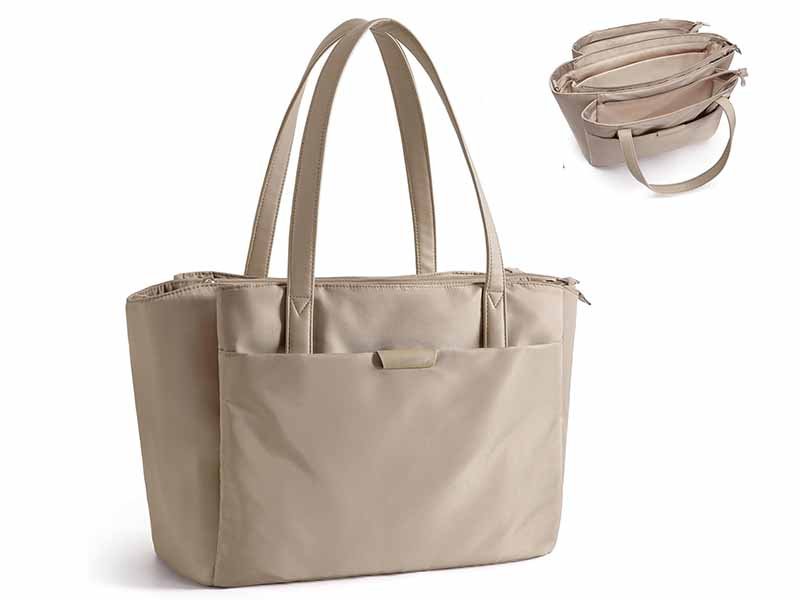
When designing a tote bag, the choice of inner pocket design is pivotal. It determines the bag’s functionality, its ability to organize contents, and even its potential as a promotional tool or retail product. But when you design a tote bag, should you focus on retail or promotional needs? Retail bags usually require practical, durable pockets that cater to regular use, while promotional tote bags often prioritize simplicity and cost-efficiency. The choice of inner pocket style and function depends heavily on these two main factors. For retail tote bags, durability and functional organization are crucial. Larger, structured pockets help users keep their items neatly arranged and protected. Promo tote bags, however, prioritize cost-effectiveness and flexibility, typically opting for smaller, simpler pockets that provide just enough organization without adding complexity or cost.
This article will explore how to design pockets that meet both retail and promotional needs, helping you decide which pocket styles and sizes are best suited to your goals. Whether you need a durable, long-lasting bag or a budget-friendly giveaway, the right pocket design makes all the difference.
What Are Inner Pockets in Tote Bags?
Inner pockets are essential components of tote bags, providing both organization and security. These compartments are tailored to store smaller items like keys, phones, and wallets, ensuring they don’t get lost at the bottom of the bag. Their design and size vary based on whether the bag is intended for retail or promotional purposes.
What Functions Do Inner Pockets Serve?
The main functions of inner pockets in tote bags extend beyond simple storage. Here’s a closer look at the variety of purposes they serve:
- Organization: Inner pockets ensure that small items don’t get tangled or lost in the larger space of the bag, allowing for better organization.
- Security: Zippered or closed pockets keep valuables such as cash, cards, or electronics safe from theft or accidental loss.
- Accessibility: Well-designed pockets provide easy access to items like a phone, making them ideal for daily use. For promotional bags, quick access is key, as the pockets often store items such as brochures or business cards.
For retail tote bags, functionality and security are paramount, while promo bags can afford to prioritize accessibility over long-term protection.
Data Table – Pocket Functions by Bag Type:
| Pocket Function | Retail Tote Bags | Promotional Tote Bags |
|---|---|---|
| Organization | Multiple, larger pockets for various items | One or two pockets for essentials |
| Security | Zippered pockets for valuables | Less emphasis on security |
| Accessibility | Easy access for daily essentials | Quick access to promotional materials |
What Are Common Inner Pocket Types?
The inner pockets of tote bags come in a range of styles, each suited to different needs and preferences:
- Zippered Pockets: The most secure option, great for storing valuables such as phones, cash, or cards. Common in retail tote bags due to their ability to keep items safe.
- Slip Pockets: These are open, accessible pockets perfect for quick access. They are often used for items like a phone or travel documents, and are common in promo tote bags where quick access is a priority.
- Mesh Pockets: Ideal for items that need to breathe or stay visible, such as water bottles or cosmetics. Mesh pockets are often used in promo bags, especially for giveaways or beach bags.
- Divided Compartments: These pockets separate items within a single section, offering more detailed organization. They’re useful in retail bags, especially those designed for frequent users who need a lot of internal organization.
Pocket Type Comparison:
| Pocket Type | Features | Ideal Use |
|---|---|---|
| Zippered Pockets | High security, full closure | Retail bags, for valuables |
| Slip Pockets | Easy access, no closure | Promo bags, quick access to essentials |
| Mesh Pockets | Visibility, breathability | Promo bags, gym, or beach bags |
| Divided Compartments | Multiple internal sections | Retail bags, for organized storage |
- Sewn dividers or adjustable pockets are often used to create divided compartments in retail bags, offering flexibility to organize various items.
Why Design Pockets Differ for Retail vs Promo Bags?
The design of inner pockets varies significantly between retail and promo bags due to differences in their intended use. Retail bags demand durability, organization, and functionality for regular use, while promo bags focus more on simplicity, cost-effectiveness, and quick access for branded items.
Are Retail Tote Bags Used Differently?
Retail tote bags are designed to handle the demands of everyday use. Consumers expect these bags to be durable and functional, with large pockets that help organize daily necessities. From keeping phones and wallets secure to storing books or cosmetics, retail tote bags need to be versatile and long-lasting.
- Retail bags should prioritize large, sturdy pockets that can hold a variety of items. Zippered pockets are essential for security, and divided compartments can help organize personal items.
- Frequent Use: The pockets in retail bags are often reinforced to withstand frequent use and heavier items.
Design Features for Retail Tote Bags:
- Larger, more secure pockets for laptops, books, and other personal items.
- Durable materials like heavy-duty cotton, canvas, or recycled polyester ensure that the bag lasts for a long time, even with daily use.
Table – Pocket Design for Retail Bags:
| Design Feature | Functionality | Example Use Case |
|---|---|---|
| Large Zippered Pockets | Secure valuables for daily use | Work bags, travel bags |
| Divided Compartments | Organize various items | Office totes, shopping bags |
| Reinforced Pockets | Withstand heavy items | Retail bags, reusable shopping bags |
Are Promo Tote Bags Used Differently?
Promo tote bags are often designed for one-time use or special events, so their pocket designs need to cater to simpler needs. These bags are generally used for carrying promotional materials, like business cards, flyers, or giveaways.
- Promo bags should focus on cost-effectiveness and accessibility, as the goal is to distribute them at events or giveaways.
- Pockets in promo bags are generally smaller and often open, with minimal emphasis on security.
For promotional use, the design should be straightforward—just enough organization for essential materials but not overcomplicated or costly. A small zippered pocket or a single slip pocket for cards or leaflets is usually sufficient.
Design Features for Promo Tote Bags:
- Smaller, more flexible pockets for quick access to business cards or event flyers.
- Lightweight materials such as polyester or nonwoven fabrics to keep costs down.
Table – Pocket Design for Promo Bags:
| Design Feature | Functionality | Example Use Case |
|---|---|---|
| Small Slip Pockets | Quick access for promotional materials | Event giveaways, trade shows |
| Single Large Compartment | Simple organization for bulk items | Conferences, corporate giveaways |
| Eco-friendly Materials | Sustainable and cost-effective | Branded gifts, eco-friendly campaigns |
How to Choose Pocket Styles
Choosing the right pocket style is essential to meet the needs of your specific target audience. For retail bags, larger, more durable pockets are necessary for frequent use, while promo bags benefit from simpler, flexible designs for easy access to promotional materials.
What Pocket Type Works for Daily Use?
For daily use in retail tote bags, pockets should be designed to hold a variety of items comfortably. Larger zippered pockets are perfect for securing valuables like phones and wallets, while slip pockets offer easy access to smaller essentials, such as business cards, tissues, or pens. For promo bags, smaller, versatile pockets allow customers to quickly grab promotional materials such as flyers, brochures, or coupons.
- Retail Bags: Multiple zippered pockets for higher-value items and divided sections for various categories like wallets, makeup, and keys.
- Promo Bags: Simple slip pockets for easy access to essentials such as flyers or business cards.
Daily Use Pocket Design Breakdown:
| Pocket Type | Functionality | Best Use |
|---|---|---|
| Zippered Pockets | Secure valuables | Daily use, high-security retail bags |
| Slip Pockets | Quick access to essentials | Promo bags, trade shows, giveaways |
| Divided Compartments | Organize various items | Retail bags, work bags, shopping totes |
- Retail bags prioritize organization with divided sections for different items.
- Promo bags focus on accessibility and simplicity, using slip pockets for essential items.
Which Pocket Styles Improve Organization?
To ensure optimal organization, the design of pockets is critical. For retail bags, where users carry a wide range of items daily, the use of divided compartments can enhance efficiency. Divided pockets separate items such as electronics, cosmetics, or stationery, ensuring that everything stays organized and easy to find. For promo bags, organizing isn’t always a necessity, but having a single divided pocket or an open slip pocket is useful for holding promotional materials like business cards, coupons, or event flyers.
Comparison Table of Pocket Styles for Organization:
| Pocket Type | Organization Level | Retail vs Promo Use |
|---|---|---|
| Divided Compartments | High, organizes multiple items | Retail bags, professional use |
| Slip Pockets | Moderate, quick access | Promo bags, giveaways |
| Zippered Pockets | High, secures valuables | Retail, heavy-duty use |
- Retail Bags: Multiple divided compartments allow for organized storage.
- Promo Bags: Simpler slip pockets or single large compartments work best for event giveaways.
How Do Pocket Sizes Matter?
The size of pockets plays a pivotal role in a bag’s functionality. For retail bags, users expect larger pockets that can store a range of items, from tablets to keys and phones. The pocket size should also be considered in relation to the overall size of the tote bag—large bags need ample pocket space, while smaller bags benefit from compact, efficient pockets. For promo bags, the pocket size tends to be smaller, just large enough to hold promotional materials, such as brochures, coupons, or business cards.
Pocket Size Comparison by Use:
| Pocket Size | Functionality | Best Use |
|---|---|---|
| Large Pockets | Organize bulky or larger items | Retail, daily use, travel |
| Small Pockets | Hold smaller essentials or cards | Promo bags, event giveaways |
| Medium Pockets | Hold phones, keys, and small items | Both retail and promotional use |
- Retail bags need larger pockets for everyday items like wallets, tablets, and keys.
- Promo bags only require smaller pockets for quick, easy access to flyers and business cards.
What Materials Best for Inner Pockets
The choice of material for the inner pockets plays a significant role in both the functionality and aesthetic of a tote bag. Retail tote bags demand durable, long-lasting fabrics, while promo bags can use more affordable materials that still provide basic functionality.
Do Material Types Affect Pocket Durability?
The durability of inner pockets is largely dependent on the material used. For retail tote bags, you need sturdy materials like heavy-duty cotton canvas, denim, or polyester that can withstand frequent use. On the other hand, promo tote bags often prioritize cost-effectiveness, so materials like non-woven polypropylene or lightweight polyester are more commonly used.
- Retail Bags: Strong fabrics like canvas or denim are essential to handle everyday wear and tear.
- Promo Bags: Lighter materials like polyester or non-woven polypropylene can reduce production costs while still providing a functional pocket design.
Material Durability Table:
| Material Type | Durability | Ideal Use Case |
|---|---|---|
| Heavy-Duty Cotton Canvas | High, long-lasting | Retail bags, heavy-duty use |
| Polyester | Moderate | Both retail and promo, lightweight |
| Non-Woven Polypropylene | Low to moderate | Promo bags, cost-effective use |
- Retail bags require durable, long-lasting materials to ensure the bags last.
- Promo bags can afford to use lightweight, inexpensive materials without sacrificing basic function.
Which Materials Are Comfortable vs Premium?
When designing inner pockets, comfort is also a factor. For retail bags, the material used should not only be durable but also feel pleasant to the touch. Materials like soft cotton linings or soft felt can add a premium feel to the bag, enhancing the overall customer experience. For promo bags, comfort might not be the top priority, but it’s still important to ensure that the pocket material is not too rough or uncomfortable for the items it holds.
- Premium Retail Bags: Materials like soft felt or satin linings can elevate the bag’s feel.
- Promo Bags: Basic polyester or canvas will keep the pocket functional but may not prioritize comfort.
Comfort vs. Functionality Comparison:
| Material Type | Comfort Level | Functionality | Best Use |
|---|---|---|---|
| Soft Felt | High | Moderate to high | Premium retail bags, high-end uses |
| Polyester/Cotton | Moderate | High | Retail and promo bags |
| Non-Woven Fabric | Low | Moderate | Budget-friendly promo bags |
- Retail bags might include more comfortable, premium materials for inner pockets, while promo bags typically use functional yet cost-effective materials.
Is Water-Resistance Important?
For retail bags, especially those used in all-weather conditions, water-resistant materials are a must. Waterproof or water-resistant fabrics like nylon or polyester can help ensure that the contents of the inner pocket stay dry during inclement weather. Promo bags, being used primarily for indoor events or light-duty tasks, typically don’t require as much focus on water resistance.
- Retail Bags: Use water-resistant materials for added protection, especially for electronics or documents in inner pockets.
- Promo Bags: Less focus on water resistance, as they are usually used in controlled environments.
How to Optimize Pockets for Branding and Promotion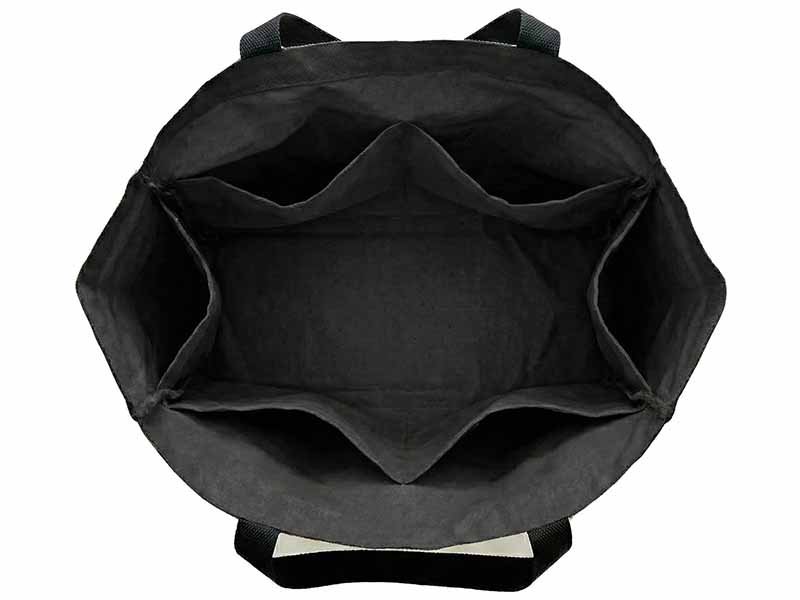
Optimizing pockets for branding and promotion is essential for maximizing the visibility and functionality of tote bags. Whether it’s a retail bag or a promo giveaway, the way pockets are designed and branded can make a significant impact on the customer’s perception of the brand. This section will explore how to strategically position branding elements on inner pockets and the best practices for integrating them into your bag design.
How Do Pockets Support Promo Visibility?
In promotional tote bags, pockets are more than just functional components—they’re a branding tool. Using the pockets to showcase logos, promotional messages, or contact information enhances the bag’s visibility without overwhelming the overall design. Inner pockets are a particularly subtle way to introduce branding, and their placement inside the bag can be leveraged for additional exposure.
Optimal Use of Pockets for Branding:
- Inner pockets can be designed to include brand logos or company tags—this adds a personal touch while subtly promoting the brand when the bag is used.
- Custom printed labels or small tags sewn into inner pockets can carry important details, such as the brand’s website, phone number, or social media handles.
For an eco-friendly brand, placing a recycled fabric logo on the inside of a tote bag pocket can remind customers of the company’s values every time they use the bag, reinforcing the brand’s message of sustainability.
Brand Visibility in Different Pocket Locations:
| Pocket Location | Branding Effectiveness | Best Use Case |
|---|---|---|
| Inside Pockets | Subtle, minimal branding | Premium branding in retail bags |
| Front Inner Pocket | High visibility, quick access | Promo giveaways, events |
| Back of Pockets | Discreet branding, durable | High-end retail bags with a premium feel |
- Inside pockets are ideal for subtle branding, which works well in premium retail bags where the branding complements the overall design.
- Front pockets are best for high visibility branding in promo bags or event giveaways where quick visibility is essential.
Which Pocket Placement Enhances Brand Use?
The placement of pockets in a tote bag can greatly influence the effectiveness of the branding. For promo bags, pockets located in strategic, visible areas can help increase the chances of people noticing and engaging with the brand. On the other hand, retail bags often benefit from subtle, less obtrusive pocket placements, aligning with the bag’s overall design aesthetics.
- Promo Bags: Positioning the pocket near the top or front of the bag ensures it’s easily accessible and visible to others, enhancing the chance of it being noticed in public spaces.
- Retail Bags: For premium retail bags, placing the pocket on the inside or at the back ensures the bag maintains a clean look while still providing branding opportunities.
Effective Pocket Placement Table:
| Placement Type | Visibility | Branding Strength | Ideal Use |
|---|---|---|---|
| Inner Pockets | Low visibility | Subtle branding | Retail bags, brand-focused packaging |
| Front Inner Pockets | High visibility | Prominent branding | Promo giveaways, trade shows |
| Outer Pockets | Moderate | Strong visibility | Retail bags, cross-promotion events |
- Inner pockets provide discreet branding, great for subtle, luxury or premium brands.
- Outer or front pockets are perfect for bold branding, especially for promotional bags designed to capture attention.
Do Custom Labels or Logos Belong Inside?
Incorporating custom labels or logos inside the pocket of a tote bag is an effective way to enhance its personalized appeal. For retail bags, custom labels are often sewn into the inner pocket lining or along the edge of the bag, subtly adding a touch of exclusivity. For promo bags, this approach can provide lasting brand exposure without overtly advertising.
- Custom Tags on Pockets: Adding a small embroidered logo or custom tag on the edge of an inner pocket ensures that the brand is still present even when the bag is opened. This can be especially effective for premium retail bags that are meant to be used daily, offering continuous brand presence.
- Interior Branding for Promo Bags: For promo bags, printed labels or small logos on the inside of the pocket can remind users of the event or business sponsoring the giveaway, providing passive promotion.
Label and Logo Customization Example:
| Label Placement | Visibility | Branding Value | Ideal Use |
|---|---|---|---|
| Inside Pocket Tags | Low visibility | Subtle, lasting impression | Retail bags, long-term use |
| Printed Pocket Logos | High visibility | Active promotional tool | Promo bags, giveaways, events |
- Printed or embroidered labels can be customized to match the bag’s design, ensuring a professional look for retail bags and a memorable giveaway for promo bags.
Do Inner Pockets Add Value to the Brand?
Yes, inner pockets can be seen as an extension of the brand’s identity. By carefully designing inner pockets to suit the intended use, brands can offer added value through functionality and thoughtful design.
- For retail bags, inner pockets that are well-sized, functional, and secure add significant value to the product, making the bag more useful and appealing to customers. The practical design can lead to a higher perceived value and repeat usage.
- In promo bags, inner pockets provide a sense of quality and organization, which can make the giveaway feel more premium, even if the bag’s cost is low.
Brand Value Through Pocket Design:
| Pocket Feature | Impact on Brand Value | Ideal Use |
|---|---|---|
| Secure Zippered Pockets | Adds value, premium feel | Retail bags, high-end product bags |
| Simple Slip Pockets | Practical, low-cost | Promo giveaways, event bags |
- Retail Bags: High-quality, functional inner pockets can elevate the bag’s perceived value.
- Promo Bags: Simple slip pockets that are practical for holding branded materials create a positive association with the brand.
How to Choose the Right Pocket Design for Your Needs
Choosing the right pocket design for your tote bags depends on understanding your target audience, bag usage, and specific organizational needs. Whether you’re designing for retail customers who value durability and organization, or promotional giveaways that prioritize simplicity and accessibility, the pocket design can make or break the product’s functionality.
What Questions Should Brands Ask?
To make an informed decision on pocket design, brands need to consider several important factors. These questions help ensure the pockets are both functional and aesthetically aligned with the bag’s purpose.
- Who is the end user?
- Retail: Are they professionals, students, or travelers? Retail customers often need larger pockets to organize a wide range of personal items.
- Promo: Will the user be attending an event, shopping, or using the bag temporarily? Promo bags often serve one-time needs like event giveaways, so the pockets need to be easy to use.
- What are the primary items that need to be stored?
- Retail: Does the bag need to hold larger items like tablets or laptops? In this case, the pocket needs to be deep and secure.
- Promo: Are the pockets intended to hold promotional materials (like brochures, business cards, or small giveaways)? A simple slip pocket might be sufficient for quick access.
- How will the bag be used?
- Retail: Is it for everyday use, travel, or shopping? If so, the pocket design should offer both organization and security for daily items.
- Promo: Is the bag intended to be used just for an event or giveaway? In this case, lightweight materials and easy-to-access pockets work best.
Key Considerations Table:
| Question | Retail Bags | Promo Bags |
|---|---|---|
| Target User | Professionals, shoppers, travelers | Event attendees, giveaway recipients |
| Primary Items Stored | Electronics, books, daily essentials | Promotional materials (flyers, cards) |
| Usage | Frequent, everyday use | One-time use, giveaways, short-term use |
- Retail bags need pockets that cater to daily organization and security of various items.
- Promo bags should focus on easy access for marketing materials and lightweight design.
How Do Retail Buyers Evaluate Pocket Design?
Retail buyers place significant value on the usability and durability of a tote bag, and this extends to the inner pocket design. They evaluate how well the pockets meet the practical needs of consumers in everyday life. Retail bags often need to hold larger, heavier items, so pockets must be robust and spacious.
Key Features for Retail Pocket Design:
- Size and Structure: Pockets should be large enough to store everything from phones to notebooks and even small laptops. A divided pocket system works best for users who want to keep items separated and organized.
- Zippers and Security: Zippered pockets add an extra layer of security, ideal for valuables like wallets or keys. Buyers will look for reinforced stitching to ensure the pockets don’t rip with daily use.
- Accessibility: Pockets should be easy to access while still keeping the contents safe. Consumers will appreciate an intuitive design where smaller items are easily reachable.
Retail Pocket Design Preferences:
| Feature | Ideal Use | Best for Retail Bags |
|---|---|---|
| Large Zippered Pockets | Secure valuable or fragile items | Office bags, daily-use bags |
| Divided Compartments | Organize various items (laptop, wallet) | Professional use, shopping totes |
| Reinforced Stitching | Durable design for heavy usage | High-quality retail bags |
- Retail buyers prioritize larger, more secure pockets with added durability for frequent use.
How Do Promo Buyers Evaluate Pocket Design?
Promo buyers evaluate pockets based on simplicity and cost-efficiency, focusing on bags that serve one-time use or short-term needs. For these buyers, the goal is to create functional yet inexpensive bags for events, giveaways, and promotional campaigns. The pockets should hold small promotional items or marketing materials, but not overwhelm the bag’s design or inflate production costs.
Key Features for Promo Pocket Design:
- Minimalistic Pockets: Simple slip pockets are the most cost-effective and practical option for promo bags. They offer just enough space to store small essentials like business cards or event flyers.
- Cost Efficiency: Materials should be lightweight and affordable to keep production costs low. The pocket should serve a functional purpose without adding unnecessary complexity.
- Visibility: The pocket should be placed in a highly visible area for branding, such as the front inner pocket. This placement allows users to access promotional materials quickly.
Promo Pocket Design Preferences:
| Feature | Ideal Use | Best for Promo Bags |
|---|---|---|
| Simple Slip Pockets | Store business cards, promotional items | Corporate giveaways, trade show bags |
| Minimalist Design | Reduce production costs | Events, conferences, brand giveaways |
| Front Inner Pockets | Enhance brand visibility | Promotional use, quick access |
- Promo buyers focus on cost-effective, visible pockets that hold promotional materials and are easy to access.
How Do Pocket Sizes Matter?
The size of the pockets directly affects both functionality and aesthetic appeal. For retail bags, customers expect enough space to store personal items such as phones, wallets, keys, and even documents. Larger pockets are needed to hold a wide variety of items comfortably. In contrast, promo bags usually only need smaller pockets that can hold essentials like business cards, brochures, or small giveaways.
Pocket Size Considerations:
| Pocket Size | Ideal Functionality | Retail vs Promo |
|---|---|---|
| Large Pockets | Store larger items (books, laptops) | Retail bags, work bags, travel bags |
| Small Pockets | Store smaller promotional items | Promo bags, giveaway events |
| Medium Pockets | Store medium-sized items (phones) | Both retail and promo bags |
- Retail bags need large pockets for better organization and to fit a variety of items.
- Promo bags can use smaller pockets focused on quick, easy access to promotional items.
Conclusion
Designing the perfect inner pocket for your tote bag requires careful consideration of your target audience and intended use. For retail tote bags, customers prioritize durability, organization, and security, so pockets must be larger, well-structured, and secure. On the other hand, promo tote bags focus on simplicity, cost-efficiency, and quick access, with smaller, more flexible pockets that hold promotional materials and essentials.
When selecting the right pocket style and design for your tote bags, here are a few key takeaways:
- Retail bags need larger, more secure pockets that offer long-lasting organization for daily use. Zippered pockets and divided compartments work well for holding multiple items like wallets, phones, and documents.
- Promo bags are best suited for smaller, simpler pockets, typically slip pockets for quick access to materials like business cards or promotional flyers.
- The material of the pockets is important for both functionality and aesthetics. Retail bags benefit from sturdy, long-lasting fabrics, while promo bags can afford to use lightweight, cost-effective materials.
Ultimately, the right inner pocket design can make all the difference in the user experience, whether you’re designing for a high-end retail brand or creating promotional giveaways. The pockets not only help with organization and protection but also serve as a canvas for branding and enhancing the bag’s overall appeal.
Create Custom Tote Bags with Szoneier
At Szoneier, we specialize in designing and manufacturing custom tote bags with high-quality inner pockets tailored to your specific needs. Whether you need a durable retail bag or a budget-friendly promotional giveaway, we offer a range of customizable options to help you create the perfect tote bag for your business or event.
With over 18 years of experience in bag design and manufacturing, we provide:
- Low MOQ customization for both retail and promo bags.
- Fast production and delivery times to meet your project deadlines.
- Free design services, so you can work with our experts to create the ideal inner pocket design and overall look for your tote bags.
- 100% quality assurance to ensure your bags meet the highest standards.
Contact us today to request a quote, discuss your design ideas, or place an order for custom tote bags with tailored inner pockets.