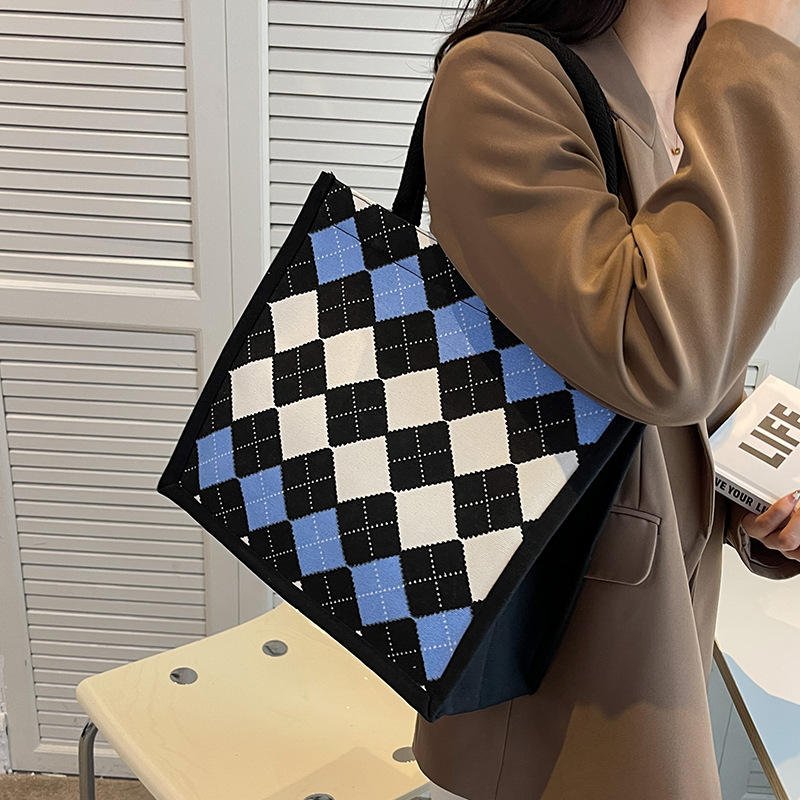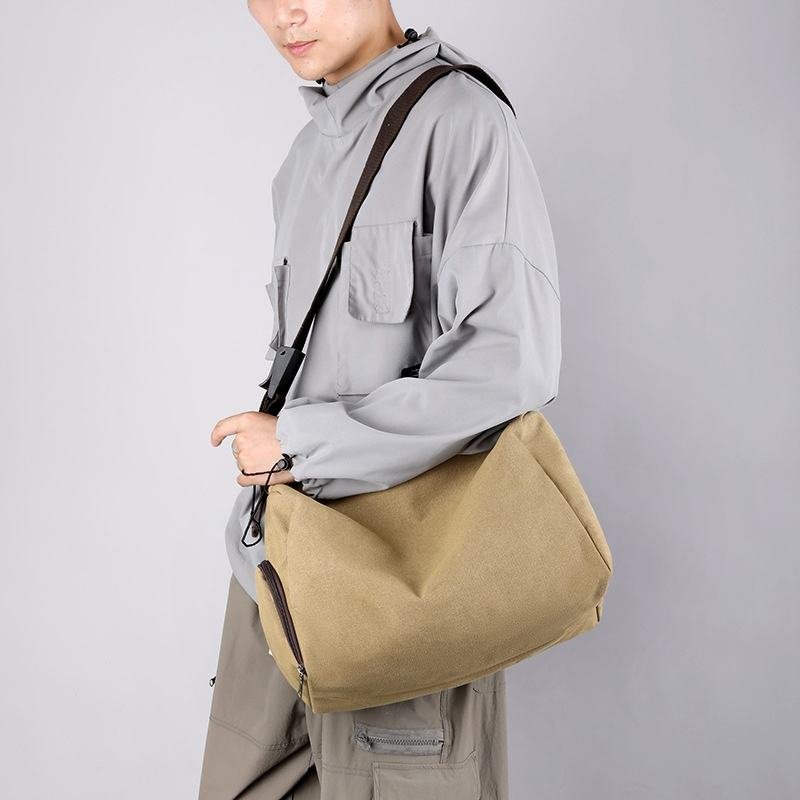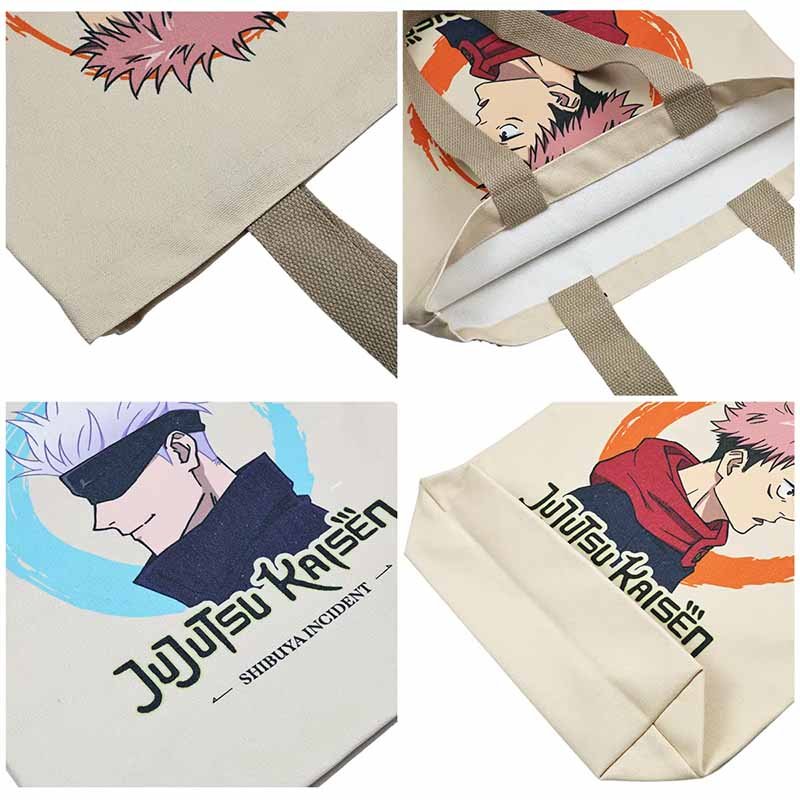
A canvas tote bag looks simple, and that is exactly why many people underestimate how much manufacturing judgment goes into making it well. A tote bag has no complicated frame, no molded shell, and no hidden hardware system to distract from mistakes. If the fabric is too thin, customers feel it immediately. If the stitching is weak, the handles fail first. If the proportions are off, the bag hangs badly on the shoulder. If the print cracks or fades, the brand image drops with it. In other words, simple products leave very little room to hide poor workmanship.
That is one reason canvas tote bags remain such an important product category for retailers, promotional companies, e-commerce sellers, and private label brands. They are affordable enough to produce in volume, useful enough to be reused again and again, and visible enough to carry a logo into daily life. A good tote bag can function as packaging, merchandise, gift-with-purchase, shopping bag, bookstore bag, fashion accessory, or travel carryall. A bad one becomes waste almost immediately.
A canvas tote bag is a reusable carry bag made from woven canvas fabric, usually cotton or cotton-blend, with stitched handles and an open or zippered top. It is manufactured through fabric selection, pattern development, cutting, printing, sewing, handle reinforcement, inspection, and packing. The final product must balance durability, appearance, carrying comfort, and price.
Many sourcing problems start before sewing even begins. The wrong canvas weight, poor handle length, weak reinforcement, or an unsuitable print method can turn a promising design into a bag customers stop using after a few weeks. That is why understanding how canvas tote bags are manufactured is not just helpful factory knowledge. It helps brands choose the right specification, avoid avoidable claims, and build a product customers will actually keep, reuse, and remember.
What Is a Canvas Tote Bag?
A canvas tote bag is a carry bag made from durable woven canvas fabric and designed with two handles for hand-carrying or shoulder use. It is used for shopping, commuting, events, gifting, packaging, and everyday storage because canvas offers a strong balance of durability, printability, reusability, and cost control. Compared with disposable bags or thin nonwoven bags, a canvas tote bag feels more substantial, lasts longer, and creates a stronger brand impression.
What Defines a Canvas Tote Bag?
The first thing that defines a canvas tote bag is the fabric itself. Canvas is a dense woven material, traditionally cotton-based, known for strength, abrasion resistance, and a firm hand feel. That dense weave is what gives tote bags their practical value. A well-made canvas bag can carry books, groceries, laptops, samples, or daily essentials without feeling flimsy.
But “canvas” in the market is broader than many clients expect. Two bags can both be called canvas tote bags while performing very differently. The difference comes from details such as:
- fabric weight
- yarn quality
- weave density
- pre-washing or finishing
- dye consistency
- shrinkage control
- handle construction
- seam reinforcement
Among these, fabric weight is one of the most important. Most tote bag canvas is described in ounces per square yard, and small changes in weight can create a noticeable difference in feel and performance.
A light promotional tote may use 6 oz to 8 oz canvas. It is cheaper, easier to fold, and suitable for low-load applications. A retail or everyday tote may use 10 oz to 12 oz canvas, which gives better body and more confidence in use. A premium or heavy-duty tote may use 14 oz to 16 oz canvas, sometimes even more, for stronger structure and longer product life.
Here is a practical breakdown:
| Canvas Weight | Product Feel | Carrying Strength | Best For | Main Trade-Off |
|---|---|---|---|---|
| 6–8 oz | Light and soft | Basic to moderate | Events, giveaways, low-cost promotions | Less structure, lower load confidence |
| 10–12 oz | Balanced and practical | Good | Retail totes, daily shopping bags, bookstore bags | Slightly higher cost |
| 14–16 oz | Strong and substantial | High | Premium totes, grocery use, heavier contents | Heavier shipping weight |
A canvas tote bag is also defined by its structure. Most use a simple body with front panel, back panel, side seams, bottom seam or gusset, and two handles. But the small design changes matter a lot. A flat tote feels different from a gusseted tote. A long shoulder handle behaves differently from a short hand-carry handle. An open-top tote is easier to use, while a zip-top tote gives more security.
In real production, a good canvas tote bag is not defined by one feature alone. It is defined by how the fabric, handles, sewing, and proportions work together. That is why a bag can look basic but still feel premium when the details are done correctly.
Why Is a Canvas Tote Bag Popular?
Canvas tote bags are popular because they fit the real way people shop, travel, work, and carry daily items. They are not a trendy one-season product. They solve a simple problem well: people need a bag that is easy to carry, easy to store, and strong enough to use repeatedly.
From a commercial point of view, canvas totes are attractive because one product can serve many roles:
- retail shopping bag
- branded merchandise
- packaging add-on
- event giveaway
- bookstore bag
- beach bag
- grocery tote
- promotional gift
- fashion accessory
- daily commuter bag
This versatility matters to brands. A product that can cross between utility and branding usually gives better long-term value. A canvas tote bag is not thrown away after a single use in the way many disposable packaging formats are. If the bag is well made, it may stay in circulation for months or even years, which means the brand printed on it also stays visible.
Another reason for its popularity is print area. Tote bags provide a broad, flat surface that works well for logo display, campaign artwork, typography, illustrations, and seasonal graphics. This makes them especially useful for:
- coffee brands
- bookstores
- museums
- fashion labels
- cosmetics brands
- trade show exhibitors
- subscription box businesses
Cost efficiency is another key driver. Compared with more structured bags, canvas totes are easier to sample, easier to modify, and usually cheaper to ship and store. That gives clients room to test multiple versions without taking on the development burden of a highly engineered bag.
The comparison below shows why canvas remains a strong commercial choice.
| Product Factor | Canvas Tote Bag | Plastic Bag | Thin Nonwoven Bag |
|---|---|---|---|
| Reuse value | High | Very low | Moderate |
| Brand visibility over time | High | Low | Medium |
| Carry comfort | Better | Low | Moderate |
| Print presentation | Strong | Limited | Decent |
| Perceived value | Higher | Low | Low to medium |
| Product life | Longer | Short | Short to medium |
Of course, popularity also brings competition. The market is full of cheap canvas bags that look acceptable in product photos but fail in use because the fabric is underweight, the handle stitching is weak, or the seams are poorly reinforced. That is why popularity alone is not the point. The real question is whether the bag is made to be reused with confidence.
Where Is a Canvas Tote Bag Used?
One of the biggest reasons brands continue to develop canvas tote bags is that the same base product can serve very different industries with only minor design changes. That makes tote bags commercially flexible and easy to expand into multiple SKUs.
In retail, canvas totes are widely used as reusable shopping bags. Supermarkets, bookstores, clothing stores, and gift shops choose them because customers can reuse them and because they offer more perceived value than disposable packaging. A basic branded tote can turn a simple purchase into a more visible and useful brand touchpoint.
In the promotional market, canvas tote bags are a standard event product because they are practical and visible. At trade shows and conferences, people immediately start using the bag to carry brochures, samples, notebooks, and giveaways. That means the print area starts working as brand exposure on the same day.
In fashion and lifestyle categories, tote bags have moved beyond utility. A well-designed canvas tote can be part of a seasonal collection, a limited-edition collaboration, or a private label product line. Small upgrades such as lining, zipper closure, inner pockets, piping, leather trim, or custom handles can move the product from basic merchandise to retail-ready accessory.
Canvas totes are also widely used in:
- grocery programs
- university merchandise
- museum gift shops
- cosmetic gift sets
- travel and beach retail
- home and lifestyle brands
- corporate welcome kits
Here is a simple view of how the product shifts by market:
| Market | Common Tote Bag Use | What Matters Most |
|---|---|---|
| Retail stores | Reusable shopping bag | Cost, logo visibility, durability |
| Promotional events | Giveaway bag | Price, print area, delivery speed |
| Fashion brands | Lifestyle accessory | Fabric quality, finish, shape |
| Education | Book and laptop carrier | Load strength, handle comfort |
| Travel and leisure | Beach or casual tote | Capacity, washability, style |
For custom development, this broad usage is important because it allows a factory like Szoneier to support many product directions from one core category. A simple cotton tote, a gusseted grocery tote, a zippered beach tote, and a lined fashion tote may all begin with the same core manufacturing knowledge but require different material, sewing, and reinforcement decisions.
That is why clients who understand the actual use case early usually get better results. The question is not only “Can you make a canvas tote bag?” The better question is “What kind of canvas tote bag will still work well after repeated use in the customer’s real environment?”
Which Materials Are Used in a Canvas Tote Bag?
The performance of a canvas tote bag is largely determined by the materials used to produce it. While the term “canvas bag” sounds simple, the final product is actually a combination of several material components working together: the canvas fabric itself, handle materials, reinforcement elements, printing layers, and optional accessories.
Choosing the correct materials influences several critical outcomes:
- how much weight the bag can safely carry
- how long the bag will last under daily use
- how well the logo printing remains visible over time
- how comfortable the bag feels when carried
- whether the bag maintains its shape after repeated washing
For brands developing private-label tote bags or promotional merchandise, material selection is often the stage where the biggest quality differences appear.
Which Canvas Is Used in a Canvas Tote Bag?
Canvas fabric is the foundation of every canvas tote bag, but not all canvas fabrics perform the same way. In manufacturing, canvas fabrics differ in fiber composition, weave density, and finishing treatments.
Most tote bags are produced from cotton canvas, which provides natural breathability, strong fiber bonding, and good print compatibility. Cotton fibers create a slightly textured surface that holds ink well and gives the bag its classic appearance.
Some manufacturers also produce canvas blends that combine cotton with polyester fibers. These blends can improve wrinkle resistance and reduce shrinkage after washing.
The most common canvas types used in tote bags include:
- natural cotton canvas
- dyed cotton canvas
- recycled cotton canvas
- cotton-polyester canvas blends
Each type offers advantages depending on the intended market.
For example, natural cotton canvas is popular for eco-focused brands because it maintains a raw, organic look. Dyed canvas allows brands to develop colored bags that match brand identity or seasonal collections.
Below is a comparison of common canvas materials used in tote bag manufacturing.
| Canvas Type | Visual Style | Durability | Best Application |
|---|---|---|---|
| Natural cotton canvas | Raw, organic | Good | Eco-friendly brands |
| Dyed cotton canvas | Solid color | Good | Retail fashion totes |
| Recycled cotton canvas | Sustainable appearance | Moderate | Eco-conscious markets |
| Cotton-polyester blend | Smoother surface | Very good | Durable retail bags |
In production planning, fabric density also matters. A tightly woven canvas offers stronger tear resistance and improved structure. If the weave is too loose, the bag may stretch or deform under load.
This is why professional factories perform fabric inspection before production begins. Consistent fabric density helps ensure the finished bags maintain their intended shape.
Which Handles Fit a Canvas Tote Bag?
Handles are one of the most important structural elements in a canvas tote bag. They are responsible for carrying the full weight of the bag’s contents, which means their construction must be carefully designed.
Most tote bag handles are made from one of the following materials:
- cotton webbing
- canvas fabric handles
- polyester webbing
- rope handles
Cotton webbing handles are widely used because they combine strength with comfort. The dense woven structure distributes weight evenly across the shoulder.
Canvas fabric handles are created using the same material as the bag body. These handles provide visual consistency and can be reinforced with additional stitching to increase strength.
Handle length also plays an important role in usability. Short handles are suitable for hand-carry tote bags, while longer handles allow comfortable shoulder carrying.
The table below shows common handle configurations used in tote bag manufacturing.
| Handle Type | Strength | Comfort | Typical Application |
|---|---|---|---|
| Cotton webbing | High | Very good | Retail shopping totes |
| Canvas folded handle | Good | Good | Fashion tote bags |
| Polyester webbing | Very high | Moderate | Heavy-duty bags |
| Rope handle | Moderate | Good | Beach or lifestyle bags |
In quality manufacturing, handles are often reinforced with box stitching or cross stitching patterns. These reinforcement stitches distribute load and prevent handle tearing even when the bag carries heavy items.
A well-designed reinforcement area can support loads of 10–15 kg, depending on the fabric weight and stitching method.
Which Prints Work on a Canvas Tote Bag?
Printing is a key step in tote bag customization because it transforms a simple carry bag into a branded product. Canvas fabric works well with several printing techniques, each suited to different graphic styles and order quantities.
The most widely used printing methods include:
- screen printing
- heat transfer printing
- digital printing
- embroidery
Screen printing is the most common technique for tote bags because it produces bold, durable logos at a relatively low cost for medium to large production runs.
Heat transfer printing allows more complex color designs but may require additional finishing steps to ensure durability.
Digital printing is useful for small runs or multi-color artwork that would be difficult to reproduce with traditional screen printing.
Embroidery, although less common for large graphics, is sometimes used to create premium logo details.
Below is a comparison of these printing techniques.
| Printing Method | Color Range | Durability | Ideal Order Size |
|---|---|---|---|
| Screen printing | Limited colors | Very durable | Medium to large runs |
| Heat transfer | Full color | Durable | Small to medium runs |
| Digital printing | Full color | Good | Short runs |
| Embroidery | Limited colors | Very durable | Premium designs |
Printing quality depends not only on the method but also on the surface preparation of the fabric. Pre-washed or properly treated canvas ensures better ink adhesion and reduces the risk of fading after washing.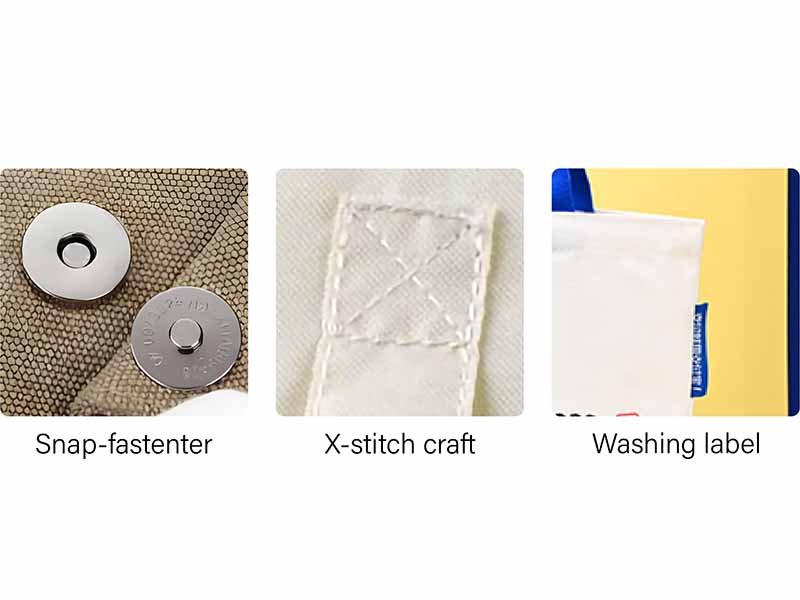
How Is a Canvas Tote Bag Designed?
Designing a canvas tote bag involves much more than selecting a size and adding a logo. Good design ensures the bag functions well, carries weight safely, and maintains its shape over time.
Manufacturers and designers typically evaluate several key factors during the development stage:
- bag dimensions
- gusset structure
- handle length and placement
- reinforcement zones
- pocket configuration
Each design choice influences the overall usability and production cost of the tote bag.
How Do Designers Plan a Canvas Tote Bag?
The design process usually begins by identifying the main purpose of the tote bag. For example, a promotional giveaway bag may prioritize cost efficiency and large print space, while a retail tote bag may emphasize durability and style.
Designers often start with sketches or digital models that define the bag’s structure. These designs specify panel dimensions, handle attachment points, and printing areas.
During planning, designers also consider how the bag will behave when loaded with items. A bag that looks balanced when empty may stretch unevenly when filled if reinforcement points are poorly positioned.
Factories frequently create prototype samples to evaluate the design before bulk production begins. Sampling helps identify potential issues with handle length, seam alignment, or printing placement.
How Are Sizes Set for a Canvas Tote Bag?
The size of a canvas tote bag depends on the intended application. Larger bags are useful for grocery shopping or travel, while smaller bags may serve as event merchandise or book carriers.
Common tote bag sizes include:
| Tote Bag Size | Typical Use |
|---|---|
| 30 × 35 cm | Promotional giveaways |
| 35 × 40 cm | Everyday shopping bags |
| 40 × 45 cm | Grocery or travel totes |
| 45 × 50 cm | Large capacity retail bags |
Another design element that affects size is the gusset. A gusset is an additional panel that adds depth to the bag, increasing its carrying capacity.
Flat tote bags without gussets are easier to manufacture and fold, while gusseted bags can carry larger or bulkier items.
How Are Logos Added to a Canvas Tote Bag?
Branding is a central part of tote bag design. Logos may be applied to the front panel, back panel, or both sides of the bag depending on the marketing goal.
Large graphics often occupy the central area of the tote bag because it provides the most visible space for brand messaging.
Designers also consider how the printing area interacts with seams and folds. Placing graphics too close to seams can distort the image during sewing.
For premium products, logos may be combined with additional decorative features such as woven labels, leather patches, or embossed tags.
The placement of these elements can significantly influence how customers perceive the product’s quality.
How Is a Canvas Tote Bag Manufactured?
A canvas tote bag may appear simple, but consistent production requires a structured workflow. In professional bag factories, tote bag manufacturing usually follows a step-by-step sequence that ensures quality, efficiency, and repeatability.
A standard production line for canvas tote bags normally includes the following stages:
- fabric preparation
- fabric cutting
- logo printing
- sewing and assembly
- handle attachment
- reinforcement stitching
- finishing and inspection
- packaging and shipment
Each step must be completed carefully because errors at any stage can affect the final product.
For example, inaccurate cutting can distort the bag shape, while weak stitching around the handles can cause product failure after only a few uses. A well-managed production process helps prevent these issues.
In factories that specialize in bag manufacturing, the entire workflow is usually divided across multiple departments. This ensures each stage is handled by technicians who focus on specific operations.
How Is Canvas Cut for a Canvas Tote Bag?
Production begins with preparing and cutting the canvas fabric. Canvas fabric is normally supplied in large rolls that are inspected before cutting begins.
Quality inspectors check several aspects of the fabric:
- fabric weight consistency
- color uniformity
- weave density
- surface defects
- shrinkage tolerance
After inspection, the cutting department prepares the panels based on the bag pattern.
Factories usually use two primary cutting methods:
- manual die cutting
- automated CNC cutting machines
Die cutting is commonly used for high-volume production because it provides consistent dimensions and fast output. CNC cutting machines are often used for smaller orders or complex patterns where flexibility is required.
Accurate cutting ensures that the front panel, back panel, and gusset pieces match perfectly during assembly.
The table below shows how cutting accuracy affects final product quality.
| Cutting Issue | Result |
|---|---|
| Uneven panel size | Distorted bag shape |
| Misaligned fabric grain | Twisting or stretching |
| Rough edges | Weak seam strength |
Maintaining cutting precision is especially important for canvas because the fabric has limited stretch compared with synthetic materials.
How Is a Canvas Tote Bag Sewn?
After cutting, the panels are transferred to the sewing department where the bag structure is assembled.
Industrial sewing machines are used to stitch the panels together. Operators follow a defined sequence to ensure consistent construction.
The sewing workflow generally includes:
- joining the front and back panels
- sewing the bottom seam
- attaching side seams or gussets
- reinforcing stress points
- attaching handles
Factories typically use heavy-duty polyester thread for tote bags because it provides stronger seam durability compared with cotton thread.
Stitch density also affects durability. Most tote bags use 7–9 stitches per inch, which balances strength and flexibility.
Below is a simplified overview of the sewing process.
| Sewing Stage | Purpose |
|---|---|
| Panel assembly | Forms the main bag body |
| Bottom seam stitching | Creates load-bearing structure |
| Gusset sewing | Adds depth and capacity |
| Reinforcement stitching | Strengthens high-stress areas |
Experienced sewing technicians are particularly important for tote bags with thicker canvas fabrics. Heavier materials require careful machine tension adjustments to avoid uneven stitching.
How Are Handles Added to a Canvas Tote Bag?
Handle attachment is one of the most critical steps in tote bag manufacturing because the handles carry the entire load of the bag.
Handles are usually attached to the top edges of the front and back panels before the final seams are closed. Proper positioning ensures the bag hangs evenly when carried.
Factories commonly use reinforcement stitching patterns such as:
- box stitching
- cross stitching
- bar tack reinforcement
These stitching techniques distribute weight across a larger area of fabric and reduce the risk of tearing.
The table below illustrates the strength difference between different handle attachment methods.
| Attachment Method | Load Capacity | Durability |
|---|---|---|
| Single line stitch | Low | Weak |
| Box stitch | Medium | Strong |
| Box + cross stitch | High | Very strong |
| Bar tack reinforcement | High | Industrial strength |
A well-reinforced handle can safely carry loads of 10–20 kilograms, depending on the fabric weight and stitching pattern.
Handle placement also affects comfort. Handles that are too short make shoulder carrying difficult, while handles that are too long may cause the bag to drag against the body.
How Is Canvas Tote Bag Quality Checked?
Quality control is an essential part of tote bag manufacturing. Even small defects can affect how customers perceive the product.
Professional factories typically perform quality inspections at three stages:
- raw material inspection
- in-process inspection
- final product inspection
This multi-stage approach helps ensure that problems are detected early.
How Is Canvas Checked for a Canvas Tote Bag?
Before production begins, the canvas fabric itself is inspected to verify that it meets the required specifications.
Inspection usually includes:
- fabric weight measurement
- color consistency check
- shrinkage testing
- tensile strength testing
Consistent fabric weight is important because variations can affect the bag’s durability.
Below is a basic fabric inspection checklist used in many factories.
| Inspection Item | Purpose |
|---|---|
| Fabric weight | Confirm material thickness |
| Color matching | Ensure visual consistency |
| Tear strength | Verify durability |
| Shrinkage test | Prevent distortion after washing |
Reliable fabric inspection prevents many quality problems later in production.
How Is a Canvas Tote Bag Tested?
During production, inspectors evaluate several aspects of the tote bag to ensure it meets quality standards.
Key checks often include:
- seam strength testing
- handle load testing
- printing quality inspection
- dimensional measurement
Handle load testing is particularly important because the handles are the most stressed component of the bag.
In many factories, inspectors test bags by applying weight to the handles to verify that the stitching can support expected loads.
A typical quality sampling process may inspect 5–10% of units per batch.
How Is a Canvas Tote Bag Packed?
Once the tote bags pass final inspection, they move to the packing department.
Packaging methods depend on the client’s requirements. Common options include:
- individual polybag packaging
- folded bulk packaging
- recycled paper packaging
- retail gift box packaging
For international shipments, cartons are labeled with product details such as quantity, style number, and destination.
Below is a general timeline for canvas tote bag production.
| Production Stage | Average Time |
|---|---|
| Sample development | 3–7 days |
| Material preparation | 5–10 days |
| Bulk production | 15–25 days |
| Packing and shipping | 3–7 days |
Actual timelines may vary depending on order quantity and customization requirements.
Work With Szoneier for Custom Canvas Tote Bags
For brands developing custom canvas tote bags, selecting a reliable manufacturer is essential. A factory with strong material sourcing, experienced sewing teams, and strict quality control can significantly improve the final product.
Szoneier has more than 18 years of experience in fabric development and bag manufacturing, with dedicated production facilities for fabrics, webbing, and finished bag products.
The company supports clients across multiple product categories including:
- canvas bags
- neoprene bags
- cooler bags
- promotional bags
- custom private label bags
Clients working with Szoneier benefit from several advantages:
- low minimum order quantities for custom projects
- free design assistance for new products
- fast sampling services
- stable production capacity
- strict quality control procedures
Szoneier works with international brands, retailers, and e-commerce businesses to develop private label tote bags and other custom bag products.
Whether a company is launching a promotional product line, expanding its retail merchandise, or developing branded reusable shopping bags, Szoneier provides the manufacturing experience needed to transform design ideas into reliable finished products.
If you are planning a custom canvas tote bag project, you can contact Szoneier to discuss your design, request samples, and receive a quotation for bulk production.