 Skip to content
What Are Weighted Stuffed Animals For:Complete Guide
- Eric
- February 6, 2026
- 8:32 am
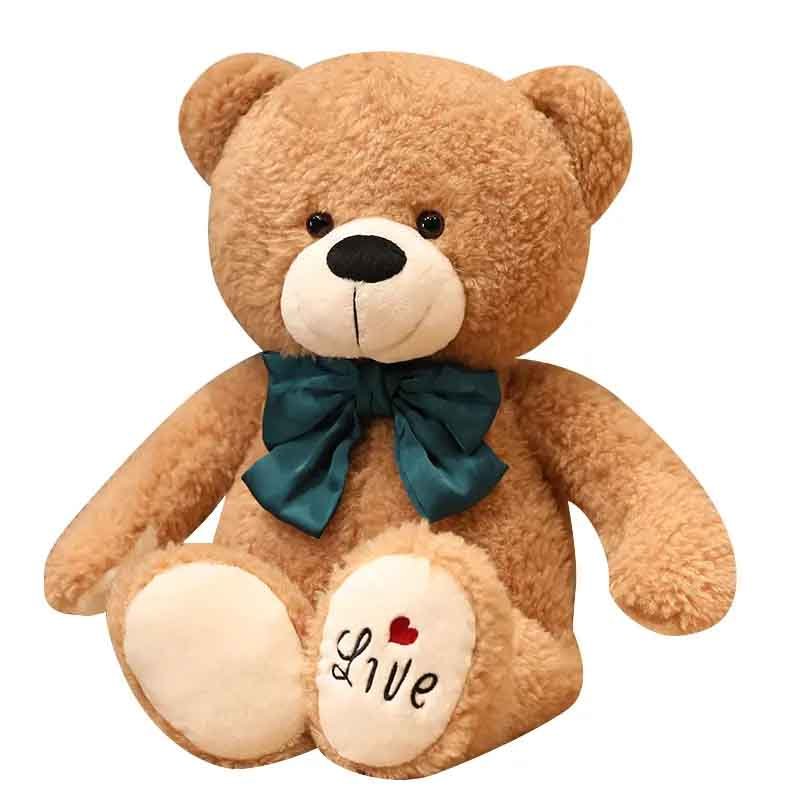
A regular stuffed animal is light. You hug it because it’s cute. A weighted stuffed animal feels different the moment you pick it up—it has a gentle “grounding” heaviness that makes people hold it longer, squeeze it tighter, and come back to it at stressful moments. That small difference explains why weighted plush toys are now showing up everywhere: bedtime routines, therapy rooms, classrooms, travel bags, office desks, and even gift lists for adults.
Weighted stuffed animals are plush toys designed with safely enclosed weight—usually beads or pellets—so the toy provides steady, mild pressure when hugged, held on the lap, or placed against the body. People use them for calming down, managing restlessness, supporting sensory comfort, helping with bedtime wind-down, and giving a feeling of security in unfamiliar or stressful situations.
From a product development point of view, weighted plush toys are not just “normal plush + heavier filling.” They are a comfort product. Customers pay attention to things that they often ignore in standard plush—like weight distribution, seam strength, bead leakage risk, smell, and whether the weight feels soothing or annoying. If you get those details right, the plush becomes something users reach for daily, not just a toy that sits on a shelf.
Picture a child clutching a weighted bunny during a loud storm, or a college student placing a weighted plush on their chest while scrolling to calm down before sleep. That “small quiet moment” is the real reason this category keeps growing.
What Are Weighted Stuffed Animals?
Weighted stuffed animals are plush toys with measured internal weight built into secure compartments so the user feels gentle pressure when hugging or holding them. The weight is commonly made from glass beads, plastic pellets, or other dense fillings, and it is combined with soft fiber to keep the toy comfortable. Many people use weighted stuffed animals for relaxation, sensory comfort, focus time, and bedtime routines.
What makes a stuffed animal weighted?
A weighted stuffed animal is engineered like a product with internal structure, not just soft stuffing. In quality production, the weight is not loose. It is placed into sealed inner bags or stitched pockets so it stays stable and safe even after repeated hugging, squeezing, and washing (if washable design is required).
What is inside a well-made weighted plush?
| Internal Part | What it does | What customers notice if it’s done wrong |
|---|---|---|
| Outer fabric (minky / velboa / plush) | Soft touch and warmth | “It feels rough” / “cheap hand-feel” |
| PP cotton / microfiber fill | Keeps plush shape and softness | “Too flat” / “lumpy stuffing” |
| Weighted pockets (multi-chamber) | Keeps weight balanced | “All the weight sinks to one side” |
| Inner bead bag (double stitched) | Prevents bead leakage | “I hear beads moving everywhere” |
| Reinforced seams | Holds pressure during hugging | “Seam opened after 1 week” |
Common weight zones
| Design Type | Where the weight is placed | Why it’s popular |
|---|---|---|
| Hug plush | Belly + lower body | Feels comforting in arms |
| Lap plush | Bottom + mid-body | Used for sitting focus |
| Shoulder plush | Long body across shoulders | Relaxation / desk use |
| Chest comfort plush | Wide body panel | Bedtime calm |
What is deep pressure in weighted stuffed animals?
When customers say a weighted stuffed animal feels “calming,” they usually mean one thing: it gives steady pressure without squeezing too hard.
That steady pressure is often called deep pressure. In everyday language, it’s the same comfort people get from:
- a firm hug
- holding a pillow against the body
- wrapping up in a blanket
- resting a gentle weight on the lap
Weighted stuffed animals combine that pressure with something emotionally friendly: a cute character you can bond with.
Why some people feel calmer with weight
Different users report different benefits, but the most common are:
- feeling “grounded” when anxious
- less fidgeting during quiet time
- easier transition into bedtime
- feeling safer in unfamiliar places (school, travel)
It’s not magic and it’s not identical for everyone. But what’s consistent is this: the pressure + softness combo creates a strong comfort signal, especially for users who are sensitive to noise, crowds, or overstimulation.
What are weighted stuffed animals used for daily?
Weighted stuffed animals are used far beyond “therapy.” Many are used in normal daily life as a comfort object that’s always available.
Most common daily use cases
| Daily Scene | How it’s used | Why it works |
|---|---|---|
| Bedtime | Hugged or held while winding down | Helps body relax |
| Classroom quiet time | Placed on lap | Supports calmer sitting |
| Work desk | Rested on lap or chest | Stress relief break |
| Travel (plane/car) | Held during anxiety moments | Simple self-soothing |
| Waiting rooms | Hugged like a comfort item | Reduces nervousness |
What customers care about in daily use
Customers often ask:
- Does it feel too heavy after 10 minutes?
- Does the weight shift to the bottom?
- Does it smell like plastic/chemicals when new?
- Can I wash it? If not, can I wipe-clean it?
- Are the seams strong enough for daily squeezing?
- Will beads leak after long use?
These are the questions that decide whether a customer buys again or recommends the product.
Weight Ranges Customers Expect
Different markets have different preferences, but these ranges are widely used in product planning (especially for lap and hug designs):
| Plush Size | Common Weight Range | Popular Use |
|---|---|---|
| 20–30 cm | 0.5–1.0 kg | Kids comfort, travel |
| 30–45 cm | 1.0–2.0 kg | Bedtime and calm |
| 45–60 cm | 2.0–3.5 kg | Adults, lap use |
| 60+ cm | 3.5 kg+ | Niche, home use |
Important note for brands: weight must match age group and safety guidance, and the design must prevent internal weight movement. Heavier is not always better—comfort depends on distribution.
Why Do Weighted Stuffed Animals Calm People?
Weighted stuffed animals calm people because they combine steady physical pressure, soft touch, emotional familiarity, and predictable routine in one simple object. Unlike digital calming tools or complicated therapy devices, a weighted plush works immediately—people just hold it. That simplicity is the key reason families, teachers, therapists, and adults continue choosing weighted plush as an everyday comfort tool rather than a temporary trend.
How do weighted stuffed animals reduce stress?
When someone feels stressed, the body often becomes tense, restless, or over-alert. A gentle, evenly distributed weight can help shift the body toward a more relaxed state by encouraging:
- slower breathing rhythm
- reduced fidgeting
- steadier sitting posture
- a feeling of physical grounding
This does not replace professional therapy or medical care, but many users describe a noticeable calming effect within minutes of hugging or resting a weighted plush on their lap or chest.
Real-world stress situations where people use weighted plush
| Situation | How the plush is used | Reported benefit |
|---|---|---|
| Homework frustration | Held while studying | Helps maintain focus |
| Bedtime worry | Hugged in bed | Easier emotional settling |
| Office stress | Placed on lap | Short mental reset |
| Travel anxiety | Held during takeoff | Reduces nervous tension |
| Waiting rooms | Comfort object | Feels safer in unfamiliar place |
The most important factor is consistency. Because the plush is always available and easy to use, it becomes a repeat calming habit, which is often more effective than one-time solutions.
Do weighted stuffed animals help with sleep?
Sleep support is one of the most common reasons families purchase weighted stuffed animals. Many children and adults struggle not with sleeping itself, but with transitioning into sleep—the period when thoughts race and the body resists slowing down.
Weighted plush toys can assist this transition by:
- giving the hands something comforting to hold
- creating a stable physical sensation that signals rest
- reducing bedtime movement and restlessness
- forming a predictable nightly routine
Why routine matters more than weight alone
| Factor | Effect on sleep comfort |
|---|---|
| Same plush every night | Builds psychological safety |
| Familiar scent and texture | Signals bedtime readiness |
| Consistent weight pressure | Encourages body relaxation |
| Quiet, screen-free interaction | Reduces stimulation |
Many families notice improvement not on the first night, but after 1–2 weeks of consistent bedtime use, when the plush becomes part of the child’s sleep ritual.
This routine-building effect is one of the strongest long-term values of weighted stuffed animals.
Which sensory needs can weighted stuffed animals support?
Weighted stuffed animals are widely used in sensory-sensitive environments, especially for individuals who experience:
- overstimulation from noise or crowds
- difficulty staying seated calmly
- strong emotional reactions to change
- need for constant tactile comfort
These needs are often discussed in relation to autism spectrum conditions, ADHD, or sensory processing differences, but weighted plush toys are not limited to clinical settings. Many people without formal diagnoses still benefit from gentle sensory grounding.
Common sensory-support scenarios
| Environment | How weighted plush is used | Purpose |
|---|---|---|
| Classroom quiet corner | Held or placed on lap | Supports calm sitting |
| Therapy session | Used during conversation | Provides comfort focus |
| After-school decompression | Hugged during rest time | Helps emotional reset |
| Public spaces | Carried for reassurance | Reduces overwhelm |
Because plush toys feel friendly rather than medical, they are easier for children and teens to accept compared with formal sensory equipment.
Who Uses Weighted Stuffed Animals Most?
Weighted stuffed animals are used by a wide age range, from young children to adults. While sensory-support communities helped introduce these products to the market, today’s users include students, travelers, office workers, and anyone seeking a simple calming object that feels safe and familiar.
Are weighted stuffed animals only for kids?
Although plush toys are traditionally associated with children, market demand now shows strong adult participation, especially among:
- teenagers managing school stress
- college students living away from home
- adults dealing with anxiety or sleep difficulty
- people seeking comfort during emotional periods
Age distribution seen in weighted plush purchasing
| Age Group | Common reason for use |
|---|---|
| 3–10 | Bedtime comfort and security |
| 10–17 | Stress relief and emotional support |
| 18–30 | Sleep routine and anxiety calming |
| 30+ | Relaxation, gifting, or travel comfort |
This broad age appeal is one reason weighted plush has become a fast-growing category, not limited to children’s toys.
Do adults use weighted stuffed animals too?
Yes—and this is one of the most important recent shifts in the plush market. Adults often prefer subtle, aesthetically pleasing designs rather than cartoon-style toys.
Features adults look for
- neutral or soft color palettes
- minimalist animal shapes
- smooth, premium fabrics
- moderate, comfortable weight (not too heavy)
- discreet appearance suitable for bedrooms or sofas
Because adults usually purchase with personal emotional intent, they are more sensitive to:
- fabric softness
- seam quality
- smell control
- long-term durability
This makes manufacturing quality especially critical for adult-focused weighted plush lines.
Which special-needs families use weighted stuffed animals?
Families supporting children with sensory regulation challenges, autism, ADHD, or anxiety are among the earliest adopters of weighted stuffed animals.
They often look for products that are:
- calming but not restrictive
- soft and emotionally comforting
- portable between home and school
- durable for daily squeezing and carrying
Key decision factors for these families
| Concern | What they check before buying |
|---|---|
| Safety | Secure stitching, no bead leakage |
| Weight suitability | Matches child’s age and size |
| Washability | Easy cleaning after daily use |
| Emotional design | Friendly, non-scary character |
| Longevity | Maintains shape after months |
How Heavy Should Weighted Stuffed Animals Be?
The correct weight for weighted stuffed animals depends on user age, body size, intended use, and safety guidance. A plush that feels calming for one person may feel uncomfortable—or unsafe—for another. Because of this, successful weighted plush products are always designed with clear weight planning rather than guesswork.
In most consumer markets, the goal is gentle pressure, not heaviness. Customers consistently prefer plush toys that feel steady and soothing, not restrictive or tiring to hold.
What weight is safe for weighted stuffed animals?
A widely used planning reference in comfort products is to keep total plush weight around 5–10% of the user’s body weight for lap or hug use. While this is not a strict medical rule, it is commonly applied in sensory-comfort product design to maintain comfort and usability.
General reference ranges used in product planning
| User Group | Plush Size Range | Common Weight Range | Typical Use |
|---|---|---|---|
| Toddlers (3–5) | 20–25 cm | 0.3–0.7 kg | Supervised calming comfort |
| Children (6–12) | 25–40 cm | 0.8–1.8 kg | Bedtime, school focus |
| Teens | 30–45 cm | 1.5–2.5 kg | Stress relief, sleep |
| Adults | 35–60 cm | 2.0–3.5 kg | Lap comfort, relaxation |
Safety reminders brands must consider
- Plush should never restrict breathing or movement
- Weight must be evenly distributed, not concentrated
- Products for young children should include clear supervision guidance
- Internal filling must be securely sealed and tested
Products that ignore these points often receive negative reviews or safety complaints, even if the plush looks attractive.
Which fillings are used in weighted stuffed animals?
The filling material determines safety, feel, durability, and cost. Most high-quality weighted stuffed animals use small, smooth, non-toxic particles sealed inside inner fabric bags.
Common weighted filling materials
| Filling Type | Feel | Safety | Durability | Cost Level |
|---|---|---|---|---|
| Glass beads | Smooth, quiet | Very high | Excellent | Medium |
| Plastic pellets (PP/PE) | Slightly firmer | High | Very good | Low–medium |
| Steel micro-beads | Dense and compact | High | Excellent | Higher |
| Natural grains (rare) | Soft but unstable | Lower | Poor long-term | Low |
Glass beads are currently the most preferred option in premium markets because they are:
- smooth and silent
- evenly distributed
- washable when sealed properly
- long-lasting without deformation
Professional plush factories normally combine weighted beads + soft fiber layers to avoid a “hard bag” feeling.
Are weighted stuffed animals safe for sleep?
Safety during sleep is one of the most common customer concerns. The answer depends on age, weight, and supervision.
Practical safety guidance used by many brands
| Age Range | Sleep Use Recommendation |
|---|---|
| Under 3 years | Not recommended for sleep |
| 3–5 years | Short supervised calming only |
| 6+ years | Light-to-moderate weight acceptable |
| Teens & adults | Commonly used for sleep comfort |
Even for older users, weighted plush should:
- rest on arms, lap, or beside the body, not over the face
- use breathable fabrics and secure seams
- avoid excessive weight that causes strain
Clear labeling and guidance are essential for global retail compliance and customer trust.
How to Choose Weighted Stuffed Animals?
Choosing the right weighted stuffed animals requires balancing comfort, safety, durability, appearance, and manufacturing reliability. For brands and distributors, this decision directly affects customer satisfaction, return rates, and long-term reputation.
What quality details matter most?
Customers often judge quality within seconds of touching the plush. The most critical factors are surprisingly practical rather than decorative.
Key quality checkpoints
| Area | What good quality feels like | Warning sign of poor quality |
|---|---|---|
| Fabric softness | Smooth, dense, no shedding | Rough or thin surface |
| Weight balance | Even and stable | Weight sinks to bottom |
| Stitch strength | Tight, reinforced seams | Loose threads or gaps |
| Smell | Neutral, clean | Chemical or plastic odor |
| Shape recovery | Returns after squeezing | Permanent dents |
Consistency across every unit in production is more important than a perfect prototype.
Which designs work best in the market?
Successful weighted stuffed animals usually share several design traits:
- Friendly emotional expression rather than complex realism
- Rounded body shapes that distribute weight comfortably
- Moderate size suitable for hugging or lap use
- Neutral or calming colors for broad age appeal
Market-preferred design directions
| Style | Target Users | Reason for popularity |
|---|---|---|
| Cute animal characters | Children & families | Emotional comfort |
| Minimalist plush forms | Teens & adults | Home decor friendly |
| Long-body hug plush | Anxiety & sleep users | Better pressure spread |
| Lap-pad animal shapes | School & therapy | Focus support |
Design must always match weight purpose, not only appearance.
How to customize weighted stuffed animals with a factory?
For brands planning custom development, the most reliable path is working with a manufacturer that controls:
- material sourcing
- weight engineering
- prototype sampling
- safety testing
- stable bulk production
- packaging design
Typical custom development process
| Stage | Main Work | Estimated Time |
|---|---|---|
| Concept & sketch | Character + weight plan | 1–2 weeks |
| Prototype sample | Fabric + filling test | 2–4 weeks |
| Revision & approval | Detail adjustments | 1–2 weeks |
| Safety preparation | Material & label check | 1–2 weeks |
| Mass production | Bulk sewing & filling | 30–45 days |
Factories with full in-house capability reduce delays and quality risk.
Final Thoughts: Turning Comfort Into a Reliable Product
Weighted stuffed animals succeed because they deliver something simple yet powerful: quiet, physical comfort in everyday life.
They are used:
- by children seeking bedtime security
- by students managing stress
- by adults needing calm after long days
- by families supporting sensory needs
Behind that soft emotional value lies serious product engineering— safe materials, balanced weight, durable stitching, and consistent production quality.
When these elements come together, weighted plush toys become more than merchandise. They become daily comfort companions, which is why global demand continues to grow.
Ready to Create Custom Weighted Stuffed Animals?
If you are planning to develop a weighted stuffed animal collection— for retail, therapy support, e-commerce, or branded comfort products— choosing the right manufacturing partner is the most important step.
Szoneier is a stuffed animal and plush toy manufacturer with over 18 years of experience, offering:
- Custom plush design and weight engineering
- Strong raw-material supply chain and safety control
- Fast sampling and stable bulk production
- Packaging design and global compliance support
- Flexible solutions for brands, wholesalers, and private labels
From the first sketch to the final finished plush, the goal is clear: turn your comfort idea into a safe, reliable, and market-ready weighted stuffed animal.
You are welcome to contact Szoneier anytime for design discussion, sampling support, and quotation details. Your next successful comfort plush product can begin with a simple idea—and the right manufacturing partner.
manufacturer Categories
- Custom Tote Bags Manufacturer
- custom backpacks Manufacturer
- custom travel bags& Duffle bags manufacturer
- custom makeup bags & toiletry bags manufacturer
- custom cooler bags manufacturer
- custom drawstring bags manufacturer
- custom makeup bags & toiletry bags manufacturer
- custom golf bags manufacturer
- custom fireproof bags manufacturer
- custom dry bags manufacturer
- custom ski bags manufacturer
- custom gym & sports bags manufacturer
- custom laptop bags manufacturer
- custom tactical bags manufacturer
- custom beach bags manufacturer
- custom medical bags manufacturer
- custom camera bags manufacturer
- custom wetsuits manufacturer
- custom leather goods manufacturer
- more personalized products

Can't find the answers?
No worries, please contact us and we will answer all the questions you have during the whole process of plush toys customization.
Make A Sample First?
If you have your own artwork, logo design files, or just an idea,please provide details about your project requirements, including preferred fabric, color, and customization options,we’re excited to assist you in bringing your bespoke plush designs to life through our sample production process.
