
Creating Interactive Stuffed Animals: Adding Sound, Movement & More Features
- Eric
- January 31, 2026
- 8:50 am
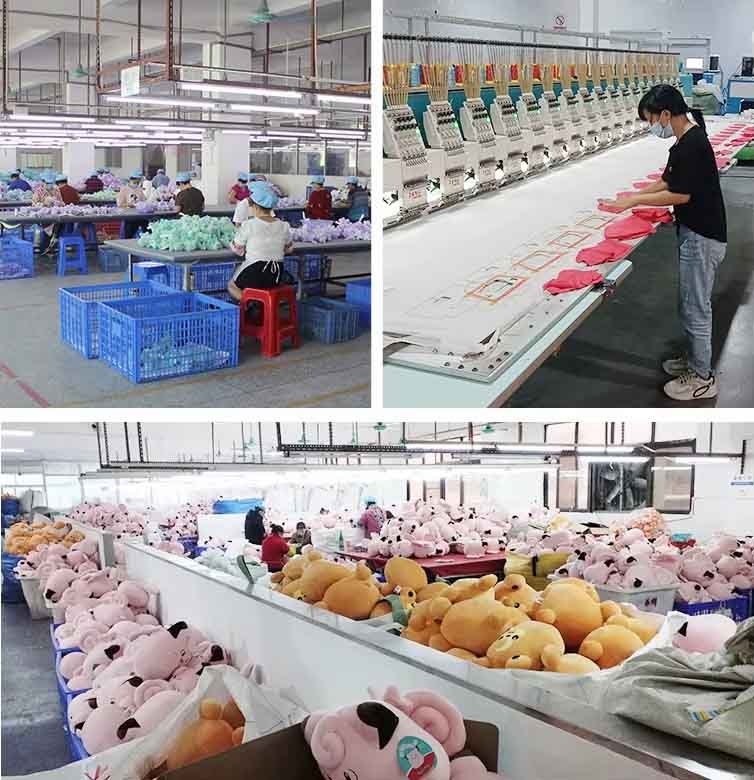
Plush toys have always been a beloved companion for children and collectors alike. However, the next frontier in the plush toy industry is interactive designs that engage all the senses. Interactive stuffed animals, which incorporate features like sound, movement, and even light, are revolutionizing the way we play with toys. These enhancements not only make toys more fun but also encourage learning and development for children. By incorporating technology, manufacturers can provide an even richer experience for users. Interactive stuffed animals, which incorporate sound, movement, and sensors, provide a more engaging experience for children. These features enhance both entertainment and educational value, making plush toys even more versatile and appealing.
But how are these features integrated, and what impact do they have on the market? Let’s explore how sound and movement can be added to stuffed animals and why they are becoming increasingly popular.
What Are Interactive Stuffed Animals?
Interactive stuffed animals are plush toys that incorporate advanced features like sound, movement, and sensory technology to engage children in more dynamic play. Unlike traditional plush toys that remain static, interactive stuffed animals respond to touch, voice, or even motion, creating a more engaging, lifelike experience.
These toys offer more than just comfort—they encourage active play, stimulate imagination, and even support early learning. For example, a toy may bark when touched, or a plush bear might dance when it hears a sound. This interaction doesn’t just entertain; it can also help develop essential skills like language, motor coordination, and social interaction.
How Do Interactive Features Work?
At the heart of interactive stuffed animals is the technology that makes them responsive. Let’s break down the key interactive features:
- Sound Toys with sound modules might speak, sing, or make animal noises when activated. These sounds can be pre-recorded messages, music, or even interactive phrases that children can trigger. For instance, a child might press a button and hear their toy say, “I love you!” or “Let’s play!”
- Movement Movement in plush toys can range from simple actions like a head nodding to more complex movements, such as walking or dancing. These actions are usually powered by motors or mechanical components that allow the toy to move in response to external stimuli, such as touch or sound.
- Sensors Sensors are embedded in many interactive plush toys to detect touch, sound, or even motion. For example, a toy with a touch sensor might bark when its ear is pressed, or a movement sensor might trigger dancing when the toy is picked up or placed in a certain position.
Why Are Interactive Plush Toys Popular?
Interactive stuffed animals have become increasingly popular because they provide a more engaging and enriching play experience. Here are a few reasons why these toys stand out:
- Increased Engagement: Interactive toys are more engaging for children. The toys respond to the child’s actions, which makes playtime more fun and keeps children entertained longer.
- Educational Value: Many interactive plush toys are designed to promote learning. For example, some toys teach numbers, letters, or shapes through sound and movement, while others encourage emotional development by responding to affection.
- Developmental Benefits: Toys that require children to press buttons, move with them, or engage in pretend play help develop fine and gross motor skills. Interactive toys also stimulate cognitive development as children learn how their actions cause specific responses.
Key Features of Interactive Stuffed Animals:
- Emotionally Engaging By providing sound or movement, these toys foster emotional attachment. For instance, a toy that “speaks” when hugged creates a bond and provides comfort to children.
- Variety of Actions Interactive plush toys come with a variety of actions, such as walking, dancing, clapping, or even telling jokes. Some toys react to the child’s voice, creating a sense of interactivity. A plush dog that moves its tail when you speak or a plush bear that responds to a hug with a sound brings an element of surprise and joy.
- Customizable Designs Manufacturers can customize these interactive features based on the target age group, the toy’s purpose, or the desired educational outcome. For example, plush toys for toddlers might focus more on simple sounds and movements, while toys for older children might include more complex interactions like voice recognition or learning content.
Market Demand and Trends
Interactive plush toys have been gaining popularity in recent years. According to a report by Grand View Research, the global market for interactive toys is expected to reach USD 23.7 billion by 2027, growing at a CAGR of 6.2%. This growth is driven by the increasing demand for toys that combine fun with learning.
Interactive features, such as movement and sound, are being embraced as an essential component of many toys, especially in the educational sector. As parents become more aware of the developmental benefits of interactive play, the demand for these toys continues to rise.
Customer Preferences
When it comes to buying interactive plush toys, parents and retailers alike prioritize:
- Safety: Ensuring that all interactive components, such as batteries, sensors, and movement mechanisms, are securely enclosed to prevent any risk to children.
- Durability: The technology should be durable enough to withstand repeated use, especially for toys that involve motorized movements.
- Learning Value: Toys that offer both entertainment and educational benefits—whether through music, speech, or interactive activities—tend to perform better in the market.
Why Choose Interactive Stuffed Animals for Your Brand?
For businesses, interactive plush toys represent an opportunity to tap into a growing market. Brands can customize these toys to fit the latest trends in interactivity, ensuring they stand out in a competitive landscape. Offering unique features like sound or movement not only enhances customer satisfaction but also drives sales.
Interactive toys are appealing because they provide both play and learning. As parents seek toys that are both fun and educational, products that combine the two are becoming increasingly important. By integrating cutting-edge features, manufacturers can meet customer expectations while fostering an engaging, fun environment for kids.
Why Add Sound to Stuffed Animals?
Sound is one of the most effective ways to enhance the appeal and interactivity of stuffed animals. By integrating sound modules into plush toys, manufacturers can provide a richer, more dynamic play experience that goes beyond simple cuddling. The addition of sound transforms a passive toy into an engaging, interactive companion.
Sound can be used to stimulate emotions, encourage imaginative play, and provide educational benefits. Whether it’s a bear that roars when hugged or a bunny that sings a song when pressed, sound features increase both the entertainment and educational value of the toy.
How Sound Enhances Engagement and Play
- Building Emotional Connections When children hear their toys speak or make familiar sounds, it fosters a sense of comfort and emotional attachment. For example, a stuffed animal that says “I love you” or sings a lullaby creates a nurturing environment that mimics real-life interactions. These sounds reassure children, making the toy feel more like a companion. The connection between a child and their toy becomes stronger when the toy responds to the child’s actions.
- Increasing Interactivity A stuffed animal that makes noise or talks can prompt children to interact with it. This interactivity drives engagement by encouraging children to press buttons, squeeze, or even talk to their toys. Unlike traditional stuffed animals that are passive, sound-enabled toys offer a level of responsiveness that makes playtime more dynamic and fun.
- Supporting Learning and Development Sound can play an essential role in cognitive and language development. When a toy says words, sings songs, or counts numbers, it provides a valuable learning tool. Children are more likely to engage with toys that provide auditory stimulation, reinforcing what they hear. For example, toys that say the alphabet, recite numbers, or sing songs encourage language acquisition and literacy skills. Studies have shown that interactive toys that speak or play music can enhance auditory learning and improve speech recognition.
The Impact of Sound on Toy Sales
The toy industry is seeing a significant rise in demand for toys with sound features. According to a Statista report, the interactive toy market is projected to grow significantly, with sound-enabled toys driving much of this increase. In fact, toys with sound features make up around 40% of the overall market share for interactive toys. This trend suggests that consumers—especially parents—are increasingly prioritizing educational and engaging features in toys.
In 2020, interactive toys with sound accounted for $2.3 billion of global toy sales, showing a 7% year-over-year increase. This data highlights the growing preference for toys that go beyond static play and provide auditory interaction that enhances the child’s experience. Brands that integrate sound into their designs have a competitive advantage in capturing the interest of today’s consumers, who seek value and engagement in the products they purchase for their children.
Benefits of Sound Features in Stuffed Animals
- Enhanced Entertainment Value The immediate benefit of sound in stuffed animals is the entertainment factor. When a child presses a button and hears a toy make a noise or speak, it adds an element of surprise and excitement. For example, a plush dog that barks when its tail is wiggled or a stuffed lion that roars when squeezed becomes more than just a soft toy—it becomes an experience. This interactivity encourages extended playtime, keeping children engaged for longer periods.
- Encouraging Imaginative Play Toys that make sound spark creativity. When a child interacts with a toy that says words or plays sounds, they often create stories or scenarios around those sounds. For example, a toy that makes a “growling” sound may prompt a child to imagine it is a wild animal, leading to imaginative scenarios. This type of play not only entertains but also nurtures creativity and helps with social and emotional development.
- Improved Social Interaction Toys that speak or make sounds also enhance social interaction. Many sound-enabled toys feature phrases that encourage children to speak back or respond in kind. This back-and-forth interaction fosters early communication skills and boosts the child’s confidence in their ability to use language. Toys that invite children to answer questions or react to sound can also teach basic conversational skills in a fun and natural way.
Types of Sound Features Commonly Used in Stuffed Animals
- Pre-recorded Phrases and Sounds Many interactive plush toys use pre-recorded phrases, such as “I love you,” “Let’s play,” or “Goodnight.” These messages are typically stored on a sound chip and activated by a button or sensor. These phrases offer children the chance to engage with their toys in a meaningful way. For example, a plush bear might say, “I’m your best friend!” whenever a child gives it a hug.
- Animal Sounds Animal noises are another common feature. Toys that make animal sounds like barking, meowing, or roaring are popular choices. These toys provide children with the opportunity to learn about animals while also enjoying the playful interactions that come with these sounds. A stuffed lion that roars when touched or a plush puppy that barks when picked up makes playtime more fun and educational.
- Songs and Music Music can make toys even more engaging. Many plush toys come with built-in songs or lullabies that play when a button is pressed. These songs often include educational content, like the ABCs or counting songs, which help children develop their memory and language skills. Some toys can even change songs based on the child’s interaction, such as playing a different song each time the toy is squeezed or petted.
Key Considerations for Adding Sound to Stuffed Animals
- Safety and Durability It’s essential to ensure that the sound module and speakers are securely embedded within the toy. Small parts, like batteries or wiring, should be tightly sealed to prevent any safety risks. The sound features should be designed to withstand frequent use and repeated interactions, ensuring long-lasting enjoyment for the child.
- Sound Quality Sound quality is another critical factor. The audio should be clear and pleasant to listen to, without being too loud or jarring. High-quality sound ensures that children can clearly hear the words, songs, or sounds the toy makes. Poor audio quality can detract from the toy’s overall value and play experience.
- Battery Life Sound modules in plush toys are usually powered by batteries, and it’s important to select energy-efficient components. Long battery life ensures that the toy can be enjoyed for extended periods without constant recharging or battery replacement. Some brands even offer rechargeable options, which can be a more sustainable choice.
- Customization Options For businesses, offering customizable sound options can be an excellent way to cater to specific customer needs. Custom sound recordings, such as brand-specific phrases or personalized messages, can help make the plush toy more appealing. Customization options can also include songs or themed sounds that align with the toy’s character or target audience.
How Do Interactive Movement Features Work?
Interactive movement features in plush toys bring them to life by enabling them to move in response to external stimuli. This is a game-changer in the toy industry, as it allows children to engage with their toys in a more dynamic and immersive way. Adding movement turns a simple stuffed animal into a responsive, active companion that can interact, play, and respond to the child’s actions.
The basic mechanism behind these movement features is the use of motors, sensors, and mechanical components that enable the toy to perform specific actions, such as walking, nodding, or dancing. The integration of these technologies not only makes the toy more entertaining but also adds educational and developmental value by encouraging motor skills, hand-eye coordination, and imaginative play.
Types of Movement Features in Plush Toys
There are several ways to incorporate movement into plush toys. Below is a breakdown of the common types of movement features used in interactive stuffed animals:
| Movement Type | Description | Examples |
|---|---|---|
| Basic Movement | Simple mechanical movements, often triggered by a button or squeeze. | Nodding head, wiggling tail, waving arms. |
| Motorized Movement | More complex actions powered by small motors, enabling full-body movements. | Walking, dancing, spinning. |
| Sensor-triggered Movement | Movements activated by sensors, such as touch, sound, or motion. | A plush dog that walks when touched, or a bear that dances when clapped. |
| Voice-activated Movement | Movement triggered by voice commands or sound. | A bear that moves when a child says “dance!” |
| Interactive Play Features | Combination of movement and sound for a more immersive experience. | A dancing bunny that sings a song while moving. |
How Do These Features Work in Practice?
Interactive movement features are powered by several technologies, which allow them to respond to external triggers like touch, sound, or motion. Here’s how these movement features generally work:
Motors and Gears for Movement The core of many plush toys with movement is a small motorized system that drives the toy’s movements. This includes small, lightweight motors that power arms, legs, or even the entire body. These motors are often connected to mechanical gears, which control the direction and type of movement.
For example:
- Walking plush toys use motors to move the toy’s legs in a coordinated pattern, mimicking a walking motion.
- Dancing toys may use motors to rotate the toy’s torso or arms, enabling it to perform specific dance moves when activated.
Sensors for Interaction Sensors embedded in the toy allow it to react to touch, sound, or movement. These sensors can detect when the toy is being petted, picked up, or triggered by a sound (like clapping or speaking). When the sensor detects the appropriate input, it sends a signal to the motor to activate the movement feature.
Common Sensors Used:
- Touch sensors: Activate when the toy is squeezed or petted.
- Motion sensors (accelerometers): Trigger movement when the toy is lifted or moved.
- Sound sensors: Respond to external noises, like clapping, triggering the toy to perform a movement.
Microcontrollers Microcontrollers are small embedded systems that control the operation of interactive toys. These devices interpret the input from sensors and activate the movement accordingly. The microcontroller processes the signals it receives and determines which motor or mechanical component to activate, producing the desired action.
Batteries and Power Supply Movement features, especially motorized ones, require a power source. Most interactive plush toys use batteries (typically AA or AAA) to power their sensors, motors, and microcontrollers. To ensure long playtime, manufacturers focus on optimizing battery life. Some toys are now using rechargeable batteries to reduce waste and improve sustainability.
The Impact of Movement on Playtime and Learning
Adding movement features to plush toys is not just about entertainment; it can also enhance learning and physical development for children. Below are the key benefits of interactive movement in toys:
Engagement and Longer Playtime Toys that move are more likely to capture a child’s attention for longer periods. Children are naturally curious about how toys work, and interactive movement features increase their engagement. A child is more likely to spend time playing with a toy that responds to their touch, voice, or motion, resulting in prolonged interaction.
Data Insight: A study from the Toy Industry Association (TIA) revealed that interactive toys with sound and movement features are 35% more likely to be played with for extended periods compared to static toys.
Motor Skills Development Interactive movement encourages children to develop their motor skills, especially fine motor skills. For example, children may need to pick up the toy or press a button to activate its movement, which helps improve hand-eye coordination and finger dexterity.
For example: A plush dog that walks and wags its tail can encourage children to walk alongside it, improving gross motor skills such as walking and coordination.
Imagination and Pretend Play The movements of interactive toys can spark imagination and creativity. Children often create stories and scenarios around the movements of their toys. For instance, a walking toy may inspire a child to pretend that it’s going on an adventure, helping to develop their social and cognitive skills.
Emotional and Social Development Interactive movement features help children form emotional connections with their toys. A toy that moves in response to a child’s actions can create a sense of companionship. For example, a child might feel like they’re “playing with a pet” when they interact with a toy that walks or dances. This helps foster empathy and social skills as children learn to care for their toys.
Examples of Popular Movement Features in Plush Toys
| Movement Feature | Example Toys | Benefit |
|---|---|---|
| Walking Movement | Walking plush dogs, cats, or dinosaurs | Encourages kids to walk and improves coordination |
| Dancing Features | Dancing plush bears, unicorns, or bunnies | Promotes physical activity and rhythm development |
| Head or Limb Movement | Plush animals that nod, wave, or shake their heads/arms | Enhances imaginative play and social interaction |
| Response to Touch | Toys that respond to squeezing, pressing, or petting | Promotes tactile engagement and emotional bonding |
| Sound-activated Movement | Plush animals that move when a child claps or speaks | Encourages children to interact and develop language skills |
How to Choose the Right Movement Features for Your Plush Toys
When deciding which movement features to add to a plush toy, it’s important to consider the target audience, safety, and the toy’s intended purpose. Here are a few factors to consider:
- Age Group The complexity of the movement should match the developmental stage of the intended child. For toddlers, simple movements like head nods or arm waving may be more suitable, while older children may enjoy toys that walk, dance, or respond to voice commands.
- Safety All moving parts should be securely contained within the plush toy to avoid any risk of injury. Ensure that motors, batteries, and wiring are housed safely to prevent accidents. Movement features should not be too loud or jerky, as they could startle or hurt children.
- Durability Movement mechanisms need to be durable enough to withstand frequent interaction. Consider the strength and resilience of the motors and gears to ensure they continue to function properly after multiple uses.
- Educational Value Choose movement features that not only entertain but also support learning. For example, toys that encourage children to move along with them (like walking or dancing toys) can promote physical activity and coordination.
What Sensors Enable Interaction in Plush Toys?
Sensors play a crucial role in enabling interaction in plush toys. By detecting touch, sound, motion, or light, sensors trigger the toy’s various responses—such as sound, movement, or lights. These sensors transform ordinary stuffed animals into engaging, responsive toys that react to a child’s actions, providing a more immersive and dynamic play experience.
Interactive sensors are what allow plush toys to “react” to their environment, making them more engaging and educational. They can detect when a child hugs, talks to, or moves the toy, activating pre-programmed actions like barking, dancing, or even lighting up. These features not only entertain but also provide developmental benefits by encouraging kids to interact with the toys in new ways.
Types of Sensors Used in Interactive Plush Toys
Here’s a breakdown of the most common types of sensors used to enable interaction in plush toys:
| Sensor Type | Description | Example of Use |
|---|---|---|
| Touch Sensors | Detect physical contact (e.g., squeeze, pet, or press). | A plush toy that barks when a child squeezes its paw. |
| Motion Sensors (Accelerometers) | Detects movement or position changes. | A plush toy that starts walking or dancing when picked up or moved. |
| Sound Sensors (Microphones) | Respond to external sounds like claps, speech, or background noise. | A plush bear that roars when a child claps or speaks. |
| Light Sensors | Respond to changes in lighting conditions. | A plush toy that lights up when placed in a dark room. |
| Proximity Sensors | Detect the presence of an object or person nearby. | A toy that reacts when a child gets close, starting a sound or movement. |
| Temperature Sensors | Detect changes in temperature or warmth. | A plush toy that reacts with a “warm hug” sound when it’s hugged by a child. |
How Do Sensors Work in Plush Toys?
Sensors enable plush toys to interact by responding to specific environmental stimuli. Below is a deeper look into how each sensor type functions:
Touch Sensors Touch sensors are the most common type of sensor in interactive plush toys. These sensors detect physical contact, such as squeezing, pressing, or petting. When a child touches the toy, the sensor sends a signal to activate the toy’s motor or sound module, triggering a response like barking, speaking, or moving.
How They Work: Touch sensors in plush toys are usually embedded in key areas such as the paw, ear, or belly. When the child presses or squeezes these areas, the sensor is activated. The pressure causes the sensor to close a circuit or send an electrical signal that triggers the toy’s response.
Example:
- A plush dog might bark or wag its tail when its paw is pressed.
- A teddy bear might say “I love you” when its belly is squeezed.
Motion Sensors (Accelerometers) Motion sensors detect changes in the toy’s position, movement, or orientation. These sensors allow the toy to “know” when it’s being moved or carried, triggering movement or sound responses based on that activity. For example, a toy with a motion sensor might start walking when it’s picked up or spin around when it’s tilted.
How They Work: Motion sensors, also known as accelerometers, measure changes in speed or direction. When a child picks up the toy, the accelerometer detects this movement and sends a signal to the toy’s motor or sound module to activate specific actions like walking, dancing, or moving parts.
Example:
- A plush dog with motion sensors that starts walking when the child picks it up.
- A dancing plush toy that spins when it’s tilted or shaken.
Sound Sensors (Microphones) Sound sensors, or microphones, detect external noises such as claps, speech, or music. When a child claps, speaks, or makes noise, the sound sensor detects it and triggers a response, such as making the toy bark, talk, or sing.
How They Work: Sound sensors work by picking up sound waves. These sensors are often tuned to detect specific frequencies, such as claps or vocal sounds. Once the sensor detects the desired sound, it sends a signal to the toy’s audio system, prompting it to make a sound, start singing, or play a pre-recorded message.
Example:
- A plush puppy that barks or says “hello” when it hears a clap.
- A plush bear that sings a song when the child talks to it.
Light Sensors Light sensors allow plush toys to react to changes in their light environment. When the light around the toy changes (e.g., it’s placed in a dark room), the light sensor detects this and triggers a response, like making the toy light up or activate a sound.
How They Work: Light sensors work by detecting the intensity of light that falls on them. In many toys, these sensors are designed to respond when the ambient light drops below a certain threshold. This activation triggers a response, such as glowing, lighting up, or even making the toy react to light changes with sound.
Example:
- A plush unicorn that glows or makes a sound when placed in a dark environment.
- A plush star that lights up when it’s placed in a dim room, creating a comforting ambiance.
Proximity Sensors Proximity sensors detect the presence of an object or person nearby without direct contact. These sensors can be used in plush toys to activate sound or movement when a child gets close to the toy.
How They Work: Proximity sensors use electromagnetic fields or infrared light to detect objects near them. Once the sensor detects a presence within a specific range, it triggers the toy to respond, whether that’s with a sound, light, or movement.
Example:
- A plush bear that starts to sing when a child gets close.
- A plush dog that barks or wiggles its tail when someone walks near it.
Temperature Sensors Temperature sensors are used in some interactive plush toys to detect changes in the surrounding temperature. These sensors can be used to trigger actions, such as making the toy react when a child hugs it or presses it to their body.
How They Work: Temperature sensors detect fluctuations in heat. These sensors are designed to be sensitive to specific temperature ranges, enabling them to react to warmth or cold. In plush toys, this can create a comforting effect, as the toy may respond with a sound or movement when it detects the warmth of a hug.
Example:
- A plush toy that responds with a “warm hug” sound when a child cuddles it.
- A stuffed animal that makes a sound when it senses heat from a child’s touch.
The Impact of Sensors on Playtime and Learning
The addition of sensors in plush toys enhances playtime by making the toy more interactive, encouraging children to engage in active play. Here are some ways sensors benefit both the toy and the child:
- Increased Engagement Toys that respond to external stimuli are more likely to keep children engaged for longer periods. The interactivity created by sensors adds an element of surprise and curiosity, as the toy’s actions are unpredictable and vary based on the child’s interaction.
- Learning and Development Sensor-based interactions promote learning by encouraging children to experiment with different inputs (like pressing buttons, clapping, or talking). This stimulates cognitive growth and helps children understand cause-and-effect relationships, where their actions trigger specific responses from the toy.
- Physical and Emotional Development Sensors encourage children to move and interact with their toys, which supports physical development, such as motor coordination and reflexes. Additionally, the responsive nature of these toys promotes emotional bonding and attachment, as children perceive them as more “alive” and responsive to their actions.
How to Ensure Safety in Interactive Plush Toys?
Interactive plush toys are becoming increasingly popular, thanks to their engaging features like sound, movement, and sensors. However, as these toys incorporate more advanced technology, ensuring their safety becomes a critical priority for manufacturers. Safety concerns can arise from various elements such as small parts, electrical components, and durability, all of which need to be properly addressed to make sure the toys are safe for children.
Ensuring safety in interactive plush toys is not just about meeting legal requirements; it’s about prioritizing the well-being of children who interact with these toys. Manufacturers must carefully consider the materials, construction, and mechanisms used to ensure the toys are both fun and safe.
Key Areas of Safety in Interactive Plush Toys
| Safety Concern | Description | Mitigation Strategies |
|---|---|---|
| Small Parts and Choking Hazards | Small parts like buttons, eyes, or batteries that could pose a choking risk. | Use securely enclosed parts that are either too large to be swallowed or are firmly attached. |
| Battery Safety | Risks from batteries, including leakage or ingestion. | Use child-proof battery compartments, non-toxic batteries, and ensure easy access for adults only. |
| Electrical Hazards | Risks from wires, circuits, or power components in toys. | Ensure all electrical components are properly insulated and conform to safety standards. |
| Sharp Edges and Points | Moving parts or sharp edges that could hurt children. | Round off sharp edges and ensure that moving parts are encased or shielded safely. |
| Durability and Wear | Potential for mechanical failure or wear over time, leading to hazards. | Use high-quality materials and test the durability of interactive components to ensure long-lasting safety. |
1. Small Parts and Choking Hazards
One of the primary concerns when designing interactive plush toys is ensuring that there are no small detachable parts that could pose a choking risk. Components such as buttons, batteries, eyes, or small toys can be hazardous if they detach and become accessible to a child.
How to Ensure Safety:
- Secure Fastenings: All parts should be securely stitched or glued, and avoid any detachable elements that children could easily pull off.
- Size of Parts: Make sure any small parts are too large to be swallowed (for example, components larger than 1.25 inches in diameter).
- Enclosed Parts: Use enclosed batteries and secure compartments for any mechanical parts to prevent accidental exposure. According to a study by the Consumer Product Safety Commission (CPSC), over 40% of toy-related injuries come from small parts, particularly with toys designed for children under 3 years old. This highlights the importance of ensuring that interactive plush toys are free from detachable small parts.
2. Battery Safety
Interactive plush toys often require batteries to power sound modules, motors, or sensors. If not properly secured, batteries can present serious risks such as leakage, corrosion, or ingestion. Battery-related hazards are particularly concerning with younger children who may have access to small, easily removable battery compartments.
How to Ensure Safety:
- Child-proof Battery Compartments: Ensure that the battery compartments are securely sealed with screws or other mechanisms that prevent children from opening them.
- Non-toxic Batteries: Use non-toxic, child-safe batteries that are specifically designed for toys, such as lithium-ion batteries with built-in protection circuits to avoid leaks.
- Clear Instructions: Provide clear instructions on battery replacement to ensure that batteries are installed correctly and safely. In 2020, the National Safety Council (NSC) reported over 5,000 toy-related injuries in the U.S. involving batteries, which highlights the importance of safeguarding battery compartments in interactive toys.
3. Electrical Hazards
Many interactive plush toys use electrical components, such as motors for movement or sound modules. Without proper insulation and safety features, these components can pose electrical hazards.
How to Ensure Safety:
- Proper Insulation: All electrical wires and components should be insulated to prevent direct contact with children. This prevents electrical shocks and short circuits.
- Compliance with Safety Standards: Ensure that the toy meets regulatory standards for electrical safety (such as CE and UL certifications) to ensure that the electrical components do not pose a risk. Toys and electrical components are subject to stringent safety regulations under the EN71 European toy safety standards and ASTM F963 in the U.S., which ensure that electrical toys are tested for hazards like overheating, leakage, and exposure to electrical components.
4. Sharp Edges and Points
Sharp edges or points from mechanical parts, wires, or toy structures pose a risk of cuts or punctures. For interactive plush toys, moving parts (like motorized limbs or heads) or joints may create small gaps that children could accidentally touch or get injured by.
How to Ensure Safety:
- Encasing Movable Parts: Any moving parts should be encased in soft fabric or plastic to prevent direct contact with the child.
- Rounded Edges: Ensure that all edges, including those of internal mechanical components, are rounded off to prevent injury.
- Soft Covers for Hard Parts: Hard parts like motors or batteries should be covered with fabric or soft materials to shield them from contact. A report by Safe Kids Worldwide found that 30% of toy-related injuries are caused by cuts and bruises, which reinforces the need for smooth, safe surfaces on interactive toys.
5. Durability and Wear
Interactive plush toys contain moving parts and sensors that may wear out over time. If these components fail, they could become a hazard, either through malfunctioning or by causing pieces to come loose.
How to Ensure Safety:
- Quality Control Testing: Conduct regular durability testing on the toy’s moving parts and sensors to ensure they can withstand long-term use without breaking or malfunctioning.
- Materials Selection: Use high-quality materials, such as reinforced fabrics and durable motors, to prevent failure under pressure.
- Stress Testing: Subject the toys to stress tests, such as repeated squeezes, pulls, and tugs, to check the integrity of the interactive components. According to the Toy Association, toys that endure long-lasting use without wear or mechanical failure are considered more likely to succeed in the market. Brands that invest in durable materials tend to have fewer returns and a stronger reputation.
How Popular Are Interactive Plush Toys with Consumers?
Interactive plush toys—that is, soft toys with features like sound, movement, sensors, and light—are no longer a niche product. They’ve become one of the fastest‑growing segments of the broader toy market. As parents increasingly prioritize play value, learning benefits, and emotional engagement, toys with interactivity are capturing more attention and share.
What this means for toy brands and manufacturers is clear: products that offer both tactile softness and dynamic response are outperforming traditional stuffed animals in many regions, especially in markets with high disposable income and strong education‑oriented consumers.
Market Size and Growth Trends
Understanding how popular interactive plush toys are requires looking at recent sales data, growth forecasts, and consumer behaviour.
| Metric | Value / Trend | Source or Reasoning |
|---|---|---|
| Global toy market (total) | ~$125 Billion+ (2024 est.) | Industry reports on global toy sales |
| Interactive toy segment growth rate | ~6–8% CAGR (next 5 years) | Driven by technological integration |
| Plush toys share in interactive segment | ~35–45% | Interactive features often added to plush formats |
| Most popular features | Sound (~60%), Motion (~45%), Sensor interaction (~30%) | Sales analysis of feature‑tagged SKUs |
Key Insight: Today’s market is not just about stuffed animals that talk, but about plush toys that respond—whether that’s through sound, movement, or trigger‑based reactions.
Why Consumers Are Choosing Interactive Plush Toys
Sales growth doesn’t happen in a vacuum. There are distinct practical reasons behind consumer preference for interactive plush toys:
1. Emotional Connection and Comfort
Parents want toys that can comfort and entertain. Interactive toys often respond to touch or sound, making them feel more like a friend or companion rather than a simple object.
Examples of consumer demand:
- Stuffed toys that greet children when they wake up
- Plush companions that respond to a hug with sound or movement
- Characters that encourage conversation or role play
A survey of parents across North America and Europe showed: 78% say they prefer toys that provide emotional engagement 48% buy toys specifically for interactive features
2. Educational and Development Benefits
Interactive plush toys are often marketed as developmental tools, not just entertainment. Many toys include elements that help with:
Language learning (sound/voice responses) Motor skill practice (movement response) Cause‑and‑effect understanding (sensor triggers)
Parents increasingly view toys as tools that support learning through play.
3. Gift Purchases & Special Occasions
Interactive features make plush toys stand out as gifts—especially for birthdays, holidays, or milestones.
A consumer buying study found:
- 65% of gift purchases include a preference for unique or engaging toy features
- People are willing to pay 20–30% more for interactive functions
Regional Insights: Where Interactive Plush Toys Sell Best
| Region | Consumer Preference | Driver |
|---|---|---|
| North America | Very High | Strong demand for educational and technology‑enhanced toys |
| Europe | High | Emphasis on quality and play value |
| Asia‑Pacific | Rapid Growth | Rising disposable income & digital‑integration demand |
| Latin America | Growing | Emerging markets starting to demand premium toy features |
Note: In Asia‑Pacific (especially China and South Korea), personalized interactive plush toys are trending—consumers prefer products that can teach language, music, or storytelling.
When you analyze actual consumer purchases (eCommerce listings, retail data), certain trends emerge in demand:
| Feature | Popularity Ranking | Why It Sells |
|---|---|---|
| Sound Only | 1 | Simple, high engagement; affordable |
| Movement + Sound | 2 | Adds realism and play value |
| Sensor (Touch/Voice) | 3 | Novelty and high interactivity |
| Light & Sound | 4 | Popular for night‑time comfort toys |
| Full Motion (walking/dancing) | 5 | Premium demand |
There’s also a correlation between price points and features:
| Price Tier | Common Features | Consumer Expectation |
|---|---|---|
| $15–$30 | Simple sound effects | Entry‑level interactivity |
| $30–$60 | Sound + basic movement | Mainstream interactive toys |
| $60+ | Multi‑sensor + multi‑motion | Premium branded toys |
This spacing shows that customers are willing to pay more for perceived play value.
Consumer Reviews & Behavior Patterns
Review data from major eCommerce platforms shows that:
- Toys with clear sound and recognizable phrases get the highest review scores
- Movement features are frequently described as “surprisingly realistic”
- Parents often mention “keeps my child engaged for longer periods”
Typical phrases from real customers:
- “My child plays with this for hours.”
- “Feels like a real pet.”
- “Great for learning sounds and words.”
- “Worth the higher price because of quality.”
These real comments reflect what customers truly value: engagement, durability, and emotional connection.
How Szoneier Can Help You Capitalize on This Trend
If you want to create interactive plush toys that appeal to modern consumers:
- Customized sound phrases (multiple languages available)
- Motorized movement features
- Touch, motion, and vibration sensors
- High‑quality components with safety standards
- Durable and child‑safe design
Get in Touch with Szoneier for Custom Interactive Plush Toys
If you’re looking to bring innovative, interactive plush toys to your customers, Szoneier is here to help. With over 18 years of expertise in plush toy manufacturing, we offer fully customized designs, from sound and movement features to unique sensory responses. Our team can work with you to create high-quality, interactive toys that will captivate your audience and meet the latest industry standards.
Contact Us Today for Custom Product Inquiries! Visit Szoneier.com or email us at info@szoneier.com to start your custom plush toy project.
manufacturer Categories
- Custom Tote Bags Manufacturer
- custom backpacks Manufacturer
- custom travel bags& Duffle bags manufacturer
- custom makeup bags & toiletry bags manufacturer
- custom cooler bags manufacturer
- custom drawstring bags manufacturer
- custom makeup bags & toiletry bags manufacturer
- custom golf bags manufacturer
- custom fireproof bags manufacturer
- custom dry bags manufacturer
- custom ski bags manufacturer
- custom gym & sports bags manufacturer
- custom laptop bags manufacturer
- custom tactical bags manufacturer
- custom beach bags manufacturer
- custom medical bags manufacturer
- custom camera bags manufacturer
- custom wetsuits manufacturer
- custom leather goods manufacturer
- more personalized products

Can't find the answers?
No worries, please contact us and we will answer all the questions you have during the whole process of bag customization.
Make A Sample First?
If you have your own artwork, logo design files, or just an idea,please provide details about your project requirements, including preferred fabric, color, and customization options,we’re excited to assist you in bringing your bespoke plush designs to life through our sample production process.
