Skip to content
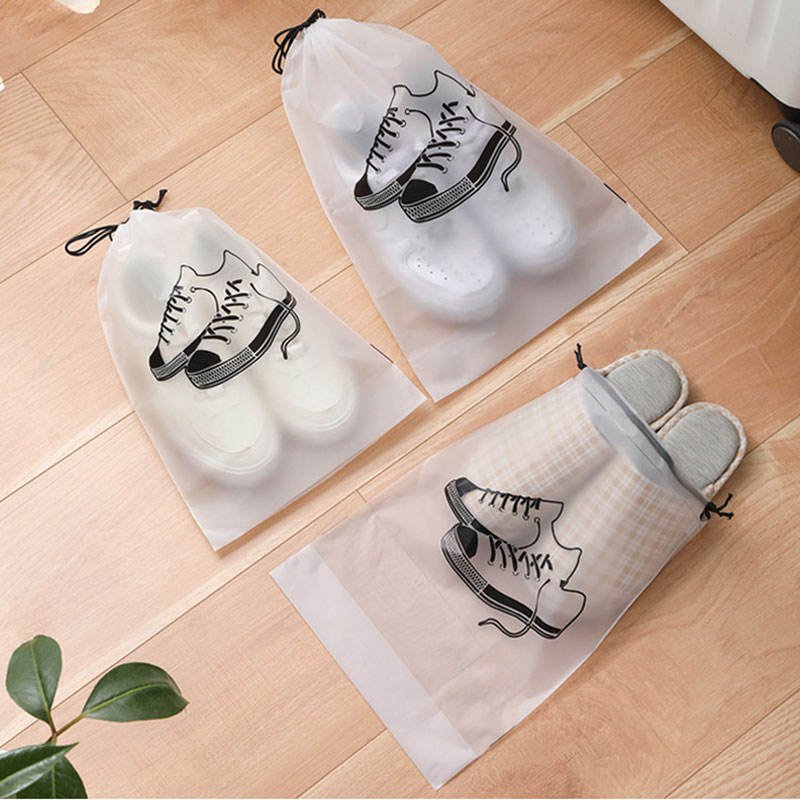
A waterproof shoe bag looks simple at first glance: a small pouch for shoes. But once a brand starts developing one for retail, travel, sports, gym, golf, outdoor use, or private label projects, the product quickly becomes more technical than expected. The real question is not only “Can it hold shoes?” It is “Can it protect clean clothes from dirty soles, handle damp footwear, control odor, look good with a logo, survive repeated use, and still meet the target cost?”
A waterproof shoe bag is a protective storage bag made to separate shoes from clothes, luggage, gym gear, sports equipment, or personal items. A strong custom design should balance waterproof or water-resistant fabric, correct shoe size, durable zipper, reinforced stitching, easy cleaning, odor control, logo placement, private label packaging, and reliable factory production.
For many brands, shoe bags are attractive because they are practical, lightweight, and easy to customize. They can be sold as travel accessories, added to sneaker packaging, used as gym merchandise, offered as golf shoe carriers, included in hotel welcome kits, or used as promotional gifts. The challenge is that the market is already full of low-cost fabric pouches. To stand out, a waterproof shoe bag needs a clear usage scene, better material selection, cleaner construction, and thoughtful branding details. A travel customer may only need a clean pouch for dry sneakers, while a football player may need a larger bag for muddy boots after rain. A premium lifestyle brand may care about soft hand feel and packaging, while an e-commerce seller may care more about size, weight, reviews, and return rate. That is why a good waterproof shoe bag starts with product planning, not only fabric sourcing.
What Is a Waterproof Shoe Bag?
A waterproof shoe bag is a protective bag designed to store footwear and prevent dirt, moisture, odor, or sole marks from spreading to clothes, luggage, gym items, or car storage areas. It can be made from neoprene, coated polyester, nylon, TPU-laminated fabric, PVC-coated fabric, or other water-resistant materials, depending on the product’s use and target price.
The word “waterproof” needs to be handled carefully. In daily product language, many shoe bags described as waterproof are actually water-resistant. They can handle wet soles, damp gym shoes, light rain, mud splashes, or easy wipe-clean use. However, unless the seams are sealed, the zipper is waterproof, and the construction is designed to block water entry, the bag should not be promoted as a fully submersible waterproof product.
For shoe bag manufacturing, this difference matters a lot. A normal stitched bag has needle holes. A standard zipper has small gaps. A mesh ventilation panel improves airflow but reduces water blocking. So the practical design goal is usually not “hold water like a dry bag,” but rather “protect luggage and clothing from wet or dirty shoes during normal use.”
This product category is especially strong for custom development because one base shape can be adjusted for many markets. A travel shoe bag may be thin, light, and foldable. A gym shoe bag may need odor control and a handle. A golf shoe bag may need a larger body and stronger structure. A sneaker brand may want premium neoprene with a soft touch and clean logo patch. A promotional project may require fast sampling, lower MOQ, and simple logo printing.
Szoneier is well-positioned for this type of custom development because the factory has more than 18 years of experience in neoprene fabric R&D and related product manufacturing. Neoprene is already widely used in wetsuits, koozies, sports supports, medical supports, protective sleeves, and bags. For waterproof shoe bags, it brings softness, flexibility, water resistance, cushioning, and a more premium feel than many thin fabric pouches.
The most important point is this: a waterproof shoe bag should be developed around the user’s real behavior. People do not treat a shoe bag gently every time. They throw it into luggage, pull the zipper quickly, pack damp shoes after training, stuff it into lockers, or carry it by one hand while rushing to the airport. So the product must be practical, not only visually clean.
What Is a Waterproof Shoe Bag Used For?
A waterproof shoe bag is used to separate shoes from clean belongings during travel, sports, gym, outdoor activities, school, work, hotel stays, and home storage. The main purpose is to stop dirt, water, mud, sweat, grass, sand, and odor from spreading to other items.
Common usage scenes include:
- Packing sneakers inside a suitcase
- Carrying gym shoes in a backpack
- Storing golf shoes after a round
- Keeping football boots away from sports clothes
- Separating wet sandals after beach use
- Carrying dance shoes, cycling shoes, or running shoes
- Offering branded shoe storage for hotels, resorts, or clubs
- Packaging sneakers or footwear products for retail presentation
For product planning, the usage scene decides almost everything. A travel shoe bag should be light and easy to fold. A sports shoe bag should be more durable and easier to clean. A golf shoe bag may need a reinforced handle and larger height. A sneaker packaging bag should look more polished because it becomes part of the unboxing experience.
A good product brief should answer these questions before sample development:
| Question | Why It Matters |
|---|---|
| What shoes will the bag hold? | Sneakers, golf shoes, boots, sandals, and kids’ shoes need different sizes. |
| Will the shoes be wet or only dirty? | This affects material, lining, closure, and seam treatment. |
| Will the bag be carried alone? | A handle, thicker fabric, or stronger zipper may be needed. |
| Will it be sold or given away? | Retail products need better details and packaging. |
| Will it be used daily? | More durable materials and reinforced stress points are important. |
Is a Waterproof Shoe Bag Really Waterproof?
A waterproof shoe bag can be water-resistant, highly water-resistant, or close to waterproof depending on material and construction. The fabric itself may block water, but water can still enter through stitching holes, zipper gaps, seams, puller openings, or ventilation panels.
For most shoe bag products, the target is practical protection rather than underwater performance. Customers usually want to put damp shoes into a suitcase without staining clothes. They want to wipe mud from the surface. They want to avoid sole marks and smell transfer. They rarely expect the bag to survive being submerged in water.
A practical waterproof level can be divided like this:
| Waterproof Level | Product Structure | Suitable Use |
|---|---|---|
| Light water resistance | Standard polyester or nylon with coating | Dry travel shoes, light dust, basic storage |
| Medium water resistance | Coated fabric, neoprene, better zipper | Gym shoes, damp soles, daily travel |
| High water resistance | TPU/PVC lining, zipper flap, reinforced seams | Outdoor shoes, wet sandals, muddy sports shoes |
| Full waterproof direction | Welded seams, waterproof zipper, roll-top closure | Special outdoor use, higher-cost product line |
For honest product communication, brands should avoid overpromising. If the bag is stitched and uses a regular zipper, it is better to describe it as water-resistant, splash-resistant, easy-clean, or made with waterproof fabric. That wording feels more reliable and reduces after-sale disputes.
During sampling, simple checks can help:
- Put damp shoes inside and check whether moisture transfers to outside fabric.
- Spray the surface for 30–60 seconds and observe water beading.
- Place tissue paper inside the bag and test light splash exposure.
- Open and close the zipper 50–100 times to check smoothness.
- Wipe mud or dirt from the surface to see whether stains remain.
These practical checks are often more useful than relying only on fabric descriptions.
Why Do Brands Need a Waterproof Shoe Bag?
Brands need waterproof shoe bags because they solve a real daily problem and are easy to connect with travel, sports, fitness, footwear, hotel, outdoor, and lifestyle markets. The product is small, useful, easy to customize, and suitable for logo exposure.
For many companies, waterproof shoe bags can increase product value without requiring a very complex product line. A footwear brand can include a custom shoe bag as part of its packaging. A gym can sell it as member merchandise. A golf club can use it as a tournament gift. A travel brand can bundle it with packing cubes. A school or sports team can customize it with team colors.
Main commercial advantages include:
- Useful product: Customers can use it repeatedly instead of throwing it away.
- Easy branding: Logo can be printed, patched, woven, embossed, or added to zipper pullers.
- Flexible cost range: Different materials allow both budget and premium options.
- Low storage pressure: Shoe bags are soft goods and easier to pack than hard products.
- Wide market fit: Travel, gym, sports, outdoor, school, hotel, and retail channels can all use it.
- Private label potential: Color, logo, packaging, size, and fabric can all be customized.
For a brand trying to improve customer experience, a shoe bag is a simple but smart add-on. It shows that the product is designed around real life. People remember small conveniences: a zipper that opens smoothly, a bag that wipes clean quickly, a handle that does not tear, or a pouch that keeps clean clothes away from muddy soles.
Szoneier can support these projects with free design, low MOQ customization, fast sampling, free sample support, short lead time, and OEM/ODM service. This is useful for brands testing a new product line, launching seasonal merchandise, or creating private label travel and sports accessories.
Who Buys Waterproof Shoe Bags?
Waterproof shoe bags are purchased by travel accessory brands, footwear brands, gym chains, golf clubs, sports teams, outdoor companies, hotels, resorts, e-commerce sellers, promotional product companies, schools, and private label brands. Each group has different priorities, so the product should not be developed with a one-size-only mindset.
A travel brand often cares about lightweight packing, clean appearance, and suitcase organization. A gym brand wants washable material, odor control, and visible logo placement. A golf brand may require a larger size, stronger handle, and more structured shape. A sneaker brand may prefer a premium touch because the bag becomes part of the product presentation. A promotional company may focus on low MOQ, fast delivery, and simple logo printing.
| Customer Type | Main Concern | Recommended Product Direction |
|---|---|---|
| Travel brands | Packing space, clean luggage | Lightweight waterproof shoe pouch |
| Sneaker brands | Product presentation, repeat use | Premium neoprene shoe bag with logo patch |
| Gym chains | Sweat, odor, daily carrying | Washable shoe bag with ventilation panel |
| Golf clubs | Larger shoes, premium image | Structured shoe bag with handle |
| Sports teams | Mud, wet shoes, heavy use | Reinforced waterproof sports shoe bag |
| Hotels & resorts | Guest experience, clean style | Soft-touch private label shoe bag |
| E-commerce sellers | Reviews, price, packaging | Balanced cost and retail-ready design |
| Promotional companies | Logo visibility, fast turnaround | Simple custom shoe bag with low MOQ |
Before starting a project, it is useful to prepare a short product brief:
| Product Brief Item | Example Information |
|---|---|
| Target use | Travel, gym, golf, football, hotel, promotion |
| Shoe type | Sneakers, boots, sandals, golf shoes, kids’ shoes |
| Size range | US men’s 12, EU 45, kids size, one pair or two pairs |
| Material preference | Neoprene, polyester, nylon, TPU, RPET |
| Logo method | Screen print, heat transfer, woven label, rubber patch |
| Closure | Zipper, drawstring, roll-top, flap |
| Packaging | Polybag, hangtag, paper sleeve, retail box |
| Estimated order quantity | 300 pcs, 500 pcs, 1,000 pcs, 5,000 pcs |
| Target price | Budget, mid-range, premium |
Clear project information helps the factory give more accurate suggestions on size, fabric, cost, sampling time, and production feasibility.
Which Waterproof Shoe Bag Materials Work Best?
The best waterproof shoe bag material depends on the target use, price range, expected hand feel, waterproof level, durability, logo process, and cleaning method. Neoprene is soft, flexible, water-resistant, and premium-feeling. Polyester and nylon are lighter and cost-effective. TPU, PVC, and coated fabrics improve surface protection and wipe-clean performance.
Material selection has the biggest influence on product feel. A waterproof shoe bag made from thin coated polyester may work well as a lightweight travel pouch, but it will not feel the same as a 3mm neoprene shoe bag. One feels compact and low-cost. The other feels softer, thicker, more protective, and more suitable for premium retail or sports use.
Neoprene is especially suitable when the product needs a soft structure, water resistance, and a more polished hand feel. It is not stiff, so it packs easily. It has cushioning, so it gives shoes a little extra protection. It can also work well with different logo applications, including screen printing, heat transfer, woven labels, rubber patches, and embossed branding elements.
Polyester is often selected for large-volume projects because it is affordable, lightweight, and available in many colors and specifications. With PU, PVC, or TPU coating, polyester can become more water-resistant. It is good for travel pouches, promotional shoe bags, and retail products where cost control is important.
Nylon can be used for stronger or more technical products. It usually feels smooth and durable, making it useful for outdoor, sports, and travel accessories. The cost may be higher than basic polyester depending on fabric density, coating, and color requirements.
TPU-laminated fabric and PVC-coated fabric offer stronger wipe-clean and water-resistant surfaces. TPU is often preferred for a cleaner and more premium waterproof direction, while PVC may be selected for lower-cost waterproof projects. For eco-positioned products, RPET polyester can be considered, but recycled content and certification should be confirmed carefully.
A smart material decision should compare not only fabric price, but also:
- Cutting loss
- Sewing difficulty
- Logo compatibility
- Color MOQ
- Thickness and packing volume
- Shipping weight
- Cleaning performance
- Odor after production
- Colorfastness
- Long-term durability
Is Neoprene Good for Waterproof Shoe Bags?
Neoprene is a strong material for waterproof shoe bags when the product needs softness, flexibility, water resistance, cushioning, and a premium hand feel. It is especially suitable for travel, gym, sports, sneaker, golf, and lifestyle products.
Neoprene has several advantages:
- Soft and comfortable to carry
- Flexible enough to fit different shoe shapes
- Water-resistant surface for daily use
- Light cushioning for better protection
- Premium hand feel compared with thin fabric pouches
- Good fit for screen print, heat transfer, woven label, and rubber patch branding
- Suitable for matching with other neoprene products such as koozies, sports supports, laptop sleeves, and wetsuit-related items
Thickness is a key decision. A thinner neoprene may be lighter and easier to fold. A thicker neoprene feels more structured and premium but costs more and takes more space during shipping.
| Neoprene Thickness | Product Feel | Suitable Use |
|---|---|---|
| 1.5–2mm | Light, soft, flexible | Travel pouch, compact shoe storage |
| 2–3mm | Balanced softness and structure | Gym, sports, lifestyle shoe bag |
| 3–4mm | Thicker, more protective | Premium sneaker bag, golf shoe bag |
| 4mm+ | Strong cushioning, bulkier | Special protective or high-end design |
For Szoneier, neoprene is a core material advantage because the factory has long-term experience in neoprene fabric development and manufacturing. That helps with material selection, thickness adjustment, lamination, cutting, stitching, and logo application.
Is Polyester Good for Waterproof Shoe Bags?
Polyester is good for waterproof shoe bags when the project needs light weight, controlled cost, stable production, and flexible color options. It is one of the most common materials for travel shoe bags, packing pouches, sports storage bags, and promotional products.
Main advantages of polyester include:
- Lower cost than many premium materials
- Lightweight and easy to pack
- Available in many deniers and finishes
- Works well with PU, PVC, or TPU coating
- Suitable for screen printing and heat transfer logos
- Good for high-volume private label projects
- Easy to fold for shipping and storage
However, polyester quality varies a lot. Low-density fabric can feel thin and weak. A better waterproof shoe bag usually needs a stronger denier, tighter weave, and stable coating.
Common polyester directions:
| Polyester Type | Product Direction | Notes |
|---|---|---|
| 190T polyester | Very light pouch | Good for low-cost promotional use |
| 210D polyester | Basic travel shoe bag | Better strength than thin lining fabric |
| 300D polyester | Mid-range shoe bag | Good balance of cost and durability |
| 600D polyester | Stronger sports bag | More durable, but less soft |
| PU-coated polyester | Water-resistant surface | Common for travel and sports use |
| TPU-laminated polyester | Higher waterproof direction | Better protection, higher cost |
Polyester is a good choice when the product needs to be simple, light, and price-sensitive. If the brand wants a more premium touch, neoprene, nylon, or TPU-laminated fabric may perform better.
Is Nylon Good for Waterproof Shoe Bags?
Nylon is a good choice for waterproof shoe bags that need strength, a smooth surface, and a more technical feel. It is often used in outdoor gear, travel bags, sports bags, and premium accessory pouches.
Nylon can offer:
- Strong tear resistance depending on fabric structure
- Smooth hand feel
- Good abrasion performance
- Lightweight strength
- Premium outdoor or sports appearance
- Compatibility with coatings and laminations
For products used with hiking shoes, cycling shoes, running shoes, or wet outdoor footwear, nylon can be a strong option. It gives the bag a more performance-focused image. A black or dark gray coated nylon shoe bag with a reinforced handle can look more serious and durable than a basic drawstring pouch.
Still, nylon is not always the best answer. It may cost more than polyester. Some nylon fabrics require higher MOQ for custom colors. If not treated correctly, it may absorb moisture more than expected. So the coating, finishing, and sample testing are important.
A practical choice may look like this:
| Project Goal | Material Direction |
|---|---|
| Low-cost travel pouch | Coated polyester |
| Premium soft shoe bag | Neoprene |
| Outdoor sports shoe bag | Coated nylon |
| Wet sandal or beach shoe bag | TPU-laminated fabric |
| Promotional giveaway | 210D or 300D polyester |
| Retail sneaker accessory | Neoprene or high-density nylon |
Which Waterproof Shoe Bag Fabric Is Durable?
A durable waterproof shoe bag needs strong fabric, reliable stitching, quality zipper, reinforced stress points, and good coating adhesion. Fabric strength matters, but weak sewing or cheap zippers can still make the product fail quickly.
High-stress areas include:
- Zipper ends
- Handle connection points
- Bottom corners
- Side seams
- Divider stitching
- Logo patch sewing area
- Puller area
Durable fabric options include coated polyester, coated nylon, neoprene, TPU-laminated fabric, and reinforced composite materials. But the final durability depends on construction.
Recommended checks during sample review:
| Test Item | Simple Method | What It Shows |
|---|---|---|
| Zipper test | Open and close 100 times | Smoothness and zipper stability |
| Handle pull test | Carry loaded shoes repeatedly | Handle strength |
| Wipe-clean test | Apply mud or dust, then wipe | Cleaning performance |
| Water spray test | Spray surface for 60 seconds | Surface water resistance |
| Corner stress test | Stuff larger shoes inside | Seam and corner strength |
| Odor check | Smell the sample after unpacking | Material and production quality |
| Logo rub test | Rub logo area by hand | Logo adhesion and durability |
For sports or outdoor shoe bags, reinforcement is more important than a fancy surface. A thicker material, stronger stitching, bar-tack reinforcement, or double-layer handle can make the difference between a product that lasts and one that breaks after a few uses.
Which Waterproof Shoe Bag Material Feels Premium?
Neoprene, high-density nylon, TPU-laminated fabric, and soft coated polyester can all create a premium waterproof shoe bag when matched with good construction and branding details. Among these, neoprene often gives the most obvious premium feel because it is soft, flexible, and cushioned.
A premium feel comes from the whole product, not only the fabric. Customers notice:
- Whether the zipper runs smoothly
- Whether the bag has a strong shape
- Whether the logo looks clean
- Whether the handle feels secure
- Whether the lining is easy to clean
- Whether the stitching is neat
- Whether the bag has an unpleasant smell
- Whether the packaging looks retail-ready
For a premium shoe bag, the product should feel intentional. A simple black neoprene bag with a matte rubber patch may look more refined than a bright printed pouch with loose threads. A clean zipper pull, stitched side label, and matching packaging can raise perceived value without overcomplicating production.
| Material | Premium Score | Best Market Fit | Cost Direction |
|---|---|---|---|
| Neoprene | High | Travel, sports, sneaker, lifestyle | Medium to high |
| Coated nylon | Medium-high | Outdoor, golf, sports | Medium to high |
| TPU-laminated fabric | High | Wet footwear, premium waterproof line | High |
| 600D polyester | Medium | Sports, school, value retail | Medium |
| 210D polyester | Low-medium | Promotion, lightweight travel | Low |
| RPET polyester | Medium | Eco-positioned product line | Medium |
For Szoneier custom projects, the material can be adjusted based on target market. A new e-commerce seller may begin with coated polyester or 2mm neoprene. A premium sports brand may choose 3mm neoprene, stronger zipper, and custom rubber patch. A hotel or lifestyle brand may choose soft neoprene with elegant color and retail packaging.
How to Design a Waterproof Shoe Bag?
A waterproof shoe bag should be designed around shoe size, carrying method, closure, ventilation, cleaning, durability, and brand appearance. The best design is easy to open, easy to pack, easy to clean, strong enough for repeated use, and visually suitable for the target customer.
Design mistakes are common in shoe bag development. Some bags look nice in photos but are too small for real sneakers. Some are waterproof but trap odor badly. Some have a nice fabric but a weak zipper. Some use a handle that tears because the reinforcement was not considered. A good shoe bag should work in daily situations, not only in a product mockup.
The first design decision is size. Shoes are bulky and irregular. A flat pouch may work for sandals or low-top sneakers, but basketball shoes, golf shoes, hiking shoes, and football boots need more height and volume. If the bag is too tight, the zipper will be stressed. If the bag is too large, it wastes material and feels awkward in luggage.
The second decision is opening style. A wide zipper opening makes the bag easier to use. A drawstring opening is cheaper but less structured. A roll-top opening can improve water protection but may not feel natural for daily travel. For most custom waterproof shoe bags, a zipper is the best balance of function, appearance, and user experience.
The third decision is airflow. Waterproofing and ventilation pull in opposite directions. A fully closed bag controls moisture transfer but may trap odor. A mesh panel improves airflow but lowers water resistance. For gym, football, hiking, and sports use, controlled ventilation is helpful. For travel and suitcase use, a sealed or mostly closed structure may be better.
The fourth decision is branding. A shoe bag is often reused many times, so logo placement matters. But bigger is not always better. A clean logo on the front, a small woven side label, a branded zipper pull, or a rubber patch can make the product look more polished than oversized printing.
A good design should also be production-friendly. More panels, curves, pockets, dividers, and special details increase labor time and cost. If the product needs a low MOQ and fast delivery, the structure should stay clean. If it targets premium retail, more details may be worth the added cost.
What Size Should a Waterproof Shoe Bag Be?
A waterproof shoe bag should be sized according to the largest shoe type it needs to hold. For general adult travel shoes, a practical size may be around 13–15 inches long, 8–10 inches wide, and 4–6 inches high. Sports shoes, golf shoes, hiking shoes, and men’s large sneakers may need more room.
Size planning should consider:
- Shoe length
- Shoe width
- Sole thickness
- Shoe height
- Whether one or two shoes touch inside
- Whether a divider is needed
- Whether the bag must fit into luggage
- Whether the product is for adults or children
Common size directions:
| Shoe Bag Type | Suggested Size Range | Suitable Shoes |
|---|---|---|
| Compact travel size | 12 x 8 x 4 in | Sandals, flats, small sneakers |
| Standard adult size | 14 x 9 x 5 in | Most sneakers and casual shoes |
| Sports size | 15 x 10 x 6 in | Running shoes, training shoes |
| Golf shoe size | 16 x 11 x 6 in | Golf shoes, bulkier soles |
| Boot size | 17 x 12 x 7 in or larger | Hiking shoes, football boots |
| Kids size | 10 x 7 x 4 in | Children’s shoes |
A smart approach is to create a standard size first, then add a sports or premium size later. This helps brands test the market without building too many SKUs at once.
Should a Waterproof Shoe Bag Fit One Pair?
Most waterproof shoe bags are designed to fit one pair of shoes because that matches common travel, gym, and sports use. One-pair bags are easier to carry, easier to pack, and easier to sell. However, the internal layout can still vary.
There are three common structures:
| Structure | Advantage | Best For |
|---|---|---|
| Single compartment | Simple, lower cost, easy to pack | Travel, promotion, basic storage |
| Divider design | Keeps shoes separated, cleaner look | Premium sneaker, golf, retail use |
| Two-pair design | Holds more footwear | Family travel, sports teams, long trips |
A divider improves the product experience because shoes do not rub against each other. This is useful for white sneakers, leather shoes, golf shoes, or shoes with delicate surfaces. But it increases material use and sewing time, so it should be selected when the product’s retail price can support it.
For lower-cost projects, a single compartment may be enough. For premium private label projects, a divider, lining, or extra pocket can make the product feel more complete.
Does a Waterproof Shoe Bag Need Ventilation?
A waterproof shoe bag needs ventilation when it is used for sweaty, damp, or heavily used sports shoes. Ventilation helps reduce trapped moisture and odor. But too much ventilation weakens water protection, so the design needs balance.
Ventilation is useful for:
- Gym shoes
- Running shoes
- Football boots
- Basketball shoes
- Hiking shoes
- Cycling shoes
- Kids’ sports shoes
- Shoes stored after training
Ventilation may not be necessary for:
- Dry travel shoes
- Hotel slippers
- Clean dress shoes
- Retail packaging
- Short-term luggage storage
Ventilation options include:
| Ventilation Method | Benefit | Limitation |
|---|---|---|
| Mesh side panel | Better airflow | Lower water resistance |
| Small eyelets | Cleaner look | Limited airflow |
| Hidden breathable panel | Balanced appearance | Higher sewing complexity |
| Odor-control lining | Better user comfort | Adds material cost |
| Removable inner pouch | Easier cleaning | More complex structure |
For a waterproof shoe bag, the mesh area should not be placed directly under wet soles. A side or upper panel is usually safer. The goal is to let air move without turning the bag into an open mesh pouch.
Which Closure Is Best for a Waterproof Shoe Bag?
A zipper is usually the best closure for a custom waterproof shoe bag because it gives easy access, secure storage, clean appearance, and better perceived value. Drawstrings are cheaper and lighter, while roll-top closures are stronger for waterproof direction but less common for daily shoe storage.
Closure comparison:
| Closure Type | Advantage | Limitation | Best Use |
|---|---|---|---|
| Standard zipper | Easy to use, clean look | Not fully waterproof | Travel, gym, retail |
| Water-resistant zipper | Better moisture control | Higher cost | Premium sports or outdoor use |
| Drawstring | Low cost, lightweight | Less structured | Promotion, simple travel pouch |
| Roll-top | Stronger water protection | Less convenient | Outdoor or wet-use product |
| Flap cover | Extra protection | More sewing work | Higher-end waterproof design |
For most brands, the zipper should not be the cheapest part of the product. A poor zipper creates instant frustration. Even if the fabric is good, customers will complain if the zipper jams, breaks, or feels rough.
Useful zipper details include:
- Smooth coil zipper for easy opening
- Larger puller for gym or sports use
- Custom rubber puller for branding
- Zipper garage to reduce snagging
- Contrast zipper color for visual detail
- Double zipper for larger shoe bags
How Can a Waterproof Shoe Bag Look Better?
A waterproof shoe bag can look better through cleaner shape, better material texture, balanced logo placement, neat stitching, custom zipper pull, reinforced handle, color matching, and private label packaging. The product does not need to be complicated; it needs to feel considered.
Design details that raise perceived value:
- Matte rubber logo patch
- Woven side label
- Custom zipper puller
- Contrast stitching
- Smooth curved corners
- Reinforced handle
- Inner lining color
- Branded hangtag
- Paper sleeve packaging
- Matching storage pouch set
Different styles suit different markets:
| Market Style | Recommended Look |
|---|---|
| Premium travel | Minimal logo, neutral colors, soft-touch material |
| Sports training | Bold color blocks, stronger handle, breathable panel |
| Golf | Structured shape, dark colors, elegant logo patch |
| Sneaker brand | Neoprene body, clean branding, divider option |
| Hotel/resort | Soft colors, private label tag, refined packaging |
| Promotion | Large logo area, simple structure, fast production |
A strong waterproof shoe bag should look good even when empty. This matters for product photos, online listings, retail display, and customer first impression. For e-commerce products, shape and detail are especially important because customers judge quality before touching the product.
Szoneier can help refine these details through sample development. A brand can begin with a reference photo, a rough sketch, or a simple idea. The factory can then suggest material, size, logo method, closure, packaging, and cost-saving adjustments before moving into bulk production.
How to Customize a Waterproof Shoe Bag?
A waterproof shoe bag can be customized by changing its material, size, shape, color, zipper, handle, lining, divider, logo method, packaging, and special functional details. The best custom design should match the target customer’s real use, not only the brand’s visual style. For a strong product, function, cost, appearance, and production feasibility need to be planned together.
Customization is where a basic shoe bag becomes a product with market value. Many low-cost shoe bags look similar because they use the same flat pouch structure, the same thin polyester, and the same simple print. That may be fine for a giveaway item, but it is not enough for a brand trying to create a better customer experience or sell the product at a stronger price.
For waterproof shoe bags, customization should begin with the use scene. A gym customer may care about ventilation, washable fabric, and quick access. A travel customer may care about light weight, suitcase organization, and foldability. A golf customer may care about larger size, handle strength, and a premium look. A sneaker brand may care about soft material, neat logo placement, and packaging quality. Once the use scene is clear, every design choice becomes easier.
Szoneier supports custom waterproof shoe bags through OEM, ODM, private label, and logo customization. Because the factory has more than 18 years of experience in neoprene fabric R&D and related product manufacturing, it can help brands develop shoe bags from concept, reference image, tech pack, or sample. This is useful for customers who have a clear design already, and also for customers who only have a rough product idea.
Customization does not always mean making the product more expensive. In many cases, the right factory can help reduce unnecessary cost by simplifying the structure, choosing a better material thickness, adjusting the size, or selecting a more suitable logo process. For example, a large rubber logo patch may look premium but increase cost. A clean woven label or heat transfer logo may be enough for a mid-range product. A fully waterproof zipper may not be necessary if the product is only used inside luggage. The key is matching every detail with the customer’s real selling point.
For private label projects, packaging also matters. A shoe bag can be packed in a simple polybag, paper sleeve, kraft box, hangtag set, or retail-ready pouch packaging. For e-commerce sellers, packaging size and weight affect shipping cost. For retail brands, packaging affects shelf value. For hotels or clubs, the package should look clean and giftable.
A well-customized waterproof shoe bag should answer four commercial questions:
- Does the product solve a clear customer problem?
- Does the material match the selling price?
- Does the logo look natural instead of forced?
- Can the factory produce it steadily in bulk?
When these four points are handled well, the shoe bag becomes more than a pouch. It becomes a useful branded product customers will keep using.
Can a Waterproof Shoe Bag Have a Logo?
Yes, a waterproof shoe bag can have a logo through screen printing, heat transfer, woven labels, rubber patches, silicone patches, embroidery, sublimation printing, zipper pullers, hangtags, or packaging labels. The right logo method depends on the material, order quantity, target look, budget, and washing or wiping requirements.
For neoprene waterproof shoe bags, common logo methods include screen printing, heat transfer, rubber patch, woven label, and embossed patch. These methods work well because neoprene has a soft surface and a premium hand feel. A rubber patch or silicone patch can create a strong retail look, while screen printing can keep the cost lower for larger quantities.
For polyester or nylon shoe bags, screen printing and heat transfer are widely used. Sublimation printing can be considered when the design requires full-surface patterns or bright graphics, but it usually works best on light-colored polyester. Embroidery may look premium, but on waterproof or coated fabrics it can create needle holes and may not be suitable if water resistance is a key selling point.
Logo method comparison:
| Logo Method | Best For | Main Advantage | Notes |
|---|---|---|---|
| Screen printing | Polyester, neoprene, nylon | Cost-effective, clean logo | Good for simple logos |
| Heat transfer | Polyester, nylon, neoprene | Sharp details, color flexibility | Good for small batch testing |
| Woven label | Most fabrics | Premium but subtle | Good for side tabs or seams |
| Rubber patch | Neoprene, sports styles | Strong 3D effect | Higher cost, premium feel |
| Silicone patch | Premium sports products | Soft and durable | Good for modern branding |
| Embroidery | Fabric bags | Textured look | Not ideal for high waterproof needs |
| Sublimation | Polyester | Full-color pattern | Best on light fabric |
| Custom zipper pull | Most zipper styles | Small branding detail | Useful for premium projects |
The logo should be placed where it looks natural and does not interfere with folding, zipper movement, or seam strength. Common positions include the front center, lower corner, side label, handle area, zipper puller, and packaging.
A simple logo can often look better than a large logo. For premium travel or sneaker products, a small clean logo patch may feel more refined. For promotional projects, a larger logo area may be more important because visibility is the main goal.
Can a Waterproof Shoe Bag Use Custom Colors?
Yes, a waterproof shoe bag can use custom colors for fabric, zipper, stitching, lining, logo patch, puller, handle, and packaging. Color customization helps brands match their identity, product collection, sports team colors, retail theme, or seasonal campaign.
For standard materials, factories may offer stock colors with lower MOQ and faster lead time. For custom-dyed fabric, MOQ can be higher because fabric mills require minimum dyeing quantities. This is especially important for neoprene, coated polyester, nylon, and lining materials. If a brand needs a precise Pantone color, the sampling process may take longer than using stock colors.
Color planning should consider:
- Main body fabric color
- Zipper tape color
- Zipper teeth color
- Stitching color
- Inner lining color
- Handle color
- Logo patch color
- Packaging color
- Product photo background
- Retail shelf or online listing style
A black waterproof shoe bag is safe, practical, and stain-resistant. Gray, navy, olive, and dark green work well for travel and outdoor markets. Bright colors such as orange, blue, red, and neon shades are useful for sports teams, kids’ products, or promotional campaigns. Pastel colors may suit lifestyle, hotel, resort, and women’s travel accessory brands.
Color strategy by market:
| Market | Suitable Color Direction | Reason |
|---|---|---|
| Travel accessories | Black, gray, navy, beige | Clean, easy to match luggage |
| Gym brands | Black, red, royal blue, neon accents | Strong sports energy |
| Golf clubs | Black, dark green, navy, white accents | Premium and mature look |
| Sneaker brands | Black, white, gray, limited-edition colors | Matches footwear identity |
| Hotels and resorts | Cream, beige, light gray, soft blue | Clean and guest-friendly |
| Kids and school | Bright colors, contrast zippers | Easy to identify and more playful |
| Outdoor brands | Olive, khaki, charcoal, orange | Tough and functional look |
For brands testing the market, it may be smarter to start with 2–3 colors instead of too many. Too many colors increase inventory pressure and production complexity. A black version, a light neutral version, and one brand color often create a balanced first launch.
Can a Waterproof Shoe Bag Have Private Label Packaging?
Yes, a waterproof shoe bag can have private label packaging such as polybags, paper sleeves, hangtags, kraft boxes, retail cartons, barcode stickers, care cards, thank-you cards, or bundle packaging. Packaging helps turn a simple shoe bag into a retail-ready product.
For online sellers, packaging needs to protect the product, reduce shipping volume, and show the brand clearly. For retail stores, packaging needs stronger visual presentation. For hotels, clubs, events, and promotional projects, packaging should look clean and easy to distribute.
Common private label packaging options:
| Packaging Type | Best For | Main Benefit |
|---|---|---|
| Clear polybag | Basic protection | Low cost and easy packing |
| Frosted bag | Mid-range private label | Cleaner look than clear polybag |
| Paper sleeve | Retail and gift sets | Better branding, lower bulk |
| Hangtag | Retail display | Adds product information |
| Kraft box | Premium gift or club product | Stronger presentation |
| Barcode sticker | E-commerce and retail | Inventory and sales channel support |
| Care card | Premium product | Explains use and cleaning |
| Bundle packaging | Travel sets, gym kits | Increases product value |
Packaging should not be decided at the very end. It affects product folding, packing size, carton quantity, shipping cost, and customer first impression. A neoprene shoe bag may look better folded in a paper sleeve than compressed tightly in a small polybag. A structured golf shoe bag may need a larger carton to avoid deformation.
For private label brands, useful packaging information includes:
- Brand logo
- Product name
- Material description
- Size
- Care instructions
- Barcode or SKU
- Country of origin label if required
- Website or QR code
- Social media handle
- Recycling symbols when applicable
Szoneier can support packaging design and product presentation, which is useful for customers who want a complete custom project instead of only a plain bulk bag.
Can a Waterproof Shoe Bag Be Made for Travel?
Yes, a waterproof shoe bag can be designed specifically for travel by making it lightweight, foldable, easy to clean, suitcase-friendly, and suitable for one pair of shoes. A travel version should protect clothes from dirty soles while taking up as little luggage space as possible.
Travel customers usually care about convenience. They want the bag to open easily, fit common shoes, fold flat when empty, and not add unnecessary weight. A travel shoe bag does not always need heavy structure. In many cases, a soft waterproof or water-resistant material is better because it packs more easily.
Useful travel design details include:
- Lightweight coated polyester, nylon, or 2mm neoprene
- Slim shape for suitcase packing
- Wide zipper opening
- Pull handle or loop
- Easy-clean lining
- Small label or logo patch
- Neutral color options
- Optional transparent window or name label
- Matching packing cube design
Travel shoe bag size should not be too tight. Many travelers pack sneakers, loafers, sandals, or slippers, so a flexible shape works better than a hard box shape. If the product targets business travelers, the color and logo should stay clean and simple. If it targets vacation travel, brighter colors and pattern printing may work better.
Travel shoe bag design direction:
| Travel Need | Recommended Detail |
|---|---|
| Save luggage space | Foldable soft fabric |
| Protect clean clothes | Water-resistant inner surface |
| Easy airport packing | Wide zipper opening |
| Quick identification | Color label or small window |
| Premium travel gift | Neoprene body and paper sleeve |
| Family travel | Multi-size or multi-color set |
A travel waterproof shoe bag can also be bundled with toiletry bags, laundry bags, cosmetic bags, or packing cubes. This gives brands more room to create product sets and increase order value.
Can a Waterproof Shoe Bag Be Made for Sports?
Yes, a waterproof shoe bag can be made for sports by using stronger fabric, larger capacity, ventilation, reinforced handle, durable zipper, and easy-clean waterproof lining. Sports shoes are often heavier, wetter, muddier, and smellier than normal travel shoes, so the design should be more durable.
Sports-focused shoe bags are suitable for:
- Gym shoes
- Football boots
- Basketball shoes
- Golf shoes
- Running shoes
- Cycling shoes
- Tennis shoes
- Hiking shoes
- School sports shoes
- Team training footwear
Sports users often carry the bag separately, so a handle is important. If the bag is placed inside a larger sports duffel, a softer pouch can work. If it is carried from field to car or locker room, stronger structure is better.
Recommended sports details:
- 600D polyester, coated nylon, TPU-laminated fabric, or thicker neoprene
- Reinforced handle with bar-tack stitching
- Smooth and durable zipper
- Breathable mesh side panel
- Dark inner lining
- Larger shoe capacity
- Easy-wipe outer surface
- Team logo or number label
- Stronger bottom panel
Sports shoe bag direction:
| Sport Scene | Product Need | Suggested Design |
|---|---|---|
| Gym training | Sweat and odor control | Ventilation panel and washable lining |
| Football | Mud and wet grass | Larger waterproof body and dark lining |
| Golf | Premium carrying | Structured shape and reinforced handle |
| Running | Lightweight storage | Soft pouch with breathable panel |
| Hiking | Dirt and moisture | Coated nylon or TPU lining |
| School sports | Frequent daily use | Strong zipper and low-cost durability |
For sports brands, durability should come before decoration. A beautiful logo cannot save a bag with a weak handle. During sample review, the bag should be tested with real sports shoes, not only empty.
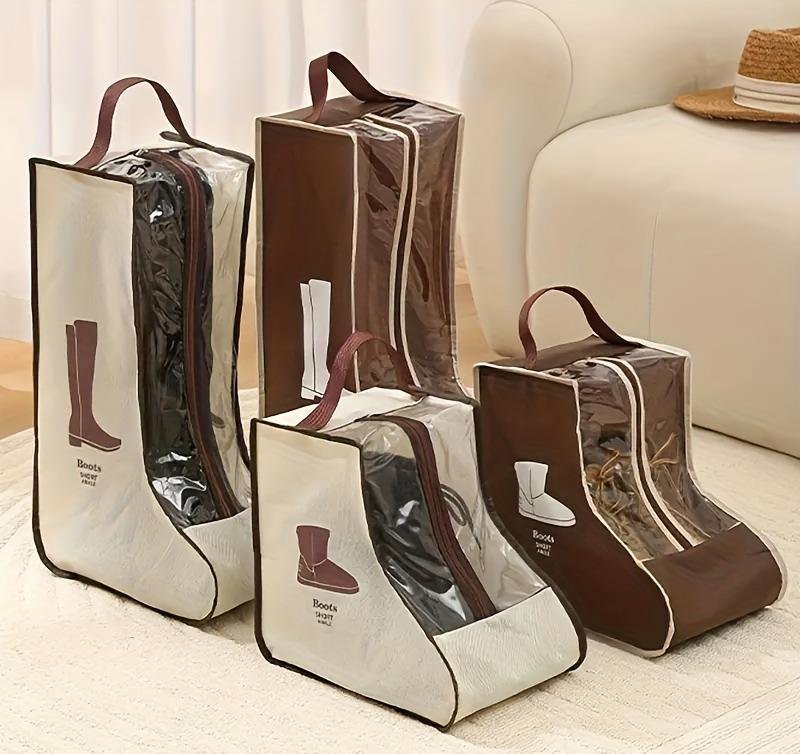
How Are Waterproof Shoe Bags Made?
Waterproof shoe bags are made through material selection, design confirmation, pattern making, sample development, logo testing, cutting, sewing or bonding, quality inspection, packing, and bulk shipment. A reliable factory should control size accuracy, fabric quality, zipper smoothness, seam strength, logo effect, cleaning performance, and final packaging consistency.
The manufacturing process starts long before sewing. First, the brand and factory need to confirm the product direction. Is it for travel, gym, sports, golf, hotels, retail, or promotional use? What material should be used? What size shoes should fit inside? Does the bag need ventilation? Should it be waterproof fabric only, or does it need stronger water protection at seams and zipper areas?
Once the design is clear, the factory develops a pattern. Pattern making decides how the flat material becomes a three-dimensional product. Even a simple shoe bag needs proper panel shape, seam allowance, zipper position, handle placement, and logo area. Poor pattern work can create a bag that wrinkles, pulls at the zipper, wastes material, or does not fit shoes correctly.
Then comes sampling. Sampling is where most design issues appear. The shoe bag may look good in a drawing but feel too small when real shoes are inserted. The zipper may need a longer opening. The handle may need reinforcement. The logo may look too large or too low. The material may feel too soft or too stiff. A good sample process allows the brand to correct these problems before bulk production.
For Szoneier, fast sampling and free design support are important advantages. The factory can help customers turn rough ideas into workable samples, especially for neoprene waterproof shoe bags and related custom products. Sample development is also the best stage to check whether the selected material, logo method, and structure match the target price.
After sample approval, bulk production begins. The process usually includes fabric preparation, material inspection, cutting, logo application, sewing, trimming, cleaning, inspection, packing, and carton loading. For waterproof shoe bags, quality control should pay close attention to stitching, zipper smoothness, handle strength, seam position, size tolerance, surface stains, logo alignment, and packing method.
A strong production process reduces three risks:
- Product does not match approved sample
- Bulk order has inconsistent size, color, or logo placement
- End customers complain about zipper, smell, water resistance, or weak seams
That is why quality control is not something to add at the end. It should be built into every step.
How Is a Waterproof Shoe Bag Sample Made?
A waterproof shoe bag sample is made by confirming the design, selecting the material, creating the pattern, cutting sample panels, applying the logo, sewing or assembling the bag, checking function, and making adjustments based on customer feedback.
A practical sample process usually includes:
- Confirm product use and target market
- Confirm rough size and shoe type
- Select material and thickness
- Choose zipper, handle, lining, and logo method
- Create pattern and panel layout
- Cut sample materials
- Apply logo or label
- Sew the first sample
- Test with real shoes
- Adjust size, structure, logo, or material if needed
For regular waterproof shoe bags, sampling can be relatively quick when the structure is simple and stock materials are available. If the product uses custom-dyed material, molded rubber patches, special zipper pullers, printed packaging, or complex structure, sampling will take longer.
During sample review, customers should check:
- Does the bag fit the intended shoe size?
- Is the opening wide enough?
- Does the zipper move smoothly?
- Is the fabric thick enough?
- Does the bag smell acceptable after unpacking?
- Is the logo size and position correct?
- Are seams neat and strong?
- Is the handle comfortable?
- Does the bag fold or pack as expected?
- Does the material wipe clean easily?
A sample should be judged as a real product, not only a visual reference. Put shoes inside. Carry it. Pull the zipper. Wipe the surface. Test the logo. These actions reveal problems early.
What Is the MOQ for Waterproof Shoe Bags?
The MOQ for waterproof shoe bags depends on material, color, logo method, structure, and packaging. Simple designs using stock materials can support lower MOQ. Custom fabric colors, special hardware, molded logo patches, custom packaging, or complex structures usually require higher MOQ.
Szoneier supports low MOQ customization, which is useful for small and medium foreign brands, startup product lines, e-commerce sellers, boutique travel brands, sports teams, gyms, and private label customers who want to test the market before placing larger orders.
MOQ is affected by several factors:
| Factor | Why It Affects MOQ |
|---|---|
| Stock fabric | Lower MOQ because material is already available |
| Custom fabric color | Higher MOQ due to dyeing requirements |
| Neoprene thickness | Some thicknesses may have stock, others need custom sourcing |
| Logo method | Rubber patches or custom pullers may need mold MOQ |
| Packaging | Printed boxes or sleeves often need printing MOQ |
| Zipper color | Stock colors are easier; custom colors need higher quantity |
| Product structure | Complex sewing increases setup time |
| Order color split | Too many colors reduce production efficiency |
Example MOQ direction:
| Project Type | Possible MOQ Direction | Suitable Customer |
|---|---|---|
| Simple stock-color shoe bag | Lower MOQ | Small brand, event, testing order |
| Custom logo neoprene shoe bag | Medium MOQ | Private label, gym, travel brand |
| Multi-color retail shoe bag | Medium to higher MOQ | E-commerce or retail line |
| Custom rubber patch design | Higher MOQ | Premium sports or sneaker brand |
| Full custom packaging set | Higher MOQ | Retail and branded gift project |
A lower MOQ is helpful, but customers should also think about unit cost. Very small orders usually have higher unit prices because sample setup, material preparation, cutting, and labor costs are spread across fewer pieces. A smart first order should be large enough to test the market but not so large that it creates inventory pressure.
How Long Does Waterproof Shoe Bag Production Take?
Waterproof shoe bag production time depends on sample approval, material availability, order quantity, logo method, packaging, and factory schedule. Simple designs with stock materials can move faster. Custom colors, special patches, molded parts, printed packaging, or complex structures need more preparation time.
A practical timeline may look like this:
| Stage | Time Direction | Notes |
|---|---|---|
| Design confirmation | 1–3 days | Faster if size, logo, and material are clear |
| Material selection | 1–5 days | Stock material is faster |
| Sample making | 5–10 days | Simple shoe bags can be quicker |
| Sample revision | 3–7 days | Depends on adjustment level |
| Bulk material preparation | 3–15 days | Custom color or coating takes longer |
| Bulk production | 10–30 days | Depends on quantity and complexity |
| Packing and inspection | 2–5 days | Retail packaging takes more time |
| Shipping | Varies | Air, sea, express, or combined transport |
For Szoneier, quick sampling and short lead time are key service strengths. However, a good production schedule still needs realistic planning. If a customer needs products for a sports event, holiday sale, trade show, or seasonal launch, the schedule should include time for sample changes, packaging confirmation, bulk inspection, and shipping.
To avoid delays, customers should prepare:
- Logo file in AI, PDF, or high-resolution format
- Target size and shoe type
- Material preference or reference sample
- Pantone color if required
- Packaging requirements
- Estimated order quantity
- Delivery deadline
- Shipping destination
- Any compliance or labeling requirement
The biggest delays often come from unclear details, not sewing time. If the product brief is complete, the factory can quote and sample much more efficiently.
How Is Waterproof Shoe Bag Quality Checked?
Waterproof shoe bag quality is checked through material inspection, size measurement, stitching review, zipper testing, handle strength testing, logo inspection, cleaning test, water-resistance check, odor check, packing inspection, and final random inspection before shipment.
Important quality checkpoints include:
| Quality Item | What to Check | Common Problem |
|---|---|---|
| Fabric | Thickness, color, coating, defects | Color difference, stains, weak coating |
| Size | Length, width, height | Bag too small for target shoes |
| Zipper | Smoothness, strength, alignment | Jamming, broken puller, uneven sewing |
| Stitching | Seam strength and neatness | Loose thread, skipped stitches |
| Handle | Pull strength and reinforcement | Tearing at stress points |
| Logo | Position, color, adhesion | Crooked logo, peeling, wrong size |
| Water resistance | Surface spray or damp shoe test | Moisture transfer |
| Cleaning | Wipe mud or dust | Stain remains or coating damages |
| Smell | Material and packing odor | Strong chemical smell |
| Packaging | Quantity, labels, carton | Wrong SKU, damaged packaging |
For waterproof shoe bags, the most important practical tests are zipper testing, handle testing, size testing, and damp-shoe testing. These are the areas customers notice quickly during use.
A useful inspection approach can include:
- Measure several pieces from different cartons
- Test zippers repeatedly
- Pull handles with loaded shoes inside
- Check logo placement against approved sample
- Inspect color under normal light
- Confirm packing method and carton marks
- Review product smell after opening packaging
- Compare bulk goods with approved sample
Szoneier’s 100% quality assurance promise should be supported by clear inspection steps. Customers can also request pre-shipment photos, sample comparison, carton details, or inspection reports when needed.
How to Choose a Waterproof Shoe Bag Manufacturer?
To choose a waterproof shoe bag manufacturer, look at material experience, custom development ability, sample speed, MOQ flexibility, logo options, quality control, communication efficiency, packaging support, and experience with OEM/ODM projects. A good manufacturer should help improve the product, not only quote the lowest price.
A strong manufacturer should be able to answer practical questions:
- Which material fits my target price?
- Is the bag truly waterproof or only water-resistant?
- What size should I choose for my shoe type?
- Which logo method works best on this fabric?
- Can the zipper handle repeated use?
- Can the handle support heavier sports shoes?
- What packaging is suitable for retail or e-commerce?
- Can you help make a sample from my idea?
- What is the production timeline?
- How do you check quality before shipment?
Factory selection checklist:
| Selection Point | Why It Matters |
|---|---|
| Material expertise | Helps avoid wrong fabric choice |
| Neoprene experience | Important for premium waterproof shoe bags |
| Custom design support | Useful when the product is not fully developed |
| Low MOQ | Helps test new products with less inventory pressure |
| Fast sampling | Speeds up launch planning |
| Logo capability | Supports private label and retail branding |
| Packaging support | Makes the product market-ready |
| Quality inspection | Reduces return and complaint risk |
| OEM/ODM service | Supports both existing designs and new development |
| Communication quality | Prevents costly misunderstandings |
Szoneier fits these needs because it has over 18 years of experience in neoprene fabric R&D and manufacturing, supports custom bags, koozies, sports supports, medical supports, wetsuits, and other neoprene-related products, and offers free design, low MOQ customization, fast sampling, free samples, short lead time, private label service, OEM/ODM production, and 100% quality assurance.
For brands that need a waterproof shoe bag with their own logo, the best next step is to send the factory a simple product brief, reference photo, shoe size range, target quantity, and logo file. From there, Szoneier can help turn the idea into a sample and then into a stable bulk order.
Why Choose Szoneier for Waterproof Shoe Bags?
Szoneier is a strong factory partner for custom waterproof shoe bags because it combines 18+ years of neoprene material experience, custom product development, OEM/ODM manufacturing, private label support, low MOQ customization, fast sampling, free design assistance, free sample support, short lead time, and strict quality control. For brands developing travel, sports, gym, golf, or promotional shoe bags, this reduces development risk and makes customization easier.
Choosing a waterproof shoe bag factory is not only about asking for the lowest unit price. A lower price can look attractive at the quotation stage, but if the bag is too small, the zipper feels rough, the logo peels off, the handle tears, or the fabric has a strong smell, the real cost becomes much higher. Returns, complaints, poor reviews, and delayed launches can damage a product line quickly.
Szoneier is suitable for customers who want more than a basic pouch. The company has long-term experience in neoprene fabric R&D and manufacturing, which is highly relevant for waterproof shoe bags. Neoprene is already used in wetsuits, koozies, sports protectors, medical supports, laptop sleeves, bottle holders, and soft protective bags. This gives Szoneier a stronger understanding of material thickness, lamination, cutting, sewing, elasticity, logo application, and waterproof-related product behavior.
For a custom waterproof shoe bag project, Szoneier can support different development directions:
- Lightweight travel waterproof shoe bags
- Premium neoprene shoe bags
- Gym shoe bags with ventilation panels
- Sports shoe bags for football, golf, running, or training
- Private label shoe bags for footwear brands
- Promotional shoe bags with custom logo
- Retail-ready shoe bags with packaging
- Multi-size shoe bag collections
- Waterproof shoe pouches for travel sets
- OEM/ODM shoe bag development from reference photos or samples
A key advantage is development flexibility. Some customers already have a tech pack, size drawing, and final logo file. Others only have a reference picture and a rough idea. Szoneier can support both. The factory can help with material recommendations, size adjustment, structure improvement, logo method selection, and packaging planning.
This matters because many waterproof shoe bag projects fail in small details. A zipper opening may be too short. The bag may not fit larger shoes. A coated fabric may feel too stiff. A logo process may not hold well on the chosen material. A handle may need reinforcement. An inner lining may need to be darker to hide dirt. These issues are easier and cheaper to solve during sampling than after bulk production.
Szoneier’s service model is also helpful for foreign small and medium customers, private label brands, and high-end brands because it supports custom orders with lower MOQ and faster response. Instead of forcing customers into only one stock product, the factory can develop different material, size, color, logo, and packaging combinations based on the project’s target market.
Why Is Szoneier a Good Waterproof Shoe Bag Manufacturer?
Szoneier is a good waterproof shoe bag manufacturer because it understands both material performance and custom product development. The company is not limited to simple sewing. It has experience with neoprene-based products, soft waterproof accessories, bags, koozies, sports supports, medical supports, and wetsuits. This gives the team a stronger foundation for developing shoe bags that need water resistance, flexibility, durability, and a clean branded look.
For waterproof shoe bags, material understanding is very important. A factory that only makes low-cost fabric pouches may focus mostly on price. Szoneier can help customers think through more practical product questions:
- Should the bag use neoprene, coated polyester, nylon, TPU, or another material?
- What thickness gives the best balance between cost and hand feel?
- Should the bag be soft and foldable or more structured?
- Is the product for dry travel shoes, wet sports shoes, or muddy outdoor footwear?
- Which logo process will last longer on the chosen material?
- Does the bag need ventilation or better moisture control?
- How can the product feel premium without becoming too expensive?
For brands, this kind of guidance reduces trial-and-error. A waterproof shoe bag may look easy, but the difference between a cheap pouch and a reliable custom product is often hidden in the details. Fabric quality, zipper grade, seam strength, logo placement, and packaging all affect the final customer experience.
Szoneier’s manufacturing strengths can be organized like this:
| Factory Strength | What It Means for Customers |
|---|---|
| 18+ years of experience | More stable product development and production judgment |
| Neoprene material knowledge | Better support for soft, water-resistant, premium shoe bags |
| OEM/ODM service | Can produce existing designs or develop new ones |
| Free design support | Easier for customers without complete technical drawings |
| Low MOQ customization | Lower pressure for new product testing |
| Fast sampling | Shorter development cycle |
| Free sample support | Easier to review material, size, and structure |
| Short lead time | Better for seasonal launches and fast-moving projects |
| Private label support | Logo, color, packaging, and retail details can be customized |
| 100% quality assurance | More confidence before shipment |
For customers who want to develop waterproof shoe bags as part of a wider product range, Szoneier also has an advantage because it can produce related neoprene and soft goods. A brand may start with shoe bags and later expand into bottle holders, sports supports, laptop sleeves, beach bags, cosmetic pouches, koozies, or travel accessories.
Can Szoneier Make Custom Waterproof Shoe Bags?
Yes, Szoneier can make custom waterproof shoe bags based on a customer’s size, material, color, logo, packaging, usage scene, and target price. The factory can support custom development from drawings, reference photos, existing samples, brand concepts, or rough product ideas.
The customization process can include:
- Product concept discussion
- Material recommendation
- Size planning
- Pattern development
- Logo method testing
- Sample making
- Sample adjustment
- Bulk production
- Quality inspection
- Private label packaging
- Shipment support
Custom waterproof shoe bags can be developed for many different use scenes.
| Use Scene | Recommended Custom Direction |
|---|---|
| Travel | Lightweight, foldable, suitcase-friendly shape |
| Gym | Breathable panel, washable surface, handle loop |
| Golf | Larger size, stronger handle, premium look |
| Football | Durable waterproof fabric, dark lining, larger capacity |
| Sneaker packaging | Neoprene body, clean logo, premium presentation |
| Hotel amenity | Soft color, private label tag, elegant packaging |
| Promotional gift | Simple structure, visible logo, controlled cost |
| Outdoor use | Coated nylon or TPU lining, reinforced seams |
Custom details can be selected based on market level.
For budget projects, customers may choose:
- Coated polyester
- Simple zipper or drawstring
- One-color logo printing
- Basic polybag packaging
- Standard size
- Stock fabric color
For mid-range projects, customers may choose:
- 2mm neoprene or stronger coated fabric
- Smooth zipper
- Woven label or heat transfer logo
- Side handle
- Paper sleeve packaging
- Custom color matching
For premium projects, customers may choose:
- 3mm neoprene or TPU-laminated fabric
- Custom zipper puller
- Rubber or silicone logo patch
- Divider inside
- Reinforced handle
- Branded hangtag and retail packaging
- Multi-size product collection
This flexibility is important because not every customer needs the same product. A promotional order may only need a simple logo shoe pouch. A sneaker brand may need a premium packaging accessory. A golf club may need a stronger bag that looks mature and high quality. Szoneier can adjust the product around the actual sales channel rather than forcing one fixed design.
Does Szoneier Support Private Label Waterproof Shoe Bags?
Yes, Szoneier supports private label waterproof shoe bags with customized logo, color, size, material, zipper, handle, label, hangtag, care card, barcode sticker, paper sleeve, retail packaging, and carton marks. This helps brands create a product that looks like their own, not a generic factory item.
Private label development is especially important for customers selling through e-commerce, retail stores, sports clubs, gyms, travel accessory shops, footwear brands, and promotional channels. The product needs to look consistent from the bag itself to the packaging.
Private label elements can include:
| Private Label Element | Custom Options |
|---|---|
| Main logo | Screen print, heat transfer, patch, woven label |
| Brand label | Side label, inner label, seam label |
| Zipper puller | Rubber puller, metal puller, color puller |
| Fabric color | Stock color or custom color |
| Lining | Standard lining, dark lining, wipe-clean lining |
| Packaging | Polybag, paper sleeve, kraft box, hangtag |
| Retail information | Size, material, care instruction, barcode |
| Carton marks | SKU, quantity, destination, product code |
| Insert card | Product story, care guide, thank-you card |
| Product set | Shoe bag plus packing cube, laundry bag, or pouch |
For e-commerce sellers, private label packaging should be simple but clear. Customers should immediately understand what the product is, what it is made from, and how to use it. For retail stores, packaging should also look clean on shelves or hanging displays. For premium sports or sneaker brands, packaging can create a stronger unboxing moment.
Useful product information for packaging includes:
- Product name
- Material
- Size
- Care instructions
- Usage scene
- Brand logo
- Website or QR code
- Barcode
- SKU
- Country of origin if required
- Recycling information when applicable
A private label waterproof shoe bag does not need to be overdesigned. Good private label work is about consistency. The logo, color, fabric, packaging, and product tone should feel like they belong to the same brand. Szoneier can help customers coordinate these details from sample stage, so the final product is easier to sell and present.
Does Szoneier Offer Fast Waterproof Shoe Bag Sampling?
Yes, Szoneier offers fast waterproof shoe bag sampling, especially when the customer provides clear size, material direction, logo file, reference image, and target quantity. Fast sampling helps customers check the product’s real hand feel, size, zipper, logo effect, and structure before bulk production.
Sampling is one of the most important stages in custom shoe bag manufacturing. Product drawings and digital mockups are useful, but they cannot fully show how the bag feels in the hand, whether the zipper opens smoothly, whether the logo looks balanced, or whether the bag fits real shoes properly.
A practical sampling process may include:
| Sampling Step | What Happens |
|---|---|
| Requirement review | Confirm use scene, size, material, logo, and quantity |
| Material selection | Choose neoprene, polyester, nylon, TPU, or other options |
| Pattern making | Convert the idea into production panels |
| Logo test | Check printing, patch, label, or transfer effect |
| Sample sewing | Make the first physical product |
| Function check | Test shoe fit, zipper, handle, and appearance |
| Customer review | Customer checks sample and gives comments |
| Revision | Adjust size, logo, material, or structure if needed |
To speed up sampling, customers should provide complete information at the beginning:
- Reference photo or sketch
- Target shoe type and size
- Desired bag dimensions
- Logo file in AI, PDF, SVG, or high-resolution PNG
- Preferred material and color
- Packaging idea
- Order quantity estimate
- Target price range
- Expected delivery date
The clearer the information, the faster the factory can make a useful sample. If details are unclear, the first sample may only serve as a rough direction and need more changes.
Important sample review points:
- Does it fit the intended shoes?
- Is the opening wide enough?
- Does the zipper feel smooth?
- Is the material too thin or too thick?
- Is the logo position correct?
- Does the handle feel strong?
- Is the bag easy to clean?
- Is the smell acceptable?
- Does the product match the expected price level?
- Is the packaging suitable for the sales channel?
For new products, a sample should not be rushed through approval just because it looks good in photos. The customer should test it with real shoes, wet soles, gym gear, luggage, or sports equipment. A small correction during sampling can prevent a large problem in bulk production.
How Does Szoneier Control Waterproof Shoe Bag Quality?
Szoneier controls waterproof shoe bag quality through material checking, sample confirmation, cutting control, logo inspection, stitching review, zipper testing, handle strength checking, size measurement, surface cleaning inspection, packing review, and final shipment checking. Quality control should start before production and continue until the goods are packed.
For waterproof shoe bags, quality problems often appear in practical use. A customer may not notice a small stitch issue at first, but they will notice quickly if the zipper jams, the handle tears, the logo peels, or moisture transfers to clothes. That is why Szoneier focuses on both appearance and function.
Key quality points include:
| Quality Area | Inspection Focus |
|---|---|
| Material | Thickness, color, coating, smell, surface defects |
| Cutting | Accurate panels, clean edges, low distortion |
| Logo | Correct position, color, size, adhesion |
| Stitching | Even seam, no skipped stitches, no loose threads |
| Zipper | Smooth opening, correct length, stable puller |
| Handle | Reinforced sewing, pull resistance |
| Size | Matches approved sample and tolerance |
| Water resistance | Surface spray or damp-shoe check when required |
| Cleaning | Wipe-clean surface and stain control |
| Packaging | Correct label, quantity, folding, carton marks |
Common issues Szoneier can help prevent:
- Bag too small for target shoes
- Weak zipper or rough zipper movement
- Logo placed too close to seam or zipper
- Fabric color difference between batches
- Unpleasant material smell
- Loose threads around handle area
- Poor cutting shape causing wrinkles
- Coating damage during sewing
- Packaging compression deforming the product
- Wrong SKU or carton label
Quality control should always be connected to the approved sample. Before bulk production, the approved sample becomes the reference for size, fabric, color, zipper, logo, stitching, and packaging. During production, workers and inspectors compare bulk goods against that sample to keep consistency.
For customers placing larger orders, useful inspection support can include:
- Pre-production sample confirmation
- Material photo confirmation
- Logo test photo
- Production progress photos
- Random size measurement
- Packing photo before shipment
- Carton mark confirmation
- Final inspection report if required
This process gives customers more confidence, especially when they are sourcing from another country and cannot visit the factory in person.
Waterproof Shoe Bag Cost Guide
The cost of a waterproof shoe bag is affected by material, size, thickness, structure, zipper type, handle design, logo method, packaging, order quantity, color choice, and inspection requirements. A small simple polyester shoe pouch may be very affordable, while a premium neoprene shoe bag with rubber patch, divider, reinforced handle, and retail packaging will cost more.
Cost should not be judged only by the lowest unit price. The better question is whether the product can support the intended sales price and customer experience. A cheaper bag may work for a giveaway, but it may not be suitable for a premium sneaker brand or gym merchandise line. A more expensive neoprene bag may be unnecessary for a one-time event promotion.
Main cost factors include:
| Cost Factor | Low-Cost Direction | Higher-Cost Direction |
|---|---|---|
| Material | 190T/210D polyester | Neoprene, TPU, coated nylon |
| Thickness | Thin fabric | 3mm neoprene or reinforced fabric |
| Size | Compact pouch | Large sports or golf size |
| Structure | Single compartment | Divider, pocket, reinforced bottom |
| Closure | Drawstring | Smooth zipper or water-resistant zipper |
| Logo | One-color print | Rubber patch, silicone patch, custom puller |
| Packaging | Basic polybag | Paper sleeve, box, hangtag, insert card |
| Quantity | Larger order lowers unit setup cost | Small order has higher unit cost |
| Color | Stock color | Custom-dyed color |
| Testing | Basic inspection | Extra performance or third-party checks |
A practical way to plan product cost is to divide the line into three levels:
| Product Level | Material Direction | Recommended Use |
|---|---|---|
| Basic | Coated polyester, drawstring or simple zipper | Promotion, event gifts, low-cost travel |
| Standard | 2mm neoprene, 300D polyester, nylon, zipper | Gym, travel, e-commerce, private label |
| Premium | 3mm neoprene, TPU lining, custom patch, reinforced handle | Sneaker, golf, sports brand, retail gift |
For customers building a product collection, it can be useful to create several price points. For example, one basic shoe pouch for promotional use, one mid-range travel shoe bag for online sales, and one premium neoprene shoe bag for gift sets or retail bundles. This gives the brand more flexibility in different channels.
Waterproof Shoe Bag Project Checklist
Before asking for a quotation, customers can prepare a simple checklist. This helps the factory understand the project faster and reduces repeated communication.
| Project Detail | Information to Prepare |
|---|---|
| Product use | Travel, gym, golf, football, sneaker, hotel, promotion |
| Shoe type | Sneakers, boots, sandals, golf shoes, sports shoes |
| Size | Length, width, height, or target shoe size |
| Material | Neoprene, polyester, nylon, TPU, PVC, RPET |
| Thickness | 2mm, 3mm, 600D, 300D, or factory recommendation |
| Closure | Zipper, drawstring, roll-top, flap |
| Handle | No handle, side handle, top handle, wrist loop |
| Ventilation | Mesh panel, eyelets, hidden breathable panel, none |
| Logo | Printing, patch, woven label, zipper puller |
| Color | Stock color or Pantone color |
| Packaging | Polybag, hangtag, paper sleeve, box |
| Quantity | Sample order, trial order, bulk order |
| Target price | Budget, standard, premium |
| Timeline | Sample deadline and bulk delivery date |
| Shipping | Express, air, sea, or forwarder pickup |
A complete brief does not need to be complicated. Even a reference picture plus clear notes can be enough to begin. For example:
“We need a black neoprene waterproof shoe bag for gym shoes, size around 15 x 10 x 5 inches, with zipper, side handle, white logo print, and paper sleeve packaging. First order around 500 pcs.”
This type of message gives the factory enough information to recommend material, estimate cost, and start sample planning.
Common Mistakes in Waterproof Shoe Bag Development
Many waterproof shoe bag projects run into problems because the product seems too simple at the beginning. Small mistakes in size, material, zipper, logo, or packaging can create bigger problems later.
Common mistakes include:
- Choosing a bag size based only on small shoes
- Using the word waterproof without checking seam and zipper structure
- Selecting thin fabric that cannot support repeated use
- Forgetting ventilation for sports or gym shoes
- Using a logo method that does not bond well to the material
- Placing the logo too close to the zipper or seam
- Choosing a weak handle for heavy sports shoes
- Approving a sample without testing real footwear
- Ignoring packaging size and shipping cost
- Ordering too many colors in the first production run
- Making the structure too complex for the target price
- Choosing the lowest price without checking zipper quality
A better development approach is to match product details with real use. If the product is for travel, keep it light and clean. If it is for gym use, think about odor and sweat. If it is for golf, increase size and structure. If it is for sneaker packaging, focus on premium appearance and logo detail. If it is for outdoor use, choose stronger fabric and easier cleaning.
Final Call to Action
A waterproof shoe bag may be small, but it can carry a lot of brand value when the material, size, logo, zipper, handle, and packaging are developed properly. Customers use shoe bags in very practical moments: packing for a trip, leaving the gym, carrying muddy sports shoes, storing golf shoes, or organizing luggage before a flight. If the product works well in those moments, the brand earns repeated exposure and a better customer impression.
Szoneier helps brands develop custom waterproof shoe bags from idea to bulk production. With more than 18 years of neoprene fabric R&D and manufacturing experience, the factory can support custom materials, sizes, colors, logos, packaging, OEM/ODM production, private label service, low MOQ customization, fast sampling, free design, free sample support, short lead time, and 100% quality assurance.
For a faster quotation, please prepare the following information:
- Product use: travel, gym, golf, sports, hotel, promotion, or retail
- Shoe type and target shoe size
- Desired bag size
- Preferred material: neoprene, polyester, nylon, TPU, or other fabric
- Logo file and logo method if known
- Color requirement
- Packaging requirement
- Estimated order quantity
- Target price range
- Delivery country and expected timeline
Send your waterproof shoe bag idea to Szoneier, and the team can help turn it into a custom sample for your brand.