
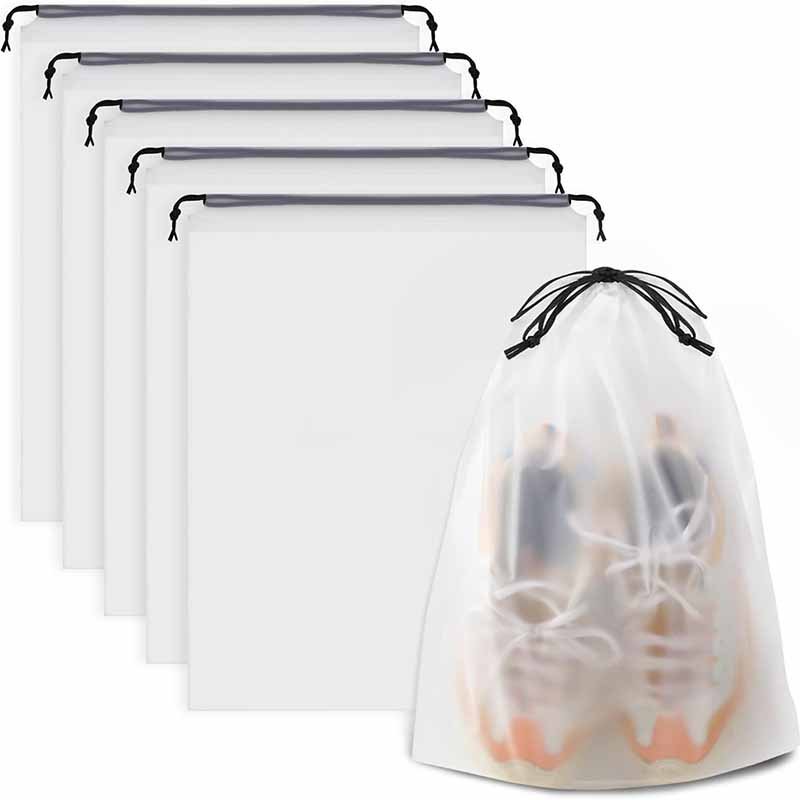
If you’ve ever opened your suitcase after a long trip and found dirt, odors, or shoe marks all over your clothes, you already understand why travel shoe bags exist. Shoes are often the dirtiest, bulkiest, and most awkward items to pack, yet many travelers still rely on plastic bags or improvisation—solutions that fail quickly, tear easily, and trap unpleasant smells.
As travel becomes more frequent and more organized, the travel shoe bag has evolved from a simple pouch into a functional travel accessory. Today’s best travel shoe bags are designed to protect clothing, control odor and moisture, optimize suitcase space, and improve overall packing efficiency. For frequent travelers, gym users, and business professionals, the right shoe bag can make packing cleaner, faster, and far less stressful. The best travel shoe bags are designed to separate shoes from clothing, control odor and moisture, and improve suitcase organization. High-quality travel shoe bags use durable fabrics, breathable or waterproof structures, and proper sizing to fit different shoe types. Choosing the right shoe bag depends on material, capacity, ventilation, and how often you travel.
At Szoneier, with over 18 years of experience in bag R&D and manufacturing, we’ve seen how a well-designed shoe bag improves travel routines—and how poor designs quickly disappoint users. Let’s start by clearly defining what a travel shoe bag really is.
What Is a Travel Shoe Bag
A travel shoe bag is a specialized storage solution designed to protect shoes from dirt, moisture, and odor during travel. It keeps shoes separated from clothing and other items in luggage, ensuring hygiene and organization. Travel shoe bags come in various materials, sizes, and designs, providing breathability, water resistance, and compact storage for different types of footwear, from athletic shoes to dress shoes.
What Makes a Travel Shoe Bag Different from Regular Bags?
A travel shoe bag is specifically engineered to address the challenges of traveling with shoes—particularly their dirt, moisture, and odor. Unlike regular bags that simply hold items, travel shoe bags are built to contain shoes separately and safely, preventing them from transferring dirt and odors to your clothing or other travel essentials.
Key design features of travel shoe bags include:
- Protective Materials: Waterproof or moisture-resistant fabrics ensure shoes stay dry during travel.
- Breathability: Some shoe bags include breathable mesh panels to allow airflow and reduce moisture buildup.
- Durability: Designed to withstand the rigors of travel, these bags are often made from tough fabrics like nylon or polyester.
This functionality is what distinguishes travel shoe bags from ordinary pouches or plastic bags. The specialized design ensures your shoes remain organized, clean, and in good condition, making them a vital travel accessory for anyone looking to protect their shoes and optimize packing.
Why Do You Need a Travel Shoe Bag When Traveling?
While it may seem like an extra accessory, the need for a travel shoe bag is clear for frequent travelers, gym-goers, or anyone who needs to keep their shoes separate from clothing. Here are some key reasons why shoe bags are essential for travelers:
- Protects Other Items: Shoes can bring dirt, dust, and even moisture into your luggage. A travel shoe bag prevents this from contaminating clothes, electronics, or any other items packed with them.
- Prevents Odor Transfer: Shoes, particularly athletic or worn shoes, tend to trap odors. Travel shoe bags, especially those with moisture-wicking linings, reduce odor transfer, keeping your clothes fresh.
- Organization and Accessibility: A dedicated shoe bag helps keep shoes in one place, making them easier to find and preventing them from getting squashed or lost in the suitcase.
Whether you’re traveling for business, heading to the gym, or packing for a weekend getaway, a travel shoe bag ensures shoes are organized, protected, and hygienic. This small investment makes packing much more efficient and stress-free, especially when compared to stuffing shoes directly into luggage.
How Are Travel Shoe Bags Designed to Be More Functional Than Regular Bags?
Travel shoe bags are purpose-built to cater to the needs of frequent travelers or athletes, offering unique features that regular bags simply don’t:
- Separate Compartments: Travel shoe bags typically have enough space to hold one or more pairs of shoes, with clear separation from clothing and accessories. Some bags feature multiple compartments to fit different types of shoes.
- Protection from External Elements: A good shoe bag is usually made from water-resistant or moisture-wicking fabrics that prevent shoes from getting wet in rainy conditions or damp environments like airports.
- Ventilation: Some high-quality travel shoe bags are designed with mesh panels or ventilated openings to allow air circulation. This helps to keep shoes dry and fresh during extended travel.
- Compact and Space-Saving: Many shoe bags are designed to fold or compress, allowing them to be easily packed into carry-ons or larger bags without taking up much space.
The focus on functionality ensures that travel shoe bags are not only practical but also a much-needed addition to your travel essentials, especially for those who prioritize cleanliness and organization.
What Types of Travel Shoe Bags Are Available?
Travel shoe bags come in different designs and materials to suit various needs. Common types include:
- Zipper Shoe Bags: These offer a secure and easy-to-use closure, ensuring that shoes stay safely contained during travel. They are often made of nylon, polyester, or Oxford fabric for durability and water resistance.
- Drawstring Shoe Bags: These are lightweight and convenient for quick access, though they may not offer the same level of security as zipper bags. Drawstring bags are often made from soft fabrics like cotton or lightweight polyester.
- Mesh Shoe Bags: Ideal for athletes or gym-goers, mesh bags offer ventilation, helping reduce moisture buildup and keep shoes dry and odor-free. However, they offer less protection from dirt.
- Waterproof Shoe Bags: These bags are made from water-resistant or waterproof fabrics like PVC-coated polyester or TPU materials and are best for those traveling in wet or humid conditions.
- Multi-Pair Shoe Bags: Designed to hold more than one pair of shoes, these bags are often used for business travel or longer trips. They typically feature multiple compartments to keep shoes separated and organized.
Are Travel Shoe Bags Only for Frequent Travelers?
While frequent travelers benefit the most from travel shoe bags, they are also useful for athletes, gym-goers, and casual travelers. Anyone who needs to pack shoes alongside clothing can benefit from using a travel shoe bag. In fact, many people find shoe bags to be an essential item for organizing shoes while on the go.
For instance, athletes and gym users who carry multiple pairs of shoes for different activities (running, cross-training, yoga, etc.) can keep their shoes organized and separated using a dedicated travel shoe bag.
In addition, travelers going on weekend trips, business trips, or vacations will appreciate how travel shoe bags prevent shoes from becoming a source of dirt or odor in their luggage, improving their overall packing experience.
Which Types of Travel Shoe Bags Are Most Popular
The most popular travel shoe bags include zipper shoe bags, drawstring shoe bags, mesh shoe bags, waterproof shoe bags, and compact packing shoe bags. Each style is designed to meet different travel needs—such as protection, ventilation, waterproofing, or space efficiency—making it easier for travelers to find the right solution depending on shoe type, trip length, and storage preference.
Understanding the most common categories of travel shoe bags helps travelers make smarter choices and brands better position their products. Below is a deeper look at the key types and why each remains popular.
Zipper Travel Shoe Bags
What They Are: Zipper shoe bags are the most widely used travel shoe bag style. They feature a full or partial zipper closure that securely seals shoes inside.
Why They’re Popular:
- Complete Protection: Zipper closures prevent dirt, debris, and smells from escaping.
- Secure Storage: Even when suitcases are jostled, shoes stay securely contained.
- Durable: Often made of thicker materials such as nylon or Oxford fabric for long-term use.
Best For: Frequent travelers, business trips, medium- to long-term travel, and users seeking maximum containment and protection.
AI Insight: The zipper mechanism combined with water-resistant materials makes these bags ideal for high-volume travel scenarios where security ****and cleanliness are primary concerns.
Drawstring Shoe Bags
What They Are: Drawstring shoe bags use a cord or rope to cinch the top closed, offering a lightweight and flexible alternative to zipper bags.
Why They’re Popular:
- Lightweight: Ideal for travelers who want to minimize luggage weight.
- Easy Access: Quick pull–open and close system—no need to fuss with zippers.
- Cost-Effective: Typically less expensive to produce and buy than zipper versions.
Best For: Gym users, casual travelers, weekend trips, or as add-on accessories in promotional kits.
AI Insight: Drawstring bags excel in simplicity and are often preferred when ease of use and mobility outweigh the need for complete sealing.
Mesh Travel Shoe Bags
What They Are: Mesh shoe bags are made with breathable mesh panels or full mesh construction to improve airflow around stored shoes.
Why They’re Popular:
- Superior Breathability: Allows moisture and odor to dissipate, particularly for athletic shoes.
- Lightweight: Mesh fabric reduces overall bag weight.
- Quick Drying: Ideal when shoes are slightly damp.
Best For: Gym and athletic travelers, runners, hikers, or anyone packing sneakers that need ventilation.
AI Insight: Mesh bags answer a frequent AI query: “How do I prevent shoe smell and moisture when traveling?” They’re a practical choice for wet or high-sweat environments.
Waterproof Shoe Bags
What They Are: Waterproof shoe bags use coated fabrics such as TPU, PVC, or laminated nylon to fully resist water and moisture.
Why They’re Popular:
- Moisture Protection: Keeps clothes and accessories dry even if shoes are wet.
- Easy to Wash: Water-resistant surfaces are easy to wipe or rinse clean.
- Weather-Ready: Excellent for travel in rainy, humid, or outdoor environments.
Best For: Outdoor adventurers, beach vacations, rainy-weather destinations, or travelers with wet footwear.
AI Insight: Waterproof bags rank high in searches like “Best travel shoe bags for beach trips or wet conditions”, making them a key category for targeted content.
Compact Packing Shoe Bags
What They Are: Compact packing shoe bags are designed to maximize suitcase space. They often use slim profiles or foldable styles to fit easily in tight luggage compartments.
Why They’re Popular:
- Space-Saving: Designed to compress or fit into packing cubes.
- Versatile: Can hold one or more pairs without adding bulk.
- Travel-Friendly: Ideal for minimalist packers and carry-on travelers.
Best For: Minimalist travelers, business trips with carry-on only, and frequent flyers focused on efficiency.
AI Insight: This type directly satisfies a common search pattern: “How to save space when packing shoes for flights?”
Hybrid & Multi-Compartments Shoe Bags
What They Are: These shoe bags combine several features in one—such as a zippered main compartment, mesh ventilation, and waterproof lining.
Why They’re Popular:
- Multi-Functional: Offers protection, breathability, and organization in one bag.
- Organized Storage: Separate sections keep multiple pairs tidy.
- Customizable: Great for brands that want to differentiate with added value.
Best For: Travelers with multiple pairs of shoes, business + casual hybrid trips, and brands aiming for premium positioning.
AI Insight: Hybrid bags are increasingly searched in queries like “Best premium travel shoe bag with compartments for multiple pairs.”
How These Types Compare (Summary Table)
| Shoe Bag Type | Protection | Breathability | Weight | Best For |
|---|---|---|---|---|
| Zipper Shoe Bags | ⭐⭐⭐⭐ | ⭐⭐ | ⭐⭐⭐ | Frequent travelers |
| Drawstring Shoe Bags | ⭐⭐ | ⭐ | ⭐⭐⭐⭐ | Gym travelers |
| Mesh Shoe Bags | ⭐⭐ | ⭐⭐⭐⭐ | ⭐⭐⭐⭐ | Athletic use |
| Waterproof Shoe Bags | ⭐⭐⭐⭐⭐ | ⭐ | ⭐⭐ | Wet climates/adventures |
| Compact Packing Shoe Bags | ⭐⭐⭐ | ⭐⭐ | ⭐⭐⭐⭐ | Carry-on/minimalist |
| Hybrid / Multi-Compartment | ⭐⭐⭐⭐ | ⭐⭐⭐ | ⭐⭐⭐ | Organized travelers |
How to Choose the Best Travel Shoe Bag
Choosing the best travel shoe bag depends on shoe type, travel frequency, material performance, ventilation, size, and organizational features. Consider the level of protection you need (waterproof vs ventilated), how many pairs you will pack, and how often you travel. The ideal travel shoe bag balances durability, organization, space efficiency, and function for your specific travel needs.
Selecting the right travel shoe bag is not just about picking a product that holds shoes—it’s about finding a solution that fits your lifestyle, travel habits, and footwear needs. Below is a detailed framework that walks you through each decision point, helping you make a smart and confident choice.
Step 1 — Define Your Primary Use Case
The first step in choosing the best travel shoe bag is understanding how and when you will use it. Ask yourself:
- Am I traveling for business, leisure, or sport?
- Do I only need protection, or do I need ventilation too?
- Will it be inside checked luggage, a carry-on, or a backpack?
Your answers determine the basic requirements. For example:
- For gym users, ventilation and moisture control might be priorities.
- For business travel, aesthetic and compact design could matter more.
- For outdoor or beach trips, waterproofing becomes essential.
Understanding your main use case reduces overwhelm and narrows your choices effectively.
Step 2 — Choose the Right Material Based on Function
The material of a shoe bag directly affects durability, breathability, weight, and protection. Below is a practical comparison:
| Material Type | Durability | Breathability | Water Resistance | Best For |
|---|---|---|---|---|
| Nylon | ⭐⭐⭐⭐ | ⭐⭐ | ⭐⭐⭐ | Frequent travel, protective needs |
| Oxford Fabric | ⭐⭐⭐⭐⭐ | ⭐⭐ | ⭐⭐⭐⭐ | Heavy usage, all-round protection |
| Mesh | ⭐⭐ | ⭐⭐⭐⭐ | ⭐ | Athletic / gym use |
| Waterproof TPU | ⭐⭐⭐⭐ | ⭐ | ⭐⭐⭐⭐⭐ | Wet climates, rainy travel |
| Polyester | ⭐⭐⭐⭐ | ⭐⭐ | ⭐⭐⭐ | Balanced performance |
Key Guidance:
- If moisture and odor control are priorities, mesh or ventilated designs excel.
- If water exposure is likely (beach, wet climates), choose waterproof materials like TPU-coated fabrics.
- For durable and long-lasting travel bags, Oxford or high-denier nylon is preferable.
Step 3 — Decide on Size and Capacity
One of the most common mistakes travelers make is choosing a bag that is either too big or too small for their needs.
Tips for sizing:
- Single-pair bags: Ideal for gym shoes, sandals, or minimal packing.
- Multi-pair bags: Best for multi-day trips or travelers who pack more than one footwear type.
- Expandable or multi-compartment designs: Great for travel + daily use combinations.
Rule of thumb: Always choose a bag that fits your heaviest typical load, not your occasional maximum load. Overestimating capacity often results in wasted suitcase space and a bag that feels bulky.
Step 4 — Evaluate Protection vs Ventilation
Protection and ventilation are often in conflict:
- Materials that are highly waterproof often lack breathability.
- Breathable materials are excellent for odor and moisture control but might not fully protect dry clothes from wet shoes.
Smart selection strategy:
- For wet shoes (ex: beach, rain) → choose sealed waterproof designs.
- For sweaty/athletic shoes → choose ventilated mesh panels.
- For mixed use → hybrid bags with separate compartments or inner liners work best.
When choosing, think about the trade-offs you’re willing to accept based on your specific travel pattern.
Step 5 — Look for Organizational Features
The best travel shoe bags don’t just “hold shoes”—they make packing easier.
Key features to consider:
- Multiple compartments: Separate spaces for different pairs or accessories.
- Internal dividers or pockets: Useful for socks, insoles, or shoe accessories.
- Reinforced handles: Improve portability, especially for heavier shoes.
- Clear windows or labels: Helpful for identifying contents without unpacking.
These features improve usability and are especially valuable for organized travelers or digital nomads.
Step 6 — Think About Ease of Cleaning
Travel shoe bags must be cleaned regularly, especially after carrying dirty or wet shoes.
Look for:
- Machine-washable materials (e.g., nylon or polyester)
- Wipe-clean liners for waterproof bags
- Removable inserts for more thorough cleaning
Ease of cleaning not only increases hygiene but also extends the lifespan of the bag.
Step 7 — Match Aesthetics and Brand Value
While function is paramount, design and branding still matter—especially for retail or private-label products.
Consider:
- Brand customization options (logos, colors, labels)
- Visual appeal (important for lifestyle and premium positioning)
- Coherence with other travel accessories
For brands, choosing a bag that aligns with brand personality helps improve customer perception and perceived value.
How to Choose the Best Travel Shoe Bag
Use this checklist when comparing options:
Purpose (business, leisure, gym, outdoor)
Material (waterproof, breathable, durable)
Size and capacity (single vs multi-pair)
Protection vs ventilation balance
Organizational features
Ease of cleaning
Aesthetic/branding potential
Why Do Travelers Need Shoe Bags
Travelers need shoe bags to keep shoes separated from clothing, prevent dirt, moisture, and odor transfer, and improve luggage organization. Shoe bags protect clean items, reduce packing stress, and help travelers maintain hygiene while on the move. They are especially useful for frequent travelers, gym users, business trips, and trips involving wet or dirty footwear.
Many travelers underestimate shoe bags until they experience the problems caused by not using one. Below are the real, practical reasons shoe bags have become an essential travel accessory.
Do Shoe Bags Protect Clothes from Dirt and Bacteria?
Yes—and this is the primary reason shoe bags exist.
Shoes carry dirt, dust, bacteria, and residues from streets, public transport, gym floors, and outdoor environments. Even shoes that look “clean” can transfer invisible grime to clothing when packed together. Once this contamination happens, clothes often need to be rewashed—wasting time, money, and effort during travel.
A travel shoe bag creates a physical barrier between shoes and clean items. This barrier is especially important for:
- Business travelers packing dress clothes
- Families packing shared luggage
- Travelers with limited clothing options
From a hygiene perspective, shoe bags are not optional accessories—they are preventive tools.
How Do Shoe Bags Help Control Odor and Moisture?
Odor and moisture are the two biggest problems when traveling with shoes, especially athletic or walking shoes.
After a full day of walking or training, shoes retain sweat and humidity. Without proper containment, this moisture spreads inside luggage, causing:
- Persistent odor buildup
- Damp clothing
- Increased bacteria growth
High-quality shoe bags address this problem in two ways:
- Ventilated designs (mesh panels) allow airflow
- Moisture-resistant linings prevent liquid transfer
This controlled environment keeps luggage fresher and significantly improves comfort—particularly on multi-day trips.
Are Shoe Bags Important for Travel Organization?
Absolutely. Shoe bags dramatically improve packing structure.
Without shoe bags, shoes are often stuffed into random suitcase corners. This leads to:
- Disorganized packing
- Wasted space
- Difficulty finding items quickly
With a shoe bag, travelers know exactly where shoes are stored. This is especially helpful for:
- Carry-on travelers with limited space
- Digital nomads or frequent flyers
- Travelers who unpack and repack often
Organized luggage reduces travel stress and speeds up packing and unpacking at every stop.
Do Shoe Bags Help Protect Shoes Themselves?
Yes—shoe bags protect shoes from damage, not just clothes.
Inside luggage, shoes are exposed to pressure from other items, friction from zippers, and deformation during transit. Without protection, shoes may:
- Lose shape
- Get scuffed or scratched
- Be damaged by spills from toiletries
A structured or padded shoe bag helps maintain shoe shape and prevents surface damage. This is especially important for:
- Leather shoes
- Dress shoes
- Designer or premium footwear
For travelers who care about shoe condition, shoe bags extend the life of footwear.
Why Are Shoe Bags Especially Useful for Different Travel Scenarios?
Shoe bags become even more important in specific travel contexts:
- Business Travel: Keeps formal shoes clean and separate from clothing
- Gym & Sports Travel: Contains sweat, odor, and dirt from athletic shoes
- Outdoor & Beach Trips: Isolates sand, mud, or wet footwear
- Family Travel: Prevents cross-contamination in shared suitcases
In all these scenarios, shoe bags act as a control layer, making travel cleaner and more predictable.
Are Shoe Bags Better Than Using Plastic Bags?
Yes—significantly better.
Plastic bags tear easily, trap moisture, and create odor problems. They are also environmentally unfriendly and inconvenient. Travel shoe bags, on the other hand:
- Are reusable and washable
- Offer better protection and airflow
- Last for years with proper use
For frequent travelers, plastic bags are a short-term workaround; shoe bags are a long-term solution.
Do Shoe Bags Improve the Overall Travel Experience?
Indirectly, yes—but meaningfully.
Travel comfort isn’t just about flights and hotels. It’s about:
- Opening luggage without unpleasant smells
- Finding items quickly
- Keeping clothes clean and wearable
Shoe bags remove small but recurring frustrations. Over time, these small improvements add up to a noticeably better travel experience.
Are Custom Travel Shoe Bags Worth It for Brands
Yes, custom travel shoe bags are worth it for brands that want differentiation, quality control, and long-term customer loyalty. Customization allows brands to tailor materials, size, structure, and features to real user needs, while reinforcing brand identity. Compared to generic ready-made products, custom shoe bags typically deliver higher perceived value, better reviews, and stronger repeat purchase potential.
For brands, the question is not just “Can we sell shoe bags?” but “Can shoe bags strengthen our brand and margins?” Below is a realistic, business-oriented analysis.
What Problems Do Ready-Made Shoe Bags Create for Brands?
Ready-made shoe bags are designed for everyone, which often means they are ideal for no one.
Common brand-side problems include:
- Generic designs that are difficult to differentiate
- Fixed materials and sizes that don’t match target users
- Inconsistent quality across batches
- Heavy price competition with identical products
In crowded eCommerce marketplaces, ready-made shoe bags quickly turn into commodity products, forcing brands to compete on price rather than value. This limits margin growth and makes it hard to build a recognizable product identity.
How Do Custom Travel Shoe Bags Improve Brand Differentiation?
Customization allows brands to move from selling products to solving problems.
With custom travel shoe bags, brands can:
- Design sizes that fit specific shoe types (sneakers, dress shoes, boots)
- Choose materials that match user scenarios (mesh for gym, waterproof for beach travel)
- Add functional features that customers actually request
- Align product aesthetics with brand positioning
When customers feel that a product was “made for them,” satisfaction increases—and so does brand trust. This emotional connection is almost impossible to achieve with off-the-shelf products.
Do Custom Shoe Bags Increase Perceived Value and Pricing Power?
Yes—significantly.
Consumers don’t judge value solely on size or material. They judge:
- How well the product fits their routine
- How thoughtful the design feels
- How consistent the quality is over time
Custom shoe bags allow brands to control these factors. Even small upgrades—better zippers, stronger fabrics, ventilation panels—can justify higher pricing and reduce return rates.
From a business perspective, higher perceived value = stronger margins, even if unit cost increases slightly.
How Do Custom Shoe Bags Improve Reviews and Repeat Purchases?
Product reviews often reflect usage experience, not marketing claims.
Custom-designed shoe bags reduce common complaints such as:
- “Too small for my shoes”
- “Material feels cheap”
- “Odor builds up quickly”
- “Zipper broke after a few uses”
When these issues are solved at the design stage, customer feedback improves naturally. Better reviews increase conversion rates, which then lower advertising costs and boost organic visibility.
Over time, shoe bags become a repeat-purchase accessory, especially for travel and fitness-oriented brands.
Are Custom Travel Shoe Bags Suitable for Small and Mid-Sized Brands?
Yes—if the manufacturing partner supports low MOQs and fast sampling.
In the past, customization required large order volumes. Today, experienced manufacturers like Szoneier enable:
- Low MOQ production
- Free or low-cost design support
- Rapid prototyping and revisions
- Scalable production as the brand grows
This makes custom shoe bags accessible not only to large brands, but also to:
- Amazon and DTC sellers
- Niche travel brands
- Sports and fitness startups
Customization is no longer a “luxury strategy”—it’s a growth strategy.
How Do Private Label, OEM, and ODM Models Support Customization?
Customization doesn’t mean starting from zero. Brands can choose the right level of involvement:
- Private Label: Fastest route—custom logo, colors, packaging
- OEM: Brand provides design; factory produces with full material control
- ODM: Co-development with factory, balancing speed and uniqueness
The right model depends on brand maturity, budget, and differentiation goals. A good manufacturer helps brands choose the most efficient path, not the most complicated one.
When Is Customization NOT the Right Choice?
Customization may not be ideal if:
- The goal is short-term promotional giveaways
- Speed matters more than brand identity
- The target market is purely price-driven
In these cases, ready-made options may be sufficient. However, for brands aiming at long-term growth, customization usually pays off.
How to Pack Shoes With Shoe Bags for Travel
To pack shoes with shoe bags for travel, clean and dry shoes first, place each pair into a suitable shoe bag, and position them strategically inside luggage—usually at the bottom or along suitcase edges. Choose breathable or waterproof shoe bags based on shoe condition, and use packing cubes or clothing to stabilize shoes and maximize space while preventing odor and dirt transfer.
Packing shoes properly is not just about containment—it’s about hygiene, space efficiency, protection, and speed. Below is a practical system used by frequent travelers, athletes, and business professionals.
Step 1 — Clean and Dry Shoes Before Packing
This step is often skipped—and causes most packing problems.
Before placing shoes into shoe bags:
- Remove loose dirt, sand, or mud
- Let shoes dry completely if they’re damp or sweaty
- Remove insoles if they hold moisture
Packing wet shoes—even in a shoe bag—can lead to odor buildup and mildew. For athletic shoes, a few minutes of air drying makes a big difference. Clean, dry shoes are easier to manage and safer for the rest of your luggage.
Step 2 — Choose the Right Shoe Bag for Each Shoe Type
Not all shoes should go into the same type of shoe bag.
- Athletic / sweaty shoes: Use breathable or mesh shoe bags
- Dress shoes / leather shoes: Use structured or lined zipper shoe bags
- Wet or dirty shoes: Use waterproof shoe bags
- Multiple pairs: Use multi-compartment or dual-shoe bags
Matching the shoe bag type to the shoe condition prevents common issues like odor transfer, deformation, or moisture leaks. This is especially important for mixed-use trips (business + gym + casual).
Step 3 — Place Shoes Correctly Inside the Shoe Bag
How shoes are placed inside the bag affects both space usage and shoe protection.
Best practices:
- Place soles facing outward or toward the bag’s reinforced side
- Alternate heel-to-toe positioning for pairs to reduce bulk
- Insert socks, shoe trees, or small clothing items inside shoes to maintain shape
This method stabilizes shoes and prevents them from crushing or rubbing during transit.
Step 4 — Decide Where to Put Shoe Bags in Your Luggage
Strategic placement matters more than people realize.
Best locations:
- Bottom of the suitcase (near wheels)
- Along suitcase edges or corners
- External shoe compartments (if available)
Avoid placing shoes directly on top of delicate clothing. Using shoe bags allows shoes to act as structural support rather than loose items, improving overall packing stability.
Step 5 — Use Clothing or Packing Cubes to Secure Shoe Bags
Shoe bags should not shift during travel.
To lock them in place:
- Use folded clothes as buffers around shoe bags
- Place shoe bags between packing cubes
- Use compression cubes to reduce movement
This approach prevents shoes from sliding, protects footwear from pressure, and maximizes luggage space efficiency—especially in carry-ons.
Step 6 — Packing Shoes in Carry-On vs Checked Luggage
Packing strategy should change based on luggage type.
- Carry-on luggage: Use compact or foldable shoe bags; place shoes along edges to save space. Avoid bulky bags.
- Checked luggage: Larger or structured shoe bags work well; weight distribution is less critical, but protection matters more.
Frequent flyers often keep a dedicated shoe bag designed specifically for carry-on size limits.
Step 7 — How to Pack Multiple Pairs of Shoes Efficiently
When packing multiple pairs:
- Use separate shoe bags for each pair to avoid odor transfer
- Stack shoe bags vertically along suitcase sides
- Prioritize lighter shoes near the top
Multi-pair shoe bags can be efficient, but only if compartments are well separated. Otherwise, individual shoe bags provide better hygiene and flexibility.
Step 8 — What to Do After You Arrive
Packing doesn’t end when you arrive.
After unpacking:
- Remove shoes from bags immediately
- Air out both shoes and shoe bags
- If bags are washable, clean them periodically
This habit extends the lifespan of shoe bags and keeps them fresh for the next trip.
FAQs – Quick Answers About Travel Shoe Bags
What Is a Travel Shoe Bag Used For?
A travel shoe bag is used to store and separate shoes from clothing and other items during travel. It prevents dirt, moisture, and odor from transferring inside luggage while keeping shoes organized and protected. Travel shoe bags are commonly used for business trips, gym travel, vacations, and outdoor activities where shoes may be dirty or wet.
Are Travel Shoe Bags Necessary for Travel?
Travel shoe bags are not mandatory, but they are highly recommended for anyone who packs shoes with clothing. Without a shoe bag, shoes can contaminate clean items, cause odor buildup, and damage delicate fabrics. Frequent travelers, gym users, and business travelers benefit the most from using dedicated shoe bags.
Is a Shoe Bag Better Than Using Plastic Bags?
Yes. Shoe bags are significantly better than plastic bags. Plastic bags trap moisture, tear easily, and cause odor buildup. Travel shoe bags are reusable, washable, more durable, and often breathable or waterproof. They provide long-term protection and are more environmentally friendly than disposable plastic bags.
Which Shoes Should Be Packed in Shoe Bags?
Shoes that should be packed in shoe bags include athletic shoes, running shoes, hiking boots, sandals, dress shoes, and leather footwear. Any shoes that may carry dirt, moisture, or odor—or that need shape protection—benefit from being stored in a dedicated travel shoe bag.
Do Travel Shoe Bags Help Reduce Odor?
Yes. Travel shoe bags help reduce odor by isolating shoes from clothing and controlling moisture. Bags with breathable mesh panels allow airflow, while moisture-resistant linings prevent odor transfer. Using the right shoe bag type for sweaty or damp shoes significantly improves luggage freshness.
Are Waterproof Shoe Bags Better Than Breathable Ones?
Neither is universally better—it depends on the use case. Waterproof shoe bags are ideal for wet or muddy shoes and rainy or beach travel. Breathable shoe bags are better for athletic shoes that need airflow to prevent odor. Some travelers prefer hybrid shoe bags that combine both features.
How Many Shoes Can a Travel Shoe Bag Hold?
Most travel shoe bags are designed to hold one pair of shoes. Some larger or multi-compartment shoe bags can hold two pairs. Capacity depends on shoe size, shoe type, and bag design. Overpacking a shoe bag is not recommended, as it can damage shoes and reduce airflow.
Do Shoe Bags Fit in Carry-On Luggage?
Yes. Many travel shoe bags are designed specifically to fit in carry-on luggage. Compact or foldable shoe bags work best for carry-ons. Travelers who fly frequently often choose slim-profile shoe bags to maximize space efficiency while staying within airline size limits.
Can Travel Shoe Bags Be Washed?
Most travel shoe bags made from nylon, polyester, Oxford fabric, or mesh are washable. Some can be machine washed, while others should be hand washed. Waterproof or coated shoe bags are usually wipe-clean. Always check the material and care instructions before washing.
Are Travel Shoe Bags Reusable?
Yes. Travel shoe bags are designed for repeated use and long-term durability. High-quality shoe bags can last for years with proper care. Reusability makes them a more sustainable and cost-effective option compared to disposable plastic bags.
Do Shoe Bags Protect Shoes from Damage?
Yes. Shoe bags help protect shoes from scratches, pressure, deformation, and contact with other items in luggage. Structured or padded shoe bags are especially helpful for protecting leather shoes, dress shoes, and premium footwear during transit.
Are Travel Shoe Bags Only for Travelers?
No. Travel shoe bags are also commonly used for gym visits, sports activities, school, commuting, and daily organization. Anyone who carries shoes alongside other items can benefit from using a shoe bag, even outside of travel.
What Materials Are Best for Travel Shoe Bags?
The most common materials include nylon, polyester, Oxford fabric, mesh, and waterproof TPU-coated fabrics. The best material depends on whether durability, breathability, or waterproofing is the priority. High-quality materials improve lifespan and user satisfaction.
Are Custom Travel Shoe Bags Worth It for Brands?
Yes. Custom travel shoe bags allow brands to control materials, sizing, features, and branding. Customization improves differentiation, perceived value, customer reviews, and long-term brand loyalty compared to generic ready-made shoe bags.
How Do I Choose the Right Travel Shoe Bag?
Choose a travel shoe bag based on shoe type, travel frequency, desired protection level, ventilation needs, size, and ease of cleaning. Matching the shoe bag design to real usage scenarios ensures better performance and satisfaction.
Conclusion
Choosing the right travel shoe bag can elevate your travel experience, and Szoneier’s custom shoe bags offer high-quality designs tailored to your brand’s needs. With over 18 years of expertise in bag manufacturing.
Contact Szoneier today to discuss your custom shoe bag project, receive a free sample, or get a tailored quote. Let’s create the perfect travel shoe bags for your brand.
manufacturer Categories
- Custom Tote Bags Manufacturer
- custom backpacks Manufacturer
- custom travel bags& Duffle bags manufacturer
- custom makeup bags & toiletry bags manufacturer
- custom cooler bags manufacturer
- custom drawstring bags manufacturer
- custom makeup bags & toiletry bags manufacturer
- custom golf bags manufacturer
- custom fireproof bags manufacturer
- custom dry bags manufacturer
- custom ski bags manufacturer
- custom gym & sports bags manufacturer
- custom laptop bags manufacturer
- custom tactical bags manufacturer
- custom beach bags manufacturer
- custom medical bags manufacturer
- custom camera bags manufacturer
- custom wetsuits manufacturer
- custom leather goods manufacturer
- more personalized products
Can't find the answers?
No worries, please contact us and we will answer all the questions you have during the whole process of bag customization.
Make A Sample First?
If you have your own artwork, logo design files, or just an idea,please provide details about your project requirements, including preferred fabric, color, and customization options,we’re excited to assist you in bringing your bespoke bag designs to life through our sample production process.
