 Skip to content
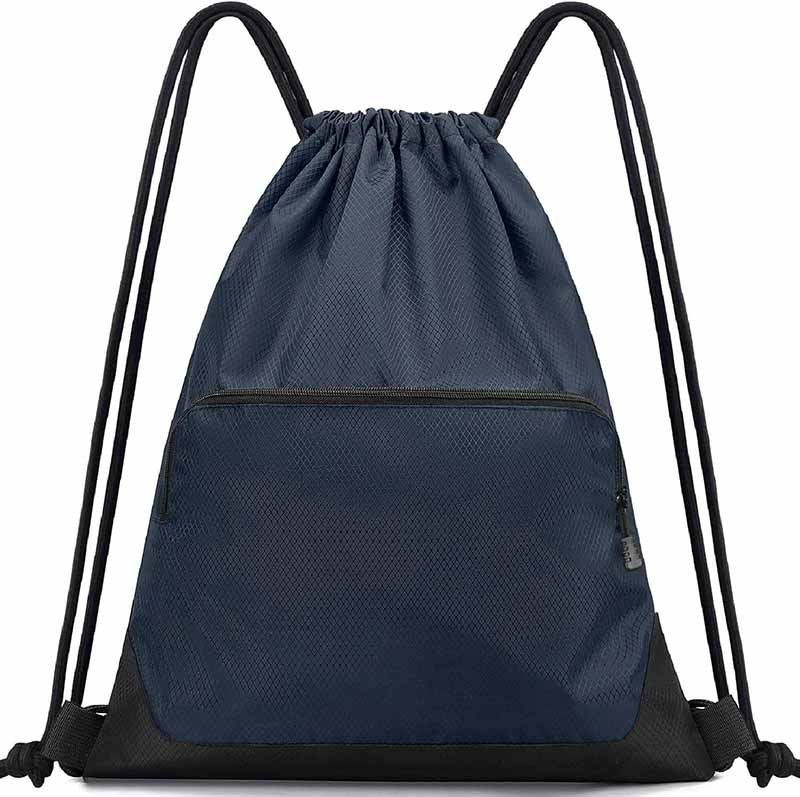
Polyester bags are everywhere—used for backpacks, travel bags, tote bags, gym bags, cooler bags, and even outdoor and industrial applications. Because of this wide use, one question appears again and again in Google searches and customer inquiries: Is a polyester bag waterproof? The answer is not as simple as “yes” or “no,” and misunderstanding it often leads to wrong buying decisions, product complaints, and even brand reputation issues.
Many buyers assume that because polyester is a synthetic material, it must naturally repel water. Others believe that any bag labeled “polyester” can survive rain, splashes, or outdoor exposure. In reality, polyester itself behaves very differently from how a finished polyester bag performs. Waterproof performance depends not only on the fiber, but also on fabric construction, coatings, seam design, and zipper systems.
Polyester bags are not naturally waterproof, but they can be water-resistant or fully waterproof depending on fabric construction and added treatments. Raw polyester fibers repel some moisture, but true waterproof performance requires coatings such as PU, PVC, or TPU, along with sealed seams and waterproof zippers. Whether a polyester bag is waterproof depends on its design, not just the material.
Understanding this distinction is critical—especially for brands, retailers, and buyers sourcing custom bags. In the following sections, we’ll break down what polyester bags are, how they interact with water, and when polyester can truly be considered waterproof, using real manufacturing and real-use insights.
What Is a Polyester Bag
A polyester bag is a bag made primarily from polyester fabric, a synthetic fiber known for durability, shape stability, and resistance to moisture and wrinkles. Polyester bags are widely used for backpacks, travel bags, tote bags, gym bags, and outdoor bags because they are lightweight, cost-effective, easy to customize, and compatible with water-resistant or waterproof coatings.
What Exactly Is Polyester Material?
Polyester is a synthetic polymer fiber derived from petroleum-based raw materials. In bag manufacturing, polyester fibers are spun into yarns and woven into fabrics such as polyester Oxford, high-density polyester, or polyester canvas. These fabrics are then treated, coated, or laminated depending on the intended performance of the bag.
Key technical characteristics of polyester include:
- Low water absorption
- High dimensional stability (resists stretching and shrinking)
- Good tensile strength
- Strong color retention
- Resistance to wrinkles and deformation
Because of these properties, polyester is one of the most widely used bag materials worldwide, especially in mass-production and custom OEM manufacturing.
How Are Polyester Bags Constructed?
A polyester bag is not just “fabric sewn together.” It is a multi-layer engineered product. Typical construction includes:
- Outer shell: Polyester fabric (e.g., 210D, 420D, 600D)
- Coating or lamination: PU, PVC, or TPU for water resistance
- Lining: Polyester or nylon lining for structure and cleanliness
- Reinforcement: Extra layers at stress points (bottoms, handles, corners)
- Accessories: Webbing, zippers, buckles, padding, and hardware
The final performance of a polyester bag depends on fabric density, coating quality, seam construction, and assembly precision, not just the polyester fiber itself.
Is Polyester a Good Material for Bags?
Yes—polyester is considered a very good material for bags, especially when durability, cost efficiency, and scalability are important.
Advantages of Polyester Bags
- Cost-effective compared to nylon or leather
- Easy to print, dye, and brand
- Good resistance to moisture and stains
- Stable shape and structure
- Suitable for waterproof treatments
- Consistent quality for mass production
Limitations to Consider
- Less abrasion-resistant than nylon at the same denier
- Breathability is limited
- Waterproof performance requires coatings
- Can feel less “premium” than leather
From a manufacturer’s and buyer’s perspective, polyester is often chosen because it offers the best balance between performance and price, especially for retail and e-commerce products.
Why Are Polyester Bags So Widely Used?
Polyester bags dominate many markets because they are versatile and adaptable. They can be engineered for different purposes simply by adjusting fabric density, coatings, and structure.
Common applications include:
- Backpacks and school bags
- Travel and duffel bags
- Tote bags and shopping bags
- Gym and sports bags
- Cooler bags and insulated bags
- Outdoor and promotional bags
For brands, polyester allows easy customization—logos, colors, prints, and functional upgrades—without dramatically increasing cost.
How Do Polyester Bags Compare to Other Bag Materials?
Understanding material differences helps buyers choose correctly:
- Polyester vs Nylon: Polyester offers better UV resistance and color stability, while nylon provides higher abrasion resistance and strength at lower weight.
- Polyester vs Canvas: Polyester is lighter, dries faster, and is easier to clean. Canvas feels more natural but absorbs water easily.
- Polyester vs Leather: Polyester is lighter, more affordable, and water-resistant, while leather offers premium aesthetics and long-term aging appeal.
This makes polyester the preferred choice for functional, everyday, and large-volume bag production.
Do Polyester Bags Work Well for Waterproof Designs?
Polyester is an excellent base material for waterproof bags, but it is not waterproof by itself. When combined with:
- PU / PVC / TPU coatings
- Laminated membranes
- Sealed seams and waterproof zippers
Polyester bags can achieve high levels of water resistance or full waterproof performance, including dry bags used in outdoor and marine environments.
Is Polyester Naturally Waterproof
No, polyester is not naturally waterproof. While polyester fibers absorb very little water, untreated polyester fabric allows water to pass through gaps between yarns. This means polyester is water-resistant at best, not waterproof. To become truly waterproof, polyester bags require additional treatments such as PU, PVC, or TPU coatings, laminated membranes, sealed seams, and waterproof closures.
Why Polyester Is Often Mistaken as Waterproof
Polyester is frequently described as “water-resistant,” which leads many users to assume it is waterproof. This confusion comes from the fact that polyester fibers themselves do not absorb much moisture, unlike cotton or canvas. When water hits polyester, it often beads on the surface—at least temporarily.
However, fiber behavior and fabric behavior are not the same.
From a manufacturing standpoint, polyester fabric is a woven structure. Even when the fibers repel water, the tiny spaces between yarns allow water to pass through under:
- Prolonged rain
- Pressure (weight inside the bag)
- Pooling water
- Wind-driven rain
This is why untreated polyester bags can feel dry at first, then slowly leak.
How Polyester Actually Reacts to Water
When exposed to water, polyester shows several consistent behaviors:
- The fibers do not swell or deform
- The fabric dries faster than natural materials
- Water can still penetrate through weave gaps
- Moisture reaches the bag interior over time
In real use, this means:
- Light splashes → usually fine
- Short rain exposure → often acceptable
- Heavy rain or long exposure → leakage likely
So while polyester performs better than many fabrics in wet conditions, it cannot be called waterproof by nature.
Water-Resistant vs Waterproof: The Critical Difference
Understanding this distinction is essential for buyers and brands.
Water-Resistant Polyester
- Untreated or lightly treated polyester
- Repels light rain and splashes
- No protection under pressure or prolonged exposure
- Suitable for everyday casual use
Waterproof Polyester
- Polyester with PU / PVC / TPU coating or lamination
- Often combined with seam sealing
- Can block water under rain or immersion
- Suitable for outdoor, travel, and professional use
Without these enhancements, polyester remains water-resistant, not waterproof.
Why Polyester Is Still an Excellent Waterproof Base Material
Although polyester is not naturally waterproof, it is one of the best base materials for waterproof bag construction.
Manufacturers prefer polyester because it:
- Bonds well with coatings and laminations
- Maintains shape after treatment
- Resists UV degradation better than nylon
- Supports stable mass production
- Keeps cost under control
This is why many waterproof bags—especially dry bags, cooler bags, and outdoor backpacks—are built on coated or laminated polyester, not raw fabric.
Real-World Example: What Happens Without Coating
From factory testing and customer feedback:
- An uncoated polyester backpack in light rain may stay dry for 5–10 minutes
- After prolonged exposure, water reaches seams and bottom panels
- Items stored near seams get wet first
- Pressure from books or electronics accelerates leakage
This is not a defect—it is simply material physics.
Common Buyer Misconceptions to Avoid
“Polyester bags are waterproof by default” “If it’s synthetic, it must block water” “Thicker polyester automatically means waterproof”
Waterproof performance depends on treatments and construction, not just material name or thickness.
How Do Polyester Bags Become Waterproof
Polyester bags become waterproof through added engineering processes, including PU, PVC, or TPU coatings, laminated membranes, sealed or welded seams, and waterproof zipper systems. These elements block water from passing through fabric gaps and stitched areas. Without coatings and proper construction, polyester remains only water-resistant, not waterproof.
The Core Principle: Polyester Is a Base, Not a Barrier
Polyester fabric by itself is not a water barrier. While polyester fibers absorb very little moisture, water still passes through the microscopic gaps between woven yarns. To make a polyester bag waterproof, manufacturers must actively block those pathways.
From a factory standpoint, waterproofing is not a single step—it is a system, combining materials, treatments, and construction methods.
1. Waterproof Coatings: The First and Most Critical Layer
PU (Polyurethane) Coating
PU is the most widely used waterproof coating for polyester bags.
How it works
- Applied to the inner surface of polyester fabric
- Forms a continuous water-blocking film
- Flexible and lightweight
Performance level
- Handles rain and splashes well
- Not designed for long submersion
- Common in backpacks, tote bags, travel bags
Limitations
- Can degrade over time if exposed to heat, sweat, or harsh cleaners
PVC (Polyvinyl Chloride) Coating
PVC coatings create a thicker, more rigid waterproof layer.
How it works
- Polyester fabric is coated or laminated with PVC
- Creates near-complete water blockage
Performance level
- Strong waterproof protection
- Suitable for cooler bags, industrial bags, heavy-duty use
Trade-offs
- Heavier
- Less breathable
- Less flexible than PU
TPU (Thermoplastic Polyurethane) Lamination
TPU is the premium waterproof solution.
How it works
- TPU film is laminated to polyester fabric
- Creates a highly elastic, durable waterproof membrane
Performance level
- Excellent waterproofing
- Withstands bending, cold temperatures, and pressure
- Used in dry bags and outdoor/marine products
Why manufacturers prefer TPU
- Long lifespan
- Minimal cracking or peeling
- Better eco-profile than PVC
2. Fabric Density and Construction Matter
Even with coatings, the base fabric quality affects waterproof performance.
Key factors include:
- Yarn density: Tighter weaves reduce water penetration
- Denier level: Thicker yarns support stronger coatings
- Surface smoothness: Improves coating adhesion
High-density polyester Oxford fabrics (e.g., 420D, 600D) perform better as waterproof platforms than loose weaves.
3. Seam Sealing: Where Most Bags Fail
Seams are the weakest point in any bag.
Even if fabric is waterproof:
- Needle holes create leakage paths
- Thread absorbs and channels water
Common seam-sealing methods
- Seam tape: Heat-applied waterproof tape covering stitches
- Heat welding: Fabric panels fused without stitching
- Ultrasonic welding: Used in high-end waterproof bags
Without seam sealing, a “waterproof fabric” bag is not waterproof in real use.
4. Waterproof Closures: Zippers & Openings
Water enters bags most often through openings, not fabric.
Standard zippers
- Leak under rain and pressure
- Not suitable for waterproof claims
Waterproof zipper systems
- PU-coated zippers
- Reverse-coil waterproof zippers
- Storm flaps covering zipper tracks
Roll-top closures
- Common in dry bags
- Create mechanical water seals without zippers
- Highly reliable for full waterproofing
5. Lamination vs Coating: What’s the Difference?
| Feature | Coating | Lamination |
|---|---|---|
| Application | Liquid layer applied | Film bonded to fabric |
| Waterproof level | Medium–High | High–Very High |
| Durability | Moderate | Excellent |
| Cost | Lower | Higher |
| Use case | Daily bags | Dry bags, outdoor gear |
Lamination generally delivers more stable waterproof performance, especially over time.
6. Waterproof Ratings: How Performance Is Measured
Manufacturers often test waterproof polyester fabrics using:
- Hydrostatic head rating (mm)
- 1,000–2,000 mm → water-resistant
- 3,000–5,000 mm → rainproof
- 8,000+ mm → waterproof
True waterproof polyester bags usually exceed 5,000 mm and include seam sealing.
Common Misconceptions to Avoid
“Thicker polyester is automatically waterproof” “Coated fabric alone makes the bag waterproof” “Waterproof fabric means waterproof bag”
Waterproofing depends on fabric + coating + seams + closures
Which Polyester Bags Are Truly Waterproof
Truly waterproof polyester bags are those made with laminated or heavily coated polyester fabric, sealed or welded seams, and waterproof closure systems such as roll-top openings or waterproof zippers. Bags labeled “water-resistant” are not fully waterproof. Only polyester dry bags, marine bags, and outdoor bags designed with full waterproof construction can reliably block water under rain, pressure, or brief submersion.
Why “Waterproof” Claims Can Be Misleading
Many polyester bags are marketed as waterproof, but most are only water-resistant. From a manufacturing standpoint, a bag can only be considered truly waterproof when every potential water entry point is controlled, not just the fabric surface.
In real-world testing, water usually enters through:
- Stitch holes at seams
- Zipper tracks
- Fold points and corners
- Openings under pressure
True waterproof polyester bags eliminate or protect these weak points.
Key Criteria That Define a Truly Waterproof Polyester Bag
A polyester bag is truly waterproof only when it meets all of the following conditions:
- Waterproof fabric (coated or laminated)
- Sealed or welded seams
- Waterproof closure system
- Pressure-resistant construction
If any one of these elements is missing, the bag is not fully waterproof.
Types of Polyester Bags That Are Truly Waterproof
1. Polyester Dry Bags (Highest Waterproof Level)
Polyester dry bags are the most reliable waterproof bags on the market.
Why they work
- TPU or PVC laminated polyester fabric
- Heat-welded seams (no stitch holes)
- Roll-top closure system
- Simple, pressure-resistant structure
Real-world performance
- Withstand heavy rain
- Resist water splashes and waves
- Survive brief submersion
- Used in kayaking, rafting, boating, and camping
If waterproofing is non-negotiable, dry bags are the gold standard.
2. Laminated Polyester Outdoor Bags
These bags use laminated membranes bonded to polyester fabric.
Typical features
- TPU or multi-layer laminations
- Seam tape on stitched areas
- Reinforced stress points
- Weatherproof zippers or storm flaps
Performance level
- Reliable in heavy rain
- Suitable for hiking, travel, and outdoor work
- Not intended for full submersion unless specified
These bags are commonly used by outdoor brands and professional users.
3. Coated Polyester Bags With Fully Sealed Seams
Some high-quality coated polyester bags qualify as waterproof only when seam sealing is applied.
Required features
- Thick PU or PVC coating
- Seam tape covering all stitch lines
- Minimal external pockets
- Protected zipper systems
Without seam sealing, coated bags remain water-resistant—not waterproof.
Polyester Bags That Are NOT Truly Waterproof (Common Misconceptions)
Standard Polyester Backpacks
- PU-coated fabric
- Unsealed seams
- Regular zippers Good for rain Not waterproof
Fashion or Casual Tote Bags
- Polyester fabric without coating
- Open tops or snap closures Stylish No water protection
“Waterproof-Labeled” Bags Without Seam Sealing
- Marketing-driven claims
- Fabric-only waterproofing Looks waterproof Fails under pressure
Waterproof Performance Comparison Table
| Bag Type | Fabric | Seams | Closures | Waterproof Level |
|---|---|---|---|---|
| Polyester dry bag | TPU/PVC laminated | Welded | Roll-top | ★★★★★ |
| Laminated outdoor bag | Laminated polyester | Sealed | Waterproof zipper | ★★★★☆ |
| Coated backpack | PU-coated polyester | Stitched | Standard zipper | ★★☆☆☆ |
| Uncoated polyester bag | Polyester fabric | Stitched | Open | ★☆☆☆☆ |
How to Identify a Truly Waterproof Polyester Bag (Buyer Checklist)
Ask these questions:
- Is the fabric laminated or coated, and with what material?
- Are seams heat-welded or taped?
- Does the bag use waterproof zippers or roll-top closures?
- Is a waterproof rating (e.g., hydrostatic head) provided?
- Is the bag designed for pressure and movement, not just rain?
If the seller cannot answer these clearly, the bag is likely not fully waterproof.
Why Manufacturers Use Polyester for Waterproof Bags
From an OEM perspective, polyester is preferred because:
- It bonds well with waterproof films
- It maintains shape after lamination
- It offers strong UV resistance
- It supports consistent large-scale production
- It balances cost and performance
This makes polyester an ideal foundation for waterproof engineering—when designed correctly.
How Waterproof Are Polyester Bags in Real Use
In real use, polyester bags range from water-resistant to fully waterproof depending on their construction. Uncoated polyester bags offer little protection, PU-coated bags handle light rain, while laminated polyester bags with sealed seams and waterproof closures perform reliably in heavy rain and brief submersion. Waterproof performance depends more on design and construction than on polyester fabric alone.
Why “Real Use” Matters More Than Lab Claims
Many polyester bags pass basic water tests but fail in everyday conditions. Real use introduces variables that lab tests often ignore:
- Movement and bending
- Weight inside the bag
- Pressure against seams and zippers
- Long exposure to rain
- Repeated wet–dry cycles
From a manufacturer’s perspective, real-world waterproofing is about system performance, not just fabric ratings.
Real-World Waterproof Performance by Use Scenario
- Light Rain & Short Exposure (Daily Commuting)
Typical situation: Walking 5–15 minutes in light rain with a backpack or tote bag.
Performance reality:
- Uncoated polyester: Water penetrates quickly
- PU-coated polyester: Usually stays dry
- Laminated polyester: Fully protected
For everyday commuting, water-resistant polyester bags are often sufficient, provided seams and zippers are protected.
- Heavy Rain & Long Exposure
Typical situation: 30–60 minutes in continuous rain, bag carried on the back or shoulder.
Performance reality:
- Fabric may repel water initially
- Seams begin absorbing moisture
- Zippers become primary leak points
- Bottom panels absorb pressure-induced water
Only laminated polyester bags with sealed seams perform consistently under these conditions.
- Pressure from Contents (Books, Electronics, Gear)
Waterproofing often fails under pressure.
Why pressure matters:
- Weight pushes water through fabric gaps
- Seam stitch holes open slightly under load
- Zipper tracks deform during movement
In real use, a bag that resists rain when empty may leak when full. This is a key reason why true waterproof bags minimize seams and use roll-top closures.
- Splashing, Waves & Accidental Submersion
Typical situation: Boating, kayaking, beach use, or sudden drops into water.
Performance reality:
- Coated polyester bags leak immediately
- Zippers fail within seconds
- Welded polyester dry bags remain sealed
Only TPU/PVC laminated polyester dry bags are designed for this level of exposure.
The Biggest Failure Points in Real Use
1. Seams
- Stitched seams = needle holes
- Water follows thread paths
- Seam tape or welding is essential
2. Zippers
- Standard zippers leak fast
- Waterproof zippers improve resistance
- Roll-top closures outperform all zippers
3. Bottom Panels
- Ground contact increases pressure
- Water pools at the base
- Reinforced and laminated bottoms perform best
From factory data, over 70% of real-world leaks occur at seams and closures, not fabric surfaces.
Waterproof Levels vs Real-World Performance
| Bag Type | Rain | Pressure | Splash | Submersion |
|---|---|---|---|---|
| Uncoated polyester | ❌ | ❌ | ❌ | ❌ |
| PU-coated polyester | ✅ | ⚠️ | ⚠️ | ❌ |
| Seam-sealed polyester | ✅ | ✅ | ⚠️ | ❌ |
| Laminated dry bag | ✅ | ✅ | ✅ | ✅ |
How Long Does Waterproof Performance Last?
Waterproofing degrades over time due to:
- Abrasion
- UV exposure
- Sweat and oils
- Improper cleaning
Real-use lifespan estimates:
- PU-coated bags: 1–3 years
- Laminated bags: 3–7+ years
- Dry bags (TPU): longest lifespan
Maintenance and correct cleaning significantly extend performance.
What Real Users Should Expect (Honest Guidance)
Polyester bags can handle rain if engineered correctly “Water-resistant” is fine for daily use Waterproof claims require sealed construction Fabric alone never guarantees waterproofing Zippers and seams determine success or failure
How to Choose the Right Waterproof Polyester Bag
To choose the right waterproof polyester bag, start with your real use case—light rain commuting needs water-resistant coated polyester, while outdoor or marine use requires laminated fabric, sealed seams, and waterproof closures like roll-top tops or waterproof zippers. Evaluate seam construction, zipper type, waterproof rating (if provided), and bottom reinforcement. A bag is only truly waterproof when fabric, seams, and openings all block water.
Step 1: What Waterproof Level Do You Actually Need?
Most buyers overpay for “waterproof” when they only need water resistance, or underbuy and end up with wet electronics. Start by matching performance to your environment:
A. Everyday commuting (light rain, short exposure)
You need:
- PU-coated polyester or DWR-treated polyester
- Storm flap zippers or covered zipper design
- Basic water-resistant construction
Typical products: backpacks, laptop bags, tote bags
B. Travel and city use (mixed weather, long exposure)
You need:
- Coated or laminated polyester
- Better zipper protection
- Reinforced bottom panel
- Cleaner internal organization to keep items off wet walls
C. Outdoor hiking / camping (heavy rain, movement, pressure)
You need:
- Laminated polyester (TPU lamination preferred)
- Seam-taped or welded construction
- Water-resistant or waterproof zipper systems
- Minimal external pockets (pockets often leak first)
D. Marine / watersports / kayaking (splash, waves, brief submersion)
You need (non-negotiable):
- TPU/PVC laminated polyester
- Heat-welded seams (not stitched)
- Roll-top closure (best) or true waterproof zipper
- Simple structure designed for pressure and water contact
This is where polyester dry bags dominate because they are engineered for water.
Step 2: Which Polyester Fabric Type Is Best for Waterproof Bags?
Not all polyester fabrics behave the same.
Coated polyester (PU/PVC)
- Great for rainproof performance
- More cost-effective
- Usually not submersion-proof
- Depends heavily on seam and zipper quality
Laminated polyester (TPU film/membrane)
- Stronger, more stable waterproofing
- Better for heavy rain and outdoor use
- Longer lifespan than typical coatings
- Used in premium waterproof designs
Buyer tip: If you see “TPU laminated polyester,” that’s often a sign of a more serious waterproof design.
Step 3: Do Seams and Zippers Match the Waterproof Claim?
This is where most “waterproof” bags fail in real life.
Seams
Ask: Are the seams sealed?
- Stitched seams without tape: water will enter
- Seam taped: significantly improved rain protection
- Heat welded: best for true waterproofing
Zippers
Ask: Is the zipper waterproof or protected?
- Standard zippers leak quickly
- Reverse-coil “water-resistant” zippers are better but not perfect
- True waterproof zippers cost more and can feel stiffer
- Roll-top closure is often the most reliable waterproof opening
Practical rule: If you need true waterproofing, seam sealing + closure system matters more than fabric thickness.
Step 4: How Do You Check Real-Use Waterproof Performance?
A. Look for construction signals
- Welded seams or seam tape
- Minimal stitch lines
- Covered zipper track or roll-top
- Reinforced bottom panel
- Simple shape (fewer pockets = fewer leak paths)
B. Consider pressure conditions
Waterproof claims fail faster when the bag is:
- Fully packed
- Pressed against your back
- Set down on wet ground
- Exposed for long periods
If you carry electronics, your bag needs stronger waterproof architecture.
Step 5: Which Features Should a Waterproof Polyester Bag Include?
Here are features that matter most to users:
Must-have features (depending on use)
- Waterproof lining or laminated inner layer
- Raised or reinforced base (keeps contents away from wet surfaces)
- Drainage strategy (for wet environments—some bags prefer controlled drainage rather than trapping water)
- Anti-mold and odor control (important for humid climates)
Nice-to-have features
- Reflective trim (night commuting)
- Removable inner pouch (electronics protection)
- Compression straps (helps maintain shape and reduce seam stress)
- Hypalon or reinforced handle patches
Step 6: When Should You Choose Polyester Over Other Materials?
Polyester is often the best choice when you want:
- Stable cost control for scale production
- Strong color stability and UV resistance
- Easy customization (printing, branding, pattern design)
- Consistent quality in mass production
- Compatibility with coatings/laminations
If your product requires extreme abrasion resistance, nylon may be better. But for many waterproof bag applications, polyester is a highly practical, scalable choice.
Quick Buyer Checklist (Easy Copy-Paste for Sourcing)
Use this checklist when comparing suppliers or products:
- Is the fabric coated or laminated? Which type (PU/PVC/TPU)?
- Are seams stitched, taped, or welded?
- What closure system is used (zipper/roll-top)?
- Is the zipper waterproof or protected with a flap?
- Is the bottom reinforced for wet-ground contact?
- Does the bag have too many external pockets (leak risk)?
- Is a waterproof rating provided (if relevant)?
- Is the bag intended for rain or for submersion?
Simple Decision Table
| Your Use Case | Recommended Polyester Bag Type |
|---|---|
| Daily commute, light rain | PU-coated polyester + protected zipper |
| Travel, mixed weather | Coated/laminated polyester + seam tape |
| Outdoor hiking, heavy rain | TPU laminated polyester + seam taped |
| Marine / watersports | Polyester dry bag (TPU/PVC) + welded seams + roll-top |
Conclusion
Understanding whether a polyester bag is waterproof is only the first step. The real difference comes from professional material selection, engineering design, and manufacturing execution.
With over 18 years of experience, Szoneier specializes in producing custom polyester bags—from water-resistant everyday bags to fully waterproof dry bags.
If you are developing polyester bags for retail, outdoor, travel, or industrial use, our team can help you select the right fabric, coating, and structure to match your market needs.
Contact Szoneier today to start your custom waterproof polyester bag project with confidence.
manufacturer Categories
- Custom Tote Bags Manufacturer
- custom backpacks Manufacturer
- custom travel bags& Duffle bags manufacturer
- custom makeup bags & toiletry bags manufacturer
- custom cooler bags manufacturer
- custom drawstring bags manufacturer
- custom makeup bags & toiletry bags manufacturer
- custom golf bags manufacturer
- custom fireproof bags manufacturer
- custom dry bags manufacturer
- custom ski bags manufacturer
- custom gym & sports bags manufacturer
- custom laptop bags manufacturer
- custom tactical bags manufacturer
- custom beach bags manufacturer
- custom medical bags manufacturer
- custom camera bags manufacturer
- custom wetsuits manufacturer
- custom leather goods manufacturer
- more personalized products

Can't find the answers?
No worries, please contact us and we will answer all the questions you have during the whole process of bag customization.
Make A Sample First?
If you have your own artwork, logo design files, or just an idea,please provide details about your project requirements, including preferred fabric, color, and customization options,we’re excited to assist you in bringing your bespoke bag designs to life through our sample production process.
