 Skip to content
Makeup Bags Testing Checklist: What to Test Before Mass Production
- Eric
- February 26, 2026
- 8:24 am
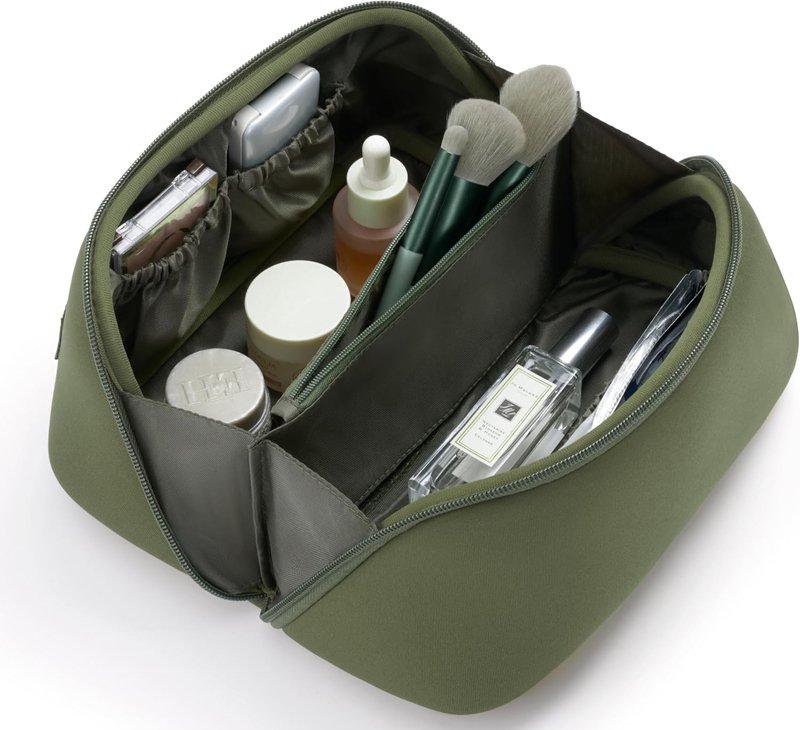
When you’re preparing to take a new makeup bag design from concept to mass production, testing is crucial. Ensuring your bags meet high standards of durability, functionality, and aesthetic appeal can help you avoid costly mistakes and ensure customer satisfaction. But what exactly should be tested before mass production begins?
The makeup bags testing checklist ensures that your product meets durability, functionality, appearance, and industry standards. By focusing on these tests, you can produce bags that exceed customer expectations and avoid production delays.
Imagine this: a customer purchases a beautifully designed makeup bag, only to find that the zipper breaks after the first use. Or worse, the bag’s material starts to degrade after a few months. This type of experience not only affects customer satisfaction but also damages your brand’s reputation. To prevent such issues, it’s essential to test your makeup bags thoroughly before mass production begins. Let’s dive into what needs testing and how it can ensure your bags stand out in the market.
What to Test in Makeup Bags?
Before you proceed with mass production of makeup bags, testing is crucial to ensure the bags perform well, last long, and meet your customers’ expectations. Testing helps identify potential weaknesses early on, allowing you to improve the product before it reaches the market. Below, we break down the main areas that need testing for makeup bags.
Key Testing Areas for Makeup Bags
To create a high-quality makeup bag, it’s not enough for it to look good; it has to function well and stand the test of time. Each of these aspects plays a significant role in ensuring the bag’s quality and usability.
1. Durability Testing: Ensuring Makeup Bags Stand the Test of Time Durability is the cornerstone of a quality product. Makeup bags are frequently handled, filled with various items, and exposed to various conditions. Here’s how to make sure your bags can withstand daily use:
| Test Type | Description | Why It Matters |
|---|---|---|
| Fabric Strength | Test the fabric for tensile strength, checking for resistance to tearing and abrasion when subjected to pulling or friction | Prevents wear and tear during regular use, ensuring the bag remains intact over time |
| Zipper Durability | Open and close the zippers 1,000 times under pressure | Prevents zipper malfunction, a common issue in makeup bags |
| Handle & Strap Strength | Apply weight to straps to test their load capacity | Ensures straps are strong enough to carry the bag without breaking or loosening |
| Material Pilling | Rub the fabric to check for pilling (tiny fabric balls) after friction | Helps maintain the smooth texture of the makeup bag, which could impact the bag’s appeal |
Real-Life Example:
Imagine a customer packing their makeup bag with various cosmetic items. If the fabric starts to tear from regular use, or if the zipper fails after just a few uses, that’s a significant issue. Durability testing ensures the bag lasts long without these issues.
2. Functionality Testing: Ensuring Makeup Bags Are Easy to Use A makeup bag’s function is just as important as its look. It needs to perform well in real-life situations, providing easy access to makeup products while keeping them organized and secure.
| Test Type | Description | Why It Matters |
|---|---|---|
| Compartments | Test the layout and size of compartments | Ensures the bag is spacious enough to organize cosmetics, without wasting space |
| Zipper Performance | Check zipper smoothness and whether it catches fabric | Ensures quick access to the contents without struggle or frustration |
| Functionality Under Pressure | Test how the bag holds up when filled with multiple products | Prevents the bag from losing its shape or functionality when carrying heavier loads |
| Ease of Access | Check how easily users can retrieve items from different sections | Ensures the bag is user-friendly, saving time during makeup application |
Real-Life Example:
Consider a customer trying to access a lipstick from a compartment that’s difficult to open or stuck. Functionality testing ensures that all compartments are easy to access, and zippers run smoothly even when the bag is filled.
3. Appearance Testing: Keeping Makeup Bags Stylish and Consistent The appearance of a makeup bag plays a huge role in attracting buyers. The color, texture, stitching, and finish should be consistent and visually appealing to meet customer expectations. Here’s how to ensure the bag’s look stays on point:
| Test Type | Description | Why It Matters |
|---|---|---|
| Color Consistency | Check if the color matches throughout different production batches | Prevents variations in color that could lead to customer dissatisfaction |
| Fabric Texture | Feel the fabric to ensure it is smooth and consistent | Ensures that the bag has the right tactile feel, avoiding rough or uneven patches |
| Stitching Quality | Inspect stitching for evenness and strength | Prevents issues like fraying or loose stitches that could affect the overall quality |
| Finish Durability | Test the finish to check for fading, peeling, or wear | Keeps the bag looking fresh and new, enhancing its marketability |
Real-Life Example:
A customer buys a makeup bag expecting it to have a smooth texture and vibrant color. If the stitching starts to unravel or the color fades after a few washes, it can lead to negative reviews. Appearance testing guarantees the bag stays attractive, even after heavy use.
4. Compliance Testing: Meeting Regulatory and Safety Standards Ensuring your makeup bags meet relevant industry standards is not only important for legality but also for customer trust. Compliance testing includes checking for harmful chemicals and verifying safety certifications.
| Test Type | Description | Why It Matters |
|---|---|---|
| Chemical Testing | Check for harmful substances like lead, phthalates, or formaldehyde | Ensures that the bag is safe to use, especially for consumers with sensitive skin |
| CPSIA Compliance | For bags that may be marketed to children, check that the product complies with the Consumer Product Safety Improvement Act (CPSIA) | Helps avoid legal issues and ensures the product is safe for children |
| Labeling Requirements | Ensure that the product label meets local regulations (e.g., country of origin, material content) | Guarantees the product can be sold in various markets without legal issues |
Real-Life Example:
If a makeup bag is found to contain toxic chemicals, it could lead to health risks for the customer and result in a recall. Compliance testing ensures the product is safe for use, especially in regions with strict chemical regulations like the European Union (REACH standards).
5. Packaging Testing: Ensuring Safe Delivery to Customers Makeup bags often travel long distances before they reach the consumer, so it’s important to test packaging. Proper packaging prevents damage during transportation and ensures the bags are delivered in perfect condition.
| Test Type | Description | Why It Matters |
|---|---|---|
| Box Strength | Test the strength of the packaging box and internal cushioning | Ensures the makeup bag won’t be damaged during shipping |
| Seal Quality | Check the integrity of packaging seals and closures | Prevents the bag from opening during shipping or getting dirty before it reaches the customer |
| Shock Absorption | Simulate shipping conditions and check how well the bag holds up | Ensures the makeup bag remains undamaged even after rough handling during transport |
Real-Life Example:
Imagine a customer opening their package, only to find that the makeup bag’s corners are bent or damaged. Packaging testing prevents such issues, ensuring the bag arrives in pristine condition and maintains its value.
Which Materials Need Testing?
Choosing the right material for your makeup bags is one of the most important decisions in the design process. The material not only affects the bag’s appearance but also its durability, functionality, and overall customer satisfaction. To ensure your makeup bags live up to expectations, each material used must be thoroughly tested. Below, we’ll explore the key materials commonly used in makeup bags, their testing requirements, and how these tests contribute to the quality of the final product.
Key Materials for Makeup Bags and Their Testing Needs
The materials you choose must balance aesthetics, strength, weight, and resistance to daily wear. Common materials include polyester, nylon, canvas, leather, and vinyl. Each of these requires specific testing to ensure it meets durability standards and performs under real-world conditions.
1. Polyester: Lightweight and Durable
Polyester is one of the most popular fabrics used for makeup bags due to its lightweight nature and durability. However, its ability to withstand wear, resist fading, and stay durable under daily use should be tested.
| Test Type | Description | Why It Matters |
|---|---|---|
| Abrasion Resistance | Rub the fabric against abrasive surfaces to simulate wear and tear | Ensures the fabric does not easily fray or lose texture with regular use |
| Colorfastness | Test the fabric for color retention by exposing it to light and washing | Prevents the fabric from fading or discoloring after repeated exposure to light or washing |
| Tensile Strength | Stretch the fabric to check its breaking point | Ensures the fabric can handle stress and is unlikely to tear when filled with makeup products |
Polyester is ideal for makeup bags that need to be durable, but testing for abrasion and color retention is necessary to ensure the material will look good over time, even with regular handling.
Real-Life Example:
Imagine a customer using a makeup bag filled with cosmetics and toiletries daily. Without proper testing, polyester may fray at the corners or lose its color after a few washes, reducing its overall appeal and functionality.
2. Nylon: Strong and Versatile
Nylon is another popular choice for makeup bags. Known for its strength and flexibility, nylon needs to be tested for both durability and water resistance, especially if the makeup bag is intended for travel.
| Test Type | Description | Why It Matters |
|---|---|---|
| Water Resistance | Test how well the fabric repels water by exposing it to liquid for a set period | Ensures the makeup bag protects the contents from water damage, particularly important for travel bags |
| Tear Resistance | Test the fabric’s ability to resist tearing under stress | Ensures the bag won’t rip when it’s packed with heavy cosmetics or toiletries |
| UV Stability | Expose the material to simulated sunlight to see how it holds up | Prevents the bag from degrading or losing strength when exposed to sunlight over time |
Testing nylon for water resistance and tear resistance is critical, especially for customers who use the makeup bag on the go or in different environmental conditions, such as during travel or in humid weather.
Real-Life Example:
A customer might use a nylon makeup bag for travel. Without proper water resistance testing, a small spill could damage the contents, and if the fabric tears under pressure, the bag would become unusable.
3. Canvas: Durable and Eco-Friendly
Canvas is a heavy-duty, eco-friendly fabric that provides a stylish and durable option for makeup bags. While it offers a natural look, it must be tested for flexibility, strength, and staining resistance.
| Test Type | Description | Why It Matters |
|---|---|---|
| Staining Resistance | Expose canvas to common makeup products to see how easily stains can be removed | Ensures the bag remains clean and usable after exposure to makeup or other cosmetics |
| Compression Resistance | Compress the fabric to test its ability to maintain shape | Prevents the bag from losing its form when packed with heavy products like foundation or brushes |
| Seam Strength | Apply tension to the stitching to test its strength | Ensures the seams hold up and won’t tear, especially under the weight of the contents inside |
Canvas is a great material for eco-conscious customers, but testing its resistance to stains and wear is essential to ensure it stays practical and attractive over time.
Real-Life Example:
Imagine a customer spilling liquid foundation inside a canvas makeup bag. Without proper stain resistance testing, the fabric might become permanently marked, leading to dissatisfaction and potential returns.
4. Leather: Luxury and Durability
Leather adds a premium feel to makeup bags and is popular among high-end customers. However, leather needs to be tested for flexibility, strength, and long-term durability, as it can be prone to cracking or fading over time.
| Test Type | Description | Why It Matters |
|---|---|---|
| Flexibility Test | Bend the leather repeatedly to test for cracking or stiffening | Ensures the leather remains soft and pliable over time, enhancing user comfort |
| Scratch Resistance | Test the leather’s resistance to scratches and scuffs | Ensures the bag retains its luxurious appearance even after handling or use in harsh conditions |
| Colorfastness | Test for color fading under UV light and water exposure | Prevents the leather from losing its color when exposed to sunlight or moisture |
Leather adds a touch of elegance, but it requires extra care in testing for flexibility and durability to ensure it doesn’t crack, fade, or show signs of wear.
Real-Life Example:
A leather makeup bag might be subject to scratches from keys or other items inside a purse. Without scratch resistance testing, the bag’s luxurious appearance could be compromised, leaving the customer unhappy.
5. Vinyl and PVC: Waterproof and Lightweight
Vinyl and PVC are used for makeup bags that need to be both durable and water-resistant. These materials are also lightweight, making them ideal for bags that will carry a lot of products without weighing the user down.
| Test Type | Description | Why It Matters |
|---|---|---|
| Waterproof Testing | Submerge the vinyl or PVC in water to ensure the bag remains sealed and dry | Ensures the contents stay dry, especially if the bag will be used in wet environments |
| Chemical Resistance | Expose the material to common cosmetic chemicals | Prevents the material from breaking down or losing its integrity when exposed to makeup ingredients |
| Odor Testing | Test for any odors that may be present in the material | Ensures the bag does not have an unpleasant smell, which can affect the customer experience |
Vinyl and PVC are ideal for waterproof makeup bags, but testing for chemical resistance and odor is important to ensure the bag doesn’t degrade or leave a lasting smell.
Real-Life Example:
A vinyl makeup bag may be exposed to liquid makeup removers or creams. Without proper chemical resistance testing, the material could break down or react with the products inside, leading to an unsatisfactory experience for the customer.
How to Test Makeup Bag Functionality?
When it comes to makeup bags, functionality is just as important as appearance and durability. A makeup bag must not only look good, but it must also serve its intended purpose effectively. Whether your customers are using it for daily storage, travel, or organizing their cosmetics, the bag should offer ease of use, plenty of storage options, and an overall pleasant experience. Let’s dive into how you can test the functionality of your makeup bags to ensure they meet the needs of your customers.
Key Functionality Tests for Makeup Bags
The following areas are essential when testing the functionality of a makeup bag:
- Zipper Performance
- Storage and Organization
- Ease of Access
- Weight Distribution
- Strap and Handle Strength
1. Zipper Performance: Smooth and Reliable Use
A makeup bag is only as good as its zipper, and nothing can ruin a customer’s experience like a faulty or hard-to-use zipper. Zipper failure is one of the most common issues, and it can occur if the zipper is cheap, poorly aligned, or poorly tested.
| Test Type | Description | Why It Matters |
|---|---|---|
| Smoothness Test | Open and close the zipper 100+ times under normal conditions, checking for smooth operation | Ensures that the zipper doesn’t get stuck, ensuring an easy user experience |
| Pressure Test | Apply pressure on the bag while the zipper is open to check for zipper strain or malfunction | Ensures the zipper stays intact under pressure and holds the bag closed securely |
| Durability Test | Test the zipper under heavy use by repeatedly opening and closing with items inside the bag | Prevents zipper failure, which could render the bag unusable |
Real-Life Example:
Imagine a customer packing their makeup bag with brushes, foundations, and powders. If the zipper is difficult to use, they may struggle to open or close the bag, causing frustration. Ensuring smooth, durable zippers is crucial to offering a positive user experience.
2. Storage and Organization: Maximizing Usability
One of the primary reasons people use makeup bags is to organize their cosmetics and personal care items. The makeup bag’s storage design should allow for a clear, organized space for different products, preventing items from becoming jumbled together.
| Test Type | Description | Why It Matters |
|---|---|---|
| Compartments Test | Check the bag’s internal compartments, dividers, and sections for size, fit, and usability | Ensures that users can keep different products organized, making it easy to find items |
| Accessibility Test | Test how easily users can reach different items stored in the bag’s compartments | Ensures that users can access products quickly without rummaging around in the bag |
| Capacity Test | Fill the bag with different makeup products and check if it fits comfortably | Prevents overcrowding and ensures that there’s enough space for daily essentials |
Real-Life Example:
A customer might need quick access to a lip gloss or foundation during the day. If the makeup bag is not well-organized or has too few compartments, they will end up digging through the bag, wasting time. Ensuring that the bag has organized compartments for different items ensures that users can find their products easily.
3. Ease of Access: Convenience Is Key
A makeup bag should provide ease of access, enabling customers to reach their products quickly and without hassle. Ease of access tests ensure that the bag isn’t only functional, but also user-friendly in real-life scenarios.
| Test Type | Description | Why It Matters |
|---|---|---|
| Opening and Closing Test | Test how quickly the bag can be opened and closed with one hand, as a user would do in real life | Ensures that users can quickly access their makeup without struggling with closures |
| Visibility Test | Place items inside and check whether the user can easily identify each item without sifting through the bag | Prevents frustration by ensuring that makeup is clearly visible and accessible |
| Compartment Usability | Check the ease of access to each compartment and section of the bag | Ensures each compartment is easy to open and close without causing inconvenience to the user |
Real-Life Example:
A customer could be in a rush and need to quickly find their favorite lipstick. If the makeup bag’s compartments are not easily accessible, it could lead to frustration. Testing for ease of access ensures that customers can quickly retrieve what they need without hassle.
4. Weight Distribution: Comfortable and Practical Use
The weight distribution of the makeup bag can impact its usability. An imbalanced or overly heavy bag can be uncomfortable to carry and can strain the zippers, handles, or straps. It’s important to test how the bag handles weight, particularly when it’s packed with makeup products.
| Test Type | Description | Why It Matters |
|---|---|---|
| Weight Distribution Test | Fill the makeup bag with typical makeup products and check how evenly the weight is distributed | Ensures the bag is not too heavy or uncomfortable to carry, especially when packed with products |
| Load Test | Add weight to the bag and test how the bag handles the load without compromising its structure | Ensures the bag doesn’t lose shape or become hard to carry when filled |
| Strap and Handle Test | Test the handles and straps with weight to check if they are strong and comfortable | Prevents discomfort when carrying a full bag, ensuring that it is easy to hold or wear |
Real-Life Example:
Imagine a customer carrying their makeup bag while traveling or on the go. If the bag is too heavy or unbalanced, it can cause strain on the shoulders or hands. Ensuring that the weight is distributed properly and that the handles are comfortable will enhance the overall user experience.
5. Strap and Handle Strength: Durability for Carrying
A makeup bag’s straps and handles are critical for portability. Whether it’s a hand-held bag or one with a shoulder strap, the bag should have strong and secure handles that can support the weight of the bag, even when it’s filled with makeup items.
| Test Type | Description | Why It Matters |
|---|---|---|
| Handle Strength Test | Apply pressure to the handles by simulating lifting or carrying the bag with full weight | Ensures that the handles are strong enough to bear the weight of the filled bag without breaking |
| Comfort Test | Test the handles for comfort by checking if they feel comfortable when holding the bag with various products inside | Prevents discomfort during use, especially when carrying the bag for long periods |
| Strap Durability Test | Check the straps for strength, especially if the bag has a cross-body or shoulder strap | Ensures that the strap does not break or loosen when carrying the bag |
Real-Life Example:
A customer might carry their makeup bag to the gym or while traveling. If the handles are weak or uncomfortable, it could lead to discomfort or failure of the bag during use. Testing for handle and strap strength guarantees the bag remains comfortable and durable under heavy use.
What About the Bag’s Appearance?
The appearance of a makeup bag is a major factor in consumer purchasing decisions. A makeup bag not only needs to be functional but should also look aesthetically pleasing, as this impacts how customers perceive its quality and value. An attractive makeup bag can set your brand apart and attract more customers. However, ensuring that your makeup bags maintain their visual appeal over time is essential to prevent defects like fading, stitching issues, or uneven finishes. Let’s break down the key aspects of appearance testing for makeup bags and why they matter to your customers.
Key Appearance Tests for Makeup Bags
The following areas are essential when testing the appearance of a makeup bag:
- Color Consistency
- Stitching Quality
- Fabric Texture
- Finish Durability
- Logo and Branding Integrity
1. Color Consistency: Maintaining the Visual Appeal
Color plays a huge role in a makeup bag’s overall aesthetic. Inconsistent colors across different bags or fading colors can negatively impact the product’s perceived quality. Testing for color consistency ensures that your makeup bags remain visually appealing and uniform.
| Test Type | Description | Why It Matters |
|---|---|---|
| Batch-to-Batch Consistency | Compare bags from different production batches to ensure consistent color | Prevents color variations, ensuring the bags match customer expectations across batches |
| Light Exposure Test | Expose the fabric to simulated sunlight to check for color fading | Ensures the color remains vibrant and doesn’t fade when exposed to light over time |
| Washing Test | Wash the fabric and check for color bleeding or fading | Guarantees that the makeup bag retains its original color after cleaning |
Real-Life Example:
A customer purchases a set of makeup bags expecting consistent color across all units. If the bags from different batches show slight color differences, this can lead to dissatisfaction. Testing for color consistency guarantees that every makeup bag looks the same, regardless of when it was produced.
2. Stitching Quality: Craftsmanship Matters
The stitching in a makeup bag plays a significant role in both its visual appeal and durability. Poor stitching can lead to unraveling seams, compromising both the bag’s functionality and overall look. Ensuring high-quality stitching is essential to maintain the product’s integrity.
| Test Type | Description | Why It Matters |
|---|---|---|
| Even Stitching Test | Inspect stitches to ensure they are consistent and evenly spaced | Prevents visual imperfections that could make the bag look cheap or poorly made |
| Strength Test | Apply pressure to stitched areas to check if seams hold up under stress | Ensures the stitching can withstand heavy use and that the bag won’t fall apart |
| Thread Quality Test | Check the quality of the thread for breakage or discoloration | Guarantees that the stitching is strong and won’t fray over time, maintaining the bag’s neat appearance |
Real-Life Example:
If a customer’s makeup bag has uneven stitching or loose threads, it not only looks poorly made, but the seams could also begin to unravel over time. Ensuring consistent, strong stitching keeps the bag looking neat and ensures its longevity.
3. Fabric Texture: Ensuring Comfort and Consistency
The texture of the fabric affects both the appearance and the tactile experience of the makeup bag. A smooth, even texture gives a bag a polished, luxurious look, while rough patches or unevenness can negatively impact the customer’s perception of the product. Testing fabric texture ensures the bag remains comfortable and high-quality.
| Test Type | Description | Why It Matters |
|---|---|---|
| Feel Test | Run your hands across the fabric to check for rough patches or inconsistencies | Prevents discomfort for the user and ensures the makeup bag feels pleasant to touch |
| Pilling Test | Rub the fabric with a cloth to check for pilling (small fabric balls) | Ensures the bag stays smooth and soft over time, improving its durability |
| Flexibility Test | Bend and twist the fabric to check if it remains flexible or becomes stiff | Prevents the fabric from cracking or becoming stiff, maintaining its soft feel |
Real-Life Example:
Imagine a customer receiving a makeup bag only to find that the texture is rough and uncomfortable. This could lead to returns and dissatisfaction. By testing for smoothness and comfort, you can ensure that the makeup bag remains soft and pleasant to the touch.
4. Finish Durability: Ensuring Long-Lasting Appearance
The finish of a makeup bag contributes greatly to its visual appeal. Whether it’s a glossy, matte, or textured finish, the bag should maintain its appearance even with regular use. Testing the finish ensures that the bag doesn’t fade, crack, or peel over time.
| Test Type | Description | Why It Matters |
|---|---|---|
| Scratch Resistance | Scrape the surface of the bag to see if the finish gets scratched or damaged | Ensures that the bag retains its premium appearance even after repeated use |
| UV Resistance | Expose the bag’s surface to UV light to check if the finish fades | Prevents the bag from losing its sheen or fading when exposed to sunlight |
| Waterproofing Test | Apply water to the surface and check if the finish is damaged or absorbs moisture | Ensures the finish remains intact and prevents stains or water damage |
Real-Life Example:
A customer might accidentally drop their makeup bag in a puddle of water. Without proper finish durability testing, the bag’s surface could become damaged or discolored. Ensuring the finish is scratch and water-resistant helps keep the bag looking fresh, even under harsh conditions.
5. Logo and Branding Integrity: Ensuring Clear and Durable Branding
The logo and branding on a makeup bag should be clear, consistent, and durable. Whether it’s a printed logo, an embossed design, or a fabric label, it’s essential that your branding remains intact and legible throughout the product’s lifecycle.
| Test Type | Description | Why It Matters |
|---|---|---|
| Print Quality Test | Inspect the printed logo for clarity and legibility, ensuring it doesn’t fade or peel | Ensures the logo stays clear and vibrant even after multiple uses or washes |
| Embossing Test | Check the quality of embossed logos or designs for any signs of wear or cracking | Guarantees that the branding remains intact and professional-looking |
| Label Durability | Test fabric labels or sewn-on branding for strength and resistance to fraying | Prevents labels from peeling or fading, keeping your brand visible to customers |
Real-Life Example:
Imagine a customer receiving a makeup bag with a smudged or peeling logo. This can negatively impact the brand’s reputation. Ensuring that your logo and branding withstand everyday use helps maintain a professional and polished image.
How to Meet Industry Standards?
Meeting industry standards is a crucial aspect of manufacturing makeup bags that are not only safe and functional but also legally compliant in the markets you sell to. Whether you’re exporting to the U.S., European Union, or other international markets, adhering to industry standards and regulations helps ensure that your products are safe for consumers, maintain quality, and meet legal requirements.
In this section, we will explore the various industry standards that makeup bags must comply with, the testing required to meet those standards, and how following these regulations can improve the reliability and marketability of your products.
Key Industry Standards for Makeup Bags
The two primary areas to consider when testing for industry standards are safety compliance and environmental sustainability. In today’s market, consumers and regulators are increasingly focused on the safety of the products they buy and the environmental impact of their production.
1. CPSIA Compliance (Consumer Product Safety Improvement Act) – USA
The CPSIA is particularly important if you are selling makeup bags in the United States, especially if the bags are marketed to children. This act requires all children’s products to meet safety standards to ensure they don’t contain hazardous substances like lead or phthalates.
| Test Type | Description | Why It Matters |
|---|---|---|
| Lead Content Testing | Test for lead in the materials used to make the bag, especially in any parts children might touch (e.g., zippers or embellishments) | Ensures that the bag complies with the legal limits for lead content, preventing health risks |
| Phthalates Testing | Check for the presence of phthalates (chemical plasticizers used to make plastics flexible) in materials like vinyl or PVC | Prevents potential health risks for children and ensures the product is safe to use |
| Tracking Labeling | Ensure that the bag is labeled with tracking information that helps identify the manufacturing batch | Helps with product recalls or traceability in case of safety issues |
Real-Life Example:
A customer in the U.S. purchases a children’s makeup bag, but without CPSIA testing, the bag might contain harmful chemicals like lead or phthalates. Failing to meet CPSIA standards can result in product recalls, legal penalties, and damage to your brand’s reputation. By testing for these substances, you can ensure your product is safe and compliant.
2. REACH Compliance (Registration, Evaluation, Authorization, and Restriction of Chemicals) – EU
For makeup bags sold in the European Union, REACH compliance is a must. This regulation focuses on restricting harmful chemicals used in products, particularly those that could pose health risks to consumers or the environment.
| Test Type | Description | Why It Matters |
|---|---|---|
| Chemical Composition Testing | Test materials used in the makeup bag (e.g., zippers, fabric coatings) for restricted chemicals, including formaldehyde and azo dyes | Ensures that your makeup bags do not contain substances that could be harmful to consumers or the environment |
| Toxicity Testing | Test the material for toxicity when exposed to skin or when the bag comes in contact with cosmetics or skincare products | Prevents skin irritation or allergic reactions, making the product safe for use |
| Compliance Certification | Obtain certification for compliance with REACH regulations | Legally required for the EU market, ensuring the product can be legally sold across the region |
Real-Life Example:
Imagine selling your makeup bags in the EU, only to find that your bags contain restricted chemicals like formaldehyde. Without REACH compliance testing, these chemicals could pose health risks to consumers, leading to fines, product bans, or recalls. REACH testing ensures that all materials in your makeup bags are safe for consumers and meet strict EU regulations.
3. California Prop 65 Compliance
If you’re selling makeup bags in California, you’ll need to meet the requirements set by Proposition 65, which is designed to warn consumers about chemicals that could cause cancer, birth defects, or other reproductive harm.
| Test Type | Description | Why It Matters |
|---|---|---|
| Chemical Exposure Testing | Test the makeup bag for chemicals listed under Proposition 65, such as lead, cadmium, and phthalates | Ensures that your bags do not contain harmful chemicals that could lead to legal issues or health concerns |
| Warning Labels | Ensure the bags have appropriate warning labels about the presence of chemicals (if applicable) | Meets legal requirements in California and helps inform consumers about potential risks |
Real-Life Example:
A makeup bag sold in California that contains a chemical listed under Prop 65 must have a warning label. Without this, you could face fines or legal action. Prop 65 testing helps ensure your products are safe and compliant with state laws, protecting your brand from legal issues.
4. Oeko-Tex Standard 100 (Textile Products)
For makeup bags made from fabric, ensuring compliance with the Oeko-Tex Standard 100 is a great way to ensure that the materials used are free from harmful chemicals. This certification tests textiles for substances that could be harmful to humans, such as toxic dyes, heavy metals, and pesticides.
| Test Type | Description | Why It Matters |
|---|---|---|
| Substance Testing | Check for harmful substances in the fabric, such as carcinogenic chemicals, heavy metals, and pesticides | Ensures the fabric used in your makeup bag is safe for skin contact and free from harmful chemicals |
| Skin-Friendly Testing | Test the material for skin irritants or allergens that could harm the user | Ensures that the fabric does not cause irritation or allergic reactions when used on the skin |
Real-Life Example:
A customer purchases a makeup bag with fabric that comes in direct contact with their skin, like the lining or exterior. Without Oeko-Tex Standard 100 testing, the fabric could contain harmful chemicals that cause irritation or even allergic reactions. This certification ensures that the makeup bag is safe for prolonged skin contact.
5. ISO Certification (International Standards Organization)
ISO certifications, such as ISO 9001 (Quality Management) and ISO 14001 (Environmental Management), can be critical for manufacturers looking to assure their customers of their commitment to quality and environmental sustainability.
| Test Type | Description | Why It Matters |
|---|---|---|
| Quality Management | Implement a quality management system to ensure consistency and high product standards | Builds customer trust, ensuring products meet specified quality levels every time |
| Environmental Management | Test the manufacturing process for environmental impact and waste management | Ensures sustainable practices are followed, which is increasingly important to eco-conscious consumers |
Real-Life Example:
A customer may want to know that the makeup bag they purchase has been made with sustainable practices. By obtaining ISO certifications, you can prove that your production processes meet global standards for quality and environmental responsibility.
Conclusion
Testing is an essential step in the production of high-quality makeup bags. By thoroughly testing for durability, functionality, appearance, and compliance, you can ensure that your products meet the highest standards and exceed customer expectations.
Szoneier specializes in producing customized makeup bags with a focus on quality, performance, and customer satisfaction. We offer free design services, low MOQ, and fast sampling to help you bring your product to market quickly and efficiently.
Contact Szoneier today to discuss your custom makeup bag project and get a personalized quote.
manufacturer Categories
- Custom Tote Bags Manufacturer
- custom backpacks Manufacturer
- custom travel bags& Duffle bags manufacturer
- custom makeup bags & toiletry bags manufacturer
- custom cooler bags manufacturer
- custom drawstring bags manufacturer
- custom makeup bags & toiletry bags manufacturer
- custom golf bags manufacturer
- custom fireproof bags manufacturer
- custom dry bags manufacturer
- custom ski bags manufacturer
- custom gym & sports bags manufacturer
- custom laptop bags manufacturer
- custom tactical bags manufacturer
- custom beach bags manufacturer
- custom medical bags manufacturer
- custom camera bags manufacturer
- custom wetsuits manufacturer
- custom leather goods manufacturer
- more personalized products
Can't find the answers?
No worries, please contact us and we will answer all the questions you have during the whole process of bag customization.
Make A Sample First?
If you have your own artwork, logo design files, or just an idea,please provide details about your project requirements, including preferred fabric, color, and customization options,we’re excited to assist you in bringing your bespoke bag designs to life through our sample production process.
