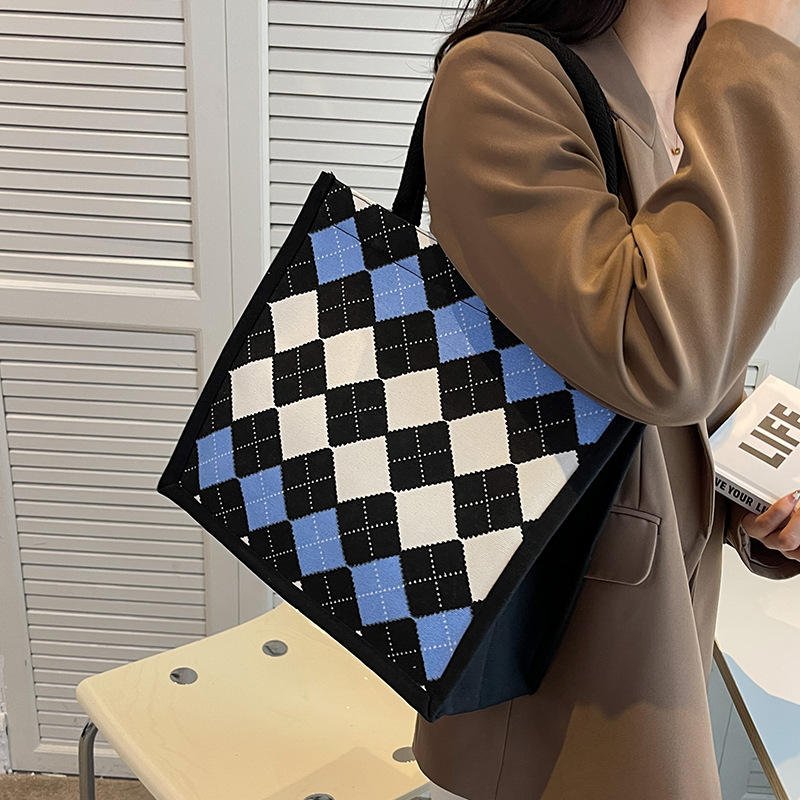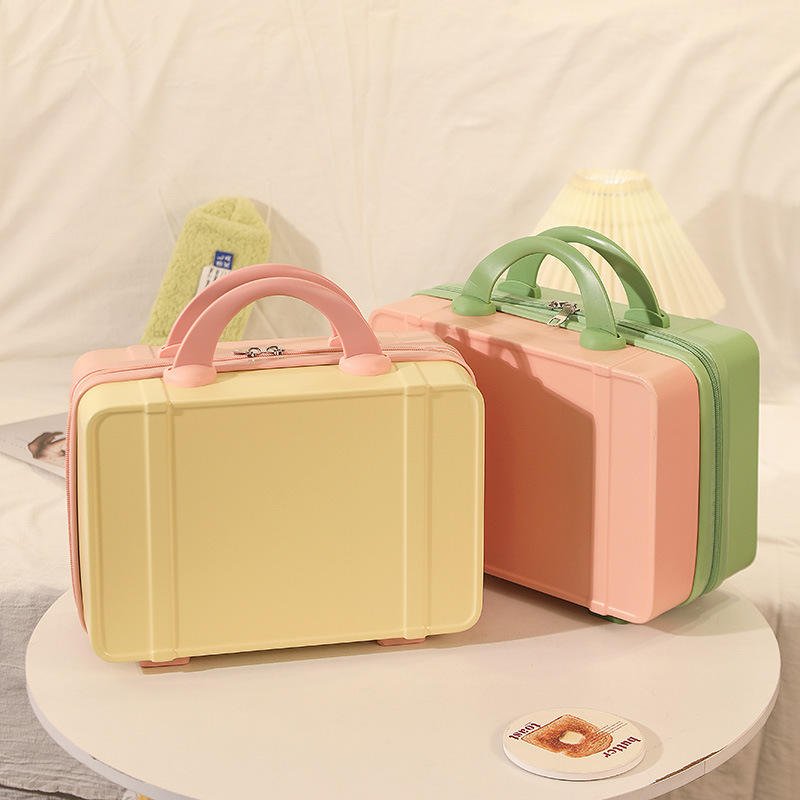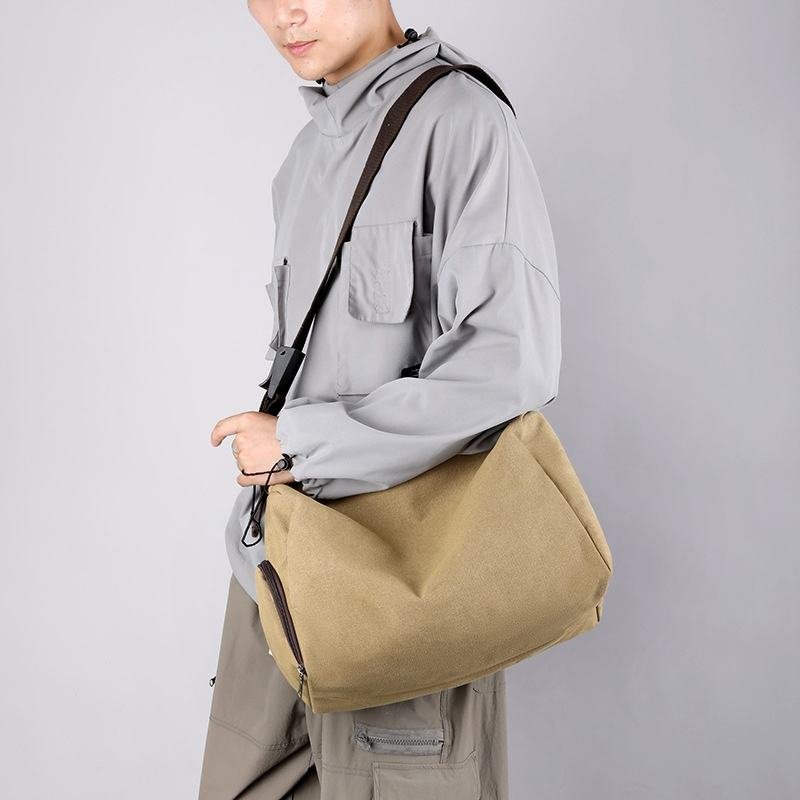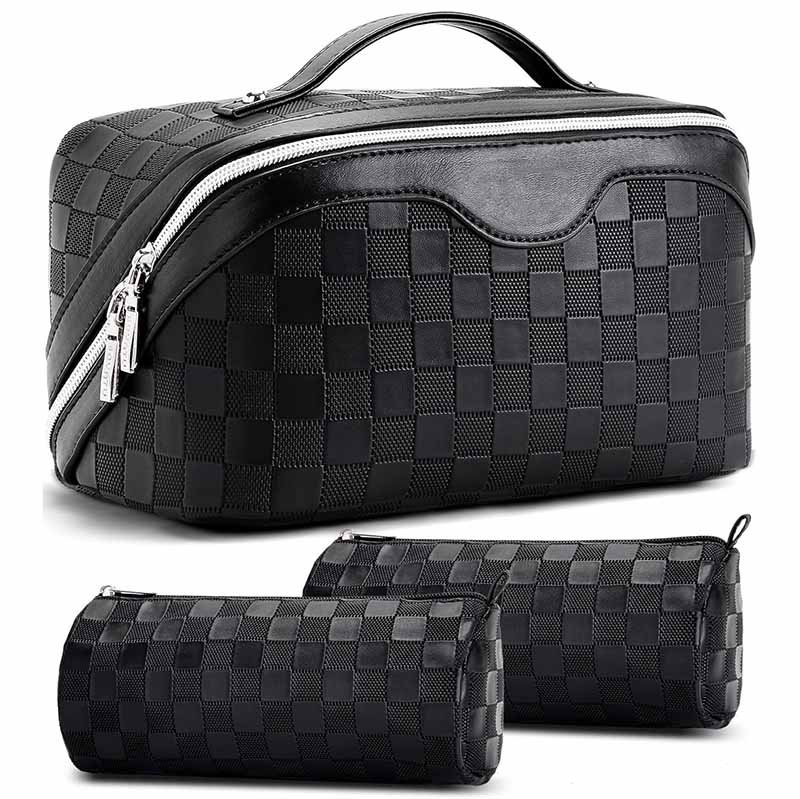
Walk into any beauty store today and you’ll notice something interesting: customers rarely judge a cosmetic brand by formula alone. They also look at presentation, packaging feel, and long-term usability—and makeup bags play a quiet but powerful role in that perception. A poorly made cosmetic bag with peeling lining or broken zippers can reduce trust in even the most luxurious skincare line. On the other hand, a well-structured, elegant makeup bag can extend the brand story beyond the product itself, becoming a daily companion in handbags, suitcases, and dressing tables.
Choosing the right makeup bags factory means partnering with a manufacturer that can deliver premium materials, precise construction, stable quality across batches, and scalable production that grows with your cosmetic brand.
Such a factory supports custom design, ensures durability under real usage, maintains consistent color and texture, and manages lead times and pricing transparently—allowing beauty brands to focus on marketing and product innovation instead of supply-chain risk.
In global beauty retail, premium cosmetic accessories often increase average order value by 15–35% when bundled with skincare or fragrance sets. Yet many emerging brands discover too late that inconsistent stitching, weak zippers, or low-grade PU leather quickly damage customer perception. The difference usually traces back to one decision: which factory produced the makeup bags.
And that single decision often determines whether a cosmetic collection feels disposable—or unforgettable.
What Is a Makeup Bags Factory?
A makeup bags factory is a manufacturer that develops and produces cosmetic bags—pouches, organizers, train cases—using materials like PU, polyester, nylon, TPU, canvas, and various linings and zippers. For premium cosmetic brands, a real makeup bags factory controls material grades, stitching precision, lining bonding, odor management, and zipper durability, and can repeat the same standard across bulk and reorders.
What a premium brand should expect from a makeup bags factory
A basic pouch factory can “make a bag.”
A premium-level makeup bags factory can make the same bag again and again, without drift.
That repeatability comes from process control, not promises. You should expect the factory to clearly state (and follow):
- material specs (composition + thickness/weight + surface finish)
- hardware specs (zipper brand/type, puller, plating)
- construction specs (stitch type, stitch density, seam allowances)
- quality standards (inspection points + defect tolerance)
- sample-to-bulk consistency rules (bulk must match approved pre-production sample)
If a factory cannot discuss these items clearly, they may still produce a decent first shipment, but the risk increases sharply when you reorder or expand the line.
What materials are used in makeup bags?
Premium cosmetic brands usually choose materials based on three forces: appearance, chemical resistance, and cleanability.
| Material (outer) | Common look/feel | How it handles daily cosmetic use | Notes for premium brands |
|---|---|---|---|
| Matte PU leather | smooth, elegant | good wipe-clean | check odor + peel resistance |
| Textured PU (Saffiano/crosshatch) | luxury texture | very good scratch resistance | popular for gifting |
| Nylon twill | modern, soft, durable | excellent abrasion resistance | ideal for travel kits |
| TPU-coated polyester | glossy/technical | strong waterproof performance | good for spill-prone products |
| Canvas/cotton | natural, casual | absorbs oils easier | better for “clean beauty” look |
| RPET fabric | eco story | good daily durability | ask for recycled claim proof |
| Genuine leather | luxury | excellent durability | higher cost, more QC needed |
If your brand sells creams, oils, or liquid foundations, avoid absorbent outer materials unless you accept staining as part of the look.
What makes makeup bags premium?
Premium is not one feature. It’s a “no weak points” experience. Customers notice problems fast because makeup bags are used hard.
Premium indicators you can measure and request:
- Zipper reliability: smooth pull, no snagging, no tooth separation
- Lining performance: wipe-clean, stain-resistant, no peeling at seams
- Edge finishing: no glue marks, no exposed raw edges, clean binding
- Shape stability: bag stands or holds form; corners don’t collapse quickly
- Odor control: no strong chemical smell on unboxing
- Logo quality: crisp edges, consistent placement, no cracking after rub
Here’s a simple “premium feel” checklist brands often use in sampling:
| Area | What customers expect | What you should ask the factory to confirm |
|---|---|---|
| Hand-feel | smooth, non-sticky | PU grade + surface coating type |
| Interior | clean, wipeable | lining material + lamination/bond method |
| Hardware | smooth zipper | zipper type + puller plating |
| Finish | no loose threads | trimming + final QC process |
| Smell | neutral odor | material curing time + packing method |
Why does a makeup bags factory matter?
Because most cosmetic bag failures come from the factory’s material choices and small process shortcuts, not your design.
Common complaint patterns premium brands see:
- zipper breaks in 2–4 weeks
- lining cracks or flakes near corners
- glue smell at unboxing
- logo fades or peels
- color looks different vs product photos
- seams open at zipper ends
Each issue has a known factory-side cause (zipper grade, coating quality, bonding temperature, curing time, printing method, stitching reinforcement). A good factory prevents these issues before they reach customers.
Which Makeup Bags Materials Work Best?
The best materials for premium makeup bags are those that look refined and also resist makeup reality: oils, alcohol wipes, powders, humidity, and friction. Common premium choices include matte or textured PU, nylon twill, TPU-coated polyester, and RPET fabrics paired with wipe-clean linings (TPU/PEVA-coated) and durable zippers. The “best” choice depends on your product type, target price, and whether the bag is for gifting or daily travel.
Choose materials based on use case, not trend
A bag for a vanity set and a bag for travel face different stress:
- Vanity use: light handling, but constant humidity and cosmetics residue
- Travel use: abrasion, crushing, liquid spills, frequent zipper cycles
- Retail gifting: first impression + premium touch matters most
This is why premium brands often build a collection with different material tiers.
| Use scenario | Best outer materials | Best lining | Why it works |
|---|---|---|---|
| Gift sets / holiday | textured PU | wipe-clean polyester/TPU | premium feel + clean interior |
| Travel kits | nylon twill / TPU-coated | PEVA/TPU | spill-resistant + abrasion-resistant |
| Pro makeup artist | heavy nylon / coated | TPU laminate | high durability, easy sanitizing |
| “Clean beauty” aesthetic | canvas / cotton | coated lining (must) | natural look, still cleanable |
Which fabrics suit premium makeup bags?
Premium fabrics are the ones that stay good-looking after repeated wiping and rubbing.
Top performers for premium cosmetic brands:
- Textured PU (especially crosshatch textures): hides scratches
- Nylon twill: durable, lightweight, premium in a modern way
- TPU-coated fabrics: strongest protection from liquids and stains
- RPET woven fabrics: premium look + sustainability story (when well-finished)
A quick spec guide that helps brands align fabric to price:
| Outer material | Recommended positioning | Quick spec references |
|---|---|---|
| Standard PU | mid-tier | stable surface, low odor |
| Textured PU | premium gifting | better scratch hiding |
| Nylon twill | premium travel | strong abrasion resistance |
| TPU-coated | functional premium | waterproof emphasis |
| RPET | eco-premium | consistent weave + finishing |
How do linings improve makeup bags?
Linings are where “premium” becomes obvious after two weeks of use.
Customers spill product. They wipe with tissue. They sanitize. If the lining absorbs oils or stains permanently, it looks dirty fast.
What a premium lining should do:
- resist oils and pigments
- wipe clean without leaving streaks
- avoid peeling at fold lines
- stay smooth (no bubbling) after humidity changes
Common lining choices:
| Lining type | Cleanability | Durability | Notes |
|---|---|---|---|
| Polyester (plain) | good | good | budget-premium option |
| PEVA | excellent | medium | very easy cleaning |
| TPU laminate | excellent | high | strongest wipe-clean feel |
| Cotton | low | low–medium | stains easily; avoid for cosmetics |
If your brand includes liquid foundation, lip oils, or hair products, TPU laminate linings reduce complaint risk dramatically.
What hardware upgrades makeup bags?
Zippers and pullers are the “daily touch point.” Premium brands should treat zipper selection like a core material decision.
Key factors customers notice:
- smoothness (no snagging on lining)
- strength at zipper ends (no tearing)
- plating quality (no rust-like discoloration)
A practical hardware upgrade ladder:
| Hardware level | What’s included | Best for |
|---|---|---|
| Standard nylon zipper | basic slider | entry kits |
| Reinforced nylon zipper | stronger tape + end stitches | most premium daily bags |
| Metal zipper | premium look + long life | gifting and luxury |
| Custom puller | brand identity | hero products |
How Do You Check a Makeup Bags Factory?
To evaluate a makeup bags factory for premium cosmetic brands, you need to verify four core areas: material consistency, construction precision, functional durability, and batch repeatability. A reliable factory proves capability through structured sampling, measurable testing standards, transparent quality control, and the ability to reproduce the same cosmetic bag across future orders without visible or functional differences.
Why factory evaluation matters more for premium cosmetic brands
For entry-level promotional pouches, small defects may be tolerated because the bag is disposable.
Premium cosmetic brands operate differently. The makeup bag becomes part of the brand experience, often photographed, gifted, reviewed online, and reused daily.
Because of this, even minor problems create disproportionate damage:
- a stiff zipper becomes a negative product review
- a wrinkled lining suggests poor hygiene or cheapness
- a chemical odor raises safety concerns
- color mismatch ruins visual consistency in retail displays
Premium brands therefore need predictable manufacturing, not just acceptable first samples.
What skills should a makeup bags factory have?
A capable premium makeup bags factory demonstrates technical control, not just sewing ability.
The following production skills directly affect final product performance.
| Factory skill | Why it matters for premium makeup bags | Risk if missing |
|---|---|---|
| Precise pattern engineering | Ensures symmetry and shape stability | Crooked or collapsed bags |
| Multi-material sewing control | Prevents puckering between PU, lining, foam | Uneven seams or tearing |
| Edge finishing techniques | Creates clean luxury appearance | Visible glue or rough edges |
| Zipper reinforcement methods | Protects stress points during daily use | Early zipper failure |
| Odor control & curing | Removes chemical smell before packing | Customer complaints on opening |
| Stable material sourcing | Keeps color and texture consistent | Batch-to-batch mismatch |
Factories focused only on speed and volume often lack these refinements.
Premium cosmetic brands should prioritize precision over speed.
How does sampling show factory level?
Sampling is the clearest window into real factory capability.
Not just the look of the sample—but how the sample process is managed.
A professional sampling workflow usually includes three defined stages:
| Sampling stage | Purpose | What brands should verify |
|---|---|---|
| Prototype sample | Check design, size, structure | Overall usability and proportions |
| Material confirmation sample | Lock fabric, lining, zipper, color | Real hand-feel and durability |
| Pre-production sample (PPS) | Final approval before bulk | Must match bulk exactly |
Warning signs during sampling:
- factory cannot state material specifications clearly
- repeated dimension errors across revisions
- slow or unclear communication on corrections
- PPS looks different from earlier approved sample
These signals often predict bulk production inconsistency.
Strong factories, by contrast, usually:
- revise samples within 5–10 days
- provide clear measurement tolerances (e.g., ±0.5 cm)
- label materials with codes for reorder tracking
- keep a sealed reference sample for future comparison
This discipline protects long-term brand consistency.
Which tests prove makeup bags quality?
Premium cosmetic bags must survive real cosmetic use, not just visual inspection.
The most practical tests simulate daily handling, spills, and repeated opening.
1) Zipper durability testing
| Test method | Expected premium result |
|---|---|
| 5,000–10,000 open/close cycles | No tooth separation or slider break |
| Pull stress at zipper end | No tearing or seam opening |
| Smoothness check | No snagging on lining |
Zipper failure is the #1 complaint in cosmetic accessories, making this test essential.
2) Lining chemical-resistance testing
Cosmetics contain oil, alcohol, pigment, and fragrance compounds.
Premium linings must resist all four.
| Test liquid | What to check |
|---|---|
| Liquid foundation | Staining or absorption |
| Alcohol wipe | Surface peeling or discoloration |
| Lotion/cream | Oil marks after wiping |
| Water soak | Delamination or bubbling |
High-quality TPU or coated polyester linings usually pass these checks with no permanent stain.
3) Structure and load testing
Although makeup bags are not heavy-duty products, structural weakness appears quickly in travel use.
| Test | Premium expectation |
|---|---|
| 2–3 kg load for 24 hours | No seam tearing or deformation |
| Corner compression in luggage | Shape recovery after release |
| Repeated folding | No cracking of PU surface |
These simple tests reveal long-term durability within minutes.
Common defects premium brands should watch for
Even visually attractive samples can hide structural problems.
Below are the most frequent issues discovered after launch.
| Defect | Root cause in factory | Prevention method |
|---|---|---|
| Peeling PU surface | Low-grade coating or poor curing | Specify PU grade + curing time |
| Broken zipper ends | Missing reinforcement stitches | Add bartack or double seam |
| Lining tearing | Thin or unbonded lining | Use coated, thicker lining |
| Strong odor | Insufficient airing before packing | Require ventilation period |
| Uneven logo print | Poor positioning control | Use alignment jig in printing |
Identifying these during sampling instead of after shipping saves significant cost and reputation.
How experienced factories maintain consistency across orders
Premium cosmetic brands rarely stop at one order.
Consistency across multiple production cycles is the true test of a makeup bags factory.
Professional factories maintain repeatability through:
- material batch tracking for color stability
- documented stitch density and seam allowance
- standardized zipper suppliers for identical hardware
- archived pre-production samples for comparison
- final QC inspection with photo records
With these controls, batch variation can remain within 2–3% tolerance, which is generally acceptable for global retail distribution.
Manufacturers experienced in long-term OEM cosmetic bag production—such as Szoneier—apply structured sampling approval, inline inspection, and final quality verification to ensure premium makeup bags remain consistent across seasons and reorders.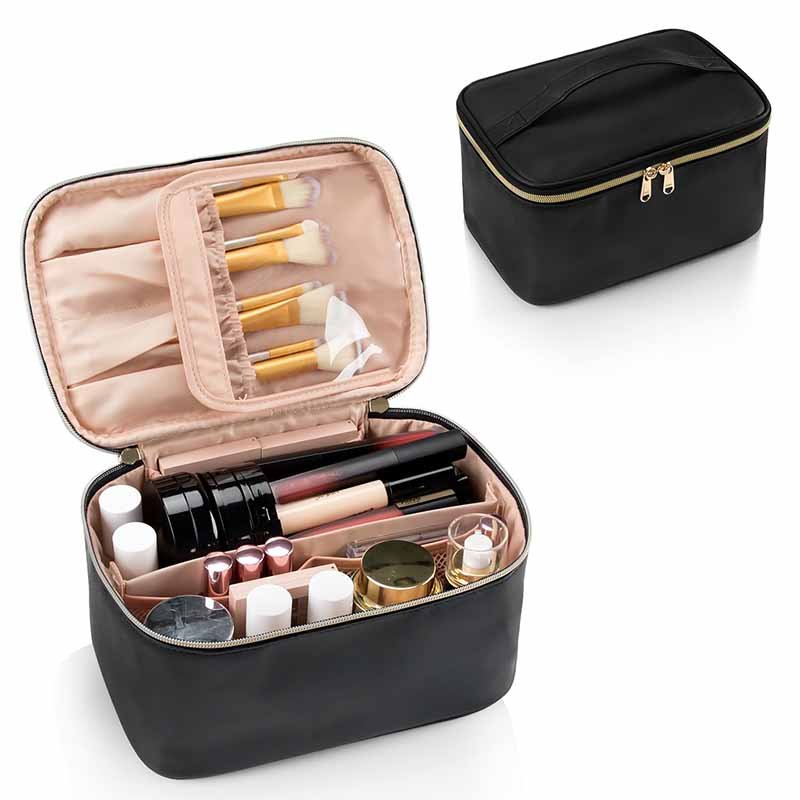
What Costs and Lead Times for Makeup Bags?
Premium makeup bag pricing and delivery time depend on material grade, structural complexity, hardware quality, and order volume. A transparent makeup bags factory will separate fabric, lining, zipper, labor, decoration, and packaging costs, then provide a realistic sampling and production schedule. Understanding these numbers early allows cosmetic brands to protect margins, avoid delays, and scale confidently without unexpected expenses.
How does a makeup bags factory price orders?
For premium cosmetic bags, pricing is never based on fabric alone.
Factories calculate cost through six measurable components, each influenced by design decisions.
| Cost element | Typical share in premium makeup bags | What increases cost most |
|---|---|---|
| Outer material (PU, nylon, RPET, etc.) | 25–45% | Higher-grade PU, thick nylon, genuine leather |
| Lining material | 10–20% | TPU laminate, waterproof coatings |
| Zipper & hardware | 8–18% | Metal zippers, custom pullers, plating quality |
| Sewing labor | 15–30% | Complex shapes, padding, compartments |
| Branding & decoration | 5–15% | Embroidery, metal logo plates, patches |
| Packaging & QC | 5–12% | Gift boxes, strict inspection standards |
Key insight for cosmetic brands:
Adding structure (padding, dividers, thick PU, metal zipper) can raise unit cost 30–70%, but often supports a much higher retail price—so the real question is margin strategy, not just factory price.
Realistic premium makeup bag price ranges
The following export-level ranges help brands judge quotations during sourcing.
| Makeup bag type | Qty 100–300 pcs | Qty 500–1,000 pcs | Main driver |
|---|---|---|---|
| Simple PU cosmetic pouch | $2.20–$4.20 | $1.80–$3.40 | PU grade + zipper |
| Structured travel makeup bag | $3.50–$6.80 | $2.90–$5.40 | Padding + labor |
| Multi-compartment organizer | $4.80–$9.50 | $3.90–$7.80 | Divider structure |
| Waterproof TPU cosmetic bag | $3.80–$7.20 | $3.10–$5.90 | Coated material |
| Luxury leather-trim cosmetic bag | $6.50–$14.00 | $5.20–$11.50 | Leather + finishing |
Are there hidden costs in makeup bags production?
Yes. Premium cosmetic accessories frequently include small setup expenses that are not obvious in first quotations.
| Hidden cost | Why it appears | Typical range |
|---|---|---|
| Logo mold or metal plate | Custom branding hardware | $50–$200 |
| Embroidery digitizing | Logo file conversion | $20–$80 |
| Screen or heat-transfer setup | Artwork preparation | $20–$120 |
| Sample courier shipping | International delivery | Varies by region |
| Third-party QC inspection | Extra quality assurance | $150–$400/day |
| Retail gift box tooling | Custom packaging size | Higher MOQ required |
What lead time is normal for makeup bags?
Premium cosmetic bags require longer coordination than simple pouches because materials, linings, and hardware must arrive together and pass approval.
| Production stage | Typical timeline | Main delay risk |
|---|---|---|
| Quotation & material confirmation | 2–4 days | unclear specs |
| Prototype sampling | 7–12 days | custom PU or zipper sourcing |
| Sample revision | 5–8 days | structure or logo change |
| Pre-production approval | 3–5 days | color mismatch |
| Bulk production (100–500 pcs) | 18–28 days | sewing complexity |
| Bulk production (1,000+ pcs) | 25–40 days | scheduling & trim supply |
| Air shipping | 5–10 days | freight capacity |
| Sea shipping | 20–40 days | port transit |
Planning reality:
From first sample to warehouse arrival, premium cosmetic bag projects usually take 5–9 weeks.
Factories promising dramatically faster delivery often skip testing or reduce finishing quality.
How Do You Grow with One Makeup Bags Factory?
Growing with one makeup bags factory means turning a single successful cosmetic bag order into a long-term, stable production partnership. When specifications, materials, and quality standards are fixed early, repeat orders become faster, unit costs gradually decrease, and new product variations can be launched without restarting development. This stability protects brand reputation, improves margins, and allows cosmetic brands to scale confidently.
Why staying with one reliable factory often costs less than switching
Many cosmetic startups change factories after the first order to chase a slightly lower quotation.
In practice, this usually increases total operating cost instead of reducing it.
Every new factory must relearn:
- exact PU texture, color tone, and gloss level
- zipper strength and puller finish that match your brand feel
- lining thickness and bonding method that prevent peeling
- stitching density and reinforcement at stress points
- packaging folding method and presentation standard
This relearning cycle creates:
- new sampling fees
- 2–5 additional weeks of development time
- higher early defect risk
- inconsistent customer experience between batches
Across small cosmetic accessory brands, switching factories during early growth commonly raises hidden operational cost by 10–30%, even when the visible unit price looks cheaper.
Stable cooperation, by contrast, builds production memory inside the factory.
Workers know the weak points. QC teams know what to check first. Material suppliers keep the correct color batch.
What commercial terms keep long-term cooperation safe
Growth is smoother when expectations are written clearly from the beginning.
Premium cosmetic brands should confirm several practical terms before moving into repeat production.
| Key term | Why it matters | Common industry practice |
|---|---|---|
| Deposit structure | Protects factory cash flow and brand risk | 30% deposit / 70% before shipment |
| Approved pre-production sample | Locks final quality reference | Bulk must match PPS |
| Defect tolerance level | Defines acceptable quality range | Usually ≤2–3% minor defects |
| Rework or compensation rule | Protects brand reputation | Repair, remake, or credit |
| Delivery window | Supports launch scheduling | ±3–5 days tolerance |
| Price validity period | Prevents sudden cost increase | 30–90 days typical |
When these points are agreed early, scaling from 300 pieces to several thousand becomes predictable instead of stressful.
How fixed specifications reduce cost and speed up reorders
The biggest hidden advantage of staying with one factory is specification stability.
Once the first production is approved, the factory can reuse:
- cutting patterns and dimensions
- sewing machine settings and stitch programs
- zipper supplier and puller mold
- lining material batch and bonding temperature
- packaging size and carton loading layout
Because development work is already finished, repeat orders often show measurable improvements:
| Production factor | New factory | Existing factory |
|---|---|---|
| Sampling time | 7–15 days | 0–5 days |
| Development cost | High | Minimal |
| Quality risk | Medium–high | Low |
| Communication effort | Heavy | Light |
| True total cost | Often higher | Usually lower |
For cosmetic brands launching seasonal kits or gift sets, this difference directly affects inventory timing and marketing schedule.
When should you increase order quantity?
Scaling volume should follow real sales data, not expectation.
Healthy cosmetic brands usually expand production step by step.
| Sales performance | Suggested production decision |
|---|---|
| First batch slow to sell | Adjust design, price, or bundle |
| 50–70% sold within one month | Prepare second similar-size order |
| Two stable reorders completed | Negotiate lower unit pricing |
| Monthly demand predictable | Increase to 1,000+ pieces |
| Retail or distributor confirmed | Plan seasonal production cycle |
Factories can typically reduce unit cost 8–18% when volume grows due to:
- bulk material purchasing
- improved cutting efficiency
- fewer setup interruptions
This is where long-term cooperation begins to create real profit improvement, not just convenience.
How experienced factories support brand expansion beyond one product
A strong makeup bags factory gradually becomes a development partner, helping cosmetic brands grow their accessory line instead of only repeating one SKU.
Support that growing beauty brands often need:
- suggesting upgraded PU textures or eco materials for new collections
- reserving consistent color batches for seasonal continuity
- improving internal structure after customer feedback
- designing matching travel sets or organizers
- upgrading packaging for retail display or e-commerce shipping
- providing faster sampling for urgent product launches
These operational details rarely appear in quotations, yet they strongly influence:
- customer satisfaction
- return rates
- brand image consistency
- long-term margin stability
Factories with mature OEM experience—such as Szoneier—typically keep archived material records, sewing parameters, and approved reference samples for each cosmetic bag style.
This documentation allows future orders to remain visually and structurally consistent even months later, which is critical for retail continuity and online reviews.
The real sign that growth with one factory is working
Successful long-term cooperation shows up in measurable improvements, not promises:
- lower defect rate across batches
- shorter reorder production cycle
- more accurate delivery scheduling
- steadily improving unit margin
- less time spent solving production issues
When these indicators move in the right direction, the factory relationship is no longer just transactional.
It becomes part of the cosmetic brand’s operating foundation, quietly supporting every new launch behind the scenes.
What styles of cosmetic bags can Szoneier customize and develop
Szoneier can customize a full range of cosmetic bag styles, from simple daily pouches to structured travel organizers, luxury leather-trim beauty cases, waterproof transparent bags, and multi-compartment professional kits. Each style can be engineered with different materials, linings, reinforcements, closures, and branding methods, allowing cosmetic brands to launch entry products, expand into premium collections, and maintain consistent quality across long-term product lines.
1. Core cosmetic bag silhouettes for everyday retail
Most beauty brands begin with high-turnover foundational styles that balance cost, appearance, and usability.
These designs are widely used for gift sets, subscription boxes, and promotional launches.
| Style | Structure features | Typical use | MOQ flexibility | Price level |
|---|---|---|---|---|
| Flat cosmetic pouch | Single compartment, zipper top | Skincare sets, samples | Very high | Low |
| Box-shape makeup bag | Structured base, wider opening | Daily storage | High | Low–mid |
| Gusset zipper pouch | Bottom expansion for volume | Travel minis | High | Low–mid |
| Mini cosmetic purse | Compact size, soft body | Handbag carry | High | Low–mid |
These entry silhouettes are often produced in PU leather, nylon, RPET, or canvas, providing an accessible starting point for new cosmetic brands.
2. Travel-focused and organizer cosmetic bags
As brands expand, demand shifts toward functionality and storage efficiency, especially for travel and professional makeup use.
| Style | Key engineering detail | Functional advantage |
|---|---|---|
| Multi-compartment organizer | Internal dividers, elastic holders | Keeps products separated |
| Double-layer makeup bag | Upper/lower compartments | Separates tools and liquids |
| Large travel cosmetic case | Reinforced frame, carry handle | High capacity for trips |
| Hanging toiletry bag | Fold-out panels, hook system | Saves bathroom counter space |
| Roll-up brush bag | Slot pockets, fold closure | Protects makeup brushes |
These styles require more complex sewing, padding, and lining systems, increasing labor time but significantly improving user experience and perceived value.
3. Waterproof, transparent, and hygiene-focused cosmetic bags
Modern cosmetic consumers care strongly about cleanability and visibility, especially for travel security or professional sanitation.
| Style | Material system | Practical benefit |
|---|---|---|
| Clear PVC/TPU cosmetic bag | Transparent waterproof film | Airport security compliance |
| TPU-laminated makeup pouch | Soft waterproof laminate | Easy wipe-clean surface |
| Spill-resistant travel bag | Coated lining + sealed seams | Prevents leakage spread |
| Antibacterial lining cosmetic bag | Treated inner fabric | Hygiene protection |
These categories are increasingly used in:
- airline travel kits
- spa and skincare gift sets
- professional makeup artist equipment
- medical or dermatology product packaging
Waterproof construction quality directly affects long-term durability and odor control, making factory expertise critical.
4. Premium and luxury cosmetic bag constructions
For high-end beauty brands, cosmetic bags function as brand extension products, not just packaging.
Design emphasis shifts toward materials, texture, and finishing precision.
| Premium style | Signature detail | Market positioning |
|---|---|---|
| Saffiano PU cosmetic case | Crosshatch luxury texture | Designer-inspired gifting |
| Leather-trim makeup bag | Genuine or vegan leather accents | High retail value |
| Metal-frame vanity case | Structured opening frame | Classic luxury feel |
| Embroidered beauty pouch | Decorative stitching or logo | Boutique collections |
| Magnetic-closure cosmetic clutch | Hidden hardware closure | Fashion crossover use |
These products often support higher retail pricing and longer product life cycles, strengthening brand perception beyond the cosmetic formula itself.
5. Professional, salon, and specialty cosmetic storage
Beyond consumer retail, Szoneier also develops specialized cosmetic storage solutions for professional environments.
| Professional style | Key function | Target users |
|---|---|---|
| Makeup artist train case | Rigid frame, layered trays | Professional artists |
| Brush storage cylinder | Vertical structure, separators | Studio or salon |
| Portable beauty workstation bag | Multi-tool compartments | Freelance technicians |
| LED mirror cosmetic case | Built-in lighting system | On-site makeup work |
| Detachable modular organizer | Removable sections | Traveling professionals |
These designs require advanced structural engineering, reinforcement, and hardware integration, reflecting higher manufacturing complexity and value.
6. Sustainable and eco-focused cosmetic bag collections
Sustainability has become a defining theme in modern beauty branding.
Szoneier supports eco-oriented cosmetic bag development using:
- RPET recycled polyester fabrics
- recycled webbing and linings
- low-solvent PU or water-based coatings
- minimal-ink or woven branding methods
| Eco style | Material direction | Brand message |
|---|---|---|
| RPET zipper pouch | Recycled bottle fiber | Environmental responsibility |
| Organic canvas cosmetic bag | Natural fiber | Clean beauty lifestyle |
| Minimalist reusable beauty bag | Long-life structure | Waste reduction |
| Mono-material recycle-ready pouch | Single polymer system | Circular design potential |
Eco cosmetic bags increasingly appear in subscription boxes, skincare launches, and sustainability campaigns, helping brands communicate long-term environmental values.
7. Full private-label customization scope at Szoneier
Across all style categories, Szoneier provides complete OEM and private-label development:
Structural customization
- size, compartment layout, padding thickness
- zipper type, puller design, closure system
- reinforcement stitching and frame construction
Material customization
- PU textures, nylon densities, TPU coatings, RPET blends
- lining chemistry resistance and color matching
- leather grades or vegan alternatives
Branding customization
- screen print, embossing, embroidery, metal logos
- woven labels, patches, debossed leather marks
- retail packaging, gift boxes, barcode labeling
This integrated capability allows cosmetic brands to evolve from:
simple entry pouch → travel organizer → premium gift case → full beauty accessory line
without changing manufacturing partners.
Start Your Premium Makeup Bag Project with Szoneier
Selecting a makeup bags factory is not just a sourcing step—it is a brand protection decision.
The right partner ensures that every cosmetic bag reflects the same quality, elegance, and durability customers expect from premium beauty products.
Szoneier brings 18+ years of bag manufacturing experience, supporting custom cosmetic bags across PU, nylon, TPU, canvas, RPET, leather, and more, with:
- low-MOQ development for new cosmetic brands
- rapid and accurate sampling
- strict quality control for premium positioning
- stable pricing and delivery timelines
- full OEM and private-label customization
If you are planning a new cosmetic bag line or upgrading an existing beauty collection, now is the ideal time to review materials, structure, and production strategy.
Contact Szoneier today to request a quotation, sample plan, or customization proposal for your premium makeup bags.