 Skip to content
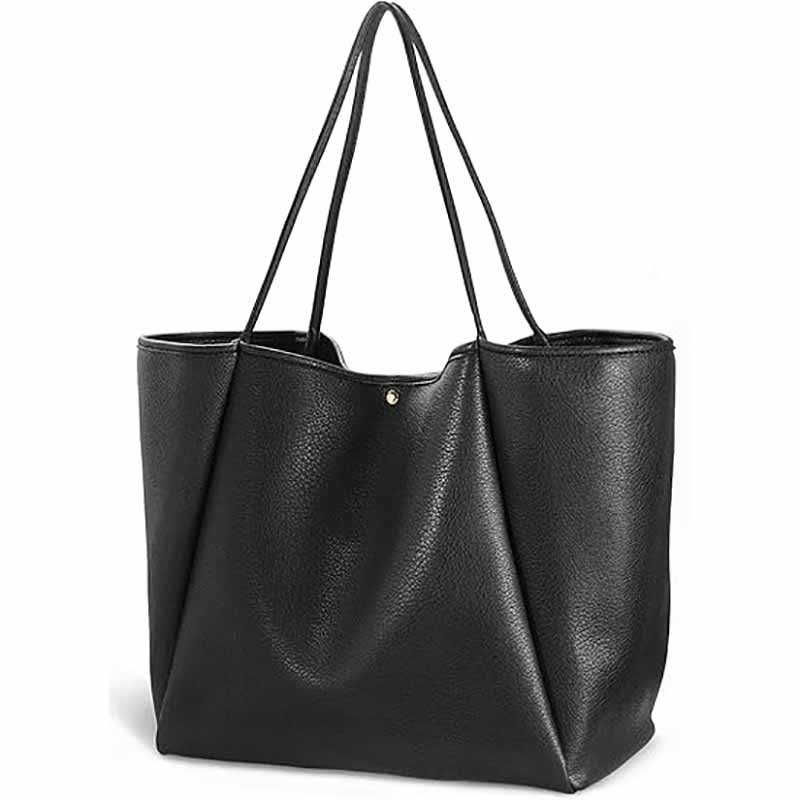
Contact Szoneier today to request samples, discuss leather options, and get a tailored quotation for your custom leather tote bags.
Leather tote bags have quietly become one of the most trusted everyday essentials across work, travel, and lifestyle scenarios. From professionals commuting with laptops to shoppers carrying daily essentials, the leather tote has evolved far beyond a simple carryall. What makes it truly popular is not just its appearance, but the combination of material quality, functional design, and long-term value. In recent years, search trends on Google show growing interest not only in styles of leather tote bags, but also in deeper questions such as what leather lasts longest, which leather looks better over time, and how to choose a tote bag that ages well instead of wearing out.
Unlike fast-fashion bags that prioritize looks over longevity, a well-made leather tote is often purchased with the expectation that it will be used for years. Buyers today are more informed. They compare leather grades, tanning methods, stitching quality, and even how leather responds to daily friction, weight, and climate. This shift explains why “popular leather tote bags” is no longer just a fashion question—it is a material and craftsmanship question.
The most popular leather tote bags are those made from durable, high-quality leather such as full-grain or top-grain leather, designed with practical interior space and timeless styling. Buyers favor leather totes that balance everyday functionality, long-term durability, and natural aging characteristics. Structured or semi-structured designs with reinforced handles, quality hardware, and thoughtful compartments consistently rank as the most popular choices worldwide.
Stories often explain popularity better than statistics. One of our long-term clients once told us they replaced three synthetic totes in two years—then switched to a single leather tote that lasted over six. That moment often marks the start of a buyer’s journey into understanding why leather tote bags dominate long-term use. Let’s break it down properly.
What Is a Leather Tote Bag?
A leather tote bag is a large, open or semi-open carry bag primarily made from genuine leather, designed for everyday use. It typically features two parallel handles, a wide opening, and a spacious interior capable of carrying daily essentials such as laptops, documents, or personal items. Leather tote bags are valued for their durability, versatility, and ability to age gracefully, making them suitable for work, travel, shopping, and lifestyle use.
What Defines a Tote Bag in Leather Design?
A tote bag is fundamentally defined by its function-first structure rather than decorative complexity. In leather design, this structure becomes even more critical. A leather tote bag is usually characterized by a rectangular or vertical silhouette, dual handles of equal length, and a large main compartment that allows quick access without complicated closures. Unlike backpacks or crossbody bags, a tote prioritizes ease of access and carrying capacity.
When leather is used, the design must account for material behavior. Leather stretches differently from fabric and responds to weight gradually over time. For this reason, well-designed leather tote bags often include reinforced handle bases, double-layer leather handles, or internal load-bearing panels to prevent tearing and deformation. The spacing between handles, handle drop length, and stitching density all directly affect comfort and longevity.
In short, a true leather tote bag is not just a “big leather bag.” It is a carefully engineered balance between capacity, comfort, and structural integrity, designed to withstand repeated daily use.
What Types of Leather Are Commonly Used for Tote Bags?
Leather tote bags can be made from several leather types, but not all leather performs equally in tote construction. The most commonly used materials include full-grain leather, top-grain leather, vegetable-tanned leather, and corrected or coated leather.
- Full-grain leather retains the natural grain layer and offers the highest strength and durability. It is widely used in premium tote bags designed for long-term use.
- Top-grain leather is lightly corrected for surface uniformity, providing a cleaner appearance while maintaining strong fiber structure.
- Vegetable-tanned leather is valued for its natural processing and ability to develop a rich patina, though it requires more care.
- Corrected or coated leather may offer initial visual consistency but typically lacks the long-term durability expected from popular leather totes.
From an engineering standpoint, leather thickness (often 1.6–2.2 mm for totes) and fiber density matter as much as leather grade. Popular leather tote bags almost always use medium-to-thick leather panels to balance strength and weight.
How Is a Leather Tote Bag Different from Fabric or Synthetic Totes?
The key difference lies in material behavior over time. Fabric totes tend to lose shape, while synthetic leather may crack or peel. Genuine leather, however, adapts. High-quality leather fibers tighten under stress and soften with use, allowing the bag to carry weight repeatedly without sudden failure.
Leather also provides better load distribution. The natural fiber network spreads stress across a wider area, reducing pressure on seams and handle attachment points. This is why leather tote bags are commonly chosen for carrying laptops, books, or tools—items that would quickly deform lightweight fabric bags.
Aesthetic aging is another major distinction. While fabric fades and synthetics deteriorate, leather develops character. Scratches soften, color deepens, and patina forms. This transformation is a key reason leather tote bags are often perceived as long-term investments rather than disposable accessories.
What Are Leather Tote Bags Commonly Used For?
Leather tote bags are among the most versatile bag types available. Common use cases include:
- Work and office use – carrying laptops, documents, chargers, and notebooks
- Everyday carry – wallets, cosmetics, phones, and daily essentials
- Travel and personal item bags – especially for short trips or flights
- Shopping and lifestyle use – where durability and appearance matter
Because of this versatility, buyers often search not just for “leather tote bag,” but for “leather work tote,” “everyday leather tote,” or “large leather tote bag.” Well-designed leather totes satisfy multiple needs at once, which explains their sustained global popularity.
Why Is a Leather Tote Considered a Long-Term Bag Choice?
A leather tote bag is considered a long-term choice because it is designed to age, not expire. High-quality leather resists sudden material failure and instead shows gradual, predictable changes. This allows users to adapt their care routines and continue using the bag for years.
From a buyer’s perspective, this longevity reduces replacement frequency. From a brand perspective, it reduces complaints, returns, and quality disputes. That is why experienced manufacturers and serious buyers place so much emphasis on leather selection, thickness, and construction details when developing tote bags.
In practical terms, a leather tote is not just a fashion item—it is a daily-use tool wrapped in a premium material, which is exactly why it remains one of the most searched and purchased bag categories worldwide.
Why Are Leather Tote Bags So Popular?
Leather tote bags are popular because they combine durability, versatility, and timeless design in a single product. They adapt easily to work, travel, and everyday use while maintaining structure and appearance over time. Unlike fabric or synthetic bags, leather totes age gracefully, offering long-term value rather than short-term fashion appeal. Their ability to balance function, style, and lifespan makes them a preferred choice worldwide.
Why Do Leather Tote Bags Fit So Many Lifestyles and Use Scenarios?
One major reason leather tote bags remain popular is their exceptional adaptability. A single leather tote can transition seamlessly from office use to casual outings, from weekday commuting to weekend travel. This versatility is not accidental—it comes from the tote’s open structure combined with leather’s strength and visual neutrality.
Unlike highly specialized bags (such as laptop backpacks or gym bags), leather totes do not lock users into one scenario. Their clean silhouette works equally well with professional attire and casual clothing. For modern buyers who prefer fewer but better-quality items, this “one-bag-for-many-purposes” capability is extremely appealing.
Search behavior reflects this reality. Users often search phrases like “leather tote for work and travel” or “everyday leather tote bag,” indicating a strong demand for multi-functional products rather than single-purpose accessories.
Why Does Leather Outperform Fabric and Synthetic Materials Over Time?
Popularity is closely linked to performance under repeated use. Fabric tote bags often lose shape, while synthetic leather tends to crack, peel, or separate at stress points. Genuine leather behaves differently. Its natural fiber structure absorbs tension gradually, allowing the bag to carry weight repeatedly without sudden material failure.
Leather also resists abrasion more effectively than most textiles. Areas such as handle bases, corners, and bottom panels—common failure points in other bags—last significantly longer when made from quality leather. This durability translates into fewer replacements and lower long-term cost, even if the initial purchase price is higher.
From an AI and search perspective, this explains why phrases like “leather tote bag durability” and “how long does a leather tote last” continue to trend upward.
How Does Leather Enhance Both Functionality and Comfort?
Leather’s popularity is not only about strength—it is also about user experience. High-quality leather softens with use, gradually conforming to the body when carried on the shoulder or in hand. This natural adaptation improves comfort over time, something rigid synthetics and stiff fabrics cannot replicate.
Leather also distributes weight more evenly. When properly constructed, leather handles stretch slightly under load without cutting into the shoulder, reducing pressure points. This is particularly important for totes used to carry laptops, books, or tools.
Additionally, leather provides a subtle grip and tactile feedback that users often describe as “secure” or “stable.” These comfort-related qualities are rarely highlighted in product descriptions but play a major role in why users repeatedly choose leather totes.
Why Do Leather Tote Bags Maintain Visual Appeal Longer?
Another key reason for their popularity is how leather ages aesthetically. Instead of deteriorating, quality leather develops patina—a gradual deepening of color and softening of texture caused by exposure to light, air, and natural oils. Scratches become less noticeable, and the bag gains a unique, lived-in character.
In contrast, fabric bags fade and stain, while synthetic materials often show irreversible damage. This difference changes buyer psychology. A leather tote does not need to stay “perfect” to look good; in fact, signs of use often enhance its appeal.
This long-term visual reliability explains why leather tote bags are frequently chosen as work bags, daily carry bags, and even heirloom-style items passed down or reused for years.
Why Are Leather Tote Bags Seen as a Smarter Long-Term Purchase?
From a value perspective, leather tote bags align well with modern buying behavior that prioritizes cost per use rather than upfront price. While leather totes may cost more initially, their long lifespan often makes them more economical over time.
Buyers today are increasingly skeptical of disposable products. They search for items that justify their cost through durability, repairability, and sustained performance. Leather totes fit this mindset perfectly. A well-made leather tote can last several years with minimal maintenance, reducing waste and replacement frequency.
This shift toward long-term value is one of the strongest drivers behind the continued global popularity of leather tote bags—and one of the reasons brands and private-label buyers continue to invest in this category.
Which Leather Tote Styles Are Most Popular Today?
The most popular leather tote styles today include structured work totes, minimalist everyday totes, oversized carryall totes, and soft slouchy totes. These styles are favored because they balance practicality, durability, and timeless aesthetics. Buyers increasingly choose leather tote styles based on how the bag performs in real daily use rather than seasonal fashion trends.
Why Are Structured Leather Work Totes Still in High Demand?
Structured leather work totes remain one of the most searched and purchased styles worldwide. Their popularity is driven by the growing need for professional, multi-functional bags that can carry laptops, documents, chargers, and personal items without losing shape.
These totes typically feature reinforced panels, flat bases, and firmer leather—often medium to thick full-grain or top-grain leather. The structure helps protect electronics and maintain a clean silhouette, which is especially important in business and office environments.
From a buyer perspective, structured work totes project reliability and organization. From a manufacturing perspective, they require higher material discipline and construction accuracy, which is why buyers associate them with premium quality and long-term value.
Why Are Minimalist Leather Totes So Popular for Everyday Use?
Minimalist leather tote bags have gained massive popularity due to their simplicity and versatility. These totes focus on clean lines, neutral colors, and minimal hardware, making them suitable for a wide range of lifestyles and age groups.
This style is often paired with smooth top-grain or lightly milled full-grain leather to achieve a refined but relaxed appearance. Buyers appreciate that minimalist totes do not look dated quickly, allowing them to remain relevant across multiple seasons.
Search trends frequently include terms like “simple leather tote bag” or “everyday leather tote,” reflecting a shift toward understated, functional design rather than logo-heavy or overly decorative styles.
Why Are Oversized Leather Carryall Totes Trending Again?
Oversized leather tote bags—sometimes called carryall totes—are experiencing renewed popularity, particularly among travelers, parents, and creative professionals. These bags are designed to carry a large volume without strict compartmentalization, offering flexibility for varied daily needs.
The success of this style depends heavily on leather selection. Softer but strong leather, such as full-grain leather with controlled thickness, allows the bag to expand under load without excessive sagging. Reinforced handles and bottom panels are critical to prevent long-term deformation.
Their popularity reflects a lifestyle trend toward mobility and adaptability, where one bag must serve multiple roles throughout the day.
Why Are Soft and Slouchy Leather Totes Preferred for Casual Lifestyles?
Soft, slouchy leather totes are popular because they emphasize comfort and natural movement. Unlike structured totes, these bags are designed to drape and fold, creating a relaxed aesthetic that appeals to casual and creative users.
They are typically made from softer full-grain leather, vegetable-tanned leather, or specially milled leather that enhances flexibility. While these totes may not offer strong internal structure, they compensate with comfort and lightweight feel.
Buyers often associate slouchy totes with authenticity and craftsmanship, especially when natural grain and patina are visible. This emotional connection plays a significant role in their continued popularity.
How Do Leather Tote Styles Reflect Current Consumer Preferences?
Today’s most popular leather tote styles reflect broader consumer shifts toward practical luxury. Buyers want products that feel premium but serve real daily needs. As a result, overly decorative or trend-driven tote designs have given way to styles that emphasize function, durability, and timeless appeal.
Leather tote styles that can transition between work and personal life, age attractively, and require minimal maintenance consistently outperform short-lived fashion designs. This explains why certain silhouettes remain popular year after year, even as colors and minor details evolve.
How to Choose the Best Leather Tote Bag
To choose the best leather tote bag, focus on leather quality, intended use, construction, and long-term durability. Full-grain or high-quality top-grain leather offers the best balance of strength and aging performance. Consider how the bag will be used—work, travel, or daily carry—and evaluate stitching, handle reinforcement, leather thickness, and interior layout rather than appearance alone.
What Is the Best Leather for Tote Bags?
The best leather for tote bags depends on performance, not just appearance. From a durability standpoint, full-grain leather is widely considered the top choice. It retains the strongest natural fiber structure, resists tearing, and develops a rich patina over time. For buyers seeking a cleaner, more uniform look, top-grain leather offers excellent durability with refined aesthetics.
Vegetable-tanned leather appeals to buyers who value natural aging and eco-conscious processing, but it requires more care and is more sensitive to moisture. In contrast, split leather or bonded leather may reduce cost but lacks the strength and longevity required for daily-use totes.
For most high-quality leather tote bags, manufacturers typically use leather with a thickness between 1.6 mm and 2.2 mm, balancing strength and weight. Choosing the right leather grade is the foundation of a tote bag that lasts.
Which Leather Tote Bag Is Best for Your Intended Use?
A leather tote bag should be chosen based on how it will be used in real life. For work totes, structured designs made from firmer full-grain or reinforced top-grain leather are ideal. These bags must support laptops and documents while maintaining shape.
For everyday carry, slightly softer leather offers better comfort and flexibility. Medium-thickness full-grain or milled top-grain leather works well here. For travel totes, abrasion resistance and handle strength become critical, making durable top-grain leather with reinforced construction a smart choice.
Many buyer complaints arise when a bag looks good but does not match its intended use. Matching leather type and structure to daily function is essential for satisfaction.
How Do Construction and Craftsmanship Affect Quality?
Even the best leather can fail if construction is poor. Key craftsmanship details include stitch density, seam reinforcement, handle anchoring, and edge finishing. High-quality leather tote bags use tight, evenly spaced stitching and reinforced stress points where handles meet the bag body.
The bottom panel often includes additional leather layers or internal reinforcement to prevent sagging. Edges should be folded, burnished, or professionally edge-painted rather than left raw.
From an OEM perspective, these construction choices significantly affect defect rates and long-term durability. Buyers evaluating quality should look beyond surface appearance and examine how the bag is built.
What Size, Structure, and Interior Layout Should You Choose?
The “best” leather tote is one that fits the user’s daily needs without being oversized or restrictive. Buyers should consider bag dimensions, opening width, handle drop length, and interior organization.
Work totes benefit from padded laptop compartments and structured dividers, while everyday totes may prioritize open space. Travel totes often need secure closures, internal zip pockets, and reinforced bottoms.
A common mistake is choosing a tote based solely on exterior size. Interior usability and weight distribution are far more important for long-term comfort and practicality.
How Can You Identify High-Quality Leather When Buying?
High-quality leather can be identified through simple sensory and visual checks. Genuine leather has a natural smell and shows subtle grain variation. When pressed, it should crease gently rather than feel stiff or plastic-like.
Inspect stitching consistency, edge finishing, and leather thickness across panels. Uneven thickness or loose stitching often indicates cost-cutting. High-quality leather tote bags maintain consistency across all components, including handles and straps.
Buyers who understand these signs are far less likely to be disappointed after purchase.
Is Customization Worth Considering When Choosing a Leather Tote Bag?
Customization is increasingly important for brands and serious buyers. Choosing a manufacturer that allows leather selection, size adjustment, logo branding, and hardware customization ensures the tote matches both functional needs and brand identity.
Custom leather tote bags allow better control over cost, quality, and differentiation. This is especially valuable for private-label brands or businesses targeting specific customer segments.
Working with an experienced manufacturer like Szoneier, buyers can test materials, receive samples, and refine details before mass production—reducing risk and improving final product performance.
Which Leather Tote Bags Are Most Popular with Buyers?
The most popular leather tote bags among buyers are those made from full-grain or high-quality top-grain leather, featuring simple, functional designs and reinforced construction. Buyers consistently prefer totes that maintain shape, support daily use, and age well over time. Neutral colors, practical sizes, and minimal branding dominate buyer demand across global markets.
Do Buyers Prefer Full-Grain or Top-Grain Leather Tote Bags?
Across both consumer and private-label markets, full-grain and top-grain leather tote bags dominate buyer preference. Full-grain leather is favored by buyers seeking authenticity, durability, and natural patina. These buyers often prioritize longevity over surface perfection and are willing to accept natural grain variation.
Top-grain leather appeals to a slightly broader audience. Its smoother, more uniform appearance makes it popular in office, corporate, and branded tote collections. Importantly, high-quality top-grain leather still retains strong fiber structure, making it suitable for daily-use totes.
Lower-grade options such as split leather or bonded leather appear mainly in price-driven segments but rarely achieve long-term popularity due to cracking, peeling, or early failure—issues that quickly erode buyer trust.
Which Leather Tote Designs Receive the Most Repeat Purchases?
Repeat purchases are one of the clearest indicators of true popularity. Leather tote bags with clean silhouettes, minimal decoration, and practical layouts consistently outperform trend-driven designs.
Buyers repeatedly choose:
- Medium to large totes that fit laptops and daily essentials
- Simple rectangular or vertical shapes with flat bases
- Open or zip-top designs with 1–2 internal pockets
Excessive hardware, oversized logos, or overly complex interiors often reduce usability. Over time, buyers gravitate toward designs that “just work” in daily life, reinforcing the popularity of functional, understated leather totes.
What Sizes and Colors Are Most Popular with Buyers?
Data from global orders and private-label sourcing shows strong preference for medium to large leather totes, typically in the 12–15 inch width range. These sizes balance capacity and comfort, making them suitable for work and everyday use.
In terms of color, black, brown, tan, and cognac remain dominant. These neutral tones match a wide range of outfits and environments, reducing the risk of buyer regret. Seasonal colors may trend briefly, but neutral leather totes maintain consistent demand year after year.
This preference explains why popular leather tote bags rarely rely on bold colors to sell—they rely on usability and timeless appeal.
Are Structured or Soft Leather Tote Bags More Popular?
Both structured and soft leather totes are popular, but structured or semi-structured designs lead in buyer satisfaction. Structured totes maintain shape when carrying weight, which is especially important for work and professional use.
Soft, slouchy totes appeal strongly in casual segments, but they often receive mixed feedback when used for heavier loads. Buyers who value versatility tend to choose semi-structured designs that offer both flexibility and support.
This balance explains why many best-selling leather tote bags feature reinforced bottoms and firm handle attachments while still allowing the body to soften over time.
How Does Price Range Affect Buyer Popularity?
Popularity is not limited to luxury price points. The most popular leather tote bags often fall in the mid-range price segment, where buyers feel they receive genuine leather quality without paying for brand premiums.
In this range, buyers expect:
- Genuine full-grain or top-grain leather
- Reliable stitching and construction
- Clean, timeless design
Overly cheap leather totes raise durability concerns, while ultra-luxury pricing narrows the audience. The mid-range sweet spot consistently generates the highest sales volume and repeat orders.
Why Do Buyers Trust Certain Leather Tote Bags More Than Others?
Trust is built through consistent performance, not marketing claims. Leather tote bags that perform well in daily use—maintaining structure, resisting damage, and aging attractively—naturally gain positive reviews and recommendations.
Buyers also increasingly value transparency. Knowing the leather type, construction method, and care requirements increases confidence. This is one reason why brands working with experienced manufacturers like Szoneier can build stronger reputations—material and process clarity reduces uncertainty.
Ultimately, the most popular leather tote bags are not the loudest or trendiest, but the ones that quietly deliver value day after day.
Are Custom Leather Tote Bags Worth It?
Yes, custom leather tote bags are worth it for brands, retailers, and serious buyers who need control over leather quality, structure, branding, and long-term performance. Customization allows precise material selection, functional design, and brand differentiation that off-the-shelf products cannot offer. While initial costs may be higher, custom leather totes often deliver better durability, consistency, and brand value over time.
Why Do Buyers Choose Custom Leather Tote Bags Over Ready-Made Options?
The primary reason buyers choose custom leather tote bags is control. Off-the-shelf totes are designed for mass appeal, which often means compromises in leather grade, thickness, structure, and hardware quality. Customization removes those compromises.
With a custom tote, buyers can specify:
- Exact leather type (full-grain, top-grain, vegetable-tanned, etc.)
- Leather thickness based on load requirements
- Bag dimensions and handle drop tailored to use
- Interior layout optimized for real-world scenarios
For brands and private-label buyers, this level of control directly impacts customer satisfaction and return rates. Instead of adapting their brand to an existing product, buyers can adapt the product to their brand and audience.
How Does Customization Improve Leather Quality and Durability?
Customization allows buyers to select leather based on performance, not just appearance. For example, a work tote may require firmer full-grain leather to support laptops, while a lifestyle tote may benefit from softer milled leather for comfort.
In custom production, leather thickness is adjusted intentionally—often within the 1.6–2.2 mm range—to balance durability and weight. Handles can be double-layered, stress points reinforced, and bottom panels strengthened to prevent sagging.
These details are rarely optimized in ready-made bags. Over time, they make the difference between a tote that lasts one season and one that lasts several years.
Is Custom Leather Tote Production More Expensive?
Custom leather tote bags usually have a higher upfront unit cost than mass-produced alternatives, but this does not necessarily mean they are more expensive overall. When evaluated by cost per use, custom totes often offer better value.
Mass-produced totes may appear cheaper but often result in:
- Higher defect or return rates
- Shorter product lifespan
- Inconsistent quality between batches
Custom production reduces these risks. For brands, this means fewer complaints and stronger long-term customer trust. For buyers, it means fewer replacements and a more predictable product experience.
How Does Customization Help with Branding and Market Differentiation?
Customization is one of the most effective ways to differentiate in a crowded market. Leather tote bags are a popular category, but not all totes communicate the same brand message.
Custom options allow buyers to choose:
- Logo application methods (debossed, embossed, foil stamped)
- Hardware finish and color
- Lining materials and colors
- Packaging that reinforces brand identity
These details influence how customers perceive quality and authenticity. A well-executed custom leather tote often feels more “intentional” than a generic product, strengthening brand positioning without aggressive marketing.
Are Custom Leather Tote Bags Suitable for Small and Medium Buyers?
Yes—especially when working with an experienced manufacturer offering low MOQ and flexible development support. In the past, custom leather production was limited to large brands. Today, factories like Szoneier make customization accessible to startups, boutique brands, and mid-sized buyers.
Low MOQ options, free design assistance, and fast sampling allow buyers to test markets without committing to large inventories. This reduces financial risk while still delivering a differentiated product.
For many small and medium buyers, custom leather totes represent a strategic upgrade, not an unnecessary luxury.
When Might Custom Leather Tote Bags NOT Be the Best Choice?
Customization is not always the right solution. If a buyer’s priority is lowest possible price, ultra-fast availability, or purely trend-driven products, off-the-shelf options may be more suitable.
Custom production also requires more decision-making—leather selection, sampling approval, and timeline planning. Buyers unwilling to engage in this process may not fully benefit from customization.
However, for buyers who value quality, consistency, and brand credibility, these additional steps are usually seen as worthwhile investments.
How to Care for Leather Tote Bags
To care for leather tote bags, clean them gently, condition the leather periodically, and store them properly when not in use. Care routines should match the leather type, as full-grain, top-grain, and vegetable-tanned leather age differently. Proper care prevents cracking, deformation, and premature wear, helping leather totes maintain appearance, flexibility, and durability for years.
Why Does Proper Leather Care Matter for Tote Bags?
Leather tote bags are designed for frequent, weight-bearing use, which exposes them to friction, moisture, oils, and environmental changes. Without proper care, even high-quality leather can dry out, lose flexibility, or weaken at stress points such as handles and corners.
Proper care slows down natural moisture loss in leather fibers and helps the material adapt gradually instead of degrading suddenly. From a buyer’s perspective, this means fewer visible flaws and longer usable life. From a manufacturing perspective, proper care dramatically reduces customer complaints related to cracking, stiffness, or uneven aging.
This is why leather tote care is not optional—it is a core part of owning a long-lasting leather product.
How Should You Clean a Leather Tote Bag Safely?
Cleaning should always be gentle and infrequent. For regular maintenance, wipe the bag with a soft, dry cloth to remove dust. For light dirt, use a slightly damp cloth—never soak the leather.
If deeper cleaning is needed, use a leather-specific cleaner applied sparingly. Avoid household detergents, alcohol, or baby wipes, as these strip natural oils from the leather and cause long-term damage.
Always test any product on a small, hidden area first. After cleaning, allow the tote to air-dry naturally at room temperature. Never use hair dryers or direct heat, which can cause irreversible cracking.
How Often Should Leather Tote Bags Be Conditioned?
Conditioning replaces natural oils lost through use. Most leather tote bags benefit from conditioning every 3–6 months, depending on usage and climate.
Apply a small amount of leather conditioner using a soft cloth and work it into the leather in circular motions. Let it absorb fully before using the bag again. Over-conditioning can oversaturate leather, so moderation is key.
Full-grain and vegetable-tanned leather usually require more frequent conditioning than heavily finished top-grain leather. Proper conditioning keeps leather supple and helps prevent stiffness and surface cracking.
How Does Care Differ by Leather Type?
Different leathers require different care approaches:
- Full-grain leather benefits from light conditioning and minimal cleaning, allowing natural patina to develop.
- Top-grain leather is more resistant to stains but still needs periodic conditioning.
- Vegetable-tanned leather is sensitive to moisture and sunlight and should be conditioned carefully to avoid dark spots.
Understanding leather type helps owners avoid common mistakes, such as over-cleaning or using unsuitable products that interfere with natural aging.
How Should Leather Tote Bags Be Stored When Not in Use?
Proper storage is critical for preserving shape. When not in use, lightly stuff the tote with soft paper or fabric to maintain its structure. Store the bag in a breathable dust bag, not plastic.
Keep leather totes away from direct sunlight, heat sources, and humid environments. Hanging heavy totes for long periods is not recommended, as this can stretch handles permanently.
Correct storage prevents deformation and uneven fading, two of the most common long-term issues with leather totes.
What Common Mistakes Shorten the Life of Leather Tote Bags?
Many leather tote bags fail prematurely due to avoidable mistakes, including:
- Overloading the bag beyond its structural design
- Exposing leather to rain without drying properly
- Using harsh cleaners or wipes
- Storing in sealed plastic or damp spaces
Understanding these risks allows owners to adjust habits and significantly extend the life of their leather tote bags.
Does Good Leather Care Really Extend the Lifespan of Tote Bags?
Yes. Properly cared-for leather tote bags often last several years longer than neglected ones. Quality leather is designed to age gradually, and care routines guide that process in a controlled way.
This is why buyers who invest in premium or custom leather totes—especially those made from full-grain or vegetable-tanned leather—often report improved appearance over time rather than deterioration.
Good care turns a leather tote from a consumable accessory into a long-term companion.
Conclusion
Choosing a popular leather tote bag is ultimately about material honesty, thoughtful design, and manufacturing expertise. With over 18 years of experience in bag R&D and production, Szoneier specializes in custom leather tote bags made from carefully selected materials, engineered for real-world use.
Whether you are developing a private-label collection, launching a new brand, or upgrading an existing product line, Szoneier offers.
manufacturer Categories
- Custom Tote Bags Manufacturer
- custom backpacks Manufacturer
- custom travel bags& Duffle bags manufacturer
- custom makeup bags & toiletry bags manufacturer
- custom cooler bags manufacturer
- custom drawstring bags manufacturer
- custom makeup bags & toiletry bags manufacturer
- custom golf bags manufacturer
- custom fireproof bags manufacturer
- custom dry bags manufacturer
- custom ski bags manufacturer
- custom gym & sports bags manufacturer
- custom laptop bags manufacturer
- custom tactical bags manufacturer
- custom beach bags manufacturer
- custom medical bags manufacturer
- custom camera bags manufacturer
- custom wetsuits manufacturer
- custom leather goods manufacturer
- more personalized products


Can't find the answers?
No worries, please contact us and we will answer all the questions you have during the whole process of bag customization.
Make A Sample First?
If you have your own artwork, logo design files, or just an idea,please provide details about your project requirements, including preferred fabric, color, and customization options,we’re excited to assist you in bringing your bespoke bag designs to life through our sample production process.
