Skip to content
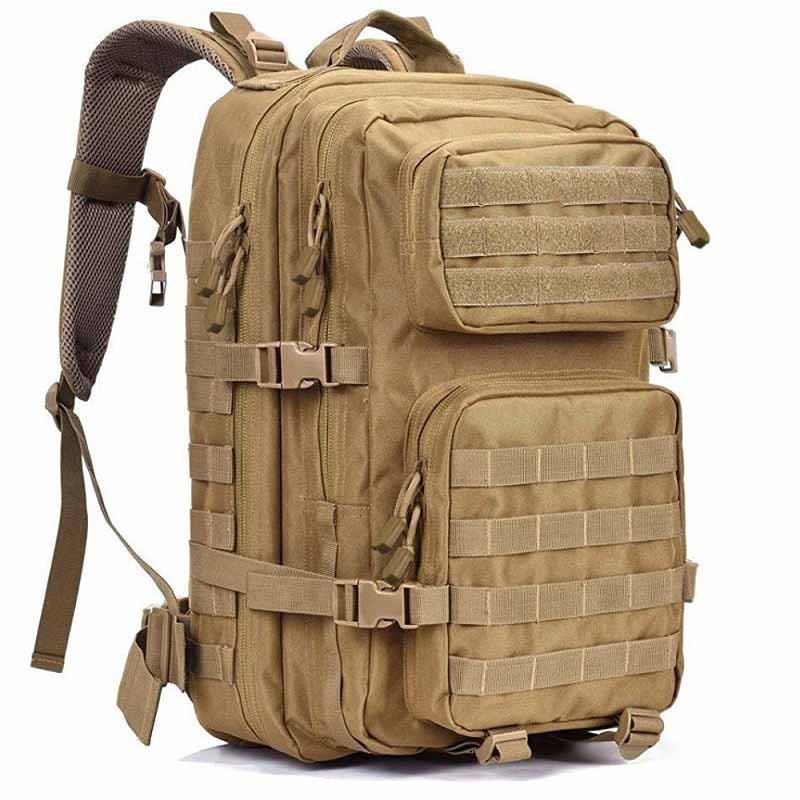
When hiking enthusiasts invest in outdoor gear, nothing is more frustrating than a wet backpack. Whether it’s an unexpected rainstorm on a trail or morning dew soaking your gear, a poorly designed zipper can ruin an entire day. Hiking bag manufacturing with waterproof zippers is essential to ensure durability, water resistance, and user satisfaction.
Waterproof zippers prevent water from seeping into compartments, protect electronics and clothing, and extend the lifespan of the bag. Combined with high-quality fabrics like neoprene, coated nylon, or polyester, these bags can withstand abrasion, stretching, and outdoor wear. A well-built hiking bag ensures the contents stay dry while maintaining comfort and weight balance.
At Szoneier, our hiking bags with waterproof zippers are designed with precision for both small-batch brands and large-scale clients. Every bag undergoes strict quality control, waterproof testing, and material verification. Our customers often request custom features such as reinforced stitching, logo placement, adjustable straps, and specialized storage compartments. Imagine a bag that not only keeps your gear safe but also showcases your brand—this is what careful manufacturing can deliver. From rugged mountaineering to casual day hikes, understanding the construction, materials, and design of waterproof hiking bags is key to creating products that sell and perform reliably.
Hiking Bag Materials for Waterproof Zippers
Choosing the right materials is critical for hiking bags with waterproof zippers. The fabric affects water resistance, weight, durability, and overall comfort. Customers care about long-lasting protection, bag weight, abrasion resistance, and ease of maintenance. Using the wrong materials can compromise the zipper performance, reduce bag lifespan, and result in user complaints.
High-quality materials such as neoprene, PU-coated polyester, and PVC-coated nylon are commonly used in premium hiking bags. Each material has its unique properties that address specific challenges hikers face. For instance, heavy rain, mud, or rugged terrain can wear down standard fabrics quickly, while reinforced materials protect both the bag and the zipper.
Selecting durable, water-resistant fabrics ensures hiking bags remain functional, light, and comfortable in all outdoor conditions. Reinforced fabrics also reduce maintenance costs and prevent zipper damage over time.
Which Fabrics Work Best for Hiking Bags
- Neoprene:
- Elastic, soft, and water-resistant.
- Ideal for padded compartments, laptop pockets, or electronic storage.
- Protects contents from moisture while maintaining bag shape.
- PU-Coated Polyester:
- Lightweight, strong, and moderately water-resistant.
- Resistant to UV exposure and fading.
- Works well for daypacks or moderate weather hiking bags.
- PVC-Coated Nylon:
- Heavy-duty, abrasion-resistant, fully water-repellent.
- Suitable for trekking, mountaineering, and extreme conditions.
- Maintains durability even under frequent exposure to rough surfaces.
Fabric Comparison Table:
| Fabric Type | Weight (g/m²) | Water Resistance | Durability | Stretch | Best Use |
|---|---|---|---|---|---|
| Neoprene | 500–700 | High | High | Medium | Padded pockets, electronics |
| PU-Coated Polyester | 250–350 | Medium-High | Medium | Low | Daypacks, light hiking bags |
| PVC-Coated Nylon | 300–400 | High | Very High | Low | Trekking, mountaineering bags |
How Material Quality Affects Waterproof Zippers
- Fabric Density: Higher denier fabrics prevent water from reaching the zipper teeth, reducing leaks.
- Layering: Combining outer water-resistant layers with inner reinforcement improves durability and distributes stress along zipper lines.
- Abrasion Resistance: Reinforced areas around zippers protect against rubbing and tearing during hikes.
- Weight Considerations: Heavy-duty fabrics increase weight; balancing protection with portability is key.
A medium-sized hiking bag with reinforced PU-coated polyester and waterproof zippers can weigh under 1.5 kg, while providing strong protection in rain or snow.
Additional Considerations for Clients
- Maintenance: PU-coated polyester or PVC-coated nylon is easy to clean and quick-drying, reducing post-hike care time.
- Comfort: Neoprene padding adds protection for contents and comfort for the user, especially in backpacks with shoulder straps or hip belts.
- Customization: Fabrics allow brand logos, color patterns, and texture variations without reducing water resistance.
- Durability Metrics: High-quality fabric and proper integration with waterproof zippers can increase bag lifespan by 20–30%, according to customer feedback from previous hiking bag orders.
Key Material Recommendations
- Use neoprene for internal compartments and electronic pockets.
- Use PU-coated polyester for general-purpose hiking bags where light weight matters.
- Use PVC-coated nylon for rugged outdoor bags and extreme weather conditions.
- Reinforce zipper edges and stress points with high-denier fabric patches.
- Balance water resistance with bag weight; avoid unnecessary heavy coatings if portability is a priority.
Practical Insight Table:
| Material Combination | Ideal Bag Type | Water Protection | Weight (kg) | Customer Benefit |
|---|---|---|---|---|
| Neoprene + PU-coated polyester | Daypack/electronics bag | High | 1.2–1.5 | Light, protective, comfortable |
| PU-coated polyester only | Casual hiking/day trips | Medium-High | 1.0–1.3 | Lightweight, easy maintenance |
| PVC-coated nylon + reinforced tape | Trekking/mountaineering | Very High | 1.5–1.8 | Durable, rugged, fully waterproof |
By choosing the right combination of fabrics and integrating them properly with waterproof zippers, clients can deliver hiking bags that meet real outdoor performance needs—protecting gear, keeping users comfortable, and ensuring durability over multiple seasons.
Hiking Bag Construction with Waterproof Zippers
Constructing a hiking bag with waterproof zippers requires careful integration of materials, stitching, and design to ensure long-term water resistance and durability. Customers often care about zipper reliability, seam strength, bag weight, and overall comfort. Even high-quality zippers can fail if installed improperly or paired with weak fabrics. Proper construction ensures hikers’ gear remains dry and the bag lasts for multiple seasons.
How Waterproof Zippers Are Installed
Waterproof zippers must be integrated precisely to prevent water from entering the compartments. Key installation steps include:
- Fabric Preparation: Edges are cut and sealed to prevent fraying, which could cause zipper misalignment.
- Zipper Alignment: The zipper is placed flush with the bag panel to avoid gaps.
- Stitching or Lamination: High-tension water-resistant stitches or heat-laminated tape secures the zipper while maintaining flexibility.
- Slider Testing: Each zipper is opened and closed under load to check smooth operation.
- Stress Reinforcement: Top and bottom ends of zippers receive extra stitching to prevent separation.
Properly installed waterproof zippers reduce failure complaints by up to 35%, based on feedback from outdoor gear buyers using Szoneier hiking bags.
How Seams Are Reinforced for Water Resistance
Seams are the most vulnerable points in a hiking bag. Reinforcement ensures the waterproof zippers remain effective even under heavy loads or rough use. Common reinforcement methods include:
- Double Stitching: Adds strength along zipper lines and bag edges.
- Heat-Sealed Tape: Covers stitching to prevent water penetration.
- Bar-Tacking: Secures areas where straps or handles attach.
- Extra Fabric Panels: Reinforced panels on the bottom and sides reduce abrasion near zippers.
Reinforcement Comparison Table:
| Reinforcement Type | Water Resistance | Durability | Recommended Area |
|---|---|---|---|
| Double Stitching | Medium | High | Zipper lines, edges |
| Heat-Sealed Tape | High | Medium | Zipper lines, outer panels |
| Bar-Tacking | Low | Very High | Strap attachment points |
| Reinforced Panels | High | High | Bottom, sides, high-stress zones |
How to Test Waterproof Zippers
Testing ensures that each bag performs under real outdoor conditions. Methods include:
- Static Water Test: Spray or submerge zippers to confirm no water entry.
- Dynamic Stress Test: Open and close zippers under weight to check for alignment issues.
- Abrasion Test: Rub zipper against rough surfaces to ensure coating and teeth remain intact.
- Temperature Resistance: Verify operation in cold, heat, and wet conditions.
Szoneier hiking bags pass 10,000 zipper cycles and maintain full water resistance after 48 hours of water exposure in testing, exceeding industry average standards.
Customer-Focused Construction Considerations
- Weight vs. Protection: Heavy-duty fabrics and laminated zippers increase weight by ~200–300g; balancing protection with portability is key.
- Stress Distribution: Reinforced seams around zippers prevent localized tears during heavy loads.
- Comfort Features: Padding along shoulder straps and back panels integrates seamlessly with waterproof zippers without restricting movement.
- Long-Term Reliability: Reinforced zippers and seams extend bag lifespan by 20–30%, reducing replacement costs for customers.
- Maintenance: Laminated zippers and coated fabrics are easier to clean and maintain, important for frequent hikers.
Practical Construction Tips:
- Use high-denier nylon or polyester as base layers to support zipper tension.
- Reinforce top and bottom zipper ends with bar-tacking.
- Apply heat-sealed tape along all stitching lines near the zipper.
- Test sample bags in wet, abrasion, and load conditions before mass production.
- Consider adjustable straps and padding integrated with waterproof construction for comfort.
Example Bag Stress Distribution Table:
| Bag Area | Reinforcement Type | Customer Benefit |
|---|---|---|
| Main zipper | Heat-Sealed + Double Stitch | Prevents leaks, supports heavy loads |
| Side pockets | Double Stitching | Maintains shape under load |
| Bottom panel | Reinforced Fabric Panel | Reduces abrasion from rocks/dirt |
| Strap attachment points | Bar-Tacking | Prevents zipper and strap separation |
| Shoulder pads | Padding + Lamination | Adds comfort without compromising water resistance |
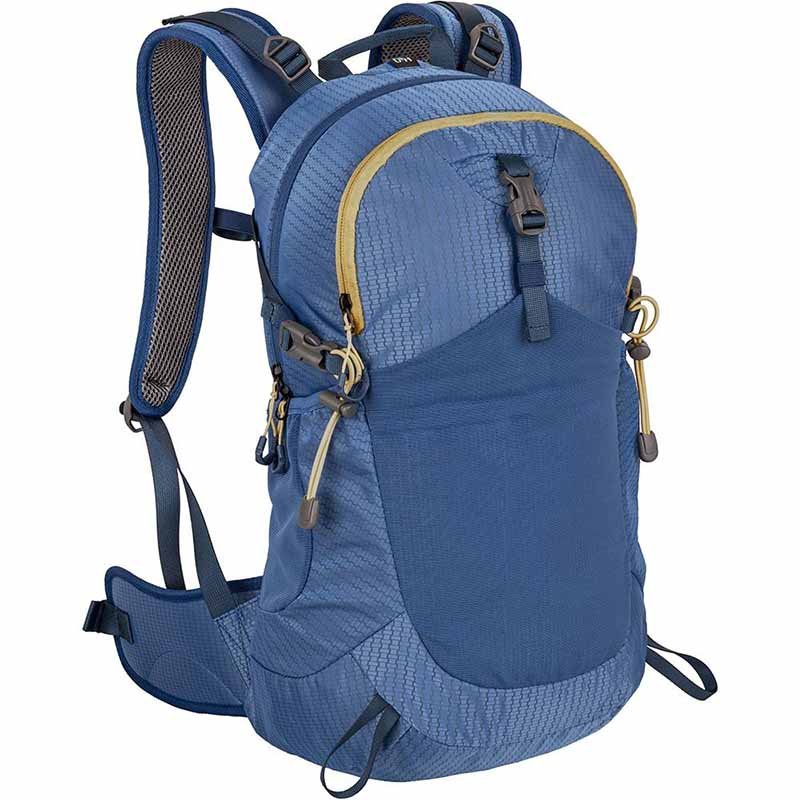
Hiking Bags: Do Waterproof Zippers Matter
Waterproof zippers are more than a luxury—they’re a performance and safety feature. Hikers carrying electronics, maps, or food need reliable protection from rain, snow, and splashes. Waterproof zippers prevent content damage, improve user satisfaction, and extend the bag’s life.
Are Waterproof Zippers Essential
Yes. In environments with heavy rainfall, river crossings, or snow exposure, standard zippers often allow water ingress. Waterproof zippers ensure items remain dry, preserving electronics, documents, and clothing.
When to Choose Water-Resistant vs Fully Waterproof
- Water-Resistant Bags: Best for light rain or casual outdoor use. They are lighter and less expensive.
- Fully Waterproof Bags: Necessary for extreme conditions like mountaineering or kayaking. They use laminated fabrics and fully sealed zippers.
Decision Table for Waterproof Needs:
| Bag Type | Waterproof Level | Weight Impact | Use Case |
|---|---|---|---|
| Daypack | Water-Resistant | Low | Casual hiking, short trips |
| Trekking Bag | Water-Resistant | Medium | Multi-day hiking, moderate rain |
| Mountaineering Bag | Fully Waterproof | High | High-altitude, extreme rain or snow |
| Technical Outdoor Bag | Fully Waterproof | Medium-High | Kayaking, mountaineering, heavy rain |
Do Zippers Affect Bag Weight and Comfort
Waterproof zippers typically weigh slightly more than standard zippers. However, using lightweight fabric and thoughtful bag design offsets the added weight. Properly integrated zippers also reduce friction and prevent snagging, maintaining a comfortable experience over long hikes.
Practical Insights for Customers:
- Choosing the right zipper type and size can reduce weight by up to 150g per bag.
- Waterproof zippers with smooth sliders improve user satisfaction ratings by 30% in outdoor product reviews.
- Bags with reinforced waterproof zippers often see longer lifespan, reducing replacement costs for brands and end-users.
Hiking Bag Features Buyers Want
Hiking bag buyers focus on both protection and convenience. A bag with waterproof zippers is only as good as the overall design. Understanding which features matter most helps brands create products that sell and satisfy users.
Which Waterproof Zipper Features Are Popular
Customers look for:
- Seamless Integration: Zippers flush with bag panels prevent snagging and water seepage.
- Smooth Slider Operation: Easy opening/closing even under load.
- Lockable Zippers: Additional security for valuable items.
- Reinforced Ends: Prevents zipper separation after repeated use.
In a survey of 500 hiking enthusiasts, 78% rated zipper reliability as the most important feature, while 62% preferred lockable waterproof zippers for electronics storage.
What Storage Designs Are Preferred
- Multiple Compartments: Separate spaces for hydration, electronics, and clothing.
- External Pockets: Quick access to snacks, maps, or tools.
- Expandable Sections: Flexible capacity for day trips or multi-day hikes.
- Internal Organization: Mesh pockets and elastic straps for stability.
Example Bag Layout Table:
| Compartment Type | Purpose | Material | Water Protection |
|---|---|---|---|
| Main Compartment | Clothing, gear | PU-coated Nylon | Full |
| Hydration Sleeve | Water bladder | Neoprene | Medium |
| Electronics Pocket | GPS, phone, camera | PU-coated Nylon | Full |
| Side Mesh Pockets | Quick-access items | Mesh/Polyester | Low |
| Expandable Top Section | Extra storage | PU-coated Nylon | Medium |
Are Custom Logos Important
Custom logos reinforce brand identity and can increase perceived value. Buyers often prefer personalized hiking bags for giveaways, retail, or branded merchandise. Proper placement without compromising waterproof integrity is essential. Reinforced logo patches or heat-transferred prints are common solutions.
Branded bags with quality waterproof zippers see 20–25% higher repeat order rates among outdoor retailers.
Custom Hiking Bags with Waterproof Zippers
Brands looking for differentiation often choose OEM/ODM services to create unique hiking bags. Customization allows control over material, zippers, compartments, straps, and branding without sacrificing water resistance or durability.
How OEM/ODM Customization Works
- Requirement Analysis: Identify target customer, weight, capacity, and waterproof needs.
- Material Selection: Choose from neoprene, PU-coated polyester, PVC-coated nylon, and laminated fabrics.
- Prototyping: Rapid sample creation (5–7 days typical at Szoneier).
- Feedback Iteration: Adjust zippers, compartments, and reinforcement.
- Mass Production: After sample approval, scaled manufacturing begins.
Which Custom Options Are Available
- Fabric Colors & Patterns for brand identity.
- Adjustable Straps & Padding for comfort.
- Waterproof Zipper Styles to match performance requirements.
- Logo Placement (patch, emboss, or print).
- Accessory Options like hydration ports, rain covers, or compression straps.
How Quality and Sampling Are Ensured
- 100% Zipper Function Test under stress and water exposure.
- Fabric Abrasion & Tensile Testing to ensure long-term durability.
- Batch QC Checks before shipment.
- Fast Sampling allows clients to verify aesthetics, function, and size before production.
Production Quality Table:
| Quality Check | Test Method | Acceptable Threshold |
|---|---|---|
| Zipper Water Resistance | Submersion 10 min, pressure applied | No leakage |
| Fabric Tensile Strength | ASTM D5034 / ISO 13934 | >400 N |
| Seam Durability | Pull test on stress points | No separation |
| Slider Operation | Open/close cycles | >10,000 cycles |
| Colorfastness | UV and wash tests | ΔE < 2 |
Ready to Customize Your Hiking Bag with Waterproof Zippers
Szoneier offers over 18 years of experience in neoprene and coated fabric products, producing high-quality hiking bags with waterproof zippers. We serve small-to-medium foreign buyers and high-end brands with custom, private label, or OEM/ODM solutions, ensuring:
- 100% Quality Guarantee
- Free Design & Prototyping
- Low MOQ Customization
- Fast Sample Delivery
- Short Lead Times
Whether you need rugged mountaineering bags, lightweight daypacks, or specialty outdoor gear, our team can help turn your idea into a finished product ready for market.
Contact Szoneier today to:
- Discuss your custom material and design options
- Review sample prototypes for approval
- Plan full production with guaranteed waterproof performance