 Skip to content
Hiking Backpack Size Guide: How to Choose the Right Fit for Your Adventure
- Eric
- August 29, 2025
- 9:22 am
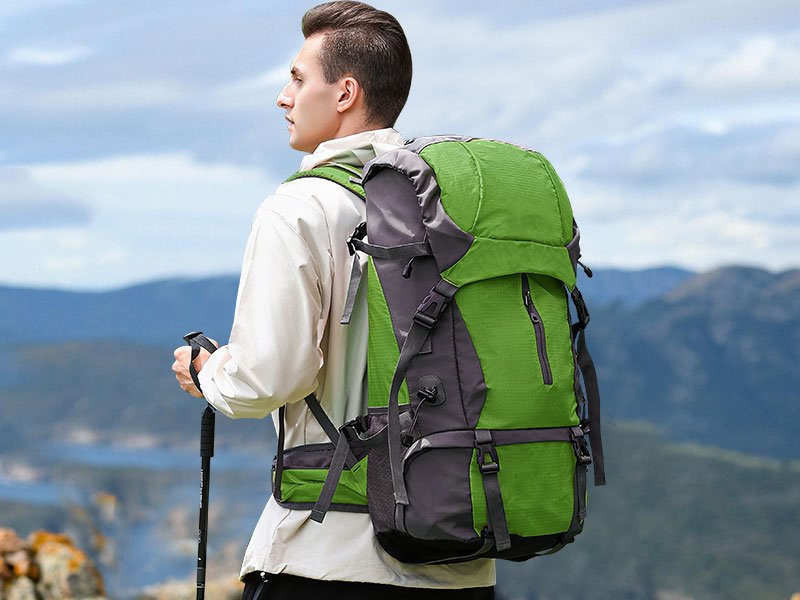
Choosing the right hiking backpack size can make or break your outdoor adventure. Too small, and you’ll struggle to carry the essentials; too large, and you’ll be weighed down unnecessarily. In today’s gear-driven market, the simple question—“What size backpack should I use for hiking?”—has become one of the most frequently asked by new hikers, seasoned trekkers, and even retailers helping customers make smart purchases.
A hiking backpack’s size is measured in liters and should match trip length and personal needs. For day hikes, 10–30L packs are ideal. Weekend trips typically require 30–50L, while multi-day treks need 50–70L. Expedition packs often exceed 70L. Fit is equally important—torso length, hip belt size, and weight distribution all affect comfort. Choosing the right size means balancing capacity, body fit, and functionality for your specific adventure.
Backpack sizing isn’t just about numbers—it’s about how you move, what you carry, and where you’re going. In the sections below, we’ll break down the most common questions about backpack capacity, fit, and functionality, giving you a practical guide that works whether you’re planning a quick half-day trail or a week-long trek across mountain passes. Let’s start with the basics of what makes a hiking backpack unique and why size truly matters.
What Is a Hiking Backpack?
A hiking backpack is a purpose-built pack designed to carry outdoor essentials comfortably over varied terrain. Unlike casual bags, it uses frames, padded straps, and hip belts to transfer weight efficiently. Size matters because capacity, measured in liters, determines how much gear you can bring for a hike. The wrong size leads to strain, overpacking, or missing critical items, while the right size balances comfort, safety, and efficiency across different hiking trips.
What makes a hiking backpack different from a regular backpack?
A hiking backpack is more than just a bigger school bag. It’s engineered with features like internal or external frames, sternum straps, and hip belts that shift weight from the shoulders to the hips. This design minimizes fatigue, prevents back pain, and allows hikers to carry heavier loads over long distances. Ventilated back panels, adjustable straps, and load lifters are other defining elements that make a hiking backpack distinct.
Why does size matter in hiking backpacks?
Size is usually expressed in liters (L), ranging from compact 10L daypacks to massive 80L expedition packs. Choosing the wrong size often creates two extremes:
- Too Small: Forces hikers to leave out important items such as food, first-aid kits, or extra clothing.
- Too Large: Encourages overpacking, which increases weight, slows progress, and causes unnecessary fatigue.
A correctly sized pack ensures you bring everything necessary without carrying excess bulk. In wilderness conditions, the right balance of size and weight can directly influence comfort and even survival.
What are the different types of hiking backpacks?
Broadly, hiking backpacks can be divided into:
- Daypacks (10–30L): Lightweight and compact, perfect for carrying snacks, water, and essentials for a few hours outdoors.
- Weekend Packs (30–50L): Designed for overnight trips, accommodating extra clothing, food, and lightweight sleeping systems.
- Multi-Day Packs (50–70L): Larger packs for 3–5 day treks, holding tents, sleeping bags, and cooking gear.
- Expedition Packs (70L+): Heavy-duty designs for week-long journeys or mountaineering expeditions requiring specialized equipment.
What is a good size hiking backpack?
For most casual hikers, 20–30L is considered a good size for single-day outings. Weekend trips often require 35–45L, while multi-day hikes usually demand 50–65L. A “good size” is therefore not universal—it depends on trip duration, climate, and personal packing style.
Why size impacts comfort and safety. Backpack capacity also affects weight distribution and balance. A small, tight pack keeps you agile on short trails. A larger pack stabilizes heavy gear for longer treks but can feel bulky. In harsh environments, carrying the wrong size could mean being unprepared for weather changes or running out of food. For this reason, experienced hikers often recommend using “the smallest pack that fits your essentials.”
Which Backpack Sizes Fit Different Trip Lengths?
Backpack capacity should match the duration of your hike. Day hikes need 10–30L, weekend trips require 30–50L, multi-day treks typically need 50–70L, and expeditions often exceed 70L. Choosing correctly prevents overpacking and ensures comfort. While bigger packs carry more, they can also slow you down. The key is to select the smallest pack that still fits your essential gear.
When deciding on backpack size, think in terms of trip length and environment:
- Day Hikes (10–30L): These compact packs fit water, snacks, a first aid kit, and a light jacket. They’re ideal for hikes under 6 hours or shorter day outings. Many hikers prefer hydration-compatible packs in this range.
- Weekend Trips (30–50L): For overnight or two-day adventures, you’ll need space for food, extra clothes, a sleeping pad, and possibly a lightweight stove. Packs in this range strike the best balance between portability and utility.
- Multi-Day Treks (50–70L): These backpacks are essential for hikes lasting 3–5 days. They can accommodate full-sized tents, sleeping bags, cooking kits, and layered clothing. Most trekking in colder climates falls into this range.
- Expedition Packs (70L+): Reserved for week-long expeditions, mountaineering, or winter hikes where bulky gear like crampons, ice axes, or four-season tents are needed. They can be overwhelming for casual hikers but necessary for professional adventurers.
A common mistake among beginners is overestimating their needs and purchasing oversized backpacks, leading to unnecessary strain. Conversely, underestimating capacity can force hikers to leave critical items behind. The smartest approach is to align capacity with trip type, season, and personal packing habits.
How to Match Backpack Size With Your Body Type and Carrying Comfort?
Backpack size must match your body to ensure comfort. Measure torso length from the base of the neck (C7 vertebra) to the hip bone, and choose a pack designed for that range. Hip belts should fit snugly, carrying 60–70% of the load, while shoulder straps stabilize the rest. Men’s and women’s packs differ in shape and proportions. A well-fitted pack prevents strain, improves balance, and makes carrying heavy gear over long distances more efficient.
How to Measure Hiking Backpack Size
The most accurate way to select a backpack is by torso length, not just overall height. To measure:
- Find the C7 vertebra, the bony bump at the base of your neck.
- Locate the iliac crest, the top of your hip bones.
- Measure the distance between these two points.
Backpack brands classify this into ranges:
- Small: 15–17 inches (38–43 cm)
- Medium: 18–20 inches (46–51 cm)
- Large: 21+ inches (53+ cm)
A mismatch here is one of the biggest reasons hikers complain about discomfort—even if they chose the right capacity (liters).
Why Hip Belts Matter More Than You Think
Up to 70% of a backpack’s weight should rest on the hips, not the shoulders. A proper hip belt wraps around the iliac crest, snug but not overly tight. For people with slimmer waists or broader hips, a poorly designed belt can dig into the body, causing bruises or slipping. Adjustable or interchangeable belts are a huge advantage, especially for those in between standard sizes.
Shoulder Straps, Sternum Straps, and Load Lifters
While hips carry the bulk, shoulders stabilize the load. Look for contoured shoulder straps that hug without pinching. Sternum straps help keep straps from sliding outward, improving stability on uneven terrain. Load lifter straps, usually angled from the top of the shoulder strap back toward the pack, adjust the angle of the load, pulling weight closer to your center of gravity.
Without these features, even the perfect torso length won’t guarantee all-day comfort.
Is Weight Distribution More Important Than Volume?
Yes—many hikers mistakenly believe that a larger pack automatically equals more comfort. In reality, a poorly fitted 50L pack can feel heavier than a properly adjusted 65L pack. The frame design, padding, and distribution system matter just as much as size. Internal-frame packs hug the body for stability, while external-frame packs carry bulkier loads higher and farther from the body, which can strain balance but distribute heavy gear more evenly.
Do Men and Women Need Different Backpack Fits?
Yes. Women’s hiking backpacks are specifically designed with:
- Shorter torso lengths (on average).
- Narrower shoulder straps, set closer together.
- Curved hip belts to fit wider hips.
Unisex backpacks may fit some women well, but many find women-specific models reduce shoulder pressure and improve stability. Likewise, taller men may benefit from extended torso ranges available in some brands.
Comfort Is More Than Fit – Extra Considerations
- Padding: Denser foam lasts longer; softer foam feels better initially but compresses over time.
- Ventilation: Mesh back panels and suspended designs reduce sweating, especially in warm climates.
- Adjustability: Modular systems allow resizing for youth, women, or tall men within one product line.
- Load Testing: The true test of fit comes under weight—always test with at least 20–30% of your body weight.
Quick Fit Reference Table
| Body Factor | Backpack Adjustment | Impact on Comfort |
|---|---|---|
| Torso length | Match pack size to measurement (S/M/L) | Prevents back strain, ensures stability |
| Hip size | Proper belt wrap around iliac crest | Transfers load, reduces shoulder pain |
| Shoulder width | Strap spacing & sternum strap adjustment | Prevents slipping and rubbing |
| Gender differences | Women’s vs men’s fit (torso, belt, straps) | Improves balance and weight efficiency |
| Load lifters & frames | Adjust angle and weight distribution | Keeps pack centered, prevents tipping |
What Features Add Functionality Beyond Size?
Beyond size, features like compartments, frame type, hydration compatibility, and ventilation dramatically affect usability. Internal frames provide stability, while external frames suit heavy loads. Multiple compartments help organization, while hydration sleeves and ventilated back panels improve comfort. These features may add weight and cost but enhance overall hiking performance. Choosing the right combination of features can be just as important as choosing the right capacity.
Hiking backpacks are more than just containers—they are designed to enhance efficiency and comfort.
- Compartments and Pockets: Top-loading vs panel-loading packs affect how quickly you can access gear. Side pockets for water bottles, hip-belt pockets for snacks, and dedicated sleeping bag compartments all add convenience.
- Frame Types: Internal frames dominate the market, offering close-to-body stability. External frames, though bulkier, distribute heavy loads more efficiently and are still favored in mountaineering.
- Hydration Systems: Many modern packs include hydration bladder sleeves, letting hikers sip water through a hose without stopping.
- Ventilation: Mesh back panels and suspended designs prevent sweaty backs during summer hikes.
- Adjustability: Load lifters, sternum straps, and customizable hip belts allow fine-tuning of comfort.
These features often justify higher price tags, as they directly impact long-term usability. A well-designed 40L backpack with smart features can outperform a poorly designed 60L one.
Are There Special Backpack Types for Unique Adventures?
Yes, different adventures require specialized backpacks. Ultralight packs suit minimalist hikers, winter backpacks provide space for bulky gear, and waterproof dry packs are essential for wet environments. Trekking backpacks are generally larger and heavier than standard hiking packs, built for multi-day expeditions. Choosing the right type ensures safety, efficiency, and comfort tailored to your hiking conditions.
Ultralight Hiking Packs: Minimalist designs, often under 40L, strip away extra compartments and padding to reduce weight. Ideal for experienced hikers who prioritize speed.
Winter Hiking Packs: Winter gear like insulated clothing, crampons, and snowshoes requires larger 50–70L packs. Extra lash points help carry skis or snow equipment.
Waterproof and Dry Bags: For rainforest treks or river crossings, waterproof materials and roll-top closures are essential. They keep clothing, electronics, and food safe in wet conditions.
What is the difference between hiking and trekking backpacks?
Hiking packs are generally smaller, designed for day or weekend use. Trekking backpacks are larger, often 50L+, intended for long-distance, multi-day journeys. Trekking packs prioritize durability and load-bearing capacity, while hiking packs emphasize portability.
Matching backpack type to adventure ensures not just comfort, but also safety. An ultralight hiker carrying a winter pack will be slowed down, while a winter hiker with a 20L daypack risks exposure from under-packing.
How to Choose the Right Hiking Backpack for You?
Start with trip length and climate to pick capacity (10–30L day, 30–50L weekend, 50–70L multi-day, 70L+ expedition). Then match the pack to your body: measure torso length, choose the right hip-belt, and test load lifters. Prioritize suspension and fit over pockets and colors. Add features (hydration, access, ventilation) only if they solve real needs. Finally, load-test with 8–12 kg to confirm comfort and stability before you buy or spec a private-label model.
Nail the Big Three: Trip, Fit, Carry Style
- Trip Profile: Duration, season, and terrain determine capacity. Cold, high, or wet environments demand more liters for bulkier layers and safety gear.
- Body Fit: Torso length (C7 to iliac crest) and hip-belt wrap decide comfort more than any other spec. A good pack puts 60–70% of the weight on your hips, not shoulders.
- Carry Style: Are you minimalist (ultralight) or comfort-oriented? Ultralight hikers downsize liters and features; comfort hikers accept a few extra grams for durability, access, and support.
A Step-by-Step Selection Workflow
- Choose Capacity by Trip & Season:
- Day: 10–30L (hot weather near 10–18L; shoulder seasons 20–30L).
- Weekend: 30–50L (add liters for bear canisters, winter layers, or family gear).
- Multi-day: 50–70L (55–65L hits the sweet spot for most 3–5 day treks).
- Expedition/winter: 70L+ (technical tools, 4-season tents, extra fuel/food).
- Fit Your Frame: Match torso size (S/M/L) to your measurement; pick hip-belt length that centers padding on the iliac crest. Women’s-specific harnesses offer narrower strap spacing and shaped belts; some brands offer plus-size belts or interchangeable hip-belts—use them.
- Pick Suspension: Internal frames (aluminum stay or framesheet) suit most hikers; external frames shine with very heavy, rigid loads. Check that load lifters pull the pack’s top inward at ~45°.
- Prioritize Access & Organization: Top-loader vs panel-loader; side zips for sleeping bag; front shove-it pocket; hip-belt pockets for snacks/phone; stretch side pockets for bottles or tent poles.
- Ventilation & Contact: Trampoline/mesh backs ventilate best but can shift the center of gravity; contact backs carry heavier loads with more stability. Choose based on climate and expected load.
- Materials & Durability: 210D–330D nylon (balanced), 400D–500D for abrasion, UHMWPE/X-Pac/TPU laminates for weatherproofing and structure. Heavier fabrics add lifespan; decide how rough your routes are.
- Hydration Strategy: If you’re a bladder user, insist on a secure sleeve and hose routing; if you prefer bottles, test one-handed access from side pockets while wearing the pack.
- Weight Target: Empty pack weights: day 0.4–0.9 kg, weekend 1.0–1.6 kg, multi-day 1.4–2.2 kg, expedition 2.0–3.0 kg. Ultralight skews lower but sacrifices padding and durability.
- Load Test: Put 8–12 kg (18–26 lb) in the pack (or 20–25% of your body weight). Tighten hip-belt first, then shoulder straps, then sternum strap, then load lifters. Walk stairs and squat—any hot spots or sway? Try another size or suspension if yes.
Make It Specific to Your Kit
- Bear Canister / Camera Cube: Verify vertical or horizontal fit; panel loaders and U-zips simplify access.
- Tent Poles / Ice Tools / Snowshoes: Check lash points, tool keepers, reinforced wear patches.
- Sleeping Bag Size: If you carry a bulky synthetic bag, look for a bottom compartment or oversized main tube.
- Water Strategy: Desert routes favor dual side bottles + internal sleeve; rainforest routes need rain cover or waterproof fabrics plus a roll-top or dry-bag liner.
- Electronics: Hip pockets sized for your phone; top pocket that fits a power bank; routed ports for solar or GPS if needed.
Comfort & Injury Prevention—Packing and Adjustment
- Weight Placement: Heavy, dense items (food, water, stove) go close to the spine and between shoulders and hips; light/soft items (puffy, sleeping bag) fill the bottom and outer zones.
- Micro-Adjust on Trail: Every 45–60 minutes, loosen shoulders and retighten hips to restore blood flow; tweak load lifters on climbs (tighter) vs descents (looser) for balance.
- Hot-Spot Prevention: Seamless or flat hip-belt contact, no gaps at lumbar; shoulder straps should touch the chest without gaping behind the clavicle.
Budget, Value, and When to Go Custom
- Good/Better/Best:
- Good: Basic internal frame, minimal pockets—great for first-timers and rentals.
- Better: Adjustable harness, real hip-belt structure, front stash pocket—best value for most weekenders.
- Best: Interchangeable belts, premium fabrics, weather-resistant access, dialed suspension—worth it for frequent multi-day hikers.
- Rent vs Buy: Rent for rare trips; buy if hiking >5–6 outings/season.
- Private Label / Custom (for brands & buyers): If you serve a niche (ultralight, alpine, women-specific, youth), custom specs deliver market differentiation: torso-range options, hip-belt SKUs, fabric upgrades (recycled nylon, TPU, X-Pac), hydration-ready patterns, and climate-matched ventilation.
| Persona / Trip | Capacity (L) | Suspension | Key Features | Empty Pack Target | Notes |
|---|---|---|---|---|---|
| Urban day hiker, hot climate | 15–22 | Light framesheet | Mesh back, bottle pockets, quick access | 0.5–0.8 kg | Hydration optional; prioritize ventilation |
| Weekend backpacker, 3-season | 35–45 | Internal frame + load lifters | Front shove-it, hip pockets, rain cover | 1.2–1.6 kg | Best all-rounder; balance access & weight |
| Multi-day trekker, alpine | 55–65 | Robust internal frame | Tool loops, compression, durable fabric | 1.8–2.3 kg | Stable with 15–20 kg total loads |
| Winter mountaineer | 65–80 | Stiff frame | Lash points, snow-shedding back, glove-friendly zips | 2.2–3.0 kg | Oversize tube for puffy layers & 4-season tent |
| Ultralight fastpacker | 30–40 | Minimal frame or stays | Roll-top, big side pockets, simple harness | 0.7–1.1 kg | Only if your kit is already UL |
Conclusion
Backpack sizing is not one-size-fits-all. It requires balancing trip length, environment, personal comfort, and design features. Day hikers will thrive with compact packs, while trekkers and mountaineers require high-capacity solutions. The wrong size can cause discomfort, while the right one transforms your hike into an efficient, enjoyable journey.
If you’re specifying a line for retail or a private label, lock in fit ranges and suspension first, then choose fabric weights and access patterns by use-case. Szoneier can prototype multiple torso lengths and hip-belt sizes on the same chassis to lower tooling costs while widening fit coverage.
Ready to develop your own custom hiking backpack collection?
manufacturer Categories
- Custom Tote Bags Manufacturer
- custom backpacks Manufacturer
- custom travel bags& Duffle bags manufacturer
- custom makeup bags & toiletry bags manufacturer
- custom cooler bags manufacturer
- custom drawstring bags manufacturer
- custom makeup bags & toiletry bags manufacturer
- custom golf bags manufacturer
- custom fireproof bags manufacturer
- custom dry bags manufacturer
- custom ski bags manufacturer
- custom gym & sports bags manufacturer
- custom laptop bags manufacturer
- custom tactical bags manufacturer
- custom beach bags manufacturer
- custom medical bags manufacturer
- custom camera bags manufacturer
- custom wetsuits manufacturer
- custom leather goods manufacturer
- more personalized products
Can't find the answers?
No worries, please contact us and we will answer all the questions you have during the whole process of bag customization.
Make A Sample First?
If you have your own artwork, logo design files, or just an idea,please provide details about your project requirements, including preferred fabric, color, and customization options,we’re excited to assist you in bringing your bespoke bag designs to life through our sample production process.
