Skip to content
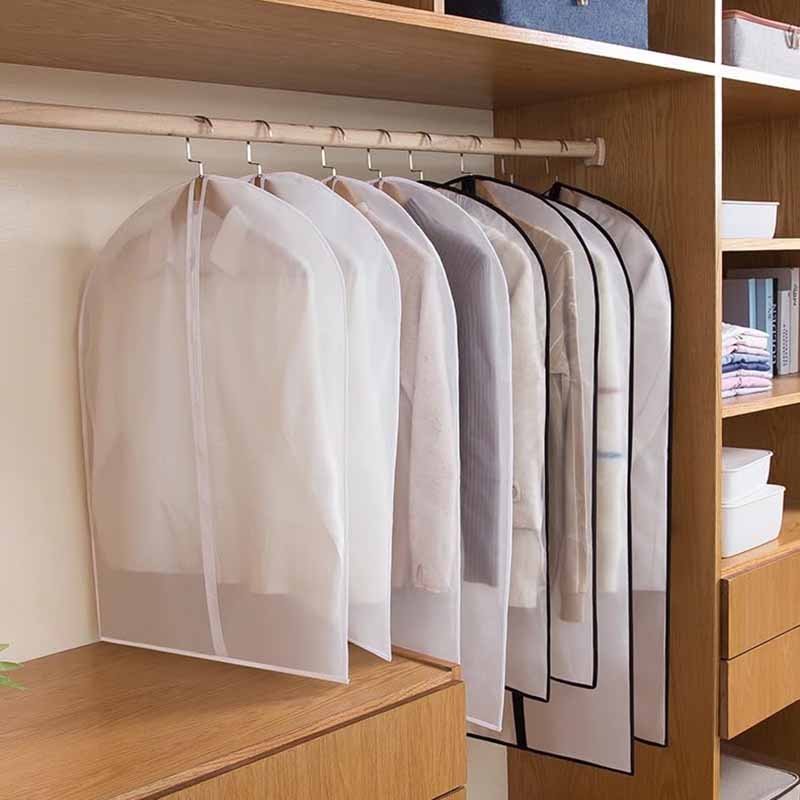
A waterproof garment bag may look simple from the outside, but the real difference is hidden in the way it is made. Many bags on the market can handle a light splash or short exposure to moisture, yet fail when used in heavy rain, wet transport conditions, or long-distance shipping. For customers who need to protect suits, uniforms, dresses, workwear, performance clothing, or premium garments, that difference matters. One poor material choice, one weak seam, or one low-grade zipper can turn a good-looking bag into a product that causes complaints, returns, and brand damage.
Waterproof garment bag manufacturing techniques are the practical methods used to keep water out and garments safe. These techniques include choosing the right waterproof materials, building the bag with the right structure, reducing needle holes, sealing or welding weak points, and selecting closures that match the product’s actual use. A bag is only truly dependable when the material, structure, and production method work together as one system.
For importers, brand owners, Amazon sellers, promotional buyers, and workwear suppliers, this is not just a product topic. It is a cost topic, a quality topic, and a customer satisfaction topic. A garment bag that performs well can reduce damage, improve perceived value, and help a brand win repeat orders. A garment bag that fails usually costs much more than the price difference saved at the factory stage. That is why serious customers look beyond appearance and start asking deeper questions about how waterproof garment bags are actually made. Once you understand the process, it becomes much easier to choose the right factory and the right product standard for your market.
What Materials Are Used in Waterproof Garment Bag Manufacturing?
The materials used in waterproof garment bag manufacturing decide how the bag feels, how long it lasts, how well it blocks water, and how much it costs. A good factory does not simply choose the cheapest fabric available. It matches the material to the product’s real use, target market, and price level. For example, a travel garment bag for retail sale may need a softer hand feel and cleaner appearance, while an industrial or outdoor garment bag may need stronger waterproof performance and better abrasion resistance. The right material choice is the starting point of the whole product.
Which Fabrics Are Best for Waterproof Garment Bags?
The best fabric depends on how the garment bag will be used. There is no single material that is perfect for every project. In production, the most common waterproof garment bag materials are laminated polyester, TPU composite fabric, PVC-coated fabric, Oxford fabric with waterproof coating, and neoprene-based structures for specialty products.
For many mid-range and premium projects, laminated polyester is a popular option because it gives a good balance between appearance, durability, and cost. It can be made in different fabric weights and surface finishes. A lighter version may be suitable for foldable travel garment bags, while a heavier version works better for long-distance transport or repeated use.
TPU-laminated fabric is often chosen for better flexibility and a cleaner, more premium feel. It bends more naturally than PVC, performs well in a wide range of temperatures, and usually gives the finished product a more modern look. For customers selling into markets that care about appearance, softness, and better material perception, TPU is often the stronger choice.
PVC-coated fabric is still widely used because it is economical, stable in large-scale production, and strong in heavy-duty applications. It performs well where strong water blocking and lower unit cost are both important. The trade-off is that it can feel stiffer, look less premium, and may not be ideal for brands that want a softer or more upscale product experience.
Oxford fabric with coating is used in many commercial bag projects because it is familiar, easy to source, and available in many denier levels such as 210D, 420D, 600D, and 900D. But customers need to understand that not every coated Oxford fabric should be described as truly waterproof. Many are only water-resistant. If a customer needs stronger performance, the bag needs more than a simple surface coating.
Below is a simple comparison that many customers find useful during early product planning.
| Material Type | Common Use Level | Feel | Water Blocking Ability | Durability | Cost Level |
|---|---|---|---|---|---|
| Coated Oxford | Entry to mid-level | Moderate | Moderate | Moderate | Low to mid |
| Laminated Polyester | Mid to premium | Better | Good | Good | Mid |
| TPU Composite Fabric | Premium | Soft and flexible | Very good | Good to high | Mid to high |
| PVC-Coated Fabric | Commercial and heavy-duty | Stiffer | Very good | High | Low to mid |
| Neoprene Composite | Specialty and protective use | Thick and cushioned | Good with correct structure | Good | Mid to high |
A serious factory should help the customer choose the material based on product positioning, not simply on availability. At Szoneier, this matters because different clients come with very different needs. Some want low MOQ sampling for new projects. Some need stronger materials for repeated handling. Some need a better look and feel because they are selling to premium markets. Material selection has to match the sales goal, not just the drawing.
Is Neoprene Good for Waterproof Garment Bags?
Neoprene can be a very good material for certain waterproof garment bag projects, but it needs to be used with the right expectations. It is not the standard choice for every garment bag, yet it offers some clear advantages that other fabrics do not.
The first big advantage is structure. Neoprene has a soft, thick, cushioned body. That means it does more than help with water resistance. It also gives garments better protection against light impact, compression, and friction during storage or transport. For clothing that needs extra care, this can be valuable. This is one reason neoprene is often used in products that protect rather than simply carry.
The second advantage is material stability. Neoprene can hold its shape better than many thin woven fabrics. For garment bags that need a more structured body, less collapse, and a more premium hand feel, this can improve the final product. Customers often notice this immediately when they compare a neoprene product next to a standard coated fabric bag.
The third advantage is factory familiarity in the right production environment. Szoneier has over 18 years of experience working with neoprene and developing neoprene-based custom products, including bags, koozies, sports supports, medical supports, wetsuits, and related sewn and bonded products. That matters because neoprene is not just another fabric roll. It requires experience in thickness selection, cutting control, lamination matching, logo application, edge finishing, and assembly method.
That said, customers should also understand the limits. Neoprene alone does not automatically make a garment bag fully waterproof. If the seams are stitched without protection, if the zipper is not selected correctly, or if the design includes exposed weak points, water can still enter. So the question is not simply “Is neoprene waterproof?” The better question is “How is neoprene being used in the overall bag structure?”
Here is where neoprene works especially well:
- Protective garment sleeves for short-distance transport
- Premium clothing covers with thicker body and softer touch
- Custom travel garment bags with added cushioning
- Specialty products where appearance and protection are both important
- Projects that want a differentiated material story, not just a standard bag
Here is where customers should evaluate more carefully:
- Ultra-lightweight projects where shipping cost is critical
- Large-format bags where total material weight must stay low
- Projects that need very thin folding performance
- Orders where the lowest possible unit price is the top priority
A well-made neoprene garment bag can feel much more valuable than a basic coated fabric bag, but the factory needs to understand how to build it properly. In custom production, that difference shows up in edge quality, bonding cleanliness, printing performance, and how the bag holds up after repeated use.
Are TPU and PVC Used in Waterproof Garment Bag Manufacturing?
Yes, both TPU and PVC are widely used in waterproof garment bag manufacturing, and both can perform well when matched with the right product type. But they are not interchangeable in every case. Customers often compare them only by price, but in real production, the better choice depends on flexibility, visual effect, target market, unit cost, and the kind of waterproof performance expected.
TPU is usually preferred when the project aims for a cleaner, softer, more premium finish. It feels more flexible in handling and folding, and it tends to give the product a more modern appearance. For fashion-oriented garment bags, travel-related products, and premium custom projects, TPU often gives a stronger product impression. It is also a better fit for customers who care more about upgraded material image and long-term product feel.
PVC is still very common because it is cost-effective and dependable for many large-volume projects. It can deliver strong water blocking performance and good durability at a lower material cost. For customers developing practical, heavy-duty, and price-sensitive lines, PVC remains a strong option. It is especially useful when the product will be used in rougher conditions and the design does not require a soft luxury feel.
The real difference is usually seen in these areas:
| Comparison Point | TPU | PVC |
|---|---|---|
| Flexibility | Higher | Moderate |
| Hand Feel | Softer | Stiffer |
| Premium Look | Stronger | Standard |
| Heavy-Duty Utility | Good | Very good |
| Cost Control | Moderate | Better |
| Folding Comfort | Better | Lower |
| Mass Production Stability | Good | Very good |
Customers also need to think about the full bag, not just the base fabric. A TPU bag with poor seam work can fail. A PVC bag with correct structure and strong sealing can outperform it in practical use. In other words, material alone does not guarantee results.
For many OEM and private label clients, the most effective approach is to compare both materials during sampling. This is where an experienced factory becomes valuable. Instead of guessing from swatches, the client can test actual sample structure, zipper behavior, edge finish, logo effect, and overall product weight. That gives a much more reliable basis for decision-making.
For a factory like Szoneier, which supports low MOQ custom development, fast sampling, and a wide range of neoprene and related waterproof product applications, this stage is a major advantage. Customers do not have to commit blindly. They can compare different material routes and choose the one that fits their market, budget, and brand position.
How Does Waterproof Garment Bag Manufacturing Work?
Waterproof garment bag manufacturing is a structured, step-by-step process that starts from product definition and ends with finished goods that can handle real use conditions such as rain exposure, long-distance shipping, and repeated handling. The difference between a reliable product and a problematic one is usually not the material alone, but how each step is controlled during production.
For customers, especially brands, importers, and Amazon sellers, understanding this process helps reduce risks like leakage complaints, zipper failures, inconsistent batches, and unexpected cost increases. A well-managed manufacturing process ensures that the product performs consistently, looks professional, and meets the expectations of end users.
In real factory production, the workflow can be divided into five main stages: design confirmation, material preparation, cutting, assembly, and structural waterproof integration.
How Are Waterproof Garment Bags Designed?
The design stage is where most production problems can be prevented early. A garment bag may look simple, but once waterproof performance is required, small design decisions can have a big impact on cost, durability, and usability.
The first step is to clearly define the product’s use. For example, a garment bag designed for retail travel use has very different requirements compared to one used for industrial workwear transport. This affects decisions such as material thickness, closure type, and internal structure.
A professional design process usually includes:
- Defining garment capacity (number of suits, dresses, or uniforms)
- Deciding foldable or full-length structure
- Determining carrying method (handles, shoulder straps, hanger opening)
- Planning zipper path or closure position
- Reducing unnecessary seam lines to limit water entry points
Factories with experience will often suggest structural adjustments. For example, reducing panel segmentation can lower leakage risk and simplify production. Increasing overlap areas in critical zones can improve sealing strength.
Another key point is balancing waterproof performance with usability. A fully sealed structure may improve waterproofing, but if it makes the bag difficult to open, carry, or store, it may not be accepted by the market. This balance is especially important for customers selling to retail or fashion markets.
From a cost perspective, design decisions can influence:
| Design Factor | Cost Impact | Performance Impact |
|---|---|---|
| Number of panels | Higher panels = higher labor cost | More seams = higher leakage risk |
| Material thickness | Thicker = higher cost | Better durability |
| Closure complexity | More complex = higher cost | Better waterproof performance |
| Reinforcement areas | Adds cost | Improves lifespan |
A well-developed design reduces production errors, shortens sampling time, and avoids repeated modifications.
How Are Waterproof Garment Bags Cut and Assembled?
Once the design is finalized, the next step is cutting and assembly. This stage directly affects product consistency, shape accuracy, and how well the waterproof structure can be executed.
Cutting waterproof materials is more demanding than cutting standard fabrics. Many waterproof materials are layered (such as coated or laminated fabrics), and improper cutting can cause edge damage, layer separation, or uneven dimensions.
Factories typically use different cutting methods depending on order size and material type:
- Manual cutting for small MOQ or sample development
- Die cutting for stable bulk production
- Precision cutting methods for higher accuracy requirements
Accuracy is critical because waterproof construction often depends on precise alignment. If panels are even slightly off, it can create gaps during assembly or reduce the effectiveness of sealing.
During assembly, the approach is different from standard garment bags. Traditional sewing creates needle holes, which can allow water to enter. Therefore, manufacturers often combine multiple methods:
- Controlled stitching in non-critical areas
- Reinforced stitching with later sealing
- Bonding or welding for key waterproof zones
Assembly also needs to consider stress points such as:
- Handle attachment areas
- Zipper ends
- Corners and fold lines
If these areas are not reinforced properly, the bag may fail even if the main body is waterproof.
From a production perspective, assembly quality is influenced by:
- Worker skill level
- Equipment stability
- Process consistency
- Material handling during production
Below is a practical comparison:
| Production Step | Standard Bag | Waterproof Garment Bag |
|---|---|---|
| Cutting tolerance | Moderate | High precision required |
| Assembly method | Mostly stitching | Mixed methods (stitch + bonding/welding) |
| Error tolerance | Higher | Lower (affects waterproofing) |
| Production speed | Faster | Slower due to control requirements |
Customers should understand that waterproof garment bags generally require more time and control to produce compared to standard bags.
How Is Waterproof Performance Built Into the Structure?
Waterproof performance is not achieved by one single step. It is built into the entire structure of the bag. This includes how the materials are layered, how seams are arranged, how closures are integrated, and how stress areas are reinforced.
A reliable waterproof garment bag usually follows a layered structure approach:
- Outer layer: blocks direct water exposure
- Middle layer (if applicable): adds strength and stability
- Inner layer: protects garments and maintains shape
The structure must also control how water flows across the surface. For example, flat surfaces with poor drainage can allow water to accumulate around zippers or seams, increasing leakage risk.
Important structural design considerations include:
- Panel overlap instead of simple edge joining
- Raised or protected zipper placement
- Reinforced edge construction
- Balanced weight distribution for carrying
Another important factor is how the bag behaves during real use. A bag may perform well when flat, but fail when folded, compressed, or carried with weight. This is why experienced factories test products in conditions that simulate actual use.
For customers, the key takeaway is that waterproof performance is the result of multiple coordinated elements:
| Structural Element | Role in Waterproofing |
|---|---|
| Material selection | First barrier against water |
| Seam design | Controls entry points |
| Closure system | Protects main opening |
| Reinforcement areas | Prevents failure under stress |
| Assembly method | Ensures consistency |
A factory that understands this system can produce stable, repeatable results. A factory that focuses only on material or appearance may deliver products that look good initially but fail in real conditions.
At Szoneier, this structured approach is especially important because of long-term experience with neoprene and waterproof-related products. The production process is not treated as a simple sewing job, but as a combination of material engineering and product construction. This helps ensure that custom garment bags meet both performance and market expectations.
How Are Seams Sealed in Waterproof Garment Bag Manufacturing?
Seams are the most common failure point in waterproof garment bags. Even if the outer material is fully waterproof, water can still enter through stitching holes, edge gaps, or weak bonding areas. This is why seam construction is often more important than fabric selection. A well-sealed seam can protect the product under real use conditions, while a poorly made seam can cause leakage within minutes. For customers placing bulk orders, seam quality directly affects return rates, brand reputation, and long-term product reliability.
Waterproof garment bag manufacturing uses different seam sealing methods depending on material type, cost target, and performance requirement. The goal is always the same: reduce or eliminate water entry points while keeping the structure strong and durable.
What Is Seam Sealing in Waterproof Garment Bags?
Seam sealing is the process of closing or protecting the stitching holes and fabric joins so that water cannot pass through. In standard garment bags, seams are simply stitched together. In waterproof garment bags, those stitching points must be treated, covered, or replaced with alternative joining methods.
The most common seam sealing method is seam taping. After stitching, a waterproof tape is applied over the seam using heat and pressure. This tape acts as a barrier, covering needle holes and reinforcing the join.
Key characteristics of seam taping:
- Works well with coated or laminated fabrics
- Maintains flexibility in the finished bag
- Cost-effective for mid-range production
- Suitable for travel and general waterproof garment bags
However, seam taping has limits. If the tape is not applied evenly, or if the adhesive quality is poor, it can peel over time—especially in high-temperature or high-humidity environments. This is one of the most common complaints in low-cost products.
In higher-end production, factories pay close attention to:
- Tape width and overlap area
- Heat temperature control during application
- Adhesive quality and aging performance
- Compatibility between tape and base fabric
For customers, it is important to request real-use testing, not just visual inspection. A seam may look clean but still fail under pressure or repeated folding.
Is Heat Welding Used in Waterproof Garment Bag Manufacturing?
Yes, heat welding is one of the most effective methods for achieving strong waterproof seams, especially in products made from TPU, PVC, or similar thermoplastic materials.
Unlike stitching, heat welding does not create holes in the material. Instead, it uses controlled heat and pressure to fuse two material layers together, forming a continuous bond. This eliminates one of the biggest risks in waterproof construction.
There are several types of welding used in production:
- High-frequency (HF) welding
- Hot air welding
- Ultrasonic welding (in specific cases)
Each method has its own advantages depending on material thickness and product design.
Benefits of heat welding:
- No needle holes, so no direct leakage paths
- Strong and consistent bond when done correctly
- Clean appearance with minimal additional materials
- Long-term durability under repeated use
Challenges that customers should understand:
- Requires specialized equipment and experienced operators
- Not all fabrics can be welded (mainly thermoplastic materials)
- Higher setup cost compared to simple stitching
For large orders or products positioned as “fully waterproof,” heat welding is often the preferred method. It is especially common in outdoor gear, dry bags, and high-performance garment protection products.
At Szoneier, this becomes particularly relevant when working with TPU, PVC, and neoprene composite structures, where bonding and welding techniques are part of everyday production, not just occasional processes.
How Do Manufacturers Prevent Water Leakage?
Preventing water leakage is not about one single technique. It is about combining multiple methods to remove weak points across the entire product.
In real manufacturing, experienced factories look at leakage prevention as a system, not a step. This includes:
- Reducing unnecessary seams in the design stage
- Using overlap structures instead of edge-to-edge joins
- Reinforcing high-stress areas such as corners and handles
- Combining stitching with seam sealing where needed
- Choosing closures that match the waterproof level of the body material
Another important factor is process consistency. Even the best technique can fail if production control is weak. For example:
- Uneven heat during welding can create weak bonding areas
- Incorrect pressure during seam taping can cause partial adhesion
- Poor alignment during assembly can create micro-gaps
This is why quality control during production is critical. Many problems do not come from design, but from inconsistent execution.
Below is a simple comparison that helps customers understand the difference between common seam methods:
| Seam Method | Waterproof Level | Durability | Cost | Suitable Materials |
|---|---|---|---|---|
| Standard Stitching | Low | Moderate | Low | All fabrics |
| Stitch + Seam Tape | Medium to High | Good | Medium | Coated/laminated fabrics |
| Heat Welding | High | Very High | Medium to High | TPU, PVC, thermoplastics |
| Adhesive Bonding | Medium to High | Moderate to Good | Medium | Neoprene, composites |
For customers sourcing waterproof garment bags, one key question to ask is:
“Which seam method is used, and how is it tested?”
A reliable factory should be able to explain this clearly and provide sample validation.
Which Closures Are Used in Waterproof Garment Bags?
Closures are another critical part of waterproof garment bag manufacturing. Even if the material and seams are well constructed, water can still enter through the opening if the closure system is not designed correctly. In many cases, zipper areas are the first place where leakage occurs.
Different closure systems offer different levels of waterproof performance, convenience, and cost. The right choice depends on how the garment bag will be used, how often it will be opened, and what level of protection is required.
Are Waterproof Zippers Reliable for Garment Bags?
Waterproof zippers can be reliable, but their performance depends heavily on quality level and application method. Not all “water-resistant zippers” are truly waterproof.
There are generally three levels:
- Standard zippers
- No waterproof protection
- Lowest cost
- Not suitable for waterproof garment bags
- Water-resistant zippers
- Coated surface to block light moisture
- Suitable for light rain or short exposure
- Common in mid-range products
- Waterproof zippers (airtight or sealed types)
- Designed to block water penetration under pressure
- Higher cost
- Used in premium or technical products
Key factors that affect zipper performance:
- Coating quality
- Tooth structure or coil design
- Installation method
- Reinforcement at zipper ends
One common mistake is using a good zipper but installing it incorrectly. If the zipper area is not reinforced or aligned properly, water can still enter from the edges.
For many garment bag projects, a high-quality water-resistant zipper with reinforced installation offers a good balance between performance and cost.
How Do Roll-Top Waterproof Garment Bags Work?
Roll-top closures are widely used in outdoor waterproof bags and are increasingly applied in garment bag designs for stronger water protection.
The concept is simple:
- The opening is rolled down several times
- Air is pushed out during rolling
- Buckles or clips secure the rolled section
This creates a physical barrier that prevents water from entering, even under heavy exposure.
Advantages:
- Very high waterproof performance
- No zipper failure risk
- Simple structure with fewer weak points
Limitations:
- Less convenient for frequent opening
- May not suit formal garment bag designs
- Requires user understanding of correct rolling method
Roll-top garment bags are often used in:
- Outdoor gear applications
- Military or tactical products
- Workwear protection in harsh environments
For fashion or retail garment bags, zippers are still more common because they are easier to use and more visually aligned with customer expectations.
What Design Details Improve Waterproof Protection?
Beyond seams and closures, several smaller design details can significantly improve waterproof performance. These are often overlooked by inexperienced manufacturers but make a real difference in daily use.
Important design improvements include:
Storm flaps over zippers
Extra fabric layers covering the zipper to block direct water exposure
Raised zipper positioning
Prevents water from pooling directly on the zipper line
Double-layer closure systems
Combines zipper with flap or secondary seal
Reinforced corners and edges
Prevents wear and leakage in high-stress areas
Internal drip channels
Guides water away from opening areas
These details do not add much cost individually, but together they can greatly improve product performance and customer satisfaction.
Here is a comparison of closure systems:
| Closure Type | Waterproof Level | Convenience | Cost | Typical Use |
|---|---|---|---|---|
| Standard Zipper | Low | High | Low | Basic garment bags |
| Water-Resistant Zipper | Medium | High | Medium | Travel garment bags |
| Waterproof Zipper | High | Medium | High | Premium products |
| Roll-Top Closure | Very High | Low to Medium | Medium | Outdoor/heavy-duty |
For most custom projects, the best solution is not just choosing one closure, but combining structure and design details to support it.
How Is Quality Controlled in Waterproof Garment Bag Manufacturing?
Quality control is where a waterproof garment bag either proves its value or reveals its weaknesses. Many issues—such as leakage, zipper failure, seam peeling, or shape deformation—do not appear immediately after production. They show up after shipping, storage, or repeated use. That is why experienced buyers do not rely on appearance alone. They look at how the factory controls quality during and after production.
A reliable waterproof garment bag manufacturer builds quality control into every stage: raw material inspection, in-line production checks, and final product testing. This reduces risk before the product reaches the customer.
How Are Waterproof Garment Bags Tested?
Waterproof testing is the most direct way to confirm whether a garment bag performs as expected. Different factories use different methods, but serious manufacturers apply multiple tests rather than relying on a single check.
Common testing methods include:
Water spray test
Simulates rain conditions by spraying water over the bag surface
Checks for leakage through seams and zipper areas
Water pressure test (hydrostatic test)
Measures how much water pressure the material can resist
Typically expressed in mm (for example, 3000mm–10000mm)
Soak test
The bag is exposed to water for a fixed period
Used to detect slow leakage or seam weakness
Folding and stress test under wet conditions
Evaluates how seams and materials behave after repeated use
Here is a simple reference for water resistance levels:
| Waterproof Level | Performance Description | Suitable Use |
|---|---|---|
| 1000–3000 mm | Light rain resistance | Basic travel use |
| 3000–5000 mm | Moderate waterproof | Daily outdoor use |
| 5000–10000 mm | Strong waterproof | Heavy rain, transport |
| 10000 mm+ | High-performance waterproof | Professional / extreme use |
For garment bags, most customers choose between 3000–8000 mm, depending on their market positioning.
At Szoneier, testing is not just about passing a single check. It is about matching the product to real usage conditions—whether for travel, storage, or commercial transport.
Do Waterproof Garment Bags Meet Industry Standards?
There is no single universal standard for all waterproof garment bags, but several testing and quality frameworks are commonly referenced in production.
Factories may follow internal or third-party standards such as:
- Material waterproof ratings (hydrostatic pressure benchmarks)
- Color fastness and abrasion resistance tests
- Zipper durability cycles (opening/closing repeated tests)
- Load-bearing tests for handles and straps
For customers, the key is not the name of the standard, but whether the factory can provide:
- Clear test data
- Consistent batch performance
- Sample verification before mass production
In real sourcing situations, many problems come from inconsistency rather than lack of capability. One batch may perform well, while the next batch shows defects. This usually comes from weak production control rather than material choice.
A stable factory ensures:
- Same material batch tracking
- Same production parameters (temperature, pressure, timing)
- Same inspection process for every order
This is especially important for OEM and private label clients, where brand reputation depends on consistent product quality.
How Do Manufacturers Ensure Long-Term Durability?
Waterproof performance is only one part of the product. Long-term durability is equally important. A garment bag that is waterproof on day one but fails after a few weeks is not acceptable in real markets.
Durability comes from a combination of material strength, structural design, and production quality.
Key durability factors include:
Seam strength
Whether seams can handle repeated folding and load stress
Material aging resistance
Whether coatings or laminations peel, crack, or degrade over time
Zipper lifespan
High-quality zippers should withstand thousands of open/close cycles
Handle reinforcement
Prevents tearing when carrying heavy garments
Edge stability
Avoids deformation and wear during transport
Factories often simulate long-term use through:
- Repeated load testing
- Folding cycle testing
- Abrasion testing
- Temperature exposure testing
Below is a practical durability comparison:
| Component | Low-Quality Product | High-Quality Product |
|---|---|---|
| Seams | Loose or uneven | Reinforced and stable |
| Material | Coating may peel | Strong bonding, long life |
| Zipper | Easy to jam or break | Smooth, durable operation |
| Structure | Deforms over time | Maintains shape |
| Overall Lifespan | Short-term use | Long-term reliability |
For customers selling on Amazon, retail, or B2B markets, durability directly affects:
- Customer reviews
- Return rates
- Repeat orders
- Brand credibility
This is why experienced buyers often focus more on durability than just initial cost.
Why Work With Szoneier for Waterproof Garment Bag Manufacturing?
Choosing the right factory is not just about price—it is about reducing risk, improving product performance, and building a stable supply chain.
Szoneier brings over 18 years of experience in neoprene material development and waterproof product manufacturing. This includes a wide range of custom products such as:
- Waterproof garment bags
- Neoprene bags and sleeves
- Koozies and promotional products
- Sports and medical support products
- Wetsuits and functional fabric items
This experience matters because waterproof garment bag manufacturing is not a single-skill process. It requires knowledge of materials, bonding, structure, and real-world product use.
What Customers Get When Working With Szoneier
Low MOQ customization (starting from 50 pcs)
Ideal for testing new designs or launching new products
Free design support
Helps turn ideas into production-ready solutions
Fast sampling (5–7 days)
Speeds up development and decision-making
Free samples available
Allows real product testing before bulk orders
Stable quality control system
Ensures consistency across orders
Short production lead time
Helps meet tight delivery schedules
Full OEM / ODM / private label support
Build your own brand with confidence
Final Thoughts: How to Choose the Right Waterproof Garment Bag
If you are sourcing waterproof garment bags, focus on these key questions:
- What level of waterproof performance do you actually need?
- Which material matches your product positioning and price level?
- How are seams constructed and protected?
- What type of closure is used, and how is it installed?
- Does the factory provide real testing and consistent production quality?
A good waterproof garment bag is not defined by one feature. It is the result of correct material + correct structure + correct manufacturing process + consistent quality control.
Call to Action
If you are looking to develop custom waterproof garment bags that truly perform in real conditions—not just look good in photos—Szoneier can help you turn your idea into a reliable product.
Whether you need:
- A new product design
- Material recommendations
- Sample development
- Cost optimization
- Private label manufacturing
Our team is ready to support your project from concept to production.
Send us your inquiry today and get a free sample and quotation within 24 hours.
Let’s build a waterproof garment bag that your customers will trust—and reorder.