When preparing for a business trip or weekend getaway, ensuring your garment bag complies with airline size limits is crucial. Garment bags are designed to keep your clothes wrinkle-free, but choosing the right one that fits within carry-on regulations can make your travel easier and prevent extra costs. But how do you know if your garment bag is the right size for your next flight?
Most airlines have set carry-on size limits of 45-55 inches total for garment bags. Soft garment bags typically offer more flexibility in fitting into these limits, while hard-base bags may require more precise measurements to avoid checking in your luggage.
Imagine heading to your gate excited for your business conference only to realize your garment bag exceeds the airline’s carry-on size limit. This can delay your trip or force you to check your bag. By understanding carry-on rules and measuring your bag correctly, you can ensure a smoother, hassle-free travel experience.
What Are Carry-On Size Rules for Garment Bags?
Carry-on size rules for garment bags vary by airline but generally accept bags with a combined total of 45-55 inches in length, width, and depth. The best garment bags for carry-on travel meet these measurements and offer flexibility in design.
Airlines generally set carry-on limits based on the total combined dimensions of the bag. For garment bags, this includes length, width, and depth, so it’s important to measure your bag properly to avoid issues when boarding.
What Are Standard Airline Carry-On Size Limits?
The standard carry-on size limit for most airlines is a total of 45-55 inches when you add the length, width, and depth of the bag. However, each airline has its own specific measurements, and different types of garment bags may fall into different categories.
- Airline Standards: Most major airlines allow soft-sided garment bags under 45-55 inches in total dimensions.
- Delta Airlines: Accepts bags with a total length of 22 inches, width of 14 inches, and depth of 9 inches.
- American Airlines: Has similar size allowances for soft garment bags that are no more than 45 inches combined.
For hard-shell garment bags, they must fit within the rigid constraints, making it slightly more challenging to meet carry-on limits.
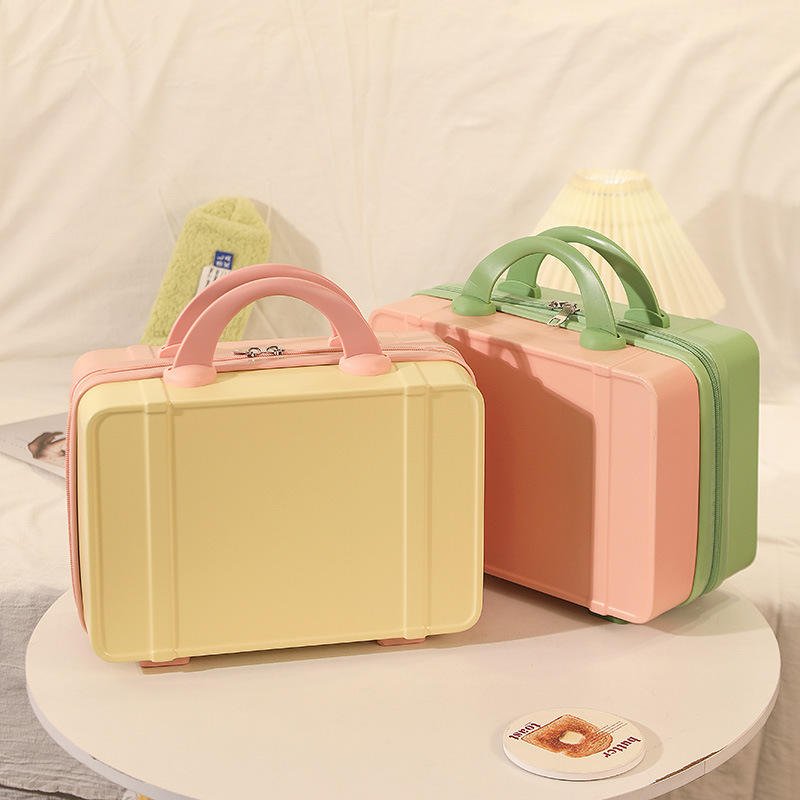
Real-World Example: A soft-sided garment bag measuring 22x14x8 inches fits perfectly within most airlines’ carry-on dimensions, allowing for easy storage overhead. In contrast, a hard-shell garment bag measuring 24x15x10 inches may exceed the carry-on limits of many airlines, requiring it to be checked in.
How Do Garment Bags Fit Into Carry-On Rules?
Garment bags are often viewed as soft-sided luggage by airlines, but due to their unique design for hanging clothes, they are sometimes subject to more flexible rules. In general, garment bags should meet the 45-55 inches total dimension rule for carry-ons, but oversized bags might still be accepted depending on the flexibility of the bag and the airline’s space restrictions.
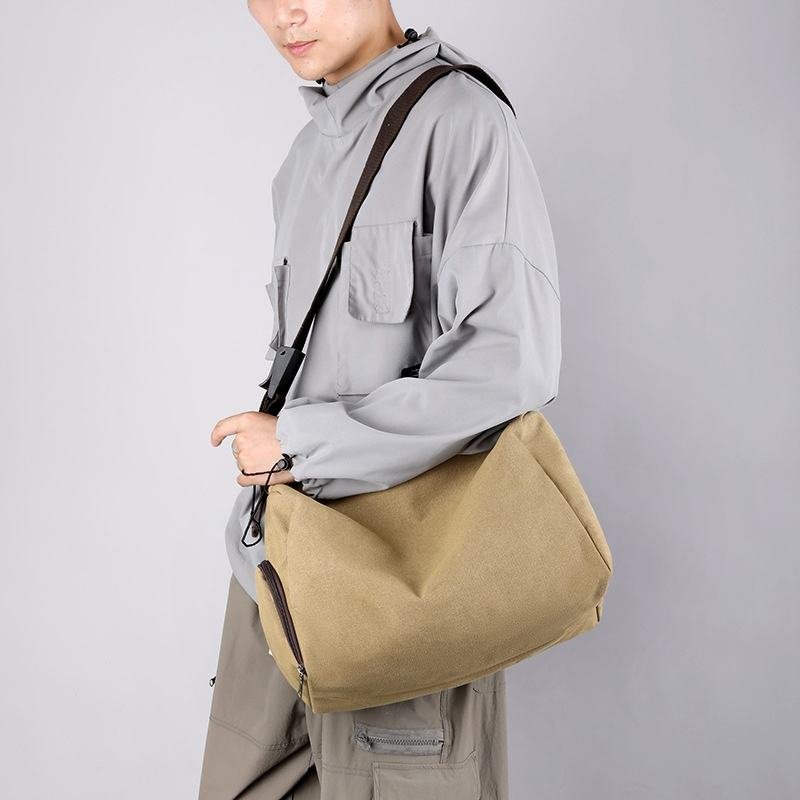
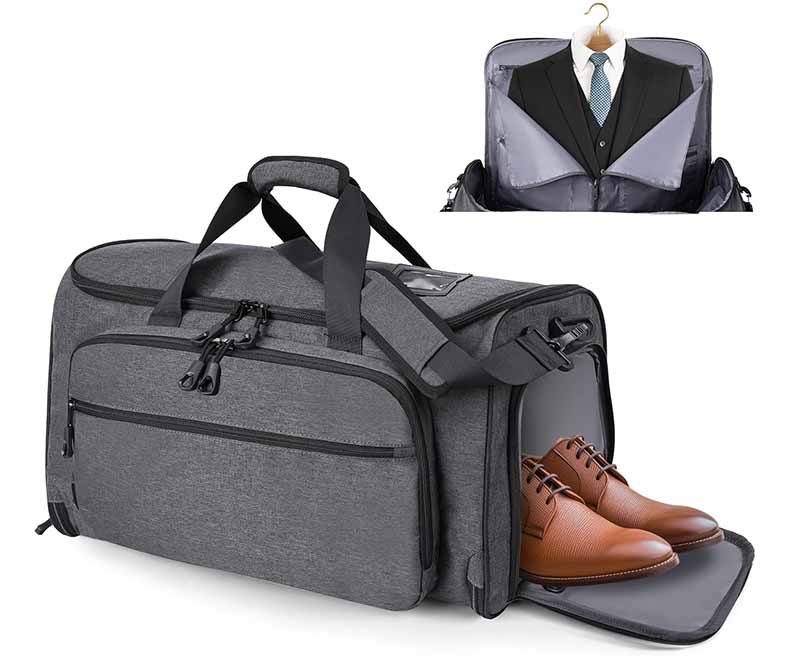
- Soft Garment Bags: These bags offer more flexibility and can easily fit within carry-on space.
- Hard-Cased Garment Bags: More rigid and structured, they need to meet the specific dimensions for carry-ons, and any excess size could force you to check the bag.
Real-World Example: A soft garment bag measuring 22x14x8 inches has a flexible structure that fits easily in overhead compartments, while a hard-cased garment bag with dimensions of 24x15x10 inches may need to be checked for larger airline cabins or when space is limited.
Which Airlines Allow Garment Bags as Carry-On?
Most airlines allow garment bags as carry-on luggage if they meet the size requirements. U.S. airlines tend to be more lenient, while international carriers may have stricter policies.
Each airline sets its own rules for carry-on luggage. While many allow garment bags, some airlines impose stricter size limits or request that passengers check in larger bags. It’s important to research specific airline rules to avoid unexpected fees or delays.
Do U.S. Airlines Have the Same Policies?
In the U.S., major carriers such as American Airlines, United Airlines, and Delta Airlines generally accept garment bags as carry-ons, as long as they stay within the standard dimensions. Soft garment bags are usually preferred, as they can be easily compressed to meet size limits.
- American Airlines: Accepts garment bags with a total length of 22 inches and depth of 9 inches.
- United Airlines: Allows garment bags with a total length of 45 inches and can be carried on in overhead compartments.
Real-World Example: If you carry a soft garment bag with a 22x14x8-inch measurement, you will likely have no issues with American Airlines, where this size is easily accepted as a carry-on item.
Are International Airlines Different?
International airlines may have more stringent rules for garment bags, especially in Europe or Asia. In some cases, airlines may have lower size limits or may only allow soft garment bags to be carried on as carry-ons.
- British Airways: Accepts garment bags if the total length is within 56 inches.
- Singapore Airlines: While they accept garment bags, passengers may need to check-in bags that exceed carry-on limits.
Real-World Example: For a long-haul international flight with British Airways, your soft garment bag might be accepted as carry-on luggage, but hard-case options might need to be checked in due to size limitations.
How to Measure a Garment Bag for Carry-On Compliance
To ensure your garment bag fits the carry-on regulations, measure the length, width, and depth carefully. Accurate measurements are crucial to avoid being forced to check your bag.
Correctly measuring your garment bag before heading to the airport will save time and prevent unnecessary hassle. It’s important to measure all sides of the bag and account for any expandable features or attachments.
What Dimensions Should You Check?
Before traveling, you should measure the length, width, and depth of your garment bag to ensure it meets the airline’s carry-on size limit.
- Length: Measure from top to bottom of the bag (if the bag is hung).
- Width: Measure across the bag, including any external pockets.
- Depth: Measure the thickness when the bag is packed with gear.
Real-World Example: A Szoneier custom garment bag may measure 22x14x9 inches. When packed with clothes, it’s crucial to verify that the bag fits within these limits and doesn’t exceed the allowable space in overhead compartments.
How Should You Measure Hanging Garment Bags?
For hanging garment bags, measure from top to bottom when the bag is hung vertically. Soft garment bags are more flexible and can be compressed into the carry-on limits, while hard-case bags require more precise measurement to ensure no excess dimensions.
Real-World Example: A hanging garment bag that measures 22 inches in length and has side pockets should fit within carry-on limits, but always check compartment space before boarding.
Which Fabric Is Best for Garment Bags?
The fabric used in garment bags greatly affects their durability, flexibility, and water resistance. Nylon, polyester, and ballistic nylon are popular materials, each offering distinct benefits based on the travel environment and level of protection needed.
The fabric of a garment bag plays a crucial role in determining its overall performance during travel. Different fabrics offer varying degrees of abrasion resistance, flexibility, and weather protection. Let’s break down which fabrics are best suited for different garment bag needs.
What Are the Advantages of Nylon Fabric for Garment Bags?
Nylon is a popular choice for garment bags because it offers a balance of durability and lightweight feel. This synthetic fabric is known for its abrasion resistance, flexibility, and water-resistant properties, making it perfect for traveling or commuting.
- Durability: Nylon is strong and resistant to tears and abrasions. It’s perfect for bags that will be handled frequently during travel.
- Water Resistance: While not inherently waterproof, nylon can be treated with a coating to offer moderate water resistance.
- Flexibility: The soft nature of nylon makes it easier to compress the bag and fit it into tight spaces like overhead compartments.
Real-World Example: A nylon garment bag is ideal for business travelers who need a bag that’s lightweight, resilient, and easy to store. It can hold suits and dresses without taking up too much room.
Why is Polyester Fabric Popular for Garment Bags?
Polyester is another durable fabric used in garment bags. Known for its resilience and affordability, polyester is widely used in travel bags because it offers good protection against abrasion and water.
- Durability: Polyester is strong and resistant to tearing and abrasion over time. It’s an ideal fabric for frequent travel.
- Water Resistance: Like nylon, polyester can be coated for added water resistance, providing protection against light rain or humidity.
- Low Maintenance: Polyester is relatively easy to clean, making it perfect for long-term use.
Real-World Example: A polyester garment bag works well for short trips or weekend travel, where the bag may not face extreme weather conditions, but durability and ease of maintenance are important.
How Does Ballistic Nylon Compare for Garment Bags?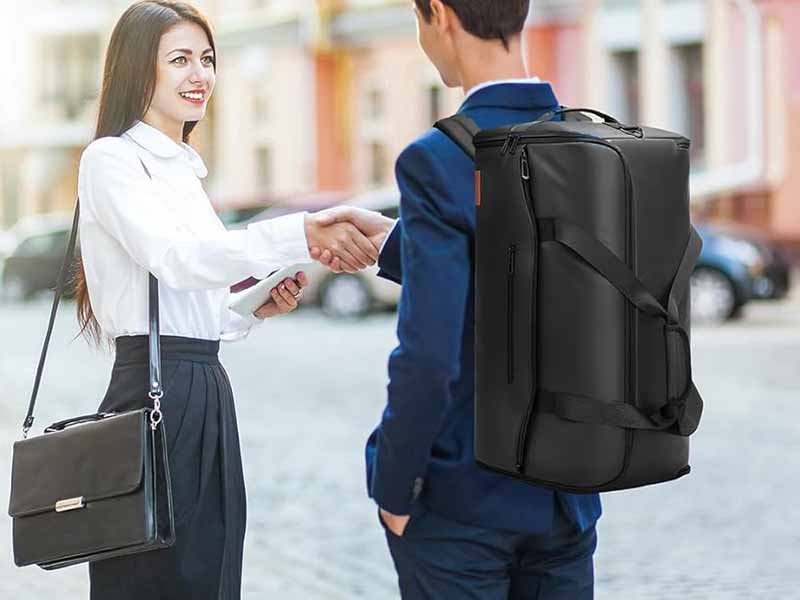
Ballistic nylon is one of the most durable fabrics available, known for its strength and resistance to abrasion. It is often used in military gear and high-end travel bags due to its ability to withstand rough conditions.
- Strength: Ballistic nylon is exceptionally durable and offers maximum protection for fragile gear. It’s designed to withstand harsh environments.
- Abrasion Resistance: Ballistic nylon can resist scratches, cuts, and wear better than nylon or polyester.
- Water Resistance: This fabric is often water-resistant or can be treated for waterproofing, which makes it great for travel in wet conditions.
Real-World Example: A ballistic nylon garment bag is perfect for those who frequently travel with valuable suits, dress shirts, and other delicate clothing. The material provides high-end protection while ensuring the bag withstands constant use.
How to Measure a Garment Bag for Carry-On Compliance
Measuring your garment bag correctly is key to ensuring it fits within airline carry-on limits. By measuring length, width, and depth, you can prevent any surprises at the airport.
To avoid the hassle of checking your bag, it’s important to know how to measure it according to carry-on guidelines. Every airline has its own size requirements, but the general rule is to stay within 45-55 inches total for your garment bag’s dimensions. Here’s a breakdown of how to measure correctly.
What Dimensions Should You Check?
Before traveling, measure your garment bag’s length, width, and depth to ensure it’s within carry-on limits. The total combined dimensions (length + width + depth) should typically not exceed 45-55 inches.
- Length: Measure from the top of the bag (where the clothes hang) to the bottom.
- Width: Measure across the widest part of the bag.
- Depth: Measure the thickness of the bag when fully packed.
Real-World Example: If your garment bag measures 22 inches long, 14 inches wide, and 8 inches deep, its total dimensions will be 44 inches, which is within the standard carry-on size.
How Should You Measure Hanging Garment Bags?
For hanging garment bags, ensure you measure them when hung vertically. Since hanging bags often take up more space when laid flat, it’s best to measure them in the position they’ll be used for travel.
- Tip: If you plan to fold the garment bag to fit into a compartment, make sure to factor in the compressed size.
Real-World Example: A hanging garment bag measuring 22 inches in length and 14 inches in width should easily fit in the overhead compartment, but you may need to fold it slightly to avoid taking up too much space.
What Happens If Your Garment Bag Is Oversized?
If your garment bag is oversized, airlines may ask you to check the bag, potentially incurring additional fees. However, there are strategies to ensure it stays within the allowed size.
The best way to prevent your garment bag from being deemed oversized is to measure it before heading to the airport. If the bag is slightly oversized, there are ways to compress it or adjust the packing to meet the airline’s standards.
Will You Be Charged a Fee?
If your garment bag exceeds the carry-on size limits, airlines may require you to check the bag, which could incur additional baggage fees. However, some airlines allow a small overage if the bag is not much larger than the limit.
- Check with the airline: Always review your airline’s carry-on policies before you travel to avoid unexpected charges.
Real-World Example: A garment bag that exceeds the carry-on limit by 2 inches might be allowed as a gate check, but the airline could still charge a baggage fee.
Can Oversized Bags Be Gate-Checked?
If your garment bag is too large for the overhead compartment, airlines often allow you to gate-check it. This means you’ll drop it off at the gate, and it will be placed in the hold before takeoff. Be prepared for delays when retrieving your bag after landing.
- Gate-check is often available for oversized bags that won’t fit in overhead compartments, but you may still face waiting times to reclaim your bag.
Real-World Example: A hard-shell garment bag may need to be gate-checked when traveling on a regional flight where overhead compartment space is limited. Make sure to arrive early to ensure you can check in your oversized bag before boarding.
How to Choose the Right Garment Bag for Your Needs?
Selecting the right garment bag depends on the type of trip you’re taking, your gear, and the airline’s rules. Consider fabric, style, and durability when choosing a custom garment bag for business or leisure travel.
Choosing the perfect garment bag requires a clear understanding of your travel needs. Some travelers need bags that are lightweight and flexible, while others prioritize durability for heavy-duty travel. Factors like fabric, construction, and style should be considered to ensure the bag protects your clothes and meets airline regulations.
What Fabric and Design Features Matter?
The fabric and design of your garment bag influence its weight, durability, and protection capabilities. Whether you need a light, flexible fabric or a heavy-duty material, here’s what to look for:
- Durability: Choose ballistic nylon or high-denier polyester for a durable, abrasion-resistant bag.
- Water Resistance: If you’re traveling through wet conditions, select a water-resistant fabric, like coated polyester or nylon.
- Weight: For business trips, lightweight fabrics like 600D nylon may be ideal, but for extended travel or rough conditions, 1680D nylon provides better protection.
Real-World Example: If you’re attending a business conference, a light, soft-sided garment bag made from 600D nylon provides flexibility and comfort. But for adventurous travel, a 1680D ballistic nylon bag with waterproof features ensures that your gear stays protected in harsh conditions.
Which Bag Styles Work Best for Frequent Travelers?
Different types of garment bags are suited for different travel needs. Frequent travelers should consider the bag style based on how much space and organization they need.
- Hanging Garment Bags: Ideal for keeping suits and dresses wrinkle-free. They are lightweight and perfect for short trips.
- Roll-Up Bags: These are compact, easy to store, and are great for those who need to pack light for business trips or weekend getaways.
- Hard-Base Garment Bags: If you need extra protection for your delicate clothes or valuable items, hard-shell bags are best for long-term durability.
Real-World Example: A hanging garment bag might be perfect for a short business trip where you need to pack formal clothing without worrying about wrinkles. If you’re heading out for a multi-week travel adventure, a hard-shell garment bag will provide the best protection for your sensitive gear.
What Happens If Your Garment Bag Is Oversized?
If your garment bag exceeds the carry-on size limits, you may be asked to check your bag and face potential additional fees. Be sure to measure your bag before heading to the airport to avoid any issues.
If your garment bag is slightly oversized, there are a few things you can do. While some airlines are more flexible with soft bags, hard-case bags are often less flexible and may need to be checked if they exceed the carry-on limit. Knowing your bag’s dimensions can help prevent costly mistakes.
Will You Be Charged a Fee?
Airlines often charge extra fees if your garment bag exceeds the carry-on size limits. Fees for oversized bags can range from $30 to $100, depending on the airline and the size of the bag. Some airlines may allow small overages for a nominal fee, while others may insist on checking your bag.
- Low-cost carriers tend to have stricter baggage policies and may charge hefty fees for any oversized baggage.
- Full-service airlines might allow small overages but encourage compliance with carry-on rules to avoid inconvenience.
Real-World Example: If you’re flying with Southwest Airlines, your soft garment bag that’s slightly oversized might still be accepted, but you may incur an additional $30 fee if the dimensions exceed the limit by a few inches.
Can Oversized Bags Be Gate-Checked?
If your garment bag is too large for the carry-on compartment, you may be required to gate-check your bag. This means your bag will be stored in the cargo hold during the flight and returned to you at the gate upon arrival. However, not all airlines permit gate-checking for oversized bags, especially if the bag exceeds the general size limits.
- Gate-checking ensures you still have your garment bag without risking a baggage fee if you’re unable to fit it in the overhead compartment.
- However, oversized bags will be subject to space limitations, and you may have to wait longer to retrieve your bag after landing.
Real-World Example: A hard-shell garment bag that doesn’t fit in the overhead compartment on a United Airlines flight might be gate-checked instead. You can retrieve it at the gate but be prepared for slightly longer wait times.
Conclusion
Selecting the right garment bag for travel depends on several factors, including fabric, size, and design. Whether you need a lightweight soft bag for daily travel, a durable ballistic nylon bag for heavy-duty travel, or a hard-shell option for maximum protection, it’s important to ensure that your bag complies with carry-on size rules.
At Szoneier, we specialize in custom garment bags that meet your specific travel needs and airline requirements. We provide quick sampling, low MOQ, and fast turnaround times, so you can get the perfect garment bag tailored to your business or personal travel requirements.
Contact us today to start designing your custom garment bag!