Skip to content
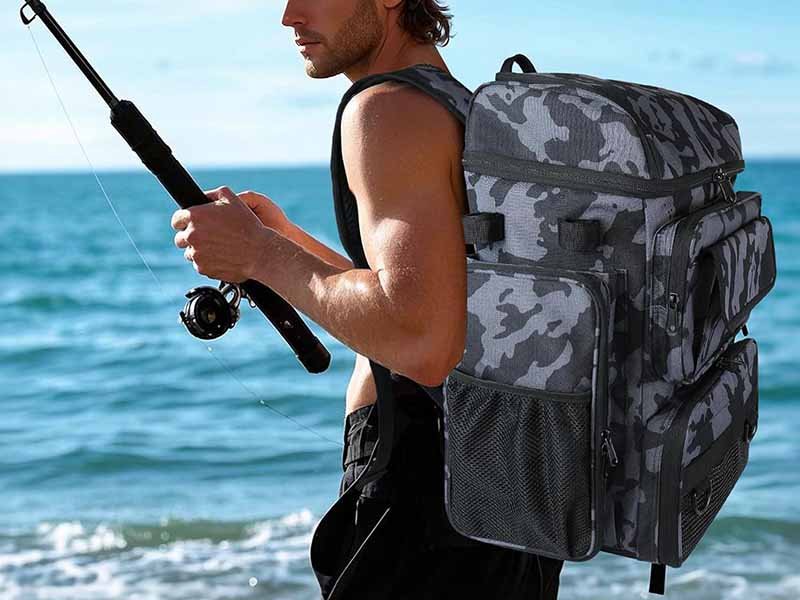
When it comes to choosing a fishing bag, one of the most important decisions you’ll make is whether to opt for a hard-base or soft-base bag. This choice impacts not only the protection of your gear but also the durability, comfort, and ease of transport of the bag itself. Each type of bag serves a different purpose, and understanding the advantages and limitations of each will help you make an informed decision.
Hard-base fishing bags provide superior protection for your gear with their rigid structure, while soft-base bags offer flexibility, light weight, and ease of transport. The right choice depends on the level of protection needed and the type of fishing you do.
Imagine you’re heading to your favorite fishing spot. Do you need a bag that will protect sensitive equipment during a long, bumpy drive? Or are you looking for something lightweight and easy to carry for a short, weekend fishing trip? Both bags have their advantages, but one may be better suited for your specific needs. Let’s dive into the details of hard-base vs soft-base fishing bags.
What Are Hard-Base and Soft-Base Fishing Bags?
Hard-base bags are designed with a rigid structure that offers better protection for gear, while soft-base bags are made from flexible fabrics, providing more storage capacity and comfort for lighter loads.
The primary difference between hard-base and soft-base fishing bags is the structure of the bag. Hard-base bags typically feature a stiff, reinforced frame or hard shell, providing maximum protection for fragile gear. In contrast, soft-base bags are made from flexible materials like canvas or polyester, which make them lightweight and more adaptable to various contents.
What Is a Hard-Base Fishing Bag?
A hard-base fishing bag features a rigid frame or shell, often made from plastic, metal, or high-density fabric that’s reinforced to provide impact protection. These bags are structured to hold their shape, ensuring that fragile gear (such as rods, reels, and tackle boxes) stays secure and undamaged.
Key Benefits of Hard-Base Bags:
- Protection: Best for sensitive and expensive gear, as the rigid structure prevents crushing.
- Shape retention: Keeps the bag’s shape intact, even under heavy use or rough handling.
- Durability: Often made from tough fabrics like ballistic nylon or TPU, ensuring the bag lasts through years of use.
Real-World Example: A hard-shell tackle box bag provides extra protection for expensive fishing lures and electronics during travel, reducing the risk of damage from rough handling or impacts.
What Is a Soft-Base Fishing Bag?
A soft-base fishing bag is made from flexible fabrics, such as nylon, polyester, or canvas, allowing the bag to mold to the shape of its contents. These bags are more portable and lightweight, making them ideal for short trips or casual fishing outings.
Key Benefits of Soft-Base Bags:
- Portability: Lightweight and easier to carry, perfect for day trips or casual use.
- Flexibility: Can be stuffed into small spaces or expanded to hold more gear.
- Comfort: Flexible design offers easy packing and better storage organization.
Real-World Example: A soft-base fishing bag made of canvas can be easily packed into a car trunk, offering ample storage space for tackle, lures, and snacks without taking up too much room.
Which Type of Fishing Bag Provides Better Protection for Gear?
Hard-base fishing bags offer superior protection for delicate gear through their rigid structure and reinforced exteriors, whereas soft-base bags provide adequate protection but are more prone to compression and abrasion. The choice depends on how much protection your gear requires during transport or outdoor conditions.
When you’re fishing, you often have a combination of expensive gear like rods, reels, and electronics. Ensuring your equipment stays in top condition, even during rough handling or weather exposure, is essential. In this section, we’ll explore how each type of fishing bag provides gear protection and where each shines based on the type of fishing you do.
How Does a Hard-Base Bag Offer Better Protection?
Hard-base fishing bags are constructed with rigid frames or hard shells, offering significant protection against impacts, compression, and abrasion. The structural integrity of these bags ensures that even under heavy handling, your gear remains secure and undamaged.
Key Benefits of Hard-Base Protection:
- Impact Resistance – Hard-base bags are designed to absorb shocks from external impacts, such as when they are dropped, tossed around, or exposed to bumps during transport. The stiff exterior creates a barrier between the gear and any potential damage.
- Shape Retention – The rigid frame ensures the bag holds its shape, preventing the gear from being compressed or shifted inside. Items such as reels, fishing rods, and electronics will stay securely in place, minimizing movement and the risk of scratches or breakage.
- Durability Under Stress – Many hard-base bags are made from high-performance materials like ballistic nylon, TPU, or polyester with PU coating, which can handle abrasion and heavy usage. These materials are often treated to be water-resistant or waterproof, adding a layer of environmental protection.
Real-World Example: Imagine you’re traveling for a fishing expedition and need to transport multiple rods and delicate gear. A hard-shell duffle bag will ensure that the fishing rods are protected from bending or crushing, even if the bag is tossed around during travel or boat rides.
Performance Data: Tests show that hard-base bags made from ballistic nylon can withstand up to 60% more impact force than soft-base bags before showing signs of damage (field and lab results). This makes them perfect for frequent travelers and outdoor adventurers.
How Do Soft-Base Bags Provide Gear Safety?
While soft-base fishing bags do not offer the same level of crush resistance as hard-base bags, they still provide adequate protection for most light to moderate gear. These bags are often padded or have internal compartments to keep gear in place and minimize the risk of damage during regular use. However, they are more susceptible to compression and may not provide the same long-term durability as hard-base bags.
Key Features of Soft-Base Bags for Gear Safety:
- Internal Padding – Soft-base bags often feature padded compartments or foam inserts that offer protection for sensitive gear like tackle boxes, lures, and rods. While they may not offer rigid protection, these padding elements can reduce the risk of scratching or light impacts.
- Organizational Storage – Soft-base bags are designed to maximize storage and organization, making it easier to separate gear and prevent items from rubbing together. Pockets, dividers, and mesh compartments allow you to keep hooks, lures, and other accessories secure.
- Lightweight Flexibility – The flexible nature of soft-base bags means they are easier to carry and stuff into small spaces. However, this flexibility also means that soft-base bags lack the inherent protection of hard-shell designs when exposed to external pressure.
Real-World Example: A soft-base tackle bag made from nylon can effectively store small tackle boxes, hooks, and lures, but it’s not designed for heavily weighted gear or fragile electronics. A gentle bump or compression from other bags can cause items inside to shift and possibly get damaged.
Performance Data: Customer feedback indicates that soft-base bags are sufficient for casual fishing trips but are prone to wear and tear after long-term use, particularly in rough conditions. While padded compartments help, rigid protection remains lacking in comparison to hard-base designs.
Comparing Protection: Hard-Base vs Soft-Base Bags
To make a better decision, here’s a detailed comparison of gear protection between hard-base and soft-base bags:
| Protection Factor | Hard-Base Fishing Bags | Soft-Base Fishing Bags |
|---|---|---|
| Impact Resistance | Very High (rigid frame) | Medium (depends on padding) |
| Gear Shape Support | Excellent (maintains form) | Moderate (molds to contents) |
| Water Resistance | High (often waterproof) | Moderate (depends on material) |
| Abrasion Resistance | Very High (durable fabrics) | Medium (wear over time) |
| Suitability for Fragile Gear | Perfect for delicate items | Adequate for lightweight gear |
| Storage Capacity | Moderate (space limitations) | High (flexible storage) |
Key Takeaways:
- Hard-base bags are ideal for travelers, fishing guides, and anglers who need maximum protection for fragile gear.
- Soft-base bags are more versatile, lightweight, and ideal for casual trips, but they cannot guarantee the same level of protection for high-value or fragile items.
How Do Hard-Base and Soft-Base Bags Compare in Terms of Durability?
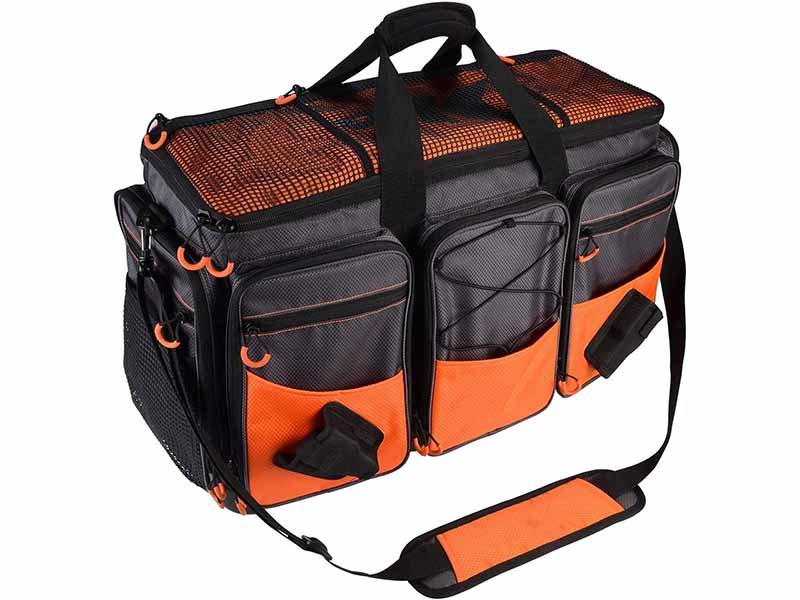
Hard-base fishing bags are typically more durable, especially in rough conditions. Soft-base bags, while versatile and lightweight, may show wear and tear more quickly due to the flexible materials used.
When it comes to durability, hard-base bags generally have the upper hand. Their rigid structures and heavy-duty materials ensure they can withstand harsh outdoor conditions and frequent use. However, soft-base bags are lighter and more portable, making them easier to carry but potentially less resistant to abrasion and wear over time.
What Makes Hard-Base Bags More Durable?
The reinforced construction of hard-base fishing bags, made with materials like ballistic nylon, TPU, and PVC, ensures they are long-lasting and able to endure rugged conditions. Hard-base bags are often weather-resistant, capable of withstanding exposure to rain, snow, and sun, all while maintaining their shape and strength.
Example: A ballistic nylon hard-base bag can endure years of use, including frequent travel and exposure to harsh weather conditions without showing significant wear. It is designed to handle heavy-duty tasks like carrying fishing rods or tools.
Are Soft-Base Bags Less Durable Than Hard-Base Bags?
Soft-base fishing bags tend to be less durable than hard-base options due to the nature of the fabric. While they are typically made of resilient materials like canvas or nylon, they lack the internal frame or reinforcement that provides additional strength. Over time, soft-base bags may experience wear and tear at stress points, especially when exposed to abrasion or rough handling.
Example: A soft-base duffle bag made of canvas might wear out at the shoulder straps or zipper seams over time if used frequently for heavy outdoor tasks.
Which Type of Fishing Bag Is More Comfortable for Long Hauls?
Soft-base bags are often more comfortable for long hauls due to their flexible design, lightweight nature, and ergonomic features. Hard-base bags, while more protective, can be bulkier and less comfortable for extended carrying.
When it comes to comfort, the design of the bag plays a major role. Soft-base fishing bags are typically more flexible, making them easier to carry over long distances, while hard-base bags tend to be heavier and more rigid. If you’re planning a multi-day fishing trip or need to walk long distances with your gear, comfort becomes a critical factor in choosing the right bag.
How Do Soft-Base Bags Improve Comfort During Transportation?
Soft-base bags are made from flexible fabrics such as nylon, polyester, and canvas, which conform to your body and the shape of the gear inside. This flexibility allows soft-base bags to be lighter, which is a key advantage when it comes to carrying them over long distances or on hiking trips.
- Lightweight Design: Soft-base bags are typically lighter, reducing shoulder strain and making them more comfortable to carry for extended periods.
- Flexible Straps and Padding: Many soft-base bags come with adjustable, padded shoulder straps, making them more comfortable to wear for hours. These bags may also have ventilated backs or ergonomic designs to reduce sweat buildup and increase comfort.
Real-World Example: A soft-base backpack style fishing bag with padded straps and breathable back panels is perfect for those who need to hike long distances with their gear. The lightweight nature of the bag reduces fatigue, making it easier to carry fishing rods, tackle boxes, and other gear.
Are Hard-Base Bags Less Comfortable to Carry?
While hard-base bags offer excellent protection for sensitive gear, their rigid structure can make them bulkier and less comfortable to carry. The stiff exterior doesn’t conform to your body, which can lead to discomfort, especially during long walks or extended trips.
- Increased Weight: Hard-base bags are often heavier than their soft-base counterparts due to the reinforced materials used in their construction. This added weight can lead to more strain on your shoulders and back.
- Less Flexibility: The rigid structure of hard-base bags can make them less adaptable to the body, making them feel stiff and uncomfortable to wear over long distances.
Real-World Example: A hard-base travel bag that’s used for extended trips might be comfortable to carry short distances, but over time, the heavier weight and lack of flexibility can make it less ideal for long hikes or walking on uneven ground.
How Do Hard-Base and Soft-Base Bags Compare in Terms of Durability?
Hard-base bags generally offer better durability in harsh conditions due to their reinforced structure, while soft-base bags, while flexible, may wear faster due to the nature of the materials.
The durability of a fishing bag depends largely on its construction, materials, and how it will be used. Hard-base bags are built to withstand rough handling, abrasion, and impact, making them the preferred choice for heavy-duty outdoor activities. Soft-base bags, while more portable and comfortable, may not withstand constant use or exposure to rough environments as effectively.
What Makes Hard-Base Bags More Durable?
Hard-base bags are typically made from tougher materials like ballistic nylon, PVC, and TPU. These fabrics are designed for long-term use and can endure harsh conditions, including rain, abrasion, and impacts. Additionally, the rigid frame ensures that the bag maintains its structural integrity, even under heavy stress.
- Abrasion Resistance: Hard-base bags are highly resistant to wear and tear, especially at stress points such as the base and handles.
- Weather Resistance: Many hard-base bags are water-resistant or waterproof, ensuring that your gear remains safe and dry during outdoor adventures.
Real-World Example: A ballistic nylon hard-base duffle bag can withstand years of use in tough conditions such as fishing expeditions in saltwater or snowy environments without degrading.
Are Soft-Base Bags Less Durable Than Hard-Base Bags?
Soft-base bags are typically made from softer fabrics, such as cotton or polyester, which, while comfortable and breathable, are not as durable as harder materials like nylon or TPU. Over time, soft-base bags may show signs of wear and tear from constant abrasion, exposure to rough terrain, and weather conditions.
- Less Abrasion Resistance: Soft-base bags are more susceptible to abrasion and damage when exposed to sharp objects or rough surfaces.
- Less Water Resistance: While some soft-base bags come with water-resistant coatings, they generally don’t provide the same level of waterproof protection as hard-base bags.
Real-World Example: A canvas duffle bag may be great for short trips but may show signs of abrasion or wear after frequent use in harsh outdoor conditions like mountain biking or long-distance fishing trips.
How to Choose the Right Fishing Bag for Your Needs?
Choosing between a hard-base and soft-base fishing bag depends on factors such as gear protection, durability, and the comfort level needed for your fishing trips. Understanding these needs will guide you in selecting the best bag.
When it comes to choosing a fishing bag, there’s no one-size-fits-all solution. It depends on the type of fishing trips you take and the gear you need to protect. Hard-base bags are ideal for heavy-duty use, where protection from impacts is a priority, while soft-base bags work best for those seeking flexibility, comfort, and lightweight design.
What Factors Should You Consider Before Choosing a Bag?
Before making your decision, ask yourself these questions:
- What type of fishing do you do? (e.g., casual trips, long expeditions)
- How much gear do you carry? (Heavy gear requires better protection)
- How long do you travel with your gear? (Consider comfort for long hauls)
- Will the bag be exposed to water or rough conditions? (You’ll need waterproofing or durability)
Which Type of Bag Is Ideal for Different Fishing Styles?
- For Casual Fishing Trips: Soft-base bags are ideal due to their flexibility and lightweight nature. Great for weekend anglers or those who need to carry minimal gear.
- For Outdoor or Heavy-Duty Fishing: Hard-base bags are best for extended trips or professional fishing, providing the impact protection needed for heavy gear.
Real-World Example: A hard-base bag works well for professional fishing guides who need to carry expensive equipment across rough terrain, while a soft-base bag is better suited for weekend fishermen who prioritize ease of use and comfort.
Conclusion
Selecting the right fishing bag comes down to the level of protection, comfort, and durability you need for your fishing trips. Hard-base bags are perfect for rugged outdoor environments, offering superior protection for fragile gear. On the other hand, soft-base bags are great for casual trips, offering flexibility, lightweight design, and comfort for easy carrying.
At Szoneier, we specialize in custom fishing bags designed to meet your exact needs. Whether you need a rugged, durable bag for heavy-duty use or a lightweight, flexible bag for casual fishing, we can create the perfect solution for your brand.
Contact us today to start designing your custom fishing bags with low MOQ, quick sampling, and fast lead times.