
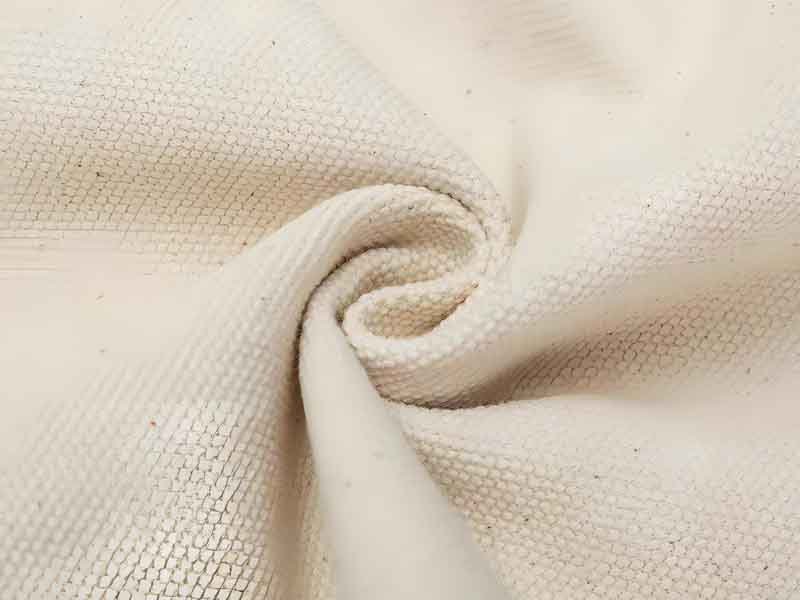
Think of canvas fabric and you might picture rugged tote bags or sailcloth—but canvas today is so much more. It’s the unsung hero behind everything from art canvases and eco backpacks to industrial-grade tarps. What makes this fabric so versatile, and why is it trusted across such diverse sectors?
Canvas is a durable, tightly woven fabric—often made from cotton, polyester, or blends—used across industries for bags, sails, tents, upholstery, art, and fashion. Its strength, weave density, and ability to be treated (waxed, dyed, coated) make it ideal for both rugged outdoor gear and stylish, eco-friendly accessories.
Stick with me—I’ll walk you through how canvas is custom-tailored by brands, from material choices to styling and care, so you know exactly why Szoneier is the perfect partner to bring your canvas product ideas to life.
What Are the Main Applications of Canvas Fabric Today?
Canvas fabric is used in fashion bags, outdoor tents, sails, industrial covers, upholstery, art painting surfaces, and home décor. Its strength, durability, and easy customization make it suitable for both lightweight products like tote bags and heavy-duty applications like truck covers or military gear. Modern treatments like waxing, PU coating, or fireproofing extend its use to outdoor, marine, and industrial environments.
1. Fashion & Everyday Accessories
Canvas dominates the bag and accessories industry because it’s eco-friendly, customizable, and cost-effective.
- Tote Bags: Lightweight 8–12 oz canvas is perfect for promotional totes, retail shopping bags, and branded giveaways.
- Backpacks & Travel Bags: 12–16 oz canvas with PU coating or waterproof lining works well for daily backpacks, duffel bags, and outdoor daypacks.
- Makeup & Organizer Bags: Cotton canvas lined with polyester protects cosmetics while staying washable and reusable.
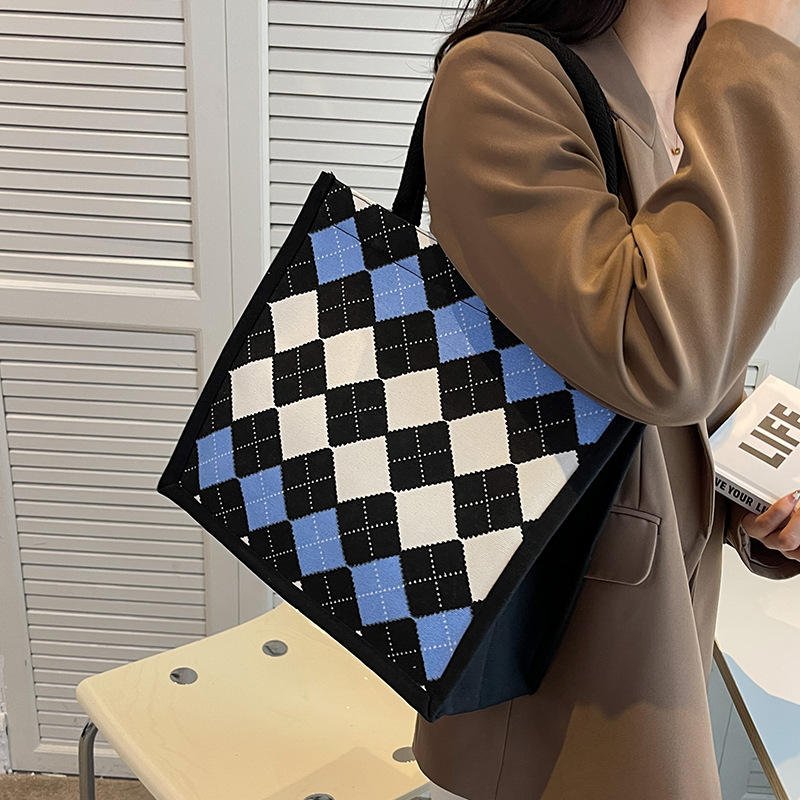
- Fashion Crossbody or Shoulder Bags: Dyed canvas with digital printing or embroidery appeals to sustainable fashion markets.
Why Brands Love It:
- Pantone color matching for seasonal collections
- Silkscreen printing, leather patches, or logo embroidery options
- Low MOQ (300–500 pcs) for new brands testing the market
2. Outdoor & Camping Gear
For outdoor brands, durability and weather resistance matter most. Heavy-duty waxed canvas (16–24 oz) or PU-coated canvas is widely used in:
- Camping Tents & Awnings: Breathable yet water-resistant, canvas withstands UV and rain better than cheap synthetics.
- Hammocks & Outdoor Cushions: Thick 18–20 oz canvas resists tearing and abrasion.
- Hunting & Fishing Gear: Canvas backpacks, ammo pouches, and foldable blinds survive rugged terrains.
- Fireproof Covers: Treated with flame retardants for added safety in outdoor cooking setups.
Performance Stats:
| Property | Typical Value (18 oz Canvas) |
|---|---|
| Tensile Strength | 2500 N |
| Tear Strength | 50 N |
| Water Resistance | <5% absorption (waxed) |
| UV Resistance | 1000+ hrs with coating |
3. Marine & Industrial Applications
Canvas has a long history in marine industries for sails and ship covers. Modern industrial uses include:
- Truck Tarpaulins & Covers: 20–24 oz PVC-laminated canvas for long-haul trucks and construction sites.
- Machinery Covers: Protects equipment from dust, rain, and UV damage.
- Warehouse Curtains & Dividers: Fireproof-treated canvas used in factories or workshops.
- Agricultural Use: Grain storage covers, greenhouse shading, and irrigation pond liners.
OEM Demand: Industrial buyers request custom thickness, eyelets, reinforced seams, and flame-retardant coatings for long-term outdoor exposure.
4. Art & Painting Surfaces
For centuries, artists have painted on canvas because it’s lightweight, easy to stretch, and long-lasting.
- Cotton Duck Canvas: The most common choice for oil and acrylic paintings.
- Linen Canvas: Premium option with finer texture for professional artists.
- Digital Art Printing: Modern inkjet printing on canvas creates wall art and photography reproductions.
Durability Factor: Primed art canvas can last 50–100 years indoors if kept away from moisture and direct sunlight.
5. Home Decor & Upholstery
Interior designers increasingly use canvas for eco-friendly and rustic aesthetics.
- Slipcovers & Sofa Upholstery: 12–16 oz canvas handles daily wear and tear.
- Cushion Covers & Storage Bins: Washable, customizable, and affordable for home décor brands.
- Curtains & Blinds: Waxed canvas offers privacy with water resistance in kitchens or bathrooms.
Buyer Advantages:
- Bulk customization in different colors and weights
- Branding options for lifestyle décor brands
- Flame-retardant coatings for commercial interior projects
6. Military, Tactical & Workwear
Military-grade canvas remains popular for tactical gear and protective clothing because it resists tearing, abrasion, and extreme weather.
- Tactical Backpacks & Gear Bags: 20–24 oz canvas with reinforced seams carries heavy loads.
- Protective Work Aprons & Tool Belts: Durable and washable, ideal for welding or carpentry.
- Field Tents & Barricades: With flame-retardant treatment for safety compliance.
Compliance: Products often meet ISO 811 waterproofness and NFPA flame resistance standards for safety-critical applications.
7. Eco-Friendly & Recycled Canvas Products
With the rise of sustainable brands, recycled canvas made from rPET (recycled PET bottles) or organic cotton is gaining popularity.
- Reusable Shopping Bags: Replaces single-use plastics with branded, durable alternatives.
- Eco Lifestyle Products: Plant pot covers, picnic mats, and beach bags for green living.
- Corporate Gifts: Companies order branded eco canvas tote bags for promotional campaigns.
Market Trend:
- Demand for OEKO-TEX or GOTS-certified organic canvas is rising in EU and US markets.
- Recycled canvas options reduce carbon footprint by 30–50% compared to virgin polyester.
8. Canvas in Automotive & Transport Sectors
Beyond outdoor and fashion uses, canvas is used in automotive seating, truck bed covers, and cargo protection gear.
- Seat Covers & Interior Panels: Waxed canvas gives a rugged, vintage look to off-road vehicles.
- Luggage Racks & Rooftop Carriers: Heavy-duty canvas withstands wind and rain on highways.
Typical Lifespan by Application
| Application Area | Canvas Weight (oz) | Lifespan (Years) |
|---|---|---|
| Fashion Tote Bags | 8–12 oz | 5–7 |
| Outdoor Camping Gear | 12–20 oz | 10–15 |
| Industrial Covers & Tarps | 20–24 oz | 10–20 |
| Art & Painting Canvas | 10–12 oz | 50–100 (indoors) |
| Upholstery & Home Décor | 12–16 oz | 8–12 |
| Military/Tactical Gear | 18–24 oz | 15–20 |
Which Types of Canvas Fabrics Are Most Common?
The most common canvas fabrics include cotton canvas, polyester canvas, nylon canvas, waxed canvas, blended fabrics (cotton-poly blends), and eco/recycled canvas. Each type differs in weight, strength, water resistance, eco-friendliness, and cost, making them suitable for different uses—from fashion bags and home décor to industrial covers and military gear.
Cotton Canvas
- Made from 100% cotton fibers.
- Known as “Duck Canvas” in the U.S. (from Dutch word doek for cloth).
- Weave: plain or tight duck weave, often numbered (#12 heavier than #8).
Properties:
- Natural Look & Feel: Softens over time, breathable, biodegradable.
- Weight Range: 6–24 oz/sq. yd.
- Strength: Tensile 1500–2000 N; tear strength 30–50 N (12–16 oz weight).
Best Applications:
- Tote bags, art painting canvases, upholstery covers, fashion accessories.
- Waxed cotton canvas → outdoor jackets, backpacks, tool aprons.
Pros:
- Eco-friendly (organic cotton options available).
- Easy to dye, print, or paint on (logos, branding).
Cons:
- Absorbs water if untreated.
- Heavier than synthetic options at same thickness.
Polyester Canvas
- Made from 100% polyester or poly blends.
- Often coated with PU (polyurethane) or PVC for waterproofing.
Properties:
- Lightweight Yet Strong: Higher tensile strength than cotton at same weight.
- Weather Resistance: UV-resistant, mildew-resistant with proper coatings.
- Weight Range: 6–20 oz/sq. yd.
Best Applications:
- Backpacks, outdoor furniture covers, marine covers, awnings, tents.
- Promotional bags requiring cost-effectiveness + durability.
Pros:
- Faster drying than cotton, less prone to shrinking.
- Holds color well, resists fading under sunlight.
Cons:
- Less “natural” aesthetic; feels synthetic unless brushed/textured.
- Not biodegradable (unless recycled PET is used).
Nylon Canvas
- Made from high-denier nylon yarns (e.g., 420D, 600D, 1000D nylon).
- Common in military gear and industrial applications.
Properties:
- Ultra-Strong: High tensile (>3000 N) and abrasion resistance (>50k cycles).
- Lightweight: Lighter than cotton at same strength levels.
- Water Resistance: Excellent with PU/PVC coatings.
Best Applications:
- Military/tactical gear, heavy-duty backpacks, outdoor protective covers, workwear.
Pros:
- Extreme tear resistance and load-bearing capacity.
- Long lifespan (10–20 years with proper coatings).
Cons:
- Higher raw material cost vs. polyester.
- Less breathable than cotton (unless treated).
Waxed Canvas
- Cotton or cotton-blend canvas infused with paraffin or beeswax.
- Popular in heritage fashion and outdoor gear markets.
Properties:
- Water Repellency: Water beads up; <5% absorption even after hours of rain.
- Aging Aesthetic: Develops “patina” over time (like leather).
- Durability: Comparable to mid-heavy cotton canvas.
Best Applications:
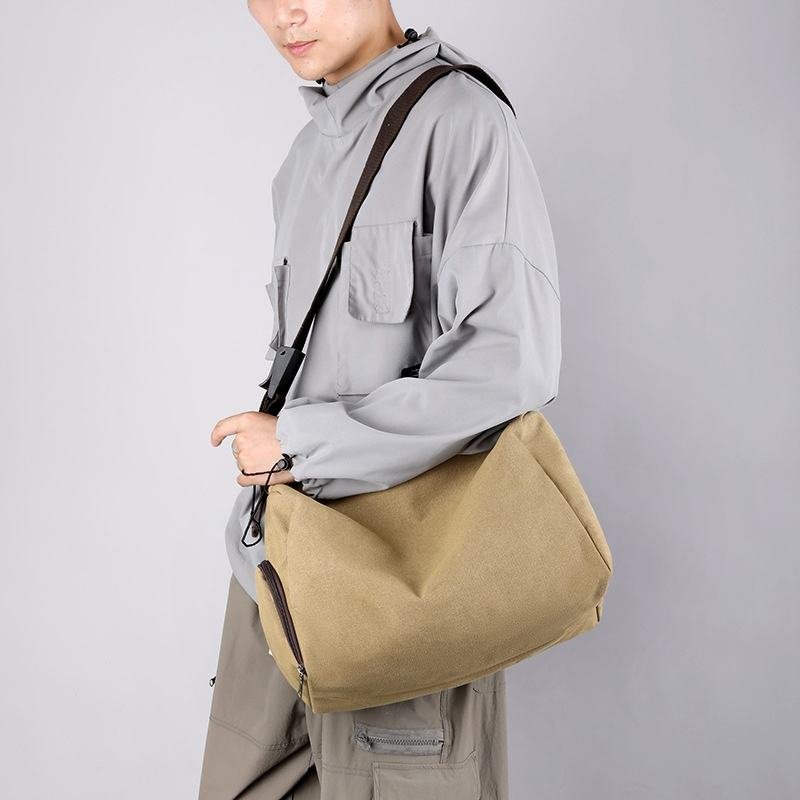
- Messenger bags, travel duffels, outdoor jackets, tool aprons, saddle bags.
Pros:
- Weather protection without synthetic coatings.
- Unique vintage appeal attracts fashion + outdoor brands.
Cons:
- Requires re-waxing every 6–12 months for waterproof performance.
- Heavier than untreated canvas.
Blended Canvas (Cotton-Poly Blends)
- Combines natural cotton fibers with synthetic polyester or nylon.
- Aims to balance comfort, cost, and durability.
Properties:
- Shrink Resistance: Less shrinkage than pure cotton.
- Strength: Higher tensile strength vs. 100% cotton of same weight.
- Moisture Control: Faster drying, mildew resistance.
Best Applications:
- Mid-range backpacks, upholstery covers, tent walls, shade sails.
Pros:
- Cheaper than 100% cotton; better feel than 100% polyester.
- Supports digital printing + branding treatments easily.
Cons:
- Not fully biodegradable; mixed fibers complicate recycling.
Recycled & Eco-Friendly Canvas
- Made from rPET yarns (recycled PET bottles) or organic cotton fibers.
- Gaining popularity among sustainable lifestyle brands.
Properties:
- Environmental Impact: Reduces virgin plastic use by 30–50%.
- Certifications: GOTS, OEKO-TEX, Global Recycled Standard (GRS).
- Durability: Comparable to virgin polyester or cotton canvas.
Best Applications:
- Eco tote bags, branded corporate gifts, fashion accessories, promotional gear.
Pros:
- Aligns with ESG goals for EU & US markets.
- Attractive to eco-conscious buyers & retailers.
Cons:
- Slightly higher cost due to certification + supply chain audits.
Specialty Canvas Variants
| Variant Type | Treatment/Property | Typical Uses |
|---|---|---|
| Fire-Retardant Canvas | FR chemical treatments | Industrial curtains, welding screens |
| Antimicrobial Canvas | Silver/zinc ion coatings | Medical upholstery, outdoor seating |
| PU/PVC Laminated Canvas | Coated for 100% waterproofing | Truck tarps, marine covers |
| Dyed/Printed Canvas | Digital or rotary printing options | Fashion bags, home décor products |
Comparison Table: Canvas Types at a Glance
| Canvas Type | Weight (oz) | Strength | Water Resistance | Typical Lifespan | Cost Level | Best For |
|---|---|---|---|---|---|---|
| Cotton Canvas | 6–24 | Medium | Low (needs treatment) | 5–10 years | Low–Mid | Bags, art, home décor |
| Polyester Canvas | 6–20 | Medium–High | Medium–High (with PU) | 7–12 years | Low | Outdoor covers, tents, promo bags |
| Nylon Canvas | 10–24 | Very High | High (with PU/PVC) | 10–20 years | Mid–High | Military gear, industrial tarps |
| Waxed Canvas | 10–18 | Medium–High | High (needs re-waxing) | 10–15 years | Mid | Fashion, outdoor luggage |
| Blended Canvas | 8–20 | Medium–High | Medium | 7–12 years | Low–Mid | Mid-range bags, upholstery |
| Recycled/Eco Canvas | 8–16 | Medium–High | Medium–High (with PU) | 5–10 years | Mid–High | Eco-branded products, corporate gifts |
How Do Canvas Fabric Properties Benefit End Users?
Canvas fabric stands out because of its strength, durability, weather resistance, eco-friendliness, and customization flexibility. Here’s how each property brings real value to the final user and the buying brand.
1. Strength & Load-Bearing Capacity
Canvas fabrics, especially in 12–24 oz weights, offer impressive tensile strength (2000–3000 N) and tear resistance (40–60 N). This makes them perfect for tote bags carrying groceries, outdoor duffel bags loaded with camping gear, or industrial covers shielding heavy machinery. End users get products that won’t rip easily and can handle everyday wear or heavy-duty use without losing shape or integrity.
2. Abrasion & Wear Resistance
Unlike many lightweight synthetic fabrics, canvas resists scuffs, scratches, and surface wear even in harsh conditions. For example, a 16 oz waxed canvas backpack can withstand 20,000+ Martindale abrasion cycles, meaning users can take it on daily commutes, hikes, or workshops without worrying about surface damage. This durability translates to longer product life and better value for money.
3. Water Resistance & Weather Protection
While untreated cotton canvas absorbs water, waxed or PU-coated canvas keeps moisture at bay with <5% water absorption rates even in prolonged rain. This means tents, outdoor furniture covers, or marine tarps made from treated canvas remain functional across seasons. For end users, this delivers reliability during camping trips, boat storage, or outdoor events without frequent replacements.
4. UV & Mold Resistance
Sunlight and humidity often degrade fabrics, but UV-stabilized polyester or nylon canvas maintains colorfastness and tensile strength after 1000+ hours of UV exposure. Anti-mildew treatments prevent mold growth in humid climates. End users benefit from vibrant colors, clean surfaces, and strong materials—whether it’s awnings for cafés or shade sails in backyards.
5. Breathability & Comfort
Unlike completely waterproof synthetic materials that trap heat and moisture, cotton canvas remains breathable. For camping tents, this reduces condensation inside shelters; for canvas shoes or work aprons, it keeps wearers cooler and more comfortable in hot weather. The balance between protection and airflow improves the user experience significantly.
6. Eco-Friendliness & Sustainability
End users today demand eco-conscious products. Canvas fabrics made from organic cotton or recycled PET (rPET) reduce carbon footprints by 30–50% compared to virgin synthetics. Products like reusable shopping bags or eco-promotional totes resonate with customers seeking plastic-free alternatives and help brands align with ESG and sustainability goals.
7. Easy Customization & Branding
Canvas takes dye, screen prints, embroidery, and digital prints exceptionally well. A corporate client ordering 500 branded tote bags can get Pantone-matched colors and silkscreen logos for promotional events. End users receive stylish, functional products, while brands gain cost-effective advertising tools with high perceived value.
8. Longevity & Low Maintenance Costs
Heavy-duty canvas products often last 5–20 years depending on weight and treatment. Re-waxing a backpack once a year or occasional cleaning with mild soap keeps it functional for a decade or more. For end users, this means less frequent replacements and higher lifetime value, especially for industrial covers, upholstery, or travel gear.
9. Versatility Across Industries
From fashion handbags to military tents, canvas adapts to diverse needs because it can be lightweight (6–10 oz) for style products or extra-heavy (20–24 oz) for industrial gear. End users—from city commuters to farmers—get tailored solutions matching their environment, lifestyle, and performance expectations.
What Are the Pros and Cons of Using Canvas Fabric?
Pros: Canvas is strong, customizable, durable, and often eco-friendlier than synthetic fabrics. Cons: Untreated canvas lacks water resistance, can be heavy, takes time to dry, and may shrink slightly if not pre-washed. Maintaining its durability requires occasional cleaning and re-waxing (for waxed types).
Advantages
- Cost-effective: less expensive than leather, sturdy yet economical
- Eco options: organic cotton, recycled PET, biodegradable
- Longevity: heavy-duty canvas can last decades
- Custom-friendly: easy to print, dye, wax, or coat
- Easy repairs: patched or reinforced easily
Disadvantages
- Without treatment, absorbs water and takes time to dry
- Heavy, especially in 12–24 oz weights—adds to bag weight
- Requires care: periodic re-wax or cleaning to maintain condition
- Potential for shrinkage if not pre-washed
Use-Case Comparison Table
| Feature | Canvas Fabric | Nylon/Polyester | Leather |
|---|---|---|---|
| Durability | Very high | High | Very high |
| Cost | Low–Mid | Low–Mid | High |
| Water Resistance | Moderate (with coating) | Good | Variable |
| Environmental Impact | Medium (organic/rPET options) | Synthetic-heavy | Depends on tanning |
| Aesthetic Variety | Wide (prints, wax) | Wide | Natural texture |
How to Maintain and Care for Canvas Fabric Products?
Canvas is durable by nature, but like any material, it lasts much longer with proper care. Here’s a comprehensive guide divided into cleaning, protection, storage, and special treatments for different canvas product types — from bags and tents to industrial covers and upholstery.
1. Routine Cleaning: The First Step to Longevity
Canvas accumulates dust, dirt, and oils from daily use. Regular cleaning prevents stains from becoming permanent and keeps fibers strong.
How to clean everyday canvas items (bags, shoes, upholstery):
- Light Dusting: Use a soft-bristle brush or vacuum with a fabric attachment weekly.
- Spot Cleaning: For fresh stains, dab with mild soap + lukewarm water, then rinse lightly.
- Avoid Machine Washing: Agitation can shrink untreated cotton canvas or weaken coatings.
- Air-Dry Thoroughly: Always dry completely to prevent mildew or odor buildup.
Performance Tip:
- pH-neutral soaps maintain canvas colorfastness.
- Over-cleaning strips waxed canvas coatings — so only wash when needed.
2. Deep Cleaning for Heavier Stains
Sometimes, bags or tents face mud, oil, or food spills that need stronger methods.
Recommended approach:
- Mix mild detergent + warm water (30°C max).
- Use sponge or cloth — avoid soaking fabric fully.
- Rinse with minimal water to prevent over-saturation.
- Hang-dry in a shaded, ventilated space; direct sun may cause fading.
For oil stains:
- Sprinkle cornstarch or baking soda first to absorb oil.
- Brush off powder before spot cleaning with soap solution.
3. Waterproofing & Weather Protection
Outdoor gear like tents, tarps, and marine covers need water repellency restored over time.
Treatment options:
- Re-Waxing (for waxed cotton): Every 6–12 months, apply beeswax or paraffin wax using a cloth. Heat gently with a hairdryer for even absorption.
- Waterproof Sprays: Silicone-based sprays suit polyester or blended canvas; reapply yearly.
- PU Coatings: OEM buyers can request factory-applied PU layers for 100% waterproof performance.
Durability Gains:
- Proper coatings reduce water absorption from 30% → under 5% even in heavy rain.
- Extends product life by 3–5 years for outdoor applications.
4. Mold & Mildew Prevention
Canvas stored damp in dark areas risks fungal growth.
Preventive measures:
- Always dry completely before folding or storage.
- Use silica gel packs or moisture absorbers in storage bags.
- For existing mildew: scrub with vinegar-water mix (1:3 ratio), then rinse and sun-dry briefly.
5. Color & Finish Protection
Canvas dyes may fade under UV exposure or harsh detergents.
Maintenance Tips:
- For fashion bags: use fabric protectants with UV inhibitors.
- For printed logos: avoid bleach or strong solvents during cleaning.
- For dark-dyed canvas: store away from direct sunlight when not in use.
Result: Color vibrancy lasts 2–3 years longer with UV protection sprays or indoor storage.
6. Care for Waxed Canvas Products
Waxed canvas requires special handling to preserve its water resistance and distinctive patina.
Do’s:
- Brush off dry dirt; wipe gently with a damp cloth.
- Re-wax areas that look dry or faded.
- Use hairdryer heat to spread wax evenly.
Don’ts:
- Never machine wash or dry-clean → removes wax layer.
- Avoid detergents → they break down wax coating.
Re-Waxing Frequency:
- Light-use fashion bags: once every 12–18 months.
- Outdoor tents & tarps: every 6–12 months or after heavy rainfall seasons.
7. Storage Guidelines for Longevity
Improper storage can shorten product life even if fabric is strong.
Correct storage practices:
- Fold or roll loosely — avoid hard creases for long periods.
- Store in cotton or breathable fabric bags, not plastic.
- Keep in dry, ventilated spaces with temperatures under 30°C.
- For commercial storage, maintain 40–60% relative humidity in warehouses.
OEM Tip:
- Szoneier offers export packaging options with moisture barriers for long-distance shipping.
8. Eco-Friendly Cleaning Methods
Many buyers request sustainable care routines for eco-conscious consumers.
Alternatives:
- Use plant-based detergents without phosphates or chlorine.
- Vinegar-water mix for odor and mildew cleaning.
- Baking soda paste for stain lifting instead of harsh chemicals.
Advantage:
- Protects both canvas fibers and environmental impact — aligns with ESG goals for brands selling in EU/US markets.
9. Professional Maintenance for Industrial Canvas
Large canvas structures like truck tarps, warehouse curtains, or agricultural covers often require industrial maintenance plans.
Recommended Services:
- Annual inspection for coating integrity, seam strength, and UV degradation.
- Re-coating or patch repairs instead of full replacement to save costs.
- Fire-retardant treatments renewed every 2–3 years for safety compliance.
Where to Source and Customize Canvas Fabric Products?
OEMs like Szoneier offer custom canvas options—choosing base fabric weight, coatings (waxed, PU), color customization, embroidery, or printing, with MOQ starting at 300 pcs, 5–7 day sampling, and full compliance documentation for global markets.
Customization Options
- Fabric Weights: 8, 12, 16 oz depending on use-case.
- Coatings: Waxed, PU-dipped, water-resistant treatments.
- Branding: Logo screen print, embossing, leather patches, or digital prints.
- Color Matching: Pantone system for seasonal collections.
MOQ & Sampling
- Samples: Delivered in 5–7 days; full-size product mock-up options.
- MOQ: Typically 300–500 units, ideal for small brands or seasonal testing.
Compliance & Logistics
- International Certifications: OEKO-TEX, GOTS (for organic), REACH compliance.
- Quality Checks: Tensile, abrasion, colorfastness, flammability (if needed).
- Shipping Support: FOB, CIF, door-to-door options.
Szoneier Capabilities
- End-to-End Production: From R&D to finished bag or canvas product.
- In-House Design Support: CAD-based patterns, prototyping, packaging.
- Global Reach: With compliance documentation and logistics support built-in.
Conclusion
Canvas fabric is a marvel of material versatility—used in fashion, industrial gear, art, and home décor. Whether you need a rugged canvas tote or a fine waxed accessory line, understanding canvas types, strengths, and care is essential to delivering products that customers love.
For brands looking to create standout canvas goods—be it tote bags, travel gear, or custom accessories—Szoneier is your perfect manufacturing partner. Contact Szoneier today and let’s craft authentic, durable—and undeniably beautiful—canvas goods together.
manufacturer Categories
- Custom Tote Bags Manufacturer
- custom backpacks Manufacturer
- custom travel bags& Duffle bags manufacturer
- custom makeup bags & toiletry bags manufacturer
- custom cooler bags manufacturer
- custom drawstring bags manufacturer
- custom makeup bags & toiletry bags manufacturer
- custom golf bags manufacturer
- custom fireproof bags manufacturer
- custom dry bags manufacturer
- custom ski bags manufacturer
- custom gym & sports bags manufacturer
- custom laptop bags manufacturer
- custom tactical bags manufacturer
- custom beach bags manufacturer
- custom medical bags manufacturer
- custom camera bags manufacturer
- custom wetsuits manufacturer
- custom leather goods manufacturer
- more personalized products
Can't find the answers?
No worries, please contact us and we will answer all the questions you have during the whole process of bag customization.
Make A Sample First?
If you have your own artwork, logo design files, or just an idea,please provide details about your project requirements, including preferred fabric, color, and customization options,we’re excited to assist you in bringing your bespoke bag designs to life through our sample production process.
