 Skip to content
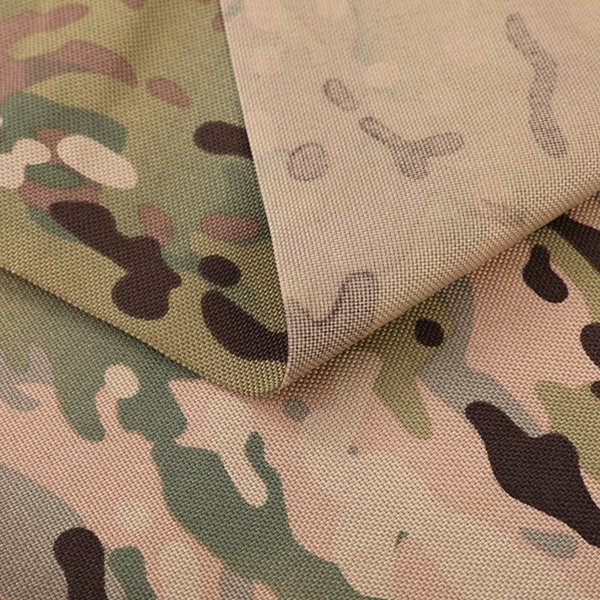
In recent years, Cordura fabric has become the go-to material for outdoor gear, tactical apparel, travel luggage, and even lifestyle products. Its reputation for toughness and durability is nearly unmatched in the textile world. Yet, as consumers demand comfort alongside strength, a critical question arises: Is Cordura breathable enough for apparel and gear used in varying climates?
Cordura is not naturally breathable because it’s a high-denier synthetic fabric designed for durability and abrasion resistance rather than airflow. However, specialized variants like Cordura Air and blends with cotton or performance liners improve breathability in jackets, boots, and tactical gear. Adding mesh panels, lighter weaves, or moisture-wicking layers helps manufacturers balance strength, comfort, and weather resistance in modern Cordura applications.
And here’s the twist: while hikers praise Cordura for rugged backpacks, soldiers and motorcyclists often debate its comfort in extreme heat. Let’s break down what Cordura is, how it works, and whether it’s the right choice for your next product line.
What Is Cordura and How Is It Made?
Cordura is a brand family of high-performance synthetic fabrics originally developed by DuPont and now owned by Invista. Made primarily from high-tenacity nylon 6,6 fibers, Cordura fabrics undergo special weaving, texturing, and finishing processes to achieve extreme abrasion resistance, tear strength, and durability. With multiple weights, deniers, and coatings, Cordura serves outdoor gear, tactical equipment, footwear, luggage, and workwear industries where long-lasting performance matters most.
Cordura isn’t a single fabric — it’s a family of engineered textiles customized for different end uses like military gear, outdoor apparel, backpacks, motorcycle jackets, and heavy-duty luggage. Here’s a step-by-step guide of what makes it special:
1. Raw Materials: Nylon 6,6 and Other Synthetic Blends
The base fiber for most Cordura fabrics is nylon 6,6, a polyamide polymer renowned for its high melting point (~265°C), tensile strength, and chemical resistance.
- High-tenacity nylon 6,6 has 50–100% higher tensile strength than standard nylon 6, making it ideal for ballistic vests and tactical packs.
- Some Cordura variants incorporate polyester, cotton blends, or Kevlar fibers for specific performance needs like UV resistance or flame retardancy.
This material foundation gives Cordura its strength-to-weight advantage over natural fabrics like cotton or canvas.
2. Yarn Production: Air-Jet Texturing for a Natural Look
Unlike smooth, shiny nylons used in parachutes or tents, Cordura undergoes air-jet texturing:
- High-pressure air tangles the nylon filaments, creating a matte, cotton-like surface with bulkier, irregular textures.
- This not only improves abrasion resistance but also provides a less synthetic appearance, helping Cordura products look more “natural” despite their technical origins.
The textured yarn also holds dyes better, allowing deeper, more uniform colors in final fabrics.
3. Weaving Processes: Densities, Patterns, and Deniers
Cordura fabrics come in different denier weights — the measure of fiber thickness:
| Fabric Type | Denier (D) | Typical Applications |
|---|---|---|
| Cordura 330D–500D | 330–500D | Jackets, daypacks, motorcycle apparel |
| Cordura 700D–1000D | 700–1000D | Military rucksacks, tactical gear, luggage |
| Cordura Ballistic | 1050D–1680D | Body armor covers, industrial gear |
Weaving patterns include:
- Plain weave: Balanced strength, common in backpacks.
- Ripstop weave: Reinforced with grid threads to resist tearing.
- Basket weave: Adds bulk and texture for tactical aesthetics.
Tighter weaves increase abrasion resistance but reduce breathability, explaining why lighter Cordura versions like Lite or AFT exist for warm-weather gear.
4. Dyeing & Finishing Treatments
After weaving, fabrics undergo solution dyeing or piece dyeing:
- Solution dyeing: Pigments added during fiber extrusion = colorfast, UV-resistant fabrics.
- Piece dyeing: Applied after weaving for custom colors but slightly less UV resistance.
Protective coatings follow, depending on application:
- Polyurethane (PU) or PVC coatings for waterproofing.
- Durable Water Repellent (DWR) finishes for outdoor gear.
- Fire-retardant or antimicrobial treatments for military or medical uses.
5. Performance Testing & Quality Control
Before Cordura fabrics reach manufacturers, they undergo ISO and ASTM-standard tests for:
- Abrasion resistance: Martindale or Taber tests; Cordura often exceeds 50,000+ rub cycles.
- Tear strength: Measured in Newtons; high-denier Cordura withstands >20x the force of cotton canvas.
- Hydrostatic head tests: Check waterproofness in mmH₂O.
6. Fabric Variants for Market Segments
Modern Cordura fabrics include specialized lines:
- Cordura Lite/Lite Plus: Lightweight packs & apparel.
- Cordura ECO: Made from 100% recycled nylon or polyester.
- Cordura AFT (Air Flow Technology): Enhanced breathability for shoes/jackets.
- Cordura Combat Wool: Nylon-wool hybrid for lifestyle apparel.
Is Cordura Breathable or Not?
Cordura itself is not naturally breathable because it’s made from tightly woven high-tenacity nylon fibers designed for strength, abrasion resistance, and water repellency, not airflow. However, modern Cordura variants such as Cordura Lite, Cordura AFT (Air Flow Technology), and hybrid cotton blends improve breathability in jackets, boots, and tactical gear. Manufacturers also add mesh panels, ventilation zones, or moisture-wicking liners to balance durability with wearer comfort.
Why Cordura Has Low Natural Breathability
Cordura fabrics prioritize tensile strength and abrasion resistance, using dense weaves and polyurethane coatings to withstand rough outdoor conditions. While this makes them ideal for backpacks, luggage, and military gear, it limits airflow through the material. In comparison, natural fibers like cotton or lightweight synthetics such as polyester allow more ventilation but lack Cordura’s durability. As a result, Cordura’s default construction sacrifices breathability for weather protection and long service life.
Modern Variants Designed for Airflow
To address this issue, fabric engineers developed Cordura Lite and Cordura AFT (Air Flow Technology), which use lighter denier yarns, looser weaves, or perforated constructions to allow more air circulation without significantly compromising strength. These fabrics appear in hiking apparel, motorcycle jackets, and tactical boots, where breathability is essential. By optimizing weave density, fiber diameter, and finishing treatments, these new-generation fabrics achieve a balance between comfort and ruggedness.
Design Solutions for Comfort
Even when standard Cordura fabrics are used, designers often integrate mesh panels, pit zips, or moisture-wicking inner liners into the final product. For example, a backpack might have a Cordura shell for durability but a 3D spacer mesh back panel for airflow against the wearer’s body. Similarly, Cordura jackets may combine breathable underarm panels with reinforced shoulders and elbows. These hybrid designs make Cordura gear practical across hot, humid, or active environments.
Practical Implications for Manufacturers
For OEM/ODM manufacturers, choosing the right Cordura variant depends on end-user needs. Military rucksacks may prioritize strength and water resistance over ventilation, while hiking jackets require lighter fabrics with airflow zones. By selecting denier weight, coatings, and hybrid constructions carefully, manufacturers can meet market-specific demands for breathability without losing Cordura’s performance edge in durability.
How Does Cordura Perform for Comfort and Weather Protection?
Cordura is water-resistant, windproof, and extremely abrasion-resistant, making it ideal for outdoor, military, and motorcycle gear. However, breathability depends on fabric weight, coatings, and product design rather than Cordura alone.
Weather Resistance vs Breathability Trade-Off
Many people confuse Cordura with Gore-Tex, but they’re different:
- Gore-Tex uses a microporous membrane allowing vapor escape while blocking water entry—ideal for rainwear.
- Cordura is primarily a shell fabric; adding waterproof membranes or PU coatings improves weather protection but reduces breathability.
Waterproofing & Windproofing: Heavier Cordura fabrics with PU coatings withstand 1,000mm+ hydrostatic head tests, enough for backpacks and motorcycle gear. But coatings also block air exchange, trapping heat.
Comfort Solutions Include:
- Using Cordura Lite for warm-weather gear.
- Adding mesh ventilation zones in jackets.
- Pairing Cordura shells with breathable inner liners like Coolmax or Spacer Mesh.
Which Applications Benefit Most from Cordura Fabrics?
Cordura dominates in backpacks, tactical gear, motorcycle apparel, military boots, and outdoor luggage where durability outweighs breathability concerns. For apparel, designers use lighter Cordura weaves or hybrid fabrics for comfort.
Product-Specific Insights
- Backpacks & Luggage: Breathability isn’t critical; water resistance and tear strength matter more.
- Outdoor Jackets: Need lighter deniers (210–500D) plus ventilation panels for hiking comfort.
- Military & Tactical Gear: Use 1000D Cordura shells with inner cooling fabrics for hot climates.
- Footwear & Gloves: Often integrate Cordura AFT or mesh sections for breathability.
| Product Type | Recommended Cordura Variant | Key Performance Needs |
|---|---|---|
| Backpacks & Luggage | 500D–1000D Nylon | Abrasion, water resistance |
| Jackets & Vests | 210D–500D Lite/AFT | Breathability, moderate strength |
| Military Gear | 1000D + moisture-wicking liner | Heat resistance, durability |
| Footwear & Gloves | Cordura Air Flow / Mesh Mix | Ventilation + toughness |
How to Choose the Right Cordura Fabric for Your Needs
Choose heavier Cordura (500D–1000D) for backpacks or tactical gear needing maximum durability. For apparel or hot climates, pick Cordura Lite, AFT, or cotton blends with ventilation features.
Start with End-Use Requirements
Before selecting any Cordura fabric, clearly define what the product will be used for. Backpacks, tactical gear, and motorcycle jackets often need high-denier (500D–1000D) Cordura for maximum abrasion resistance, while hiking apparel or lightweight travel bags benefit from Cordura Lite or Air Flow Technology (AFT) versions for better breathability and comfort. Matching denier weight, weave type, and coatings to the intended application prevents over-engineering products or adding unnecessary costs.
Balance Durability with Comfort
Cordura’s tensile strength and weather protection improve as fabric weight and coating layers increase, but this often reduces flexibility and airflow. For hot climates or active sports gear, consider Cordura-cotton blends or lighter deniers (210D–330D) to ensure comfort without sacrificing too much durability. Some brands even use hybrid designs—reinforced Cordura panels only on high-wear zones like knees, shoulders, or backpack bases—while keeping the rest of the product lighter and more breathable.
Factor in Weatherproofing and Special Treatments
If waterproofing or UV resistance is a priority, opt for Cordura fabrics with polyurethane (PU) coatings, DWR (Durable Water Repellent) finishes, or laminated membranes. These treatments significantly improve weather protection, but they can also affect breathability and cost. Manufacturers often solve this by adding ventilation panels, moisture-wicking liners, or mesh back panels to maintain user comfort even when using heavy-duty waterproof Cordura variants.
Conclusion
As the demand for durable, high-performance, and weather-ready fabrics grows across outdoor gear, tactical equipment, travel bags, and apparel, choosing the right Cordura fabric variant has never been more important. With so many denier weights, coatings, and hybrid constructions available, brands need a partner who can navigate material science, product design, and large-scale production efficiently.
Whether you need 500D Cordura for hiking backpacks, 1000D ballistic Cordura for tactical gear, or lightweight Cordura AFT for activewear, Szoneier helps you design backpacks, apparel, and tactical gear using Cordura tailored to your needs.
manufacturer Categories
- Custom Tote Bags Manufacturer
- custom backpacks Manufacturer
- custom travel bags& Duffle bags manufacturer
- custom makeup bags & toiletry bags manufacturer
- custom cooler bags manufacturer
- custom drawstring bags manufacturer
- custom makeup bags & toiletry bags manufacturer
- custom golf bags manufacturer
- custom fireproof bags manufacturer
- custom dry bags manufacturer
- custom ski bags manufacturer
- custom gym & sports bags manufacturer
- custom laptop bags manufacturer
- custom tactical bags manufacturer
- custom beach bags manufacturer
- custom medical bags manufacturer
- custom camera bags manufacturer
- custom wetsuits manufacturer
- custom leather goods manufacturer
- more personalized products
Can't find the answers?
No worries, please contact us and we will answer all the questions you have during the whole process of bag customization.
Make A Sample First?
If you have your own artwork, logo design files, or just an idea,please provide details about your project requirements, including preferred fabric, color, and customization options,we’re excited to assist you in bringing your bespoke bag designs to life through our sample production process.
