 Skip to content
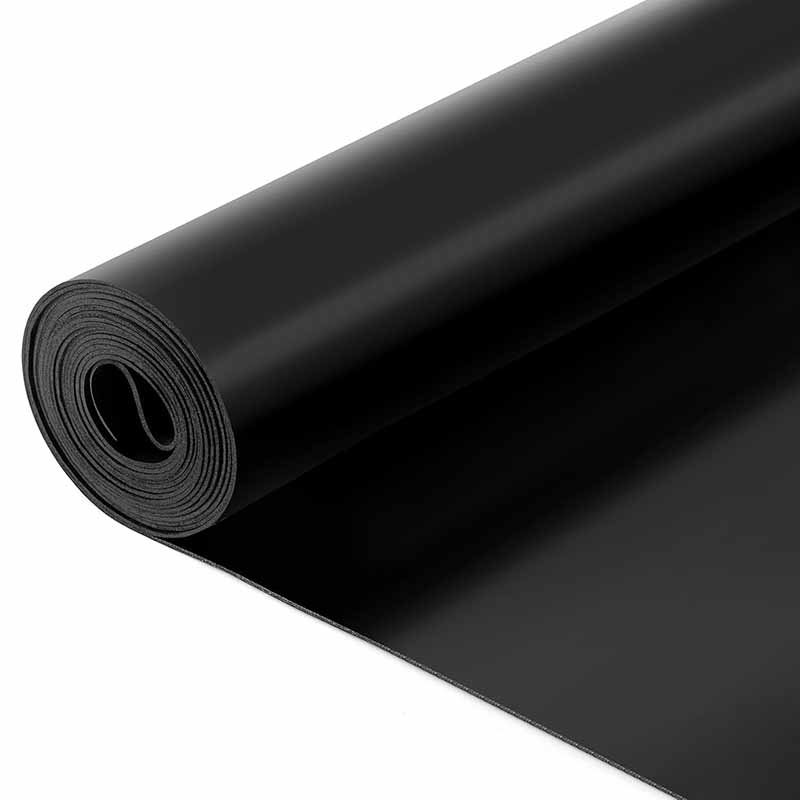
Neoprene bags have quietly become one of the most popular bag categories across gyms, beaches, offices, and travel scenarios—but one question keeps coming up again and again: are neoprene bags actually waterproof, or do they just look like they are?
At first glance, neoprene feels thick, smooth, and rubber-like. Many people associate it with wetsuits, diving gear, and professional water sports—so it’s easy to assume that any bag made from neoprene must be fully waterproof. But in real-world usage, the answer is more nuanced. Some neoprene bags handle rain and splashes extremely well, while others may allow moisture through seams, zippers, or stitched areas.
This matters not only to everyday users carrying laptops or gym clothes, but also to brands and buyers sourcing neoprene bags for retail, promotions, or private label programs. Choosing the wrong construction can lead to unhappy customers, returns, or even damaged products. Choosing the right one, however, can unlock a versatile, durable, and highly customizable bag solution.
Neoprene bags are water-resistant but not always 100% waterproof. Neoprene’s closed-cell structure naturally repels water, making it ideal for rain, splashes, and humid environments. However, full waterproof performance depends on design details such as seam sealing, zipper type, lining, and construction method. With proper engineering, neoprene bags can protect contents effectively in daily, travel, gym, and outdoor use.
Think of neoprene bags not as a simple “yes or no” waterproof product—but as a material system whose performance depends on how it’s designed, built, and used. Let’s break it down step by step.
What Are Neoprene Bags
Neoprene bags are bags made from neoprene, a closed-cell synthetic rubber originally developed for wetsuits. They are known for water resistance, flexibility, shock absorption, and durability. Neoprene bags are commonly used for gym, travel, beach, laptop protection, cooler storage, and everyday carry, offering a balance of functional performance and modern appearance.
What Is Neoprene Material and Why Is It Used for Bags?
Neoprene is a synthetic rubber foam material with a closed-cell structure, meaning it contains thousands of tiny air or gas bubbles sealed inside the material. This structure prevents water absorption and gives neoprene its characteristic thickness, elasticity, and cushioning feel.
Originally, neoprene was engineered for industrial and marine applications, most notably wetsuits, diving gear, and protective equipment. Over time, manufacturers recognized that the same properties that protect the human body in water—water resistance, insulation, and flexibility—also work extremely well for bags and accessories.
For bag manufacturing, neoprene offers several practical advantages:
- It does not easily absorb water like woven fabrics
- It maintains shape even after repeated use
- It cushions and protects contents from impact
- It remains flexible in both hot and cold environments
These characteristics make neoprene a functional alternative to nylon, polyester, canvas, or leather in many everyday scenarios.
What Types of Bags Are Commonly Made from Neoprene?
Neoprene is a highly versatile material that can be adapted to many bag categories. Today, neoprene bags are widely used across consumer, travel, fitness, and promotional markets.
Common neoprene bag types include:
- Neoprene tote bags for shopping and daily use
- Neoprene backpacks for commuting, travel, and gym
- Neoprene gym and duffel bags for sports and fitness
- Neoprene makeup and cosmetic bags
- Neoprene laptop sleeves and tech cases
- Neoprene cooler bags and lunch bags
- Neoprene drawstring and promotional bags
At a manufacturing level, neoprene is often laminated with polyester or nylon fabric on one or both sides. This allows for better printing, color customization, texture variation, and branding—while retaining neoprene’s core performance benefits.
What Makes Neoprene Bags Different from Other Fabric Bags?
Compared with traditional fabric bags, neoprene bags stand out because they combine material performance and user comfort.
Key differences include:
- Water resistance: Neoprene naturally repels moisture, unlike canvas or cotton
- Shock protection: The foam structure absorbs impact, ideal for electronics
- Soft structure: Neoprene bags feel comfortable against the body
- Durability: They resist cracking, peeling, and deformation
Unlike rigid waterproof materials such as PVC or TPU, neoprene does not feel stiff or plastic-like. This makes it especially popular for lifestyle products where both function and aesthetics matter.
Who Are Neoprene Bags Best Suited For?
Neoprene bags are designed for users who need reliable protection without sacrificing comfort or style. Typical users include:
- Gym-goers carrying clothing, shoes, and personal items
- Travelers needing splash-resistant, lightweight bags
- Office commuters protecting laptops and tablets
- Beach and pool users needing moisture-tolerant bags
- Brands looking for modern, functional promotional products
From a buyer’s perspective, neoprene bags work particularly well for mid- to high-value product lines, private label programs, and customized OEM collections where performance is a selling point.
Are Neoprene Bags Waterproof
Neoprene bags are water-resistant, not always 100% waterproof. Neoprene material naturally repels water due to its closed-cell structure, making it effective against rain, splashes, and moisture. However, full waterproof performance depends on construction details such as seam sealing, zipper type, and overall bag design. Most neoprene bags are designed for everyday wet conditions rather than full submersion.
Is Neoprene 100% Waterproof or Just Water-Resistant?
This is the most common—and most misunderstood—question buyers ask.
Neoprene as a material is highly water-resistant, but a finished neoprene bag is rarely 100% waterproof unless it is specifically engineered to be so. The reason is simple: a bag is not made of material alone. It includes seams, stitching, zippers, openings, and linings—each of which can become a water entry point.
In most consumer and commercial applications, neoprene bags are designed to:
- Repel rain and splashes
- Resist moisture penetration for short periods
- Protect contents in daily and travel use
They are not intended for underwater use unless built with sealed seams and waterproof closures. This distinction is critical for both end users and brands, as over-promising “waterproof” performance often leads to customer dissatisfaction.
Can Neoprene Bags Get Wet Without Being Damaged?
Yes—and this is one of neoprene’s biggest advantages.
Neoprene bags can safely get wet without losing shape, strength, or appearance. Unlike leather, canvas, or untreated fabrics, neoprene does not absorb water into fibers, swell, or stiffen after drying. Even after repeated exposure to moisture, the material maintains flexibility and durability.
This makes neoprene bags especially suitable for:
- Gym and locker room environments
- Beach and poolside use
- Rainy or humid climates
- Travel scenarios where bags may be placed on wet surfaces
From a durability standpoint, getting wet does not harm neoprene bags—the main concern is whether water reaches the contents inside, which depends on construction quality.
Why Construction Matters More Than the Material Alone
Two neoprene bags can use the same material and perform very differently in wet conditions. The difference lies in how the bag is built.
Key construction factors that affect waterproof performance include:
- Stitch density and thread type
- Whether seams are sealed or left open
- Zipper style (standard vs water-resistant)
- Number of panel joints and openings
A well-designed neoprene bag with reinforced seams and quality zippers can keep contents dry in heavy rain, while a poorly constructed one may leak in light drizzle. This is why professional buyers focus on engineering details, not just material descriptions.
Are All Neoprene Bags Waterproof by Default?
No. Neoprene bags should never be assumed waterproof by default.
Most neoprene bags on the market are intentionally designed as water-resistant lifestyle bags, not technical waterproof gear. This design choice balances performance, comfort, cost, and aesthetics. For everyday users, this level of protection is usually more than sufficient.
For brands and OEM buyers, it is important to clearly define:
- Expected exposure level (rain, splash, humidity)
- Use environment (gym, commute, travel, outdoor)
- Customer expectations around waterproof claims
When Can Neoprene Bags Be Considered “Waterproof”?
Neoprene bags can approach waterproof performance only when additional engineering is applied, such as:
- Sealed or taped seams
- Waterproof or coated zippers
- Reduced seam count
- Inner waterproof linings
These designs are typically used for specialized neoprene bags, such as dry-style pouches or outdoor gear accessories. They cost more to produce but deliver higher protection when required.
For most commercial and retail uses, however, high-quality water resistance is the optimal balance between function and usability.
How Does Neoprene’s Water Protection Work
Neoprene’s water protection works through its closed-cell foam structure, which prevents water absorption and slows penetration. The material naturally repels moisture, while overall water resistance is determined by construction details such as seams, stitching, zippers, coatings, and lamination layers. Together, these elements define how effectively a neoprene bag resists rain, splashes, and humidity.
How Does Closed-Cell Neoprene Prevent Water Absorption?
Neoprene is classified as a closed-cell synthetic rubber foam, meaning each microscopic cell is sealed and filled with gas rather than connected fibers. This structure is fundamentally different from woven textiles like nylon or canvas, where water can travel between fibers.
Because the cells are sealed:
- Water cannot easily penetrate the material
- Moisture stays on the surface instead of soaking in
- The material retains its shape and flexibility even when wet
This is the same reason neoprene is used in wetsuits—it insulates and protects even in direct contact with water. For bags, this means the material itself acts as a moisture barrier, reducing the risk of water reaching the contents.
How Does Surface Tension and Material Density Repel Water?
Neoprene has a naturally smooth and dense surface, which creates surface tension when exposed to water. Instead of absorbing moisture, water droplets tend to bead and roll off, especially on laminated or coated neoprene.
Higher-density neoprene (often used in 4–6mm thickness):
- Slows water penetration even further
- Provides better structural support
- Offers improved resistance in prolonged wet conditions
This explains why thicker neoprene is commonly used in cooler bags, backpacks, and travel bags where higher moisture exposure is expected.
How Do Seams and Stitching Influence Water Protection?
While neoprene material resists water, stitching introduces potential entry points. Each needle hole creates a tiny channel where water can pass through under pressure or prolonged exposure.
Key seam-related factors include:
- Stitch density (tighter stitches reduce leakage)
- Thread material (polyester threads resist moisture better)
- Seam placement (fewer seams = less risk)
In most lifestyle neoprene bags, seams are stitched rather than sealed. This is sufficient for rain and splashes but not for immersion. For higher water resistance, seam reinforcement or taping may be applied during manufacturing.
How Do Zippers and Openings Affect Waterproof Performance?
Zippers are one of the weakest points in any water-resistant bag. Standard coil zippers allow water to pass through gaps between teeth.
To improve protection, manufacturers may use:
- Water-resistant coated zippers
- Reverse coil zippers with tighter closure
- Zipper garages or flaps to block direct water entry
The choice of zipper significantly affects cost and performance, which is why professional manufacturers match zipper type to the bag’s intended use scenario.
How Do Lamination and Coatings Enhance Water Resistance?
In most commercial neoprene bags, the neoprene core is laminated with outer fabrics such as polyester or nylon. These layers can be treated with water-repellent coatings (e.g., DWR) to further improve surface performance.
Benefits of lamination include:
- Faster water runoff
- Improved abrasion resistance
- Better print and branding quality
- Additional moisture barrier protection
This layered structure allows neoprene bags to achieve both functional water resistance and modern aesthetics, making them suitable for retail and private label markets.
How Does Bag Design Determine Real-World Water Protection?
Ultimately, water protection is not determined by one feature alone. It is the combined result of:
- Neoprene thickness
- Seam count and placement
- Zipper and opening design
- Lining and internal structure
For example, a compact neoprene pouch with minimal seams can outperform a larger bag with multiple stitched panels, even if both use the same material.
Which Neoprene Bags Are Best for Water Protection
Neoprene bags with enclosed structures, fewer seams, reinforced stitching, and water-resistant zippers offer the best water protection. Backpacks, cooler bags, zippered totes, and compact neoprene pouches generally perform better than open-top or drawstring styles. Water resistance depends more on bag design and construction than on neoprene material alone.
Which Neoprene Bag Styles Offer the Highest Water Resistance?
Not all neoprene bags protect against water equally. Based on structure and real-world use, certain bag styles consistently outperform others in wet conditions.
The best-performing neoprene bag styles for water protection include:
- Neoprene backpacks Fully enclosed shape, controlled openings, and reinforced panels make backpacks one of the most water-resistant neoprene formats.
- Neoprene cooler bags Thicker neoprene, insulated lining, and structured construction help block external moisture.
- Zippered neoprene tote bags Zippers significantly reduce top-entry water compared to open totes.
- Compact neoprene pouches & sleeves Minimal seams and tight structure offer excellent splash protection.
In contrast, drawstring bags, open totes, or wide-mouth designs allow water to enter easily, regardless of material quality.
Why Do Enclosed Designs Perform Better in Wet Conditions?
Water almost always enters a bag from openings and seams, not through the neoprene itself. Enclosed designs reduce these entry points.
Enclosed neoprene bags typically feature:
- Limited access points
- Smaller zipper openings
- Better weight distribution that prevents sagging
This structural stability helps maintain consistent seam tension, reducing the chance of water being forced through stitching during rain or movement.
For buyers, this means structure matters as much as material when evaluating water resistance.
Which Construction Features Improve Water Protection the Most?
Beyond bag shape, specific construction details significantly affect performance:
- Water-resistant or coated zippers Reduce leakage compared to standard coil zippers.
- Reinforced bottom panels Protect against ground moisture when bags are placed on wet surfaces.
- Reduced seam count Fewer stitched joints mean fewer potential leak paths.
- Tight stitch density with moisture-resistant thread Slows water penetration during prolonged exposure.
At Szoneier, these features are selectively applied based on use case—gym, travel, beach, or outdoor—to avoid unnecessary cost while maximizing performance.
Is a Neoprene Backpack Waterproof Enough for Daily Use?
This is one of the highest-frequency buyer questions, and the practical answer is yes—for daily environments.
A well-designed neoprene backpack is generally:
- Rain-resistant
- Splash-resistant
- Suitable for commuting, travel, and gym use
It can reliably protect laptops, documents, and clothing during normal weather conditions. However, it should not be marketed as fully waterproof unless seam sealing and waterproof zippers are applied.
For most brands and consumers, neoprene backpacks offer the best balance between protection, comfort, and aesthetics.
How Does Bag Size Affect Water Protection?
Smaller neoprene bags often outperform larger ones in water resistance. The reasons are structural:
- Fewer seams
- Less panel stress
- Shorter zipper lengths
A compact neoprene sleeve or pouch may keep contents dry more effectively than a large duffel-style bag made from the same material.
This is why neoprene is especially popular for laptop sleeves, cosmetic bags, and tech organizers.
How Should Buyers Choose the Right Neoprene Bag for Their Use Case?
The “best” neoprene bag depends on how it will be used, not just material preference.
| Use Scenario | Recommended Neoprene Bag Type |
|---|---|
| Daily commute | Neoprene backpack |
| Gym & locker room | Zippered gym bag |
| Beach & poolside | Zippered tote or cooler bag |
| Electronics protection | Neoprene sleeve or pouch |
| Travel & carry-on | Structured neoprene duffel |
Professional manufacturers evaluate these scenarios first, then design the bag accordingly.
How to Use Neoprene Bags in Wet Conditions
Neoprene bags can be safely used in wet conditions such as rain, humidity, gyms, and near water environments. To maximize protection, users should keep zippers closed, avoid full submersion, limit prolonged exposure to heavy rain, and dry the bag properly after use. Proper usage helps maintain water resistance and extends product lifespan.
How Do Neoprene Bags Perform in Rain and Daily Wet Weather?
In everyday weather conditions, neoprene bags perform exceptionally well. Light to moderate rain, splashes from puddles, or accidental spills rarely penetrate the neoprene material itself. Water typically beads on the surface and runs off, especially on laminated neoprene.
For daily commuting:
- Neoprene backpacks protect laptops and documents during rain
- Neoprene totes resist moisture when walking or cycling
- Neoprene gym bags handle damp clothing and environments well
However, during prolonged heavy rain, water may slowly enter through seams or zippers. This is why neoprene bags are best described as weather-resistant daily carry solutions, not technical rain gear.
How Should Neoprene Bags Be Used Near Water (Beach, Pool, Boat)?
Neoprene bags are ideal for near-water environments, but usage expectations should be realistic.
They work well for:
- Poolside use
- Beach walks
- Carrying towels, sunscreen, clothing
- Short exposure to splashes
They are not recommended for full submersion unless designed as waterproof dry bags. Saltwater and sand should be rinsed off after use to prevent zipper wear and surface residue.
For beach and resort markets, many brands choose zippered neoprene totes or cooler bags to reduce top-entry water exposure.
How to Use Neoprene Bags in Gyms and Locker Rooms
Gyms and locker rooms are some of the most suitable environments for neoprene bags.
Why?
- Neoprene resists moisture and odor absorption
- Wet floors do not damage the material
- Damp clothing does not soak through easily
Best practices include:
- Separating wet clothes with internal pouches
- Leaving zippers slightly open after use to air-dry
- Avoiding sealed storage of wet items for long periods
This is why neoprene gym bags are especially popular in fitness and athleisure markets.
How to Protect Contents Better in Wet Conditions
To further protect items inside neoprene bags:
- Place electronics in internal sleeves or pouches
- Use zippered inner compartments
- Avoid overloading the bag, which stresses seams
- Position sensitive items away from zipper lines
From a design standpoint, brands often request inner linings or waterproof compartments when targeting travel or tech users.
How Should Neoprene Bags Be Dried After Getting Wet?
Proper drying is essential to maintain long-term performance.
Recommended steps:
- Empty the bag completely
- Wipe excess water from the surface
- Air-dry in a shaded, ventilated area
- Avoid direct heat or prolonged sun exposure
Neoprene dries faster than most fabrics, but improper drying (e.g., heaters or dryers) can damage laminations or adhesives.
What Common Mistakes Reduce Water Protection Performance?
Many user complaints stem from misuse rather than material failure. Common mistakes include:
- Leaving zippers partially open in rain
- Assuming all neoprene bags are fully waterproof
- Storing wet items for extended periods
- Using neoprene bags as dry bags without proper sealing
Clear usage guidance from brands helps reduce returns and increases customer satisfaction.
Do Neoprene Bags Keep Your Items Dry
Neoprene bags keep items dry in everyday wet conditions such as rain, splashes, and humid environments. They effectively protect clothing, cosmetics, and electronics when properly designed and used. However, neoprene bags are not fully waterproof unless sealed, so prolonged exposure to heavy rain or submersion may allow water to enter through seams or zippers.
Do Neoprene Bags Protect Electronics Like Laptops and Tablets?
Yes—this is one of the strongest use cases for neoprene bags.
Neoprene offers a combination of water resistance and shock absorption, which is why it is widely used for laptop sleeves, tablet cases, and tech organizers. In light rain or accidental spills, neoprene bags can effectively prevent moisture from reaching electronics, especially when the bag has:
- A zippered closure
- Internal padding or lining
- A snug, form-fitting structure
That said, electronics should not be placed directly against zipper seams or openings. For added safety, many brands design neoprene backpacks with dedicated internal laptop compartments, reducing exposure to potential moisture entry points.
Do Neoprene Bags Keep Clothes and Personal Items Dry?
For clothing, shoes, towels, and personal items, neoprene bags perform extremely well.
Because neoprene does not absorb water into fibers, moisture from the outside rarely transfers to the inside in normal use. This makes neoprene bags ideal for:
- Gym clothes
- Swimwear
- Travel clothing
- Daily carry items
In locker rooms or damp environments, neoprene bags prevent external moisture from soaking through and also contain internal dampness better than woven fabric bags.
Do Neoprene Bags Protect Documents and Paper Items?
Paper items such as documents, notebooks, or passports are more sensitive to moisture, but neoprene bags still offer reliable protection in everyday conditions.
In light rain or brief exposure:
- Documents remain dry
- Paper does not warp or wrinkle
- Envelopes stay intact
However, in prolonged heavy rain or if water pools around seams, moisture may eventually seep in. For users who regularly carry paper documents, adding a zippered inner pouch or plastic sleeve is a recommended precaution.
How Well Do Neoprene Bags Perform in Heavy Rain?
In heavy rain, neoprene bags perform better than most fabric bags, but they are not invincible.
What neoprene bags can handle well:
- Short exposure to heavy rain
- Walking or commuting in storms
- Water splashes from vehicles or crowds
What they are not designed for:
- Long periods in pouring rain
- Sitting in pooled water
- Complete submersion
The main limitation is water entry through seams and zippers, not through the neoprene material itself.
Does Neoprene Thickness Affect How Dry Items Stay?
Neoprene thickness influences insulation and cushioning, but it is not the sole factor in keeping items dry.
- Thicker neoprene (4–6mm) provides better structure and slower moisture penetration
- Thinner neoprene (2–3mm) is lighter and still water-resistant
In practice, construction quality matters more than thickness. A well-designed 3mm neoprene bag with quality zippers can outperform a poorly constructed 5mm bag.
When Will Neoprene Bags Not Keep Items Dry?
Understanding limitations helps set correct expectations. Neoprene bags may fail to keep items dry when:
- Zippers are left open
- Seams are overstressed by overloading
- Bags are submerged in water
- Exposure to rain is prolonged and extreme
These situations require fully waterproof bags, not standard neoprene designs.
Why Choose Neoprene Bags for Custom OEM/ODM
Neoprene bags are ideal for custom OEM/ODM because they combine water resistance, durability, comfort, and design flexibility. Neoprene supports low MOQs, fast sampling, multiple branding methods, and versatile applications across gym, travel, tech, and lifestyle markets. For brands, neoprene reduces development risk while delivering consistent performance and premium perception.
Why Is Neoprene a Low-Risk Material for Custom Bag Development?
From an OEM/ODM perspective, neoprene is considered a low-risk, high-stability material.
Unlike natural materials or heavily woven fabrics, neoprene:
- Has consistent physical properties across batches
- Is not affected by humidity or seasonal changes
- Does not shrink, warp, or crack easily
- Performs predictably in water-resistant applications
This stability makes neoprene especially attractive for brands launching new product lines or testing markets, because it reduces unexpected quality issues during mass production.
For buyers, fewer material variables mean faster approvals and smoother scaling.
Why Does Neoprene Support Flexible Design and Customization?
Neoprene is one of the most OEM-friendly materials in bag manufacturing.
It supports:
- Multiple thickness options (commonly 2mm–6mm)
- Laminated outer fabrics (polyester, nylon, recycled layers)
- Complex shapes with clean edges
- Structured or soft constructions
From a design standpoint, this allows brands to customize:
- Bag shape and volume
- Cushioning level
- Surface texture and appearance
At Szoneier, neoprene bags can be engineered differently for gym, travel, tech, or promotional markets—without changing the core material system.
Why Is Neoprene Ideal for Logos, Branding, and Private Label?
Branding flexibility is one of neoprene’s strongest OEM advantages.
Neoprene bags support:
- Heat transfer and silicone printing
- Silk screen printing
- Embossed or debossed logos
- Sublimation printing (with laminated layers)
Because neoprene surfaces remain smooth and stable, logos maintain clarity over time, even with frequent use. This makes neoprene particularly suitable for private label programs, corporate gifts, and branded retail products.
Why Does Neoprene Work Across So Many Product Categories?
Few materials are as cross-market adaptable as neoprene.
Neoprene bags are widely used in:
- Gym & fitness accessories
- Travel and commuting bags
- Laptop sleeves and tech cases
- Cooler bags and lunch totes
- Promotional and lifestyle products
For brands, this means neoprene enables product line expansion without sourcing entirely new materials. A single neoprene supply chain can support multiple SKUs with different designs and branding.
Why Is Neoprene Well-Suited for Low MOQ and Fast Sampling?
Compared to rigid waterproof materials like TPU or PVC, neoprene is easier to cut, stitch, and prototype.
This allows manufacturers like Szoneier to offer:
- Low minimum order quantities
- Rapid sample development
- Faster design revisions
For small to mid-sized buyers and emerging brands, this flexibility is critical. It allows them to validate designs, test markets, and control risk before scaling up.
Why Do Global Brands Choose Neoprene Over Fully Waterproof Materials?
While fully waterproof materials exist, many brands still prefer neoprene because it offers a better balance between performance and user experience.
Compared with TPU or PVC:
- Neoprene feels softer and more premium
- It is more comfortable to carry and wear
- It avoids the stiff, plastic-like feel
- It still provides sufficient water resistance for real-world use
For most consumers, neoprene delivers the right level of protection without sacrificing comfort or aesthetics.
How Does Szoneier Add Value to Neoprene OEM/ODM Projects?
Material choice alone is not enough—execution matters.
With over 18 years of experience, Szoneier provides:
- Engineering-based neoprene bag design
- Free design and technical consultation
- Low MOQ customization
- Fast sampling and short lead times
- 100% quality inspection before shipment
Rather than offering generic neoprene bags, Szoneier works with buyers to define the exact performance level, ensuring the final product matches market expectations.
Conclusion
If you are evaluating neoprene bags for your brand, retail program, or promotional campaign, the real question is not simply “are neoprene bags waterproof?”—it is whether the bags are engineered, tested, and produced to match your exact use scenario, quality expectation, and target market. With over 18 years of hands-on experience in bag R&D, material sourcing, and large-scale manufacturing, Szoneier works closely with international brands, Amazon sellers, and mid-sized buyers to turn ideas into market-ready neoprene bags—from gym totes and backpacks to cooler bags, tech sleeves, and travel accessories. Our team will respond with practical recommendations, clear specifications, and a transparent quotation—no guesswork, no overpromising. Contact Szoneier today to start your custom neoprene bag project and work with a factory that understands both product performance and brand success.
manufacturer Categories
- Custom Tote Bags Manufacturer
- custom backpacks Manufacturer
- custom travel bags& Duffle bags manufacturer
- custom makeup bags & toiletry bags manufacturer
- custom cooler bags manufacturer
- custom drawstring bags manufacturer
- custom makeup bags & toiletry bags manufacturer
- custom golf bags manufacturer
- custom fireproof bags manufacturer
- custom dry bags manufacturer
- custom ski bags manufacturer
- custom gym & sports bags manufacturer
- custom laptop bags manufacturer
- custom tactical bags manufacturer
- custom beach bags manufacturer
- custom medical bags manufacturer
- custom camera bags manufacturer
- custom wetsuits manufacturer
- custom leather goods manufacturer
- more personalized products
Can't find the answers?
No worries, please contact us and we will answer all the questions you have during the whole process of bag customization.
Make A Sample First?
If you have your own artwork, logo design files, or just an idea,please provide details about your project requirements, including preferred fabric, color, and customization options,we’re excited to assist you in bringing your bespoke bag designs to life through our sample production process.
