Skip to content

600D polyester fabric is one of the most widely used materials in modern bag and gear manufacturing, but many product teams still treat it as a simple line item on a quotation sheet. That is where many sourcing mistakes begin. A fabric marked “600D polyester” can become a strong tool bag, a clean promotional tote, a soft cooler bag, a pet carrier, a medical organizer, or a low-cost pouch. The name may stay the same, but the performance can change completely depending on yarn quality, weave density, coating, dye control, finishing, cutting method, stitching design, and final product testing.
600D polyester fabric is a woven synthetic fabric made from 600-denier polyester yarn. It is commonly used because it offers a practical balance of durability, weight, cost, structure, coating compatibility, and visual appearance. In most custom product projects, it works well for bags, cases, covers, organizers, outdoor gear, and private label items that need strength without becoming too heavy or expensive.
The material is popular because it sits in a useful middle zone. It feels stronger than thin promotional fabrics, but it is easier to process than heavier industrial fabrics. That is why factories use it so often. But here is the detail many people miss: the fabric alone does not decide product quality. A good 600D fabric can fail if the coating is weak, the seam is poorly designed, or the handle stress point is not reinforced. A cheaper 600D can also look fine in a photo but crack, peel, fade, or tear after real use. This article breaks down how 600D polyester fabric is made, how to judge it, and how to select it for custom products that customers will actually trust.
What Is 600D Polyester Fabric?
600D polyester fabric is a medium-to-heavy woven material made from polyester yarn with a 600-denier specification. It is used in products that need structure, abrasion resistance, printability, and controlled cost. Its final performance depends on yarn quality, weaving density, coating type, fabric weight, finishing, and product construction.
600D Polyester Fabric Meaning
The “600D” in 600D polyester fabric refers to denier, which measures yarn thickness by weight. More specifically, denier means the weight in grams of 9,000 meters of yarn. In simple terms, a higher denier usually means a thicker yarn. So 600D polyester uses thicker yarn than 210D or 300D polyester, but it is lighter and more flexible than 900D, 1000D, or 1680D fabric.
This is why 600D is often selected for commercial products that need a firm, reliable hand feel without becoming too bulky. It gives a bag enough body to stand better, hold shape more clearly, and resist daily wear better than many lighter fabrics. At the same time, it can still be folded, cut, stitched, printed, coated, laminated, and packed efficiently.
However, denier is only one part of the material story. Two rolls of 600D polyester fabric can perform differently if one uses better yarn, tighter weaving, stronger coating, and more stable dyeing. When a client only asks for “600D polyester” without defining coating, fabric weight, color fastness, backing, or usage, the final quotation may look attractive but the product risk becomes higher.
A professional specification should include more than the name of the fabric. For example, a stronger fabric request may include 600D polyester Oxford, PU backing, 58/60 inch width, 230–260 gsm weight range, color matched to Pantone, water resistance requirement, abrasion target, and application details. This gives the factory enough information to build the right product instead of guessing.
| Term | Practical Meaning | Why It Matters |
|---|---|---|
| 600D | Yarn thickness level | Affects strength, weight, and hand feel |
| Polyester | Synthetic fiber type | Affects durability, drying speed, and cost |
| Oxford | Common weave structure | Affects texture, tear strength, and coating stability |
| GSM | Fabric weight per square meter | Helps compare real material thickness |
| PU / PVC | Back coating options | Affects water resistance, body, flexibility, and price |
| Color Fastness | Resistance to fading or rubbing | Important for retail appearance and long-term use |
600D Polyester Fabric Strength
600D polyester fabric is strong enough for many daily-use and commercial products. It can handle moderate abrasion, repeated handling, folding, packing, and regular outdoor exposure when the right coating and construction are used. This makes it a practical option for backpacks, duffel bags, tool bags, cooler bags, pet bags, storage cases, sports gear, and protective covers.
The real strength of 600D polyester fabric comes from several layers of performance. The yarn provides the basic fiber strength. The weave controls how well the fabric resists tearing. The coating supports water resistance and body. The sewing method controls seam strength. Reinforcement decides whether stress points survive repeated use.
A common product failure is not caused by the center fabric panel. It happens near the handle, zipper end, corner, bottom seam, shoulder strap, or binding edge. This means a fabric can be strong in a roll test but still fail in a finished product if the design is weak. For example, a 600D tool bag carrying 8–12 kg of tools needs stronger webbing, wider seam allowance, bartack stitching, and reinforced bottom panels. A 600D cosmetic pouch does not need the same structure.
For custom manufacturing, strength should always be connected to product use. A product used once at a trade show has very different needs from a delivery bag used every day. A garden tool bag has different risks from a clean medical organizer. A beach cooler bag faces moisture, weight, and temperature changes. A laptop bag needs shape stability and inner protection.
When selecting 600D polyester fabric, clients should consider these questions:
What will the product carry?
Will the product be used indoors, outdoors, or both?
Will it need to stand upright?
Will customers fold it often?
Will the fabric touch sharp tools, metal parts, food packaging, sports equipment, or medical items?
Will the product be sold online, in retail stores, through distributors, or as corporate gifts?
Each answer changes the final material choice.
600D Polyester Fabric Uses
600D polyester fabric is popular because it can support many different product categories. It is not limited to one style or one market. With different coatings, linings, trims, and structure designs, it can be used for basic promotional items, mid-range retail products, and more technical custom gear.
For bag manufacturing, 600D polyester fabric is often used as the outer shell. It provides a clean surface for printing, embroidery patches, rubber logos, woven labels, heat transfer logos, or screen printing. It can also be laminated with foam, PE board, EVA, aluminum foil, PEVA lining, or non-woven backing to create different product functions.
For Szoneier’s custom production, 600D polyester can also be combined with neoprene. This is useful when a product needs both structure and cushioning. Neoprene gives stretch, softness, insulation, and shock absorption. 600D polyester gives abrasion resistance, shape control, and a stronger outer face. This combination works well for cooler bags, bottle holders, sports accessories, protective sleeves, medical support products, and outdoor gear.
The fabric also supports flexible design direction. A black 600D PVC coated fabric can look rugged and industrial. A soft pastel PU coated fabric can work for lifestyle bags. A printed 600D fabric can support school products, pet products, or branded merchandise. A laminated 600D fabric can make cooler bags and insulated delivery bags feel more professional.
| Product Category | Why 600D Polyester Fabric Works | Important Specification Points |
|---|---|---|
| Backpacks | Good balance of weight and durability | Coating, lining, zipper grade, strap reinforcement |
| Cooler Bags | Strong outer shell for insulation structure | Foam thickness, lining type, leak control |
| Tool Bags | Handles abrasion and rough handling | PVC backing, bottom reinforcement, bartack stitching |
| Pet Carriers | Stable body and printable surface | Ventilation mesh, zipper strength, cleaning surface |
| Medical Organizers | Clean structure and compartment support | Easy-wipe surface, color coding, inner dividers |
| Sports Gear Bags | Good for repeated carrying and packing | Strap strength, wet-item separation, ventilation |
| Promotional Bags | Cost-controlled with good appearance | Logo method, color consistency, packing efficiency |
| Outdoor Covers | Can resist light weather when coated | UV treatment, coating thickness, seam protection |
For commercial projects, 600D polyester fabric is often chosen not because it is the strongest possible material, but because it gives the right balance. A material that is too heavy may increase freight cost, reduce folding efficiency, and make the product uncomfortable. A material that is too light may reduce product value and service life. The strength of 600D is that it gives product teams enough room to build something practical, attractive, and scalable.
How Is 600D Polyester Fabric Made?
600D polyester fabric is made through yarn preparation, weaving, dyeing, finishing, coating, inspection, and roll packing. Each step affects the final product’s strength, appearance, water resistance, color stability, cutting accuracy, and sewing performance. Good manufacturing control helps reduce defects before the fabric reaches the cutting table.
600D Polyester Fabric Weaving
The manufacturing process starts with polyester yarn. Polyester is selected because it is strong, stable, quick-drying, and cost-efficient for mass production. The yarn must be consistent in thickness and tension. If the yarn quality is unstable, the finished fabric may show streaks, weak points, uneven texture, or poor coating absorption.
After yarn preparation, the fabric is woven on looms. Many 600D polyester fabrics used for bags are woven in an Oxford structure. Oxford fabric has a slightly basket-like texture that gives a strong and recognizable surface. It is suitable for coating and works well for products that need a firm but not overly stiff hand feel.
Weaving density is a key detail. A loose weave may reduce cost, but it can also reduce tear resistance, make coating uneven, and create more fraying during cutting. A tighter weave usually improves structure, but it may increase cost and change the hand feel. The correct choice depends on the product.
For example, a simple drawstring-style product may not require very high weave density. A tool bag, outdoor organizer, or heavy cooler bag should use a more stable fabric because it faces greater stress during use. If the fabric will be embroidered, the surface must also support needle penetration without puckering or distortion. If the fabric will be screen printed, the surface should be smooth enough to hold artwork clearly.
Important weaving-related checks include:
Yarn consistency across the roll
Surface texture and evenness
Fabric width stability
Roll edge quality
Weave tightness
Visible broken yarns or skipped threads
Fraying behavior after cutting
Compatibility with coating or lamination
For custom products, it is better to check fabric swatches before confirming bulk material. A small difference in texture can affect logo clarity, sewing speed, product structure, and final appearance.
600D Polyester Fabric Dyeing
After weaving, the greige fabric is dyed. Polyester dyeing requires controlled temperature, pressure, dye formula, and finishing conditions. The goal is not only to make the fabric colorful. The goal is to keep the color stable across rolls, production batches, and repeat orders.
This is especially important for private label products. A client may approve a dark grey, navy, beige, or red sample. If the bulk fabric shifts even slightly, the final product may look inconsistent with packaging, product photos, online listings, or existing collection colors. Color deviation can also become a problem when different parts of one product come from different materials, such as 600D polyester, neoprene, webbing, zipper tape, rubber logo, lining, and binding tape.
A serious color approval process usually includes lab dip approval before bulk dyeing. A lab dip is a small color sample made for confirmation. Once the color is approved, bulk dyeing can move forward. For larger orders or repeat programs, it is useful to keep a physical approved color standard so future production can be compared more accurately.
Dyeing quality should be checked under different lighting conditions. Some colors look correct under factory lighting but shift under daylight or retail lighting. This problem is often called metamerism. It becomes more obvious on neutral colors such as grey, khaki, beige, olive, and navy.
Color fastness is another major point. A bag that looks good at delivery can still create trouble if the color rubs onto clothing, fades too quickly, or changes after moisture exposure. Products used outdoors, in gyms, near water, or during travel need stronger color control.
| Color Control Item | What to Check | Why It Matters |
|---|---|---|
| Pantone Matching | Compare fabric with approved color | Keeps product aligned with brand identity |
| Lab Dip Approval | Confirm color before bulk dyeing | Reduces bulk color deviation |
| Roll-to-Roll Shade | Compare different fabric rolls | Avoids mixed-color panels in production |
| Rubbing Fastness | Test dry and wet rubbing | Prevents color transfer |
| Light Fastness | Check fading risk | Important for outdoor and travel products |
| Material Matching | Compare fabric, webbing, zipper, binding | Creates a cleaner finished product |
For online products, color accuracy has extra importance. Customers compare product photos with the item they receive. If the color looks far from the listing, complaints and returns increase. This is why fabric dyeing should be part of commercial planning, not just production.
600D Polyester Fabric Finishing
Finishing is the stage where 600D polyester fabric becomes suitable for real products. After weaving and dyeing, the fabric may still be too soft, too flat, too rough, too unstable, or too absorbent. Finishing adjusts the surface, hand feel, structure, and function.
Common finishing options include water-repellent treatment, PU coating, PVC coating, TPU coating, anti-fraying treatment, calendaring, softening, stiffening, lamination, printing preparation, embossing, flame-retardant treatment, UV treatment, and antibacterial treatment for selected applications. Not every product needs every treatment. The correct finish should match the product’s function, price position, and sales environment.
For example, a cooler bag may use 600D polyester with PU backing, foam lamination, and PEVA or aluminum foil lining. A tool bag may use PVC backing for stronger structure and better abrasion resistance. A medical organizer may need an easy-clean surface, stable compartments, and controlled odor. A sports bag may need water resistance, ventilation, and flexible folding. A promotional tote may need clean color, good logo printing, and efficient packing.
Finishing also affects smell, flexibility, fold marks, and packaging. This is often ignored during early quotation. Some coatings may look good on a flat fabric sheet but develop strong odor after being sealed in polybags for weeks. Some stiffer coatings may crack or leave white marks after folding. Some shiny surfaces may scratch easily during carton transport.
A practical factory review should include:
Hand feel after coating
Odor level after packing
Fold mark behavior
Coating adhesion
Water resistance
Logo compatibility
Sewing performance
Cutting edge fraying
Product shape after assembly
Carton packing result
For Szoneier’s custom projects, finishing is considered together with product structure. If the product needs cushioning, neoprene may be added. If it needs insulation, foam and lining may be built into the structure. If it needs a stronger shell, coating and reinforcement are adjusted. The goal is not to make the fabric sound impressive. The goal is to make the finished product perform well in the customer’s hands.
| Finish or Treatment | Main Function | Suitable Product Direction | Risk If Chosen Poorly |
|---|---|---|---|
| PU Coating | Water resistance and flexible backing | Backpacks, pouches, organizers, light gear | May lack structure if too thin |
| PVC Coating | Stronger body and tougher backing | Tool bags, covers, heavy-use products | Can feel stiff or heavy |
| Water-Repellent Finish | Surface moisture protection | Light outdoor bags, casual gear | Not enough for heavy rain |
| Foam Lamination | Padding and insulation support | Cooler bags, laptop sleeves, protective cases | Poor lamination may bubble |
| UV Treatment | Slows color fading outdoors | Covers, outdoor storage, sports gear | Adds cost and must match usage |
| Easy-Clean Surface | Better wipeability | Medical bags, pet bags, food bags | Wrong coating may crack or smell |
| Anti-Fray Treatment | Cleaner cutting and sewing | Multi-panel bags and cases | Weak treatment increases sewing defects |
A well-finished 600D polyester fabric should support the whole product, not only the fabric panel. It should help the product cut cleanly, sew smoothly, hold shape, carry the logo well, survive packing, and look consistent when delivered.
Is 600D Polyester Fabric Waterproof?
600D polyester fabric is not fully waterproof in its raw woven form. It becomes water-resistant or waterproof-level for selected uses after coating, backing, lamination, or special finishing. PU, PVC, TPU, PE, and water-repellent treatments can all improve protection. Final water performance also depends on seams, zippers, lining, stitch holes, and product structure.
600D Polyester Fabric Coating
Coating is one of the most important steps in turning plain 600D polyester fabric into a useful material for bags, covers, cases, and outdoor products. Raw woven polyester can slow down water absorption better than many natural fabrics, but water can still pass through the gaps between yarns. A coating layer helps seal the fabric back side and gives the material more body.
Most 600D polyester fabric used in product manufacturing has coating on the back side, not the front side. The front side remains the visible woven surface. The back side receives PU, PVC, TPU, PE, or another functional layer. This backing improves water resistance, adds stiffness, controls fraying, and helps the fabric work better during cutting and sewing.
PU coating is often selected for bags and general custom products because it keeps the fabric flexible. It can support backpacks, organizers, soft cases, cooler bags, promotional bags, pet bags, and lifestyle products. PU coating usually gives a cleaner hand feel and folds more easily than PVC.
PVC coating gives the fabric stronger body. It is useful for tool bags, outdoor covers, storage bags, heavy-duty pouches, and products that need more shape. The trade-off is weight and stiffness. If the product must fold into a small package, PVC may not always be the best choice.
TPU coating is used when the product needs more advanced flexibility, cleaner performance, or stronger resistance in selected conditions. It is more expensive than many PU or PVC options, so it should be chosen when the product’s retail value or function supports the added cost.
The coating layer should never be selected only by price. It affects how the product smells, folds, prints, stitches, and survives shipment. A very cheap coating may save money at the material stage but create problems later: peeling, cracking, sticky surface, bad odor, weak water resistance, or unstable hand feel.
| Coating Option | Hand Feel | Structure Level | Water Resistance | Good Product Fit | Main Risk |
|---|---|---|---|---|---|
| Light PU | Soft and flexible | Low to medium | Light to medium | Promotional bags, pouches, light backpacks | May feel too thin |
| Heavy PU | Flexible with better body | Medium | Medium to strong | Backpacks, organizers, pet bags, sports bags | Cost is higher than light PU |
| PVC | Firm and structured | High | Medium to strong | Tool bags, covers, storage bags | Heavier, stiffer, may show fold marks |
| TPU | Flexible and technical | Medium to high | Strong when well processed | Premium gear, wet-use products, technical cases | Higher material cost |
| PE Backing | Light and economical | Low to medium | Light to medium | Cost-sensitive bags, simple covers | Limited durability |
| Water-Repellent Finish | Surface-level protection | Low | Light rain only | Casual products, light outdoor use | Not enough for standing water |
For custom product planning, coating should be confirmed together with product size, shape, lining, reinforcement, and packing method. A large standing bag needs different support from a foldable pouch. A cooler bag needs coating plus insulation and lining. A medical organizer may need a cleaner wipeable surface. A product used outdoors may need stronger protection against moisture and sunlight.
600D Polyester Fabric Coating Choice
The best coating for 600D polyester fabric depends on how the finished product will be used. This decision should be made from the product scenario instead of from the fabric name alone. A good question is not “Which coating is better?” A better question is “Which coating fits this product, this use condition, and this price level?”
For backpacks, travel bags, organizer bags, laptop bags, and daily-use pouches, PU coating is often a strong option. It keeps the fabric flexible and comfortable while still giving useful water resistance. It also works well when the product includes many curves, pockets, zipper panels, or stitched details.
For tool bags, storage bags, outdoor covers, hardware pouches, and heavier cases, PVC coating may be more suitable. It gives the fabric stronger body and can make the product stand better. If the bag carries metal tools or rough items, PVC-backed 600D can help improve surface support. However, the product team must also check folding behavior, odor, and carton packing pressure.
For premium wet-use products, TPU or laminated structures may be considered. These are useful when the product needs better flexibility, stronger sealing, or cleaner performance. However, TPU is not always necessary. If a product only needs light rain protection, standard PU may be enough. Over-specifying the fabric can make the product too expensive for its market.
For insulated products, the coating decision must connect with the full material stack. A cooler bag may include 600D polyester outer shell, PU backing, PE foam, aluminum foil, PEVA, or leak-resistant lining. The outer fabric does not carry the full cooling function alone. It protects the structure and provides appearance. Insulation comes from foam and inner lining design.
Before confirming coating, clients should ask for the following details:
Fabric weight after coating
Coating type and thickness direction
Water resistance target
Hand feel requirement
Odor control requirement
Folding and packing method
Logo method compatibility
Product use environment
Required test level
Regulatory or market requirements
For Szoneier’s custom projects, coating selection can be adjusted by product category. A custom koozie may combine neoprene with printed polyester. A cooler bag may combine 600D with insulation lining. A sports support bag may need moisture resistance and soft handling. A medical support pouch may need easier cleaning and more stable compartments. The material is selected around the finished product, not around a catalog label.
600D Polyester Fabric Durability
Durability in 600D polyester fabric is more than one single test result. A product can pass a simple fabric strength check and still fail in customer use if the coating peels, the color rubs off, the corner wears out, or the strap seam opens. True durability comes from the full chain: yarn, weave, coating, finishing, cutting, sewing, reinforcement, hardware, packing, and final inspection.
Abrasion resistance is one of the first concerns. 600D polyester fabric is often used because it handles daily rubbing better than lighter fabrics. This is useful for backpacks rubbing against clothing, tool bags placed on floors, pet carriers moving in cars, and sports bags thrown into lockers. But abrasion performance changes with coating, yarn density, and surface finishing.
Tear strength is another concern. A tighter weave and better yarn can improve resistance when the fabric is pulled or cut. In real products, tear failure often starts from stitch holes, sharp corners, or overloaded seams. This means pattern design matters. Rounded corners, proper seam allowance, binding tape, and reinforcement patches can make a major difference.
Coating adhesion is also critical. If the coating layer separates from the fabric, the product may lose structure and water resistance. Peeling often appears after folding, heat exposure, moisture exposure, or long storage. For products shipped by sea or stored in hot warehouses, coating quality should be taken seriously.
Color durability affects product value. Dark colors such as black, navy, dark grey, and red should be checked for rubbing fastness, especially if the product touches clothing. Outdoor colors should be reviewed for fading risk. Light colors should be checked for staining and cleaning behavior.
Durability should also be matched to the product’s expected use level.
| Product Use Level | Product Examples | Suggested 600D Direction | Extra Structure Needed |
|---|---|---|---|
| Light Use | Gift bags, event bags, simple pouches | 600D with light PU | Basic seam control |
| Daily Use | Backpacks, pet bags, organizers | 600D with stronger PU | Reinforced handles, better zippers |
| Load Use | Cooler bags, tool bags, sports gear bags | 600D with heavy PU or PVC | Bartacks, bottom panel support, strong webbing |
| Outdoor Use | Covers, fishing bags, camping gear | Coated 600D with water-repellent or UV direction | Better seams, stronger coating, protective packing |
| Wet-Use Support | Cooler bags, beach gear, wetsuit accessory bags | 600D plus lining or hybrid structure | Moisture-resistant lining, leak-control design |
For many custom orders, the material is only one part of the performance equation. A 600D fabric panel may be strong, but if the zipper is weak, the whole product feels cheap. A fabric may resist water, but if the seams leak, users still complain. A bag may carry weight, but if the handle hurts the hand, customer experience drops. Strong products come from correct material plus correct engineering.
How Is 600D Polyester Fabric Tested?
600D polyester fabric is tested by checking weight, width, color, surface defects, coating quality, water resistance, rubbing fastness, abrasion resistance, tear strength, tensile strength, shrinkage, and cutting behavior. For finished products, the testing should continue through seam strength, handle load, zipper function, packing pressure, and final appearance.
600D Polyester Fabric Strength
Fabric strength should be checked before mass production because visual inspection alone cannot show how the material will perform. A roll of 600D polyester fabric may look clean, but it still needs strength checks to confirm whether it is suitable for the planned product.
Tensile strength measures how well the fabric resists pulling force. Tear strength measures how well the fabric resists ripping after a cut or puncture starts. Abrasion resistance measures how well the fabric surface handles rubbing. These three areas help predict how the fabric will behave during use.
For bags, strength requirements should connect with product load. A cosmetic pouch and a tool bag should not use the same acceptance standard. A small organizer may only carry light accessories. A cooler bag may carry drinks, ice packs, and food. A tool bag may carry metal items with sharp edges. Each product places stress on different areas.
Product size also changes risk. A larger bag creates more fabric tension when loaded. Handles and straps pull harder on the top seams. Bottom corners receive more friction. Zipper openings may distort if the fabric and structure are too soft. Because of this, a larger product may need stronger backing, heavier webbing, wider seam allowance, or inner board support.
In factory practice, strength review should include both fabric testing and assembled product testing. A swatch test helps check raw material quality. A finished sample test shows whether the design can survive real use.
Important strength-related checks include:
Pull test on fabric panels
Tear test direction by warp and weft
Abrasion check on outer surface
Coating adhesion check
Seam pull test
Handle load test
Shoulder strap pull test
Zipper end stress test
Bottom corner abrasion check
Drop or loading check for selected bag types
For Szoneier projects, strength planning can be built around the product function. A cooler bag can be tested with actual weight inside. A sports gear bag can be checked for strap stress and wet-item handling. A medical organizer can be checked for compartment stability. A custom neoprene and 600D hybrid product can be reviewed for both cushioning and outer shell strength.
600D Polyester Fabric Inspection
Fabric inspection is the step that prevents many production problems before cutting begins. Once fabric is cut into panels, defects become harder and more expensive to manage. A small roll defect can turn into dozens or hundreds of rejected panels if not found early.
Inspection should start with roll-level checking. The fabric width must match the cutting plan. If the width is unstable, fabric consumption increases and cutting efficiency drops. The fabric weight should match the approved specification. If the bulk roll is lighter than approved, the finished product may feel weaker or softer. If it is heavier than expected, it may affect folding, freight cost, and sewing performance.
Surface inspection checks stains, broken yarns, missing threads, color streaks, oil marks, coating marks, scratches, pinholes, wrinkles, and roll edge problems. These defects can affect product appearance, especially for solid-color products and large visible panels.
Back coating inspection is just as important. The coating should be even, stable, and properly bonded. Uneven coating can cause inconsistent stiffness, weak water resistance, sewing trouble, or visible panel differences after assembly. If the coating is too weak, it may peel. If it is too thick, the fabric may become hard to sew or fold.
Color inspection should compare the production roll with the approved sample. For products with multiple fabric colors or matching trims, color matching should include webbing, zipper tape, binding tape, lining, logo patches, and printed artwork.
| Inspection Item | What to Check | Product Risk If Missed |
|---|---|---|
| Fabric Width | Roll width consistency | Higher cutting waste, wrong panel yield |
| Fabric Weight | GSM or approved hand feel | Weak structure or unexpected heaviness |
| Surface Defects | Stains, lines, holes, yarn defects | Visible rejects on finished product |
| Coating Evenness | Back side coverage and stability | Peeling, water weakness, uneven body |
| Color Accuracy | Match with approved color sample | Product inconsistency and complaints |
| Roll Shade | Compare multiple rolls | Mixed-color panels in one order |
| Odor | Coating and packing smell | Poor unboxing experience |
| Fraying | Cutting edge behavior | Sewing difficulty and loose edges |
| Logo Compatibility | Print or embroidery test | Poor logo clarity or weak adhesion |
Inspection should also continue during production. Cutting panels should be checked against pattern dimensions. Sewing lines should be checked for skipped stitches and loose threads. Stress points should receive reinforcement. Products should be checked before packing to avoid dirty panels, crushed shape, poor zipper function, and uneven logo placement.
For custom orders, final inspection should match the selling channel. A product going to retail shelves may need cleaner appearance and packaging control. A product going to Amazon may need barcode labels, carton strength, clear polybag warnings, and consistent product dimensions. A product going to distributors may need strong master carton packing and efficient pallet arrangement.
600D Polyester Fabric Lifespan
The lifespan of 600D polyester fabric depends on product use, material specification, coating quality, sewing structure, storage conditions, and cleaning habits. A well-made 600D product can serve for a long time in daily use, but harsh use conditions will shorten service life.
Indoor use is less demanding. Storage bags, organizers, office bags, school pouches, and promotional bags usually face lower exposure to sunlight, rain, mud, and rough ground. For these products, fabric appearance, stitching, zipper quality, and logo durability may be more important than extreme weather performance.
Outdoor use is more demanding. Camping gear, sports bags, covers, fishing bags, beach bags, and travel bags may face sunlight, moisture, sand, dirt, salt, heat, and repeated folding. For these products, coating, water resistance, color fastness, abrasion resistance, and seam design become more important.
Load-bearing use is another category. Tool bags, delivery bags, cooler bags, equipment bags, and protective cases carry weight. Here, the fabric must work with webbing, handles, bottom support, bartacks, rivets, edge binding, and sometimes inner board or foam. The fabric may survive, but the product can still fail if the structure is not reinforced.
Storage also matters. Coated fabric should not be stored for long periods in extreme heat, high humidity, or strong pressure. Poor storage can cause odor, coating sticking, color transfer, fold marks, or deformation. This is especially relevant for sea shipment, warehouse storage, and products packed tightly in cartons.
To improve product lifespan, clients can consider:
Using stronger coating for heavier use
Adding reinforcement at handles and corners
Increasing seam allowance for load areas
Using bartack stitching at stress points
Adding bottom panels or inner support
Choosing better zipper and webbing grades
Using lining to protect inside surfaces
Avoiding overly sharp pattern corners
Testing the sample with realistic loading
Checking packed samples after compression
The safest way to judge lifespan is to test the complete sample before production. Fill the bag with expected weight. Carry it. Open and close the zipper repeatedly. Fold it. Check the corners. Rub the surface. Leave it packed for several days. Smell it after opening. Look at how it returns to shape. These simple checks often reveal problems before a large order is placed.
For Szoneier’s custom manufacturing work, the goal is to help clients build products that fit real use, not only product photos. Whether the project is a 600D polyester cooler bag, neoprene koozie, sports support pouch, medical organizer, wetsuit accessory bag, or private label outdoor product, the material choice should support the product’s function, appearance, and market expectation.
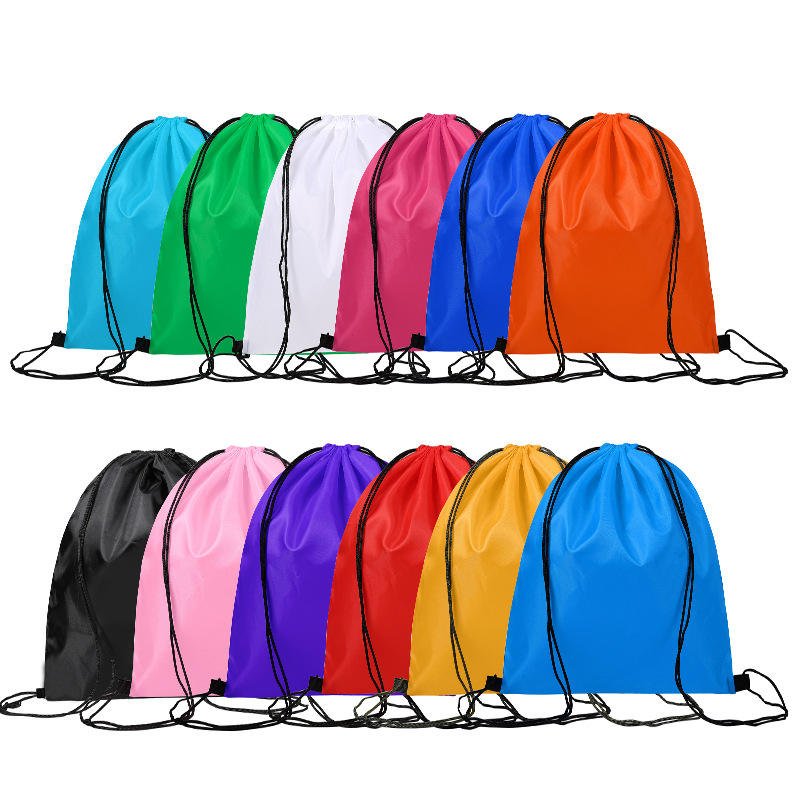
Which Products Use 600D Polyester Fabric?
600D polyester fabric is used in bags, covers, organizers, cooler bags, tool bags, pet products, sports gear, medical storage items, outdoor accessories, and many private label products. It is selected when a product needs balanced strength, clean appearance, coating support, printability, and controlled production cost.
600D Polyester Fabric Bags
600D polyester fabric is one of the most practical materials for bag manufacturing because it gives the product enough structure without making it too heavy. It works well for backpacks, tote bags, duffel bags, cooler bags, tool bags, laptop bags, school bags, pet carriers, sports bags, delivery bags, and travel organizers.
For bag projects, the fabric choice should always match the load, shape, and daily use condition. A lightweight promotional tote may use 600D polyester with light PU coating and a simple screen-printed logo. A cooler bag may need 600D polyester outside, foam in the middle, PEVA or aluminum foil inside, reinforced handles, and leak-control stitching. A tool bag may need PVC-backed 600D polyester, double-layer bottom panels, wide webbing, bartack stitching, and stronger zipper hardware.
A mistake many product teams make is judging a bag only by the outer fabric name. The same 600D polyester fabric can perform very differently depending on the full structure. For example, a 600D backpack with thin webbing, weak zipper tape, and narrow seam allowance will not feel reliable. A well-built 600D backpack with reinforced stress points, padded straps, clean binding, and balanced lining can feel much more valuable.
For bags, the most important zones are usually not the flat fabric panels. The higher-risk areas are handles, strap joints, zipper ends, corners, bottom panels, pocket openings, and binding edges. These areas should be reviewed during sampling because they receive repeated pulling, rubbing, bending, and weight pressure.
| Bag Type | Recommended Fabric Direction | Key Structure Points | Main Quality Risk |
|---|---|---|---|
| Backpack | 600D PU coated polyester | Padded straps, reinforced back panel, zipper support | Strap seam failure |
| Cooler Bag | 600D outer fabric with foam and lining | Insulation layer, handle strength, leak control | Weak insulation or seam leakage |
| Tool Bag | 600D PVC coated polyester | Bottom reinforcement, wide webbing, bartacks | Corner wear and handle tearing |
| Tote Bag | 600D PU coated polyester | Clean logo area, strong handles, neat edge binding | Poor shape or weak handle stitching |
| Pet Carrier | 600D polyester with mesh panels | Ventilation, zipper safety, easy-clean surface | Weak mesh or zipper opening |
| Laptop Bag | 600D polyester with padding | Foam protection, lining, zipper smoothness | Poor impact protection |
| Sports Bag | 600D polyester with water-resistant backing | Strap load, wet pocket, ventilation | Odor and moisture retention |
| Delivery Bag | 600D with insulation or laminated structure | Thermal lining, reinforced seams, handle comfort | Deformation under load |
For commercial bag programs, 600D polyester fabric also supports strong logo customization. It can work with screen printing, heat transfer, embroidery patches, woven labels, rubber labels, PVC patches, leather patches, and reflective printing. The best logo method depends on fabric texture, coating, color, order quantity, and desired product level.
If the product will be sold online, appearance consistency is also important. The bag should hold a clear shape in photos, the color should match the approved standard, and the logo should stay sharp after packing. If the product will be used as a corporate gift, the logo surface and delivery schedule may matter more. If the product will be sold as a premium private label item, hand feel, odor control, zipper smoothness, stitching cleanliness, and packaging presentation become more important.
600D Polyester Fabric Outdoor Gear
600D polyester fabric is also widely used for outdoor products because it can be coated for water resistance and built into structured gear. It is suitable for camping storage bags, folding chair bags, fishing bags, garden tool bags, sports equipment bags, beach bags, outdoor covers, tent accessory bags, picnic bags, travel cases, and protective sleeves.
Outdoor products create more pressure on the material than indoor bags. The fabric may face sunlight, moisture, sand, mud, dust, friction, temperature changes, and repeated folding. For this reason, outdoor use requires a more careful fabric specification. Standard 600D polyester can handle many light-to-medium outdoor uses, but harsh environments may require stronger coating, UV treatment, thicker backing, waterproof lining, or a heavier fabric option.
For example, a camping storage bag used occasionally may work well with 600D polyester and PU coating. A fishing gear bag used near water may need better water resistance, anti-rust hardware, drainage design, and wipeable lining. A garden tool bag may need stronger bottom reinforcement because sharp tools and rough ground create abrasion risk. A beach bag may need sand control, quick cleaning, and corrosion-resistant trims.
Outdoor gear also needs better thinking around seams. Even if coated 600D polyester fabric resists water, stitch holes can still allow moisture to pass through. If the product needs stronger water protection, the design may need seam binding, seam sealing, flap protection, waterproof zipper direction, or an inner waterproof layer. The fabric alone cannot solve every water problem.
Outdoor product planning should consider:
How long the product will stay outside each time
Whether it faces rain, splash, mud, sweat, or standing water
Whether the product carries sharp items or soft items
Whether the product needs to fold flat after use
Whether the color needs UV resistance
Whether the product needs easy cleaning
Whether the zipper and metal parts need anti-rust performance
Whether the product should be light enough for travel
For Szoneier projects, outdoor gear can also combine 600D polyester with neoprene, EVA, foam, PE board, PEVA, aluminum foil, mesh, or waterproof lining. This creates more product function than fabric alone. A wetsuit accessory bag, for example, may need moisture control and easier cleaning. A bottle holder may need insulation and stretch support. A sports protection pouch may need cushioning and abrasion resistance at the same time.
| Outdoor Use Condition | Fabric Direction | Extra Design Detail |
|---|---|---|
| Light Outdoor Carrying | 600D PU coated polyester | Water-repellent finish and reinforced handle |
| Wet Ground Contact | 600D PVC coated polyester | Stronger bottom panel and easy-clean surface |
| Sun Exposure | 600D with UV direction | Color fastness review and fade-resistant trim |
| Sand or Dust Use | 600D with smoother finish | Easy-clean lining and covered zipper |
| Heavy Gear Carrying | Stronger 600D or heavier fabric option | Bartacks, bottom board, wide webbing |
| Insulated Outdoor Use | 600D plus foam and PEVA or foil lining | Thermal design and leak-control structure |
A good outdoor product does not need to be overbuilt in every direction. It needs the right protection in the right place. Too much stiffness can make a product hard to fold. Too much coating can increase odor and weight. Too little reinforcement can cause early failure. The best result comes from matching material, construction, and real use.
600D Polyester Fabric Custom Products
600D polyester fabric is especially useful for custom products because it is flexible in design, stable in production, and compatible with many finishing methods. It can be cut into different shapes, stitched into multi-panel structures, laminated with foam, paired with neoprene, printed with logos, combined with linings, and reinforced for heavier use.
This makes it suitable for custom OEM and ODM projects across several categories:
Custom cooler bags
Custom lunch bags
Custom bottle holders
Custom koozies with polyester-facing options
Custom sports accessory bags
Custom medical storage pouches
Custom tool organizers
Custom pet carriers
Custom travel kits
Custom promotional bags
Custom outdoor storage covers
Custom wetsuit accessory bags
Custom protective cases
Custom private label retail products
One reason 600D polyester fabric works well in customization is that it supports different price positions. A simple product can use basic 600D polyester with light PU backing and one-color logo printing. A mid-level product can use stronger coating, custom lining, upgraded zipper, reinforced handle, and better packaging. A premium product can use custom color, multi-material construction, neoprene cushioning, rubber patch logo, detailed compartments, and retail-ready packaging.
For custom product development, the most important work happens before sampling. The factory needs to understand the product’s purpose, not only its appearance. A reference photo helps, but it does not explain load, usage environment, target price, packaging, logo standard, or expected quality level. These details decide whether the sample feels right.
Strong custom development should answer:
What product size is required?
What weight will it carry?
Will it need insulation, padding, stretch, waterproofing, or shape support?
Which logo method is preferred?
Which market will it sell in?
Will it be packed flat or shaped?
Will the product be used once, daily, or in demanding conditions?
Will color matching be strict?
Does the product need retail packaging, hangtag, care label, barcode, or carton label?
When this information is clear, 600D polyester fabric can be engineered into the right product instead of being treated as a generic material.
How to Customize 600D Polyester Fabric?
Customizing 600D polyester fabric products starts with product purpose, material selection, coating choice, structure planning, logo method, sample development, testing, packaging, and production control. A good process turns a rough idea into a product that looks correct, carries well, passes inspection, and fits the target selling channel.
600D Polyester Fabric Selection
Selecting 600D polyester fabric should start from the product’s end use. The correct fabric for a small pouch may not be correct for a cooler bag, tool bag, pet carrier, or medical organizer. Product teams should avoid choosing fabric only from a catalog image or the lowest unit price. The specification should be built around function.
For simple promotional bags, the main concerns are cost, logo clarity, color consistency, and delivery speed. A light PU-coated 600D fabric may be enough. For retail bags, the concerns expand to hand feel, stitching appearance, zipper smoothness, shape stability, and packaging. For outdoor or heavy-use products, coating strength, abrasion resistance, handle reinforcement, and seam design become more important.
A practical selection process should include five decisions.
First, define the product category. A cooler bag, tool bag, pouch, cover, and pet carrier all place different pressure on the material.
Second, define the use environment. Indoor use, outdoor use, wet use, travel use, and heavy-load use require different coating and structure choices.
Third, define the required hand feel. Some products should feel soft and flexible. Others should feel firm and protective.
Fourth, define the logo method. Embroidery, screen printing, heat transfer, rubber patch, and woven label have different requirements for surface texture and backing.
Fifth, define the commercial level. A low-price giveaway item and a premium retail product should not use the same full specification.
| Decision Area | What to Confirm | Example Choice |
|---|---|---|
| Product Function | Carrying, storage, insulation, protection, promotion | Cooler bag needs foam and lining |
| Use Environment | Indoor, outdoor, wet, heavy load, travel | Outdoor cover may need UV direction |
| Coating | PU, PVC, TPU, PE, water-repellent finish | PU for flexibility, PVC for structure |
| Hand Feel | Soft, firm, flexible, padded, structured | Laptop case needs padding and smoother finish |
| Logo Method | Printing, embroidery, patch, label, heat transfer | Rubber patch for premium outdoor bag |
| Packaging | Flat pack, shaped pack, retail box, polybag | Cooler bag may need shape protection |
| Testing Level | Basic visual check or stronger function test | Tool bag needs load and seam checks |
Szoneier can help product teams compare different fabric and structure options before sampling. Since the company works with neoprene material development and finished product manufacturing, it can also recommend hybrid structures where 600D polyester is used with neoprene, foam, PEVA, mesh, webbing, or other materials. This is useful when the product needs both durability and comfort.
600D Polyester Fabric Sampling
Sampling is where design ideas meet manufacturing reality. A product may look simple in a drawing but become difficult once fabric thickness, seam direction, zipper curve, logo placement, lining, foam, and packaging are added. A good sample helps reveal these issues before production.
For 600D polyester fabric products, the sample should use materials close to the final production specification. If the sample uses substitute fabric, substitute lining, or a different coating, it may not show the real hand feel, shape, weight, stitching quality, logo effect, or packing result. This can lead to wrong approval and production disappointment.
The sampling process should normally include design review, material confirmation, pattern making, first sample production, function checking, appearance review, revision, and final sample approval. For more complex products, two or more sample rounds may be needed. This is normal when the product includes insulation, padding, multiple compartments, irregular shapes, neoprene parts, molded panels, or special logo placement.
During sample review, product teams should not only look at the front view. They should check all sides, inside structure, bottom, handle stress points, zipper movement, seam lines, logo alignment, lining fit, and package result.
A useful sample review checklist includes:
Does the product match the approved size?
Does the fabric feel right for the target market?
Does the product hold shape as expected?
Is the coating too stiff, too soft, too shiny, or too noisy?
Does the logo look clear on the fabric texture?
Are the handles comfortable and strong enough?
Does the zipper move smoothly?
Are the corners clean?
Is the lining flat and secure?
Can the product carry the expected weight?
Does it fold or pack correctly?
Does it smell acceptable after being packed?
Does the sample match the target price direction?
For custom cooler bags, sports bags, medical organizers, and outdoor products, a sample should be tested with realistic use. A cooler bag should be filled with bottles or food containers. A tool bag should be checked with weighted items. A sports bag should be carried and opened repeatedly. A pouch should be tested for zipper smoothness and corner shape. Simple hands-on testing often finds problems that a photo cannot show.
Szoneier supports product teams through design discussion, material selection, sample development, logo application, and structure adjustment. The goal is to make the approved sample clear enough for production, so the final order can follow the same standard.
600D Polyester Fabric Ordering
Ordering custom 600D polyester fabric products should be managed through a clear production file. This file should define the product size, material, color, coating, lining, logo method, trim details, stitching method, reinforcement points, packaging, carton information, quality standard, and delivery requirement. Clear information reduces misunderstanding and helps the factory control production.
Before order confirmation, the product team should prepare as much information as possible:
Product sketch, photo, or reference sample
Final dimensions
Material preference
Color standard or Pantone code
Logo file in AI, PDF, SVG, EPS, or high-resolution format
Logo size and placement
Target order quantity
Packing method
Market destination
Function requirements
Testing requirements
Delivery schedule
If there is no finished design yet, Szoneier can help develop the product from concept. This is useful for companies creating private label bags, koozies, sports support products, medical support items, wetsuit accessories, or custom promotional products.
Production should not begin only from a rough verbal description. A confirmed sample and clear production details protect both sides. They help the factory maintain consistency and help the product team check final goods against an approved standard.
A custom order process can be organized like this:
Inquiry and product discussion
Material and structure recommendation
Quotation based on confirmed direction
Artwork and logo review
Sample development
Sample testing and revision
Final sample approval
Bulk material preparation
Cutting and sewing
In-line inspection
Final inspection
Packing and shipment
After production starts, quality control should continue at multiple points. Fabric rolls should be checked before cutting. Cut panels should be checked before sewing. Semi-finished products should be checked during assembly. Finished goods should be checked before packing. Cartons should be checked before shipment.
| Production Stage | Control Point | Why It Matters |
|---|---|---|
| Material Arrival | Fabric color, coating, width, weight | Prevents wrong material entering production |
| Cutting | Panel size and direction | Controls product shape and fit |
| Logo Application | Position, color, adhesion, clarity | Protects visual quality |
| Sewing | Stitch density, seam allowance, reinforcement | Controls strength and appearance |
| Assembly | Lining, zipper, handle, bottom structure | Ensures product function |
| Final Inspection | Appearance, size, function, packing | Reduces shipment defects |
| Carton Packing | Carton size, weight, labeling | Supports storage and transportation |
For international orders, packaging details also need attention. A product may be squeezed during sea freight, stored in a humid warehouse, or handled several times before reaching the final customer. Proper carton strength, product shaping, moisture protection, barcode labels, and packing instructions can reduce damage and improve delivery presentation.
Start Your 600D Polyester Fabric Project With Szoneier
600D polyester fabric is not just a fabric name. It is a manufacturing decision that affects product strength, appearance, water resistance, logo result, customer experience, production cost, and long-term performance. The same fabric category can become a simple giveaway bag, a durable tool organizer, a premium cooler bag, a sports accessory pouch, a medical storage product, or an outdoor gear item. The result depends on how the material is selected, coated, tested, cut, stitched, reinforced, and packed.
Szoneier has more than 18 years of manufacturing experience and focuses on neoprene material development and custom product manufacturing. The company can produce a wide range of customized products, including bags, koozies, sports supports, medical supports, wetsuit-related products, and other OEM or ODM items. For projects using 600D polyester fabric, neoprene, insulated structures, coated fabric, foam, PEVA, aluminum foil, mesh, webbing, or mixed-material construction, Szoneier can help create a product that fits real use and market expectations.
Szoneier supports custom logo products, private label programs, OEM production, ODM development, free design support, flexible customization, fast sampling, low MOQ options, free sample options, quality-focused production, and short lead time planning. Whether the project is a new cooler bag, tool bag, pet carrier, sports pouch, medical organizer, koozie, wetsuit accessory, protective case, or promotional product, the team can help from material choice to sample approval and bulk production.
If some details are not ready yet, Szoneier can help organize the product direction and recommend suitable materials. A good product does not start from a material name alone. It starts from the problem the product needs to solve, the customer experience it needs to create, and the quality level it needs to maintain.
Contact Szoneier today to discuss your custom 600D polyester fabric product, request design support, develop a sample, or plan your next OEM or private label order.