Skip to content
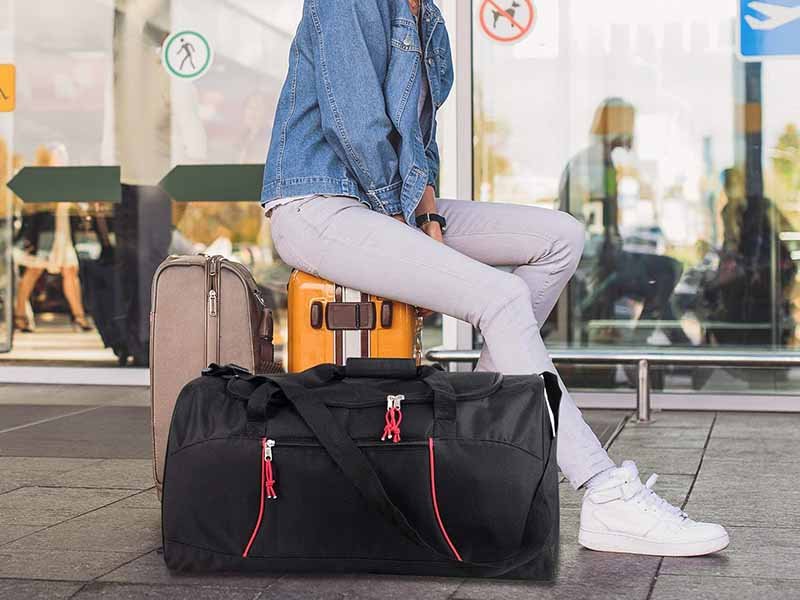
When it comes to designing a duffle bag, the material choice is one of the most important factors that determine its performance, durability, and functionality. Whether you need a bag for daily use, sports, or travel, each application has its unique requirements. By selecting the right material, you can ensure that your duffle bag meets customer expectations and performs well in various situations.
The best material for a duffle bag depends on its use case. Nylon and polyester are ideal for travel bags due to their lightweight and water-resistant properties, while canvas and cotton are perfect for daily or casual bags due to their durability and comfort.
Imagine you’re preparing for a long weekend getaway. You need a bag that’s spacious, durable, and capable of withstanding rough handling at the airport or while you’re traveling. Your material choice will determine how well the bag holds up during your trip and how much weight and weather it can handle. Let’s break down the best materials for different types of duffle bags.
What Materials Are Commonly Used for Duffle Bags?
The most commonly used materials for duffle bags include nylon, polyester, canvas, and cotton. Each of these materials offers different benefits in terms of durability, weight, and water resistance, making them suitable for various use cases.
The type of material used in a duffle bag significantly influences the bag’s performance and lifetime. Different bags need different materials based on whether they are designed for lightweight travel, heavy-duty use, or everyday storage. Here’s a closer look at the key fabrics used in duffle bag construction:
| Material | Common Use Case | Pros | Cons |
|---|---|---|---|
| Nylon | Travel, Sports | Strong, lightweight, water-resistant | Can be more expensive than other fabrics |
| Polyester | Travel, Casual, Budget-Friendly | Affordable, durable, easy to clean | Less breathable than cotton |
| Canvas | Everyday, Casual, Fashion | Durable, breathable, stylish | Not water-resistant |
| Cotton | Casual, Lightweight Use | Soft, comfortable, lightweight | Not ideal for heavy-duty use |
What Fabric Types Are Available for Duffle Bags?
- Nylon: Known for its abrasion resistance and durability, nylon is often used in travel bags and sports bags. It offers water-resistant properties, making it ideal for outdoor use or wet conditions.
- Polyester: A common choice for affordable duffle bags, polyester is easy to clean and resistant to fading, making it a good option for budget-friendly travel bags.
- Canvas: Canvas is made from cotton and is highly durable, often used for casual duffle bags. Its breathable nature makes it perfect for light daily use but less suitable for heavy-duty activities.
- Cotton: Known for its soft feel and comfort, cotton is often used for smaller, casual bags. While breathable, it lacks the abrasion resistance and water resistance that other fabrics offer.
Which Materials Are Best for Everyday and Travel Duffle Bags?
Nylon and polyester are the top materials for travel duffle bags due to their durability, water resistance, and light weight. For everyday use, canvas and cotton provide comfort and flexibility.
When designing duffle bags for everyday use or travel, the material needs to balance strength, light weight, and weather resistance. The ideal material for daily use should be comfortable, breathable, and lightweight, while travel bags require durability and water resistance to protect your belongings from rough handling and weather conditions.
What Makes Polyester and Nylon Ideal for Travel?
- Nylon: Nylon is a popular choice for travel duffle bags because it’s both durable and lightweight. It resists abrasion and wear, making it perfect for long trips or frequent travelers. Additionally, nylon bags can be water-resistant or treated for waterproofing, which protects your clothes and other items from rain.
- Polyester: Polyester is another lightweight fabric that’s often used in travel bags. While it’s not as strong as nylon, polyester is still durable and has the added benefit of being more affordable. It’s also resistant to shrinking, stretching, and fading, making it an excellent choice for budget-conscious travelers.
Real-World Example: A nylon travel duffle bag might be ideal for a weekend trip, where you need something durable and compact, whereas a polyester duffle bag might be perfect for light, casual trips where you don’t need the extra abrasion resistance.
How Do Cotton and Canvas Perform for Daily Use?
For everyday use, canvas and cotton offer a more natural feel, perfect for casual bags or those that prioritize comfort over rugged durability.
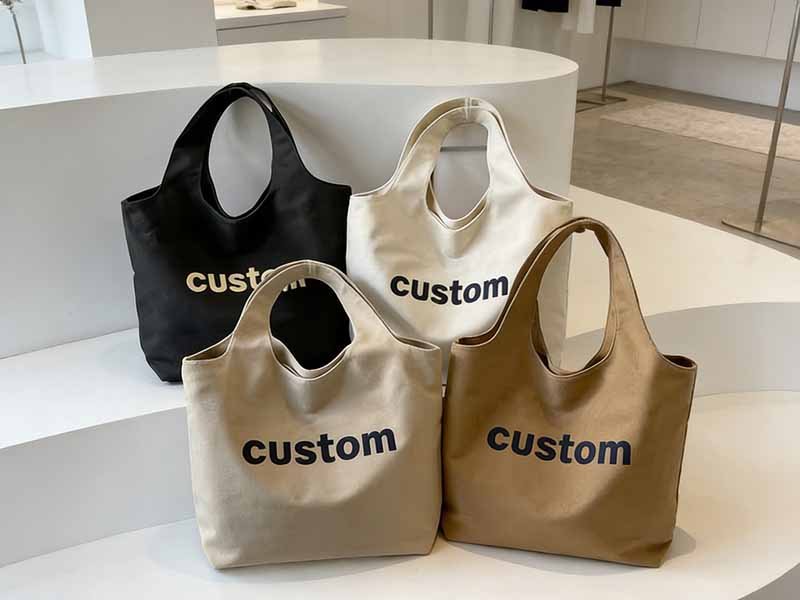
- Canvas: This sturdy fabric is popular in casual bags and is often used in gym bags, weekend duffles, or even fashionable totes. Canvas is breathable, providing comfort and making it a great option for light to moderate use.
- Cotton: Softer than canvas, cotton is used in lightweight duffle bags designed for everyday errands or casual outings. Though it doesn’t offer the same abrasion resistance as nylon or canvas, cotton bags are comfortable and suitable for non-durable, lightweight tasks.
Real-World Example: A cotton duffle bag is perfect for running errands or gym use, offering flexibility and comfort, but a canvas bag might be more appropriate for a casual weekend getaway where durability is slightly more important.
What Materials Are Best for Heavy-Duty and Outdoor Duffle Bags?
When duffle bags are used in rugged environments, outdoor activities, or for heavy loads, the material isn’t just a cosmetic choice—it’s the difference between a bag that lasts months and one that shows wear within weeks. Heavy‑duty and outdoor duffle bags must resist abrasion, moisture, UV exposure, rough handling, and frequent packing and unpacking. Fabrics with high tear strength, strong weaves, and water‑blocking layers are essential.
Below are the top materials and how they perform in real‑world conditions:
Key Performance Factors for Heavy‑Duty Outdoor Bags
Customers looking for outdoor or heavy‑duty bags typically expect the following:
- High abrasion resistance (surface scuffs from rocks, gear, or rough floors)
- High tensile strength (to carry heavy gear without fabric stretching or tearing)
- Water resistance or waterproofing
- Temperature resistance (for sun, cold, or wet climates)
- Ease of cleaning and durability over time
Here’s a comparison of top heavy‑duty materials based on measurable properties:
| Material | Abrasion Resistance | Tensile Strength | Water Resistance | Weight | Best Uses |
|---|---|---|---|---|---|
| Ballistic Nylon | Very High | Very High | Moderate/High* | Medium | Outdoor adventure, travel, tactical bags |
| TPU‑Coated Fabrics | High | High | High | Medium | Waterproof duffles, camping, marine use |
| PVC Laminated Fabric | High | High | Very High | Heavy | Waterproof gear, heavy outdoor use |
| Cordura® Nylon | High | High | Moderate–High | Medium | Sports/outdoor, hiking, ATV bags |
| Reinforced Canvas | Medium–High | Medium–High | Low–Moderate | Heavy | Heavy gear, rugged everyday use |
- Water resistance can vary with treatment/coating.
Ballistic Nylon – Industrial Strength for Rough Use
What it is: Ballistic nylon was originally developed for military armor protection. In bags, it’s a high‑density nylon weave, often 840D or 1680D (denier), where denier is the fiber thickness indicator. Higher denier = thicker, stronger fibers.
Why customers choose it:
- Abrasion resistance: Excellent for bags dragged across concrete, rock, or gear.
- Tear resistance: Can withstand heavy loads without ripping.
- Longevity: Maintains structural integrity after heavy use.
Typical outdoor scenarios:
- Mountain biking or hiking trips
- Gear transport for rugged environments
- Heavy travel with frequent airport handling
Real‑world data: An 840D ballistic nylon bag outperforms a 600D polyester bag by up to 60–80% in abrasion resistance tests (industry lab data), making it a go‑to choice for bags exposed to harsh terrain.
Limitations: Ballistic nylon is not inherently waterproof; it usually needs a secondary coating (like PU or TPU) for moisture protection.
TPU‑Coated Fabrics – Waterproof and Tough
What it is: TPU (Thermoplastic Polyurethane) is a synthetic coating applied to nylon or polyester fabrics to provide waterproofing and extra durability. Unlike simple water repellents, TPU forms a sealed membrane, blocking moisture entirely.
Why buyers choose it:
- True waterproofing: Water won’t penetrate even during heavy rain or splashes.
- Flexibility & strength: TPU adds tear strength without making the bag too stiff.
- Cleanability: Easy wipe clean after mud or spills.
Examples of use:
- Fishing and marine duffle bags
- Outdoor gear for rainy climates
- Expedition bags
In field tests, TPU‑coated fabrics kept water out for over 8 hours of continuous rain exposure, much longer than traditional coated polyester.
Design note: TPU works well with welded seams (heat seals) to avoid stitch holes that let water in—this is critical for heavy‑rain or marine bags.
PVC Laminated Fabrics – Maximum Waterproof Barrier
What it is: PVC (Polyvinyl Chloride) laminate is a thicker, heavier coating adhered to base fabric (often polyester or cotton). This creates a tough, waterproof, and highly abrasion‑resistant shell.
Pros for outdoor bags:
- Best waterproofing: Near complete protection; ideal for rafting, fishing, or snow use
- Durability: Handles abrasive contact and heavy loads
- Chemical resistance: Great for industrial environments
Where it shines: When water exposure is a certainty—e.g., marine work, winter sports, or rescue gear—PVC‑laminated duffle bags ensure content stays dry and protected.
Trade‑offs:
- Heavier than TPU or ballistic nylon
- Less breathable (this is rarely a concern for heavy‑duty outdoor use)
Cordura Nylon – Balanced Strength for Outdoor and Sports
What it is: Cordura® is a branded, high‑performance nylon fabric with excellent abrasion resistance. It’s available in various deniers (e.g., 500D, 1000D), each offering different strength‑to‑weight ratios.
Advantages:
- Good strength without extreme weight
- Abrasion resistance rivaling ballistic nylon
- Comfortable feel and flexible packability
Recommended uses:
- Gym and everyday sports bags that also see outdoor activity
- Hiking duffles that balance weight and durability
- Urban‑to‑trail bags
Customer insight: For many buyers, Cordura® strikes a sweet spot between rugged performance and reasonable price, making it ideal for bags that will carry heavier items but still need to remain manageable.
Reinforced Canvas – Classic Style with Rugged Performance
What it is: Canvas, especially when thick and tightly woven, remains one of the most beloved materials for outdoor and heavy bags. Modern versions often incorporate wax coatings or synthetic blends to improve performance.
Why users like canvas:
- Comfortable feel
- Breathability
- Classic aesthetic
- Strong abrasion resistance with the right weave
Typical outdoor settings:
- Road trips
- Casual hiking
- Farmer’s market or gear haul
Limitations: Canvas is not naturally water resistant, so it’s often treated with wax or synthetic coatings for wetter environments.
Waterproofing and Coating Options That Matter
Even great base fabrics benefit from finishes and coatings that enhance performance. These should be considered as integral to material choice:
| Coating Type | Offers | Best Paired With |
|---|---|---|
| PU coating | Basic water repellency, cost‑effective | Polyester or nylon travel bags |
| TPU coating | Waterproof barrier, flexibility | Outdoor and adventure bags |
| Waxed finish | Water resistance + vintage look | Canvas bags |
| DWR finish | Durable water repellent (beading) | Sports and commuter bags |
Practical takeaway: A TPU coating boosted with heat‑sealed seams keeps water out longer than a simple DWR finish alone—especially in extended outdoor use.
Matching Materials to Real Use Cases
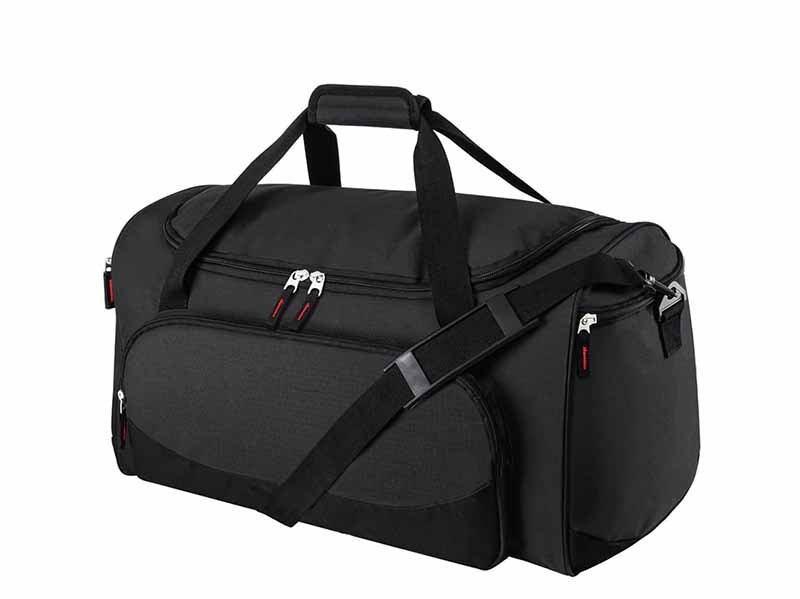
Here’s a snapshot buyers and designers can reference when planning their next duffle bag:
| Use Case | Top Material Choices | Why It Works |
|---|---|---|
| Frequent travel | Nylon, Polyester w/ PU | Lightweight, durable, easy to clean |
| Outdoor adventure | TPU‑coated nylon, Ballistic nylon | Waterproofing and extreme abrasion resistance |
| Marine or water sports | PVC laminated, TPU coated | Maximum water protection |
| Gym & sports | Cordura® nylon, reinforced polyester | Tough enough for gear, breathable, flexible |
| Style + casual use | Canvas (waxed), cotton blends | Comfort, classic look, adequate strength |
Real Buyer Concerns and Practical Insights
Weight vs. durability:
- Nylon and polyester keep bags lighter, reducing strain on shoulders and luggage.
- PVC and TPU add weight for water protection, which is acceptable for outdoor needs.
Cleaning and maintenance:
- TPU and PVC surfaces wipe clean with a damp cloth.
- Canvas can be spot‑cleaned or treated again with wax for long‑term protection.
Cost considerations:
- Polyester: lowest cost, best entry‑level
- Nylon & Cordura®: mid‑range
- TPU & PVC: premium, highest protection
Real customer feedback shows that people prefer mid‑weight nylon with TPU coating for outdoor use, as it hits the best balance of strength, waterproofing, and manageable weight.
Material Choice and Brand Positioning
For brands looking to position their duffle bags:
- Premium outdoor lines benefit from TPU‑coated nylon and ballistic nylon.
- Lifestyle and fashion use canvas with wax finishes for rugged appeal.
- Sport and gym bags perform well with Cordura® or reinforced polyester.
Product quality data from field use indicates that bags using TPU coatings and welded seams retain their water resistance up to 3× longer than bags with standard sewn seams.
Why Is Ballistic Nylon or TPU Good for Hard Use?
- Ballistic Nylon: Renowned for its high durability, ballistic nylon is a heavy-duty material that’s used in military bags, tool bags, and other products that require extreme strength. It’s resistant to abrasion and wear, making it perfect for bags that will be used in rugged environments.
- TPU (Thermoplastic Polyurethane): TPU is a flexible, waterproof, and abrasion-resistant material, ideal for waterproof duffle bags used in wet conditions or extreme temperatures.
Real-World Example: An outdoor duffle bag made of ballistic nylon is designed for camping trips or extreme weather conditions, while a TPU duffle bag is great for water-based activities like fishing or boating.
Are EVA and PVC Useful for Waterproof Protection?
- EVA (Ethylene Vinyl Acetate) is lightweight and water-resistant, making it perfect for affordable waterproof duffle bags.
- PVC (Polyvinyl Chloride) is more rigid and durable, making it great for high-performance waterproof bags.
Real-World Example: For a fishing trip, a PVC-coated duffle bag can keep all your equipment safe from water damage, while an EVA-lined bag offers lightweight protection for shorter outdoor excursions.
How to Choose the Right Material for Your Specific Use Case?
Choosing the right material for your duffle bag depends on its specific use case. Whether it’s for travel, sports, or heavy-duty use, understanding the key properties of different materials will help you design a bag that meets your needs for durability, comfort, and functionality.
When selecting a material for a duffle bag, it’s crucial to take the intended use into account. The best material for a travel bag may not work for a sports bag or a heavy-duty outdoor bag. Factors like weight, durability, weather resistance, and comfort all play a role in determining which material will work best. Here’s how to choose the right fabric for your specific needs.
What Questions Should You Ask Before Selecting a Material?
Before committing to a specific material for your duffle bag, ask yourself these key questions:
- What is the bag’s primary use? (e.g., Travel, Sports, Outdoor)
- How much weight will the bag carry? Will it need to support heavy loads like gym equipment or light travel items?
- How often will the bag be used? Will it undergo frequent wear and tear, or will it be used only occasionally?
- Will the bag be exposed to the elements? Is the bag expected to face rain, snow, or rough environments?
Answering these questions helps you determine the priority needs for the bag’s design, and informs your choice of material.
How Does Material Impact Lifespan, Weight, and Cost?
Different materials offer a range of durability and cost implications. Some materials are more expensive due to their durability and performance. For example, ballistic nylon and TPU are more durable but also cost more, while polyester and canvas offer good performance at a lower price.
- Durability: Stronger materials like ballistic nylon or canvas have a longer lifespan and can withstand frequent use without wear.
- Weight: Lighter materials, like nylon and polyester, are ideal for those who need a lightweight bag that won’t add extra weight, especially for travel or gym use.
- Cost: If you’re looking for an affordable option, polyester and cotton bags are cost-effective choices, but they may not offer the same long-term durability as more expensive options.
| Material | Lifespan | Weight | Cost |
|---|---|---|---|
| Ballistic Nylon | Long | Medium | High |
| TPU | Very Long | Medium | High |
| Polyester | Medium | Light | Low |
| Canvas | Long | Heavy | Medium |
| Cotton | Short | Light | Low |
How Does Bag Design Affect Material Selection?
The design of your duffle bag influences the choice of material. For example, lightweight travel bags require flexible fabrics, while rugged outdoor bags benefit from more sturdy, weather-resistant materials.
When choosing the material for a duffle bag, it’s essential to consider how the bag will be used and how it needs to perform. The design affects the material choice for several reasons, including strength, comfort, flexibility, and weather resistance.
What Design Features Require Durable Materials?
Certain design features, like handles, zippers, and reinforced stitching, require stronger materials. For heavier bags, such as those used for gym equipment, outdoor gear, or travel bags, you need sturdy materials like ballistic nylon or TPU to ensure the bag can withstand heavy loads and stress.
Real-World Example: A travel duffle bag with a large carrying capacity will need a strong fabric such as ballistic nylon or canvas for durability, especially for frequent travelers who might be carrying heavy loads.
How Does Flexibility Affect Material Choice?
A flexible design is needed for bags that must compress or expand based on the user’s requirements, such as gym bags or weekend duffles. For these types of bags, flexible fabrics like nylon or polyester are ideal, as they can adjust to the bag’s size and offer more packing flexibility.
Real-World Example: A gym bag needs to be made of lightweight and flexible materials like polyester, so it can expand or compress depending on the user’s needs, yet still hold up under heavy use.
How Do You Choose the Right Material for Sports or Gym Duffle Bags?
For sports duffle bags, the material should be breathable, lightweight, and resistant to moisture. Canvas, cotton, and polyester are ideal options, providing flexibility, durability, and comfort.
Sports bags face unique challenges—they need to withstand heavy use, store gym equipment, and be breathable enough to prevent the build-up of moisture. Understanding these needs is crucial for selecting the best fabric for sports duffle bags.
What Are the Advantages of Breathable Fabrics?
Breathable materials are necessary for gym bags to help ventilate the interior and prevent the build-up of moisture or odor. Canvas and cotton are often chosen for their breathable qualities, while polyester can also be treated to allow ventilation.
- Canvas: Offers a rugged yet breathable design, making it ideal for bags that need to store wet clothing or sports equipment. It also provides a stylish and comfortable feel for gym-goers.
- Cotton: A lightweight and soft fabric, cotton is a great option for casual sports bags or smaller gym bags. It’s comfortable but not as durable as canvas or nylon.
Real-World Example: A sports duffle bag made from canvas will help air out after a workout, preventing any buildup of moisture or odor.
How Do Reinforced Materials Improve Durability?
Reinforced materials can help improve the durability of sports duffle bags, especially when handling heavy items like weights, shoes, or clothing. Adding reinforcements to areas like the bottom of the bag or strap attachments enhances the overall strength of the bag.
- Polyester and nylon are often used with reinforced bottoms and handles to prevent tearing and ensure long-lasting durability.
- Canvas bags can be reinforced with leather or synthetic trims to offer extra protection while still maintaining flexibility.
Real-World Example: A gym duffle bag with reinforced straps and a strong nylon base will hold up better under the weight of heavy equipment and resist tearing from frequent use.
Conclusion
Choosing the best material for your duffle bag depends on its use case, design, and desired performance. For travel bags, nylon and polyester offer lightweight durability, while canvas and cotton are perfect for casual or everyday use. For sports duffle bags, breathable, reinforced materials like polyester and canvas provide the durability needed for heavy use. Finally, ballistic nylon and TPU are ideal for heavy-duty outdoor bags that require extra durability and water resistance.
At Szoneier, we specialize in creating custom duffle bags tailored to meet your unique needs. Whether you’re looking for a durable travel bag, a breathable gym bag, or a rugged outdoor duffle, we can help bring your vision to life with our custom designs, low MOQ, and quick sampling services.
Contact us today to start designing your custom duffle bags and create the perfect solution for your brand and customers.