Skip to content

A lot of people assume that a dry bag becomes more advanced the moment you add a waterproof zipper. On the surface, that sounds logical. A zipper feels modern, cleaner, faster, and easier to use than rolling down the bag opening three or four times. But in real product development, the decision is not that simple. In many cases, a zipper improves access but also raises cost, increases production difficulty, and creates a more demanding sealing point. In other cases, it is exactly the feature that makes a dry bag feel premium and worth buying.
The real decision comes down to use case. A dry bag for rafting, kayaking, or full splash exposure has different priorities from a dry bag used for motorcycle commuting, camping, gym-to-beach travel, or storing electronics on a boat. Some products need the fastest possible opening and closing. Others need the safest and simplest water barrier. That is why the best waterproof closure is not always the most expensive one.
A waterproof zipper makes sense for waterproof dry bags when the product needs fast access, a wide opening, better organization, and a more structured shape. It is especially useful for waterproof backpacks, waterproof duffel bags, and small gear pouches. For heavy water exposure or repeated submersion, roll-top closures are often more reliable, simpler to produce, and easier to maintain over time.
That difference matters more than many brands realize. One closure choice can affect product pricing, complaint rate, sampling time, and even how customers describe the bag after first use. A bag that is hard to open may be waterproof but still fail commercially. A bag that looks sleek but leaks at the zipper will fail even faster. The most successful dry bag designs usually come from brands that match the closure to the real user scene, not just to a visual trend. That is why understanding waterproof zippers is not a small technical detail. It is one of the decisions that can determine whether a dry bag line becomes a repeat order product or an expensive lesson.
What Are Waterproof Zippers in Dry Bags?
Waterproof zippers in dry bags are sealed zipper systems designed to reduce or block water entry through the opening of the bag. They are used when a product needs both water protection and fast, direct access. Compared with standard zippers, they use coated or molded sealing surfaces, tighter construction, and more demanding installation methods.
What Are Waterproof Zippers?
Waterproof zippers are not ordinary zippers with a coating added as an afterthought. In serious dry bag construction, they are functional sealing components. Their job is to close an opening while reducing the path that water can take into the bag. That sounds simple, but in practice it involves material selection, zipper structure, slider compression, seam construction, and bag body support.
Most waterproof zippers used in dry bags are made with PU or TPU-coated zipper tape, molded sealing ribs, or laminated film surfaces. When the zipper closes, the slider presses the two sides together so the sealing surfaces align tightly. This does not make every zipper suitable for deep underwater use, but it does make it much better at resisting rain, wave splash, deck wash, and short bursts of water exposure than a regular zipper.
From a sourcing point of view, the zipper itself is usually one of the more expensive single components in a waterproof bag. On simple dry bag models, the closure can account for a surprisingly large share of total material cost.
| Component | Standard Roll-Top Dry Bag | Zipper Dry Bag |
|---|---|---|
| Main shell fabric share | 35%–45% | 30%–40% |
| Closure system share | 5%–10% | 12%–22% |
| Seam sealing/welding share | 10%–18% | 12%–20% |
| Labor difficulty | Medium | High |
| Complaint risk from misassembly | Low to medium | Medium to high |
For a brand developing a new product, this means the zipper is not just a styling choice. It is a cost driver, a performance driver, and a quality-control driver. If the zipper is selected incorrectly, the bag may look premium in photos but become unstable in real use. If it is selected correctly, it can make the product easier to pack, easier to sell, and easier for the end user to love.
How Do Waterproof Zippers Work in Dry Bags?
The function of a waterproof zipper comes from controlled compression. When the slider moves across the chain, it aligns and presses together the coated sealing areas. Water is then forced to travel around a much more difficult path instead of passing directly through exposed zipper teeth or gaps. In simple terms, the zipper does not just “close”; it seals.
There are several parts that must work together for this to happen. The zipper tape needs the right waterproof surface. The slider needs the right closing force. The bag panel around the zipper needs enough support so the zipper does not distort under tension. The seam or weld around the zipper must also stay stable. If one part is weak, the full closure system becomes less reliable.
In production, this is why waterproof zipper bags often require tighter process control than roll-top bags. Sewing tension, panel alignment, heat-weld position, and zipper end finishing all matter. A small angle deviation can create uneven pressure along the zipper line. That uneven pressure may not show during visual inspection, but it often appears later in leakage tests or customer use.
Factories that make waterproof dry bags well usually check zipper performance through several steps before bulk production is approved.
| Test Item | What It Checks | Why It Matters |
|---|---|---|
| Opening/closing cycle test | Slider smoothness and wear | Finds early stiffness or jamming |
| Static water spray test | Surface sealing ability | Shows leakage under rain exposure |
| Short immersion test | Water entry at seams or ends | Checks real closure reliability |
| Pull strength test | Attachment stability | Prevents zipper separation |
| Temperature exposure test | Material response in heat/cold | Important for marine and travel use |
For many custom projects, a zipper that works well in the sample stage may still need adjustment before bulk production. That is especially true on large duffel openings, curved zippers, or products using thick laminated shell fabrics. The more structured the bag, the more careful the balance between zipper stiffness and user comfort needs to be.
Are Waterproof Zippers Fully Waterproof?
This is where many brands make expensive mistakes. A waterproof zipper is not automatically the same as a pressure-proof underwater closure. In the market, the term “waterproof” is often used broadly. But the real performance level depends on zipper type, installation quality, and product design.
A well-made waterproof zipper can perform very well in heavy rain, sea spray, wet decks, and short accidental splashes. That is already enough for many outdoor use cases. But if the bag is likely to be dropped into water repeatedly, compressed underwater, or exposed to long-duration submersion, the zipper may not be the safest solution unless it is a high-grade airtight design and the surrounding bag construction is equally strong.
This is why closure choice should always start from the customer’s real use scene.
| Use Scene | Closure Priority | Better Choice |
|---|---|---|
| Daily commuting in rain | Easy access + water protection | Waterproof zipper |
| Boat deck gear storage | Fast access + splash protection | Waterproof zipper |
| Motorcycle travel | Wide opening + weather resistance | Waterproof zipper |
| Kayaking and rafting | High sealing reliability | Roll-top |
| Floating emergency gear | Simple closure under rough use | Roll-top |
| Electronics pouch | Compact quick access | Waterproof zipper |
For customer-facing product development, it is much smarter to describe waterproof performance honestly than to promise unrealistic conditions. End users forgive a bag that is designed clearly for rain and splash resistance. They do not forgive a bag promoted like diving gear that leaks after a capsize. Good factories and serious brands know that closure performance should be matched to scene, not exaggerated in sales language.
Which Dry Bags Use Waterproof Zippers?
Waterproof zippers are most often used in dry bags that need faster access, cleaner packing, and a more organized internal layout. The most common examples are waterproof backpack dry bags, waterproof duffel dry bags, and compact waterproof pouches for phones, documents, or tools. These products are usually designed for active users who want water protection without giving up convenience.
Which Dry Bags Need Waterproof Zippers?
Not every dry bag needs a waterproof zipper. In fact, many do not. The main reason to choose a zipper is usability. If the customer opens the bag many times during one trip, a zipper can make the product much more practical. If the customer only opens the bag at the start and end of an activity, a roll-top closure may be the better option.
The best way to decide is to evaluate four real product questions. How often will the bag be opened? How much water exposure will it face? Does it need a wide mouth for packing? Does the product need internal organization or a shaped body? Once these are answered, the closure direction becomes much clearer.
A zipper makes the most sense when the bag is part of active movement and frequent access. That includes travel duffels, commuting backpacks, fishing tackle bags, camera carry bags, marine utility bags, and compact pouches that hold items people reach for constantly.
| Product Type | Access Frequency | Water Exposure | Zipper Fit |
|---|---|---|---|
| Lightweight rafting sack | Low | High | Poor |
| Beach day dry backpack | Medium to high | Medium | Good |
| Motorcycle travel duffel | High | Medium | Very good |
| Fishing tackle dry bag | High | Medium to high | Good |
| Floating rescue gear bag | Low | High | Poor |
| Waterproof phone pouch | Very high | Medium | Very good |
For a brand planning a custom line, this matters because wrong closure selection often leads to poor reviews that have little to do with materials or printing. Customers tend to complain using everyday language. They say the bag is annoying to open, hard to pack, too stiff, or not trustworthy in water. Behind those comments, the closure choice is often the real issue.
Are Waterproof Zippers Used in Backpack Dry Bags?
Yes, and this is one of the strongest use cases for waterproof zippers. Backpack dry bags are often expected to do more than keep gear dry. Customers want them to carry like a daily backpack, look cleaner than a rafting sack, and allow quick access to clothing, electronics, accessories, and small packed items. A roll-top closure can keep the bag simple, but it also makes organization slower and can be awkward in everyday travel scenarios.
Waterproof zipper backpacks are especially popular in cycling, motorcycle commuting, urban travel, boat transfer use, day hiking, and premium outdoor retail. These bags usually have one of two zipper formats. The first is a top horizontal zipper for fast drop-in loading. The second is a rear panel or U-shaped zipper that opens wide for better packing and access.
The challenge is that backpack dry bags create repeated stress around the closure. Shoulder carry, overpacking, and body movement all pull on the zipper zone. That means the panel design around the zipper must be stronger than on many simple sack-style bags. Fabric choice, reinforcement tape, seam welding, and zipper anchoring all matter.
| Backpack Feature | Why It Matters in Zipper Design |
|---|---|
| Structured opening | Makes packing and retrieval easier |
| Laptop/document area | Needs a flat, reliable closure line |
| Multiple compartments | Works better with zipper access |
| Daily commuting use | Requires frequent opening |
| Shoulder-carry stress | Demands stronger zipper support |
From a factory side, this is where experience becomes valuable. A good-looking backpack sample is not enough. The bag needs repeated access testing, loaded carry testing, and sealing stability checks. For brands serving mid-to-high-end customers, that extra development work is usually worth it because zipper backpacks have stronger perceived value and often command higher selling prices than basic roll-top models.
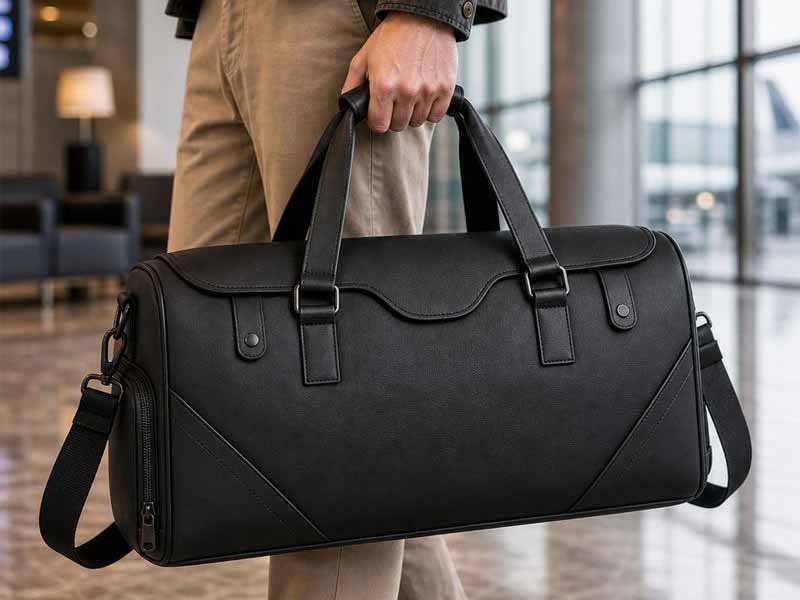
Are Waterproof Zippers Used in Duffel Dry Bags?
Yes, very often. In many product lines, duffel dry bags are actually the clearest case for waterproof zippers. That is because duffel bags are naturally built around large storage volume and wide-mouth access. Users want to pack clothing, shoes, travel gear, marine equipment, or sports items quickly. A roll-top closure on a large duffel can work, but it often feels bulky and inconvenient, especially when the bag is full.
A waterproof zipper solves that by giving the bag a long, direct opening. It allows the duffel to open more like a suitcase or travel bag. This improves packing speed, loading visibility, and product appearance. It also makes the bag easier to position for travel, car loading, boat storage, or locker use.
This is why waterproof zipper duffels are common in sailing, overlanding, motorcycle touring, gym-to-outdoor crossover products, and premium travel lines. They are especially attractive to customers who want a waterproof bag that does not look overly technical or bulky.
| Duffel Design Factor | Roll-Top Closure | Waterproof Zipper |
|---|---|---|
| Wide opening | Limited | Strong |
| Packing convenience | Medium | High |
| Travel look | Functional | Premium |
| Splash protection | Strong | Strong |
| Long submersion confidence | Better | Lower unless airtight system |
| Production complexity | Lower | Higher |
For brands, zipper duffels also create more space for value-added design. You can add organized interior pockets, shoe compartments, top flaps, branding panels, grab handles, shoulder carry systems, and cleaner silhouette shaping. These details matter in real sales because customers often compare waterproof duffels not only against dry bags, but also against regular travel bags. A zipper design helps bridge that gap.
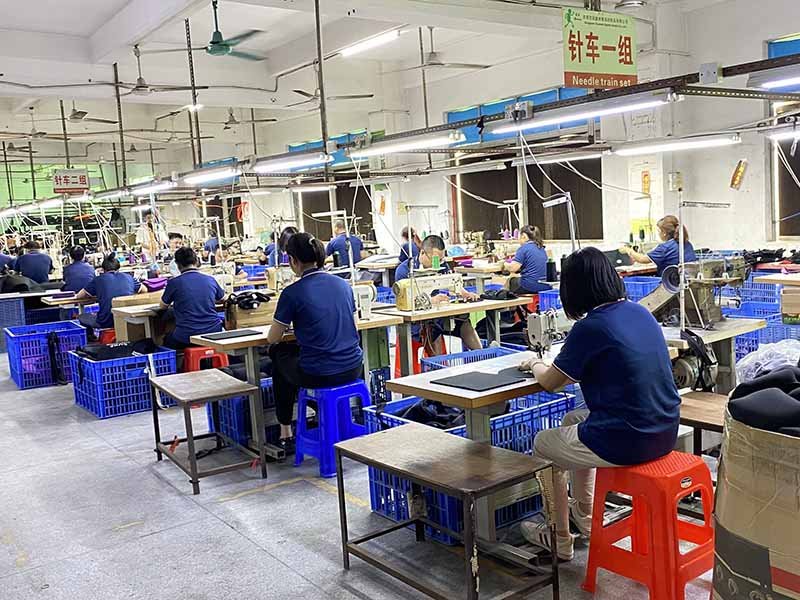
At Szoneier, this is one reason custom waterproof duffel projects often attract serious inquiry. They give brands more room to build a product that feels both technical and commercial. The bag protects gear from wet conditions, but it also looks easier to use, easier to display, and easier to sell to customers who want outdoor performance without sacrificing everyday convenience.
How Do Waterproof Zippers Improve Dry Bags?
Waterproof zippers improve dry bags by providing faster access, better packing efficiency, and a cleaner structural design while still maintaining strong resistance against rain, spray, and brief water exposure. For many outdoor products—especially backpacks, duffel bags, and equipment pouches—the zipper allows users to open the bag quickly without rolling and unrolling fabric multiple times. This convenience becomes extremely important when gear needs to be accessed frequently during outdoor activities such as fishing, sailing, camping, motorcycle travel, or photography.
How Do Waterproof Zippers Stop Water?
A waterproof zipper prevents water from entering the bag by combining several structural mechanisms that work together to form a sealed closure line. Unlike standard zippers that expose the zipper teeth, waterproof zippers typically use laminated coatings, molded sealing ribs, or tightly compressed zipper tapes to reduce the pathways through which water can penetrate.
The first protective layer is the waterproof coating on the zipper tape. Materials such as TPU or PU laminations are commonly used to block water absorption. These coatings also create a smooth sealing surface that presses tightly together when the zipper closes.
The second protective element is slider compression. The slider forces both sides of the zipper tape into alignment and compresses them. This compression helps prevent droplets from passing through small gaps along the zipper line.
The third element is installation accuracy. A waterproof zipper must be attached to the bag body with consistent tension and alignment. If the zipper is sewn or welded unevenly, small gaps can appear along the closure line, reducing the effectiveness of the waterproof seal.
For this reason, many professional manufacturers conduct water resistance testing on zipper installations before approving mass production.
| Test Method | What It Simulates | Target Result |
|---|---|---|
| Rainfall spray test | Heavy rain exposure | No visible leakage |
| Splash test | Boat or wave splash | No water penetration |
| Short immersion test | Accidental drop in water | Minimal internal moisture |
| Opening cycle test | Repeated daily use | Smooth operation after 3,000–5,000 cycles |
When these elements are executed properly, waterproof zippers can protect the contents of a dry bag from rainstorms, wave splash, and wet surfaces while still providing easy access.
Another important detail is zipper end sealing. Many water leaks occur not through the zipper itself but through the two ends of the zipper track. Professional dry bag manufacturers reinforce these areas with welded end caps, waterproof seam tape, or reinforced TPU patches.
This combination of material sealing, compression, and installation precision allows waterproof zippers to deliver reliable performance in real outdoor environments.
How Do Waterproof Zippers Improve Access?
One of the biggest advantages of waterproof zippers is convenience. A roll-top dry bag typically requires several steps before the bag can be opened: unclipping buckles, unrolling multiple layers of fabric, and then searching through the contents inside. While this design works extremely well for sealing water out, it can slow down access during active outdoor use.
Waterproof zippers eliminate these steps. The user can open the bag with a single pull, making it much faster to retrieve equipment.
This advantage becomes especially clear in situations where gear needs to be accessed repeatedly.
Examples include:
- photographers retrieving cameras during outdoor shoots
- anglers switching lures or fishing tools
- motorcycle riders accessing rain gear
- hikers retrieving snacks or water bottles
- sailors opening equipment bags while working on deck
In many of these scenarios, the ability to open the bag quickly can make a significant difference in the user experience.
Waterproof zipper dry bags also allow wider openings compared with roll-top bags. Large U-shaped zippers or full-length openings enable the bag to open almost like a suitcase, making packing and unpacking easier.
| Bag Design | Opening Width | Packing Convenience |
|---|---|---|
| Roll-top sack dry bag | Narrow top opening | Medium |
| Waterproof zipper duffel bag | Wide horizontal opening | High |
| Waterproof zipper backpack | Panel or top opening | High |
This wider opening makes zipper-based dry bags particularly attractive for travel, expedition gear, and equipment storage.
Another benefit is improved internal organization. Roll-top dry bags usually have one large internal compartment. Waterproof zipper dry bags, however, can include internal pockets, mesh organizers, laptop sleeves, or gear dividers. These features are easier to implement when the bag has a structured zipper opening.
For customers purchasing premium outdoor gear, this level of convenience often becomes a deciding factor.
Are Waterproof Zippers Durable for Outdoor Use?
Durability is one of the most common concerns brands raise when considering waterproof zippers. Because the zipper acts as a critical closure point, it must withstand repeated use while maintaining its sealing performance.
High-quality waterproof zippers used in outdoor gear are designed to endure demanding conditions including dirt, saltwater exposure, temperature changes, and repeated opening cycles.
Most outdoor-grade waterproof zippers are tested for thousands of opening cycles.
| Zipper Grade | Typical Cycle Life |
|---|---|
| Entry outdoor zipper | 3,000 cycles |
| Mid-range waterproof zipper | 5,000–7,000 cycles |
| Premium airtight zipper | 10,000+ cycles |
To ensure durability, many dry bag manufacturers combine waterproof zippers with reinforced construction techniques.
These techniques may include:
- reinforced zipper anchor panels
- thicker TPU or nylon fabrics around the zipper zone
- welded seams instead of stitched seams
- protective zipper garages at the zipper ends
These reinforcements prevent stress concentration around the zipper and extend the lifespan of the bag.
Another factor affecting durability is maintenance. Waterproof zippers should be kept clean from sand, dirt, and salt buildup. Outdoor brands often recommend rinsing the zipper with clean water after exposure to saltwater environments.
When used and maintained properly, waterproof zippers can perform reliably for years of outdoor use.
For brands developing custom dry bags, selecting a high-quality zipper supplier and working with experienced bag manufacturers significantly reduces the risk of zipper-related failures.
Do Dry Bags Need Waterproof Zippers?
Dry bags do not always require waterproof zippers. In many outdoor scenarios, roll-top closures provide equal or even better waterproof performance while keeping the product simpler and more cost-effective. The best closure system depends on how the bag will be used, how frequently it will be opened, and what level of water protection is required.
Do Roll-Top Dry Bags Need Waterproof Zippers?
Roll-top closures have been used in dry bags for decades because they provide a reliable barrier against water entry without relying on complex mechanical components. Instead of sealing a zipper line, the roll-top system creates a water barrier by folding the bag opening several times before securing it with buckles.
Each fold adds another layer of material that blocks water from entering the bag.
This design is extremely effective for activities where bags may experience heavy water exposure or temporary immersion.
Common examples include:
- kayaking
- rafting
- canyoning
- paddleboarding
- river trekking
Because there is no zipper involved, roll-top dry bags have fewer mechanical failure points. They are also easier to repair and generally less expensive to manufacture.
| Feature | Roll-Top Closure | Waterproof Zipper |
|---|---|---|
| Waterproof reliability | Very high | High |
| Submersion protection | Excellent | Moderate |
| Opening speed | Slower | Faster |
| Manufacturing cost | Lower | Higher |
| Maintenance needs | Low | Medium |
For this reason, many professional rafting or kayaking dry bags continue to use roll-top closures rather than zippers.
However, roll-top bags also have limitations. They require additional vertical space to roll the closure several times, and they typically offer limited internal organization.
For users who prioritize convenience and quick access, zipper-based designs often provide a better experience.
Are Waterproof Zippers Better Than Roll-Top Closures?
Neither closure system is universally better. Instead, each design excels in different situations.
Roll-top closures are extremely reliable when maximum waterproof protection is required. Because the sealing mechanism relies on multiple folds of fabric rather than a mechanical closure, it remains effective even if the bag is dropped into water.
Waterproof zippers, on the other hand, excel in usability. They allow faster access, wider openings, and more structured bag designs.
Outdoor brands often evaluate several factors before selecting a closure type.
| Decision Factor | Best Closure |
|---|---|
| Frequent access needed | Waterproof zipper |
| Maximum waterproof reliability | Roll-top |
| Large travel gear storage | Waterproof zipper |
| River sports exposure | Roll-top |
| Urban commuting | Waterproof zipper |
Many modern outdoor products combine both systems. For example, some waterproof backpacks feature a roll-top main compartment but include waterproof zipper pockets for smaller items.
This hybrid approach allows designers to balance waterproof reliability with everyday usability.
Which Dry Bags Work Without Waterproof Zippers?
Many dry bags perform extremely well without using waterproof zippers at all. In fact, some of the most trusted dry bag designs used in river expeditions and marine environments rely entirely on roll-top closures.
Examples include:
- river rafting dry bags
- kayak deck bags
- floating rescue gear bags
- expedition dry sacks
These bags prioritize durability and waterproof reliability above convenience.
In addition to roll-top closures, manufacturers may enhance waterproof performance through several construction techniques.
| Construction Method | Purpose |
|---|---|
| RF welded seams | Eliminates needle holes |
| TPU laminated fabrics | Improves waterproof barrier |
| Reinforced buckles | Secures roll-top closure |
| High-frequency welding | Strengthens seams |
These techniques allow roll-top dry bags to achieve extremely high waterproof performance while keeping the design simple.
For brands developing new waterproof products, understanding these trade-offs is essential. Choosing the wrong closure system can lead to user dissatisfaction even if the bag materials are high quality.
Selecting the right closure, however, allows the product to balance performance, convenience, durability, and cost.
How to Choose Waterproof Zippers for Dry Bags?
Choosing the right waterproof zipper for a dry bag is not simply about selecting a zipper labeled “waterproof.” The correct decision requires evaluating the intended use environment, product structure, fabric system, opening size, durability expectations, and production budget. For brands developing outdoor gear, the zipper choice directly affects product performance, manufacturing complexity, warranty rates, and overall user satisfaction.
A well-chosen waterproof zipper can enhance usability and create a premium product experience. A poorly chosen zipper can become the most common failure point in the entire bag. This is why experienced manufacturers treat zipper selection as part of the product engineering stage, not just a sourcing step.
Which Waterproof Zippers Work Best for Dry Bags?
Waterproof zippers used in dry bags generally fall into several categories based on their sealing structure and application level. Each type serves different product scenarios.
The most commonly used waterproof zippers in dry bags include PU-coated zippers, TPU laminated waterproof zippers, and airtight pressure-sealing zippers.
| Zipper Type | Structure | Waterproof Performance | Typical Use |
|---|---|---|---|
| PU-coated zipper | Nylon zipper with PU coating | Rain and splash resistant | Lightweight outdoor bags |
| TPU laminated waterproof zipper | Laminated sealing surface | Strong waterproof protection | Dry bags and waterproof backpacks |
| Airtight waterproof zipper | Compression sealing system | High submersion resistance | Diving and marine equipment |
PU-coated zippers are the most economical option and are often used in bags designed mainly for rain protection. TPU laminated waterproof zippers provide a stronger sealing surface and are widely used in premium outdoor dry bags.
Airtight zippers represent the highest level of waterproof performance. They are commonly used in professional diving gear or highly specialized waterproof equipment. However, these zippers are significantly more expensive and require reinforced bag construction.
When choosing a zipper, brands must also consider opening length and bag structure. Larger openings create more stress on the zipper line, especially when the bag is fully loaded. For wide duffel openings, a thicker laminated zipper with reinforced anchoring is usually required.
How Do Brands Design Dry Bags with Waterproof Zippers?
Designing a dry bag with waterproof zippers involves more than simply adding a zipper to a waterproof fabric panel. The zipper must be integrated into the bag structure so that the surrounding materials support the closure and maintain sealing pressure.
Most zipper-based dry bags follow several design principles.
First, the zipper line should remain as straight as possible. Curved zipper installations create uneven stress and may reduce sealing reliability. For backpacks and duffel bags, designers often use wide U-shaped openings or horizontal zipper lines that distribute tension evenly.
Second, the fabric around the zipper must be reinforced. Waterproof zipper areas experience more tension than other parts of the bag. Manufacturers typically add additional fabric layers or TPU patches around the zipper zone to prevent distortion.
Third, the zipper ends must be sealed carefully. The two ends of the zipper track are common leakage points. Many manufacturers add welded end caps or reinforced seam patches to protect these areas.
| Design Factor | Engineering Purpose |
|---|---|
| Reinforced zipper panel | Prevents structural deformation |
| TPU welded seams | Eliminates needle holes |
| Zipper end sealing | Stops leakage at closure ends |
| Panel tension control | Maintains even sealing pressure |
Another key consideration is fabric compatibility. Waterproof zippers perform best when used with laminated waterproof fabrics such as TPU-coated nylon or PVC-coated polyester. These materials allow welded seam construction, which improves waterproof performance.
Many premium outdoor brands also combine zipper closures with additional protective features, such as storm flaps or zipper garages. These elements reduce direct water exposure and extend the lifespan of the zipper.
How Can Manufacturers Customize Waterproof Zipper Dry Bags?
Customization is one of the main reasons brands work with experienced dry bag manufacturers. A well-designed waterproof bag must balance performance, brand identity, and production efficiency.
Professional manufacturers typically offer a wide range of customization options when developing waterproof zipper dry bags.
These options may include:
- custom bag dimensions and capacity
- different waterproof fabric systems
- zipper type selection
- custom logo printing or embossing
- color matching for fabrics and zippers
- reinforced structural panels
- internal pocket organization
- adjustable carrying systems
For brands building their own product lines, customization also allows differentiation in competitive markets such as outdoor gear retail or e-commerce.
Below is a simplified overview of common customization elements.
| Customization Area | Options |
|---|---|
| Materials | TPU laminated nylon, PVC tarpaulin, waterproof Oxford fabric |
| Zipper brands | YKK, SBS, TIZIP |
| Logo methods | screen printing, heat transfer, embossed TPU |
| Carry systems | backpack straps, shoulder straps, handles |
| Capacity | 5L – 80L depending on product type |
Manufacturers also support product development through sampling and prototype testing. Sampling allows brands to evaluate zipper performance, structure balance, and overall product usability before moving into mass production.
For many new brands, prototype testing helps identify improvements early in the development process. Adjustments to zipper placement, reinforcement panels, or opening design can significantly improve the final product.
Conclusion: Why the Right Closure Matters for Waterproof Dry Bags
The choice between waterproof zippers and roll-top closures ultimately depends on the real use scenario of the product. Roll-top closures remain the most reliable solution for situations where maximum waterproof protection and submersion resistance are required. Their simple structure reduces mechanical failure points and keeps manufacturing costs relatively low.
Waterproof zippers, however, bring important advantages in usability. They allow faster access, wider openings, and more structured bag designs. For products such as waterproof backpacks, travel duffel bags, motorcycle gear bags, and waterproof equipment pouches, zipper closures can significantly improve the overall user experience.
Successful outdoor gear brands usually focus on matching closure design to user behavior. If a bag is opened frequently during activities, a waterproof zipper can provide a major convenience advantage. If the bag must survive heavy water exposure for long periods, a roll-top closure may still be the better solution.
Understanding these trade-offs allows product designers to create dry bags that perform well in real environments rather than simply following design trends.
Start Your Custom Waterproof Dry Bag Project with Szoneier
If you are developing a new waterproof bag product, choosing the right closure system is only one part of the process. Material selection, structural engineering, zipper integration, and quality control all influence the final performance of the bag.
Szoneier has over 18 years of experience in neoprene and waterproof material product manufacturing, helping global brands develop custom bags, outdoor gear, and technical accessories.
Our team supports clients throughout the entire development process, including:
- product design consultation
- material selection and engineering advice
- custom zipper and hardware sourcing
- prototype sampling
- mass production and quality control
We offer low MOQ customization, fast sample development, and full OEM/ODM services, allowing both emerging brands and established outdoor companies to bring their ideas to market efficiently.
If you are planning to develop custom waterproof dry bags, waterproof backpacks, waterproof duffel bags, or waterproof gear pouches, our team would be happy to help evaluate your product concept and recommend the best technical solution.
Feel free to contact Szoneier to start discussing your custom waterproof bag project.