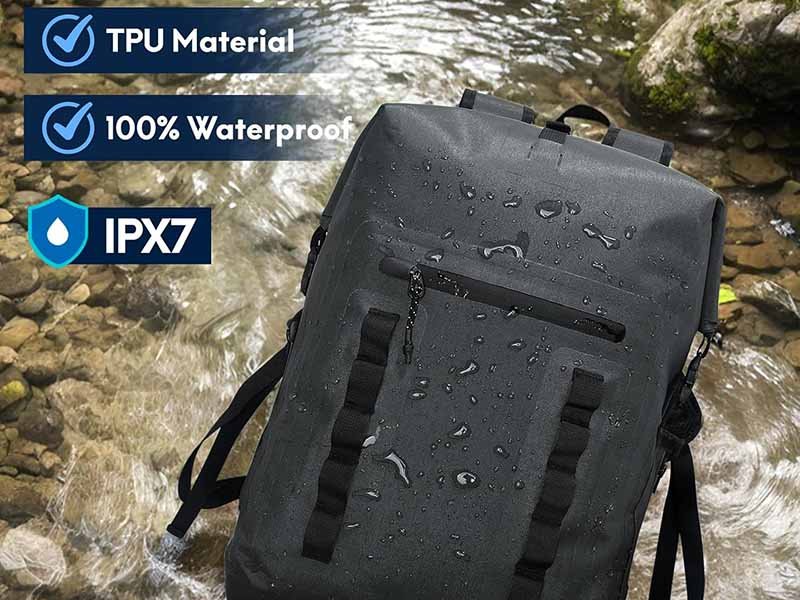
When designing a waterproof dry bag, choosing the right fabric is paramount. Among the best options is TPU laminated fabric, known for its exceptional performance under wet and rough conditions. TPU, or thermoplastic polyurethane, is a highly durable and flexible material, commonly used for creating bags that need to endure tough environments. Whether you’re designing a lightweight day bag or a heavy-duty expedition bag, the thickness and feel of the TPU lamination directly influence the bag’s waterproofing, abrasion resistance, and overall comfort.
TPU laminated fabrics are widely used in dry bags for their excellent waterproofing, durability, and flexibility. The thickness of the TPU layer determines how resistant the fabric is to abrasion and punctures, while the feel of the fabric affects the user experience, such as softness and flexibility. Different thicknesses of TPU allow manufacturers to tailor the bag’s performance to specific use cases, from lightweight to heavy-duty applications.
But how exactly does TPU thickness and feel impact the performance of waterproof dry bags? Let’s dive deeper into the different thicknesses, materials, and design choices that go into making these bags more than just waterproof—they become long-lasting, durable, and comfortable companions for all kinds of outdoor adventures.
What is TPU laminated fabric for dry bags?
TPU laminated fabric is a composite material where a layer of thermoplastic polyurethane is bonded to a base fabric, such as nylon or polyester. This lamination creates a fabric that is highly waterproof, durable, and resistant to abrasion, making it ideal for dry bags used in outdoor activities like hiking, kayaking, or camping.
What does TPU lamination do?
TPU lamination is a process where thermoplastic polyurethane is applied to the surface of a base fabric, creating a waterproof barrier. This lamination adds flexibility, strength, and abrasion resistance to the fabric, allowing it to withstand outdoor elements. TPU is highly effective in protecting the fabric from moisture and damage from exposure to water, making it a top choice for dry bags.
How TPU lamination works:
- Waterproofing: TPU bonds to fabric fibers, creating a waterproof layer that prevents water from penetrating through the material.
- Abrasion resistance: The TPU layer enhances the fabric’s ability to resist wear and tear caused by friction against rough surfaces, rocks, and gravel.
- Flexibility: TPU remains flexible and does not stiffen, which is important for bags that need to fold or roll up when not in use.
| Feature | Effect of TPU lamination | Result |
|---|---|---|
| Waterproofing | Seals the fabric, preventing water from penetrating | Keeps contents dry |
| Abrasion resistance | Adds durable surface protection | Resists scratches, wear |
| Flexibility | Maintains the fabric’s pliability | Easy to pack or store |
What makes TPU different from other coatings?
While other coatings like PVC and PU are used for waterproofing and lamination, TPU stands out due to its environmental and performance advantages.
Key differences:
- Environmental impact: TPU is more eco-friendly compared to PVC, which contains chlorine and phthalates. TPU is non-toxic and can be recycled, making it a more sustainable option.
- Durability and flexibility: TPU is more flexible than PVC, meaning it won’t crack or stiffen over time, even in cold temperatures. It also offers better abrasion resistance than PU coatings.
- Water resistance: TPU provides a higher level of waterproofing, which is crucial for dry bags. It forms a stronger barrier to moisture and dirt, especially in high-pressure situations.
| Coating Material | Strength | Flexibility | Environmental Impact | Durability |
|---|---|---|---|---|
| TPU | High | Very high | Eco-friendly, recyclable | Excellent |
| PVC | High | Low | Toxic, non-recyclable | Good |
| PU | Medium | High | Moderate | Moderate |
For outdoor dry bags, TPU is the best choice if you want a durable, environmentally friendly, and high-performance option that will withstand prolonged exposure to water and abrasion.
Which thickness options are best for dry bags?
The thickness of the TPU lamination plays a significant role in determining the bag’s abrasion resistance and weight. Lighter, thinner TPU laminates are ideal for light-use dry bags and backpacking, while thicker TPU is more suitable for heavy-duty dry bags used in extreme outdoor conditions, providing enhanced abrasion resistance and strength.
Which TPU thickness for light-use dry bags?
For dry bags used in light outdoor activities or backpacking, a thinner TPU layer (0.3mm to 0.5mm) is sufficient. Thinner TPU provides a balance between waterproofing, flexibility, and weight.
Benefits of thinner TPU:
- Lightweight: Thinner TPU reduces the overall weight of the bag, making it easier to carry during long hikes.
- Flexibility: Allows the bag to be easily rolled or packed into tight spaces.
- Sufficient waterproofing: Provides adequate protection against water exposure for lighter use cases.
| TPU Thickness | Ideal Use Case | Key Benefit |
|---|---|---|
| 0.3mm – 0.5mm | Light-use dry bags, day hikes | Lightweight, flexible |
| 0.5mm – 1mm | Medium-duty bags, travel bags | More durable and abrasion-resistant |
For travel bags or day hikes, 0.5mm TPU is a good middle ground, offering waterproofing and abrasion resistance without adding unnecessary weight.
Which thickness for heavy-duty waterproof bags?
For bags exposed to extreme conditions, such as kayaking, mountain expeditions, or heavy-duty camping, thicker TPU laminates (1mm to 1.5mm) are necessary for added durability and abrasion resistance.
Benefits of thicker TPU:
- Increased abrasion resistance: Thicker TPU offers superior protection against sharp objects and harsh environments.
- Longer lifespan: Can withstand extended use under extreme pressure and abrasion.
- Heavy-duty waterproofing: Better at handling pressure and preventing water seepage in submerged conditions.
| TPU Thickness | Ideal Use Case | Key Benefit |
|---|---|---|
| 1mm – 1.5mm | Heavy-duty dry bags, kayaking | Extra strength, abrasion resistance |
| 1.5mm+ | Extreme conditions, prolonged submersion | High-pressure waterproofing |
For extreme outdoor use, such as kayaking or high-altitude expeditions, using 1mm+ TPU ensures that your bag endures long-term stress while keeping contents dry.
Do thicker laminates affect feel and flexibility?
Thicker TPU layers provide more durability, but they can reduce the softness and flexibility of the fabric, making the bag stiffer and harder to pack.
Impact of thicker laminates on feel:
- Reduced flexibility: Thicker TPU can make the fabric feel stiffer, which can affect how the bag moves or folds.
- Increased noise: Heavier TPU laminates can create a crinkly sound when the bag is handled, which may affect comfort.
- More rigid structure: Thicker laminates help maintain the bag’s shape, but they may reduce the ability to fold or compress the bag when it’s not in use.
| TPU Thickness | Feel and Flexibility | Performance | Ideal Use |
|---|---|---|---|
| 0.5mm | Soft, flexible | Good for light use | Day trips, light hiking |
| 1mm | Stiff, more rigid | Great for heavy use | Extreme conditions |
If you’re looking for flexibility and lightweight, choose a 0.5mm thickness for casual use. For rigid structure and long-term durability, opt for 1mm or higher.
Which thickness options are best for dry bags?
The thickness of the TPU laminate determines the bag’s durability and performance. Thicker TPU (1mm+) is ideal for heavy-duty bags, while thinner TPU (0.3mm to 0.5mm) is best for light-use bags. The choice depends on the bag’s intended use—lightweight bags need flexibility, while high-strength bags require thicker laminates for abrasion resistance and waterproofing.
Which TPU thickness for light-use dry bags?
For light outdoor activities or day hikes, a thinner TPU layer (0.3mm to 0.5mm) is typically sufficient. The thinner material provides a balance between waterproofing, lightness, and flexibility, making it perfect for backpacking, beach outings, or light camping trips.
Benefits of thinner TPU:
- Weight reduction: Thinner TPU layers make the bag lighter and easier to carry for long distances.
- Flexible design: Thin TPU laminates are more flexible, making it easier to pack and store the bag when not in use.
- Adequate waterproofing: Thinner layers still provide a high degree of waterproofing for most casual outdoor uses.
| TPU Thickness | Best Use Case | Key Advantages |
|---|---|---|
| 0.3mm – 0.5mm | Light-use, day hikes, travel bags | Lightweight, flexible, cost-effective |
| 0.5mm – 1mm | Medium-duty, short camping trips | Durable, better abrasion resistance |
For light-weight bags used in casual settings, 0.5mm TPU strikes a good balance, offering flexibility and durability without extra weight.
Which thickness for heavy-duty waterproof bags?
For bags that need to withstand harsh environments, such as kayaking, mountain expeditions, or extended camping trips, thicker TPU (1mm to 1.5mm) provides superior abrasion resistance and heavy-duty waterproofing. This thickness can handle exposure to sharp objects, rocky surfaces, and intense friction while maintaining a high level of waterproofing.
Benefits of thicker TPU:
- Durability: Thicker TPU offers more protection against punctures and abrasions, especially in rough conditions.
- Heavy-duty waterproofing: The thicker material creates a stronger barrier against water, especially in high-pressure environments (such as submersion or heavy rainfall).
- Longer lifespan: Bags made from thicker TPU last longer and provide better protection for contents over the long term.
| TPU Thickness | Best Use Case | Key Advantages |
|---|---|---|
| 1mm – 1.5mm | Extreme use (kayaking, expeditions) | High durability, high waterproofing |
| 1.5mm+ | Prolonged submersion, rugged expeditions | Maximum abrasion resistance, long-term protection |
For extreme use, such as long-term submersion, 1.5mm TPU provides optimal protection without compromising durability.
Do thicker laminates affect feel and flexibility?
Thicker laminates provide enhanced durability but may reduce the softness and flexibility of the fabric. This can make the dry bag feel more rigid and less comfortable when carried for extended periods.
Impact of thickness on feel:
- Reduced flexibility: As TPU thickness increases, the material becomes less flexible, which can make the bag harder to roll or pack down when it’s not in use.
- Increased stiffness: Thicker TPU is stiffer, which may result in a bag that holds its shape but does not conform well to the body when carried.
- Noise increase: Thicker TPU can make a crinkly sound when handled, which can be distracting or unpleasant for some users.
| TPU Thickness | Feel and Flexibility | Ideal Use | Key Benefit |
|---|---|---|---|
| 0.5mm | Soft, flexible | Light-use, travel bags | Lightweight, foldable |
| 1mm | Stiff, rigid | Heavy-duty, extreme use | Abrasion resistant, durable |
| 1.5mm+ | Very stiff | Kayaking, long expeditions | Maximum protection, durability |
For backpacking or short trips, 0.5mm TPU offers the best comfort and flexibility. For harsh environments, 1mm TPU is ideal, but it may feel stiff in certain use cases.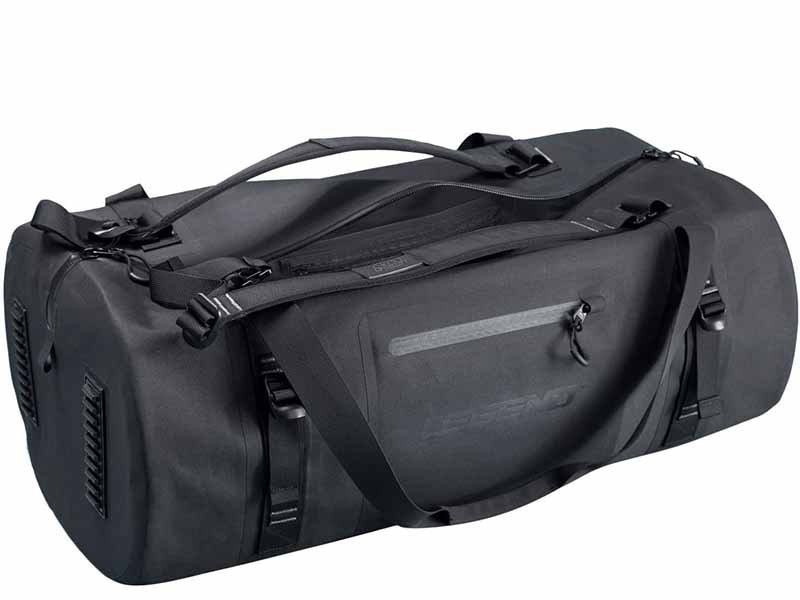
How does feel influence dry bag performance?
The feel of a dry bag, influenced by material thickness and texture, impacts both the user experience and bag functionality. A softer, flexible feel makes the bag easier to pack, while a stiffer, thicker feel offers better protection against abrasions. The right balance ensures that the dry bag is both comfortable to carry and durable in harsh environments.
How does stiffness change handling?
Stiffness is a critical factor in how easy or difficult it is to carry and store a dry bag. Bags with thicker TPU laminates tend to be stiffer, meaning they hold their shape but may be harder to pack into tight spaces.
Factors influenced by stiffness:
- Carrying comfort: A stiffer bag does not conform to the shoulder or back as easily, potentially causing discomfort during long walks or hikes.
- Packing ability: Stiff bags can be harder to roll or compress when not in use, taking up more storage space.
| TPU Thickness | Stiffness Level | Ideal Use | Key Consideration |
|---|---|---|---|
| 0.5mm | Low | Light-use, easy to store | Flexible, foldable |
| 1mm | Medium | Heavy-duty, medium trips | Better shape retention |
| 1.5mm+ | High | Extreme expeditions | High durability, minimal flexibility |
For backpacking and travel bags, opt for a more flexible design with 0.5mm TPU. For extreme conditions, thicker laminates like 1mm TPU provide necessary strength, but the user experience may be less flexible.
How does surface texture affect wipe-clean performance?
The texture of TPU-laminated fabric influences how easily dirt, water, or stains can be wiped away from the surface. A smooth finish typically repels water more effectively, while a textured surface may offer better abrasion resistance but might trap dirt.
Texture considerations for feel and performance:
- Smooth surfaces: Easier to clean, water-resistant, and more durable against dirt accumulation.
- Textured surfaces: Offer better grip, but may hold onto dirt or water droplets, requiring more maintenance.
| Surface Texture | Cleaning Ease | Durability | Best Use |
|---|---|---|---|
| Smooth | Easy | Medium | Travel bags, beach use |
| Textured | Moderate | High | Extreme conditions, rough handling |
For waterproofing, a smooth TPU surface is ideal, especially for water exposure and environments with frequent contact with dirt and grime.
What tests measure waterproof and abrasion performance?
Testing the waterproofing and abrasion resistance of TPU-laminated fabrics is essential for ensuring long-term performance. Common tests include the Martindale Abrasion Tester, crocking tests, and water resistance tests. These methods help manufacturers assess how well the bag withstands prolonged exposure to friction, abrasion, and moisture.
How to test water resistance?
Testing water resistance is critical for dry bags to ensure that they will keep contents dry in wet conditions. The water column test is the standard method used to assess fabric waterproofing. It involves applying pressure to the fabric to see how much water it can withstand before it begins to seep through.
| Test Method | What It Measures | Ideal Outcome |
|---|---|---|
| Water column test | Waterproofing under pressure | 3000mm+ water resistance |
For dry bags used in kayaking or submersion, make sure the fabric can withstand 3000mm+ of water column pressure for reliable waterproofing.
How to test abrasion resistance?
To ensure the durability of dry bags under constant friction, abrasion resistance testing simulates repeated rubbing and dragging. The Martindale abrasion tester measures how many cycles the fabric can undergo before showing signs of wear.
| Test Method | What It Simulates | Ideal Outcome |
|---|---|---|
| Martindale tester | Fabric wear from friction | 5000–10,000 cycles without visible damage |
For heavy-duty dry bags, ensure that your TPU laminate can withstand 5000–10,000 cycles before showing signs of wear.
Are real-world field tests needed?
Yes, field tests are necessary to assess how the bag performs under actual outdoor conditions. Lab tests simulate controlled environments, but real-world tests provide valuable insights into how the dry bag holds up in wet, dirty, and rugged conditions over time.
| Test Type | What It Measures | Ideal Outcome |
|---|---|---|
| Field test | Real-world stress | No wear or discomfort after long use |
Always conduct real-world testing to confirm how the bag’s TPU laminate performs under dynamic and harsh conditions.
How to choose TPU laminated fabric for custom dry bags?
When selecting TPU laminated fabric for custom dry bags, consider factors such as waterproofing, abrasion resistance, and flexibility based on the bag’s intended use. For lightweight bags, thinner TPU (0.3mm–0.5mm) is ideal, while for heavy-duty or extreme conditions, opt for thicker TPU (1mm+). The feel of the fabric should also align with the desired comfort level for the wearer.
What end-use factors should you consider?
When designing custom dry bags, understanding the intended use is the key factor in choosing the appropriate TPU laminate thickness and fabric feel. Different activities, such as light hiking versus mountain expeditions, will place different demands on the bag’s abrasion resistance, waterproofing, and durability.
Factors to consider:
- Activity type: For kayaking and water sports, you need thicker, more abrasion-resistant TPU. For light camping, thinner TPU offers flexibility without added weight.
- Weight tolerance: If the bag will be used to carry heavy loads, thicker, more rigid TPU ensures the straps and body are strong enough to handle the weight without breaking.
- Exposure to environmental factors: If the dry bag will be exposed to sunlight, saltwater, or cold temperatures, UV resistance and cold-flexibility are important considerations.
| Use Case | TPU Thickness | Key Considerations |
|---|---|---|
| Light hiking, travel | 0.3mm – 0.5mm | Flexibility, lightweight |
| Extreme kayaking, diving | 1mm – 1.5mm | Abrasion resistance, high pressure |
| Heavy-duty expeditions | 1mm+ | Durability, maximum waterproofing |
For multi-use bags intended for both light use and heavy-duty tasks, use variable thicknesses across different areas (e.g., thinner material for the body, thicker material for the base).
Which features add value for customers?
When designing custom dry bags, certain features can significantly enhance the product’s appeal and functionality, which in turn adds value for the customer.
Key value-added features:
- Reinforced stress points: Adding extra reinforcements at handle connections, bottom panels, and seam junctions improves the durability of the bag.
- Ergonomic shoulder straps: Custom straps made from padded webbing or memory foam can enhance comfort, particularly for heavier bags.
- Roll-top design: This allows for an extra level of waterproofing, making the bag more secure when submerged in water or used in rain.
- External pockets and compartments: Offering extra organization for accessories makes dry bags more practical for users, especially on outdoor adventures.
| Feature | Benefit | Customer Value |
|---|---|---|
| Reinforced stress points | Increased durability and strength | Longer lifespan |
| Ergonomic shoulder straps | Enhanced comfort, reduced fatigue | Comfortable to carry |
| Roll-top design | Better waterproofing, compactness | Secure storage |
| External pockets | Added convenience for storage | Improved organization |
Adding features like waterproof zippers or high-quality fasteners enhances the bag’s functional appeal for premium customers who value both performance and style.
How to balance cost, thickness, and feel?
Balancing cost, material thickness, and user experience is a critical aspect of designing a custom dry bag. Thicker TPU laminates often increase durability, but they also add weight and cost. By carefully selecting the appropriate material and thickness for specific areas of the bag, you can create a product that offers both affordability and high performance.
Balancing cost and performance:
- Thin TPU (0.3mm – 0.5mm) offers a great cost-to-performance ratio for light-use bags.
- Medium thickness (0.5mm – 1mm) balances abrasion resistance, waterproofing, and weight, making it suitable for most outdoor activities.
- Thicker TPU (1mm and above) provides the highest durability and waterproofing but at a higher cost and weight.
| TPU Thickness | Cost | Performance | Use Case |
|---|---|---|---|
| 0.3mm – 0.5mm | Low | Medium | Light-use, casual trips |
| 0.5mm – 1mm | Medium | High | Multi-purpose, medium-duty |
| 1mm+ | High | Very high | Extreme conditions, heavy-duty |
If you’re looking for a cost-effective solution without compromising on performance, consider using 0.5mm TPU for the main body and 1mm TPU for reinforced areas like the bottom and seams.
Customize your waterproof dry bags with Szoneier
At Szoneier, we specialize in creating custom TPU laminated dry bags designed to meet your exact needs. With over 18 years of experience, we offer:
- Custom bag designs made from high-quality TPU fabrics
- Private label / OEM / ODM services
- Low MOQ for testing and quick sampling
- Fast prototyping and real-world testing
Contact Szoneier today for custom shoulder straps engineered to provide strength, comfort, and durability. Request your custom TPU dry bag solution now!