 Skip to content
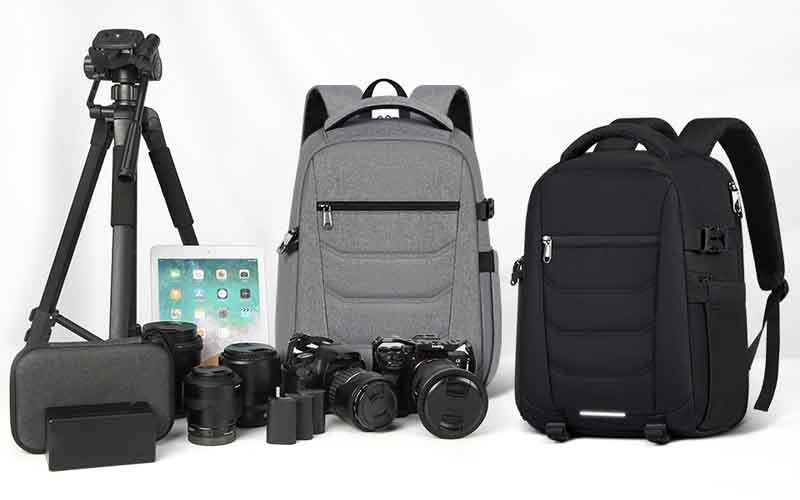
A Made in USA camera bag is more than a label—it represents craftsmanship, compliance, and design integrity shaped by decades of American innovation. These bags are built by manufacturers who emphasize material traceability, ethical labor, and quality consistency, from sourcing threads to stitching the final seam. While global supply chains dominate modern bag production, a “Made in USA” mark signals authenticity, transparency, and lasting reliability—attributes many photographers now prioritize as much as aesthetics.
A Made in USA camera bag is one that’s manufactured almost entirely within the United States under Federal Trade Commission (FTC) standards. It means every major process—from cutting fabric and assembling panels to adding zippers and tags—occurs domestically. These bags reflect American craftsmanship, high-quality materials, and strict production ethics, giving photographers both durability and trust in what they carry.
Why Is It Called a Camera Bag?
The term camera bag originates from the early 20th century when photography transitioned from studio-only equipment to portable field cameras. Photographers required protective carriers for fragile glass plates, film rolls, and mechanical shutters—gear highly sensitive to dust, humidity, and impact.
In the 1940s–1960s, during the golden era of photojournalism, companies like Domke began crafting rugged cotton canvas bags that could endure war zones and long fieldwork. This defined the modern identity of camera bags: purpose-built protection for creative tools.
Today, the name remains, even as the contents have evolved—from 35mm cameras to mirrorless digital systems, drones, and lenses. But the essence hasn’t changed: every camera bag, whether handmade leather or high-denier nylon, still embodies reliability and readiness for any shot.
Definition and Labeling Standards Under U.S. Law
According to the Federal Trade Commission (FTC), a product may be labeled “Made in USA” only when all or virtually all of its components and labor originate domestically. This means:
| Criterion | Requirement |
|---|---|
| Assembly Location | The final manufacturing must take place in the U.S. |
| Material Origin | All or nearly all materials (fabric, zippers, foam) must be U.S.-made. |
| Labor Source | Workers must be employed within the U.S. with fair compensation. |
| Manufacturing Value | Foreign content, if any, must be negligible in cost and scope. |
For example, a camera bag made with U.S.-woven Cordura, domestic leather trim, and assembled in a facility in Colorado or Maine fully qualifies as Made in USA. In contrast, if a company imports synthetic fabric from Asia but stitches the bag locally, it may only claim “Assembled in USA.”
Is “Assembled in USA” the Same as “Made in USA”?
No—the two are legally distinct.
- Made in USA means complete domestic production with negligible foreign input.
- Assembled in USA allows imported components, such as zippers or foam padding, as long as substantial transformation happens domestically.
This distinction matters to consumers who value authenticity and sustainability. For instance, Tenba and Domke produce many of their signature models in U.S. facilities, sourcing as many local materials as possible, while other global brands may only perform assembly or final packaging within the country.
Many manufacturers are now increasing transparency by listing details such as:
- Fabric supplier names (e.g., Invista Cordura®, North Carolina)
- Zipper source (e.g., YKK USA, Georgia)
- Origin of hardware and thread (e.g., Ohio, Illinois)
Such details build consumer trust and allow professionals to make informed purchasing decisions.
The Heritage of American Bag-Making
The U.S. bag industry has a long history intertwined with military and outdoor gear production. During World War II, American mills developed ballistic nylon and waxed canvas—materials that later found civilian applications in luggage and camera bags. These innovations became part of a design language emphasizing function over fashion.
Brands such as Domke, Filson, and Tenba inherited this spirit, creating products that blended military-grade durability with photographer-focused design. Even as automation expanded, U.S. workshops continued using small-batch production models—allowing for meticulous inspection and hand-finishing uncommon in mass-produced imports.
This tradition forms the backbone of why Made in USA camera bags are still revered today: each piece carries a lineage of resilience and precision.
Modern Interpretations of “Made in USA” in Photography Gear
In today’s global economy, even American brands operate in hybrid ways—balancing local craftsmanship with global efficiency. A modern “Made in USA” camera bag often combines:
- U.S.-made structural fabrics (Cordura, ballistic nylon)
- Imported precision hardware (Japanese YKK or Italian buckles)
- Domestic sewing and QC inspection
This hybrid model helps small manufacturers remain competitive while maintaining high build quality. For instance, ONA’s handcrafted leather bags are stitched in New York using globally sourced leathers, while Think Tank Photo manages part of its engineering in California and manufacturing abroad, clearly stating product origins on every label.
Ultimately, “Made in USA” no longer simply means geography—it represents transparency, craftsmanship, and accountability in a globalized marketplace.
Why Do Photographers Choose U.S.-Made Camera Bags?
A camera bag may look simple—a box with padding and zippers—but for photographers, it’s as critical as the lens or the body itself. Choosing a Made in USA bag often reflects more than patriotism or nostalgia; it’s about trusting the process, materials, and people behind the product. From seasoned photojournalists to commercial shooters, many professionals continue to favor American craftsmanship for its combination of longevity, serviceability, and design integrity.
Photographers prefer Made in USA camera bags for their superior durability, transparent sourcing, and consistent craftsmanship. They’re built with high-grade fabrics like Cordura and waxed canvas, engineered for extreme environments, and supported by responsive service and repair networks. These qualities make U.S.-made bags a long-term investment for professionals who rely on their gear daily.
1. Durability and Reliability
When you’re shooting in rain-soaked streets, arid deserts, or on a mountain ridge, your bag becomes the first line of defense. U.S.-made camera bags are known for exceptional structural integrity—thanks to military-grade materials and quality control standards developed through decades of field experience.
- Material resilience: Many U.S. brands use 1050D Cordura nylon, ballistic nylon, or waxed cotton canvas, which resist tears and abrasions up to 2× better than imported polyester alternatives.
- Hardware quality: Components like YKK zippers (Georgia), Cobra buckles (Massachusetts), and Nickel-plated rivets (Illinois) are locally sourced and tested under ASTM standards for endurance.
- Field repairs: Unlike mass-market imports, U.S. manufacturers like Domke or Tenba offer modular parts—removable inserts, shoulder straps, or zipper replacements—extending lifespan beyond 10 years.
A study by the Professional Photographers of America (PPA) showed that 67% of professionals retained their U.S.-made camera bag for more than 8 years, compared to 3–5 years for imported equivalents.
2. Ethical Production and Traceable Supply Chains
Sustainability has become a defining value in modern photography gear. Buying a Made in USA camera bag supports regulated labor practices, environmental accountability, and transparent sourcing.
- Labor ethics: American workshops follow OSHA standards for workplace safety and fair wages, eliminating concerns about exploitative manufacturing.
- Eco-friendly materials: Many brands now use Bluesign®-certified or recycled Cordura fabrics, reducing carbon footprints by up to 40%.
- Traceability: Each batch of fabric or leather can be traced back to domestic mills—something rarely available in mass-production supply chains.
For photographers with strong sustainability values, supporting local manufacturing aligns with the story they tell through their work—responsibility and authenticity.
3. Design Philosophy: Function Meets Form
One major reason photographers gravitate toward U.S.-made camera bags lies in design practicality. American bag design emphasizes function-first ergonomics, built around real-world field feedback from photojournalists, travelers, and filmmakers.
- Form follows fieldwork: Domke’s unstructured design evolved from the needs of war correspondents—bags that mold to the body for stealth and comfort.
- Hybrid innovations: Modern U.S. brands like Peak Design merge aesthetics and modular engineering—magnetic quick latches, customizable dividers, and expandable storage zones that shift between city commutes and wilderness treks.
- Minimalism with purpose: Many bags balance rugged utility with clean, lifestyle-friendly design—appealing to creators who need one bag that fits both a professional shoot and a coffee-shop meeting.
4. Service, Repairability, and Brand Accountability
One of the defining advantages of U.S. manufacturing is after-sales longevity. American brands typically maintain in-house repair centers or authorized service partners, allowing owners to extend product life indefinitely.
- Lifetime warranties: Brands like Think Tank Photo and Filson offer unconditional repair or replacement policies, ensuring that a bag purchased once can last a career.
- Component-level fixes: Leather straps, zipper pulls, and foam inserts can be replaced individually rather than discarding the entire product.
- Direct brand communication: Customers can contact designers or technical staff directly—something impossible with mass-produced imports.
5. Community, Heritage, and Identity
Beyond materials and structure, American-made camera bags carry a sense of identity. For many photographers, owning a locally made product connects them with a legacy of documentary storytelling, field exploration, and independence.
- Heritage craftsmanship: Brands such as ONA, Langly, and Tenba often highlight small-batch workshops where artisans hand-cut and stitch every piece.
- Community feedback loops: Companies regularly involve photographers in prototype testing, ensuring each design reflects practical needs.
- Symbol of belonging: Carrying a Made in USA bag isn’t just about function—it symbolizes participation in a community that values craft and authenticity over mass consumption.
As travel photographer Chris Burkard once said, “Your camera bag isn’t just storage; it’s a portable home for your creative life.” This philosophy underpins why many professionals keep returning to American brands even when cheaper alternatives exist.
6. Long-Term Value vs Short-Term Cost
Price often becomes the deciding factor in gear purchases—but the value lifespan of U.S.-made camera bags tells a different story. While imports may cost $70–150, an American-made bag priced at $250–400 can last more than a decade. Over time, the cost per year of use becomes significantly lower, while environmental waste and replacement frequency decrease.
| Bag Type | Average Price (USD) | Typical Lifespan | Cost per Year |
|---|---|---|---|
| Imported Synthetic | $100 | 3 years | $33/year |
| U.S.-Made Canvas/Nylon | $250 | 10 years | $25/year |
| Premium Leather (ONA, Filson) | $400 | 15+ years | $26/year |
Which Materials and Designs Define Premium U.S. Camera Bags?
Every great camera bag begins with the right material — one that balances protection, longevity, weight, and style. Premium Made in USA camera bags stand out not only because of where they’re made, but also because of how they’re engineered — through rigorous testing, durable fabrics, and function-first design. Each element — from stitching to zipper tension — is built with intention, ensuring photographers can trust their gear in any environment.
Premium American-made camera bags are crafted using high-performance materials like Cordura nylon, waxed canvas, ballistic nylon, and full-grain leather. These fabrics are chosen for their abrasion resistance, waterproofing, and strength-to-weight ratio. Combined with ergonomic, modular design and durable hardware, they deliver both professional functionality and timeless aesthetics that define true U.S. craftsmanship.
The Core Materials of American Camera Bags
American manufacturers are known for prioritizing material quality above all else. Instead of relying on cheaper synthetics or thin polyester, they select industrial-grade textiles proven in military and outdoor applications.
| Material | Origin & Use | Strengths | Ideal Applications |
|---|---|---|---|
| 1050D Cordura Nylon | U.S.-engineered by Invista | Abrasion & tear resistant, lightweight, weatherproof | Travel & outdoor backpacks |
| Ballistic Nylon | Developed for U.S. military | Impact resistance, rigidity | Rolling cases, protective shells |
| Waxed Cotton Canvas | Traditional American textile | Water-repellent, ages beautifully | Heritage shoulder bags |
| Full-Grain Leather | U.S. tanneries (e.g., Horween) | Luxurious, durable, patina-rich | Lifestyle & professional satchels |
| Recycled Ripstop Nylon | Modern eco-material | Lightweight, tear-stopping grid | Compact urban photo bags |
Cordura Nylon
Cordura remains the benchmark of American performance fabrics. Developed in the 1960s for military gear, it resists abrasion up to 3× better than standard nylon. Modern Cordura blends use PU or TPU coatings, offering waterproof ratings of 1000–1500 mm — perfect for outdoor photographers shooting in rain, sand, or snow.
Waxed Canvas
Waxed canvas is a heritage material that offers natural water repellence. Over time, it develops a unique patina—every scratch tells a story. It’s heavier than nylon but chosen for its tactile warmth and quiet surface (no “plastic” noise during movement), ideal for street or documentary photographers.
Full-Grain Leather
Premium brands like ONA and Langly use full-grain leather sourced from American tanneries. It retains the hide’s original texture and strength, meaning it won’t peel or crack like bonded leather. Properly cared for, full-grain bags can last 15–20 years and even improve with age.
The Craftsmanship Behind the Fabric
Material is just one side of the equation — how it’s cut, stitched, and assembled defines performance in the field.
- Double & Triple Stitching: U.S. workshops use industrial-grade bonded nylon thread (Tex 90–135). Seams are often double-stitched in high-stress areas like handles and corners to prevent seam failure.
- Edge Binding & Bartack Reinforcement: Corners and flap points are sealed with edge binding or bartack stitching (used in military gear). This prevents fabric fraying under load.
- Closed-Cell Foam Padding: Unlike open-cell foam that compresses over time, closed-cell EVA or PE foam retains shape and absorbs impact even after years of use.
- Taped & Sealed Seams: In weather-resistant models, interior seams are heat-taped — ensuring no water ingress during heavy rain.
These structural reinforcements add to weight, but also longevity. Many professional U.S. photographers still rely on bags from the 1980s that remain fully functional due to this engineering ethos.
Hardware and Structural Components
Hardware may be small, but it defines usability. U.S. bag makers typically rely on precision components sourced domestically or from premium partners.
| Component | Material | Purpose & Benefit |
|---|---|---|
| Zippers | YKK® or IDEAL® (metal / RC coil) | Smooth operation, anti-corrosion |
| Buckles | Cobra® / Duraflex® | Quick-release, high tensile strength |
| Rivets & D-Rings | Stainless steel or brass | Rust-resistant structural integrity |
| Foam Inserts | EVA / PE closed-cell | Shock absorption for lenses |
| Base Panels | Rubberized or reinforced | Prevents wear from ground contact |
These parts may seem minor, but they define real-world usability — a zipper that doesn’t jam, a buckle that doesn’t break, or a strap that distributes weight evenly across long shooting days.
Design Principles That Define Premium Bags
A U.S.-made camera bag isn’t only about ruggedness; it’s about purposeful design. The best bags merge engineering precision with lifestyle adaptability — something both professionals and casual creators appreciate.
Functional Layout
American designs emphasize accessibility and balance:
- Side-access panels allow photographers to grab gear without removing the bag.
- Adjustable Velcro or foam dividers enable modular organization for cameras, lenses, and drones.
- Laptop sleeves and tripod straps integrate seamlessly without bulk.
Ergonomics and Weight Distribution
Bags are shaped around real human movement:
- Padded, contoured shoulder straps reduce shoulder strain.
- Ventilated back panels (mesh or spacer foam) improve comfort in warm climates.
- Center-of-gravity designs prevent sway during long walks or hikes.
Aesthetic Balance
Even technical bags prioritize timeless style. Many use matte finishes, muted tones (olive, navy, charcoal), and minimal branding — blending easily into urban and professional settings. ONA’s leather series, for example, bridges fashion and utility — carried as both a camera satchel and a daily messenger bag.
Weatherproofing and Environmental Protection
Weather protection is one of the top reasons professionals invest in premium U.S. camera bags. Key techniques include:
- DWR (Durable Water Repellent) Coating: Applied to nylon or canvas for light rain resistance.
- TPU Lamination: Provides complete waterproofing for technical outdoor bags (used in Tenba Axis V2).
- Waterproof Zippers & Storm Flaps: Sealed YKK AquaGuard zippers prevent moisture infiltration.
- Rubberized Base Panels: Protect the bottom from puddles or rough terrain.
A bag’s Hydrostatic Head Rating (HH) — measured in millimeters — indicates water resistance.
| Protection Level | HH Rating | Usage Scenario |
|---|---|---|
| Water-Resistant | 600–1000 mm | Light rain or mist |
| Highly Water-Resistant | 1000–1500 mm | Moderate showers |
| Waterproof | 2000–3000 mm+ | Heavy rain, travel, field reporting |
Modern Innovation: Modularity and Smart Design
Modern American camera bags integrate modular and smart elements that adapt to evolving creative needs.
- Magnetic Latch Systems (Peak Design): Fast, one-hand access to main compartments.
- Removable Camera Cubes: Let users transform camera bags into everyday backpacks.
- Convertible Straps: Allow transition between backpack, shoulder, or duffel style.
- Smart Storage: USB pass-through ports, RFID pockets, and hidden compartments enhance practicality.
These innovations reflect a user-centered philosophy: instead of creating disposable accessories, U.S. brands design adaptive ecosystems that evolve with the photographer’s workflow.
Material Performance Comparison Table
| Material | Water Resistance | Weight | Durability (Abrasion Cycles) | Maintenance | Lifespan (Years) |
|---|---|---|---|---|---|
| Cordura 1050D Nylon | High | Light | 100,000+ | Easy | 10–15 |
| Ballistic Nylon | Medium-High | Medium | 80,000+ | Easy | 10–12 |
| Waxed Canvas | Medium | Heavy | 50,000+ | Moderate (rewax) | 8–12 |
| Full-Grain Leather | Moderate | Heavy | 70,000+ | Regular conditioning | 15–20 |
| Ripstop Nylon | Medium | Very Light | 60,000+ | Easy | 5–8 |
Who Are the Leading U.S. Camera Bag Brands Today?
Here’s a deeper look at some of the most influential American-based camera bag brands, how they distinguish themselves, and what sets them apart in terms of design, material, and market positioning.
1. Peak Design
Founded in San Francisco in 2010, Peak Design has quickly established itself as a major force in camera-bags and carrying gear. Brand highlights:
- Known for modular systems (magnetic latches, quick-access compartments) and premium materials.
- Focuses on creators who move between travel, professional work, and everyday carry.
- Emphasizes ethical production, having achieved B-Corp certification. The brand blends sleek aesthetics with high-functionality, making it appealing both to serious photographers and lifestyle consumers.
2. Domke
A heritage brand favored by photojournalists for decades. Brand highlights:
- Founded in the mid-1970s by photojournalist Jim Domke; originally built for tough field work.
- Uses rugged cotton canvas and simple, functional designs that prioritize durability and ease of access. If you want a bag that’s built for real field conditions rather than just looks, Domke remains a go-to.
3. Think Tank Photo
Based in the U.S., Think Tank specializes in bags for professionals—especially those needing capacity and rapid deployment. Brand highlights:
- Offers rolling cases, large backpacks, and gear organizers for pro-level photography.
- Emphasizes structural support, durable hardware, and long-haul travel gear. For professionals who travel, shoot weddings or assignments, Think Tank backs up functionality with serious build quality.
4. Tenba
Another U.S. brand focused on a mix of professional and enthusiast users. Brand highlights:
- Combines military-grade nylon materials with urban styling.
- Offers a wide range of camera bags, backpacks and inserts, often with high-quality customization options. It hits the sweet spot between rugged outdoor gear and urban camera bag design—good for photographers who cross both worlds.
5. ONA
Located in New York, ONA takes a more fashion-forward approach while still catering to photography gear. Brand highlights:
- Uses premium leather and waxed canvas, giving their camera bags a “lifestyle” look that also protects gear.
- Designed for creators who want gear protection and style in one. When the camera bag needs to double as a daily messenger or stylish satchel, ONA bridges photography utility with personal style.
6. Other Notable Mentions
- Lowepro (originally U.S. headquartered) has strong recognition though much production is global.
- Skooba Design is a smaller American design company making photo and tech-bags in New York.
Comparative Snapshot
| Brand | Production Emphasis | Key Materials | Best For |
|---|---|---|---|
| Peak Design | Modular, creator-focused | High-denier nylon, recycled fabrics | Hybrid travel & everyday carry |
| Domke | Rugged, journalistic heritage | Canvas, simple hardware | Field/photojournalism |
| Think Tank | Pro gear, large capacity | Ballistic nylon, reinforced frames | Professionals/travel/work kits |
| Tenba | Urban rugged, lifestyle + gear | Cordura, versatile finishes | Enthusiasts bridging worlds |
| ONA | Premium leather & style | Full-grain leather, waxed canvas | Photography + daily style |
How to Choose the Right Camera Bag Made in USA
Choosing a camera bag isn’t simply about picking the most expensive or popular option — it’s about selecting the design that aligns with your equipment, environment, and workflow. A professional photographer on assignment in Alaska won’t have the same needs as a content creator commuting across New York. That’s why understanding the functional DNA of a U.S.-made camera bag — from material composition to carrying system — determines whether it performs for years or ends up unused in your closet.
To choose the right U.S.-made camera bag, consider your camera setup, travel habits, and comfort preferences. Assess size, materials, weather protection, and organization features. Look for ergonomics, modular inserts, and durable construction — like Cordura nylon or waxed canvas — suited to your shooting style. A well-selected bag enhances workflow, protects gear, and reflects professional credibility.
1. Assess Your Gear and Shooting Style
Every photographer’s setup defines the bag’s ideal form factor. Before choosing, make a quick checklist of your core kit — camera body, lenses, laptop, tripod, accessories — and how you typically shoot (urban, studio, or outdoor travel).
| Shooting Type | Ideal Bag Style | Why It Works |
|---|---|---|
| Street / Urban | Messenger or Sling | Quick access, compact design |
| Studio / Wedding | Shoulder or Roller Case | Spacious interior, organized layout |
| Outdoor / Landscape | Backpack or Hybrid | Even weight distribution, weatherproof |
| Travel / Film Crew | Duffel or Modular System | Expandable, heavy-duty support |
If you frequently switch between shooting modes, consider modular systems like Peak Design’s Everyday Line or Tenba Axis Series, which allow internal reconfiguration for cameras, drones, or travel gear.
2. Prioritize Size, Weight, and Fit
A common mistake is buying a bag that’s too large “for future gear.” Oversized bags waste space and strain your shoulders. Instead, aim for fit over capacity.
- Volume Rule: Choose a bag that’s 10–15% larger than your current setup — enough for accessories without excess bulk.
- Weight Distribution: Look for padded straps and a ventilated back panel (especially for backpacks). Bags like Think Tank’s StreetWalker balance load by centering weight close to your spine.
- Carry Compatibility: Check TSA carry-on compliance if you fly often. Most U.S.-made medium backpacks (20–25L) fit under airplane seats.
When possible, test-wear the bag. It should distribute weight across the shoulders and hips, not hang loosely from one side.
3. Match Material to Your Environment
The United States offers camera bags built for every environment — from urban studios to coastal rainforests. Matching the fabric to your field conditions ensures both durability and comfort.
| Environment | Recommended Material | Key Features |
|---|---|---|
| Urban / Everyday | Waxed Canvas or Leather | Stylish, professional appearance |
| Outdoor / Travel | Cordura or Ballistic Nylon | Lightweight, abrasion-resistant |
| Coastal / Humid | TPU-Coated Nylon | Waterproof, mold-resistant |
| Cold / Dry Climates | Full-Grain Leather | Retains shape, resists cracking |
Tip: For hybrid photographers who move between environments, bags combining nylon shells with leather accents — like ONA’s Clifton Backpack — deliver the perfect balance of form and protection.
4. Evaluate Organization and Accessibility
A U.S.-made bag’s true value is found inside. American designers focus on workflow efficiency — how quickly you can grab your gear without interrupting your focus.
Key internal features to look for:
- Modular Dividers: Velcro or foam inserts that can be repositioned to fit lenses, drones, or flashes.
- Quick-Access Panels: Side zippers or top flaps that allow instant camera retrieval.
- Laptop / Tablet Compartment: Padded and shock-isolated sections to prevent bending.
- Hidden Pockets: For passports, SD cards, or cash — especially valuable for travel shooters.
Professional bags like Tenba DNA 16 Pro or Peak Design Everyday Backpack use origami-fold dividers that reduce wasted space while enhancing accessibility.
5. Consider Ergonomics and Comfort
If your bag causes shoulder fatigue after 20 minutes, it doesn’t matter how beautiful it looks. Ergonomics defines usability.
Key comfort indicators:
- Shoulder Straps: Look for contoured shapes and thick padding (1.5–2 cm EVA foam).
- Chest / Waist Straps: Essential for heavy setups; help redistribute weight.
- Ventilation System: Mesh back panels or 3D spacer foam prevent sweating on long hikes.
- Grab Handles: Reinforced, top-mounted handles make lifting easy during travel.
For photographers carrying 10 kg+ setups, a frame-supported backpack (e.g., Think Tank MindShift series) significantly reduces fatigue over long days.
6. Weatherproofing and Maintenance Considerations
Even the toughest bag fails if water seeps through. U.S. brands invest heavily in waterproof coatings, sealed seams, and reinforced zippers to withstand weather shifts.
- Waterproof Zippers (YKK AquaGuard): Prevent rain ingress.
- Rain Covers or Dry Liners: Provided in bags like Tenba Solstice.
- Rubberized Bases: Keep the bag elevated when placed on wet ground.
Maintenance tip:
- Re-wax canvas every 12–18 months.
- Condition leather with pH-neutral balm to prevent cracking.
- Wipe nylon with damp cloths—avoid harsh cleaners.
Proper upkeep can extend a premium camera bag’s life from 10 to 15+ years.
Are U.S.-Made Camera Bags Worth the Investment?
A higher price tag doesn’t always mean a better bag—but in the case of truly U.S.-made camera bags, you’re often paying for craftsmanship, materials, and longevity rather than just branding. The question is: will the extra cost yield enough benefits (durability, repairability, resale value) to justify the investment? The short answer: yes—if your use case, values, and brand positioning align with what a premium bag offers.
U.S.-made camera bags are worth the investment when you value durable construction, ethical manufacturing, and long-term usability. Their premium fabrics, reinforced hardware, and domestic service often mean fewer replacements, lower lifetime cost, and stronger brand identity. For professionals or brands sourcing OEM, the higher upfront cost transforms into years of performance and fewer disruptions.
1. Price vs Longevity: The True Cost of Ownership
When you buy an American-made bag, you’re often paying more initially—but you may pay less in the long run. Consider this:
| Bag Category | Typical Price (USD) | Expected Useful Life* | Annual Cost Estimate |
|---|---|---|---|
| Entry-level import | $80–150 | ~3–5 years | $16–$50 |
| Mid-tier U.S.-made nylon | $200–300 | ~8–10 years | $20–37 |
| Premium U.S.-made leather | $400+ | ~12–15 years or more | $27–33 |
- Estimated based on industry data and brand claims. For instance, some U.S.-based bag makers claim careers-long durability at their New York or Utah facilities. What this shows is that a higher initial investment spread over a longer useful life can reduce the annual cost of ownership—while also offering fewer disruptions (less need to replace gear, fewer failures, fewer repair headaches).
2. Build Quality, Repairability & Resale Value
One big benefit of U.S.-made bags is the repair culture and the quality of materials/hardware used. For example:
- Heavy-denier ballistic nylon, waxed cotton canvas, or full-grain leather are standards among American producers.
- Components such as YKK zippers, metal rivets, and reinforced stitching help extend lifespan.
- Domestic manufacturing often provides spare parts, repair services, or refurbishment options—something harder to secure from cheaper imports.
Because of this, U.S.-made bags often retain higher resale value, especially in niche photography markets. A well-maintained leather bag from a recognized U.S. maker can sell second-hand for a significant portion of its purchase price, whereas many mass-market bags lose value rapidly.
3. Ethical & Brand Perception Benefits
Beyond durability, U.S.-made camera bags carry ethical and brand-signal advantages:
- Domestic manufacturing often means better labor standards, safer workshops, and shorter supply chains—important for brands that want to emphasize sustainability and transparency.
- “Made in USA” can be a sales differentiator—especially for customers who care about origin and craftsmanship.
- From a marketing perspective, offering your bag as “Designed in the U.S., Crafted in the U.S.” enhances perceived value and supports higher retail pricing or margin.
4. When the Investment Might Not Be Worth It
Of course, there are scenarios where the “premium” tag doesn’t translate into value:
- If you carry minimal gear and replace bags frequently, the extended lifespan may not matter.
- If your shooting environment is low risk (studio only, minimal travel), you may not need extreme build specs.
- If your target market is highly price-sensitive (e.g., casual hobbyists, low-budget content creators), a lower-cost bag may suffice and allow greater margin flexibility.
- If you source branded OEM bags from overseas at a much lower cost and can accept shorter lifespan/replacement cycles.
Conclusion
A camera bag is not just a carrying tool — it’s a silent guardian of your creative investment. Whether it’s a mirrorless kit, full-frame DSLR, or travel rig, the right bag defines how safely, efficiently, and comfortably you work. Through this guide, it’s clear that Made in USA camera bags set the standard for durability, craftsmanship, and ethical integrity — but custom manufacturing expertise like Szoneier’s allows global brands to access the same engineering excellence at optimized scale and cost.
Whether your goal is to create a luxury leather camera satchel, a technical outdoor photography backpack, or a lightweight urban commuter bag, Szoneier’s technical design and manufacturing precision can bring your concept to life. We collaborate closely with designers, photographers, and private-label owners to ensure every detail — from lining texture to zipper pull — aligns with your brand’s vision.
Let’s design a camera bag that carries your creativity, your story, and your brand’s future.
manufacturer Categories
- Custom Tote Bags Manufacturer
- custom backpacks Manufacturer
- custom travel bags& Duffle bags manufacturer
- custom makeup bags & toiletry bags manufacturer
- custom cooler bags manufacturer
- custom drawstring bags manufacturer
- custom makeup bags & toiletry bags manufacturer
- custom golf bags manufacturer
- custom fireproof bags manufacturer
- custom dry bags manufacturer
- custom ski bags manufacturer
- custom gym & sports bags manufacturer
- custom laptop bags manufacturer
- custom tactical bags manufacturer
- custom beach bags manufacturer
- custom medical bags manufacturer
- custom camera bags manufacturer
- custom wetsuits manufacturer
- custom leather goods manufacturer
- more personalized products
Can't find the answers?
No worries, please contact us and we will answer all the questions you have during the whole process of bag customization.
Make A Sample First?
If you have your own artwork, logo design files, or just an idea,please provide details about your project requirements, including preferred fabric, color, and customization options,we’re excited to assist you in bringing your bespoke bag designs to life through our sample production process.
