 Skip to content
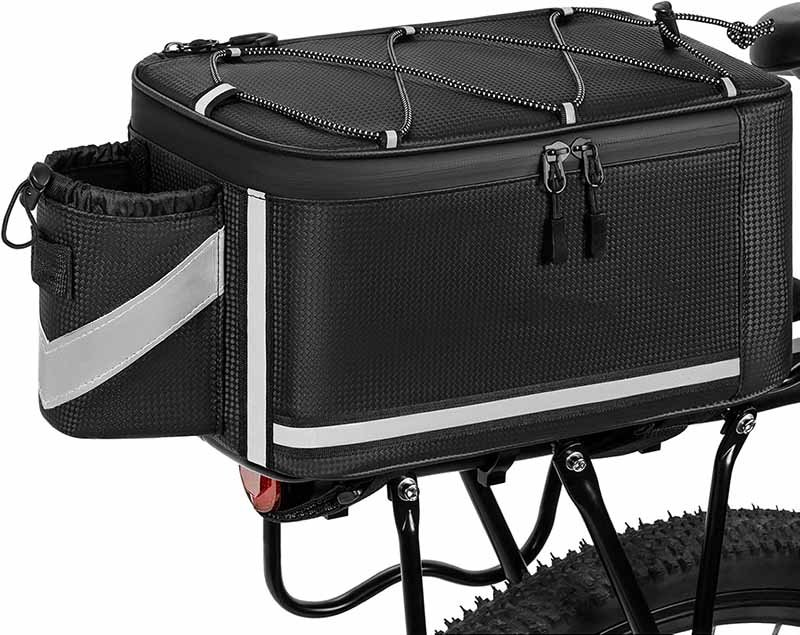
Selecting the right bike bag has become one of the most confusing decisions for cyclists, commuters, and touring riders. With prices ranging from $12 budget saddle bags to $200+ waterproof pannier systems, buyers often wonder: What exactly determines the cost of a bike bag? As materials, construction techniques, waterproof ratings, and manufacturing origins continue to evolve, the price landscape has changed dramatically. Buyers—especially first-time cyclists—need clarity.
Bike bag prices vary widely depending on bag type, materials, waterproofing, capacity, construction, and brand. Small saddle bags may cost $12–$35, while premium waterproof panniers range from $90–$200+. Frame, handlebar, and bikepacking bags typically fall between $25–$120. Custom OEM bike bags depend on materials and MOQ, usually $6–$25 per unit in bulk.
Today, the challenge isn’t just choosing a style—it’s choosing intelligently. To illustrate this, imagine two riders shopping for the same “bike bag.” One picks a $15 polyester saddle bag; the other chooses a $160 welded-seam waterproof pannier. Both are “bike bags,” yet they serve completely different purposes and justify different price points. This article will help you understand these differences with expert-level clarity—and show how brands can lower costs through OEM/ODM manufacturing with Szoneier.
What Types of Bike Bags Are Available and How Do Their Prices Differ?
Bike bags come in many types—saddle bags, handlebar bags, frame bags, top-tube bags, panniers, trunk bags, and bikepacking seat packs. Prices vary based on size, materials, waterproofing, and construction complexity. Smaller bags like saddle bags cost $12–$35; mid-sized handlebar or frame bags cost $25–$80; panniers and touring bags cost $70–$200+. Waterproof welded-seam versions are the most expensive.
Understanding bike bag pricing begins with understanding how different bag types function. Each type is designed for a specific purpose—daily commuting, long-distance touring, racing, or adventure travel. As the purpose changes, so does the engineering required, which results in large price differences. Below is a detailed breakdown of the most common categories, including typical cost ranges, structural requirements, and material choices that influence price.
1. Saddle Bags
Saddle bags attach under the seat and carry essentials like a tube, multitool, or CO₂ inflator.
- Price range: $12–$35 (small) / $60–$150 (large bikepacking seat packs)
- Why cheap? Small size, limited structure, simple zippers.
- Why expensive at the high end? Large seat packs require anti-sway stabilizers, reinforced waterproof materials, and compression straps for multi-day rides.
This category shows the clearest example of how function vs. construction influences price.
2. Handlebar Bags
Handlebar bags come in two major styles:
- (A) Rigid, box-style bags for commuters and photographers
- (B) Soft roll bags for bikepacking
Price range: $25–$80 (standard) / $90–$150 (premium welded or structured designs)
Handlebar bags often require:
- Shape retention (EVA panels or foam)
- Waterproof covers or TPU laminates
- Multiple compartments
- Stable mounting systems
The more rigid the structure, the higher the cost—because materials and labor time increase.
3. Frame Bags
Frame bags sit inside the main triangle of the bike, maximizing storage without affecting balance.
- Price range: $20–$90 / $100–$150 for custom-fit models
Factors that increase price:
- Non-symmetrical panel shapes
- Internal dividers
- Waterproof zippers
- Velcro and webbing reinforcements
- Custom sizing per bike frame
Frame bags have some of the highest labor complexity, especially when multiple pockets are involved.
4. Top Tube Bags
These are small bags placed along the top tube for easy access to snacks or electronics.
- Price range: $10–$40
Why prices are lower:
- Minimal fabric usage
- Simple sewing
- Basic zipper or Velcro attachment
Premium versions add structured bodies, magnetic closures, or waterproof zippers, pushing them toward the upper end.
5. Panniers
Panniers are the highest-value category due to their size and structural engineering.
- Price range: $60–$200+ per pair
Cost drivers include:
- Heavy-duty tarpaulin or TPU
- Welded seams
- Roll-top closures
- Aluminum mounting hooks
- Large storage volumes (20–40L per set)
- Internal frames for rigidity
Panniers are priced like luggage because they often function like luggage—large capacity, structural stability, and weatherproofing.
6. Trunk Bags
Mounted on a rear rack, trunk bags provide moderate capacity for commuting or errands.
- Price range: $20–$90
Higher-priced versions include:
- Insulated walls
- Semi-rigid EVA panels
- Expandable side pockets
- Waterproof shells
Trunk bags bridge the gap between small saddle bags and large panniers.
7. Bikepacking Bags
Designed for multi-day adventures, this category requires advanced engineering.
- Price range: $40–$180 depending on capacity and materials
Why these are expensive:
- Reinforced anti-sway structures
- High-denier or laminated fabrics
- Waterproof construction
- Multiple compression points
- Weight distribution engineering
Bikepacking bags must withstand heavy loads for long durations, which significantly increases manufacturing cost.
8. Travel / Flight Bags for Bikes
These bags are used to transport the entire bike on airplanes.
- Price range: $120–$400
High-end versions include:
- Rigid shells
- Heavy padding
- Internal stabilizers
- Wheels for airport transport
These are the most expensive category because they require luggage-level engineering, often with molded components.
9. Additional Names and Variants
To align with common search terms, bicycle bags may also be called:
- Bike panniers
- Bikepacking roll bags
- Top tube pouches
- Bike trunk bags
- Cycling front bags
- Waterproof cycling bags
- Commuter bike bags
- Road bike saddle pouches
- MTB frame bags
Including these terms helps users and AI engines connect various naming conventions to pricing differences.
Why Prices Differ So Widely Between Types
Across all categories, three factors consistently determine price:
1. Material Quality:
- Polyester is cheapest
- Nylon is mid-range
- TPU-laminated fabrics cost the most
2. Construction Method:
- Stitched = cheaper
- Stitched + taped seams = mid-range
- Welded fully waterproof = most expensive
3. Structural Engineering:
- Small, soft bags are inexpensive
- Large bags with internal frames or stabilizers cost significantly more
This explains why a simple $15 saddle bag and a $160 waterproof pannier can both be labeled “bike bag” yet sit at opposite ends of the pricing spectrum.
Which Factors Most Influence Bike Bag Prices?
The factors that most influence bike bag prices include material type, waterproofing level, seam construction, structural complexity, capacity, hardware quality, labor time, brand markup, and certifications. High-performance materials like TPU and welded seams significantly raise production cost. Larger bags, reinforced frames, and advanced mounting systems also increase labor time and final retail price.
Bike bag pricing is not random—it is the result of a series of engineering, material, and manufacturing decisions that dramatically affect cost. Two bags that look similar on the outside may have completely different production costs depending on construction method, performance requirements, or materials. Below is a complete breakdown of the factors that influence bike bag prices, with examples from real manufacturing processes.
1. Material Type & Fabric Performance
Material is the single biggest driver of cost, often accounting for 35–55% of total production cost.
Low-Cost Materials
- Polyester (300D–900D)
- Basic PVC-coated fabrics Cost-effective but less durable and only moderately water-resistant.
Mid-Range Materials
- Nylon (420D–1000D)
- Ripstop nylon
- Oxford nylon with PU coating Stronger tensile strength and abrasion resistance.
High-End Materials
- TPU-laminated nylon
- Tarpaulin (weldable)
- Cordura high-denier fabrics These materials resist tearing, UV exposure, and heavy rain—ideal for touring and bikepacking.
Price impact example: A pannier made from polyester may cost $10–$12 to manufacture, but the same pannier in TPU-laminated nylon with welded seams can cost $25–$35.
2. Waterproofing Level & Seam Construction
Many buyers assume waterproofing is “just a coating,” but the construction method dramatically affects price.
Stitched Seams
- Cost-effective
- Not fully waterproof
- Common in budget bags
- Requires seam taping for better water resistance
Stitched + Taped Seams
- 3× stronger than basic stitching
- Suitable for commuters
- Increases labor time by 10–20%
Welded Seams
- 100% waterproof
- Requires specialized HF welding or hot-press machinery
- Higher operator skill
- Ideal for bikepacking and touring
Price impact example: Switching from stitched seams to welded seams increases cost by 35–70% but provides real waterproof performance.
3. Bag Capacity, Volume & Panel Count
More fabric = more cost. More panels = more labor time.
Small Bags (0.5–2L)
- Saddle bags, top tube bags
- Minimal sewing
- Lower cost
Medium Bags (3–10L)
- Handlebar bags, frame bags
- Require shape retention, internal foam, or dividers
Large Bags (20–40L+)
- Panniers and travel bags
- Highest material consumption
- Often require structural reinforcement, raising labor and hardware cost
A bag with 20+ panels takes 3–4× longer to sew than a bag with 4–6 panels.
4. Structural Complexity & Engineering Design
More engineering = more cost.
Examples of cost-increasing features:
- Internal stiffeners (PE board, HDPE sheet, aluminum bars)
- Anti-sway stabilization (seat packs & panniers)
- Multi-layer construction for durability
- EVA molded components
- Reinforced mounting interfaces
Structural features can add 15–40% to labor time and require skilled sewing operators.
5. Hardware Quality
Hardware is small in size but large in cost impact.
Budget Hardware
- Generic zippers
- Plastic buckles
- Velcro straps
Premium Hardware (Cost +30–80%)
- YKK waterproof zippers
- Aluminum G-hooks
- Molded quick-release pannier hooks
- Magnetic closures
- High-reflective safety strips
Hardware selection is one of the fastest ways to upgrade or downgrade final bag price.
6. Labor Time & Manufacturing Complexity
Labor cost is often underestimated by buyers.
Factors that increase labor time:
- Extra pockets
- Internal dividers
- Elastic tool organization loops
- Curved seams
- Multi-step assembly processes
- Quality control inspections
A simple saddle bag may require 12–18 minutes of labor. A pannier with welded seams and reinforcement may require 45–75 minutes.
Labor accounts for 25–40% of total cost in most bike bags.
7. Branding, Aesthetics & Customization
Customization impacts cost in subtle but important ways.
Add-ons that increase cost:
- Embroidered logos
- Silicone patches
- Heat-transfer reflective graphics
- Multi-color printing
- Custom zipper pulls
However, customization also raises perceived value for retail brands—a $12 OEM bag can be sold for $40–60 with proper branding.
8. Certifications, Testing & Compliance
Professional buyers (especially EU & US brands) require:
- REACH compliance
- RoHS
- Colorfastness testing
- Hydrostatic pressure tests
- Abrasion resistance ratings
These tests add cost but improve reliability and reduce return rates.
9. Supply Chain, Logistics & MOQ
MOQ has direct impact on pricing.
Lower MOQ = higher per-unit cost
Small runs (100–300 pcs) spread fabric and machine setup cost over fewer units.
Higher MOQ = lower per-unit cost
Large orders (1,000–5,000 pcs) reduce:
- Fabric cost
- Packaging cost
- Labor scheduling cost
- Production line transition time
This is why OEM bike bags (Szoneier) can be produced at $6–$25 while branded retail versions sell for $40–$200.
10. Brand Premium vs. OEM Manufacturing Reality
Retail price is not a direct reflection of production cost.
Example:
- Production cost of a TPU pannier: $25–$35
- Retail price in stores: $120–$200
The difference pays for:
- Marketing
- Retailer margins
- Warehousing
- Packaging
- Logistics
- Warranty costs
OEM buyers skip these extra layers and get factory-direct pricing.
How Much Should You Expect to Pay for Bike Bags by Use Case?
Commuter bike bags typically cost $25–$80, while touring and bikepacking bags range from $70–$200 due to stronger materials and waterproofing. Road cycling bags are cheaper at $15–$40, whereas e-bike bags fall between $30–$120 because they require more robust mounting systems. Air-travel bike bags cost the most—$120–$400—due to padding, molding, and shock protection.
Bike bag prices vary widely based on how and where the rider intends to use the bag. The riding environment—distance, weather conditions, speed, terrain, and cargo weight—dictates the level of engineering, materials, and waterproofing required. Each use case demands different bag types, construction methods, and durability levels, which explains why price differences can be significant even among bags with similar capacities.
Below is a complete breakdown of bag prices according to real-world cycling scenarios, helping buyers and brands understand which price ranges make sense for each purpose.
1. Commuting & Daily Urban Riding
Commuters require bags that are durable, weather-resistant, and easy to attach/remove. The typical price range is:
Price Range:
- Low-end: $25–$40
- Mid-range: $40–$70
- High-end waterproof commuter panniers: $70–$120
Why the price varies:
- Entry-level commuter bags use polyester, simple buckles, and partial water resistance.
- Mid-range bags add PU-coated fabrics, improved zippers, and internal organization.
- Premium commuter bags use TPU or tarpaulin, welded seams, reflective patches, and laptop sleeves.
What commuters actually pay for:
- Reliability for daily use
- Protection for electronics
- Waterproofing for unpredictable weather
- Easy-access pockets for work essentials
Commuters tend to value practicality over ultralight performance, making the mid-range ($45–$70) segment the sweet spot for most buyers.
2. Touring & Long-Distance Cycling
Touring cyclists carry heavy loads over long distances, requiring extremely durable and waterproof bags.
Price Range:
- Basic touring bags: $70–$120
- Mid-range waterproof panniers: $120–$160
- Premium expedition-grade bike bags: $160–$200+
Why the price is higher:
- Heavy-duty materials like tarpaulin and TPU
- Fully welded seams for 100% waterproofing
- Large volume (20–40L per set)
- Reinforced mounting hardware
- Internal stiffeners for load stability
Performance expectations include:
- Surviving heavy rain
- Carrying 10–25 kg loads without swaying
- Withstanding abrasion from long rides
- Long-term structural integrity
Touring cyclists need bags that endure months of continuous use, making high-end options worthwhile investments.
3. Bikepacking & Off-Road Adventure Cycling
Bikepacking combines touring with off-road riding, demanding lightweight but rugged bags.
Price Range:
- Basic bikepacking bags: $40–$70
- Mid-range seat packs / frame bags: $70–$110
- Premium bikepacking setups: $120–$180 (each bag)
Why bikepacking bags cost more:
- Reinforced anti-sway seat pack stabilizers
- Lightweight high-denier materials (420D–840D)
- Waterproof roll-top designs
- Multi-point compression straps
- Geometry-specific designs for MTB frames
Typical bag types in a bikepacking setup:
- Handlebar roll
- Large saddle bag
- Full/half frame bag
- Top-tube fuel bag
- Fork-mounted accessory bags
Bikepacking gear is engineered for rugged terrain, which significantly increases engineering and material cost.
4. Road Cycling
Road cyclists prioritize speed and minimalism, making their bags smaller and cheaper.
Price Range:
- Small saddle bags: $15–$30
- Aero top tube bags: $20–$40
- Lightweight tool pouches: $12–$20
Why these are cheaper:
- Minimal fabric usage
- Simplified structure
- Lightweight polyester or nylon
- No waterproof or stabilizing systems
Road cyclists carry only essentials—tube, multitool, tire levers—so they don’t require heavy-duty engineering.
Still, premium aerodynamic bags or carbon-mount models can exceed $50–$70, but these are niche.
5. E-Bike Commuting & Cargo Cycling
E-bike vibrations and higher speeds require bags with stronger mounting hardware and heat-resistant materials.
Price Range:
- Basic e-bike bags: $30–$60
- Mid-range reinforced panniers: $60–$90
- Heavy-duty e-bike bags: $90–$120
What increases cost:
- Stronger Velcro/webbing to handle motor vibration
- Heat-resistant inner layers near the battery
- Rigid mounting hardware
- Larger capacity for groceries, tools, or batteries
E-bike usage demands durability closer to light touring bags, raising costs beyond standard commuter bags.
6. Air Travel — Bike Transport Bags
These bags protect the entire bicycle during flights.
Price Range:
- Soft-shell travel bags: $120–$200
- Hybrid padded travel cases: $200–$300
- Hard-shell molded bike cases: $300–$400+
Why flight bags are expensive:
- Full foam padding or molded shell
- Wheel cradles
- Aluminum rails
- Large zippers
- Reinforced drag handles
- Smooth wheels for airports
- Ultra-large panels requiring significant fabric and labor
These bags provide luggage-level protection, explaining their higher price point.
Are Premium Bike Bag Brands Worth the Higher Price?
Premium bike bags justify their higher price through superior materials, stronger waterproofing, advanced construction methods, reinforced mounting systems, and long-term durability. For daily commuters, touring cyclists, and bikepackers, the extra cost delivers real performance benefits. Casual riders may not need premium features, but for heavy use or harsh weather, high-end bags often last 2–4× longer.
Many cyclists wonder whether a high-end pannier or bikepacking bag—often costing $120–$200+ per piece—is truly “worth it.” The answer depends on how frequently the rider uses the bag, what cargo they carry, the environmental conditions they ride in, and the performance expectations. Premium brands charge more not because of branding alone, but because the products incorporate higher-cost engineering, advanced materials, and long-lasting components that budget bags rarely match.
Premium bike bags are designed for daily commuters, long-distance touring cyclists, adventure bikepackers, and riders who face harsh conditions. These users rely on their bags to protect valuables such as laptops, cameras, camping gear, food, tools, and clothing. A failure—burst seams, water leaks, broken mounting hooks—can ruin a trip or compromise safety.
Budget riders or occasional weekend cyclists may find entry-level options sufficient, but for riders who depend on their equipment, premium bags often deliver better value per year of use.
Below is a detailed breakdown of what makes high-end bike bags worth their price.
1. Superior Materials: High-Denier Fabrics, TPU Laminates & Abrasion Resistance
Premium bags rarely use basic polyester. Instead, they incorporate:
High-performance materials:
- TPU-laminated nylon (420D–840D)
- Heavy-duty tarpaulin (weldable)
- Cordura fabrics
- High-tenacity ripstop nylon
These materials resist:
- Abrasion from gravel riding
- UV degradation
- Heavy rainfall
- Daily wear and tear
Why this matters:
High-end materials can last 5–10 years, while low-end polyester bags often wear out after 1–2 years, especially with daily use.
Cost impact:
Premium fabrics cost 2–5× more than basic polyester, but the long-term durability offsets the investment.
2. Advanced Seam Construction & True Waterproof Performance
The biggest difference between premium and budget bike bags is waterproofing quality.
Budget bags:
- Stitched seams
- PU-coated polyester
- Water-resistant zippers
- Not waterproof during heavy rain
Premium bags:
- Welded seams using HF or hot-press technology
- Fully waterproof tarpaulin or TPU materials
- Roll-top closures with compression straps
- Waterproof zippers (YKK Aquaguard)
Why this matters:
For commuters carrying laptops or touring cyclists crossing rivers and storms, waterproofing is essential—not optional.
A welded bag stays dry even after hours of rain. A stitched bag may leak within 15–30 minutes of exposure.
This is a key reason touring panniers from premium brands cost $100–$200 per pair.
3. Reinforced Structural Engineering for Stability & Load Control
Premium bags incorporate engineering typically unseen in entry-level products:
Structural enhancements include:
- Internal PE/HDPE stiffeners
- EVA molded back panels
- Anti-sway stabilizers for seat packs
- Reinforced pannier hooks & rails
- Dual-layer load zones
- Aluminum frames for transport bags
What this solves:
- Bag sway at high speeds
- Frame rub and fabric abrasion
- Weight collapse when carrying groceries or tools
- Stability during off-road riding
Real-world benefit:
A premium seat pack or pannier can carry 10–25 kg securely without wobbling.
Budget bags often deform or sway, which affects balance and safety.
4. High-End Hardware: Zippers, Buckles, Magnetic Closures & Mounting Systems
Hardware directly affects durability and user experience.
Premium components include:
- YKK waterproof zippers
- Aluminum G-hooks
- Molded quick-release pannier mounts
- Fidlock magnetic buckles
- High-reflective safety strips
- Marine-grade Velcro or webbing
Impact on price:
Hardware can add $3–$10 per bag but prevents breakage during long rides or cold-weather use.
Why it matters:
A broken buckle in the middle of a bikepacking trip can ruin the experience. High-quality hardware ensures reliability.
5. Ergonomics & User-Centered Design
Premium brands invest heavily in R&D and testing.
Features include:
- Easy-access pockets
- Internal mesh organizers
- Ventilation zones
- Quick-release rail systems
- Laptop sleeves with shock absorption
- Low center-of-gravity design to maintain balance
These innovations do not exist in most budget bags.
The result is a smoother, safer, and more enjoyable riding experience.
6. Long-Term Durability & Cost-per-Year Value
Premium bags typically last 3–4× longer than budget bags.
Example cost-per-year comparison:
| Bag Type | Initial Cost | Lifespan | Cost per Year |
|---|---|---|---|
| Budget pannier | $40 | 1–2 years | $20–$40/year |
| Premium pannier | $150 | 5–8 years | $18–$30/year |
This shows that premium bags are often more economical in the long run.
7. Warranty, Service, and Brand Reputation
Premium brands often include:
- Multi-year warranties
- Repair services
- Replaceable hardware
- Customer support
Budget brands rarely offer such services.
For riders who travel frequently, warranty support becomes a major advantage.
8. When Premium Bags Are NOT Worth the Extra Money
While premium bags offer real benefits, they are not always necessary.
They may not be worth it if you:
- Only ride occasionally
- Never cycle in heavy rain
- Carry minimal items
- Ride mostly short city distances
In these cases, a $25–$40 budget bag may be entirely sufficient.
9. When Premium Bags Are Definitely Worth It
Premium bags are worth the investment for:
- Daily commuters carrying electronics
- Bikepackers riding off-road
- Touring cyclists traveling long distances
- E-bike riders who need strong mounting hardware
- Anyone riding in rainy climates
If reliability, waterproofing, and structural stability matter, premium is the right choice.
How Do Custom Bike Bag Prices Compare to Retail Prices?
Custom bike bags sourced directly from manufacturers cost 30–70% less than retail products because buyers bypass brand markups, distributor commissions, and marketing overhead. A retail bag priced at $60–$150 may cost only $8–$40 when ordered through OEM/ODM factories. Custom orders also allow buyers to select materials, waterproofing levels, hardware, and branding elements tailored to their market positioning and target retail price.
Understanding how OEM/ODM pricing compares to retail pricing is crucial for brands, distributors, and startups entering the cycling accessories market. The retail bike bag industry contains multiple markup layers: brand premiums, distributor margins, retailer margins, packaging, logistics, and marketing. As a result, a product that costs $15 to manufacture may appear on shelves for $80–$120.
By contrast, OEM/ODM pricing represents the actual factory cost, determined primarily by material selection, labor input, waterproofing techniques, hardware quality, structural complexity, and order quantity. When buyers source directly from a manufacturer like Szoneier, they eliminate 5–7 layers of markup and gain full control over product design and profit planning.
Most retail bike bags fall under three tiers:
- Budget retail (≤$35) — often made with polyester, basic zippers, and minimal reinforcement. OEM cost: $3–$8.
- Mid-range retail ($40–$90) — includes better nylon, reflective trims, improved structure, and organization. OEM cost: $10–$20.
- Premium & bikepacking retail ($100–$250+) — made of TPU, X-Pac, Cordura, welded seams, waterproof zippers. OEM cost: $20–$40, depending on complexity.
This pricing disparity becomes even more significant for bikepacking sets. A retail 3–5 piece bikepacking kit may cost $200–$400, but its OEM production cost often remains within $35–$70. This is why many new cycling brands choose OEM production instead of reselling premium brands—the margin difference is transformative.
Beyond cost, OEM/ODM sourcing also allows:
- Greater flexibility in choosing materials (e.g., polyester for budget lines, TPU for waterproof lines).
- Full brand identity control, including colors, logos, trims, packaging, and tags.
- Precise alignment with your target retail price (brand positioning).
Thus, understanding OEM vs retail cost structure is not only about reducing price—it’s about increasing profit margin, improving product differentiation, and gaining long-term control over your brand.
Below is a comparison table that illustrates typical price differences:
| Bag Type | Retail Price Range | OEM/ODM Factory Price | Savings (%) |
|---|---|---|---|
| Saddle Bag | $15–$35 | $3–$8 | 55–80% |
| Frame Bag | $40–$100 | $8–$18 | 60–75% |
| Handlebar Roll | $60–$150 | $12–$30 | 55–70% |
| Waterproof TPU Bag | $80–$200 | $15–$35 | 60–75% |
| Full Bikepacking Set | $150–$400 | $35–$70 | 60–85% |
This gap is exactly why OEM production is the backbone of the global cycling accessories market: retail pays for branding; OEM pays for actual performance.
What Is the Typical MOQ-Based Price Range for Custom Orders?
MOQ (minimum order quantity) has a direct impact on cost. The typical MOQ for bike bags ranges from 300–800 pcs per SKU, and unit cost decreases by 15–40% as volume increases. For example, a waterproof frame bag costing $18 at 300 pcs may drop to $13–$14 at 1,000 pcs. Large orders allow factories to purchase materials in bulk, optimize cutting layouts, reduce machine downtime, and streamline QC workflow—all contributing to lower unit cost.
How Do Custom Materials, Waterproofing, and Hardware Affect OEM Cost?
Custom specifications strongly influence factory pricing. Switching from polyester to 500D nylon adds $0.40–$1.20 per bag. Upgrading to TPU-laminated fabric increases cost by $2–$5. Waterproof zippers add $0.80–$1.80, while premium components such as YKK zippers or Duraflex buckles may increase cost by $1–$3. These upgrades often double durability and elevate perceived retail value, which is why brand-oriented OEM buyers frequently choose higher-end materials for hero SKUs.
How Much Cheaper Is Private Label Compared to Full Custom Development?
Private label (choosing an existing factory design) is typically the most cost-efficient option because sampling, patternmaking, tooling, and engineering already exist. Full custom development requires new CAD patterns, prototype creation, material testing, structural adjustments, and packaging development—adding $80–$300 in one-time engineering fees. However, fully custom designs provide a unique market advantage and allow brands to differentiate against competitors, often resulting in higher retail margins.
Why Do Retail Brands Charge So Much More Than Manufacturers?
Retail prices reflect far more than the physical product. They include:
- 15–30% brand marketing cost
- 25–50% retailer/distributor margin
- Global logistics & warehousing
- Warranty & customer support
- Influencer partnerships
- Sponsored events, ambassadors, testing
In contrast, OEM/ODM pricing reflects material + labor + engineering—nothing more. That’s why a bag costing $18 to produce can appear in retail at $120. Understanding this structure allows brands to strategically price products for profit while maintaining competitive positioning.
How to Choose the Best Bike Bag for Your Budget
To choose the best bike bag for your budget, start by defining your main riding scenario (commuting, touring, bikepacking, delivery, or kids). Then set a price range, select suitable materials and waterproofing, and prioritize “must-have” features like capacity, mounting stability, and durability. Avoid overpaying for premium features you won’t use, and consider OEM/ODM suppliers if you’re a brand or distributor looking for better margins and customization.
Choosing the best bike bag for your budget is not just about picking the cheapest option or blindly trusting the most expensive brand. It’s about matching real-world usage to price, performance, and lifespan. A well-chosen $40 bag can be a much better investment than an over-specced $150 bag that you never fully use.
The first step is to define your primary riding scenario. Are you a daily commuter carrying a laptop and lunch? A weekend rider taking short leisure trips? A long-distance bikepacker riding in all weather? Or a brand planning to launch a product line for a specific customer group? Each scenario naturally fits into a different price and performance tier.
Next, set a clear budget range instead of a single maximum price. For example, “$30–$60 for a commuter handlebar bag” or “$80–$150 for a waterproof frame bag.” This gives you flexibility while still preventing impulse overspending. Within this range, you’ll want to distinguish between must-have features (like secure mounting, basic water resistance, and enough capacity) and nice-to-have upgrades (like fully welded seams, premium branding, or ultra-light technical fabrics).
Material choice should always be considered through the lens of your budget. If you ride mostly in dry urban conditions, 600D polyester with a PU coating may offer more than enough durability at a lower cost. If you ride in heavy rain or on gravel roads, you may need 420D/500D nylon or TPU-laminated fabric even if it pushes your budget upward. The goal is not to buy the most advanced material possible, but to buy the right level of material for your actual riding.
Don’t ignore mounting stability and construction quality. A cheap bag that sways, rattles, or slowly tears at the seams will cost you more in replacements and frustration. Strong stitching, bar-tacks at stress points, decent zippers, and good strap design are worth paying for, even in the budget segment.
For brands, retailers, or distributors, the “best bag for your budget” often means the best cost-to-margin ratio. This is where OEM/ODM production with a manufacturer like Szoneier becomes crucial. You can define your target retail price and ask the factory to engineer a bag that hits that price level with the right materials and features, instead of reverse-engineering around an expensive finished product.
Finally, don’t forget practical testing. If possible, load the bag with what you actually plan to carry and simulate real riding conditions. A bag that looks perfect on paper can reveal weaknesses in daily use. When you see a design that handles your real-world test comfortably and fits your budget, that’s usually your best choice.
Step 1: Define Your Riding Scenario and Use Case
Start by asking simple questions: Do you ride daily or occasionally? Are your trips short or long? Do you ride in mixed weather or mostly sunny conditions? Commuters should prioritize organization and quick access, touring riders need volume and weather protection, while bikepackers need a modular system that sits stable on rough terrain. Once you define your scenario, you automatically narrow down which type of bag (saddle, frame, handlebar, pannier, backpack) and price tier makes sense.
Step 2: Set a Realistic Budget Range, Not Just a Maximum
Instead of saying “I won’t spend more than $50,” define a range like “$40–$70 for a commuting bag.” This allows you to compare trade-offs: maybe a $60 bag offers far better zippers and mounting than a $40 bag. For brands and buyers working with factories, you can share this target range with your manufacturer and let them recommend materials and constructions that keep you within budget.
Step 3: Separate Must-Have Features From Nice-to-Haves
List what you absolutely need: a certain capacity in liters, basic water resistance, secure straps or mounting system, a place for tools or phone, maybe reflective elements for safety. Then list “nice-to-haves”: fully waterproof welding, premium brand hardware, internal frames, or custom colors. If your budget is tight, prioritize must-haves. For mid- to high-budget projects, add nice-to-haves strategically to elevate perceived value without exploding cost.
Step 4: Match Materials and Waterproofing to Your Budget
If your budget is low, 300D–600D polyester with a PU coating is a good starting point for casual riding. Mid-range budgets can move to 420D/500D nylon for better durability. High budgets and heavy-use scenarios justify TPU-laminated fabrics or technical laminates like X-Pac. Always ask yourself: Will I actually ride in conditions that justify paying more for full waterproofing and technical fabric? This question alone can save you a lot of money.
Step 5: Evaluate Mounting System, Construction, and Hardware
A bag within your budget can still be a bad choice if it moves, rattles, or fails quickly. Look for strong stitching at stress points, solid zippers, stable Velcro or buckle systems, and non-slip panels where the bag touches the frame. If you are a brand or distributor, ask your manufacturer about reinforcements, bar-tacks, and quality standards they apply in sewing or welding. A slightly higher factory cost often extends lifespan significantly.
Step 6: For Brands and Buyers — Consider OEM/ODM Instead of High Retail
If you are buying in bulk for resale, corporate gifting, or brand building, the “best bike bag for your budget” is almost never a retail-branded product. OEM/ODM production lets you buy at factory-level prices, customize the design, and still hit your target retail or wholesale price with healthy margins. You define the budget, and a manufacturer like Szoneier helps you choose materials, construction, and branding options that maximize value for that budget.
1. Why do bike bag prices vary so much between brands?
Bike bag prices differ due to material selection, waterproofing technology, construction quality, and brand positioning. Premium brands use TPU laminates, welded seams, and X-Pac fabrics, which significantly increase manufacturing cost. They also include high marketing, distributor, and retail markups—often 3–5× the factory cost. Budget brands rely on polyester, basic stitching, and standard hardware, keeping retail prices low. OEM/ODM buyers can achieve premium-level quality without paying for brand overhead, making direct sourcing far more cost-efficient.
2. Are expensive bike bags really worth the price?
They are worth it only if your riding scenario demands higher performance. For long-distance touring, bikepacking, and all-weather commuting, premium waterproofing, stronger materials, and anti-sway mounting systems justify the investment. However, casual weekend riders may not benefit from paying extra for welded seams or X-Pac laminates. The value depends on how often you ride, the environment, and how much gear you carry. For retail brands, “expensive” simply reflects distribution layers—not necessarily better performance.
3. What is the average price of a good-quality commuter bike bag?
A good commuter bike bag typically costs $30–$80, depending on pockets, capacity, waterproof coating, and hardware quality. Bags under $30 are usually minimalistic with basic materials. Bags above $50–$80 tend to offer better durability (500D nylon), internal organization, reflective elements, and stable mounting. If waterproofing is required, expect pricing closer to the higher end. OEM prices for equivalent-quality commuter bags usually range from $8–$20, depending on quantity and customization.
4. Why are waterproof bike bags more expensive than regular bags?
Waterproof bags use advanced materials like TPU laminates, welded seams, roll-top closures, and waterproof zippers. These require HF welding equipment, skilled technicians, and slower production speeds, which raise labor and material costs. Waterproof zippers alone can add $1–$3 to production cost, while TPU fabrics cost 2–4× more than polyester. For riders exposed to heavy rain, the extra cost translates to real-world protection. For OEM buyers, waterproof bags remain cost-efficient because factory direct prices bypass retail markups.
5. How much should I expect to pay for a full bikepacking setup?
A complete bikepacking set (frame bag + seat pack + handlebar roll + accessory bags) costs $150–$400 at retail for mid-range to premium brands. High-end sets from outdoor adventure brands may exceed $500. OEM production cost for similar setups ranges $35–$70, depending on materials such as TPU laminate or X-Pac. Most buyers do not need top-tier models unless riding multi-day gravel routes or extreme weather environments.
6. Do different materials significantly affect price?
Yes. Material differences are the single biggest cost driver. Polyester is the cheapest, commonly used in budget bags. Nylon (especially 420D–500D) offers better abrasion resistance and is priced mid-range. TPU-laminated fabric, Cordura, and X-Pac VX21/VX42 are premium and cost several times more. Premium materials also require upgraded stitching, reinforcements, or welding, further increasing cost. Brands must balance durability expectations with budget and retail price targets.
7. Why are retail bike bag prices much higher than factory or OEM prices?
Retail pricing includes multiple layers beyond the manufacturing cost:
- Distributor and retailer markups (40–60%)
- Brand marketing budgets
- Packaging and logistics
- Warehousing costs
- Warranty and customer service A bag that costs $15–$25 to produce may retail for $80–$150. OEM buyers eliminate these layers by sourcing directly from manufacturers, allowing retail-grade quality at a fraction of the price.
8. Is it cheaper to buy directly from a manufacturer in China?
Yes. Direct factory sourcing eliminates retail and distributor markups, reducing cost by 30–70%. Additionally, manufacturers like Szoneier offer highly customized solutions, allowing buyers to choose materials, components, branding, and packaging based on their exact budget and market positioning. For B2B buyers, OEM sourcing is the most cost-efficient way to build a profitable bike bag product line.
9. What factors increase OEM/ODM custom bike bag prices?
Factors include premium materials (TPU, X-Pac, Cordura), waterproof zippers, welded seams, internal frames, molded components, branded hardware (YKK, Duraflex), complex patterns, and low-order quantities. Custom colors, unique shapes, or proprietary construction methods also add engineering hours. However, because buyers can choose specifications, OEM production allows cost control while optimizing product quality.
10. What’s the cheapest type of bike bag?
Small saddle bags and top-tube bags are the most affordable, typically $10–$25 retail, due to their simple construction, lower material usage, and minimal reinforcement. OEM production cost ranges $2.50–$6, making them popular entry-level items for new brands or promotional projects.
11. Are travel bike bags for flights more expensive?
Yes. Because airline transport exposes bikes to impacts, travel bags require thick padding, reinforced panels, internal frames, wheels, and strong 600D/900D fabrics. Retail bike travel bags start at $80–$200 for soft-shell bags and $300–$600+ for hard-shell versions. OEM travel bags with reinforced foam and durable nylon typically cost $25–$60 depending on specifications.
12. Are custom-branded bike bags more expensive?
Not significantly. Adding logos through screen printing, heat transfer, embroidery, PVC patches, or reflective printing usually adds $0.30–$3.00 per unit depending on technique. Full custom patterns or multicolor printing cost slightly more. Branding increases product value far more than it increases cost, making it essential for retail brands.
13. Does order quantity affect bike bag pricing?
Absolutely. Higher quantities reduce pricing due to:
- Bulk material purchasing
- Lower per-unit labor distribution
- Reduced machine setup time
- Optimized production flow For example, increasing order quantity from 300 pcs to 1,000 pcs can reduce unit cost by 15–35% depending on the complexity of the design.
14. How long does a bike bag typically last, and does price affect lifespan?
A budget polyester bag may last 6–18 months depending on usage. Mid-range nylon bags often last 2–4 years, while premium TPU or X-Pac bags can last 5–8 years with proper care. Higher price correlates with longer lifespan only when the cost reflects materials and construction quality, not brand hype. OEM buyers can achieve premium durability at mid-range pricing by selecting the right fabric and reinforcements.
15. How can I estimate the right price range for my target market?
Start by defining your target buyer persona (commuter, bikepacker, delivery rider, budget consumer, premium outdoor enthusiast). Review competitor pricing in your region and calculate your desired retail margin. Then collaborate with your manufacturer to choose materials and construction methods that meet your performance requirements at the desired factory cost. Many brands work backwards: retail price → margin → factory target cost → materials and design.
Conclusion
Bike bag pricing can feel complicated, but once you understand the relationship between materials, construction, waterproofing, and purpose, it becomes easier to make a smart purchase decision. Whether you’re a commuter seeking reliability or a brand planning to launch a new cycling accessory line, the right manufacturing partner determines product quality and cost efficiency.
Szoneier has over 18 years of expertise in producing bike bags of all types—handlebar bags, panniers, frame bags, travel bags, waterproof bikepacking systems, and custom OEM cycling gear. We support:
- Free design support & engineering refinement
- Low MOQ customization
- Fast prototyping & sampling
- Private label / OEM / ODM
- 100% quality assurance
- Competitive factory-direct pricing
If you’re looking to develop your own bike bag line or need wholesale custom manufacturing, Szoneier is ready to help you create durable, market-ready products at highly competitive prices.
Contact Szoneier today to request a quote, discuss customization, or start your OEM bike bag project. Your next bestselling product starts here.
manufacturer Categories
- Custom Tote Bags Manufacturer
- custom backpacks Manufacturer
- custom travel bags& Duffle bags manufacturer
- custom makeup bags & toiletry bags manufacturer
- custom cooler bags manufacturer
- custom drawstring bags manufacturer
- custom makeup bags & toiletry bags manufacturer
- custom golf bags manufacturer
- custom fireproof bags manufacturer
- custom dry bags manufacturer
- custom ski bags manufacturer
- custom gym & sports bags manufacturer
- custom laptop bags manufacturer
- custom tactical bags manufacturer
- custom beach bags manufacturer
- custom medical bags manufacturer
- custom camera bags manufacturer
- custom wetsuits manufacturer
- custom leather goods manufacturer
- more personalized products
Can't find the answers?
No worries, please contact us and we will answer all the questions you have during the whole process of bag customization.
Make A Sample First?
If you have your own artwork, logo design files, or just an idea,please provide details about your project requirements, including preferred fabric, color, and customization options,we’re excited to assist you in bringing your bespoke bag designs to life through our sample production process.
