Skip to content
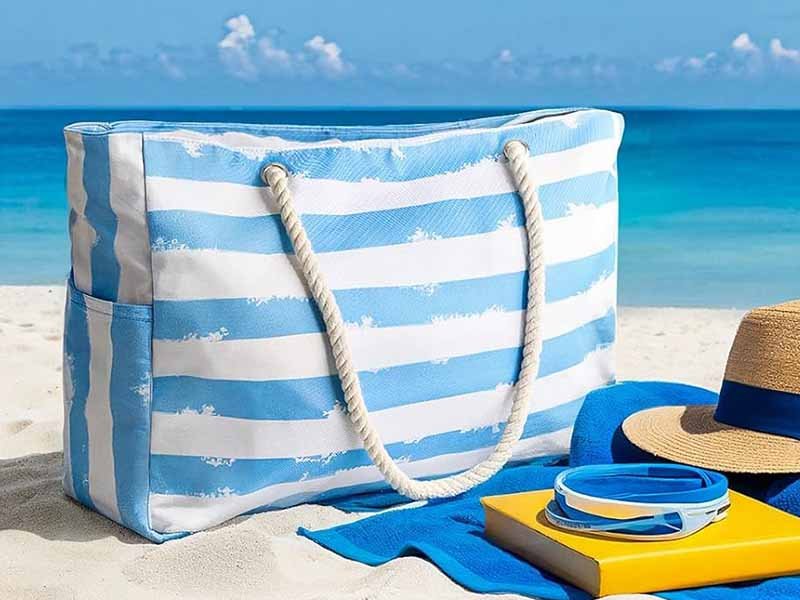
Imagine a day at the beach: you’ve packed everything from sunscreen and beach towels to snacks and a water bottle. But when you set your bag down, it collapses into a heap. It’s a common frustration that beachgoers experience with poorly designed bags. So, how do you ensure that your beach bag stands upright, even when filled with heavy items?
The secret lies in careful design. A well-designed beach bag is about more than just looking good – it’s about stability, durability, and functionality. If you’re designing or purchasing a beach bag, it’s essential to consider structural elements that keep the bag standing, even when packed to the brim.
In this article, we’ll explore the essential features and materials that contribute to designing a beach bag that holds its shape. From reinforced bases to load distribution strategies, we’ll guide you through the key elements that ensure your beach bag remains upright and easy to carry.
A beach bag stays upright when it has a reinforced base, the right materials, and proper weight distribution. Strong structural elements like wide bottom panels and firm inserts prevent it from collapsing when loaded.
What Makes a Beach Bag Stand Up When Loaded?
When designing a beach bag that can stand up even when packed with heavy items, there are several key factors to consider: the base structure, the materials used, the weight distribution, and the reinforcement elements. These components work together to ensure the bag maintains its form and stability under load. Let’s explore what goes into creating a beach bag that can stand upright and why it matters for the overall design.
What Structural Elements Improve Stability?
A beach bag needs a sturdy foundation and proper load distribution to prevent it from collapsing when filled with heavy items. This requires a combination of design features that address both the weight of the items inside the bag and the materials used to construct the bag. Here are the key structural elements that contribute to stability:
- Reinforced Bottom Panel: The bottom of the bag is the most important area to reinforce. A sturdy, reinforced bottom panel ensures that the bag remains upright when it’s placed on the ground, even if it’s packed full. Materials like PVC or denim-grade canvas are excellent choices for the base due to their strength and rigidity.
- Wide, Flat Base: A wide bottom increases the stability of the bag. When the base is flat and wide, it spreads the weight more evenly, making it less likely that the bag will tip over. This is especially important for beach bags, as they tend to carry a mix of bulky and heavy items like towels, sunscreen, and snacks.
- Internal Reinforcements: The use of internal reinforcements like plastic inserts or cardboard panels can significantly improve the bag’s shape retention. These inserts prevent the bag from sagging under the load and ensure that it remains upright even when fully packed. TPU (thermoplastic polyurethane) is a popular reinforcement material because it is lightweight, flexible, and durable.
- Balancing Compartments: The weight of the bag’s contents plays a huge role in its ability to stand upright. By designing compartments that help organize the contents evenly, you can prevent the bag from becoming top-heavy. Keeping the heaviest items at the bottom and lighter items at the top helps maintain balance.
When you look at high-end beach bags from top brands, you’ll notice that most of them have a reinforced base or flat wide bottom, which helps them stand up under the weight of beach essentials. Without this feature, bags risk toppling over easily, making it harder for users to access their belongings quickly.
What Common Design Mistakes Cause Collapse?
While it’s easy to overlook the structural design elements when choosing a beach bag, failing to consider key stability factors can lead to collapse when the bag is loaded with items. Below are some common design mistakes that lead to instability:
- Narrow or Weak Base: A narrow base or weak bottom is one of the main causes of instability. If the base is too thin or not reinforced, the weight of the contents causes the bag to tip over when placed down. Avoid using lightweight fabrics or thin, non-reinforced bottom panels that can’t handle weight distribution.
- Lack of Reinforcement: Some beach bags skip reinforcing the base entirely, relying solely on fabric. While fabric is crucial for overall structure, without reinforced inserts or frames, the bag is more likely to collapse when filled. Even lightweight reinforcements such as foam or plastic make a big difference.
- Uneven Weight Distribution: If heavy items like towels, beach chairs, or coolers are stored at the top of the bag, it creates an imbalance that causes the bag to fall over. Designing the bag with dedicated compartments that help balance the weight is essential for maintaining stability. Without proper organization, the weight shifts to one side, and the bag becomes unstable.
- Short Handles or Poor Handle Placement: Handles that are too short or positioned poorly can also affect the stability of the bag. If the handles don’t distribute the weight evenly, it can cause the bag to shift and become unbalanced. Long, adjustable handles placed in the right spot provide better weight distribution when the bag is carried or set down.
- Overly Soft or Flexible Materials: While soft materials like cotton canvas or nylon are great for comfort and flexibility, they might not be suitable for creating a bag that stands up when loaded. Soft fabrics can sag under pressure, leading to collapse. Choosing the right material for both structure and flexibility is crucial.
If you want to design a beach bag that stands upright, prioritize reinforcement and structure, especially in the bottom panel and sides. Materials like PVC and denim-grade canvas are ideal for maintaining rigidity, while adjustable compartments will help keep the contents balanced and organized.
Which Materials Help Beach Bags Stay Upright?
Choosing the right materials for a beach bag is crucial in ensuring it holds its shape under weight. The materials should provide both durability and structure while remaining lightweight enough for easy portability. Below, we dive into the materials that help beach bags stay upright and functional.
Which Fabrics Offer Durability and Shape Support?
To maintain the shape of a beach bag, you need fabrics that are sturdy, flexible, and water-resistant. Here’s a breakdown of the materials most commonly used for beach bags:
| Material | Properties | Best Use Case |
|---|---|---|
| Canvas | Thick, durable, and holds its shape well. | Ideal for everyday beach bags. |
| Polyester | Lightweight, strong, water-resistant, and holds color. | Great for lightweight beach bags. |
| Nylon | Flexible, water-resistant, and highly durable. | Perfect for travel-friendly beach bags. |
| Neoprene | Soft, flexible, and provides structure retention. | Often used for structured beach bags. |
Canvas is one of the most common materials for beach bags, providing durability without too much weight. It’s great for bags that need to hold up under heavy use. Polyester is another popular choice, particularly for lightweight, water-resistant bags. Nylon offers a combination of flexibility and strength, making it suitable for bags that need to maintain their shape while being lightweight. Neoprene offers a soft feel but also provides enough structure to ensure the bag doesn’t collapse under weight.
Which Reinforcement Materials Work Best?
Reinforcement materials are essential for maintaining the bag’s shape and preventing it from collapsing. The base and sides of the bag benefit from reinforcement in the form of plastic inserts, cardboard panels, or TPU (thermoplastic polyurethane).
| Reinforcement Material | Benefits |
|---|---|
| Plastic Inserts | Lightweight yet strong, ideal for maintaining shape. |
| Cardboard Panels | Cost-effective and eco-friendly, adds structure. |
| TPU Inserts | Flexible and durable, ideal for long-term use. |
For many brands, plastic inserts are the go-to reinforcement choice, especially for bags that require a durable base. Cardboard panels offer an eco-friendly alternative and are easy to replace if damaged. TPU inserts are great for offering a flexible yet strong structure without adding unnecessary weight.
How to Build a Stable Base and Frame?
The base and frame are the backbone of a beach bag’s stability. Without proper reinforcement and support, even the best materials and design choices can lead to a bag that collapses under the weight of its contents. Here we explore more advanced techniques for building a stable base and adding structural integrity to your beach bag.
How to Create a Strong, Reinforced Bottom for Stability?
A well-designed reinforced bottom ensures that a beach bag can withstand the pressure of heavy loads while maintaining its shape. The bottom panel should provide a stable foundation, ensuring the bag stands upright and doesn’t collapse or topple when placed on the ground.
| Material | Benefit | Best Use Case |
|---|---|---|
| Plastic Reinforcements | Rigid yet lightweight, provides strong base support | Best for maintaining the bag’s shape when loaded with heavy items |
| Foam Reinforcements | Adds cushioned support, lightweight, and flexible | Ideal for bags that need to remain soft yet firm under pressure |
| Canvas or PVC Base | Offers durability, water resistance, and firmness | Popular for all-around beach bags, easy to clean and maintain |
A plastic reinforcement panel integrated into the bottom can give the bag the structure it needs without making it too heavy. Foam reinforcements offer flexibility, making the bag easier to carry, but they still provide enough firmness to keep the bag upright when filled. Lastly, PVC or canvas bases are waterproof, durable, and stiff enough to ensure the bag holds its shape.
How to Use Frames to Maintain Structure?
In addition to reinforcing the bottom, frames are essential for maintaining the overall structure of larger beach bags. For bigger, bulkier bags, the frame is what keeps the shape intact. There are several options for frames, each offering different levels of rigidity and flexibility.
- Aluminum Frames: Lightweight and durable, aluminum frames are often used for larger beach bags to maintain structure without adding bulk. They provide superior support and are ideal for backpacks or larger beach totes.
- Plastic Frames: Plastic frames are another excellent option, offering solid support while being lightweight. They are ideal for smaller beach bags or those that require flexibility in design.
Frames help evenly distribute weight across the bag, preventing sagging and ensuring that the bag remains balanced no matter how full it gets. The choice between aluminum or plastic frames depends on the bag’s size and the type of support required.
Do Straps and Handles Affect Stability?
The straps and handles of a beach bag play an important role in distributing the load and ensuring the bag remains balanced when carried. Proper strap and handle design ensure the bag’s stability when it is not in use, particularly when it is loaded with heavy or bulky items. The right choices in this area prevent tipping and ensure long-term comfort when carrying the bag.
How Do Adjustable Handles Improve Balance and Comfort?
Handles are often the first contact point for a bag, so their design is critical in ensuring the bag doesn’t shift or collapse when carried. Adjustable handles allow the user to customize the length and fit, making it easier to balance the load and carry the bag comfortably. By positioning the handles correctly, the bag’s weight is evenly distributed across the user’s body, preventing strain on any one area.
| Handle Design | Benefit | Best Use Case |
|---|---|---|
| Long Adjustable Handles | Allows for easy carrying over the shoulder or by hand | Ideal for larger beach bags that require weight distribution |
| Padded Handles | Reduces discomfort and pressure on the hands | Perfect for heavy beach bags that are carried for long durations |
| Reinforced Handles | Provides sturdiness and support under heavy weight | Best for bags that are filled with bulky or heavy items |
How Do Padded Straps Improve Comfort and Stability?

The design of the straps affects both the comfort and stability of the bag, especially when carrying a loaded bag over long periods. Padded straps are essential for larger beach bags or beach backpacks, as they help distribute weight evenly across the shoulders, reducing the chance of fatigue.
| Strap Feature | Function |
|---|---|
| Padded Shoulder Straps | Help distribute weight and reduce strain on the shoulders. |
| Adjustable Straps | Allow for a personalized fit to suit different body types. |
| Ergonomic Design | Ensures that straps follow the body’s natural shape for a better fit. |
When designing adjustable padded straps, it’s essential to ensure that the padding is made from a soft but durable material, like EVA foam or neoprene. These materials provide both comfort and durability, preventing the straps from digging into the skin, especially when the bag is full.
Are Functional Features Important for Stability?
Beyond the structural components, functional features play a crucial role in the overall stability and usability of a beach bag. Features like compartments, organizational pockets, and waterproof lining can help maintain the bag’s balance while providing convenient ways to store items.
How Do Compartments Contribute to Stability?
Functional compartments help distribute weight across the bag by separating items based on size, weight, and frequency of use. When a bag is poorly packed, heavier items concentrated in one area can cause the bag to lose its balance, making it more likely to tip over. By organizing the contents with dedicated spaces, you can prevent this issue and maintain the bag’s upright position.
| Feature | Benefit for Stability |
|---|---|
| Dividers and Compartments | Prevents uneven weight distribution and helps maintain balance. |
| Zippered Pockets | Keep smaller items organized and prevent shifting. |
| Waterproof Sections | Adds organization while keeping the bag dry, preventing weight imbalances caused by wet items. |
How Do Organizational Features Impact Balance?
Organizing the bag into smaller sections helps prevent items from shifting and moving around, which can unbalance the bag. By creating pockets or zipped sections, you can keep essential items like phones, sunscreen, and towels neatly stored, preventing them from creating uneven weight distribution.
For example, water bottle holders or laptop sleeves keep heavier objects toward the bottom of the bag, creating a more stable base. Additionally, quick-access pockets on the outside of the bag allow for easy retrieval of small items without disturbing the rest of the bag’s contents.
How to Test and Improve Beach Bag Stability
Designing a beach bag that remains stable under load requires more than just theoretical knowledge – it needs real-world testing. While you can make educated guesses about how a bag will perform, testing is the only way to identify areas of weakness and ensure the bag stays upright when packed with beach essentials. Here, we’ll discuss how to test your beach bag’s stability and how to improve it based on the feedback and observations from real-world scenarios.
How Should Prototypes Be Tested ?
To truly understand how a beach bag performs, it’s essential to put the prototype through rigorous testing in scenarios similar to actual use. Here are some key steps and factors to consider when testing the stability of a beach bag:
| Test Type | Purpose | Actions | What to Observe |
|---|---|---|---|
| Load Testing | Simulate actual use with typical beach items. | Pack the bag with towels, sunscreen, water bottles, and other beach essentials. | Does the bag remain upright? Does it collapse when filled with items? |
| Environmental Testing | Test in wet or dry conditions to see material behavior. | Test the bag on sand, wet beach surfaces, or during wet conditions (e.g., when items like towels get wet). | Does the base hold up in wet conditions? Does the bag maintain stability? |
| Tipping Test | Assess the bag’s balance and ability to stand upright. | Place the bag on a level surface and observe if it tips over easily. | Does the bag tip over when loaded or remain upright without shifting or toppling? |
| Weight Load Testing | Determine the bag’s weight capacity and stress points. | Gradually increase the weight inside the bag and observe how the bag reacts under heavier loads. | At what point does the bag begin to lose its shape? Is there any visible sagging or instability? |
| User Testing | Get feedback on comfort and functionality. | Have users test the bag in real-world scenarios (e.g., carrying the bag, accessing contents). | How comfortable is the bag when carried? Does it stay balanced, and are the compartments practical? |
These tests should be conducted under various conditions to ensure the bag remains stable, functional, and comfortable to carry. By simulating real-world scenarios, you can identify weak points in the design before production.
How to Collect User Feedback for Design Improvements
User feedback is an invaluable tool for identifying areas of improvement in the design. Gathering input from real users allows you to spot issues that may not have been evident during the prototype phase. Here’s how to collect and act on user feedback to refine your beach bag design:
| Feedback Type | Purpose | Methods of Collection | What to Measure |
|---|---|---|---|
| Comfort Feedback | Assess user comfort when carrying the bag. | Ask users to rate comfort during use (e.g., strap comfort, handle positioning). | Do the straps cause discomfort or dig into the shoulders? Are the handles adjustable and well-positioned? |
| Stability Feedback | Determine if the bag remains stable when packed. | Observe how the bag performs when placed on different surfaces and filled with items. | Does the bag tip over when loaded? Does it hold its shape under normal use conditions? |
| Usability Feedback | Gauge the bag’s ease of use and accessibility. | Ask testers to rate how easy it is to access compartments and store/remove items. | Are the pockets and compartments easily accessible? Are heavier items causing tipping due to poor organization? |
| Durability Testing | Test long-term durability of materials and structure. | Have testers use the bag for a longer period to assess wear and tear under normal use. | Does the bag maintain its shape after repeated use? Are the reinforcements and materials holding up well? |
| Load Distribution Feedback | Ensure that the weight is evenly distributed inside the bag. | Get feedback on how well the bag supports weight and if it feels balanced. | Does the load shift while walking? Is the weight causing discomfort in the shoulders or back? |
Once feedback is gathered, assess the common issues reported by users. This could involve changing strap designs, adding reinforcement to the base, or repositioning compartments for better weight distribution. The goal is to fine-tune the design for better functionality, comfort, and stability.
How to Improve Beach Bag Stability Based on Feedback
Once you’ve collected data from the testing phase, it’s time to make improvements to the design. Here are some actionable ways to enhance the stability of a beach bag based on the results of user testing and feedback:
| Improvement Area | Action | Benefit |
|---|---|---|
| Reinforce the Bottom Panel | Use thicker, more durable fabrics or reinforce inserts. | Increases the bag’s ability to hold its shape, even under pressure. |
| Optimize Strap Design | Adjust strap length, padding, and placement. | Provides better balance, comfort, and reduces shoulder strain. |
| Improve Weight Distribution | Add more compartments or internal dividers to balance heavy and light items. | Helps maintain stability by preventing weight from being concentrated in one area. |
| Test with Stronger Materials | Use stronger fabrics like reinforced nylon or PVC in the base and side panels. | Ensures durability, preventing the bag from losing its shape over time. |
| Strengthen Handles and Seams | Use reinforced stitching and stronger handle materials (e.g., leather or webbing). | Prevents wear and tear from frequent use, extending the bag’s lifespan and stability. |
Each improvement should be tested again to ensure it addresses the original issues and that the bag’s stability is enhanced. You may find that after implementing one or two changes, the bag’s stability improves significantly.
Request a Custom Beach Bag Design from Szoneier
Are you looking for a beach bag that combines style, durability, and stability? Szoneier specializes in designing high-quality, custom beach bags that stand up when loaded. Whether you need a sturdy beach bag for your brand or a personalized design, we offer tailored solutions that guarantee maximum performance and satisfaction.