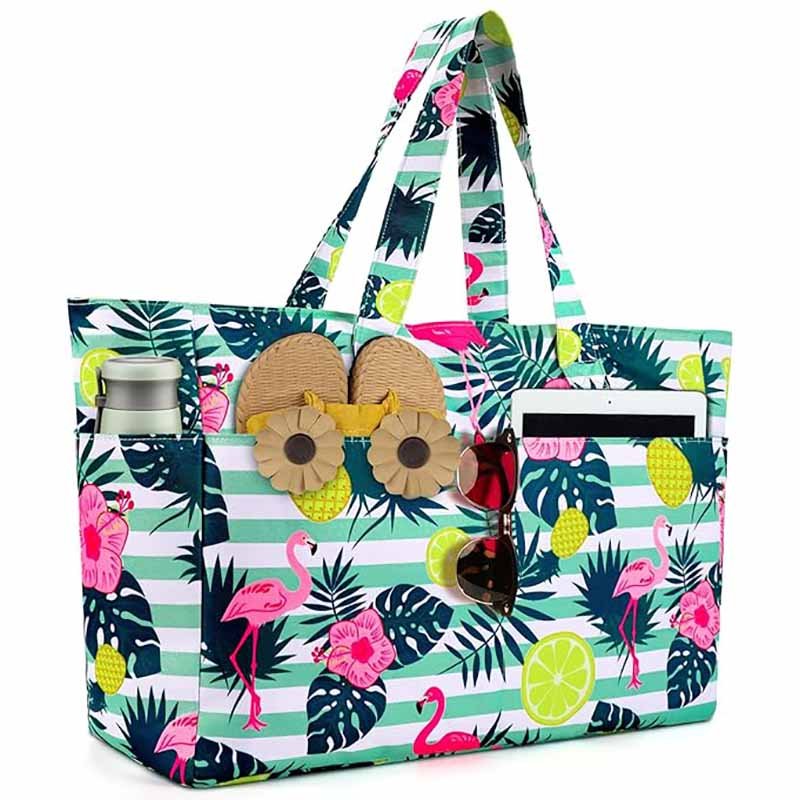
A beach bag is only “cute” until it fails under real use. The moment a customer packs towels, sunscreen, drinks, wet swimsuits, and a phone—most soft totes lose their shape, fold inward, and spill. That collapse doesn’t just look messy; it makes the bag harder to use, allows sand to get inside, and creates the feeling that the product is “cheap,” even if the fabric itself is fine.
The truth is: a beach bag that stands up when loaded is an engineered product. It’s not one trick. It’s a combination of structure (bottom + gussets), material stiffness, reinforcement layers, and sewing decisions that work as one system. Brands that solve this problem usually see better reviews, fewer returns, and higher repeat purchase rates because the bag feels reliable in real life—not just in photos.
Beach bags stand up when loaded when the base is stable (boxed bottom + reinforcement), the side panels are supported (gussets + firm materials), and stress points are strengthened (handle anchoring + seam reinforcement). Materials like neoprene, heavy canvas, and coated Oxford add stiffness, while internal base boards or foam panels reduce sagging. Good stitching and load testing lock everything together.
If you’ve ever watched someone at the beach fight with a collapsing tote—then finally switch to a structured bag that stands like a small basket—you already know why this detail sells. Let’s break down how to design that “stands-up” feeling on purpose.
What Makes Beach Bags Stand Up When Loaded?
Beach bags stay upright when the design combines a stable base, supportive side structure, firm materials, and reinforced seams. When weight from towels, bottles, and personal items spreads evenly across the bottom and side panels, the bag maintains its shape instead of collapsing inward. A well-designed beach bag can normally carry 5–8 kg without losing structure.
Understanding Why Beach Bags Collapse
Many beach bags fail to stand up because they are designed mainly for appearance rather than structure. Lightweight tote bags made from thin cotton or soft fabric look good when empty, but once filled with beach items, the fabric folds inward and the bag loses its shape.
From a manufacturing perspective, most collapsing bags share several common design issues:
- The bottom panel is too soft, allowing the center to sag.
- The side walls have no structural support, causing them to fold inward.
- The gusset is too narrow, reducing the bag’s footprint.
- Handles pull unevenly on the top edge, distorting the opening.
- The seams stretch under weight, especially at the bottom corners.
When these problems occur at the same time, the bag behaves like a soft sack rather than a structured container.
Typical weight inside a fully packed beach bag
| Item | Quantity | Average Weight |
|---|---|---|
| Beach towels | 2 | 1.5–2 kg |
| Water bottles | 2 | 1–2 kg |
| Sunscreen / cosmetics | 1 set | 0.3–0.5 kg |
| Flip flops or sandals | 1 pair | 0.4–0.8 kg |
| Wet swimsuit or clothes | 1 set | 0.3–0.7 kg |
| Small accessories / snacks | — | 0.5–1 kg |
Typical total weight: 4–7 kg
A bag designed only for light items will collapse quickly under this load.
The Four Structural Elements That Keep Beach Bags Upright
A beach bag that stands up well usually combines four key structural components. Each component contributes to how weight moves through the bag.
1. A Stable Bottom Base
The bottom of the bag is the most important structural element.
A good beach bag bottom should:
- stay flat under weight
- distribute pressure across the entire base
- resist bending in the center
Design methods that improve bottom stability include:
- boxed bottom construction
- reinforced base panels
- removable base inserts
Bottom stability comparison
| Bottom Construction | Stability Level | Typical Performance |
|---|---|---|
| Flat fabric bottom | Low | Bag collapses easily |
| Narrow gusset | Medium | Moderate support |
| Wide boxed bottom | High | Bag stands reliably |
Most high-quality beach bags use a boxed bottom with 10–15 cm depth.
2. Side Wall Support
Even if the bottom is strong, weak side panels can still cause a bag to collapse.
Side wall stability depends mainly on:
- fabric stiffness
- panel reinforcement
- gusset design
When side panels are reinforced, the bag behaves more like a flexible container rather than a soft pouch.
Panel stability by material
| Material | Structure Strength |
|---|---|
| Thin cotton | Low |
| Standard canvas | Medium |
| Heavy canvas (20 oz+) | Medium–High |
| Oxford polyester (600D+) | High |
| Neoprene (3–5 mm) | Very high |
Neoprene and heavy coated fabrics naturally help the bag keep its shape because the material resists folding.
3. Proper Weight Distribution
Another overlooked factor is how the weight inside the bag spreads across the structure.
When items cluster in the center of the bag, the bottom sags and the sides collapse.
Design features that improve weight distribution include:
- wide bottom panels
- reinforced corners
- interior pockets or compartments
These features prevent heavy items like water bottles from pulling the bag inward.
Example load distribution comparison
| Design Type | Load Behavior |
|---|---|
| Narrow bottom | Weight concentrates in center |
| Wide bottom | Weight spreads evenly |
| Structured base insert | Maintains flat surface |
A wider base allows the bag to remain stable even when placed on uneven surfaces like sand.
4. Reinforced Stress Points
The final structural factor involves stress points, which are the areas where weight concentrates.
The most common stress points in beach bags include:
- bottom corners
- handle attachment areas
- side seam intersections
If these areas are weak, the bag structure quickly distorts.
Manufacturers often reinforce these zones with:
- bar tack stitching
- box-X stitching
- additional fabric layers
Handle reinforcement methods
| Reinforcement Type | Strength |
|---|---|
| Single stitch | Low |
| Double stitch | Medium |
| Box stitch | High |
| Box-X stitch | Very high |
Most structured beach bags designed for heavy loads use box-X stitching combined with reinforcement patches.
Why Structure Matters for Customer Experience
From a customer’s point of view, a beach bag that stands upright simply feels easier to use.
When the structure is stable:
- items remain visible and organized
- sand is less likely to get inside
- the bag is easier to pack and unpack
- the bag looks better even when full
These small improvements make a noticeable difference in daily use.
For brands, this often translates into:
- higher customer satisfaction
- better product reviews
- fewer complaints about durability
A beach bag that maintains its shape under real conditions signals quality and thoughtful design.
Which Materials Are Best for Structured Beach Bags?
The best materials for structured beach bags are those with natural stiffness, good recovery, and strong seam performance. Neoprene (3–5 mm), heavy canvas (16–24 oz), and coated Oxford/polyester (600D–1680D) hold shape better than thin cotton. Many strong designs use a hybrid approach: a firm outer fabric plus a reinforcement layer or base insert to prevent sagging under 4–8 kg loads.
Which fabrics keep beach bags firm?
Here’s the practical reality: fabric choice sets the “baseline stiffness.” Reinforcement can help, but if the outer shell is too soft, the bag will always look tired when loaded.
Common fabrics used for beach bags (real manufacturing view)
| Material | Typical Spec Range | Shape Holding | Notes for Brands |
|---|---|---|---|
| Thin cotton | 8–12 oz | Low | Collapses easily, low-cost |
| Heavy canvas | 16–24 oz | Medium–High | Classic look, strong body |
| Oxford polyester | 600D–1680D | Medium–High | Good strength, can be coated |
| RPET polyester | 600D–1200D | Medium | Sustainable story, needs reinforcement |
| Neoprene | 2–5 mm | High | “Built-in structure,” water resistant |
| TPU laminated fabric | 0.2–0.6 mm film | High | Premium, wipe-clean, stable |
| EVA/foam composite | varies | High | Often used inside panels/base |
For a beach bag that must stand up, thin cotton is usually the wrong foundation unless you add serious reinforcement (which can cost more than choosing a better base material).
Are neoprene beach bags strong enough?
Yes—neoprene is one of the most reliable materials for shape retention because it’s a foam-based composite. That foam core gives the bag a “bounce back” quality: it can flex, but it returns to shape.
Why brands love neoprene for beach bags:
- Natural thickness provides structure without extra inserts
- Water resistance helps with wet towels and swimsuits
- Good abrasion resistance for sand and rough surfaces
- Comfortable feel and premium appearance
Neoprene thickness guide for beach bags
| Thickness | Best Use | Structure Level | Typical Target Load |
|---|---|---|---|
| 2 mm | Lightweight beach tote | Medium | 2–4 kg |
| 3 mm | Standard structured beach bags | High | 4–6 kg |
| 4 mm | Premium stand-up beach bags | Very High | 5–8 kg |
| 5 mm | Heavy-duty / luxury feel | Very High | 6–10 kg |
A key point: if you want a bag to stand but still feel soft and premium in hand, neoprene is often the easiest way to get both.
At Szoneier, neoprene bag projects often use 3–5 mm neoprene with reinforced base panels and strong handle anchoring, especially when brands target high-end customers who expect structure.
Do thicker fabrics help beach bags stand?
Sometimes—but thickness alone is not the real answer.
Two fabrics can be “thick” yet behave totally differently:
- A thick but loose weave can still collapse.
- A slightly thinner but high-density weave can stand better.
What matters most is:
- Fabric density / tightness
- Coating or lamination
- Panel construction and reinforcement
Fabric performance: what matters more than thickness
| Factor | Why It Matters for Standing Shape |
|---|---|
| High density weave | Reduces folding and wrinkling |
| Coating (PU/TPU/PVC) | Adds stiffness + shape memory |
| Laminated backing | Improves panel stability |
| Reinforced seams | Prevents distortion under load |
If your brand wants “stand-up” structure, treat materials as part of a system—not a single choice.
How Should the Bottom of Beach Bags Be Designed?
The bottom of beach bags determines whether the bag can stand upright under load. A stable design usually includes a boxed bottom, wide gussets, reinforced corner seams, and sometimes a removable or built-in base insert. These elements spread weight evenly across the base and prevent the center from sagging, allowing the bag to maintain its shape even when carrying 4–8 kg of beach items.
How does a boxed bottom improve beach bags?
A boxed bottom is one of the most reliable ways to improve the standing stability of a beach bag.
Instead of a flat tote design where the bottom is simply folded fabric, a boxed bottom creates a rectangular base with depth, giving the bag a footprint similar to a basket or small box.
When the base has width and structure, weight distributes across the entire bottom rather than pulling down in the middle.
Structural comparison
| Bottom Type | Shape Stability | Load Distribution | Typical Use |
|---|---|---|---|
| Flat bottom (no gusset) | Low | Weight sinks to center | Cheap cotton totes |
| Small gusset bottom | Medium | Partial distribution | Fashion totes |
| Wide boxed bottom | High | Even weight distribution | Premium beach bags |
Typical dimensions used by beach bag brands
| Bag Width | Bottom Depth | Result |
|---|---|---|
| 40 cm | 8 cm | Light structure |
| 45 cm | 12 cm | Stable medium beach bag |
| 50 cm | 15 cm | Excellent standing stability |
Most well-designed beach bags use bottom depths between 10–15 cm.
This depth provides enough base area for stability without making the bag bulky.
Do base inserts help beach bags stand?
Yes. A base insert is often the hidden component that keeps a bag upright.
A base insert is a thin panel placed inside the bottom of the bag to prevent sagging.
Common materials include:
- EVA foam boards
- PE boards
- polypropylene sheets
- reinforced cardboard (budget models)
Comparison of common base insert materials
| Insert Material | Durability | Flexibility | Weight | Cost |
|---|---|---|---|---|
| EVA foam | High | Medium | Light | Medium |
| PE board | Very high | Low | Medium | Medium |
| Polypropylene sheet | High | Low | Light | Medium |
| Cardboard | Low | Low | Very light | Low |
For beach bags designed to carry 5–8 kg loads, PE or polypropylene inserts are usually preferred.
Factories sometimes combine foam + plastic layers to balance comfort and strength.
Recommended insert thickness
| Load Capacity | Insert Thickness |
|---|---|
| 3–4 kg | 1.5–2 mm |
| 4–6 kg | 2–3 mm |
| 6–8 kg | 3–4 mm |
This insert prevents the bottom from becoming a “hammock” shape when heavy items are placed inside.
Are wide gussets better for beach bags?
Yes. Gussets control the bag’s internal volume and stability.
A gusset is the extra panel along the sides and bottom that allows the bag to expand.
Without gussets, a bag becomes narrow under weight and tends to tip over.
Benefits of wide gussets
- Increase bottom footprint
- Allow better weight distribution
- Prevent side panel collapse
- Improve internal organization
Typical gusset sizes for beach bags
| Bag Category | Gusset Width |
|---|---|
| Small beach tote | 8–10 cm |
| Medium beach bag | 10–12 cm |
| Large family beach bag | 12–18 cm |
For large beach bags carrying towels and bottles, gussets smaller than 10 cm often lead to instability.
Many premium designs combine:
- side gussets
- bottom gusset
- reinforced base panel
This combination creates a structure similar to a soft-sided box.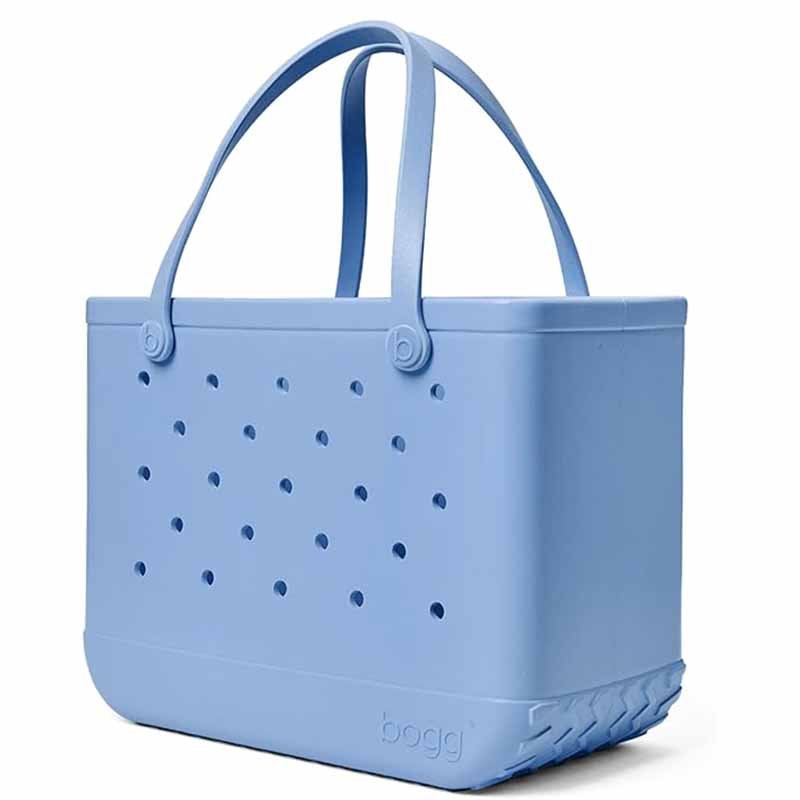
How Do Reinforcements Improve Beach Bags?
Reinforcement layers strengthen beach bags by stabilizing the fabric panels and preventing deformation under load. Internal foam panels, laminated fabrics, and reinforced seams distribute weight across larger areas of the bag. These structural additions prevent sagging bottoms, collapsing side walls, and seam distortion when the bag carries heavy items such as towels, bottles, and beach gear.
What internal layers strengthen beach bags?
Many people assume the outer fabric alone provides the bag’s strength. In reality, most well-designed beach bags include internal reinforcement layers.
These layers stabilize the fabric panels and reduce deformation.
Common reinforcement layers
| Layer Type | Function |
|---|---|
| EVA foam sheet | Adds structure and cushioning |
| Polyester lining | Improves durability |
| Laminated backing | Strengthens fabric panels |
| Nonwoven interfacing | Prevents stretching |
For example, a structured beach bag may use:
- outer fabric (canvas or neoprene)
- laminated backing
- interior lining
Together, these layers create a multi-layer panel system.
Do foam panels support beach bag structure?
Yes. Foam panels are widely used in structured bags because they combine light weight with excellent stiffness.
Foam reinforcement is particularly effective in:
- side panels
- bottom panels
- laptop pockets in travel bags
- structured tote designs
Common foam materials
| Foam Type | Density | Typical Thickness |
|---|---|---|
| EVA foam | Medium | 2–5 mm |
| PE foam | Medium | 3–6 mm |
| Neoprene foam | High | 3–5 mm |
Foam panels help bags maintain shape while still feeling soft.
This is especially important for beach bags because customers prefer bags that are structured but still comfortable to carry.
How thick should beach bag reinforcement be?
The correct reinforcement thickness depends on the target load capacity and bag size.
Below is a practical guideline used by many bag factories.
Reinforcement thickness recommendations
| Bag Size | Load Capacity | Reinforcement Thickness |
|---|---|---|
| Small tote | 3–4 kg | 1.5–2 mm |
| Medium beach bag | 4–6 kg | 2–3 mm |
| Large beach bag | 6–8 kg | 3–5 mm |
Too little reinforcement causes collapse.
Too much reinforcement can make the bag stiff and heavy.
A balanced design focuses on reinforcing only the structural zones:
- bottom panel
- lower side panels
- handle anchor areas
Handle reinforcement is equally important
A bag may stand upright, but if the handles distort the top edge, the structure still fails.
Professional designs reinforce handles using:
- cross-stitch patterns
- webbing anchors
- reinforcement patches
Handle reinforcement comparison
| Method | Strength | Use Case |
|---|---|---|
| Single stitch | Low | Lightweight totes |
| Box stitch | Medium | Fashion bags |
| Box-X stitch | High | Structured beach bags |
| Webbing anchor | Very high | Heavy load bags |
Most premium beach bags use box-X stitching combined with internal reinforcement patches.
This prevents tearing even when the bag is loaded to 6–8 kg.
How Do Manufacturers Test Beach Bags Stability?
Professional manufacturers test beach bag stability using load simulations, base deformation tests, seam strength testing, and repeated stress cycles. These tests evaluate whether the bag maintains its structure when carrying real-world loads such as towels, water bottles, and beach accessories. Stable beach bags should remain upright, maintain panel shape, and withstand loads of 5–8 kg without seam distortion or bottom sagging.
How do factories test beach bag load capacity?
Before a beach bag design enters mass production, experienced factories run several load capacity tests. These tests simulate real customer use and ensure the structure performs reliably.
The simplest and most widely used method is the static load test.
In this test, the bag is filled with weighted items and placed on a flat surface for several hours. Engineers observe whether the bag maintains its structure or collapses.
Typical static load testing procedure
| Test Step | Description |
|---|---|
| Step 1 | Fill bag with weighted objects |
| Step 2 | Simulate real item placement (bottles, towels, shoes) |
| Step 3 | Place bag on flat surface |
| Step 4 | Monitor deformation over time |
| Step 5 | Record base sagging or side panel collapse |
Typical load levels used in testing
| Bag Category | Test Load |
|---|---|
| Small tote | 3–4 kg |
| Medium beach bag | 5–6 kg |
| Large family beach bag | 7–8 kg |
Some premium brands request tests up to 10 kg to guarantee durability.
At Szoneier, engineers often test beach bags using 6–8 kg loads, because this range closely matches real consumer usage.
Do stitching methods affect beach bag strength?
Absolutely. Even a well-designed bag can fail if the stitching is weak.
Stitching controls how load transfers through the fabric structure.
When a beach bag is filled, the handles pull upward while the bottom pushes downward. This creates tension along the seams.
If those seams are poorly constructed, problems appear quickly:
- seam stretching
- panel distortion
- handle tearing
- bottom corner failure
Common stitching patterns used in structured beach bags
| Stitch Pattern | Strength | Typical Application |
|---|---|---|
| Single stitch | Low | Lightweight tote bags |
| Double stitch | Medium | Basic canvas bags |
| Box stitch | High | Reinforced handles |
| Box-X stitch | Very high | Heavy-duty bags |
The Box-X pattern is widely used for load-bearing handles.
This pattern distributes stress across a larger area of fabric, reducing the chance of tearing.
Many structured beach bags also include reinforcement patches inside the handle area, which further improves durability.
What quality checks ensure beach bags stay upright?
Manufacturers usually run a combination of structural inspections and durability tests.
These checks focus on three key areas:
- base stability
- panel shape retention
- handle strength
Key quality inspection points
| Inspection Area | What Engineers Look For |
|---|---|
| Bottom panel | Sagging or bending |
| Gussets | Symmetry and structural tension |
| Side panels | Wrinkling under load |
| Handle attachment | Stitch integrity |
| Corner seams | Stress deformation |
If a bag passes these checks, it usually performs well in real-world conditions.
Factories may also conduct drop tests, where a loaded bag is dropped from waist height several times to ensure seams remain intact.
Common Design Mistakes When Developing Beach Bags
Even experienced brands sometimes overlook structural details when developing beach bags.
Here are several issues manufacturers frequently encounter during product development.
Using soft fabrics without reinforcement
Many beach bags use attractive but soft materials such as lightweight cotton or thin recycled fabrics.
While these fabrics may look appealing, they lack the stiffness required for structural stability.
Without reinforcement layers, these bags collapse quickly once loaded.
Solution:
Combine softer fabrics with structural layers such as:
- laminated backing
- foam panels
- reinforced bottom inserts
Designing bottoms that are too narrow
A narrow base dramatically reduces stability.
When the bottom width is small, the bag behaves like a tall cylinder rather than a stable container.
Recommended proportions for beach bags
| Bag Width | Recommended Bottom Depth |
|---|---|
| 40 cm | 10–12 cm |
| 45 cm | 12–14 cm |
| 50 cm | 14–16 cm |
These proportions help maintain balance when the bag is placed on sand or hard surfaces.
Ignoring handle load distribution
Handles must carry the full weight of the bag’s contents.
If they are attached to only one layer of fabric, the top edge will deform and eventually tear.
Professional beach bags often use:
- extended handle straps
- internal reinforcement patches
- cross stitching
These elements spread the load across a larger surface area.
Over-reinforcing the bag
While reinforcement improves stability, too much reinforcement can make a bag heavy and uncomfortable.
The goal is balanced reinforcement, focusing only on structural zones.
Zones that benefit most from reinforcement
- bottom panel
- lower side panels
- handle attachment areas
- corner seams
By strengthening these areas, the bag can maintain shape without unnecessary weight.
Why Structured Beach Bags Are Growing in Popularity
Over the past decade, consumer expectations for beach bags have changed.
Customers now expect beach bags to function as multi-purpose carry bags, not just simple totes.
Modern beach bags often carry:
- beach gear
- travel items
- gym accessories
- baby products
- grocery items
Because of this expanded use, customers increasingly prefer bags that:
- stand upright
- remain organized
- maintain shape over time
Brands that invest in better structural engineering often see stronger product reviews and higher repeat purchase rates.
Conclusion: Designing Beach Bags That Truly Perform
Designing beach bags that stand up when loaded is not a single design decision—it is the result of several engineering elements working together.
A stable beach bag usually combines:
- durable materials such as neoprene, canvas, or Oxford fabric
- a wide boxed bottom that distributes weight evenly
- reinforcement layers that prevent panel deformation
- strong stitching patterns that support heavy loads
- quality testing procedures that simulate real-world use
When these components are designed carefully, the result is a beach bag that feels reliable, durable, and premium.
For brands developing new products, this attention to structure can be the difference between a bag that receives average feedback and one that becomes a customer favorite.
Work With Szoneier to Develop Custom Beach Bags
If you are planning to develop your own private label beach bags, working with an experienced manufacturer can significantly improve product performance and development speed.
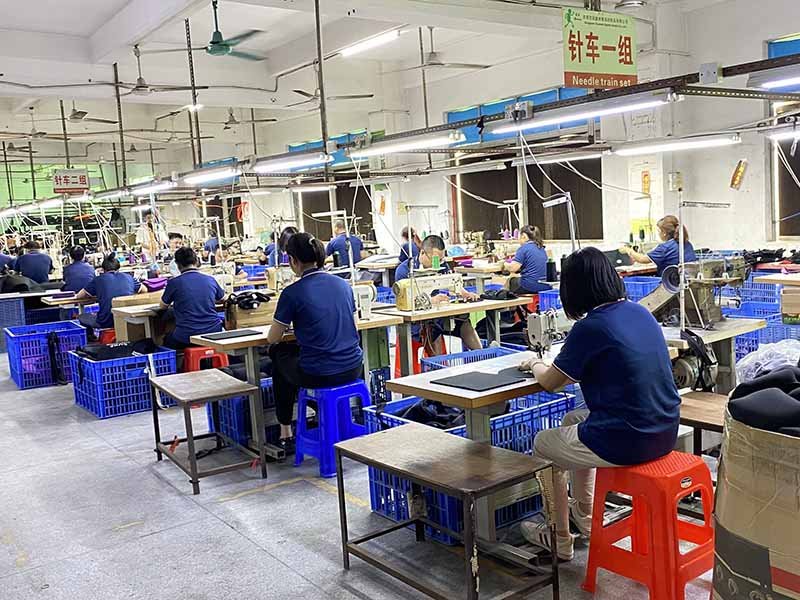
Szoneier is a Chinese manufacturer with more than 18 years of experience in neoprene materials and bag manufacturing. The company specializes in developing custom products made from neoprene and other technical fabrics.
Szoneier supports clients with:
- custom beach bag design and engineering
- neoprene beach bag development
- OEM and private label manufacturing
- low MOQ production for growing brands
- fast sampling (typically 5–7 days)
- free design assistance
- strict quality control and testing
Because Szoneier operates multiple material production facilities—including neoprene, fabric, and bag manufacturing—the team can develop beach bags with optimized material combinations and stable structural designs.
Whether you are launching a new beach bag collection or improving an existing product line, working with an experienced factory can help ensure the final product is durable, functional, and competitive in today’s market.
If you are looking for a reliable supplier for custom beach bags, neoprene beach totes, or other beach accessories, Szoneier welcomes your inquiry and would be happy to discuss your project.