Skip to content


Many buyers ask a simple question before starting a custom bag project: “What is your MOQ?” It sounds like one number should answer everything. But in real bag manufacturing, MOQ is rarely a fixed number printed on a factory wall. A basic canvas tote with one-color screen printing may start from a much lower quantity than a structured backpack with custom-dyed fabric, molded EVA panels, metal logo plates, padded straps, branded zipper pullers, and retail packaging. Both are “custom bags,” but they do not create the same sourcing work, setup cost, sewing time, supplier dependency, or quality-control risk.
Custom bag MOQ changes because each project uses a different mix of materials, logo methods, structures, accessories, packaging, and production setup. Stock fabrics, simple logos, standard trims, and flat structures usually support lower MOQ. Custom colors, special coatings, molded parts, complex pockets, branded hardware, and retail packaging often require higher MOQ because suppliers and factories must meet minimum production efficiency.
This is why two buyers can send similar-looking bag ideas and receive very different MOQ answers. One project may use materials already available in the supply chain. Another may require fabric dyeing, special lining, custom hardware, or extra testing. One logo may be printed directly on the bag. Another may need embroidery, woven labels, rubber patches, or metal molds. MOQ is not only about how many bags you want to buy. It is about whether the whole production system can run your project efficiently, consistently, and safely.
A smart buyer does not treat MOQ as an obstacle. They treat it as a clue. It tells you how your product design, branding ambition, material choices, and launch strategy are connected. Once you understand this logic, you can make better decisions before sampling, avoid surprise cost increases, and build a custom bag that fits both your brand and your order plan.
What Does MOQ Mean?
MOQ means the minimum quantity a factory can produce under stable cost, quality, and production conditions. In custom bag manufacturing, MOQ may apply not only to finished bags, but also to materials, colors, logo processes, zippers, labels, hardware, packaging, and supplier setup. The more customized the project, the more MOQ depends on the full production chain.
MOQ Is a Production Number
Many buyers think MOQ is only a sales policy, but in real factory work it is a production number. Before one bag is finished, the manufacturer has to source materials, prepare cutting patterns, confirm logo placement, buy accessories, set up sewing steps, inspect quality, and pack the goods for shipment. These steps take time and cost even when the order is small.
For a simple tote bag, the production setup may be light. The bag may use stock canvas, standard webbing handles, one logo print, and normal carton packing. For a backpack, the setup becomes more involved. The factory may need several fabric layers, padding, lining, zippers, buckles, webbing, reinforcement points, and multiple sewing operations. Even if both projects are called “custom bags,” the production workload is completely different.
That is why a serious manufacturer does not treat every bag style with the same MOQ. The MOQ should reflect the real work behind the product. If a supplier gives the same MOQ for every material, every logo method, and every structure, buyers should ask what specification that MOQ is actually based on.
One MOQ May Hide Several Minimums
The MOQ shown by a factory is often the final result of several smaller minimums inside the supply chain. Fabric suppliers may have minimum roll quantities. Zipper suppliers may have minimum lengths or pieces. Logo patch suppliers may require a minimum mold run. Packaging suppliers may require a minimum number of printed boxes, hangtags, or labels.
For example, a factory may be willing to sew 300 bags, but the custom zipper supplier may require 1,000 branded zipper pullers. If the buyer insists on that zipper puller, the real project MOQ may rise, or the unit cost may become much higher. The same logic applies to custom fabric colors, metal logo plates, rubber patches, woven labels, and printed retail packaging.
A good MOQ discussion should separate the bag body MOQ from material MOQ, logo MOQ, accessory MOQ, and packaging MOQ. This helps buyers understand which choices are flexible and which ones create higher minimums. It also helps avoid a common sourcing mistake: comparing two suppliers without checking whether they are quoting the same specification.
MOQ and Unit Price Work Together
MOQ has a direct relationship with unit price. When order quantity is low, fixed setup costs are spread across fewer bags. Pattern work, sample development, logo setup, cutting preparation, sewing-line instruction, and inspection time do not disappear just because the order is small. This is why low-MOQ orders often have a higher unit price.
A 200-piece trial order can be useful for testing a new product, but it normally cannot reach the same unit cost as a 2,000-piece bulk order. The factory still needs to manage material sourcing, production setup, and quality control. The difference is that these costs are divided into 200 units instead of 2,000 units.
Smart buyers use MOQ strategically. A lower MOQ is useful when testing a new style, new market, or new sales channel. A higher MOQ is useful when the product is already validated and the buyer wants better unit cost, better material planning, and more stable repeat production. The best MOQ is not always the lowest number. It is the quantity that matches your product stage, quality expectation, and business plan.
| MOQ Area | What It Means | Common Impact on Custom Bags |
|---|---|---|
| Finished bag MOQ | Minimum bags per style, size, or color | Often starts lower for simple tote bags, drawstring bags, or basic pouches |
| Fabric MOQ | Minimum fabric roll, dye lot, or coating batch | Custom colors and special coatings may raise MOQ |
| Logo MOQ | Minimum setup for printing, embroidery, patches, or metal logos | Simple prints are usually easier than molded or metal branding |
| Accessory MOQ | Minimum zippers, buckles, webbing, sliders, or pullers | Custom hardware may require higher quantities |
| Packaging MOQ | Minimum printed bags, boxes, labels, or inserts | Retail packaging can raise project MOQ |
| Production MOQ | Quantity needed for efficient cutting, sewing, and QC | Complex structures usually need larger runs |
Why Does Material Change MOQ?
Material changes MOQ because every fabric, leather, coating, lining, foam, or trim has its own sourcing condition. Stock materials usually support lower MOQ, while custom-dyed fabrics, coated waterproof materials, genuine leather, TPU, EVA, neoprene, RPET, and certified materials often need higher MOQ due to supplier minimums, batch control, waste, and testing requirements.
Stock Materials Are More Flexible
Stock materials are usually the easiest way to keep MOQ lower. Common canvas, cotton, polyester, nylon, 600D Oxford, non-woven fabric, mesh, basic PU, standard lining fabric, and regular webbing are widely used across many bag categories. Because these materials are frequently available in the market, factories can often source them faster and in more flexible quantities.
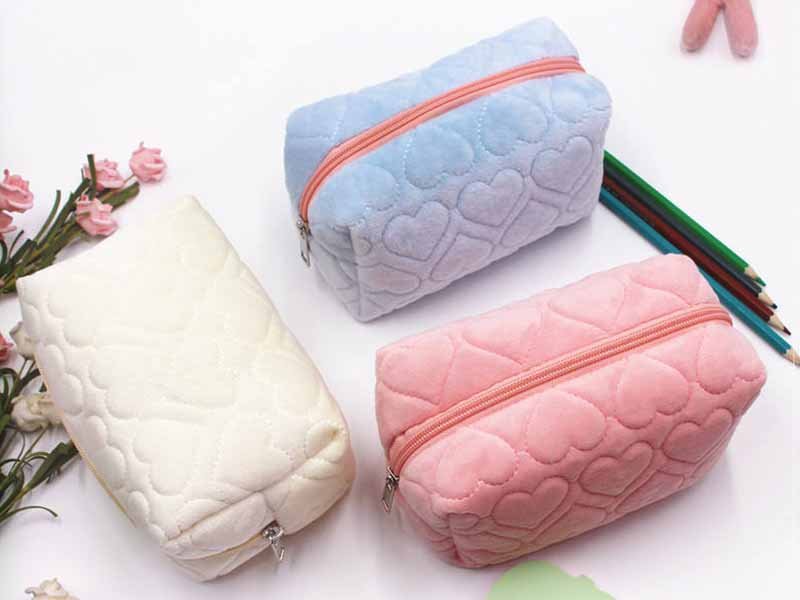
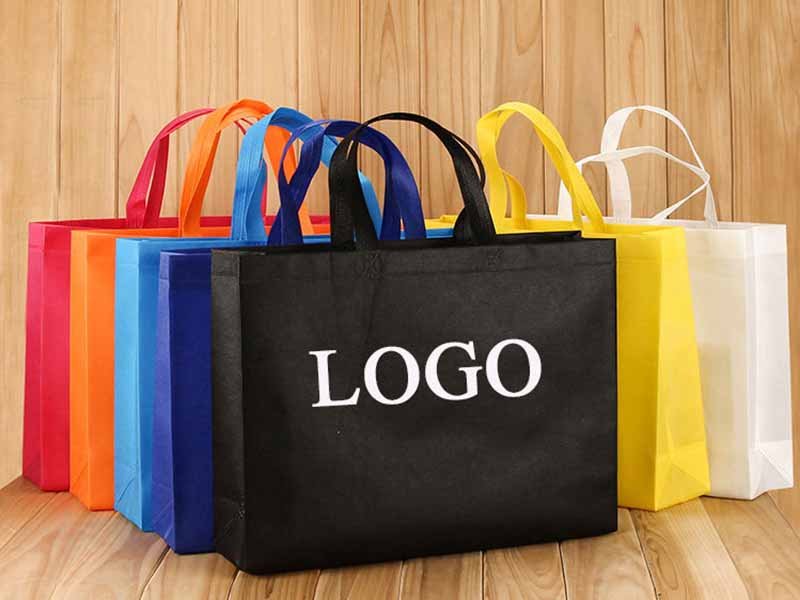
This is why simple tote bags, drawstring bags, shopping bags, dust bags, cosmetic pouches, and basic storage bags often have more flexible MOQ. The factory does not need to ask a fabric mill to create a new material batch. It can purchase existing rolls, match common colors, and move the project into sampling or production more quickly.
For a first order, stock material does not mean low-end. A natural canvas tote with clean stitching and a well-placed logo can look premium. A simple polyester pouch with good lining and a smooth zipper can still feel professional. In many cases, the smarter first step is to use available material, validate the product, and upgrade materials later when the order volume becomes more stable.
Custom Materials Raise MOQ
Custom materials usually raise MOQ because they require separate production from upstream suppliers. If a buyer needs a specific Pantone color, unique texture, special lamination, waterproof coating, recycled fabric documentation, fire-resistant material, anti-static function, or luxury leather finish, the supplier may need to produce a dedicated batch.
A fabric mill may not dye only a few meters. A coating supplier may not start a lamination run for a very small order. A leather supplier may sell by hide or batch, not by the exact number of bags. EVA, TPU, neoprene, clear PVC, and performance materials may also require special handling, testing, or cutting control. These requirements make the project less flexible than using standard fabrics.
Material waste also matters. Some materials cannot be used edge to edge. Leather may have natural marks. Clear PVC can scratch. Thick neoprene may deform if cut poorly. Laminated fabric may have bonding defects. When the material is expensive or difficult to process, the factory must allow for inspection, wastage, and replacement. That is another reason MOQ and cost may rise.
Color Choices Affect MOQ
Color is one of the most common reasons MOQ changes. If a buyer chooses black, navy, grey, beige, white, or another common stock color, the factory may have more sourcing flexibility. If the buyer needs a custom Pantone color, the material supplier may require a minimum dye lot. This can raise MOQ even when the finished bag quantity is not large.
Color also affects repeat orders. A small first batch in a custom color may look fine, but if the second batch is produced from a different dye lot, the color may not match perfectly. For brands that care about shelf consistency, color control should be planned from the beginning. This is especially important for product lines with multiple SKUs, such as tote bag + pouch + cosmetic bag sets.
For early-stage product testing, it is often safer to use stock colors. Once the market confirms demand, buyers can move into custom colors with a larger order and better batch control. This staged approach reduces risk and gives the brand more control over inventory, launch timing, and future replenishment.
Certified Materials Need Planning
Certified or performance materials can also change MOQ. Some buyers need RPET, organic cotton, food-safe lining, REACH-compliant materials, CPSIA-related requirements, waterproof performance, fire-resistant fabric, or specific export-market standards. These materials may need documentation, supplier verification, or third-party testing.
Testing does not always create a higher MOQ by itself, but it often changes the material options. A cheaper material may not pass the required standard. A certified material may only be available from selected suppliers. Some materials need to be purchased in full rolls or batches to keep traceability clear.
For B2B buyers, the practical rule is simple: mention compliance requirements early. If testing or certification is needed after sampling, the project may need to change material, repeat samples, adjust price, or increase MOQ. Early planning saves time and avoids uncomfortable surprises before bulk production.
| Material Type | Typical MOQ Pressure | Why It Affects MOQ | Practical Buyer Note |
|---|---|---|---|
| Stock canvas / cotton | Low | Commonly available, easy to sew | Good for totes, pouches, gift bags |
| Standard polyester / Oxford | Low to medium | Widely used in bags, many colors available | Good for backpacks, cooler bags, storage bags |
| Basic PU / nylon | Medium | More finish and quality variation | Confirm thickness, backing, and hand feel |
| Custom Pantone fabric | Medium to high | Requires dye lot or custom production | Better for confirmed product lines |
| RPET fabric | Medium to high | May require documentation and supplier traceability | Confirm certification needs early |
| TPU / PVC / coated fabric | High | Special handling, coating, or welding risk | Good for waterproof or clear bags |
| Genuine leather | Medium to high | Natural waste, grading, cutting loss | Expect color and texture variation |
| EVA / molded material | High | May involve molds, lamination, shaping | Best for structured cases or protective products |
How Do Logo Methods Affect MOQ?
Logo methods affect MOQ because each branding process has different setup cost, tooling, labor, waste, and supplier requirements. Screen printing and heat transfer are usually more flexible. Embroidery, woven labels, rubber patches, leather patches, metal plates, custom zipper pullers, and molded logos often need higher MOQ because they involve extra setup or component production.
Simple Logo Methods Are Easier
Simple logo methods usually support more flexible MOQ. Screen printing, heat transfer, digital printing, and basic woven labels are common choices for tote bags, drawstring bags, cosmetic pouches, shopping bags, promotional bags, and simple soft goods. These methods often require less tooling and can be applied directly to fabric panels before sewing.
Screen printing works well for clean artwork and solid colors. Heat transfer is useful for smaller logos, gradient artwork, or smooth visual effects, depending on the material. Digital printing can support more complex graphics when the fabric surface is suitable. A woven label can create a professional brand look without changing the whole bag structure.
For a first order, simple logo methods are often the best balance between brand identity and production control. They allow the buyer to test the product without adding too many supplier minimums. The brand still looks customized, but the MOQ stays more manageable. This matters for Amazon sellers, Shopify brands, promotional buyers, and new product launches where market feedback is still uncertain.
Premium Branding Adds Setup
Premium branding often requires more setup. Embroidery needs digitizing, thread selection, stitch testing, and backing control. Rubber patches or silicone patches may require molds. Leather patches may need cutting, debossing, heat stamping, or edge finishing. Metal logo plates need tooling, plating, attachment testing, and sometimes protective film.
These methods can make a bag look more valuable, but they are not always ideal for very small trial orders. The setup cost may be the same whether the order is 200 pieces or 2,000 pieces. If the order is small, that cost is spread across fewer bags and can push up the unit price. Some accessory suppliers also set their own MOQ, especially for custom molded or metal parts.
Premium branding is worth considering when the product has a clear market, higher retail price, or repeat-order plan. For early-stage testing, buyers can often start with printing or labels, then upgrade to patches, metal plates, or custom hardware once sales are proven.
Logo Placement Matters
MOQ is not affected only by the logo method. Placement also matters. A logo printed on a flat tote panel is much easier than a logo placed on a curved pocket, padded flap, side gusset, narrow strap, thick neoprene surface, or uneven textured material. The more difficult the placement, the more testing and quality control are needed.
Some materials do not hold every logo method well. Embroidery may pucker lightweight fabric. Heat transfer may peel from certain coated surfaces. Screen printing may not adhere well to some waterproof or textured materials. Metal plates may pull on soft fabric if the panel is not reinforced. A rubber patch may look good, but it needs the right stitching or bonding method.
This is why logo decisions should be made together with material and structure decisions. A logo that looks perfect on a digital mockup may need adjustment in real production. A professional sample process should confirm logo size, color, placement, adhesion, stitching, and bulk consistency before mass production.
Custom Hardware Changes MOQ
Custom zipper pullers, branded buckles, logo rivets, metal plates, and special sliders can make a bag more distinctive, but they often create higher MOQ. These parts usually come from accessory suppliers, not directly from the sewing line. The supplier may need a mold, plating batch, minimum casting run, or minimum assembly quantity.
Custom hardware also adds inspection points. The factory must check color, plating, size, logo accuracy, edge smoothness, attachment strength, and whether the part damages the material during use. For backpacks, travel bags, leather bags, and premium cosmetic bags, custom hardware can be a strong brand detail. For a small test order, it may be better to use standard hardware first.
The practical question is not whether custom hardware is possible. It usually is. The better question is whether it matches the order size, target price, and product stage. If a buyer is testing a new bag category, standard hardware may be a more practical first step. If the product is already proven, custom hardware can become a meaningful brand upgrade.
| Logo Method | Typical MOQ Pressure | Common Setup Requirement | Best Use Case |
|---|---|---|---|
| Screen printing | Low | Screen setup, color matching | Tote bags, drawstring bags, promo bags |
| Heat transfer | Low to medium | Film setup, heat testing | Pouches, sports bags, small logos |
| Digital printing | Low to medium | Artwork preparation, print testing | Complex graphics or colorful designs |
| Embroidery | Medium | Digitizing, stitch testing, backing | Canvas bags, backpacks, uniforms-style branding |
| Woven label | Medium | Label production minimum | Multi-SKU brand lines |
| Rubber / silicone patch | Medium to high | Mold setup, patch production | Outdoor, sports, backpacks |
| Leather patch | Medium to high | Cutting, debossing, stamping | Premium canvas or leather goods |
| Metal plate / puller | High | Tooling, plating, attachment testing | Premium structured bags |
Which Structures Raise MOQ?
Complex bag structures raise MOQ because they require more pattern work, cutting parts, sewing steps, reinforcement, inspection, and worker training. Flat tote bags, drawstring bags, and simple pouches usually support lower MOQ. Backpacks, cooler bags, duffle bags, tool bags, laptop bags, waterproof bags, and EVA cases often need higher MOQ due to labor and component complexity.
Simple Structures Need Fewer Steps
Simple bag structures usually need fewer materials, fewer cut panels, fewer accessories, and fewer sewing operations. A flat tote bag may only need body panels, handles, top hem, side seams, bottom seam, and logo placement. A drawstring bag may need two panels, cord channels, drawcords, and reinforced bottom corners. A basic pouch may need fabric panels, zipper, lining if required, and logo application.
These products are easier to cut, easier to sew, and easier to inspect. That is why their MOQ is often more flexible than complex bags. The sewing line does not need a long learning curve, and the chance of structural error is lower. For brands testing a new concept, simple structures reduce development risk.
Simple does not mean low value. Many successful brand products are based on clean structures, good material, strong stitching, and thoughtful branding. A well-made tote or pouch can look more professional than an over-designed bag with poor sewing and weak materials.
Complex Bags Need More Labor
Complex bags usually need higher MOQ because they require more skilled labor and longer production setup. Backpacks, laptop bags, cooler bags, duffle bags, tool bags, tactical bags, baby bags, pet carriers, medical bags, waterproof bags, and structured handbags may include multiple compartments, foam padding, linings, zippers, buckles, webbing, binding, bottom panels, reinforcement, and functional pockets.
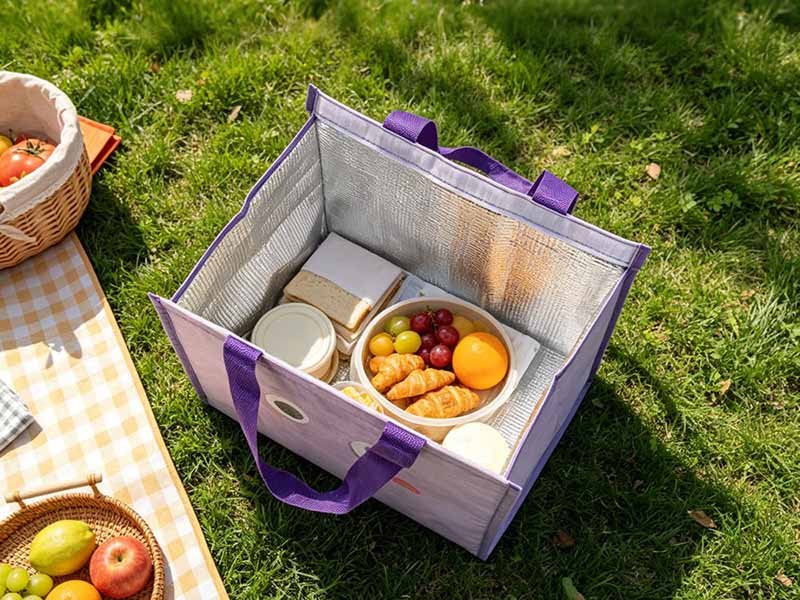
Every added feature creates extra work. A pocket must be cut, folded, sewn, aligned, and checked. A padded strap needs foam, fabric cover, stitching, and reinforcement. A cooler bag needs insulation, lining, binding, and leak-resistance attention. A tool bag may need thick fabric, heavy webbing, reinforced seams, and load-bearing checks.
At very low quantities, the factory may spend more time setting up the process than producing efficiently. Workers need to understand the sewing sequence, quality checkpoints, and finishing requirements. This is why complex structures usually require a higher MOQ to keep quality consistent and production practical.
Pockets and Linings Add Work
Pockets and linings are useful, but they add real production work. A simple unlined tote is much easier than a fully lined tote with an inside zipper pocket, slip pocket, key hook, and reinforced bottom. A backpack with multiple compartments may need many more cut parts than the outside appearance suggests.
Linings also affect material sourcing. Standard polyester lining is usually easier. Custom printed lining, special color lining, insulated lining, waterproof lining, or antibacterial lining can raise MOQ. Pockets may require mesh, elastic, zipper tape, binding, foam, or extra labels. Each extra component creates more purchasing and inspection work.
The best structure is not the one with the most features. It is the one that fits the user’s real needs. A travel bag may need smart compartments. A promotional tote may not. A cosmetic bag may need wipe-clean lining. A simple shopping bag may only need strength and clean branding. Good structure design balances function, cost, MOQ, and user experience.
Molded and Functional Bags Are Different
Molded and functional bags often have higher MOQ because they involve more than sewing. EVA cases may require molds, shaping, lamination, edge finishing, and accurate fit. Waterproof bags may need coated materials, seam control, welding, or special closure systems. Cooler bags need insulation performance and lining control. Fireproof bags, RFID-blocking bags, and medical bags may need specific materials or testing.
These products are not impossible to customize, but they require more planning. A small change in structure can affect performance. For example, changing the zipper on a cooler bag may affect insulation. Changing the seam on a waterproof bag may affect water resistance. Changing foam thickness in a laptop bag may affect protection and internal fit.
For functional products, MOQ is linked to risk control. The factory needs enough quantity to justify material testing, sample correction, worker setup, and inspection. Buyers should treat functional bags as product-development projects, not just logo customization projects.
| Bag Structure | Typical MOQ Pressure | Key Production Drivers | Practical Note |
|---|---|---|---|
| Flat tote bag | Low | Few panels, simple handles, basic seams | Good for low-MOQ branding tests |
| Drawstring bag | Low | Simple body and cord system | Good for events, gifts, promotions |
| Basic cosmetic pouch | Low to medium | Zipper, lining, small sewing details | Logo and lining may affect MOQ |
| Cooler bag | Medium | Insulation, PEVA lining, binding, leak points | Material and structure must be confirmed |
| Backpack | Medium to high | Straps, padding, pockets, zippers, lining | More labor and inspection needed |
| Tool bag | High | Heavy fabric, reinforcement, hardware | Load-bearing details matter |
| Waterproof bag | High | Coated material, seam control, closure system | Performance requirements affect MOQ |
| EVA case | High | Mold, shaping, laminated panels | Best for confirmed product designs |
Are Accessories and Packaging Important?
Accessories and packaging are important because they often have their own supplier MOQ. Zippers, sliders, buckles, webbing, labels, patches, hangtags, polybags, retail boxes, inserts, barcodes, and cartons can all affect final MOQ, price, and lead time. A custom bag is not only the fabric body; it is a complete product system.
Small Components Can Control MOQ
Small accessories can have a large impact on MOQ. Zippers, sliders, hooks, D-rings, buckles, webbing, elastic, drawcords, rivets, Velcro, labels, patches, bottom boards, and foam all need sourcing before production. If they are standard, they are usually easy to purchase. If they are customized, they may require higher quantities from suppliers.
For example, a standard black zipper can be sourced easily for many bag styles. A custom zipper tape color with a branded puller may need a separate production run. A common plastic buckle is simple. A custom-molded buckle with a logo may need tooling. A regular woven label is manageable. A special jacquard webbing with brand text may require a higher weaving minimum.
Buyers often focus on the main fabric and logo, but accessories can decide whether the project is truly MOQ-friendly. The more custom components a bag has, the more supplier minimums the factory must manage. A small trim decision can change the entire project plan.
Zippers Are More Than One Detail
Zippers affect MOQ because they include several specifications: size, teeth type, tape color, slider type, puller design, length, end finishing, and function. A No.3 nylon zipper for a small cosmetic pouch is different from a No.8 or No.10 heavy-duty zipper for a duffle bag or tool bag. A waterproof zipper is different from a standard coil zipper.
Zipper choice also affects user experience. A pouch needs smooth opening. A backpack needs durability. A cooler bag needs a zipper that works with thick insulation and binding. A tool bag needs strength. A waterproof bag may require special zipper or closure solutions. Choosing the wrong zipper can create complaints even if the bag looks good.
For MOQ control, standard zipper sizes and colors are usually safer for first orders. Branded zipper pullers, custom tape colors, waterproof zippers, or metal teeth zippers can be excellent upgrades, but they should match the product stage and order quantity.
Packaging Can Raise MOQ
Packaging often has its own MOQ, especially when it is printed or retail-ready. A simple individual polybag and export carton usually keep things flexible. Printed hangtags, barcode labels, insert cards, dust bags, color boxes, gift boxes, tissue paper, and retail sleeves can add supplier minimums and extra lead time.
Different sales channels need different packaging. Amazon FBA may need barcode labels, suffocation warnings, carton labels, and size-controlled packing. Shopify brands may care more about unboxing experience. Retailers may require hangtags, price labels, display packaging, or carton marks. Promotional orders may need simple packing that is easy to distribute.
Packaging should be discussed before quotation, not after production starts. If packaging is added late, the factory may need to requote, delay shipment, or adjust carton plans. Clear packaging requirements help the supplier calculate MOQ and cost more accurately.
Standard Parts Help First Orders
Using standard accessories and simple packaging is one of the most practical ways to keep MOQ under control. Standard zippers, regular sliders, common buckles, black or natural webbing, basic labels, and export cartons can help the buyer test the product faster. Once the product proves demand, custom accessories and premium packaging can be added in repeat orders.
This staged approach is common in real product development. First, confirm the core product: material, size, function, logo, and user feedback. Then improve the details: custom zipper pullers, branded hardware, upgraded packaging, special labels, or retail-ready presentation.
For many brands, the first order does not need every premium detail. It needs to be sellable, reliable, and consistent. Accessories and packaging should support the product strategy, not overload it too early.
How Can Buyers Lower MOQ?
Buyers can lower MOQ by choosing stock materials, standard colors, simple logo methods, existing accessories, practical structures, and basic packaging. They can also reduce color variations, avoid custom molds, prepare clear specifications, and start with a trial order. Lower MOQ is easier when the project is designed around real production conditions.
Use Stock Materials First
The fastest way to reduce MOQ is often to use stock materials. Standard canvas, polyester, Oxford, nylon, non-woven fabric, basic PU, mesh, and common lining fabrics are easier to source than custom-dyed or performance materials. If the material is already available, the factory does not need to trigger a special supplier minimum.
This is especially useful for first orders. A brand may want to test a tote bag, cosmetic pouch, cooler bag, or travel organizer before committing to a full product line. Stock materials allow the buyer to confirm shape, logo, packaging, and market response with less sourcing pressure.
After the first order performs well, the buyer can upgrade. The second or third order may introduce custom colors, better coatings, recycled materials, premium trims, or retail packaging. This keeps product development flexible instead of locking the buyer into a high-MOQ decision too early.
Simplify Logo and Trim Choices
MOQ becomes easier when logo and trim choices are simple. Screen printing, heat transfer, digital printing, or standard woven labels usually create less MOQ pressure than rubber patches, metal plates, custom zipper pullers, custom buckles, or molded parts. The product can still look branded without adding too many supplier minimums.
The same logic applies to trims. Standard zippers, common sliders, regular webbing, available buckles, and simple labels help reduce production friction. A buyer can still choose good quality components without making every part custom. Customization should be used where it brings real value.
For example, if the bag’s main selling point is material quality, spend more attention on fabric and sewing. If the selling point is premium branding, choose one strong logo detail instead of customizing every zipper, buckle, label, and package at the same time. Focused customization is usually better than scattered customization.
Reduce Colors and SKUs
Too many colors and SKUs can increase MOQ quickly. A total order of 1,000 pieces may look strong, but if it is split into five colors, two sizes, and two logo versions, each variation may become too small for efficient production. Factories often calculate MOQ by style, color, size, or material version, not only by total order quantity.
For first orders, it is usually smarter to launch with one or two core colors. Black, natural, navy, grey, beige, and other common colors are often easier to manage. Once the product sells, the buyer can expand into seasonal colors, custom Pantone colors, or more sizes.
The same applies to product range. Instead of launching five bag styles at once, a brand may start with one hero product and one supporting pouch. This keeps MOQ, inventory, and quality control easier to manage. Product lines can grow after real sales data confirms demand.
Prepare a Clear RFQ
A clear RFQ can lower confusion and sometimes reduce MOQ pressure. When buyers provide product type, size, material direction, logo method, quantity, color plan, packaging needs, and destination country, the manufacturer can review the project accurately. A vague inquiry forces the factory to make assumptions, and assumptions often lead to cautious MOQ and pricing.
A strong RFQ does not need to be complicated. It can include product photos, reference links, sketches, approximate size, logo file, target order quantity, preferred material, and packaging idea. If the buyer has a tech pack or BOM, that is even better. If not, a clear description is still enough to start.
The more complete the information, the easier it is for the factory to identify flexible options. The manufacturer may suggest stock material, a different logo method, standard hardware, or a better structure to reduce MOQ without weakening the product.
| Buyer Choice | MOQ-Friendly Option | Higher-MOQ Option | Practical Result |
|---|---|---|---|
| Material | Stock canvas, polyester, Oxford | Custom-dyed, coated, certified fabric | Stock materials usually move faster |
| Logo | Screen print, heat transfer, woven label | Metal plate, rubber patch, custom puller | Simple logos reduce setup pressure |
| Color | One or two stock colors | Multiple Pantone colors | Fewer colors improve production efficiency |
| Structure | Flat or simple construction | Multi-pocket, padded, molded, waterproof | Simpler structure lowers labor setup |
| Accessories | Standard zipper, buckle, webbing | Custom hardware, branded trims | Standard parts reduce supplier MOQ |
| Packaging | Polybag + export carton | Printed box, insert, retail sleeve | Simple packing avoids packaging MOQ |
| RFQ | Clear specs and quantity | Vague request with missing details | Better specs create more accurate quotes |
How Should Buyers Plan RFQ?
Buyers should plan an RFQ by sending complete product details instead of asking only for MOQ. The most important details are bag type, size, material, color, logo method, structure, accessories, packaging, quantity, target market, quality requirements, and shipping destination. A clear RFQ helps the factory provide a realistic MOQ, price, sample plan, and timeline.
Start With Product Basics
A good RFQ starts with basic product information. The buyer should explain what type of bag is needed, such as tote bag, backpack, cosmetic bag, cooler bag, duffle bag, travel pouch, tool bag, or waterproof bag. The RFQ should also include approximate size, target material, color, logo placement, quantity, and destination country.
These details help the factory understand the project quickly. A “custom bag” can mean hundreds of things. A “600D Oxford cooler bag, 30 × 20 × 22 cm, PEVA lining, front screen print logo, 500 pieces, ship to the United States” is much easier to review. The second version gives the manufacturer enough information to judge MOQ, cost, sampling difficulty, and production method.
If the buyer is unsure about materials or size, reference photos are useful. A rough sketch is also helpful. The goal is not to be perfect at the first message. The goal is to give the manufacturer enough direction to respond accurately.
Send Logo and Packaging Files
Logo and packaging details should be included early because they can affect MOQ and lead time. Buyers should send logo files in AI, PDF, EPS, SVG, or high-resolution format when possible. They should also mention logo size, color, placement, and preferred method, such as printing, embroidery, woven label, patch, or metal plate.
Packaging information is equally important. A buyer should say whether the product needs individual polybags, hangtags, barcode stickers, FBA labels, retail boxes, dust bags, insert cards, or special carton marks. If the product is for Amazon, Shopify, retail stores, promotional events, or wholesale distribution, the packaging plan may be different.
When logo and packaging are not confirmed, the factory may quote only the bag body. Later changes can affect MOQ, cost, and timeline. Early confirmation helps avoid rework after sampling.
Ask for MOQ by Specification
Buyers should ask for MOQ by specification, not only one general MOQ. A useful RFQ question is: “What is the MOQ for this bag using stock fabric, and what is the MOQ if we use custom Pantone fabric?” Another useful question is: “What is the MOQ difference between screen printing and rubber patch?” These comparisons help buyers understand which details drive the minimum.
This method is more practical than pushing the factory for the lowest number. It creates a conversation about options. The manufacturer may explain that the bag body can be produced at a lower quantity, but the custom metal logo requires a higher minimum. Or the factory may suggest using a standard zipper for the first order and custom pullers for the repeat order.
Buyers who understand MOQ by specification can make better decisions. They can choose where to spend money, where to simplify, and where to delay upgrades until the product is proven.
Compare Quotes Carefully
A lower MOQ or lower price is not always a better offer. Buyers should compare quotes based on the same material, same logo method, same structure, same accessories, same packaging, same inspection standard, and same shipping term. If one supplier quotes a lower price but uses thinner fabric, cheaper lining, simpler logo, or no packaging, the comparison is not equal.
A serious quote should make the assumptions clear. It should mention material type, size, logo process, packaging, sample cost, lead time, payment terms, and whether shipping is included. If important details are missing, the buyer should ask before making a decision.
The best supplier is not always the one with the lowest MOQ. The best supplier is the one that explains the production logic, helps reduce unnecessary risk, and can keep the approved sample consistent with bulk production. For custom bags, clarity is often more valuable than a very attractive first number.
If you are planning a custom tote bag, backpack, cosmetic bag, cooler bag, travel bag, leather goods project, neoprene product, EVA case, or other sewn soft goods, prepare your product photo, sketch, tech pack, logo file, target quantity, material idea, packaging requirement, and destination country before requesting a quote. A professional manufacturer can then help you review the real MOQ drivers, suggest more practical options, and build a production plan that fits your launch stage, budget, and long-term product goals.