 Skip to content
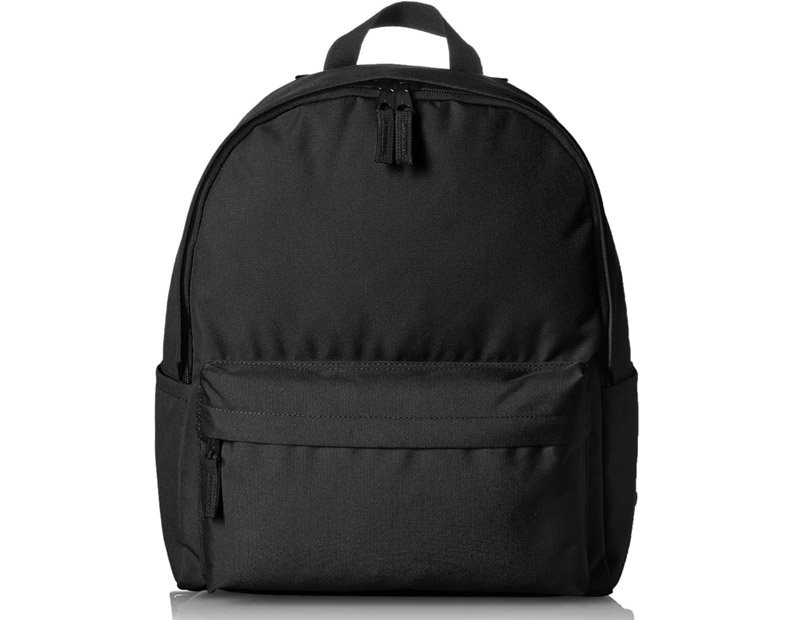
In the world of backpacks, JanSport has become almost synonymous with durability. Students, hikers, and travelers have carried their packs for decades — but what exactly are these bags made of, and why do they last so long?
Many people assume “nylon” or “polyester” answers the question. But the real story behind a JanSport backpack is a combination of fiber technology, fabric denier, lamination, coatings, and manufacturing choices that define its performance.
JanSport backpacks are primarily made from 600D to 900D polyester and Cordura® nylon, with reinforced synthetic bottoms, foam padding, and strong zippers. Most are water-resistant, not fully waterproof. The materials balance cost, weight, and durability — ideal for everyday and outdoor use.
JanSport’s material selection isn’t random. It’s a case study in how smart material sourcing defines a brand’s reputation. And for manufacturers like Szoneier, understanding these choices helps custom clients design bags that meet both budget and performance goals.
So — what’s inside your backpack, and what lessons can we learn from JanSport’s decades of material evolution? Let’s unpack the layers.
What Primary Fabrics Does JanSport Use?
JanSport primarily uses polyester and Cordura® nylon fabrics in deniers ranging from 420D to 1000D. These materials offer a strong mix of durability, abrasion resistance, and lightweight comfort. Many modern models also use recycled polyester (rPET) and PU-coated canvas for sustainability and water resistance.
1. Polyester
For most of its mainstream and school backpacks, JanSport relies on 600D and 900D polyester — the most balanced and cost-effective synthetic fiber for casual and urban use.
Why Polyester Dominates Everyday Backpacks
Polyester is valued for being:
- Lightweight but tough: 600D polyester has tensile strength around 40–50 Newtons, enough for daily loads under 15 kg.
- UV and color resistant: Unlike nylon, polyester doesn’t yellow or fade easily under sunlight.
- Water-repellent: Its hydrophobic nature (0.4% moisture absorption) helps resist light rain.
- Cost-efficient: 600D polyester is 20–30% cheaper than equivalent-denier nylon.
| Fabric | Common Denier | Strength (N) | UV Resistance | Cost | Common Use |
|---|---|---|---|---|---|
| 300D Polyester | 20–30 | Moderate | High | Low | Lightweight daypacks |
| 600D Polyester | 40–50 | Excellent | High | Medium | JanSport SuperBreak, school series |
| 900D Polyester | 55–70 | Excellent | High | Mid-high | Outdoor & travel packs |
Denier (D) measures fiber thickness — the higher the denier, the tougher (and heavier) the fabric. JanSport’s 600D polyester has become an industry benchmark for urban backpacks because it withstands daily friction without adding unnecessary weight.
Coating and Finishing
Polyester fabrics used by JanSport are typically:
- PU-coated (polyurethane) on the inner side for moisture resistance.
- Calendered for smoother texture and color vibrancy.
- Printed or dyed with high-temperature disperse dyes that resist fading.
Some of their premium versions employ two-pass PU coatings, improving water resistance to a 1,000 mm hydrostatic head rating — meaning light rain rolls right off instead of soaking in.
Why 600D Polyester Is So Popular
From a manufacturing perspective, 600D polyester is easy to cut, sew, and heat-laminate. It maintains consistent thickness (0.45–0.6 mm) and rarely frays during edge binding. That’s why factories like Szoneier use it extensively across custom OEM bags, offering:
- Excellent print quality for brand logos
- Structural firmness for shape retention
- Wide color availability from 100+ pantone tones
This material’s versatility allows brands to combine it with leather trims, reflective panels, or mesh — just like JanSport’s campus lines.
2. Nylon and Cordura®
For its more durable outdoor models such as the JanSport “Right Pack,” “Hatchet,” or “Cool Student,” the brand upgrades to 420D–1000D nylon, often Cordura® branded.
Nylon’s Strength and Elasticity
Nylon (polyamide) has about 20–30% higher tensile strength than polyester and slightly more stretch before breaking, making it ideal for heavy loads or rough use. Cordura® nylon, in particular, is engineered through air-jet texturing, creating a rugged surface that resists tearing and scuffing.
| Fabric Type | Tear Strength | Weight | Finish | Water Resistance |
|---|---|---|---|---|
| 420D Nylon | 60–70 N | Medium | Smooth | Good |
| 1000D Cordura® Nylon | 80–100 N | Heavy-duty | Matte / textured | Excellent |
The textured matte finish of Cordura® hides scratches better and offers a distinctive tactical aesthetic. For professional or outdoor users, this material lasts 5–10 years — compared to 2–4 years for standard polyester.
Coating Technology
Most Cordura® nylons used by JanSport receive a PU coating or DWR (Durable Water Repellent) treatment. Some limited-edition models even add TPU film lamination, increasing waterproof performance to >1500 mm hydrostatic head.
Factories like Szoneier often replicate this structure for premium OEM backpacks, combining:
- 1000D Cordura® face layer
- 210D nylon lining
- Foam and mesh reinforcement
3. Canvas and Cotton-Blend Fabrics
JanSport’s “heritage” or “Right Pack” series pays homage to its 1970s roots through cotton-blend or canvas-like polyester fabrics. While traditional cotton canvas absorbs water, modern versions are polyester canvas with PU backing, achieving the classic look without sacrificing performance.
| Fabric Type | Base Composition | Look & Feel | Water Resistance | Use Case |
|---|---|---|---|---|
| Cotton Canvas | 100% cotton | Soft, natural | Low | Retro, casual bags |
| Polyester Canvas (PU coated) | 100% polyester | Vintage look, smooth | Good | Heritage backpacks |
| Waxed Canvas | Cotton + wax | Rustic matte | High | Outdoor luxury |
Why canvas still matters:
- Gives a premium handcrafted vibe
- Offers tactile warmth and design flexibility
- Works well for private-label customization (print, embroidery, or embossed logo)
Szoneier also produces poly-cotton canvas and waxed PU-coated canvas options for brands targeting lifestyle or eco-friendly segments.
4. Recycled Polyester (rPET)
As global consumer demand shifts toward sustainability, JanSport has integrated 100% recycled polyester (rPET) from post-consumer bottles into many new models.
What Is rPET?
rPET (recycled polyethylene terephthalate) is made by:
- Collecting used PET bottles.
- Cleaning and shredding them into flakes.
- Melting and extruding into new polyester yarn.
This process saves about:
- 50% less energy than virgin polyester production.
- 30% lower carbon emissions per kilogram of fabric.
| Comparison | Virgin Polyester | rPET |
|---|---|---|
| Energy use | 100% | 48–52% |
| Carbon emissions | 100% | 70% |
| Cost | Stable | Slightly higher |
| Durability | High | Comparable (95–98%) |
Many JanSport “Recycled SuperBreak” and “Eco” editions use rPET for the main body and even the lining, webbing, and zipper tape — ensuring full-circle sustainability.
Factories like Szoneier now maintain steady rPET supply chains certified under GRS (Global Recycle Standard), allowing brands to customize eco lines with lower MOQs and verified traceability.
5. Fabric Technology Innovations
JanSport also integrates multiple fabric engineering techniques to enhance both style and functionality:
| Technique | Description | Result |
|---|---|---|
| Ripstop Weaving | Reinforced grid pattern | Prevents tears from spreading |
| Diamond Embossing | Embossed textures | Aesthetic differentiation |
| Melange Yarn Dyeing | Mixed yarn tones | Premium visual appeal |
| TPU Lamination | Thermoplastic film | Waterproof barrier |
| Double-Sided PU Coating | Dual-layer sealing | Enhanced weather protection |
Szoneier’s OEM services mirror these innovations. For example:
- 600D ripstop polyester for hiking or gym bags.
- Jacquard nylon for high-end travel bags.
- Recycled TPU film lamination for waterproof dry bags.
Which Components and Trims Are Used Beyond the Main Fabric?
Beyond the main shell fabric, premium backpacks incorporate high-quality webbing, reinforced bottoms, heavy-duty zippers, durable hardware (buckles, D-rings), foam padding, and specialized linings. These trims and components directly impact durability, comfort, brand perception, and value.
When analysing a backpack like those from JanSport (and when designing or sourcing for custom brands via a manufacturer such as Szoneier), the components and trims beyond the main fabric shell are just as important as what the outer fabric is made of. Let’s walk through key elements one by one to fully appreciate how they affect performance, cost, and brand positioning.
What Bottoms, Reinforcements and Webbing Materials Are Typical?
The bottom panel of a backpack receives the most stress — it sits on the ground, gets dragged, and carries the full load. Many high-quality bags therefore use a more robust material at the bottom (e.g., 1680D ballistic polyester, synthetic leather “base”, or a double layer of fabric) plus extra stitching and reinforcement. Webbing (the straps, loops and handles) is often made of heavy-duty nylon or polyester, typically around 25mm–38mm wide, sometimes with breaking strength rated for hundreds of kilograms. These reinforcements give a backpack structural integrity, handle heavier loads, and support handles, shoulder straps and gear loops. For a custom brand, selecting heavier webbing, reinforced bar-tacks, binding tape at stress points, and a thicker base panel can substantially improve perceived quality without a massive cost increase.
Which Zipper, Buckle and Hardware Materials Are Used?
Zippers, buckles, sliders, D-rings, rivets and other hardware are often overlooked — yet they are a critical element of durability and user perception. For example, coil zippers #8 or #10 (like YKK) are common in durable backpacks. Hardware may be made from high-strength plastics (e.g., acetal or POM) or metal alloys, depending on price point. A budget backpack might use thin zinc-alloy buckles; a high-end pack might use solid brass or stainless steel. Poor hardware will fail long before the fabric does, damaging brand reputation. For OEM/ODM manufacturing, specifying hardware grade, plating (chrome, nickel), and spring strength can allow custom brands to differentiate.
How Do Lining, Padding and Foam Integrate?
Internal structure — lining fabric, foam back panels, strap padding and reinforcement sheets — contributes significantly to comfort, weight distribution and durability. A well-padded back panel with EVA foam and air-mesh lining supports the user’s back, while proper strap construction spreads load. The lining fabric (often 210D polyester or nylon) protects the internal main fabric, hides seams, and adds to the bag’s “finish”. Also, internal reinforcement sheets (plastic, fiberglass, or cardboard) may be inserted between layers to maintain shape. Skimping here reduces cost but often leads to sagging, misshapen bags and unhappy customers.
Multi-Level Critical Perspective
When you design or buy a backpack for your brand, it isn’t enough to focus only on “what shell fabric is used”. Many less-obvious components determine real-world performance and brand longevity:
- Cost vs Benefit Trade-off: Heavier webbing, higher-grade hardware and thicker padding increase cost marginally but may improve lifecycle, brand perception, and customer satisfaction significantly.
- Supply chain complexity: Hardware often comes from a different supplier (e.g., buckles from Taiwan, zippers from Japan) than fabric. Delays or mismatches affect production lead-times and QA.
- Customization opportunities: For a private-label brand, you might specify custom-molded buckles with your logo, branded webbing, or laser-engraved D-rings — turning “components” into brand assets.
- Quality control risk: Even if the shell fabric is 900D Cordura®, if the webbing is 200kg strength and the stitching is loose, the bag falls flat. Holistic component quality matters.
- Material endurance: The bottom panel and webbing often fail first in everyday use (versus the fabric itself). Reinforcements at low cost (extra panel, binding tape) can extend life significantly.
Typical Component Specs Comparison
| Component | Entry-Level Backpack | Mid-Tier / Brand Backpack | Premium/Outdoor Backpack |
|---|---|---|---|
| Bottom Panel Fabric | Single layer 600D polyester | Double layer 600D or 900D | 1680D ballistic or 1000D Cordura® |
| Webbing | 20mm polyester, 150kg break | 25mm nylon, 250kg break | 38mm mil-spec nylon, 400kg+ break |
| Zippers | Generic coil #8 | YKK #8 or #10 | YKK AquaGuard or SBS waterproof #10 |
| Buckles/Hardware | Polish zinc alloy | Branded plastic / metal plated | Solid brass/Stainless steel, custom |
| Padding & Lining | Basic 5mm foam, single mesh | 10mm foam + air mesh back | 15mm foam, ventilated back, frame sheet |
Selecting better components often raises cost by 10-30% but can raise perceived value (and price point) by 50-100% — a trade many custom brands find worthwhile.
How Are JanSport Backpacks Constructed and Finished?
JanSport backpacks are constructed through precision cutting, multi-layer stitching, bar-tack reinforcement, and seam binding, followed by quality inspection and finishing. Each backpack typically includes 8–12 stitched panels, reinforced stress zones, and durable PU or Cordura® fabrics. Most are produced in China, Vietnam, and Bangladesh, where advanced sewing and lamination technologies ensure consistency and long lifespan.
From Fabric Roll to Cut Panel
Every JanSport-level backpack begins as rolls of 600D polyester, 900D nylon, or Cordura®. Before cutting, each roll is visually inspected for dye consistency, weave uniformity, and surface defects. Large-scale factories like Szoneier or VF-affiliated suppliers use automatic fabric spreaders and computer-controlled cutting tables (Gerber or Lectra) to ensure accuracy within ±1 mm.
| Process Step | Equipment Used | Quality Goal | Typical Time |
|---|---|---|---|
| Fabric Relaxation | Automated spreader | Prevent shrinkage | 12–24 hours |
| Computer-aided Cutting | CNC cutter | ±1 mm accuracy | 2–5 min/panel |
| Panel Labeling | Barcode + template | Match parts | Instant |
| Bundle Transfer | Color-coded bin | Prevent mix-up | Continuous |
Each backpack averages 20–30 cut components including the main body, lining, pockets, straps, and reinforcement panels.
Lamination and Backing
For durability and shape retention, most fabrics receive a polyurethane (PU) or thermoplastic polyurethane (TPU) coating before assembly.
- PU backing: Adds water resistance and structure without stiffness.
- TPU film: Used in outdoor or waterproof models; resists hydrostatic pressure > 1000 mm.
In Szoneier’s lamination workshop, heat-press lines bond PU films at 140–160 °C to ensure even adhesion without surface warping. The outcome: a material that cuts cleanly, sews smoothly, and maintains its silhouette over time.
Stitching, Seam Reinforcement, and Assembly
Multi-Stage Assembly Flow
The construction process follows a progressive assembly line:
- Pocket and zipper pre-assembly – attach zippers, sliders, and front pockets.
- Panel joining – connect front, back, and side panels with lockstitch machines (Juki or Brother).
- Bottom reinforcement – insert double-layer fabric or synthetic leather pads.
- Binding – apply polyester or nylon tape to hide and strengthen internal seams.
- Shoulder strap construction – sew foam, mesh, and webbing together.
- Main body closure – integrate lining and zipper panel, then attach straps.
- Final inspection and trimming – remove excess threads, shape, and pack.
Each backpack passes through 20–25 sewing operations and 5–8 specialized machines, including flat-bed, post-bed, and bar-tack models.
Stitch Type and Density
- Lockstitch (301): Used for panel joins; 8–10 stitches per inch.
- Chainstitch (401): Used on long seams to allow flexibility.
- Overlock (504): Finishes raw edges internally.
- Bar-tack (304): Reinforces stress points (handle ends, strap anchors).
Premium backpacks like JanSport maintain minimum 8 SPI (stitches per inch) with bonded polyester or nylon thread (Tex 45–70) that resists UV and fraying. Cheap imitations often reduce SPI to 5–6 or use cotton thread, which weakens after washing.
| Feature | Budget Belt | JanSport-Level | Premium Outdoor |
|---|---|---|---|
| Stitch Type | Lock only | Lock + Bar-tack | Lock + Chain + Bartack |
| SPI | 5–6 | 8–10 | 10–12 |
| Thread | Cotton | Bonded polyester | Bonded nylon Tex 70 |
| QC Level | Visual | Tensile + Flex test | Load + Salt spray test |
Szoneier follows similar QA metrics, testing seam tensile strength ≥ 180 N and load-bearing capacity > 20 kg for school and travel models.
Reinforcements and Internal Structure
A JanSport bag’s real durability lies inside — where reinforcement layers distribute load and protect seams.
Reinforcement Materials
- HDPE sheet or PP board: Inserted in back panels and bottom layers to prevent sagging.
- Foam padding: EVA (5–10 mm) in straps and back, PE foam in sides.
- Webbing reinforcement: 25–38 mm nylon tape stitched into load zones.
Key Stress Points
- Shoulder strap anchor: Usually bar-tacked twice and backed with hidden webbing.
- Top handle: Reinforced with triple-fold webbing loop.
- Bottom corners: Double-stitched triangle seam plus binding.
Finishing
After sewing, every bag undergoes finishing processes that affect both look and lifespan.
Edge Binding and Thread Trimming
Edges are bound with polyester bias tape to prevent fraying. Loose threads are trimmed with automated suction cutters, keeping internal seams clean and professional.
Pressing and Shape Retention
Steam presses help flatten seams and restore shape after handling. PU or nylon fabrics are ironed at 100–120 °C to reactivate the coating and give a crisp contour.
Waterproof and Anti-Dust Treatment
A final DWR (durable water repellent) or nano-silicone spray may be applied on the surface, forming an invisible shield against stains and light rain.
Visual Inspection and QC
QC staff check:
- Seam alignment tolerance ≤ 3 mm
- Stitch skipping ≤ 1 per 10 cm
- Fabric shade deviation ΔE < 1.0
- Zipper operation smoothness ≥ 500 cycles
Any bag failing tests is reworked or downgraded to factory-second sale.
Are JanSport Backpacks Made in China?
Yes — most JanSport backpacks are made in China, Vietnam, or Bangladesh under VF Corporation’s global supplier network. China remains central due to its:
- Mature textile coating industry
- Advanced stitching automation
- Access to high-grade zippers, webbing, and trims
Factories in Dongguan, Huizhou, and Quanzhou produce both JanSport and other VF Group brands.
Szoneier, based in Shenzhen and Dongguan, shares similar vertical capabilities:
- In-house lamination, patterning, cutting
- Skilled workforce (8 + years average sewing experience)
- OEM/ODM production for small-to-mid overseas brands
- Integrated QC and packaging line
This gives Szoneier the flexibility to replicate JanSport-level craftsmanship for custom private-label clients — from minimal school packs to professional outdoor bags.
Final QC, Packing, and Shipping
After all components pass inspection:
- Each backpack is vacuum-cleaned and inspected under light.
- Labels, barcodes, and hang tags are attached according to the client’s packaging manual.
- The bags are poly-bagged, boxed, and palletized with humidity-control sachets.
- Random carton drop tests and strap pull tests (30 kg/10 sec) are conducted before container loading.
Szoneier’s logistics system offers FOB, CIF, and DDP solutions with full export documentation — the same structure used by international brands to streamline deliveries.
Is JanSport Moving Toward Sustainable Materials, and How?
Yes — JanSport is significantly shifting to sustainable materials. The brand now uses 100% recycled main-body fabrics (600D polyester) in many styles, integrates surplus material reuse, implements renewable energy in production, and offers repair programs to extend product life.
Sustainable Materials, Fabrication & Waste Reduction
JanSport’s sustainability page states that this season roughly 80% of their styles use recycled main body fabric. In Europe they claim that by 2022 they had “over 80% of our styles made with 100% recycled main body fabric” and “recycled materials for all of our 200D lining”. For example, their “Recycled SuperBreak” launched in 2020 is described as their first backpack made with 100% recycled fabric — turning the equivalent of millions of plastic bottles into fabric.
From a manufacturing viewpoint, this means they have adopted:
- rPET (recycled polyester) yarns for the main body.
- Recycled webbing, lining and even zipper tapes in some models.
- Reduction of virgin materials and incorporation of waste-materials (like surplus textile off-cuts) into new styles.
For brand-buyers and OEMs, this creates both opportunity and challenge:
- Opportunity: you can offer “recycled fabric” backpacks that align with consumer demand for sustainability.
- Challenge: you must maintain the same performance, durability and aesthetics as non-recycled counterparts, while often dealing with higher cost or supply limitations.
Supply-Chain Initiatives & Certifications
JanSport notes that the recycled content figure “recycled content refers to face fabric and excludes coatings”. That means although the outer fabric is recycled, the coatings (PU, DWR etc.) may still be virgin materials — this is an important nuance for buyers who scrutinize “100% sustainable” claims. They also reference use of the Higg Materials Sustainability Index (MSI) v3.3 in their calculations. This reveals they are measuring from fibre and materials manufacturing (cradle-to-gate), though full product lifecycle data may still be less visible. The brand is rated “Good” by the ethical review site Good On You for using lower-impact materials and having published water-use and emissions targets — though the rating also notes they still have gaps in living-wage verification. For your OEM business context at Szoneier Leather, this means:
- You must track not only fabric but the coatings, hardware, liner fabrics, webbing—these can undermine a “sustainable” claim if they remain virgin or non-certified.
- Certifications (GRS, GOTS, bluesign®, OEKO-TEX) can improve brand buyer confidence — supplying these could give you an advantage.
- Transparent supply chain and traceability are increasingly expected by premium and eco-brands.
Product Design, Repair Programs & Lifecycle Extension
JanSport doesn’t just focus on materials — they also emphasise product longevity and repair. On their website they mention a “Repair With Warranty Program” (since 2019). The rationale: items that last longer produce less waste, even if they are not made from “virgin materials”. They’ve also launched “Undyed” collections (2021) that eliminate dyeing to reduce water use. From an OEM/brand buyer perspective:
- Offering repairability or service programs can raise perceived value and sustainability credentials.
- ‘Undyed’ or minimal-finish fabric options are attractive to eco-brands, but you must check finish performance (color rub, fade, water resistance).
- Material cost may rise for recycled or undyed variants — your manufacturing partner should optimize cost/benefit without compromising durability or aesthetics.
How to Tell Fake JanSport from Genuine Products?
Fake JanSport backpacks usually show shortcuts in materials, hardware, stitching, and labeling — look for low-denier shell fabric, cheap zippers/buckles, inconsistent logo embroidery/patch, missing or incorrect tags, and poor stitch density. Verify seller channels, price, and ask for factory QC photos or serial/production codes to confirm authenticity.
Start with the Obvious: Seller & Price Signals
- Authorized channels: Buy from JanSport.com, authorized retailers (REI, Amazon’s JanSport store, established outdoor shops), or trusted distributors.
- Too-good price: If a “$70 bag” sells for $12, treat it as suspicious. Deep discounts are normal in flash sales, but chronic rock-bottom pricing usually signals counterfeit stock.
- Seller history: Check seller ratings, return policies, and how long they’ve operated. New sellers with lots of “lots” of branded stock are high risk.
Examine Labeling, Logos & Brand Markers
- Logo placement & quality: JanSport logo patches are sewn on symmetrically with tight, even stitches. Fakes often have crooked, fuzzy, or printed logos.
- Care & content labels: Genuine JanSport bags include internal labels with fabric content (e.g., “100% polyester”), care instructions, country of manufacture, and sometimes a production code. Counterfeits often omit content details or have poor translations.
- Hang tags & barcodes: Look for OEM-style hang tags, printed barcodes, style numbers, and an SKU matching the listing. Scan the barcode — if it doesn’t return the expected product, question it.
Check Materials & Denier (Feel & Look Test)
- Denier test: Real JanSport school packs commonly use 600D or 900D polyester or Cordura® nylon. If the shell feels thin, papery, or plasticky, it’s likely lower-denier fake material (300D or cheaper).
- Surface finish: Authentic fabrics have uniform dye and a consistent weave; counterfeit fabrics may have visible irregularities, loose threads, or glossy, unnatural shine.
- Smell test: Genuine polyester or nylon has a neutral, slightly synthetic smell. Strong chemical glue, solvent, or plastic odors can indicate low-grade PU coating or cheap adhesives.
Hardware & Zippers
- Zipper brand: JanSport generally uses YKK or reputable zipper makers (look for stamped YKK on pullers or sliders). Fake backpacks often use unbranded, flimsy zippers that snag or pop.
- Slider and teeth check: Operate each zipper fully — it should glide smoothly without catching. Cheap zippers feel lightweight, rattle, or separate under tension.
- Buckles & webbing: Real JanSport uses sturdy POM or metal-plated hardware and thick nylon/polyester webbing with even stitching. Counterfeits use brittle zinc or thin webbing that frays easily.
Stitching, Seamwork & Reinforcement
- Stitch density (SPI): Authentic backpacks average 8–10 stitches per inch in load areas; fakes often have lower SPI (5–6) and loose threads.
- Bar-tacks & box-X patterns: Check strap anchors and handles for bar-tack reinforcement. If attachments are single-stitched or glued, the bag is suspect.
- Edge finishing: Authentic interiors use binding tape or overlock finishing; cheap interiors expose raw seams or have sloppy glue.
Lining, Padding & Internal Structure
- Back panel & strap foam: JanSport uses EVA or PE foam with breathable mesh. If the padding is thin, uneven, or non-breathable, durability and comfort will suffer.
- Internal pockets & lining: Compare lining fabric thickness and pocket construction with known authentic models. Counterfeits often skip inner reinforcements.
Packaging, Documentation & After-Sales
- Warranty & repair policy: Authentic JanSport offers warranty/repair programs. Fake sellers rarely provide verifiable repair or warranty processes.
- Instruction cards & product booklets: Authentic items include care cards, warranty info, and sometimes a hang tag with a QR linking to the product page. Counterfeits often lack these or include poor copies.
Anti-Counterfeit Features & Authentication Channels
- Official verification: Contact JanSport customer service with photos and SKU — they’ll often confirm authenticity or advise how to proceed.
- Holograms / QR codes: Some modern JanSport or licensed retailers may use anti-counterfeit labels or scannable QR tags; verify these if present.
- Trusted marketplaces: Prefer sellers with brand authorization certificates; brands often list authorized resellers.
Quick Comparison Table: Real vs Fake JanSport
| Check | Authentic JanSport | Counterfeit / Fake |
|---|---|---|
| Shell fabric | 600D/900D polyester or Cordura® | Thin 300D or low-quality PU |
| Logo | Neat embroidered/patch with correct font | Crooked, fuzzy, or printed logo |
| Zipper | YKK or branded, smooth | Generic, stiff, separates |
| Stitching | 8–10 SPI, bar-tacks | Loose, low SPI, missing reinforcements |
| Hardware | POM/plated metal, robust | Cheap zinc, brittle plastic |
| Tags & labels | Care label, SKU, barcode | Missing/poorly printed labels |
| Price | Market-aligned | Suspiciously low |
| Seller | Authorized retailer | New seller, questionable reviews |
Conclusion
The secret behind JanSport’s longevity isn’t just marketing — it’s smart material selection and consistent production quality. From polyester to Cordura® nylon and recycled rPET, every fabric tells a story of balance: cost vs. durability, innovation vs. tradition.
Ready to create your own backpack line? Contact Szoneier today for custom material recommendations, sample development, and competitive bulk pricing that combines reliability, design, and sustainability.
manufacturer Categories
- Custom Tote Bags Manufacturer
- custom backpacks Manufacturer
- custom travel bags& Duffle bags manufacturer
- custom makeup bags & toiletry bags manufacturer
- custom cooler bags manufacturer
- custom drawstring bags manufacturer
- custom makeup bags & toiletry bags manufacturer
- custom golf bags manufacturer
- custom fireproof bags manufacturer
- custom dry bags manufacturer
- custom ski bags manufacturer
- custom gym & sports bags manufacturer
- custom laptop bags manufacturer
- custom tactical bags manufacturer
- custom beach bags manufacturer
- custom medical bags manufacturer
- custom camera bags manufacturer
- custom wetsuits manufacturer
- custom leather goods manufacturer
- more personalized products
Can't find the answers?
No worries, please contact us and we will answer all the questions you have during the whole process of bag customization.
Make A Sample First?
If you have your own artwork, logo design files, or just an idea,please provide details about your project requirements, including preferred fabric, color, and customization options,we’re excited to assist you in bringing your bespoke bag designs to life through our sample production process.
