When choosing the best fabric for a backpack, understanding the denier rating is crucial. The denier (D) number represents the thickness of fibers used in the fabric, which directly impacts the strength, durability, and weight of the material. 600D, 900D, and 1680D are some of the most common fabric options for backpacks, but how do they differ, and which is the best choice for your specific needs?
600D fabric is lightweight and great for casual use, while 900D offers a higher level of durability for more frequent wear. 1680D fabric is best suited for heavy-duty applications, providing superior strength and abrasion resistance but at the cost of added weight.
Whether you’re planning a short hiking trip or an extended travel adventure, understanding how these fabrics perform will help you choose the perfect bag for your gear. Let’s dive into how each fabric performs and why denier rating matters in choosing the right backpack fabric.
What Do 600D, 900D, and 1680D Mean?
600D, 900D, and 1680D are denier ratings that indicate the thickness of the fabric fibers. Higher denier numbers mean stronger, thicker fibers, providing better durability but often resulting in heavier fabrics.
The denier (D) rating is a key indicator of fabric strength, abrasion resistance, and weight. A higher denier number means the fabric fibers are thicker, offering more durability but potentially increasing the bag’s weight. Choosing the right fabric depends on how you prioritize weight, strength, and long-term wearability for your backpack.
What Is Denier in Backpack Fabrics?
Denier refers to the thickness of each individual fiber used in fabric production. Specifically, the denier rating measures the weight of fibers in grams per 9,000 meters of fiber. A higher denier number indicates thicker fibers, which contribute to the fabric’s durability, strength, and abrasion resistance.
For example:
- 600D fabric has thinner fibers, which makes it lightweight but less durable over time.
- 900D fabric uses thicker fibers and provides a better balance between weight and durability.
- 1680D fabric uses the thickest fibers, offering the most durability, abrasion resistance, and strength, but at the cost of weight.
Comparison in Action:
| Fabric | Denier | Thickness | Ideal Use |
|---|---|---|---|
| 600D | 600D | Thinner | Light to medium-duty backpacks, daily use |
| 900D | 900D | Medium | Outdoor, sports, and travel backpacks |
| 1680D | 1680D | Thick | Heavy-duty, rugged travel, or military backpacks |
How Does Denier Affect Fabric Performance?
The denier rating has a significant impact on a fabric’s performance. In general, the higher the denier, the more abrasion-resistant and long-lasting the fabric will be. However, the higher the denier, the heavier and less flexible the fabric will be.
For example, a 1680D fabric might provide superior strength, but it will also make the backpack heavier, which can affect comfort. 600D fabric, on the other hand, is ideal for lighter, more flexible backpacks, but might wear out faster compared to 900D or 1680D fabrics.
Key Impact Areas:
- Durability: Higher denier fabrics (900D, 1680D) last longer and resist abrasions better than lower denier fabrics.
- Weight: Higher denier fabrics add weight to the backpack, which could affect the overall comfort of long-term use.
- Flexibility: Lighter denier fabrics, like 600D, are more flexible and adaptable but offer less rigidity for heavy-duty applications.
Which Fabric Is Best for Everyday Backpacks?
600D fabric is typically the best option for everyday use backpacks due to its lightweight nature and affordability, offering a balance of durability and comfort for daily commutes or casual activities.
For a casual backpack, you want something that’s light enough to carry around daily but still strong enough to handle regular wear and tear. 600D fabric is perfect for everyday use as it balances lightweight design with moderate durability.
How Does 600D Fabric Perform for Daily Use?
600D fabric is ideal for everyday backpacks, providing an affordable and lightweight solution for carrying everyday gear. Made typically from nylon or polyester, 600D backpacks are well-suited for carrying items like laptops, books, or clothes for daily commutes or short trips.
- Weight: Light, making it comfortable for everyday carrying.
- Durability: While not as durable as 900D or 1680D, 600D fabric offers decent abrasion resistance and is enough for light daily use.
- Water Resistance: When treated with PU or PVC coatings, 600D offers decent water resistance, protecting your gear from light rain.
Real-World Example: A 600D polyester backpack works perfectly for commuting, school, or leisure trips, providing ample storage while remaining lightweight and easy to carry.
Is 900D Better for Everyday Wear and Tear?
900D fabric offers a good balance between weight and durability. It is thicker than 600D and can withstand more wear and tear, making it ideal for more frequent use and light outdoor activities. For those who need a bit more strength and abrasion resistance without going for the heavy-duty 1680D, 900D fabric is a great option.
- Strength: 900D nylon offers a good amount of resistance against abrasion and tearing.
- Durability: Offers greater longevity for those who need a stronger material without the weight of 1680D.
Real-World Example: A 900D nylon backpack is ideal for travellers and outdoor enthusiasts who need a durable but lightweight bag for backpacking, camping, or commuting.
What Fabric Works Best for Heavy‑Duty or Travel Backpacks?
For heavy-duty or travel backpacks, 1680D fabric is the top choice. It provides superior durability, abrasion resistance, and waterproofing, making it ideal for carrying heavy loads in tough conditions.
When you’re traveling or taking your gear on long outdoor adventures, you need a backpack that will withstand the rigors of frequent handling, rough terrain, and inclement weather. 1680D fabric is the ideal choice for heavy-duty backpacks due to its superior durability and strength.
Why Is 1680D Suitable for Heavy Loads?
1680D fabric is made from thicker, high-denier fibers, which give it maximum durability and abrasion resistance. This fabric is ideal for heavy-duty applications such as military gear, travel backpacks, or luggage, where you need a bag that will stand up to constant use and rough conditions.
- Heavy-duty strength: Can carry heavy items like clothing, laptops, or gear without fear of tearing.
- Abrasion resistance: 1680D is resistant to scuffs, scrapes, and tears, especially in harsh outdoor environments.
Real-World Example: A 1680D ballistic nylon backpack is perfect for extensive travel or long expeditions. It can withstand rough handling in airports or on buses and keep your gear safe from damage.
How Do Fabric Weave and Coatings Affect Toughness?
The weave of the fabric and coatings like PU or PVC can significantly enhance a fabric’s durability. The ballistic weave of 1680D nylon increases resistance to wear, and applying waterproof coatings makes the fabric perfect for outdoor and travel use.
Real-World Example: A 1680D ballistic nylon bag with waterproof PU coating is perfect for extreme conditions, protecting your gear from rain and abrasion during trekking, fishing, or mountain biking.
What Fabric Works Best for Heavy‑Duty or Travel Backpacks?
For heavy-duty or travel backpacks, 1680D fabric is the best choice due to its exceptional durability, abrasion resistance, and waterproof properties, making it ideal for extreme environments.
When you’re on the go—whether traveling, camping, or engaging in heavy-duty outdoor activities—your backpack needs to be as tough as the conditions it will face. 1680D fabric, known for its thickness, abrasion resistance, and ability to endure tough handling, is perfect for long-term use and rugged conditions. Let’s dive deeper into why 1680D is the go-to material for these purposes.
Why Is 1680D Suitable for Heavy Loads?
1680D fabric is a heavy-duty material often made from nylon or ballistic nylon. The thick, tightly woven fibers give it incredible tensile strength, allowing it to carry heavier loads without compromising its structure. It is durable, abrasion-resistant, and can withstand harsh environments, making it the preferred choice for heavy-duty backpacks used for extensive travel, expeditions, or carrying multiple heavy items.
- Strength: With fibers that are twice as thick as 600D or 900D, 1680D offers superior strength to handle heavy gear.
- Abrasion Resistance: The tight weave and ballistic construction allow it to resist scratches and abrasions, ideal for travel in rough conditions.
- Long-term Durability: The thicker fibers ensure that the fabric will last through years of use without wearing out prematurely.
Real-World Example: A 1680D ballistic nylon backpack used for backpacking through rugged mountains can withstand constant friction with rocks and rough surfaces without showing signs of wear. It’s strong enough to carry camping gear, electronics, and extra clothing without compromising the bag’s integrity.
How Do Fabric Weave and Coatings Affect Toughness?
The weave and coatings of a fabric are crucial factors that enhance its toughness. Ballistic nylon, a common 1680D material, is woven tightly to prevent tears or rips from external pressures. This tight weave, along with high-quality coatings like PU or PVC, adds water resistance, UV protection, and extra durability for outdoor adventures.
- Ballistic Weave: Provides excellent resistance to abrasion and punctures.
- Coatings: Materials like PU (polyurethane) or PVC (polyvinyl chloride) offer waterproofing, preventing moisture from seeping into the fabric during rainstorms or wet conditions.
- UV Resistance: Some 1680D fabrics also feature UV-resistant coatings, which reduce fading and fabric degradation under sun exposure.
Real-World Example: A 1680D backpack treated with PVC coating provides maximum water protection, keeping electronics and clothing safe from rain and snow. This is essential for travelers or campers who spend a lot of time in wet or humid conditions.
How Do Hard-Base and Soft-Base Bags Compare in Terms of Durability?
Hard-base bags provide extra durability through their rigid structure, offering better protection for fragile gear, while soft-base bags are more flexible and suitable for lighter use.
When considering durability, hard-base bags tend to outperform soft-base bags, especially when it comes to rough handling, abrasion resistance, and long-term wear. However, soft-base bags provide more flexibility and lighter weight, making them ideal for those who prioritize portability and comfort over sheer durability.
What Makes Hard-Base Bags More Durable?
Hard-base bags are designed to withstand rough environments and harsh handling. The rigid structure of these bags helps them retain their shape, while the reinforced frame ensures that the bag doesn’t collapse or bend under pressure. This makes them perfect for traveling, military use, or extreme outdoor activities.
- Structure Integrity: Hard-base bags are made with materials like TPU, PVC, or ballistic nylon, which are tougher and more abrasion-resistant than standard soft materials.
- Impact Resistance: They are designed to withstand impacts, such as dropping or falling, without damaging the contents.
- Long-Lasting Wear: These bags are built to last longer and can endure frequent use without showing signs of wear and tear.
Real-World Example: A hard-base fishing bag designed to carry sensitive gear such as electronics or expensive tackle can protect its contents during rough trips or long-distance travel. Even if the bag is dropped or knocked, it will maintain its shape and protective integrity.
Are Soft-Base Bags Less Durable Than Hard-Base Bags?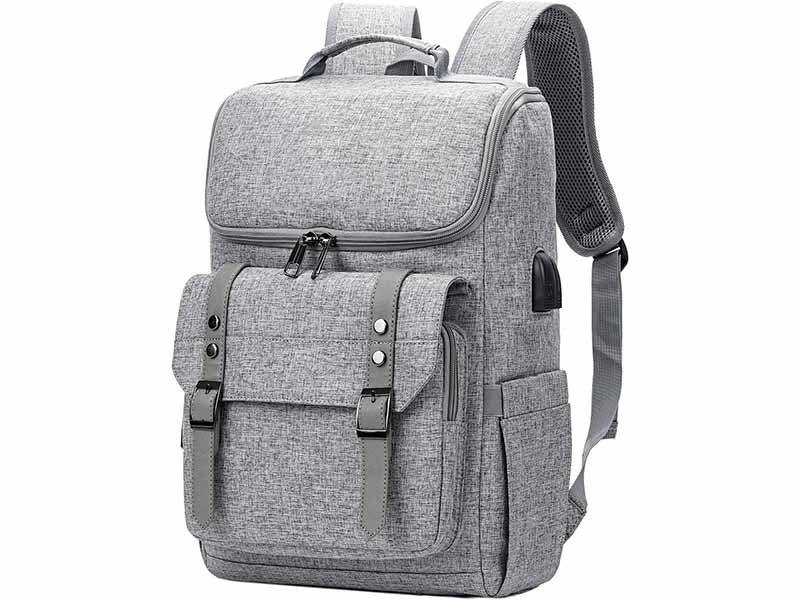
Soft-base bags, while more flexible and lightweight, are not as durable as hard-base bags, particularly in rough environments. The soft material of these bags tends to wear out more quickly when exposed to abrasion, sharp objects, or constant stress. Soft-base bags are perfect for light travel, quick trips, or when you don’t need to carry heavy or fragile gear.
- Wear and Tear: Soft-base bags are made from materials like canvas or polyester, which are less resistant to abrasion compared to the more rigid fabrics used in hard-base bags.
- Water Resistance: While some soft-base bags feature waterproof coatings, they are generally less water-resistant than hard-base options, especially without additional treatments.
Real-World Example: A soft-base duffle bag used for short weekend trips will perform well for light gear, but after several camping weekends, the fabric may show signs of wear, especially if exposed to rough surfaces or abrasion from harsh environments.
How to Choose the Right Fishing Bag for Your Needs?
The right fishing bag depends on your specific needs: choose hard-base for durability and gear protection, or soft-base for lightweight and flexibility. Consider your fishing environment, gear type, and travel requirements.
When choosing between a hard-base or soft-base fishing bag, it’s essential to consider the type of fishing you do and the gear you need to protect. Hard-base bags are the best choice for rugged outdoor activities, frequent travel, or when carrying expensive equipment. Soft-base bags are ideal for casual trips or when portability and easy access are more important.
What Factors Should You Consider Before Choosing a Bag?
Before deciding on a fishing bag, consider the following questions:
- How much gear do you carry? If you carry heavy, fragile gear like rods, reels, or electronics, a hard-base bag will provide better protection.
- What’s your fishing environment? For rainy, wet, or rough conditions, hard-base bags are usually a better choice due to their waterproofing and abrasion resistance.
- How often do you use the bag? Frequent travelers or those engaging in extensive outdoor activities will benefit more from the extra durability of hard-base bags.
Which Type of Bag Is Ideal for Different Fishing Styles?
- For Casual Fishing: Soft-base bags are perfect for local fishing trips or casual outings. They are light, portable, and provide enough protection for small gear.
- For Travel or Heavy-Duty Fishing: Hard-base bags are great for long trips, traveling by plane, or when carrying delicate equipment that needs maximum protection.
How Do Hard-Base and Soft-Base Bags Compare in Terms of Water and Abrasion Resistance?
Hard-base fishing bags typically offer better water resistance and abrasion protection due to their rigid structure and waterproof coatings. Soft-base bags, while lightweight and flexible, tend to be less resistant to abrasion and water damage without additional treatments.
Water resistance and abrasion resistance are essential when selecting the right fishing bag. Whether you’re facing rain, snow, or wet conditions, ensuring your gear stays dry and safe is a top priority. Let’s break down how hard-base and soft-base bags measure up when it comes to these two crucial features.
Do Higher Denier Fabrics Resist Abrasion Better?
Denier rating plays a huge role in abrasion resistance. Fabrics with higher denier numbers (like 1680D) are made from thicker fibers, which are inherently more abrasion-resistant compared to lower denier fabrics (like 600D). When bags are frequently exposed to rough surfaces or harsh environments, higher denier fabrics ensure that the bag resists wear over time.
- 600D fabric: Generally good for light everyday use, but less resistant to wear and tear from abrasion over time. Suitable for casual trips where the bag won’t encounter constant friction or rough conditions.
- 900D fabric: Offers better abrasion resistance than 600D, suitable for outdoor or sporty activities where the bag may experience abrasion from trails, rocks, or outdoor gear.
- 1680D fabric: The highest durability and abrasion resistance, ideal for heavy-duty use in rugged outdoor conditions. It can withstand constant friction and rough handling, making it ideal for travel or military-style applications.
Real-World Example: A 1680D ballistic nylon fishing bag will hold up well against sharp rocks and rough environments in coastal or mountain fishing, while a 600D nylon bag will wear down more quickly under similar conditions.
How Does Water Resistance Vary by Material and Coating?
Water resistance is a key factor in choosing a fishing bag, especially for those who fish in wet conditions or need protection from sudden rainstorms. Higher denier fabrics, especially when treated with waterproof coatings, provide better protection from water ingress.
- 600D fabric: Often treated with PU (polyurethane) coatings for moderate water resistance, but it may not withstand heavy rain or prolonged exposure to wet conditions without additional waterproofing.
- 900D fabric: Offers better water resistance than 600D and is often treated with water-resistant coatings like PVC (polyvinyl chloride), providing a more robust waterproof layer for fishing trips in damp or high-humidity areas.
- 1680D fabric: Typically waterproof or water-resistant by default, especially when combined with PU or PVC coatings. It provides superior protection for gear when fishing in heavy rain, saltwater, or other moisture-heavy environments.
Real-World Example: A 900D nylon fishing backpack with PVC coating will keep your fishing tackle dry in light rain, while a 1680D waterproof fishing bag will protect your electronics and tools from splashing water and heavy downpours during prolonged exposure to wet conditions.
Which Fabric Is Right for Your Backpack Use Case?
The choice between 600D, 900D, and 1680D fabrics comes down to your specific backpacking needs. 600D is best for casual use, 900D provides a balance for frequent outdoor activities, and 1680D offers the best protection for heavy-duty or extreme conditions.
Choosing the right backpack fabric depends largely on how and where the backpack will be used. Different fabrics serve different needs, whether you’re looking for lightweight, durable, or heavy-duty options. Here’s a breakdown of which fabric works best for various types of fishing trips and activities.
What Should You Consider Before Choosing Fabric?
When deciding which fabric is best for your fishing bag, consider the following factors:
- How often will you use the bag? More frequent use requires a more durable fabric.
- What type of fishing will you do? Will you be traveling long distances with fragile gear or fishing close to home with light tackle?
- What’s the weather like? Consider whether the bag will be exposed to wet conditions or rough terrain that could cause abrasion.
How Does Fabric Impact Backpack Weight and Comfort?
The denier rating and the fabric thickness play a significant role in the weight and comfort of your backpack. Higher denier fabrics like 900D and 1680D will be heavier, but provide better strength and protection. In contrast, 600D fabric is lightweight and comfortable for everyday use but may not offer the same long-term durability.
For example:
- A 600D soft-shell backpack is perfect for light activities like short fishing trips or daily commutes because it’s light and easy to carry.
- A 900D or 1680D bag, though heavier, will be the best option for those needing extra protection and durability on longer trips or adventurous fishing expeditions where gear protection is a priority.
Conclusion
Choosing between 600D, 900D, and 1680D fabrics depends on your fishing bag requirements. For lightweight, casual use, 600D fabric is a perfect fit, providing enough protection for everyday gear. For frequent outdoor activities, 900D fabric provides a stronger build without being too heavy. If you need a bag for heavy-duty use or rugged environments, 1680D fabric is the ideal choice for ultimate durability and impact protection.
At Szoneier, we specialize in designing custom backpacks with the right fabric to meet your specific needs. Whether you need a durable bag for long-term outdoor use or a lightweight option for casual fishing trips, we can create the perfect custom solution for your business.
Contact us today to start designing your custom fishing bags with durable fabrics and superior protection for your gear.