 Skip to content
Tote Style Cooler Bag Manufacturing: Complete Guide
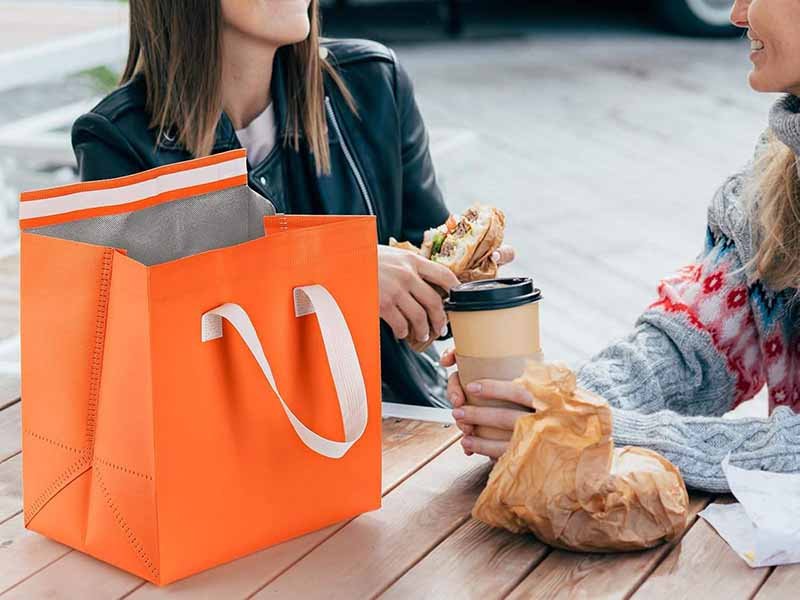
A tote style cooler bag may look simple on the surface: soft body, easy handles, clean shape, zip closure, lightweight feel. But once a customer starts developing one for real market use, the questions become much more practical. How long should it keep food cold? Will the handles hold when the bag is full of drinks? Does the lining crack after repeated folding? Can the logo still look sharp after months of use? Can the factory control quality from sample to bulk order? These are the real issues that separate a basic insulated bag from a product that customers reorder.
What Materials Are Used in Cooler Bag Insulation Systems
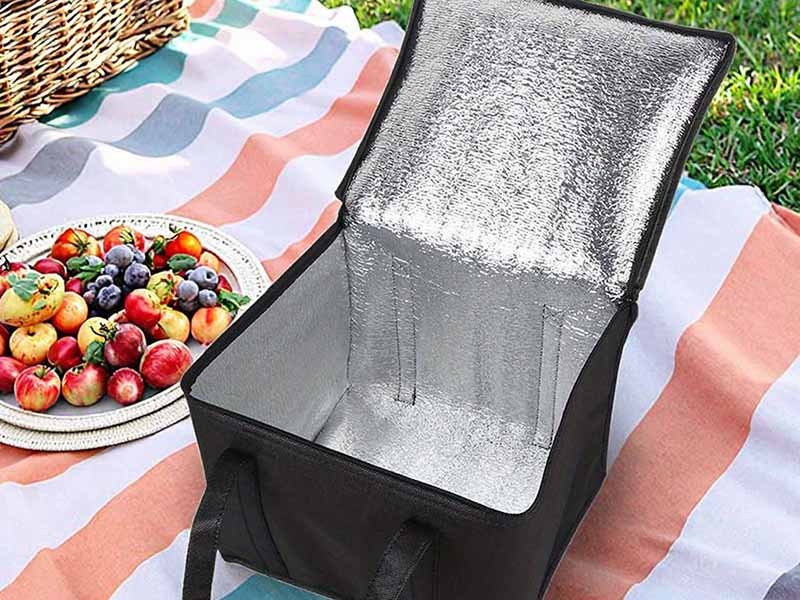
A cooler bag may look simple from the outside, but its real performance depends on what is hidden between the shell fabric and the inner lining. Two bags can look almost the same in photos, use similar colors, and even have the same size, yet their cold retention can be very different in real use. One may keep drinks cool for only 2 to 3 hours, while another can hold temperature much longer under the same outdoor conditions. The reason usually comes down to the insulation system: the choice of foam, reflective layer, lining material, thickness, sealing method, and overall bag structure.
How to Reduce Air Gaps Inside Cooler Bags to Improve Cooling
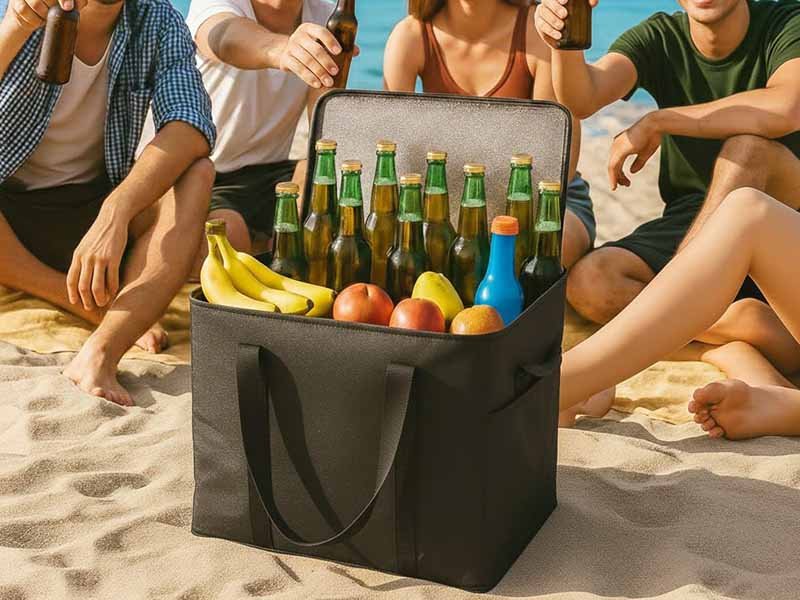
Most cooler bags don’t fail because the insulation is “too thin.” They fail because the cold has too much empty space to defend. When there are air gaps inside a cooler bag, warm air can move, mix, and repeatedly touch your ice and chilled items. That movement speeds up heat gain and makes ice melt earlier—especially near the lid, zipper line, and corners. In real use, customers don’t pack like engineers; they toss in a few drinks, a lunch box, and one ice pack. If the bag’s structure creates voids—or collapses when underfilled—cooling time drops fast and reviews follow.
How to Build Cooler Bags That Resist Abrasion for Outdoor Use
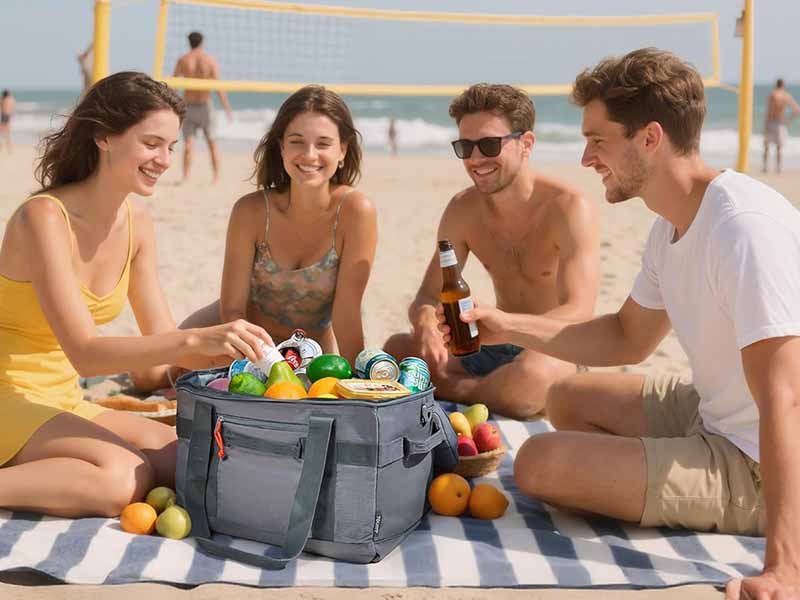
Outdoor activities like hiking, camping, or a day at the beach demand more from cooler bags than just keeping beverages cold. Durability is a key factor, especially in abrasion resistance. Cooler bags are constantly exposed to harsh environments—rocks, rough surfaces, sand, and even the weight of the items inside. Without proper abrasion resistance, a cooler bag will quickly show wear and tear, compromising both its functionality and appearance.
How to Build Leakproof Cooler Bags: What Materials & Seam Technology Work Best
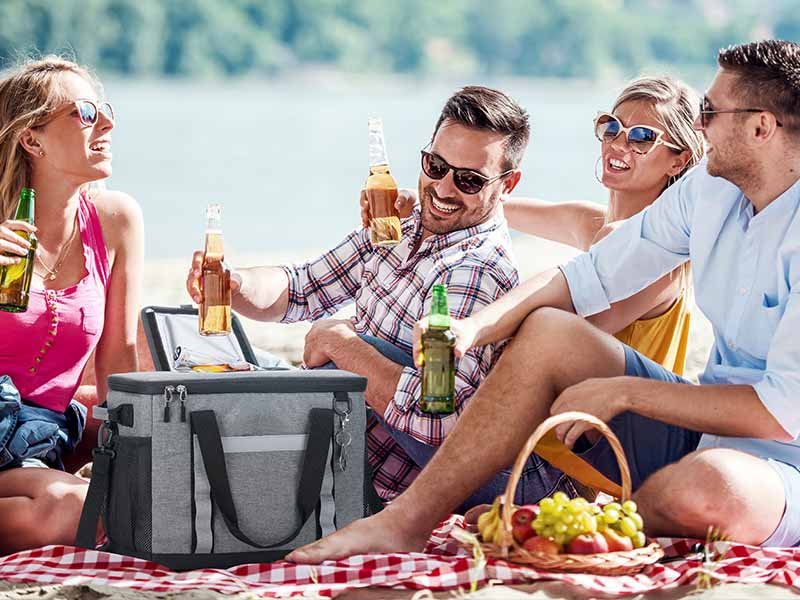
Imagine you’re heading out for a weekend trip. You pack your cooler bag with food, drinks, and ice, and after hours on the road or a day at the beach, you open the cooler only to find that it’s leaking all over your gear. A leakproof cooler bag isn’t just a luxury—it’s a necessity. The right materials and seam technology ensure your bag holds up under various environmental conditions, keeping your items cold and dry.
What Is a Cooler Bag Used For: Top Uses, Benefits & Buying Guide
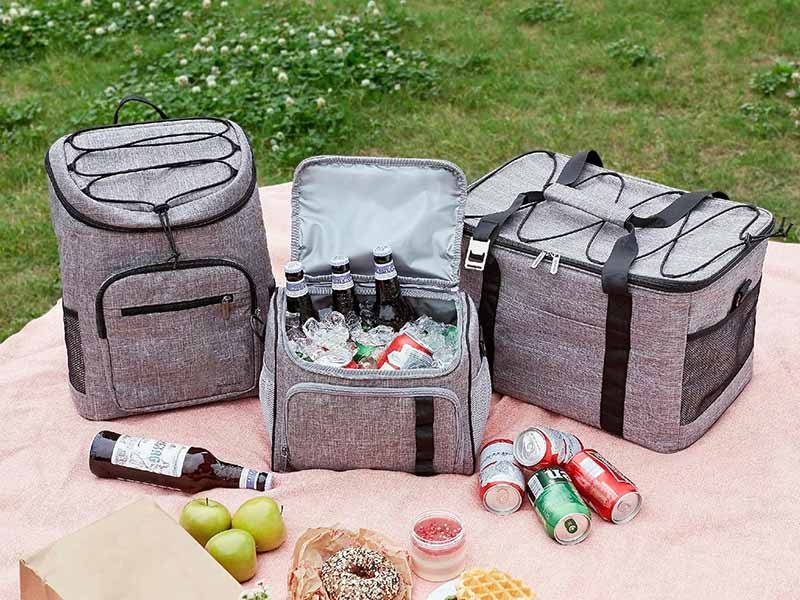
Every time you load a bag with ice and snacks for the beach, you’re relying on the humble cooler bag to keep perishables fresh and drinks chilled. But what exactly goes on inside that insulated pack? Cooler bags use layers of thermal insulation—foam, aluminum foil liners, and waterproof exteriors—to slow heat transfer, maintaining internal temperatures well below ambient for hours on end.
16 Best Cooler Bags for Different Occasions: A Comprehensive Supply Guide
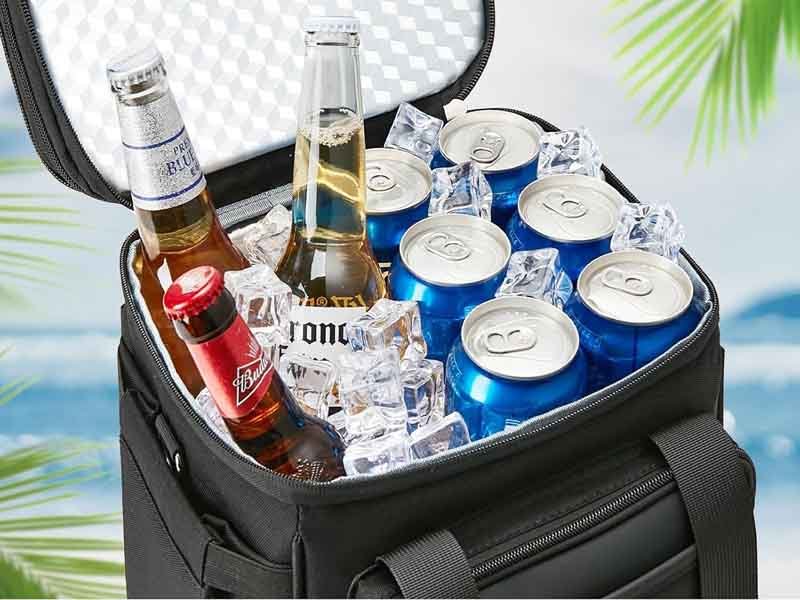
Nothing kills the fun of an outdoor adventure, picnic, or event quite like warm drinks and spoiled snacks. Cooler bags have revolutionized how we transport perishables—combining insulation performance with portability and style. Whether you’re tailgating on game day, hiking remote trails, or packing lunches for the office, the right cooler bag keeps your food and drinks ice-cold for hours.
How to Custom Insulated Cooler Bags With Logo: A Ultimate Guide for Branding & Wholesale
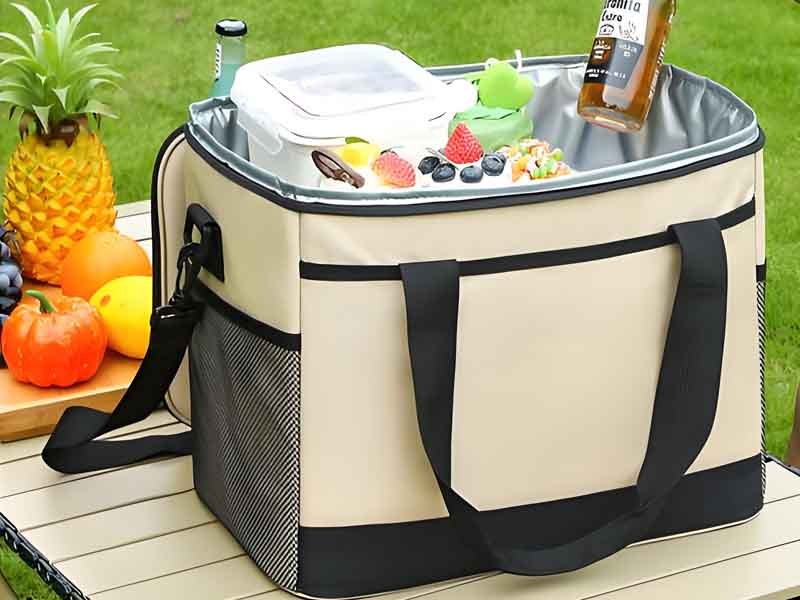
In today’s competitive market, companies are constantly looking for ways to stand out, and custom insulated cooler bags offer a unique solution that combines practicality with powerful branding. These cooler bags are not just a functional item—they also provide a fantastic opportunity for businesses to showcase their logo and increase brand visibility. Whether you’re looking to boost your brand at corporate events, retail settings, or with personalized giveaways, custom insulated cooler bags are a great choice.
How to Make a Cooler Bag: The Ultimate Guide

Cooler bags are the perfect solution for keeping food and beverages cold on the go, whether you’re heading to a picnic, going camping, or just running errands. But have you ever wondered how a cooler bag is made? What materials are used? How do manufacturers ensure they keep things cold for hours?
What Factors Considered in Customizing a Cooler Bag: Factory Guide

Imagine your brand at the next summer barbecue, camping trip, or beach day, displayed prominently on everyone’s cooler bags. Cooler bags aren’t just functional; they’re a powerful marketing tool.
Cooler Bag vs Cooler Box: Which is Better For Your Daily Use?

Cooler bags are lightweight, portable, and practical for short-term use, typically keeping contents cool for about 4 to 8 hours. Cooler boxes, however, offer superior insulation, maintaining colder temperatures for up to 72 hours or more, but they’re bulkier and less convenient for everyday travel or short outings.
20 Best Cooler Bag Brands: A List Guide

In this guide, we’ll explore the 20 best cooler bag brands, examine whether cooler bags truly work, compare them to general insulated bags, and reveal how long they can keep your items cold. We’ll also help you decide which brand suits your lifestyle and budget best.
