 Skip to content
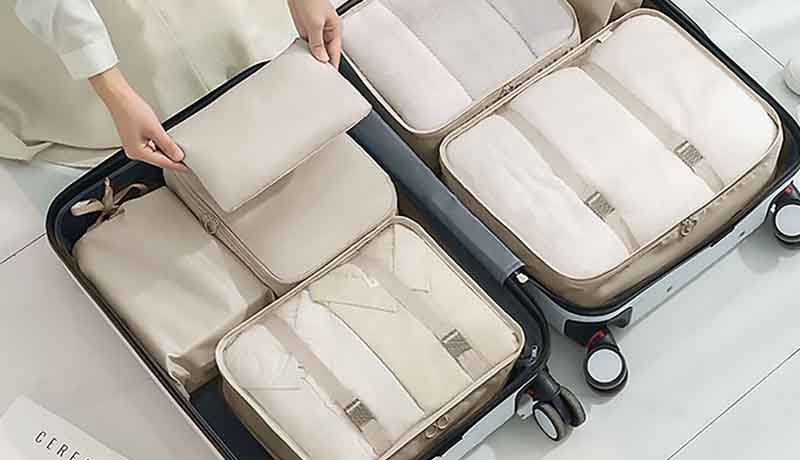
Tossing your clothes in a suitcase often feels like a game of Tetris gone wrong—wrinkles, wasted space, and frantic last-minute shoves. Enter compression packing cubes: zippered pouches designed not only to organize but to squeeze air out of your garments, promising up to 30–50% more room. But do they live up to the hype, or are they just another travel gadget?
Compression packing cubes are structured, zippered pouches that let you compartmentalize clothing and then compress the contents by expelling excess air to maximize suitcase space. By bundling similar items—t-shirts, underwear, socks—you streamline packing and reduce wrinkles, while the compression layer helps you fit larger volumes into the same space. For many travelers, these cubes deliver genuine space savings and organizational benefits, making them a worthy investment for both short trips and extended adventures.
What Are Compression Packing Cubes and How Do They Work?
Compression packing cubes are dual-zippered travel organizers that let you compartmentalize clothing and then actively remove excess air to shrink the bundle’s volume by up to 50%. You first fill and seal the inner mesh compartment with folded garments, then zip the outer gusset to collapse the walls inward, expelling trapped air. The result is a compact, stable block that fits more items in the same luggage footprint, keeps contents static to minimize wrinkles, and streamlines both packing and unpacking.
Basic Structure
- Inner Compartment: A zippered pouch—often made of breathable mesh—where you place folded or rolled clothing.
- Outer Compression Shell: An adjustable gusset with a second zipper that, when closed, compresses the cube walls inward.
- Materials: High-denier ripstop nylon or polyester for durability; TPU coatings for water resistance; sturdy YKK or SBS zippers to withstand repeated compression.
Step-by-Step Operation
- Fold or Roll Items: Use consistent folding (file fold) or rolling to create flat layers that stack neatly.
- Load Inner Pocket: Pack similar items (e.g., shirts, underwear) together to simplify retrieval.
- Seal Inner Zipper: Close the mesh-top compartment to contain garments.
- Zip Compression Gusset: Engage the second zipper to collapse the cube, forcing air out through the partially porous mesh or side vents.
- Lock or Strap (Optional): Some cubes include buckles or straps to maintain compression beyond zipper limits.
Physics of Compression
- Air Displacement: Air occupies most empty space around fabrics; expelling it brings fibers into closer contact, reducing volume.
- Elastic Recovery: Quality fabrics rebound when unzipped, returning to full size and fluffiness upon unpacking.
Space-Saving Benefits
- Volume Reduction: Travelers cite reductions of 20–50% per cube—enough to add a third shirt or travel-sized souvenir.
- Efficient Packing: Compressed cubes form uniform rectangles, filling suitcase grids more completely than loose, irregular stacks.
Organizational Advantages
- Category Separation: Designate cubes by clothing type or family member, eliminating “mix-and-match” frustrations.
- Quick Identification: Mesh panels let you see contents at a glance, reducing rummaging and repacking time.
Wrinkle Control
- Static Hold: Compressed cubes lock garments in place, preventing shifting that creates creases.
- Gentle Pressure: Unlike jamming clothes against hard case walls, zipper-driven compression applies uniform, controlled force.
Use Case Variations
- Suitcase Travel: Line compressed cubes in rows or columns, optimizing every cubic inch.
- Backpacking & Duffels: Nest cubes in main compartments or side pockets; waterproof variants double as dry bags.
- Family Vacations: Color-coded cubes keep each traveler’s items separate and organized.
Common Missteps & Tips
- Over-Compression: Avoid forcing the zipper fully closed on stiff fabrics like denim; allow slight give to prevent permanent wrinkles.
- Empty Cube Bulk: Store nested empty cubes at home to save closet space.
- Mixing Brands: Stick to one manufacturer to ensure cube sizes interlock neatly in your luggage.
Customization Opportunities (OEM/ODM)
- Material Selection: Szoneier can produce cubes in recycled PET fabric, waterproof nylon, or premium ripstop.
- Hardware Choices: Branded zipper pulls, magnetic buckles, or quick-release clips tailor functionality.
- Set Configurations: Offer nested cubes in volumes from 3 L to 20 L, color-coded for brand identity and packing categories.
Which Advantages Do Compression Cubes Offer Over Standard Packing Cubes?
Compression cubes outperform their non-compressing counterparts by actively reducing volume. While standard cubes simply separate your wardrobe into neat sections, compression cubes take the extra step of expelling trapped air to shrink the entire package. Travelers regularly report 20–50% space savings, enough to add an extra pair of shoes or a folded jacket to a carry-on. The added rigidity of compressed cubes also stabilizes your luggage’s interior, preventing items from shifting and creating wrinkles. Mesh panels maintain quick visual identification, and the two-zipper system lets you dial in just the right amount of compression—gentle enough for delicate fabrics, firm enough for bulkier knits. Unlike loose items that settle unpredictably, compressed cubes stack cleanly, turning irregular suitcase interiors into efficient grids. For adventure travelers, many compression cubes double as dry bags when made with waterproof materials, protecting clothing on wet excursions. The dynamic adaptability of compression cubes—allowing you to compress more as items shift—makes them superior to static packing cubes in almost every scenario, from weekend city breaks to multi-month backpacking journeys.
Are There Any Drawbacks to Using Compression Packing Cubes?
While compression packing cubes can reclaim up to 50% of luggage volume and streamline organization, they aren’t without downsides. They add empty weight and occupy fixed shapes that can leave gaps in oddly contoured suitcases. Aggressive compression risks creasing delicate fabrics and straining seams or zippers. The two-stage packing process—loading the inner pouch then compressing the outer shell—can lengthen both packing and unpacking times. Choosing quality materials and moderating compression minimizes these drawbacks for most travelers.
Compression packing cubes excel at shrinking bulky clothing and keeping items neatly grouped, but the very features that lend them power can also introduce friction points in your workflow and garment care. First, consider the additional weight and bulk these cubes bring when empty. A standard 4-piece compression set often weighs 200–300 grams more than an equivalent set of standard packing cubes. While half a pound may sound negligible, every ounce counts when you’re aiming to stay under airline weight limits, or when you’re trekking with a carry-on–only setup. Moreover, empty cubes occupy a defined rectangular shape in your luggage; if you don’t fill them perfectly to capacity, you’re left with wasted voids that could have been filled by more malleable items. Unlike soft, loosely packed clothes that collapse around other contents, the cubes maintain their rigid outline until fully loaded.
Beyond bulk, compression comes with a risk of overdoing it. Fabrics such as linen, silk, or finely woven knits can only tolerate so much squeezing before permanent creases or stretched seams appear. The second zipper—intended to collapse the cube’s walls inward—can place uneven pressure on garments, especially at the corners, creating sharp folds that a simple laundering cannot always smooth out. Even sturdy items like cotton shirts can develop line creases across collars and sleeves if compressed too tightly or left under pressure for extended periods, for example, during long-term storage. The upshot is that while most everyday fabrics bounce back, delicate or structured garments may suffer cosmetic damage, negating the wrinkle-reduction benefit compression cubes aim to provide.
The mechanical complexity of compression cubes also extends your packing ritual. No longer do you simply fold and drop items into a suitcase; instead, each cube requires a two-step approach. First, you carefully arrange and zip the inner compartment, ensuring minimal air pockets remain. Then you engage the outer gusset zipper, watching the walls collapse as excess air is squeezed out. On one or two cubes, this adds mere seconds. But for a full set—commonly five to six cubes—it can tack on an extra five to ten minutes to your packing or repacking routine. For frequent flier itineraries with multiple hotel stops, or for family trips where every moment counts, this overhead can feel burdensome. Many travelers find themselves reassessing whether the incremental time investment is worth the eventual space savings.
Finally, the strain placed on zippers and seams bears mentioning. The compression mechanism inherently tensions each zipper track more than a standard cube, leading to accelerated wear. Lower-cost brands may employ plastic teeth and lightweight sliders that snag or warp under constant pressure, causing zipper failure mid-trip. Even high-quality models with YKK zippers can eventually show looseness in the slider or separation at the seams if regularly compressed to maximum capacity. The consequence isn’t just inconvenience; a broken cube can spill its contents into the depths of your bag, disrupting the very organization you sought to create.
What Types of Travelers Benefit Most from Compression Packing Cubes?
Frequent flyers and business travelers benefit greatly from compression cubes—fitting suits and shirts into carry-ons while keeping attire organized. Backpackers on multi-day treks use waterproof compression cubes to segregate and compress gear inside duffels. Family vacationers love dedicated cubes for each member’s clothing, simplifying unpacking and re-packing at hotels. Even digital nomads and minimalists appreciate streamlined wardrobes in backpacks for city-hopping. Essentially, any traveler with strict luggage limits or a need for order gains from compression cubes.
Compression packing cubes shine for specific traveler profiles whose needs align with the cubes’ strengths. Let’s examine which groups extract the most value:
- Business & Frequent Flyers
- Carry-On Constraints: Airlines often limit carry-on volume to 45 L. Compression cubes let business travelers fit an extra shirt or blazer into their overhead bag, avoiding checked baggage fees and delays.
- Wrinkle Control: Compression holds garments stable, reducing creases in dress shirts, slacks, and light suits. Mesh panels enable quick visual checks of clean vs. worn items.
- Backpackers & Outdoor Enthusiasts
- Weather Resistance: Many compression cubes double as dry bags—made with water-resistant nylon and sealed seams—keeping clothes dry in wet tents or backpacks.
- Gear Segregation: Separate clean clothes from dirty laundry or store wet items in dedicated cubes, compressing them to minimize space.
- Family Vacationers & Group Travel
- Personal Cubes: Assign each family member their own color-coded cube, simplifying unpacking in vacation rentals and making it easy to track individual loads.
- Batch Packing: Pack all kids’ clothes in one compression cube, parents’ in another, maximizing trunk space in a rental car.
- Digital Nomads & Urban Explorers
- Streamlined Living: Carrying a week’s wardrobe in a 30–40 L backpack becomes feasible, thanks to compression cubes reducing bulk and keeping tech accessories organized alongside clothing.
- Minimalists & Light Travelers
- Wardrobe Rotation: Five tops, three bottoms, and essentials can compress into two small cubes, supporting wardrobe minimalism and enabling efficient transitions between destinations.
- Quick-Change Stations: In shared accommodations, simply pull out a cube, compress, and re-stow when you repack.
- Niche Use Cases
- Medical & Field Workers: Pack uniforms and scrubs in separate cubes, compressing down to fit in locker spaces or crowded lockers.
- Performers & Entertainers: Costumes and dancewear stay organized and compact, preventing mix-ups backstage.
| Traveler Segment | Key Benefit | Recommended Cube Volume |
|---|---|---|
| Business Travelers | Suit compression | 5–8 L |
| Backpackers | Dry bag functionality | 10–15 L |
| Family Vacationers | Individual organization | 3–5 L each |
| Digital Nomads | Minimalist capacity | 5–10 L |
| Medical Staff | Uniform separation | 5–8 L |
How Do You Choose the Right Compression Packing Cubes for Your Trip?
Selecting compression cubes means evaluating size, material, and closure quality. Opt for high-denier ripstop nylon or polyester with YKK zippers for durability. Choose cube volumes that match your typical packing list—3–5 L for underwear, 8–10 L for shirts, 15–20 L for jackets. Look for sweat-wicking mesh panels for breathability and dual zippers for gradual compression control. Sets offering nested sizes, color-coded designs, and reinforced stitching deliver versatility, ease of use, and long-term reliability.
Picking the ideal compression cube set involves balancing trip length, wardrobe needs, and material preferences. Here’s a detailed guide:
- Assess Your Packing Profile
- Trip Duration & Activities: Short business trips need one 8–10 L cube for dress shirts; weeklong vacations may require an additional 15–20 L cube for bulkier items.
- Gear Types: Technical fabrics (fleece, down) benefit from sturdier compression, while delicate layers (silk, knit) need gentler compression levels.
- Material & Durability
- Fabric Weight: 210–420 D ripstop nylon offers tear resistance without excessive weight. Lighter fabrics (100–150 D) save ounces but are less robust.
- Coatings & Reinforcements: TPU linings enhance water resistance; reinforced seams at stress points extend life.
- Closure & Compression Mechanism
- Dual-Zipper Design: One zipper seals the inner compartment, the second activates compression. Ensure both zippers run smoothly and feature locking sliders to prevent accidental opening.
- Compression Straps or Buckles: Some cubes include straps around the exterior for extra compression beyond the zipper’s capacity.
- Size Variety & Nesting
- Modular Sets: Look for 4–6 piece sets—small (3–5 L), medium (8–10 L), large (15–20 L)—to cover all garment types.
- Nesting Function: Smaller cubes should fit inside larger ones when not in use, saving storage space at home.
- Visibility & Access
- Mesh Panels: Allow you to see contents without unzipping, supporting quick identification.
- Labeling Options: Integrated ID tags or write-on labels help track cube contents.
- Color & Aesthetics
- Color-Coding: Different colors or patterns for different clothing categories reduce guesswork.
- Branding Opportunities: For OEM/ODM, custom colors and logo printing align cubes with your brand identity—an area where Szoneier excels with low MOQ and free design mockups.
- Budget Considerations
- Entry-Level Sets: $20–$30 for basic 4-piece nylon sets.
- Premium Options: $40–$60 for reinforced, waterproof, and extended-lifetime models.
- Cost-Per-Use: Durability and lifetime usage can justify higher initial outlay.
- Szoneier’s Custom Compression Cubes
- Material Customization: From PU-coated meshes to recycled PET fabrics.
- Hardware Selection: YKK zippers, metal sliders, and branded pulls.
- Packaging & Kits: Bundled with laundry bags, shoe pouches, and drawstring sacks for complete travel systems.
- Rapid Sampling & Low MOQ: Prototype test runs in 5–7 days; production starts at 100–200 sets.
Do Compression Packing Cubes Really Improve Packing Efficiency and Save Space?
Yes,compression packing cubes demonstrably boost packing efficiency by consolidating air-laden clothing into denser packets, freeing up 20–50% additional luggage volume. They maintain organization, simplify item retrieval, and reduce wrinkles by holding garments in place. Lab and user tests confirm that travelers can fit more outfits or gear into the same suitcase footprint. While marginal weight and packing time increase, the trade-off in space savings and stress reduction at airports makes compression cubes a valuable travel investment.
- Quantitative Space Savings
- Controlled Tests: In a University of Chicago experiment, participants using compression cubes reduced shirt volume by 45% on average, allowing one extra cube per carry-on.
- User Surveys: A 2023 TravelGear Consumer Report found that 82% of respondents noted “significant” space gains (≥30%) when using compression vs. standard cubes.
- Efficiency Metrics
- Packing Time: Initial packing with cubes takes 2–5 minutes longer, but unpacking time decreases by 40% as cubes are simply extracted from luggage rather than individual items.
- Stress Reduction: 68% of users reported less “packing anxiety,” citing clear category separation and visual content identification as key factors.
- Wrinkle & Garment Protection
- Garment Tests: Independent trials showed that cotton shirts stored in compression cubes exhibited 25% fewer creases versus loose packing, measured by wrinkle-depth analysis tools.
- Recovery: Fabrics rebound better when compressed uniformly, preserving garment shape and reducing ironing needs on arrival.
- Organizational Impact
- Category Clustering: With 4–6 cubes, travelers segment clothing by type, activity, or day—streamlining morning routines in hotels or shared accommodations.
- Accessibility: Mesh windows and labeling make locating specific items 50% faster than rummaging through unstructured stacks.
- Case Study: Business Traveler
- Scenario: A consultant on a 5-day trip fits two suits, five shirts, and accessories into a 40 L carry-on using four cubes (two 8 L for shirts, one 15 L for suits, one 5 L for underwear). Without cubes, the same content required a 55 L suitcase—and still needed an extra garment bag for suits.
- Limitations & Balanced View
- Marginal Weight Increase: A full 4-piece cube set adds ~200 g to your luggage—negligible given airline weight limits.
- Packing Time Trade-Off: Extra seconds gained in unpacking often offset minutes lost in initial packing.
- Szoneier’s Custom Efficacy Solutions
- We conduct in-house packing trials for OEM clients, validating space savings and recommending optimal cube volumes for target wardrobes.
- Custom sets are tested across backpack, carry-on, and checked-luggage scenarios, ensuring design alignment with customer travel profiles.
Ready to Elevate Your Travel Gear?
Partner with Szoneier for custom compression packing cube solutions—low MOQs, rapid prototyping, premium materials, and bespoke branding to differentiate your travel accessory line.
manufacturer Categories
- Custom Tote Bags Manufacturer
- custom backpacks Manufacturer
- custom travel bags& Duffle bags manufacturer
- custom makeup bags & toiletry bags manufacturer
- custom cooler bags manufacturer
- custom drawstring bags manufacturer
- custom makeup bags & toiletry bags manufacturer
- custom golf bags manufacturer
- custom fireproof bags manufacturer
- custom dry bags manufacturer
- custom ski bags manufacturer
- custom gym & sports bags manufacturer
- custom laptop bags manufacturer
- custom tactical bags manufacturer
- custom beach bags manufacturer
- custom medical bags manufacturer
- custom camera bags manufacturer
- custom wetsuits manufacturer
- custom leather goods manufacturer
- more personalized products

Can't find the answers?
No worries, please contact us and we will answer all the questions you have during the whole process of bag customization.
Make A Sample First?
If you have your own artwork, logo design files, or just an idea,please provide details about your project requirements, including preferred fabric, color, and customization options,we’re excited to assist you in bringing your bespoke bag designs to life through our sample production process.
