Skip to content


Many brands start with stock bags because they are easy. A buyer can choose an existing tote, pouch, cooler bag, or drawstring bag, add a basic logo, and move quickly. For a first event, a simple promotion, or an urgent product launch, that speed can feel like a smart decision. But as soon as a brand starts competing on experience, design, customer reviews, retail presentation, or repeat sales, the weakness of stock bags becomes obvious. The bag may carry the logo, but it does not always carry the brand.
Brands are moving from stock bags to custom bags because stock bags are limited in design, material, structure, sizing, branding, and long-term differentiation. Custom bags give brands more control over product fit, customer experience, logo placement, material quality, packaging, and repeat production. For growing brands, custom bags are not just packaging or accessories; they become part of the product strategy.
Think about a beauty brand selling a premium skincare set. The formula may be excellent, the website may look polished, and the customer may be ready to pay more. But if the gift pouch feels thin, generic, and identical to hundreds of online promotional bags, the brand loses trust at the exact moment the customer touches the product. That is why more serious buyers now ask a different question: “Can this bag represent our brand for the next two years, not just the next shipment?”
What Are Stock Bags and Custom Bags?
Stock bags are ready-made bags built in standard sizes, materials, colors, and structures. Custom bags are developed around a brand’s own product, customer, logo, material preference, packaging needs, and sales channel. Stock bags help brands move fast, while custom bags help brands control fit, function, appearance, quality, and long-term brand consistency.
Stock Bags
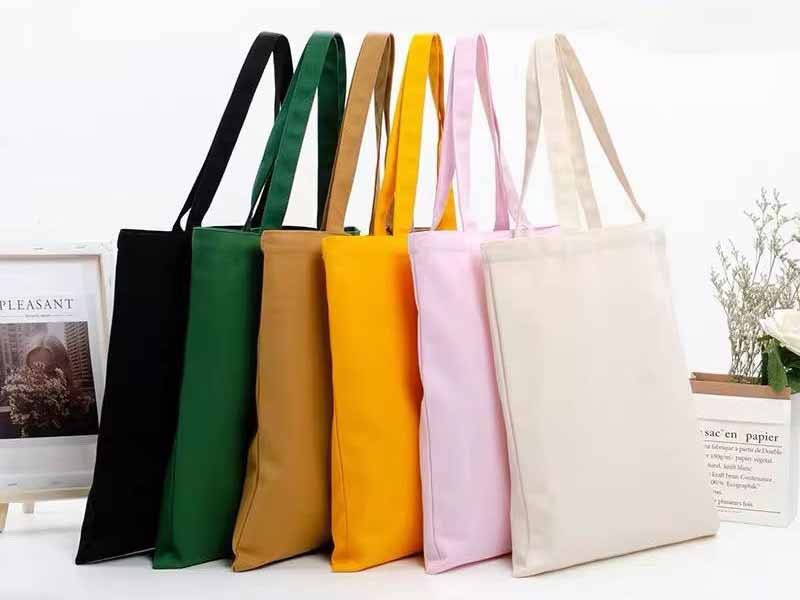
Stock bags are products that already exist before a buyer starts the project. They are usually made in common materials, common sizes, common colors, and common structures. Typical examples include blank cotton tote bags, simple non-woven shopping bags, standard drawstring bags, basic cosmetic pouches, promotional cooler bags, and ready-made travel organizers.
For many brands, stock bags are attractive because the decision is simple. The buyer chooses a bag style, confirms available colors, adds a logo, and places the order. In urgent projects, this can be useful. If a brand has a trade show next month, an internal company event, or a small giveaway campaign, a stock bag may be enough.
The limitation is that stock bags are made for general use, not for one brand’s exact product or customer. The fabric weight, handle length, zipper quality, lining, pocket layout, size, and logo area are already decided. The buyer can decorate the bag, but cannot fully shape the product experience. That is why stock bags often work better as short-term promotional tools than long-term branded products.
Custom Bags
Custom bags are designed or modified based on the brand’s actual needs. A custom bag may start from a sketch, physical sample, competitor reference, tech pack, product bundle, target price, or usage scenario. The manufacturer then helps turn that idea into a sample-ready and production-ready product.
Customization can include fabric, size, shape, color, lining, zipper, handle, logo placement, label, internal compartments, waterproof layer, insulation, reinforcement, packaging, carton labels, and shipping requirements. This makes custom bags especially valuable for brands that sell physical products and care about how customers see, touch, store, carry, and reuse the bag.
For example, a beauty brand may need a wipe-clean cosmetic pouch with a wide zipper opening. An outdoor brand may need a 600D Oxford cooler bag with reinforced handles. A pet brand may need a washable pouch with safe trims. A retail brand may need a canvas tote with a structured bottom and strong stitching. These details are difficult to control with stock bags.
Key Differences
The real difference between stock bags and custom bags is not only price. It is control. Stock bags give buyers speed and convenience. Custom bags give buyers the ability to build a product around their customer, brand position, sales channel, and long-term order plan.
| Factor | Stock Bags | Custom Bags | Buyer Impact |
|---|---|---|---|
| Product Size | Standard sizes | Adjustable size and shape | Better product fit and packing efficiency |
| Material | Limited available options | Fabric, lining, coating, and trims can be selected | Stronger match with brand level and use case |
| Logo | Usually print, heat transfer, or simple label | Print, embroidery, woven label, rubber patch, debossing, metal plate, and more | Better brand identity |
| Structure | Fixed construction | Pockets, gussets, closures, straps, reinforcements, and compartments can be developed | Better usability |
| Lead Time | Faster if inventory is available | Longer due to sampling and production | Better planning required |
| MOQ | Often lower for blanks | Depends on material, logo, structure, and packaging | More suitable for serious product programs |
| Long-Term Use | May change with supplier stock | Can be repeated based on approved sample | Better consistency for repeat orders |
When Each Option Makes Sense
Stock bags make sense when the project is simple, temporary, and speed-driven. They are useful for urgent events, low-budget campaigns, internal company gifts, early market testing, or situations where the bag is not central to the customer experience.
Custom bags make sense when the bag affects brand perception, product value, customer reviews, repeat use, or retail presentation. Once the buyer needs a specific size, better material, a stronger handle, a cleaner logo effect, a custom pocket, a gift-ready package, or repeat-order consistency, custom development becomes the better route.
A simple rule is this: if the bag only needs to carry something once, stock may be enough. If the bag needs to represent the brand repeatedly, custom is usually worth considering.
Why Do Brands Outgrow Stock Bags?
Brands outgrow stock bags when standard products no longer match their customer expectations, product requirements, sales channels, or brand positioning. Stock bags may support early testing, but growing brands usually need better material control, stronger visual identity, improved fit, consistent quality, packaging alignment, and repeatable production.
Generic Appearance
The first reason brands outgrow stock bags is visual sameness. A stock tote, pouch, or drawstring bag may look acceptable, but it often looks like something many other brands are using. Even with a printed logo, the overall shape, fabric, zipper, handle, and construction can still feel generic.
Customers notice these details quickly. They may not know the fabric name or sewing method, but they can feel whether a bag looks thoughtful or ordinary. In categories such as cosmetics, travel, lifestyle, pet products, wellness, fashion, and premium gifts, the bag becomes part of the first impression. A weak bag can quietly reduce the perceived value of the product inside.
This becomes a bigger problem as a brand grows. At the beginning, a simple branded pouch may feel good enough. But when competitors upgrade their packaging, gift sets, retail displays, and unboxing experience, the same stock pouch begins to look cheap. The brand may still be strong, but the bag does not support that strength.
Product Fit Problems
Stock bags are designed around average use, not exact use. That becomes a problem when the product has specific dimensions, weight, shape, or usage conditions. A pouch may be too shallow for skincare bottles. A tote may have handles that are too short for shoulder carry. A cooler bag may not hold enough insulation. A backpack may not have the right compartments for the product set.
These small mismatches can affect packing, shipping, photography, customer use, and reviews. A bag that is only 2 cm too narrow may make packing slow. A zipper opening that is slightly too short may frustrate customers. A handle that is not reinforced may fail when the bag is loaded. A cosmetic pouch without a cleanable lining may look dirty after a few uses.
Custom bag development allows the buyer to solve these issues before mass production. The size can be adjusted. The opening can be widened. The handle can be reinforced. The fabric can be upgraded. The structure can be changed to match the actual product and customer scenario.
Growth and Repeat Orders
Stock bags are often easy for first orders, but less reliable for repeat programs. A supplier may change inventory, discontinue colors, switch fabric batches, or run out of the exact style. For a small campaign, this may not matter. For a growing brand, it can create inconsistency.
Repeat orders need control. If a brand sells a gift set every season, launches several colors, or supplies multiple retail channels, the bag should remain consistent from one batch to the next. Customers expect the same quality. Retail partners expect the same presentation. Marketing teams expect product photos to match real inventory.
Custom bags can be developed around an approved sample. Once the brand confirms the sample, the manufacturer has a clearer reference for material, size, structure, logo placement, stitching, packaging, and carton requirements. This does not remove all production risk, but it gives the buyer a stronger standard to manage repeat orders.
Brand Position Changes
Many brands start with stock bags because they are still testing the market. Later, the brand may move into a higher price point, better retail channel, influencer campaign, subscription box, Amazon listing, Shopify store, or private label product line. At that point, the old stock bag may no longer match the brand’s position.
A product selling at a premium price needs details that support the price. Better fabric, cleaner stitching, stronger handles, improved lining, and more thoughtful packaging all help the customer feel that the product is worth buying. These details do not need to be luxury-level, but they do need to be intentional.
The move from stock bags to custom bags often happens when a brand stops thinking only about purchase cost and starts thinking about customer lifetime value, repeat exposure, review quality, and brand trust.
How Do Custom Bags Build Brand Value?
Custom bags build brand value by turning a practical item into a branded customer touchpoint. They improve how the product looks, feels, functions, and stays visible after purchase. Through material, structure, color, logo, packaging, and usability, a custom bag can support premium positioning, customer satisfaction, and repeat brand exposure.
Visual Identity
Brand value starts with recognition. A custom bag helps a brand build recognition through shape, color, material, logo technique, stitching, trim, label, and packaging. These details work together to create a consistent visual language.
A stock bag usually adds a logo to an existing product. A custom bag can be designed so the whole product feels like the brand. A natural cotton canvas tote can support an eco-lifestyle image. A black PU cosmetic pouch with a debossed logo can feel premium. A bright ripstop nylon pouch can feel sporty and outdoor-ready. A transparent TPU bag can feel clean, modern, and travel-friendly.
The logo process also matters. Screen printing may work well for large promotional graphics. Embroidery may feel more textured and durable. A woven label can feel clean and retail-ready. A rubber patch can support outdoor or sports products. Debossing can create a quiet premium look for PU or leather goods.
| Logo Method | Common Use | Typical Strength | Practical Note |
|---|---|---|---|
| Screen Printing | Canvas totes, drawstring bags, promotional bags | Good for larger flat graphics | Best on relatively smooth surfaces |
| Heat Transfer | Polyester, nylon, sports bags | Good for detailed graphics and color effects | Needs testing for adhesion and durability |
| Embroidery | Canvas, cotton, some polyester bags | Premium texture and strong perceived value | Not ideal for very tiny text |
| Woven Label | Pouches, backpacks, apparel-style bags | Clean, consistent, retail-friendly | Good for repeat product lines |
| Rubber Patch | Outdoor, sports, cooler, tactical bags | Strong 3D brand effect | Adds cost and needs mold or setup |
| Debossing | PU, leather goods, premium pouches | Subtle, high-end branding | Works best on suitable leather or PU surfaces |
Better User Experience
Custom bags create value when they make the customer’s life easier. A bag should not only look good in photos. It should open smoothly, hold the right items, feel comfortable, protect the contents, and remain useful after purchase.
For a cosmetic bag, customer experience may depend on a wide opening, washable lining, smooth zipper, stable base, and internal pocket. For a cooler bag, it may depend on insulation thickness, leak-resistant lining, handle strength, and food storage capacity. For a travel bag, it may depend on compartments, shoulder comfort, trolley sleeve, shoe pocket, and wet/dry separation.
These details are not decorative. They affect reviews, returns, and repeat purchases. Customers may not praise every technical decision, but they will feel the difference when the product is easy to use. They will also notice when it fails.
A custom bag allows the brand to design around actual behavior. How will the user carry it? What goes inside? Will it be used daily, weekly, or only during travel? Does it need to fold flat? Does it need to stand? Does it need to be wiped clean? The more specific the answers, the stronger the final product.
Perceived Quality
Perceived quality is built through small signals. Fabric thickness, zipper smoothness, stitching neatness, edge finishing, handle strength, lining quality, and packaging all influence how customers judge the brand.
In the bag industry, buyers often focus on visible material first, but construction is just as important. A good-looking fabric can still fail if the seam allowance is too narrow, stress points are not reinforced, or the zipper is poorly installed. A simple bag can feel premium if the proportions are right, the stitching is clean, and the logo is placed carefully.
Custom development gives brands more control over these signals. The buyer can choose where to invest and where to simplify. For example, a brand may choose a standard polyester lining but upgrade the zipper and handle reinforcement. Another brand may use a simple tote structure but invest in heavier canvas and better printing.
The goal is not always to create the most expensive bag. The goal is to make the quality level match the brand promise.
Long-Term Exposure
A useful custom bag can continue promoting the brand long after the first sale. Tote bags are carried in public. Cosmetic pouches stay in handbags and bathrooms. Cooler bags go to picnics, offices, and weekend trips. Travel bags appear in airports, hotels, gyms, and cars. Pet bags are seen on walks and outings.
This makes custom bags different from disposable packaging. If the bag is attractive and practical, customers may reuse it for months or years. That repeated use gives the brand more exposure without additional media cost.
For B2B buyers, this is especially valuable in retail, events, subscription boxes, corporate gifting, beauty sets, wellness kits, and lifestyle products. A bag that customers keep using can create more brand impressions than a printed insert, paper box, or temporary ad.
Which Bags Are Best for Customization?
The best bags for customization are products that customers reuse, carry, display, organize, gift, or connect with product quality. Tote bags, cosmetic bags, cooler bags, backpacks, travel bags, drawstring bags, tool bags, medical bags, pet bags, leather goods, neoprene bags, and EVA cases are strong choices because function and branding both matter.
Tote Bags
Tote bags are one of the most practical products to customize because they are simple, visible, reusable, and widely accepted. Retail brands, bookstores, fashion labels, grocery programs, events, lifestyle brands, schools, and corporate gift buyers all use tote bags because customers understand them immediately.
Customization can include fabric weight, handle length, gusset size, inner pocket, zipper closure, snap button, lining, print area, label, and packaging. A basic cotton tote may be enough for a giveaway, but a retail-grade tote may need heavier canvas, stronger handles, reinforced stitching, and a more polished logo process.
Common material choices include cotton, canvas, non-woven fabric, polyester, RPET, jute, and nylon. Each material sends a different message. Canvas feels natural and durable. RPET supports sustainability claims when properly documented. Nylon feels lighter and more technical. Jute feels rustic and gift-oriented.
The best custom tote is not always the heaviest one. It is the one that matches the load, brand image, target price, and customer use.
Cosmetic Bags
Cosmetic bags are ideal for customization because they are closely connected to perceived value. Beauty and skincare customers often judge the product set by the pouch before they use the actual product. A cheap-looking pouch can weaken a premium skincare kit. A well-designed pouch can make the same kit feel more giftable.
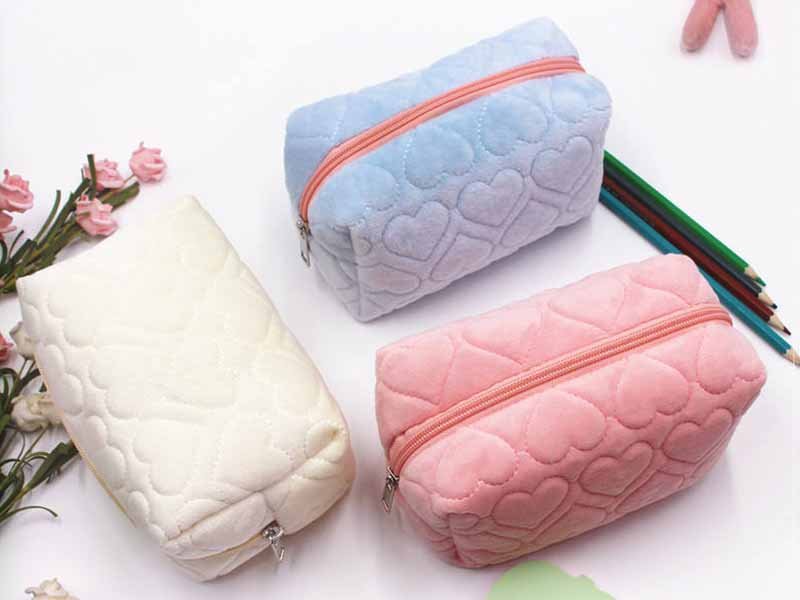
Important customization areas include material, lining, zipper, shape, logo, internal pocket, opening size, and wipe-clean performance. PU, PVC, TPU, polyester, nylon, velvet, satin, canvas, and leather-like materials can all work, depending on the brand style.
Beauty buyers should think carefully about function. Will the pouch hold bottles upright? Does it need to resist stains? Should it be transparent for travel? Does it need a flat bottom? Should the zipper opening be wide enough for easy access? Does the brand want soft structure or firm structure?
Cosmetic bags are often used for gift-with-purchase programs, travel retail, subscription boxes, skincare sets, influencer mailers, and private label product bundles. That makes them both packaging and product.
Functional Bags
Functional bags need deeper customization because they must perform under real use. Cooler bags, lunch bags, backpacks, duffle bags, tool bags, medical bags, waterproof bags, pet bags, and outdoor bags usually require more than a logo change.
A cooler bag may need insulation, leak-resistant lining, reinforced seams, food-safe material consideration, and a stable bottom. A tool bag may need heavy-duty fabric, bar-tack reinforcement, multiple pockets, strong webbing, and abrasion-resistant panels. A medical bag may need organized compartments, easy-clean lining, and clear labeling. A pet bag may need ventilation, comfort, washable fabric, and safe closures.
Functional products are where poor stock choices become expensive. If the bag fails during use, the customer does not blame the sourcing shortcut. They blame the brand. That is why functional bags should be developed around use conditions, not only appearance.
Premium and Protective Bags
Leather goods, PU pouches, neoprene sleeves, and EVA cases are especially suitable for brands that need a higher perceived value or better protection. These products are often used for electronics, travel kits, beauty tools, wine accessories, sports items, medical devices, and gift sets.
Protective products need careful attention to structure. EVA cases may require molding, inner tray design, lining, zipper selection, and impact protection. Neoprene products need thickness, stretch, edge finishing, and printing tests. PU and leather goods need surface finish, stitching, edge paint, embossing, lining, and hardware choices.
| Bag Category | Common Materials | Useful Custom Features | Best-Fit Buyers |
|---|---|---|---|
| Tote Bags | Cotton, canvas, RPET, polyester, jute | Gusset, inner pocket, zipper, reinforced handles | Retail, events, lifestyle, grocery, fashion |
| Cosmetic Bags | PU, PVC, TPU, nylon, polyester, velvet | Wipe-clean lining, wide opening, logo plate, inner pocket | Beauty, skincare, travel retail, gift sets |
| Cooler Bags | Oxford, polyester, PEVA lining, aluminum film, foam | Insulation, leak-resistant lining, reinforced handles | Food, beverage, outdoor, lunch programs |
| Backpacks | Nylon, polyester, Oxford, mesh | Padding, compartments, trolley sleeve, laptop pocket | Travel, work, school, outdoor brands |
| Tool Bags | 600D/900D Oxford, canvas, reinforced webbing | Pocket zoning, bar-tacks, base reinforcement | Hardware, industrial, repair kits |
| Pet Bags | Polyester, mesh, Oxford, washable lining | Ventilation, safety clips, comfort padding | Pet brands, travel, accessories |
| EVA Cases | EVA shell, fabric lining, mesh pocket | Molded shape, inner support, zipper, protective lining | Electronics, tools, beauty devices, medical kits |
How Does Custom Bag Development Work?
Custom bag development usually starts with a product idea, reference sample, sketch, tech pack, logo file, target quantity, usage scenario, and delivery country. The manufacturer then reviews materials, structure, MOQ, logo process, sampling, cost, quality risks, packaging, and shipping before producing a sample and preparing for bulk production.
Project Information
A good custom bag project starts with clear information. The buyer does not need to have everything perfect, but the more complete the information is, the more accurate the quotation and development plan will be.
Useful project details include product type, target size, material preference, logo file, color requirement, order quantity, use case, target market, packaging needs, delivery country, and expected timeline. If the buyer has a physical sample, tech pack, reference link, or competitor product, that also helps the manufacturer understand the target.
For large buyers, the RFQ may include Pantone colors, BOM, artwork files, barcode requirements, carton marks, FBA labels, test standards, inspection requirements, and shipping terms. For smaller or newer brands, a clear photo and simple notes may be enough to begin discussion.
The key is to avoid vague requests such as “quote a custom bag” without size, quantity, material, or logo details. In custom manufacturing, missing information usually leads to rough pricing, slow communication, or inaccurate expectations.
Material and Structure Review
Once the basic project information is clear, the manufacturer reviews material and structure. This step is where experience matters. Two bags may look similar in photos but have very different costs and performance depending on fabric weight, lining, zipper, hardware, reinforcement, and sewing complexity.
For example, 210D polyester may be suitable for lightweight drawstring bags, while 600D Oxford is more common for durable promotional bags, cooler bags, and tool-related products. Canvas can work well for lifestyle totes. Neoprene is useful for bottle sleeves, lunch bags, laptop sleeves, and soft protective items. TPU and PVC are used when transparency or water resistance is important. PU and leather goods support a more premium look.
Structure review includes bag size, opening, gusset, lining, pockets, straps, handles, zipper direction, stress points, and packaging method. The goal is to make the bag attractive, functional, cost-realistic, and repeatable in bulk production.
Sampling Process
Sampling is the bridge between an idea and production. A sample allows the buyer to check the real size, material, shape, logo effect, stitching, zipper, lining, pocket layout, and overall feel before committing to bulk production.
A practical sampling process usually includes material confirmation, pattern development, sample sewing, internal review, photo or video confirmation, sample shipment, buyer feedback, revision, and final approval. For simple bags, one sample round may be enough. For more complex products, two or more revisions may be needed.
Sample feedback should be specific. Instead of saying “make it better,” it is more useful to say “increase handle length by 3 cm,” “move the logo 2 cm higher,” “change lining to black,” “make the bottom gusset wider,” or “use a smoother zipper.” Clear comments help the manufacturer revise accurately.
The approved sample should become the production reference. This is important because it protects both sides. The buyer knows what to expect, and the factory has a clear standard for bulk production.
Bulk Production and QC
After sample approval, bulk production begins with material preparation, cutting, logo process, sewing, trimming, cleaning, inspection, packing, and shipment arrangement. Quality control should not only happen at the end. For custom bags, problems are easier to correct when they are caught early.
Important checkpoints include material color and weight, accessory matching, cutting accuracy, logo placement, stitching, seam strength, zipper function, handle reinforcement, dimensions, cleanliness, packaging, quantity, and carton labels. For functional bags, additional checks may include insulation, load-bearing areas, waterproof-related details, or compartment accuracy.
| Development Stage | Main Work | Buyer Should Confirm | Common Risk If Skipped |
|---|---|---|---|
| RFQ Review | Product, size, quantity, material, logo, packaging | Clear specifications and target use | Rough pricing or wrong assumptions |
| Material Selection | Fabric, lining, zipper, webbing, trims | Material quality, color, hand feel, cost | Product feels cheaper than expected |
| Sampling | Pattern, sewing, logo, structure | Size, function, logo, finishing | Bulk product does not match expectation |
| Sample Revision | Adjust details based on feedback | Exact changes in writing | Repeated misunderstandings |
| Pre-Production Approval | Final sample and production standard | Approved sample, packing, labels | Inconsistent bulk production |
| Bulk Production | Cutting, logo, sewing, packing | Production schedule and QC checkpoints | Delays or quality variation |
| Final Inspection | Finished goods, cartons, labels | Quantity, appearance, packing, documents | Shipment issues or customer complaints |
When Should Brands Switch to Custom Bags?
Brands should switch to custom bags when stock bags no longer support their product fit, customer experience, brand identity, sales channel, or repeat-order plan. Stock bags are still useful for urgent or temporary needs, but custom bags become more valuable when the bag affects perceived quality, usability, differentiation, and long-term growth.
Stock Bags Still Work
Stock bags are not always the wrong choice. They can be very practical when the project is urgent, temporary, simple, or budget-sensitive. If a company needs a quick event giveaway, internal gift bag, short campaign, or early market test, a stock bag may solve the problem efficiently.
They also work when the bag is not central to the product experience. If the bag will be used once, thrown away, or treated only as a basic carrier, full customization may not be necessary. In these cases, spending too much time on development can slow the project without adding much value.
The important thing is to understand the role of the bag. If the bag is just a container, stock may be enough. If the bag influences how customers judge, use, photograph, review, or remember the brand, stock becomes limiting.
Custom Bags Become Worth It
Custom bags become worth it when the brand needs the bag to do more than carry products. This often happens when a brand has stable sales, repeat orders, retail channel plans, premium positioning, gift set programs, Amazon or Shopify differentiation needs, or a growing product line.
A custom bag can help improve product fit, customer experience, visual consistency, packaging value, and brand recognition. It can also reduce long-term problems caused by changing stock availability, inconsistent material batches, or limited logo options.
MOQ is a key consideration. In many sewn bag projects, the practical MOQ depends on material availability, logo method, color, accessories, packaging, and structure complexity. Simple fabric bags may support lower starting quantities, while molded EVA cases, special hardware, custom-dyed fabrics, complex backpacks, waterproof structures, or special packaging may require higher quantities.
A useful way to judge timing is to ask: “Will this bag affect sales, reviews, reuse, or brand trust?” If yes, customization deserves serious consideration.
Manufacturer Readiness
Brands should switch to custom bags only when they can work with a manufacturer that understands more than sewing. A good custom bag partner should be able to discuss materials, structure, logo methods, sample revisions, cost trade-offs, quality control, packaging, and delivery.
The lowest quote is not always the safest choice. A bag that looks cheap, arrives late, fails during use, or does not match the approved sample can cost more than the savings. Buyers should ask about sampling process, material options, production capacity, QC checkpoints, export experience, packaging support, and repeat-order management.
For brands planning long-term development, the manufacturer should also support product line expansion. A tote may later become a pouch, cooler bag, backpack, or gift set. Working with a partner that understands different soft goods categories can reduce communication cost and improve consistency across SKUs.
Switching Checklist
Before moving from stock bags to custom bags, brands should review whether the project has enough clarity. Custom manufacturing works best when the buyer can define the product goal, target customer, approximate quantity, quality level, brand style, and timeline.
| Question | If the Answer Is “Yes” | What It Means |
|---|---|---|
| Does the bag affect customer perception? | Yes | Custom material, logo, and structure may improve brand value |
| Does the product need a specific size? | Yes | Stock sizing may create poor fit or packing inefficiency |
| Will customers reuse the bag? | Yes | Better fabric, stitching, and design can create long-term exposure |
| Will the bag appear in product photos? | Yes | Custom design can improve listing and campaign presentation |
| Is the brand planning repeat orders? | Yes | Approved custom samples help maintain consistency |
| Does the product need special function? | Yes | Insulation, waterproofing, compartments, or reinforcement may be needed |
| Is retail, Amazon, or Shopify involved? | Yes | Packaging, labels, barcodes, and carton planning become important |
| Is the brand moving premium? | Yes | Stock bags may no longer support the price point |
Conclusion: Build Bags That Fit Your Brand, Not Just Your Logo
Moving from stock bags to custom bags is not only a design upgrade. It is a business decision. Stock bags are useful when speed and simplicity matter most. They can support urgent campaigns, early testing, one-time events, and low-risk promotional needs. But once a brand needs stronger identity, better product fit, improved customer experience, cleaner packaging, repeat-order stability, and stronger differentiation, custom bags become a more strategic choice.
The smartest brands do not customize everything blindly. They customize where the bag affects customer value. A reusable tote, premium cosmetic pouch, insulated cooler bag, functional travel bag, organized tool bag, branded pet bag, or protective EVA case can do more than carry products. It can communicate quality, support daily use, strengthen brand memory, and make a product line feel more complete.
For B2B buyers, the move to custom bags should be practical, not emotional. Start with the product goal. Clarify what the bag needs to hold, how the customer will use it, what quality level the brand needs, which sales channel it must support, and what quantity is realistic for the first order. Then work with a manufacturer that can help review materials, structure, logo process, sampling, packaging, quality control, and delivery.
Szoneier works with global brands, retailers, importers, wholesalers, Amazon sellers, Shopify brands, promotional companies, and B2B buyers that need custom bags and soft goods with reliable sampling, flexible MOQ, stable bulk production, quality inspection, packaging, and export delivery support. As a Shenzhen-based custom bags and soft goods OEM/ODM manufacturer, Szoneier helps buyers turn product ideas, reference samples, tech packs, logo files, and material concepts into production-ready custom bags.
To start a custom bag project, prepare your product photo, sketch, reference sample, tech pack, logo file, target size, quantity, packaging needs, and delivery country. Then contact Szoneier for a practical review of material options, structure, MOQ, sampling, production timeline, packaging, and shipping plan.
Custom Bag Inquiry: Send your design, sample, or project idea to Szoneier and start building a bag that fits your brand, not just your logo.