Skip to content


Private label bags used to be treated as simple logo products: choose a basic tote, add a brand mark, place an order, and sell it as an affordable alternative. That approach is no longer enough. Today’s retail and DTC brands are competing in a much more demanding market. Customers compare product photos, read reviews, expect better materials, notice stitching, complain about weak zippers, and remember brands that make daily life easier.
This shift has changed how private label bags should be developed. A tote bag is no longer just a tote. It may be a grocery product, a lifestyle accessory, a beauty gift, a bookstore item, a DTC launch bundle, or a reusable brand asset. A cosmetic pouch is not just a small zipper bag. It must protect beauty products, look good in photos, clean easily, and feel valuable enough for customers to keep using.
Private label bag trends for retail and DTC brands are shaped by six forces: stronger customer trust in private label products, practical daily-use bag styles, better material choices, smarter functional design, brand-led customization, and more reliable OEM/ODM manufacturing. Brands that connect trend, product use, material, packaging, and production control are more likely to build bags that sell, earn good reviews, and support repeat orders.
The most successful brands are not simply asking, “What bag is trending?” They are asking, “Which bag makes sense for our customer, our channel, our price point, and our next product line?” That is the real difference between a random private label product and a bag collection that can grow season after season.
What Is Driving Private Label Bags?
Private label bags are growing because retail and DTC brands want more control over product identity, margins, channel experience, and repeat purchasing. The trend is no longer only about low price. Buyers now expect private label bags to feel useful, branded, durable, and production-ready, with clear material choices, practical functions, and reliable manufacturing behind them.
Private Label Confidence
Private label products have moved from “cheap alternatives” to trusted choices in many retail categories. Shoppers are now more willing to buy retailer-owned or DTC-owned products when the design feels useful, the quality feels reliable, and the price makes sense. This change gives private label bag programs much more room to grow.
For bags, this is especially important because bags are visible, reusable, and closely connected to daily life. A customer may use a branded tote for grocery shopping, work, gym clothes, beach trips, or weekend errands. A cosmetic pouch may stay inside a handbag for months. A lunch bag or cooler bag may be used every workday. When the product performs well, the brand earns repeated exposure without buying more advertising.
That is why private label bag development should not begin with a logo. It should begin with the customer’s real use case. What will the customer carry? Where will the bag be used? How often will it be used? What material will feel right? What details will prevent complaints? A useful private label bag can become both a product and a long-term brand touchpoint.
Retail vs DTC Needs
Retail and DTC brands may sell similar private label bags, but their decision logic is different. Retail buyers usually care about shelf presentation, barcode labeling, carton efficiency, retail price points, seasonal assortment, stock consistency, and low defect rates. Their bag programs often need to pass through buying, sourcing, QA, logistics, and merchandising teams.
DTC brands usually care more about online product photos, unboxing experience, customer reviews, small-batch testing, influencer gifting, and brand storytelling. A DTC brand may accept a smaller first order if the product looks unique, photographs well, and can be used to test customer response before scaling.
This difference affects product development. A retail tote may need hangtags, folded packing, carton labeling, and very consistent color across thousands of units. A DTC tote may need a stronger lifestyle angle, custom lining, branded packaging, or a premium zipper puller that looks good in close-up photos.
A good private label manufacturer should understand both sides. The bag is not only being made. It is being sold, shipped, displayed, reviewed, and reordered.
Product Line Thinking
The strongest private label bag programs are not built around one isolated SKU. They are built around product line thinking. A brand may begin with one tote bag, then add a pouch, travel organizer, cosmetic bag, cooler bag, or matching accessory. This makes the product range look more intentional and helps customers recognize the brand across multiple items.
For example, a beauty brand can build a collection around a makeup bag, brush pouch, toiletry bag, and gift pouch. A travel brand can build around a weekender bag, packing cube, shoe bag, passport pouch, and laundry bag. A grocery or lifestyle retailer can build around reusable totes, insulated bags, produce bags, and foldable shopping bags.
Product line thinking also helps control production. Brands can reuse materials, colors, linings, zipper styles, logo labels, and packaging systems across several products. This reduces development confusion and makes repeat orders easier.
The goal is not to chase every trend. The goal is to create a bag system that can grow with the brand.
Business Driver | What Buyers Usually Want | Common Bag Impact | Practical Planning Range |
Margin control | Own-brand products with better profit control | Private label tote, pouch, crossbody, cooler bag | 200–1,000 pcs for test orders; larger runs after validation |
Brand identity | Products that feel exclusive | Custom color, lining, logo, packaging | 1–3 core colors before adding seasonal colors |
DTC launch speed | Small-batch testing and quick feedback | Photo-ready samples, branded packaging | 1–2 sample rounds before pilot production |
Retail consistency | Stable bulk appearance and packaging | Color control, carton labels, barcode labels | Pre-production sample before bulk approval |
Review protection | Fewer zipper, stitching, handle, and odor complaints | Stronger QC and material matching | In-line and final inspection before shipment |
Channel-Ready Products
Private label bags now need to be channel-ready from the beginning. A bag for Amazon may need FNSKU labels, polybag warnings, carton size control, and damage-resistant packaging. A Shopify bag may need gift-ready presentation, brand inserts, influencer packaging, and clean product photography. A retail bag may need barcode labels, hangtags, retail cartons, and consistent shelf appearance.
Packaging and logistics should not be left until the end. A thick structured tote may look premium but increase freight cost. A cosmetic pouch may look beautiful in a sample photo but need better lining to avoid stain complaints. A travel bag may seem simple until zippers, straps, bottom reinforcement, and carton packing are tested.
The real driver behind private label bags is control: control over design, customer experience, quality, launch timing, and repeat supply. Brands that treat private label bags as serious product development projects will usually build stronger, more profitable collections than brands that only focus on price.
Which Bag Styles Are Trending?
Trending private label bag styles are practical, versatile, and easy to connect with daily use. Totes, crossbody bags, travel organizers, cosmetic pouches, cooler bags, and lightweight backpacks remain strong because they solve visible problems and can be customized through material, structure, logo, color, and packaging.
Tote Bags
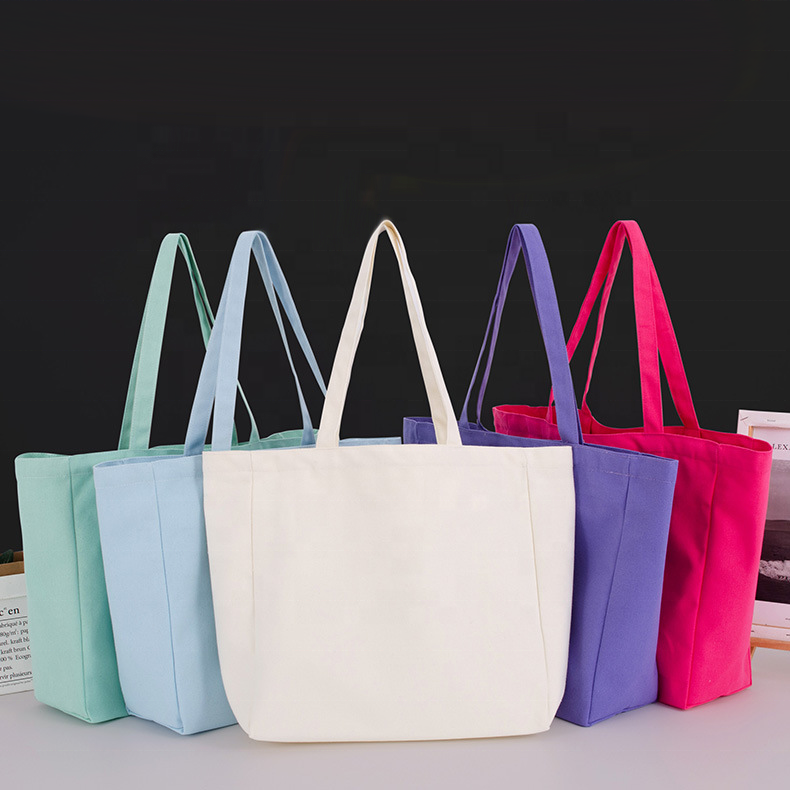
Tote bags remain one of the most important private label bag styles because they work across retail, DTC, beauty, grocery, gifting, education, lifestyle, and promotional channels. They are easy for customers to understand and easy for brands to adapt.
From a manufacturing point of view, a tote is not one standard product. A 6 oz cotton tote for events is very different from a 16 oz canvas tote for lifestyle retail. A grocery tote needs capacity and handle strength. A beauty tote needs clean finishing and strong photo performance. A bookstore tote needs clear printing and a comfortable handle drop. A premium retail tote may need lining, an inner pocket, zipper closure, reinforced bottom, and custom labels.
The most common development mistake is choosing tote material only by price. Lightweight cotton may be fine for giveaways, but it may feel weak for a paid retail product. Heavy canvas may feel premium, but it increases cost and shipping weight. For private label brands, the right tote is the one that matches selling price, customer use, and brand image.
A good tote brief should define size, fabric weight, handle length, logo method, bottom structure, inner pocket, closure type, packaging, and target load. These details make the difference between a simple bag and a real private label product.
Crossbody Bags
Crossbody bags are popular because they are practical for travel, errands, daily commuting, walking, festivals, pet care, and hands-free movement. For DTC brands, they are especially attractive because the product has a clear use case and photographs well.
The structure looks simple, but small details decide whether the bag feels good in real life. Strap width, zipper angle, pocket access, body-side softness, hardware weight, and lining quality all matter. A crossbody that swings too much, scratches clothing, or has a stiff zipper can create complaints. A well-designed one can become a repeat-use item and support positive reviews.
Typical private label crossbody development should begin with item mapping. Will the customer carry a phone, wallet, keys, passport, sunglasses, lipstick, power bank, or water bottle? Once the item list is clear, the size and pocket structure become much easier to control.
Brands should also think carefully about hardware. Metal hardware may look premium but can increase weight and cost. Plastic hardware may reduce weight but must still feel strong enough. A small detail such as zipper puller shape can influence how premium the bag feels.
Travel and Cosmetic Bags
Travel bags and cosmetic bags are strong private label categories because they solve obvious organization problems. Customers understand why they need a toiletry bag, packing cube, shoe pouch, wet bag, makeup organizer, brush pouch, or weekender bag without much explanation.
Beauty and travel products also bundle well. A skincare brand can sell a makeup pouch with a travel toiletry case. A hotel brand can offer branded amenity pouches. A DTC travel brand can create a packing system with cubes, laundry bags, shoe bags, and toiletry bags. A retail chain can build seasonal travel sets.
These products need practical material choices. Cosmetic bags often need wipe-clean linings such as PEVA, PVC, TPU-coated fabric, or coated polyester. Travel bags need smooth zippers, reasonable weight, reinforced handles, and enough structure to photograph well.
For travel products, sample testing is important. The sample should be packed with real items, zipped repeatedly, photographed from several angles, and reviewed for both function and appearance. A bag that looks good empty may behave differently when filled.
Cooler and Functional Bags
Cooler bags, lunch bags, tool bags, medical bags, waterproof bags, and outdoor soft goods are not always fashion-driven, but they are very relevant for private label brands because customers understand their function immediately.
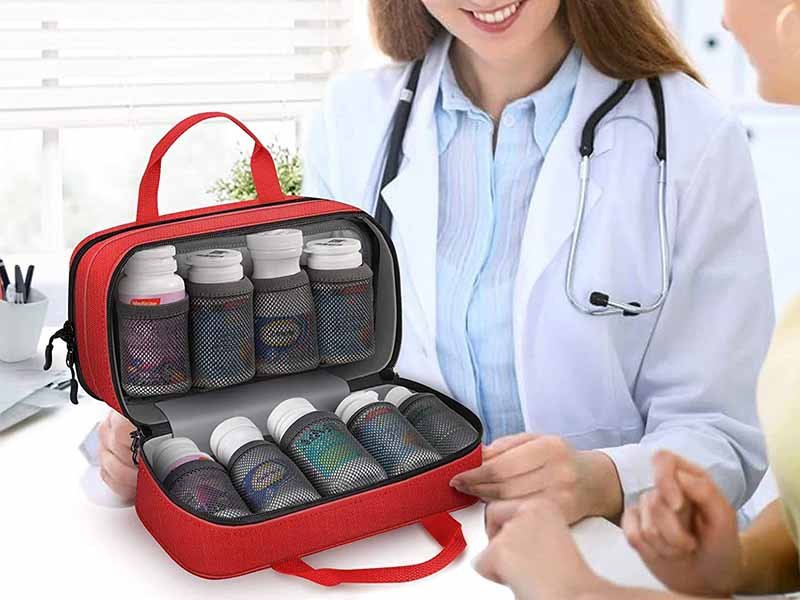
A cooler bag needs insulation, lining, seam handling, zipper selection, and shape control. A tool bag needs abrasion resistance, pocket strength, and reinforced stress points. A medical bag needs compartment logic, easy cleaning, and color consistency. A waterproof bag needs clear definitions: water-resistant fabric is not the same as seam-sealed waterproof construction.
Functional bags often perform well because they are less dependent on short-lived fashion cycles. A good lunch bag, cooler bag, pet bag, tool pouch, or travel organizer can remain useful for several years if the structure and material are right.
Bag Style | Common Private Label Use | Practical Size / Spec Range | Key Risk to Check |
Cotton tote | Events, retail, bookstore, lifestyle | 6–12 oz cotton; 35–42 cm width common | Shrinkage, print clarity, handle strength |
Canvas tote | Premium retail, beauty, grocery, DTC | 12–20 oz canvas; reinforced handles | Weight, folding, color consistency |
Crossbody bag | Travel, city, wellness, phone storage | 0.5–3 L capacity; adjustable strap | Strap comfort, zipper access |
Cosmetic pouch | Beauty, gifting, travel | 210D–600D lining or coated lining | Stain resistance, zipper smoothness |
Packing cube | Travel and organization sets | 210D–300D polyester/nylon common | Mesh tearing, zipper path |
Cooler bag | Food, wellness, outdoor, grocery | PEVA/foil lining; foam insulation often 3–8 mm | Leakage, odor, insulation performance |
What Materials Are Winning?
Winning materials are not chosen by trend name alone. They are chosen by use case, hand feel, durability, weight, structure, cost, logo method, and channel requirements. Canvas, cotton, polyester, nylon, Oxford fabric, PU leather, genuine leather, neoprene, PVC, TPU, EVA, mesh, jute, and RPET can all work when matched correctly.
Everyday Fabrics
Canvas, cotton, polyester, nylon, and Oxford fabric remain core materials because they cover most private label bag needs. Cotton and canvas are strong for lifestyle, grocery, bookstore, beauty, and natural-brand products. Polyester is cost-flexible and color-friendly. Nylon is often lighter and smoother, making it suitable for travel and daily carry. Oxford fabric works well for backpacks, cooler bags, outdoor bags, tool bags, and structured pouches.
The material name alone is not enough. Cotton can range from thin promotional fabric to heavy canvas. Polyester can feel cheap or premium depending on denier, coating, weave, and finishing. Oxford fabric can be 210D, 300D, 420D, 600D, 900D, or higher, with very different hand feel and strength.
For a paid retail product, brands should avoid choosing the lowest fabric weight only to hit a price point. A bag that feels too thin can damage customer trust before the first use. For DTC, the material must also photograph well. Wrinkled, shiny, or overly soft fabric can make the bag look cheaper online.
Material selection should always connect to use case. A grocery tote needs load strength. A cosmetic pouch needs lining and stain resistance. A travel bag needs weight control and zipper performance. A backpack needs structure and abrasion resistance.
Premium and Lifestyle Materials
PU leather, genuine leather, neoprene, woven fabric, washed canvas, suede-touch fabric, and textured nylon can help a private label bag feel more premium. The best material depends on the brand’s position. A clean PU leather cosmetic pouch may fit a beauty brand. Washed canvas may fit an outdoor lifestyle brand. Neoprene may fit a modern lunch bag, bottle holder, or soft tech pouch.
Premium materials require more careful sample review. PU leather can peel or crease if the backing is poor. Genuine leather may have natural variation and higher cost. Neoprene thickness affects hand feel, insulation, and sewing behavior. Washed canvas can look beautiful but may have shade variation. Textured nylon may look premium but increase minimum order quantity or lead time.
Brands should review physical swatches before confirming a material. Screen colors and digital mockups can be misleading. The same beige tone can look different on canvas, nylon, PU leather, and neoprene. The same logo method can also behave differently across materials.
A premium bag does not always need the most expensive material. It needs the right combination of surface texture, structure, lining, hardware, stitching, and packaging.
Sustainable Options
Sustainability is a real trend, but it must be handled carefully. Some buyers ask for RPET, organic cotton, recycled cotton, jute, kraft packaging, or reusable construction. These options can support a stronger brand story, but they also affect MOQ, color availability, testing, cost, and lead time.
The most credible sustainability angle for private label bags is often durability plus reuse. A bag that is reused many times is usually more convincing than a weak product with a vague eco claim. Brands should be specific: recycled polyester with certification, organic cotton if available, jute for natural texture, reusable grocery design, reduced plastic packaging, or recyclable paper packaging where practical.
Vague words such as “eco-friendly” or “green” should be avoided unless the material and packaging claims can be supported. This is especially important for retail brands, where compliance and claim accuracy may be reviewed by internal teams.
A practical sustainability strategy begins with honest material selection, strong construction, reduced over-packaging, and clear communication.
Coated and Functional Materials
Coated materials are becoming more important because customers expect bags to resist spills, moisture, cosmetics, food, sand, and outdoor use. PVC-coated fabric, TPU-coated fabric, PEVA lining, waterproof lining, laminated polyester, and coated Oxford fabric can all improve performance.
The important point is claim accuracy. A fabric can be water-resistant while the finished bag is not waterproof. A cooler bag can have waterproof lining but still leak if seams are not handled correctly. A dry bag needs a very different structure from a cosmetic pouch with wipe-clean lining.
Brands should define the requirement before asking for material: wipe-clean, splash-resistant, water-resistant, leak-resistant, insulated, or dry-bag waterproof. Each one changes construction, cost, and testing.
For example, a makeup bag may only need wipe-clean lining. A lunch bag may need insulation and leak-resistant lining. A waterproof dry bag may need roll-top construction and stronger seam technology. Treating these as the same requirement can create product failure and customer complaints.
Material | Typical Use | Common Practical Spec | Buyer Watchpoint |
Cotton | Promo totes, light retail bags | 5–12 oz | Shrinkage, wrinkling, print result |
Canvas | Premium totes, lifestyle bags | 10–20 oz | Weight, handle reinforcement |
Polyester | Pouches, drawstring bags, cooler shells | 210D–600D common | Hand feel, coating, color fastness |
Nylon | Travel, crossbody, outdoor, lightweight bags | 210D–420D common | Cost, availability, surface finish |
Oxford fabric | Backpacks, tool bags, cooler bags | 300D–900D common | Abrasion, coating, stiffness |
PU leather | Cosmetic, fashion, gift bags | 0.6–1.2 mm often used | Peeling, odor, crease marks |
Neoprene | Lunch bags, bottle holders, soft cases | 2–5 mm common | Odor, edge finish, thickness |
RPET | Sustainable collections | Depends on fabric source | Certification, MOQ, color limits |

How Are Functions Changing?
Bag functions are becoming more practical, specific, and review-driven. Customers want bags that organize better, carry comfortably, protect contents, clean easily, and survive daily use. For brands, the winning functional trend is not adding more features; it is adding the right features for the right customer.
Better Organization
Organization is one of the biggest reasons customers choose one bag over another. A tote with no inner pocket may look clean, but users may complain that keys, lipstick, wallet, and phone disappear at the bottom. A cosmetic bag with no separation may look spacious, but it can become messy quickly. A travel bag without shoe or wet-dry separation may miss a major use case.
Good organization starts with item mapping. For a commuter tote, the list may include laptop, charger, bottle, notebook, phone, keys, wallet, and cosmetics. For a travel pouch, it may include toothbrush, cleanser, skincare bottles, razor, towel, wet items, and small accessories. For a baby bag, it may include diapers, wipes, bottles, clothes, toys, and changing mat.
The right pocket layout should reduce friction. It should not make the bag harder to sew, heavier, or more expensive without improving use. A simple zipper pocket, bottle sleeve, elastic mesh pocket, or divider can often create more value than adding many unnecessary compartments.
The goal is not to add pockets. The goal is to help customers find what they need faster.
Comfort and Carry
Carry comfort is becoming more important because customers use bags for longer periods. A beautiful bag can still receive poor reviews if the strap digs into the shoulder, the handle is too short, the backpack panel is uncomfortable, or the crossbody strap twists.
For private label brands, comfort is controlled by details: strap width, padding thickness, webbing quality, hardware weight, handle drop, bag balance, and attachment angle. A tote handle that works for hand carry may be too short for shoulder carry. A crossbody strap that looks elegant may be too narrow for a heavier bag. A backpack with many pockets may feel unbalanced if the load is poorly distributed.
Basic load expectations should be discussed during sampling. A light cosmetic pouch may not need load testing beyond normal use, but a grocery tote, laptop bag, cooler bag, or tool bag should be reviewed for seam strength and stress points.
Reinforced stitching, bartacks, stronger webbing, and bottom support can prevent many real-world failures. These details are not always visible in marketing photos, but they are very visible after customers start using the product.
Protection and Cleaning
Protection features are no longer limited to outdoor bags. Beauty brands want wipe-clean linings. Travel brands want padded compartments. Food brands want insulation. Tech brands want soft lining. Pet brands want washable or easy-clean surfaces. Retail brands want fewer return risks.
A protective feature must match the product promise. A laptop sleeve should have enough padding and size accuracy. A makeup pouch should resist stains and be easy to wipe. A cooler bag should use proper lining and insulation. A waterproof product should be tested against the exact claim being made.
Function also affects material choice. PEVA or coated lining can help with cleaning, but it may create odor or stiffness if poorly selected. Foam padding can protect contents, but it increases thickness and carton volume. Mesh panels improve visibility and breathability, but they must resist tearing.
A good sample should be tested with real contents. Put cosmetics inside the pouch. Pack shoes into the shoe bag. Add bottles to the cooler bag. Carry the tote with realistic weight. This simple habit often exposes problems before bulk production.
Review-Driven Details
Online reviews have made small functional failures more expensive. A weak zipper, loose thread, poor seam, bad smell, inaccurate size, thin lining, or uncomfortable strap can quickly become a public complaint. This is why private label bag development should be review-aware before launch.
A practical approach is to inspect the bag from the customer’s first 30 days of use. Will the zipper still run smoothly? Will the handle hold? Will the lining stay clean? Will the bag keep its shape in photos and daily carry? Will the packaging protect it during shipping? Will the color match the online image closely enough?
Brands should also consider how easy the product is to explain online. A useful function should be easy to show in photos or short videos. A hidden pocket, wipe-clean lining, insulated compartment, or standing base can become a selling point if the benefit is visible.
The best functional bags feel simple to the customer, even if the development behind them is detailed.
Function Goal | Practical Feature | Common Spec Reference | QC Focus |
Carry weight | Reinforced handles, bartack points | 6–10 stitches per inch often used depending on material | Pull strength, seam security |
Daily access | Main zipper, inner pocket, key hook | Zipper #3 for small pouches; #5 for many daily bags | Smoothness, alignment |
Wet/dry use | Coated lining, separate pocket | PEVA/TPU/PVC lining depending on use | Seam leakage, odor |
Device protection | Padded sleeve or soft lining | 3–5 mm foam often used for light padding | Fit, padding coverage |
Food storage | Insulation and wipe-clean lining | Foam insulation often 3–8 mm | Heat retention, lining sealing |
Travel organization | Mesh panels, compression, shoe pouch | Lightweight polyester/nylon common | Zipper path, mesh strength |
How Do Brands Customize Bags?
Brands customize bags through logo, color, material, structure, lining, hardware, labels, packaging, and product series planning. Strong customization is not decoration only. It makes the bag feel like a brand-owned product, improves perceived value, and helps retail and DTC collections look more consistent.
Logo Application
Logo application is one of the most visible customization choices, but it should never be selected by appearance alone. The best logo method depends on material, quantity, design detail, durability, brand tone, and budget.
Screen printing works well for cotton, canvas, non-woven fabric, and simple graphic logos. Heat transfer is useful for detailed color artwork. Embroidery adds texture and works well on many woven fabrics, but it can pucker thin materials. Woven labels are clean and repeatable. Rubber patches, leather patches, metal plates, debossing, and embossing can create a more premium look for fashion, beauty, travel, and gift products.
Brands should also think about scale. A large logo can work for promotional totes, but a subtle woven label may feel more premium for DTC fashion or quiet lifestyle products. The same brand may use different logo methods across different product tiers.
Logo testing should be done on the final material, not only on paper or mockups. Ink, thread, heat pressure, leather texture, coating, and fabric weave can all change the final result.
Color and Material Systems
Color is not only a design choice. It affects MOQ, lead time, consistency, photography, production risk, and repeat orders. A strong private label bag collection usually needs a color system: core colors, seasonal colors, lining colors, zipper tape colors, webbing colors, hardware finishes, and packaging colors.
Core colors should be easy to repeat. Black, natural, navy, gray, beige, olive, cream, and brown are common because they fit many channels. Seasonal colors can be added later after the product shape is proven. For DTC brands, color also affects photo consistency. A beautiful pale color may need cleaner packaging and stricter handling. A dark color may hide stains but show lint or dust.
Material and color should be considered together. A beige canvas tote, beige nylon crossbody, and beige PU cosmetic pouch may not match exactly because different materials absorb dye differently. This is why brands should review physical swatches instead of relying only on screen colors or Pantone numbers.
A mature brand color system makes future SKU expansion easier. It also helps the collection look intentional instead of randomly assembled.
Packaging Experience
Packaging has become more important because retail and e-commerce customers judge the brand before they use the product. For bags, packaging can include hangtags, dust bags, belly bands, paper sleeves, kraft boxes, barcode labels, FBA labels, inserts, care cards, tissue paper, and shipping cartons.
Retail packaging must support scanning, display, shelf handling, and carton receiving. DTC packaging must support unboxing, protection, gifting, and brand memory. Amazon packaging must support platform rules, labeling, carton efficiency, and damage prevention.
Packaging should be planned before bulk production. A bag that folds poorly may increase carton volume. A rigid gift box may look premium but raise freight cost. A weak polybag may lead to dust or moisture complaints. A missing barcode can delay warehouse receiving.
Good packaging does not always mean expensive packaging. It means packaging that protects the product, supports the sales channel, and reinforces the brand in a practical way.
Collection Customization
The most mature private label brands do not customize each bag randomly. They build a collection system. This means a tote, pouch, travel bag, cooler bag, or backpack may share the same fabric family, lining direction, logo label, zipper puller, color palette, and packaging language.
This approach helps customers recognize the brand and helps the sourcing team control production. It also makes reorders easier because the brand can reuse approved materials, labels, packaging, and trim standards across new SKUs.
Collection customization is especially useful for beauty, travel, lifestyle, outdoor, grocery, pet, wellness, and corporate gift brands. It supports higher average order value, bundle sales, seasonal drops, gift sets, and repeat purchasing.
A private label collection should feel connected. The customer should be able to see that the tote, pouch, and travel organizer belong to the same brand family, even if each product serves a different purpose.
Custom Area | Common Options | Best Fit | Practical Note |
Logo | Screen print, embroidery, woven label, patch, debossing | Brand identity | Test logo on final material, not only on paper |
Color | Stock fabric, custom dye, seasonal palette | Collection planning | Stock colors reduce MOQ and lead time |
Lining | Polyester, PEVA, printed lining, coated lining | Beauty, travel, cooler, gift bags | Lining changes perceived quality |
Hardware | Zipper puller, D-ring, buckle, snap hook | Crossbody, backpack, premium pouch | Heavy hardware increases cost and weight |
Packaging | Hangtag, dust bag, belly band, box, barcode | Retail and DTC | Confirm packaging before carton planning |
Product series | Tote + pouch + travel organizer + cooler | DTC bundles and retail collections | Reuse materials and trims for consistency |
How Should Brands Choose a Manufacturer?
Brands should choose a private label bag manufacturer by checking material knowledge, sampling ability, structure development, logo execution, QC process, packaging support, export experience, and communication quality. The right manufacturer helps reduce product risk before bulk production, not after problems appear.
Material and Structure Ability
A good private label bag manufacturer should understand more than sewing. The manufacturer should be able to explain why one fabric is better for a tote, another for a travel pouch, another for a cooler bag, and another for a premium cosmetic bag. It should understand how material affects cost, hand feel, structure, weight, water resistance, logo application, and production stability.
Structure ability is equally important. A bag may look simple in a photo, but real production requires pattern control, seam allowance, zipper path, reinforcement points, lining fit, pocket layout, handle balance, and carton packing. A small change in bottom width, side panel angle, handle drop, or zipper position can change the entire user experience.
Brands should ask suppliers practical questions. Will this bag stand upright? Can this material hold the shape? Is the handle strong enough for the intended load? Will the logo method work on this surface? Does the lining match the use case? Can the bulk order remain consistent with the approved sample?
A supplier who only says “yes, we can do it” may not be the safest choice. A better partner explains the risks before production begins.
Sampling and Revision Control
Sampling is where private label risk becomes visible. Before a sample is made, many decisions are theoretical. After the sample is made, the buyer can see the material hand feel, bag shape, pocket size, logo effect, zipper smoothness, stitching quality, packaging fit, and real proportion.
A professional sample process should include clear records. Material name, fabric weight or thickness, color reference, dimensions, logo placement, zipper type, lining, hardware, packaging, and revision comments should be documented. Without this, a good sample can still turn into a poor bulk order.
For brands, the sample should not be treated as a simple photo approval. It should be treated as the physical standard for production. If the sample is approved, the production team should know exactly which material, size, stitching, hardware, lining, and packaging standard to follow.
A good sampling process may take more effort at the beginning, but it reduces expensive problems later.
Quality and Delivery Control
Quality control is not only final inspection. For private label bags, it should include material check, accessory check, pre-production sample confirmation, cutting review, sewing review, semi-finished check, finished product inspection, packaging check, and shipment preparation.
Common QC points include size tolerance, color consistency, logo position, print adhesion, embroidery cleanliness, zipper smoothness, stitching density, handle reinforcement, seam strength, lining cleanliness, odor, carton quantity, barcode labels, and packaging accuracy.
Delivery also affects product success. A DTC launch can fail if goods arrive after the campaign date. A retail order can create penalties if carton labels or barcodes are wrong. An Amazon shipment can be delayed if FBA packaging is not correct.
A good manufacturer should discuss shipping method, carton size, gross weight, volume weight, commercial invoice, packing list, DDP, FBA, and split shipments early.
Communication and Long-Term Fit
The best manufacturer is not always the one with the fastest quote. It is the one that asks the right questions before quoting. A serious private label bag project needs product photos, sketches, tech pack, target size, material direction, logo file, quantity, packaging needs, destination country, target launch date, and quality expectations.
Brands should be careful with suppliers who quote before understanding the structure. A tote with zipper, lining, inner pockets, custom label, reinforced bottom, and branded packaging is not the same as a plain open tote. A waterproof bag claim is not the same as coated fabric. A cosmetic pouch with a standing structure is not the same as a flat zipper pouch.
A good manufacturer should help the brand move from idea to sample, from sample to pilot order, and from pilot order to repeat bulk production with fewer surprises.
For private label brands, long-term fit matters. A supplier who understands the first project deeply can help develop new colors, new sizes, new materials, and new SKUs faster in future seasons.
Conclusion: How Can Szoneier Help You Build Private Label Bags?
Private label bags are no longer simple logo products. For retail and DTC brands, they are daily-use products, brand touchpoints, review-sensitive SKUs, and repeat-order opportunities. The strongest private label bag programs combine clear product positioning, suitable material, practical structure, useful customization, reliable QC, and channel-ready packaging.
A good bag should carry more than items. It should carry the brand’s promise in daily life. A tote should feel right in the hand. A crossbody should sit comfortably on the body. A cosmetic pouch should open smoothly and clean easily. A travel bag should organize without frustration. A cooler bag should perform honestly. A private label collection should look consistent across colors, materials, labels, and packaging.
Brands planning a new private label bag project should prepare the basics before requesting a quote: target customer, bag style, size, use case, material preference, logo artwork, color direction, packaging requirements, order quantity, destination country, and expected launch time. With these details, a manufacturer can review feasibility, recommend better materials, develop samples, improve structure, control costs, and prepare the project for bulk production.
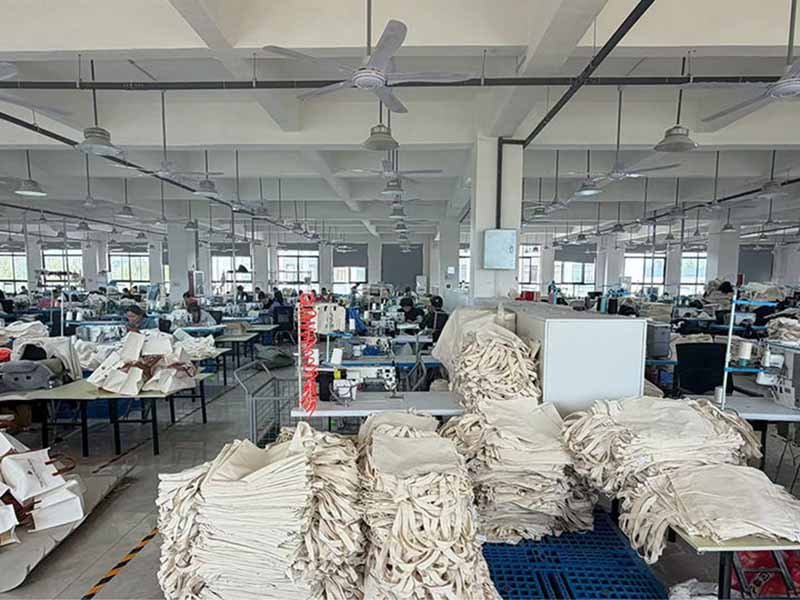
Szoneier is a Shenzhen-based custom bags and soft goods OEM/ODM manufacturer serving global brands, retailers, importers, e-commerce sellers, and B2B buyers. With 18+ years of manufacturing experience, factory-based sampling, material sourcing, sewing production coordination, quality inspection, packaging, and export delivery support, Szoneier helps buyers turn product ideas, reference samples, and tech packs into production-ready custom bags with lower development risk and more stable bulk delivery.
For custom tote bags, travel bags, cosmetic bags, cooler bags, backpacks, pouches, leather goods, neoprene products, waterproof bags, functional soft goods, or full private label bag collections, Szoneier can support your project from concept and sample development to production, inspection, packaging, and export delivery.
To start your private label bag project, send your product photo, sketch, tech pack, logo file, quantity, packaging request, and target delivery country to the Szoneier team. A better private label bag begins with a clearer development conversation.